
Hiv prep
I'll read the medical library skill first, then research HIV PrEP comprehensively.
Reading File
Now searching the library and web in parallel for HIV PrEP content.
Finding Sources
Finding Sources
Searching PubMed
"pre-exposure prophylaxis" AND HIV
Searching the Web
HIV PrEP 2025 2026 guidelines CDC WHO update
Good results. Now let me read the key textbook sections in parallel.
Reading File
Reading File
Reading Web Page
https://www.hiv.uw.edu/pdf/prevention/preexposure-prophylaxi…
I have comprehensive information. Let me also fetch the Harrison's image and read the remaining PrEP section.
Reading File
Loading Image
I now have comprehensive information to write a full, well-structured answer on HIV PrEP.
HIV Pre-Exposure Prophylaxis (PrEP)
PrEP is the use of antiretroviral medication by HIV-negative individuals to prevent acquiring HIV infection before potential exposure. It is one of the key pillars in the HIV prevention toolkit:
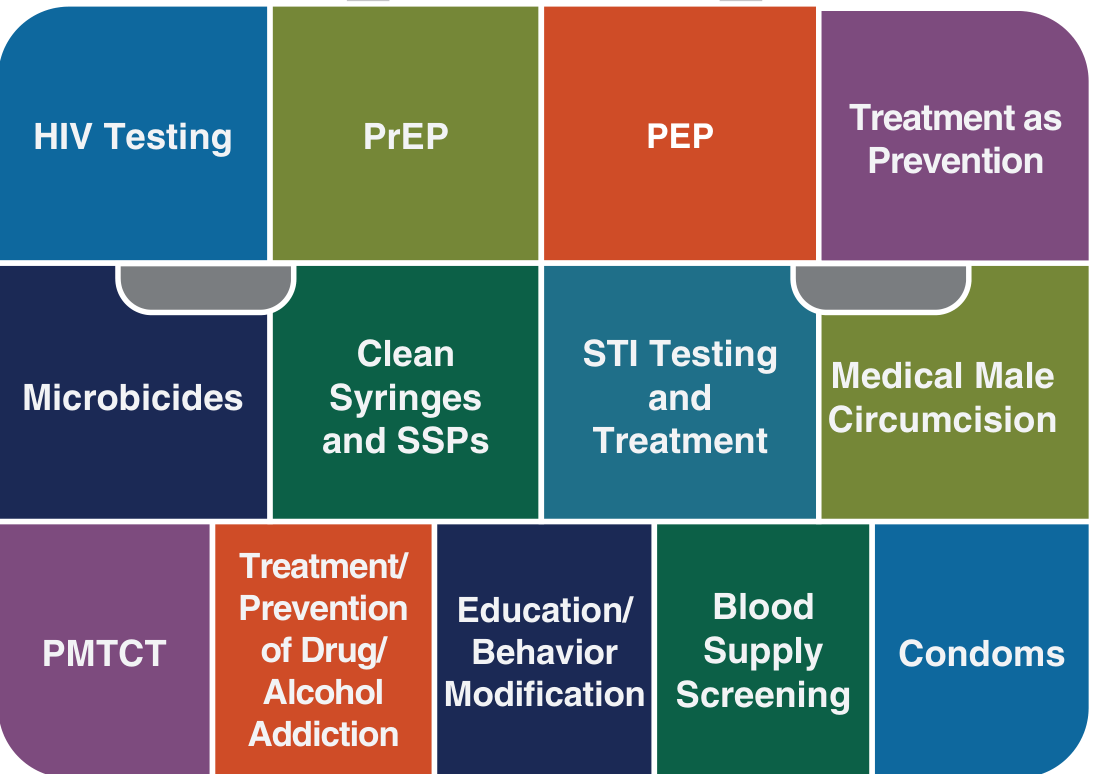
Who Should Receive PrEP?
PrEP should be considered - and per current CDC guidance can be offered to anyone who asks - in HIV-negative individuals with increased risk of HIV, including:
- Men who have sex with men (MSM) or men who have sex with men and women, particularly those not using condoms
- Transgender individuals
- People from - or whose partners are from - regions where HIV incidence is ≥3%
- Individuals who have traded sex for money, goods, or services
- Individuals with multiple sexual partners
- Individuals with a history of sexually transmitted infections (STIs)
- Individuals who have been or whose partners have been incarcerated
- People who inject drugs (PWID) - those sharing needles, syringes, or equipment
The CDC estimates approximately 1.2 million people in the United States are at "substantial" risk and should be counseled about PrEP.
(Goldman-Cecil Medicine, Table 3561; Harrison's, 22nd ed., Ch. 208)
Approved PrEP Regimens (as of 2025-2026)
There are now four approved PrEP options in the United States:
1. Daily Oral Tenofovir DF/Emtricitabine (TDF/FTC) - Truvada
- Dose: One tablet (TDF 300 mg + FTC 200 mg) once daily, with or without food
- Efficacy: ~99% effective with strict adherence
- Indication: All risk populations (sexual and PWID)
- Renal note: Not recommended if eGFR < 60 mL/min
- HBV note: TDF/FTC also treats HBV - stopping it can cause hepatitis flares in HBV-coinfected patients
2. Daily Oral Tenofovir Alafenamide/Emtricitabine (TAF/FTC) - Descovy
- Dose: One tablet (TAF 25 mg + FTC 200 mg) once daily
- Indication: MSM and transgender women; NOT approved for receptive vaginal sex
- Advantage: Better renal and bone safety profile vs. TDF/FTC
3. On-Demand (2-1-1) Dosing with TDF/FTC
- Dosing: 2 tablets 2-24 hours before sex, then 1 tablet 24 hours after, then 1 tablet 48 hours after the first dose
- Indication: MSM with planned sexual encounters, absent active HBV infection
- Status: FDA-approved labeling does not include this dosing; considered "off-label" but guideline-recommended (IAS-USA, IPERGAY trial data)
4. Long-Acting Injectable Cabotegravir (CAB-LA) - Apretude
- Dose: Cabotegravir 600 mg IM every 2 months (after 2 initiation injections 4 weeks apart)
- Indication: All sexual risk populations; first-line alongside oral options
- Efficacy: Similar or superior to daily oral TDF/FTC in trials (HPTN 083, HPTN 084)
- Advantage: No daily pill burden; preferred for those with adherence challenges
5. Twice-Yearly Subcutaneous Lenacapavir (LEN-SQ) - Sunlenca (newest, 2025)
- Dose: 927 mg subcutaneous injection every 6 months
- Mechanism: HIV capsid inhibitor (novel mechanism class)
- Efficacy: Phase 3 trial (PURPOSE 1) in South Africa and Uganda showed exceptional efficacy in cisgender women - essentially zero infections. PURPOSE 2 trial data in men, transgender women/men, and gender-nonbinary individuals are ongoing/emerging.
- 2025 CDC guidance: CDC MMWR 2025 issued formal recommendations for lenacapavir-SQ as HIV PrEP.
Baseline Evaluation Before Starting PrEP
| Test | Purpose |
|---|---|
| HIV test (4th-gen Ag/Ab) | Confirm HIV-negative status (mandatory) |
| Creatinine / eGFR | Baseline renal function (required for TDF-based PrEP) |
| Hepatitis B surface antigen (HBsAg) | Screen for active HBV (affects regimen choice and stopping decisions) |
| Hepatitis C antibody | Baseline screen |
| STI screening (gonorrhea, chlamydia, syphilis) | Baseline |
| Pregnancy test | For individuals who can become pregnant |
Monitoring on PrEP
| PrEP Type | HIV Testing Interval | Other Labs |
|---|---|---|
| Oral TDF/FTC or TAF/FTC | Every 3 months | Creatinine at 3 months, then every 6-12 months; STI screen q3-6 months |
| Injectable cabotegravir | Every 4 months (+ 1 month after first injection) | STI screen; renal not needed routinely |
| Lenacapavir SQ | Every 6 months | Per 2025 CDC guidance |
(UW HIV Medicine Core Concepts, 2025; 2021 CDC PrEP Guidelines)
Efficacy Summary
- Daily oral TDF/FTC (iPrEx trial and others): ~99% reduction in HIV acquisition with high adherence
- HPTN 083 (CAB-LA vs. TDF/FTC in MSM/TGW): 66% lower HIV incidence with cabotegravir
- HPTN 084 (CAB-LA vs. TDF/FTC in African women): 89% lower HIV incidence with cabotegravir
- PURPOSE 1 (lenacapavir in African women): 100% efficacy in the lenacapavir arm (zero infections)
- "Treatment as Prevention" (TasP / U=U): Virally suppressed partners pose effectively zero transmission risk (HPTN 052, PARTNER, Opposites Attract studies combined >125,000 sex acts without condom or PrEP)
(Harrison's Principles of Internal Medicine, 22nd ed., p. 1669)
Stopping PrEP
- Oral TDF/FTC: Continue for at least 7 days after last potential HIV exposure before stopping
- Cabotegravir-IM: Due to the long pharmacologic tail (drug persists for months after last injection), patients stopping injectable PrEP should transition to oral PrEP for a bridging period (typically oral TDF/FTC for ~12 months) to prevent resistant infection
- HBV co-infection: Do not stop TDF/FTC abruptly - risk of HBV flare
Special Populations
| Population | Notes |
|---|---|
| Adolescents | FDA-approved; AAP recommends offering PrEP to youth at substantial risk |
| Pregnancy / breastfeeding | TDF/FTC preferred (most safety data); TAF/FTC and CAB-LA data limited |
| Renal impairment | Avoid TDF-based PrEP if eGFR < 60; TAF/FTC safer; CAB-LA or lenacapavir require no renal adjustment |
| PWID | Oral TDF/FTC recommended; combine with needle exchange, addiction treatment |
PrEP vs. PEP - Key Distinction
| PrEP | PEP | |
|---|---|---|
| Timing | Before exposure (ongoing) | After exposure (emergency, within 72 hrs) |
| Duration | Ongoing while at risk | 28 days |
| Drugs | TDF/FTC, TAF/FTC, CAB-LA, LEN-SQ | 3-drug ART regimen x 28 days |
| Goal | Prevent acquisition in high-risk individuals | Post-exposure emergency prevention |
Recent Evidence (2024-2026)
- Systematic review on mHealth and PrEP adherence (PMID 40642253, 2025): Mobile health interventions significantly improve oral PrEP adherence and uptake among key populations.
- Interventions for oral PrEP adherence - network meta-analysis (PMID 38814406, 2024): Identifies effective adherence support strategies.
- Vaccination coverage in PrEP users - meta-analysis (PMID 42184839, 2026): Highlights the opportunity to use PrEP visits for catch-up vaccinations (HAV, HBV, HPV, meningococcal).
No recent systematic reviews contradict current guidelines. The emerging story is the superiority of long-acting formulations (CAB-LA, lenacapavir) over daily oral PrEP, particularly in populations with adherence challenges.
Sources:
- Harrison's Principles of Internal Medicine, 22nd ed. (2025), Ch. 208, p. 1669
- Goldman-Cecil Medicine, Table 356-1
- Harriet Lane Handbook, 23rd ed., Ch. 17
- 2021 CDC PrEP Clinical Practice Guideline
- 2025 CDC Lenacapavir PrEP Recommendations (MMWR 2025;74:541-9)
- UW HIV Medicine - PrEP Core Concepts
Heavy menstrual bleeding Prescription
Finding Sources
Finding Sources
Searching PubMed
"heavy menstrual bleeding" AND treatment
Searching the Web
heavy menstrual bleeding prescription treatment guidelines 2024 2025
Good. Now let me read the Berek & Novak and other key sections in parallel.
Reading File
Reading File
Reading File
I now have thorough information. Let me also quickly read the Berek anovulation/moderate-severe section that was cut off.
Reading File
I now have comprehensive information for a thorough, prescription-focused answer on HMB.
Heavy Menstrual Bleeding (HMB) - Prescriptions & Management
Definition: Excessive menstrual blood loss (classically >80 mL/cycle) that interferes with physical, social, emotional, or material quality of life. In practice, diagnosis is based on subjective impact rather than measured blood loss.
Step 1 - Investigate First
Before prescribing, exclude and treat underlying causes:
| Investigation | Purpose |
|---|---|
| CBC, ferritin | Anaemia, iron deficiency |
| Pelvic ultrasound (TVUS) | Fibroids, polyps, endometrial thickening |
| Thyroid function (TSH) | Hypothyroidism |
| Coagulation screen / VWF panel | Bleeding disorder (especially if HMB since menarche) |
| Pregnancy test | Exclude pregnancy-related bleeding |
| Endometrial biopsy | If >45 yrs, or risk factors for endometrial cancer |
Suspect a bleeding disorder if: HMB since menarche, family history of bleeding disorder, epistaxis, easy bruising, prolonged post-dental / post-surgical bleeding, postpartum haemorrhage.
Prescriptions by Severity
MILD HMB (adequate Hb, minimal impact on daily life)
Non-hormonal options (first line if no desire for contraception):
-
Tranexamic acid (antifibrinolytic) - FIRST-LINE non-hormonal agent
- Dose: 1.3 g (2 x 650 mg tablets) orally every 8 hours for up to 5 days, starting day 1 of menses
- Alternative dose cited: 3.9-4 g/day in divided doses for 4-5 days
- Reduces MBL by 26-50% vs. placebo; more effective than NSAIDs
- Do not use if history of thromboembolic disease
- Adverse effects: headache (55%), nausea (15%)
- Dose-reduce in renal impairment
-
NSAIDs (mefenamic acid / ibuprofen)
- Mefenamic acid: 500 mg orally three times daily from day 1 of menses through to end of period
- Ibuprofen: 400-600 mg orally three times daily during menses
- Reduces MBL by ~25-35% vs. placebo; also helps dysmenorrhea
- Less effective than tranexamic acid for HMB
- Note: NSAIDs are not effective for fibroid-related HMB (no reduction shown in fibroid-specific trials)
Supplemental Iron:
- Ferrous sulfate 325 mg (65 mg elemental iron) orally 1-3 times daily
- All patients with HMB should receive iron supplementation regardless of measured iron stores
MODERATE HMB / Chronic Management (hormonal options)
1. Levonorgestrel Intrauterine System (LNG-IUS) - Mirena - Most Effective Overall
- 52 mg LNG-IUS inserted by clinician
- Reduces MBL by 71-95%; superior to all oral medical therapies
- Also provides contraception; lasts 5-8 years
- Preferred long-term option per NICE and ACOG guidelines
- Adverse effects: irregular spotting initially, amenorrhoea in many after 12 months
2. Combined Oral Contraceptive Pill (COC)
- Dose: Low-dose COC (e.g., ethinyl estradiol 20-35 mcg + progestin) taken cyclically or continuously
- Reduces MBL by ~40-50%
- Provides contraception; also improves acne, dysmenorrhea
- Contraindications: Active thromboembolism, smoking >35 yrs, migraine with aura, liver disease, breast cancer
- For acute non-emergent situations: start with a 35 mcg ethinyl estradiol combination pill
3. Cyclic Progestin-Only (if COC contraindicated or declined)
- Medroxyprogesterone acetate (MPA): 5-10 mg orally once daily for 10-13 days every 1-2 months (luteal phase support)
- Norethindrone (norethisterone): 5 mg orally three times daily - used for acute/moderate bleeding, continue for 5-7 days
- Prevents endometrial hyperplasia from unopposed oestrogen
- Less effective than COC or LNG-IUS for reducing MBL overall
4. GnRH Agonists (e.g., Leuprolide, Nafarelin)
- Used mainly for fibroid-related HMB or pre-surgical management
- Reduces uterine/fibroid volume by 30-35% and controls bleeding
- Not for long-term use (>6 months) due to bone loss and menopausal side effects (hot flushes 78%, vaginal dryness 32%)
- Add-back therapy (low-dose oestrogen + progestin) can mitigate bone loss if extended use is needed
5. GnRH Antagonists (e.g., Elagolix/Relugolix - newer agents)
- Elagolix (Oriahnn): FDA-approved for HMB due to fibroids - 300 mg twice daily (with low-dose oestrogen/progestin add-back)
- More rapid onset than GnRH agonists; oral dosing
- 2025 FIGO guidance endorses GnRH antagonists for medical treatment of fibroid-related HMB
ACUTE / SEVERE HMB (Emergency Setting)
For acute heavy bleeding with haemodynamic instability:
1. Resuscitation first: IV fluids, blood products if Hb critical
2. IV Conjugated Equine Estrogen (CEE)
- 25 mg IV every 4-6 hours for up to 24 hours or until bleeding stops
- Rapidly stabilises endometrium
- Follow with oral progestin or COC after acute control
3. Tranexamic acid (acute)
- IV: 10 mg/kg (max 600 mg per dose) IV infusion
- Oral: 1.3 g every 8 hours for 5 days
4. High-dose Oral Norethisterone (Progestin)
- 5 mg orally three times daily for 1 week (acute non-emergent)
- OR MPA 20 mg three times daily (for acute heavy anovulatory bleeding)
5. COC for acute stabilisation
- 35 mcg ethinyl estradiol combination OCP - or medroxyprogesterone 20 mg three times daily for 1 week; then taper
6. Intrauterine tamponade (emergency)
- 26F Foley catheter inflated with 30 mL saline as a bridge to definitive management
Summary Table - Prescription Quick Reference
| Drug | Dose | Route | Timing | Use |
|---|---|---|---|---|
| Tranexamic acid | 1.3 g q8h | Oral | Days 1-5 of menses | Non-hormonal 1st line |
| Mefenamic acid | 500 mg TDS | Oral | During menses | Non-hormonal adjunct |
| Ibuprofen | 400-600 mg TDS | Oral | During menses | Non-hormonal adjunct |
| LNG-IUS (Mirena) | 52 mg | Intrauterine | Long-term (5-8 yr) | Most effective overall |
| COC (35 mcg EE) | 1 tablet OD | Oral | Cyclical/continuous | Hormonal 1st-line oral |
| Norethisterone | 5 mg TDS | Oral | Acute bleed x 5-7 days | Acute control |
| MPA | 5-10 mg OD | Oral | 10-13 days/month | Cyclic progestin |
| GnRH agonist | Per agent | SC/IN | Up to 6 months | Fibroids, pre-surgical |
| Elagolix | 300 mg BD | Oral | +add-back | Fibroid HMB |
| CEE IV | 25 mg q4-6h | IV | Acute, ≤24 hrs | Emergency bleed |
| TXA IV | 10 mg/kg (max 600 mg) | IV | Acute | Emergency bleed |
| Ferrous sulfate | 325 mg 1-3x/day | Oral | Daily | Adjunct (all patients) |
When to Refer / Consider Surgery
- Failure of medical management after 3-6 months
- Significant uterine fibroids or polyps on imaging
- Suspected endometrial pathology (biopsy/hysteroscopy needed)
- Desire for definitive treatment: endometrial ablation (non-fibroid), myomectomy (fibroid preservation), hysterectomy (definitive)
- Haemodynamic instability requiring emergency intervention
Sources:
- Berek & Novak's Gynecology - Ch. 9, pp. 409-415; Ch. 13, pp. 514-516
- Rosen's Emergency Medicine, Ch. 86, p. 1421
- Harrison's Principles of Internal Medicine, 22nd ed.
- Goodman & Gilman's Pharmacological Basis of Therapeutics
- FIGO Best Practice Guidance on Medical Treatment of Fibroids, 2025 (PMID 40927887)
- NASPAG Consensus on Tranexamic Acid, 2025
This is a shared conversation. Sign in to Orris to start your own chat.