
Shoulder complex detailed notes
Reading File
Now let me search the library for shoulder complex content in parallel:
Finding Sources
Finding Sources
Finding Sources
Finding Sources
Finding Sources
Finding Sources
Reading File
Finding Sources
Finding Sources
Reading File
Reading File
Reading File
Reading File
Reading File
Finding Sources
Loading Image
Loading Image
Loading Image
Loading Image
Reading File
Reading File
Loading Image
Reading File
Reading File
I now have comprehensive content to compile detailed notes. Let me fetch one more key image and then compile the full notes.
Loading Image
Loading Image
I now have all the material needed to write detailed, well-illustrated notes. Here they are:
The Shoulder Complex - Detailed Notes
Sources: Gray's Anatomy for Students; General Anatomy and Musculoskeletal System (THIEME Atlas); Rockwood and Green's Fractures in Adults 10th ed 2025
1. Overview
The shoulder complex is not a single joint - it is a group of four articulations that work together to provide the widest range of motion of any joint in the body:
- Glenohumeral joint - the "true" shoulder joint (ball and socket)
- Acromioclavicular (AC) joint - clavicle to acromion
- Sternoclavicular (SC) joint - clavicle to sternum; the only true bony connection between the upper limb and the trunk
- Scapulothoracic articulation - a physiological (not synovial) joint between the scapula and the thoracic cage
This design prioritizes mobility over stability - compensated by the rotator cuff, glenoid labrum, and ligaments.
2. Bones of the Shoulder Complex
Clavicle
- S-shaped bone; medial two-thirds are convex anteriorly, lateral third is concave anteriorly
- Acts as a strut, transmitting forces from the upper limb to the axial skeleton
- Most commonly fractured bone at its middle third
- Articulates medially with the manubrium (SC joint) and laterally with the acromion (AC joint)
Scapula
- Flat, triangular bone lying on the posterior thorax (ribs 2-7)
- Key landmarks:
- Spine - horizontal ridge separating the supraspinous and infraspinous fossae
- Acromion - lateral projection of the spine; forms the AC joint
- Coracoid process - hook-shaped projection anteriorly; attachment for muscles and ligaments
- Glenoid cavity - shallow, pear-shaped fossa; articulates with the humeral head
- Supraglenoid tubercle - attachment for long head of biceps
- Infraglenoid tubercle - attachment for long head of triceps
- Suprascapular notch - converted into a foramen by the superior transverse scapular ligament
Humerus
- Anatomical neck - between the head and tubercles; joint capsule attaches here
- Surgical neck - between the tubercles and shaft; site of fractures; axillary nerve closely related
- Greater tubercle - posterolateral; receives supraspinatus (superior facet), infraspinatus (middle facet), teres minor (inferior facet)
- Lesser tubercle - anterior; receives subscapularis
- Intertubercular sulcus (bicipital groove) - between the tubercles; houses the tendon of the long head of biceps brachii, held by the transverse humeral ligament
- Deltoid tuberosity - on the lateral shaft; insertion of deltoid muscle
3. Glenohumeral Joint
The glenohumeral joint is the primary joint of the shoulder. It is a synovial ball-and-socket joint between the large spherical head of the humerus and the small, shallow glenoid cavity of the scapula.
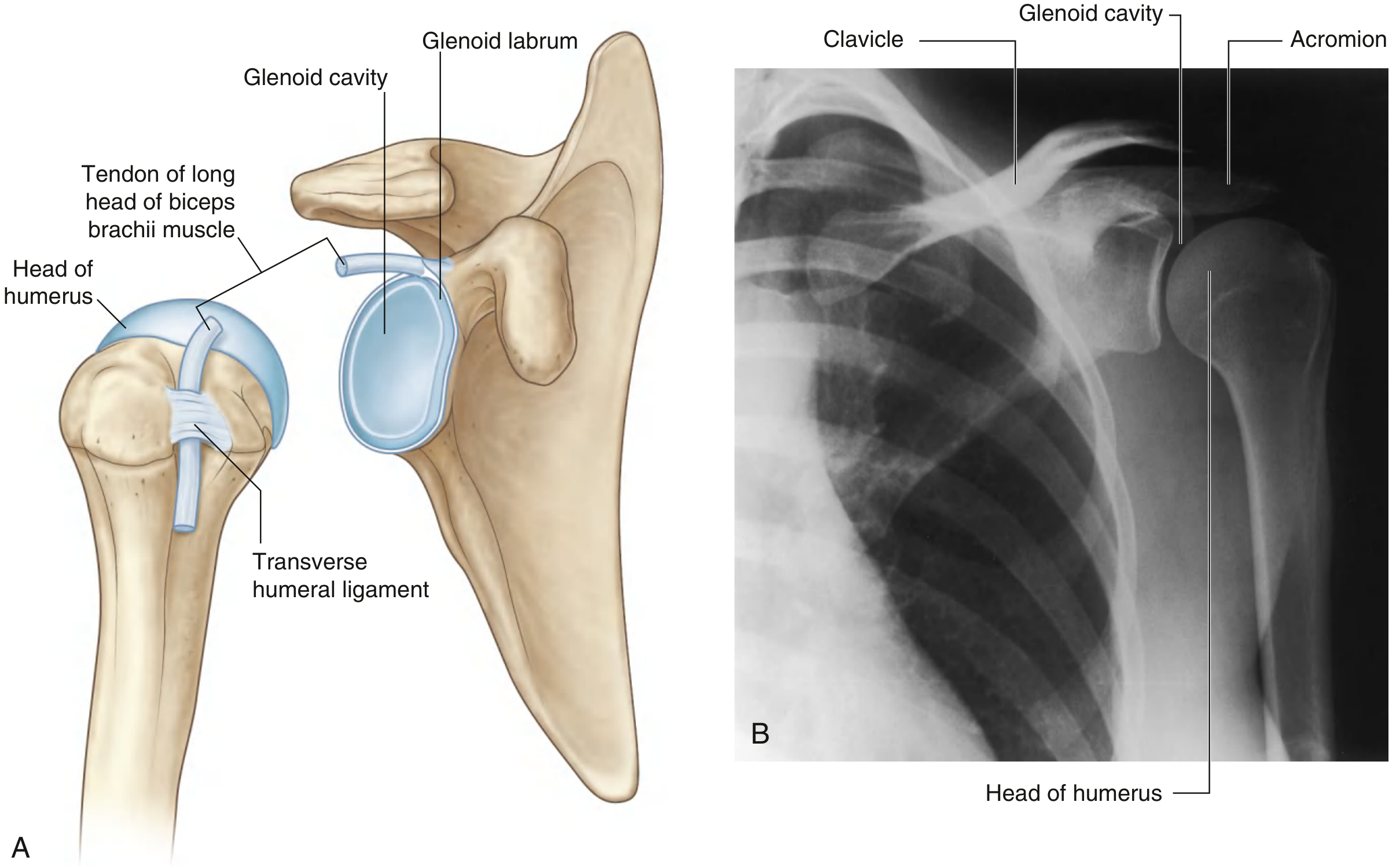
Fig. 7.25 - Glenohumeral joint articular surfaces and radiograph (Gray's Anatomy for Students)
Articular Surfaces
- Humeral head covered in hyaline cartilage; much larger than the glenoid
- Glenoid cavity covered in hyaline cartilage; only ~25-30% of the humeral head contacts it at any time
Glenoid Labrum
- A fibrocartilaginous rim that attaches to the glenoid margin
- Deepens and expands the glenoid cavity
- Superiorly, it is continuous with the tendon of the long head of biceps brachii (which attaches to the supraglenoid tubercle)
- Increases joint stability; torn in anterior dislocations (Bankart lesion)
Joint Capsule
Fibrous membrane:
- Attaches to the glenoid cavity margin (outside the glenoid labrum) and to the anatomical neck of the humerus
- Medially, the attachment extends inferiorly onto the shaft (creating a redundant fold that accommodates abduction)
- Thickened in three locations to form the glenohumeral ligaments
Synovial membrane:
- Attaches to articular margins, lines the fibrous capsule
- Loose inferiorly - this redundant portion accommodates abduction
- Protrudes through capsule apertures to form bursae (e.g., subtendinous bursa of subscapularis)
- Wraps around the long head of biceps tendon within the joint, then extends along it into the intertubercular sulcus
Ligaments of the Glenohumeral Joint
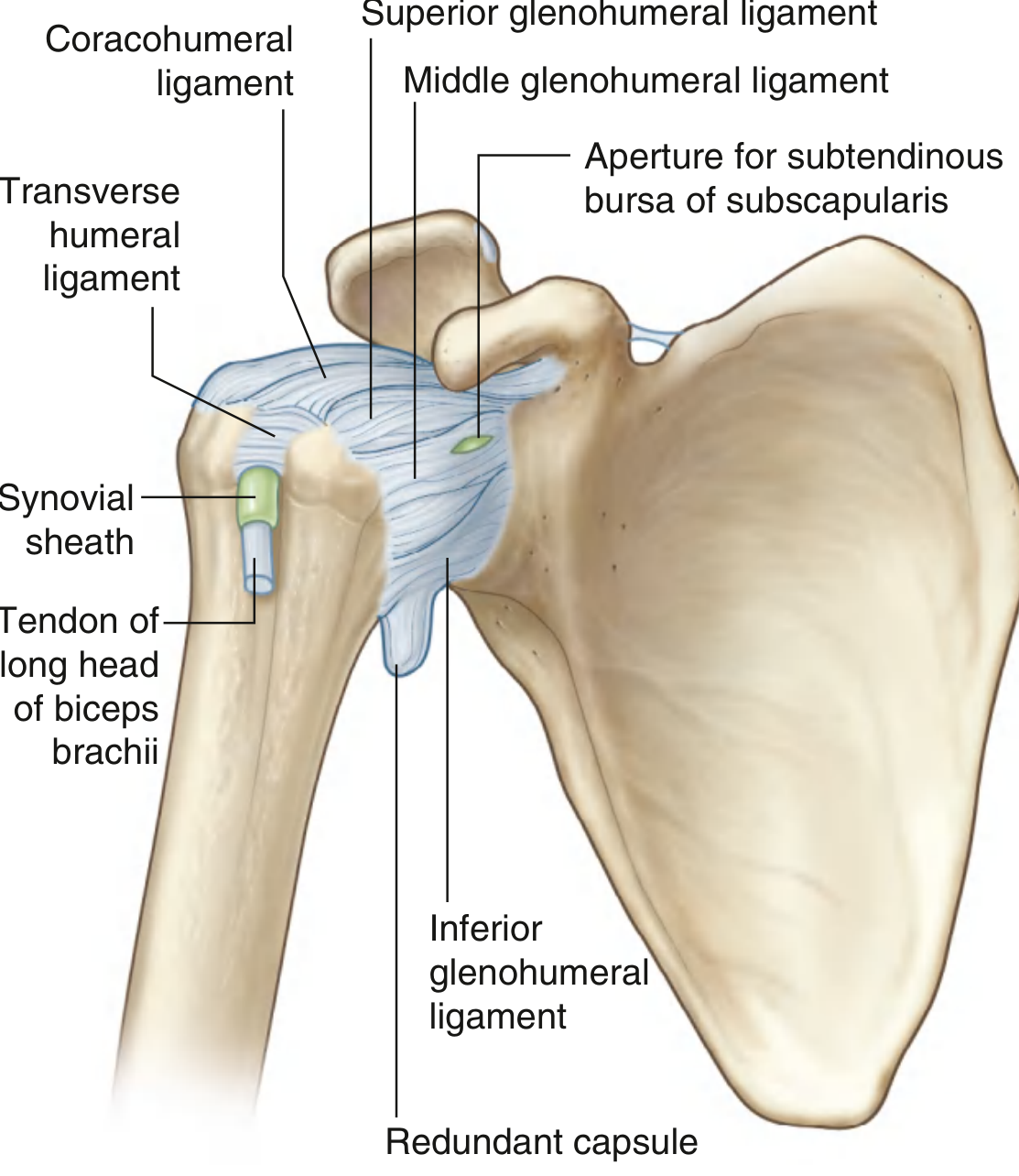
Fig. 7.27 - Capsule and ligaments of the right glenohumeral joint (Gray's Anatomy for Students)
| Ligament | Attachments | Function |
|---|---|---|
| Superior glenohumeral ligament | Superomedial glenoid margin → lesser tubercle | Restrains inferior translation with arm at side |
| Middle glenohumeral ligament | Superomedial glenoid margin → lesser tubercle | Restrains anterior translation at 45-60° abduction |
| Inferior glenohumeral ligament | Glenoid margin → anatomical neck (inferior) | Primary restraint to anterior/posterior instability at 90° abduction; most important stabilizer |
| Coracohumeral ligament | Base of coracoid process → greater tubercle | Resists inferior translation; limits extension and external rotation |
| Transverse humeral ligament | Greater tubercle → lesser tubercle | Holds long head of biceps in the intertubercular sulcus |
Coraco-Acromial Arch
- Formed by the coracoid process, coraco-acromial ligament, and acromion
- Forms a protective arch superior to the humeral head
- The subacromial space lies beneath this arch; contains supraspinatus tendon and subacromial bursa
Bursae
Four main bursae are associated with the glenohumeral joint:
- Subacromial (subdeltoid) bursa - between the acromion/deltoid and supraspinatus/capsule; does NOT directly communicate with the joint cavity in normal anatomy. Clinically the most important - becomes inflamed in impingement.
- Subtendinous bursa of subscapularis - between subscapularis tendon and joint capsule; communicates with the articular cavity through an aperture
- Subcoracoid bursa - between the coracoid process and joint capsule
- Subcutaneous acromial bursa - between acromion and skin
Blood Supply
- Anterior and posterior circumflex humeral arteries (branches of axillary artery)
- Suprascapular artery (branch of subclavian/thyrocervical trunk)
Nerve Supply
- Axillary nerve (C5, C6)
- Suprascapular nerve (C5, C6)
- Lateral pectoral nerve (C5, C6, C7)
Movements
| Movement | Primary Muscles |
|---|---|
| Flexion (0-180°) | Deltoid (anterior), pectoralis major, coracobrachialis, biceps brachii |
| Extension | Deltoid (posterior), latissimus dorsi, teres major |
| Abduction | Deltoid (major), supraspinatus (initiates first 15°) |
| Adduction | Pectoralis major, latissimus dorsi, teres major |
| Medial rotation | Subscapularis, pectoralis major, latissimus dorsi, teres major, deltoid (anterior) |
| Lateral rotation | Infraspinatus, teres minor, deltoid (posterior) |
Key rule: Full abduction to 180° requires contributions from both the glenohumeral joint (~120°) and the scapulothoracic articulation (~60°) - the scapulohumeral rhythm (2:1 ratio of GH to scapulothoracic movement).
4. Rotator Cuff
The rotator cuff is formed by four muscles whose tendons blend with and reinforce the fibrous capsule of the glenohumeral joint. The mnemonic is SITS:
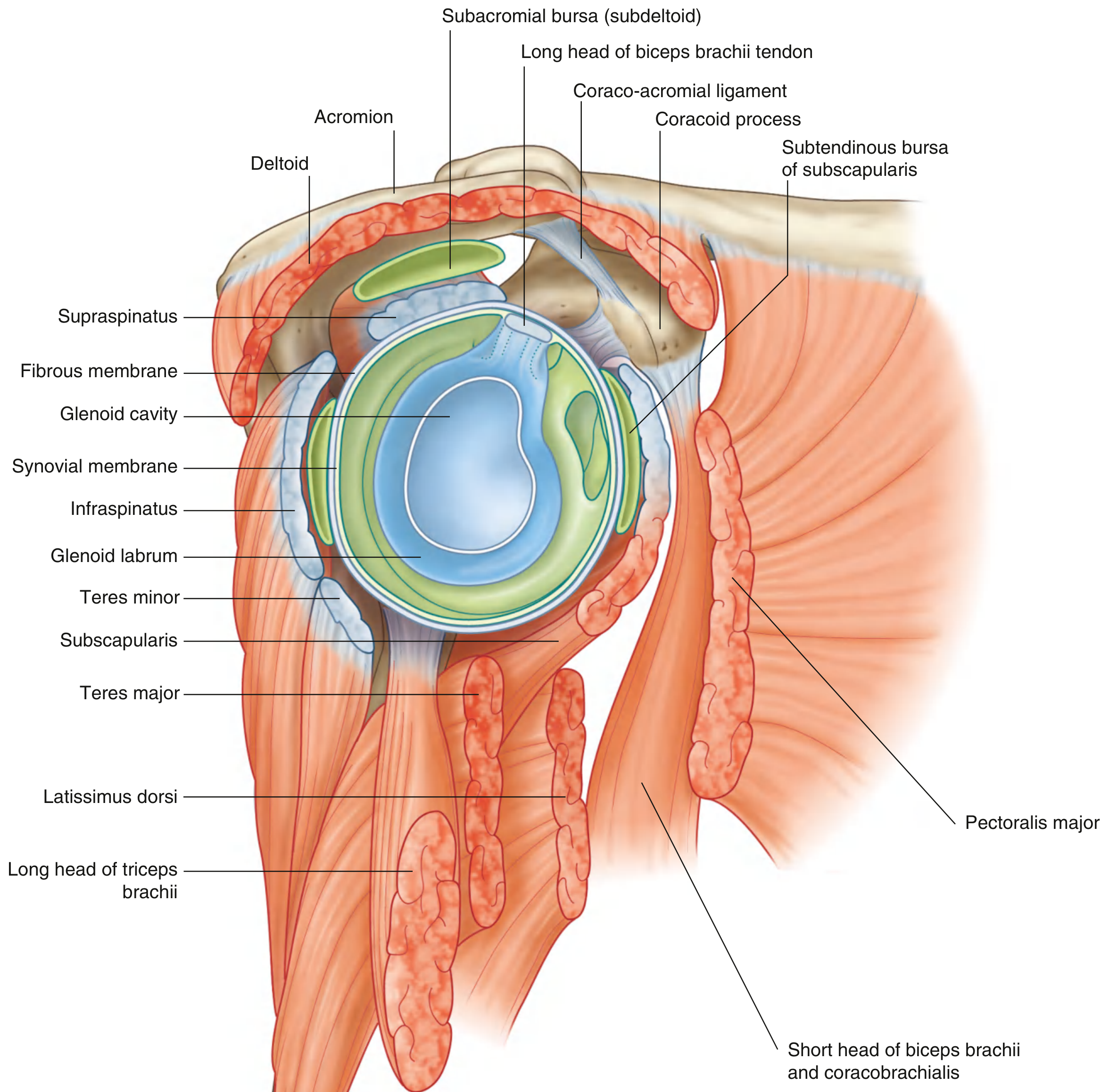
Fig. 7.28 - Cross-section of the glenohumeral joint showing rotator cuff muscles (Gray's Anatomy for Students)
| Muscle | Origin | Insertion | Nerve | Action |
|---|---|---|---|---|
| Supraspinatus | Supraspinous fossa (medial 2/3) | Superior facet, greater tubercle | Suprascapular (C5, C6) | Abduction (initiates); stabilizes GH joint |
| Infraspinatus | Infraspinous fossa (medial 2/3) | Middle facet, greater tubercle | Suprascapular (C5, C6) | Lateral rotation; stabilizes GH joint |
| Teres minor | Lateral border of scapula (upper 2/3) | Inferior facet, greater tubercle | Axillary (C6, C7) | Lateral rotation; stabilizes GH joint |
| Subscapularis | Subscapular fossa | Lesser tubercle | Upper & lower subscapular (C5, C6, C7) | Medial rotation; stabilizes GH joint |
Function: The rotator cuff creates a compressive force that holds the humeral head into the glenoid fossa, acting as a dynamic stabilizer. It surrounds the posterior, superior, and anterior aspects of the joint. The inferior aspect has no rotator cuff coverage - hence the most common direction of dislocation is anteroinferior.
5. Muscles of the Shoulder Region
Superficial Layer
Trapezius
- Origin: Superior nuchal line, external occipital protuberance, ligamentum nuchae, spinous processes C7-T12
- Insertion: Posterior border of lateral 1/3 of clavicle, acromion, superior edge of spine of scapula
- Nerve: Accessory nerve (CN XI) (motor); C3, C4 (proprioception)
- Action: Elevates scapula (upper fibers), retracts scapula (middle fibers), depresses scapula (lower fibers), rotates scapula during arm abduction above horizontal
- Clinical note: Test by asking patient to shrug against resistance
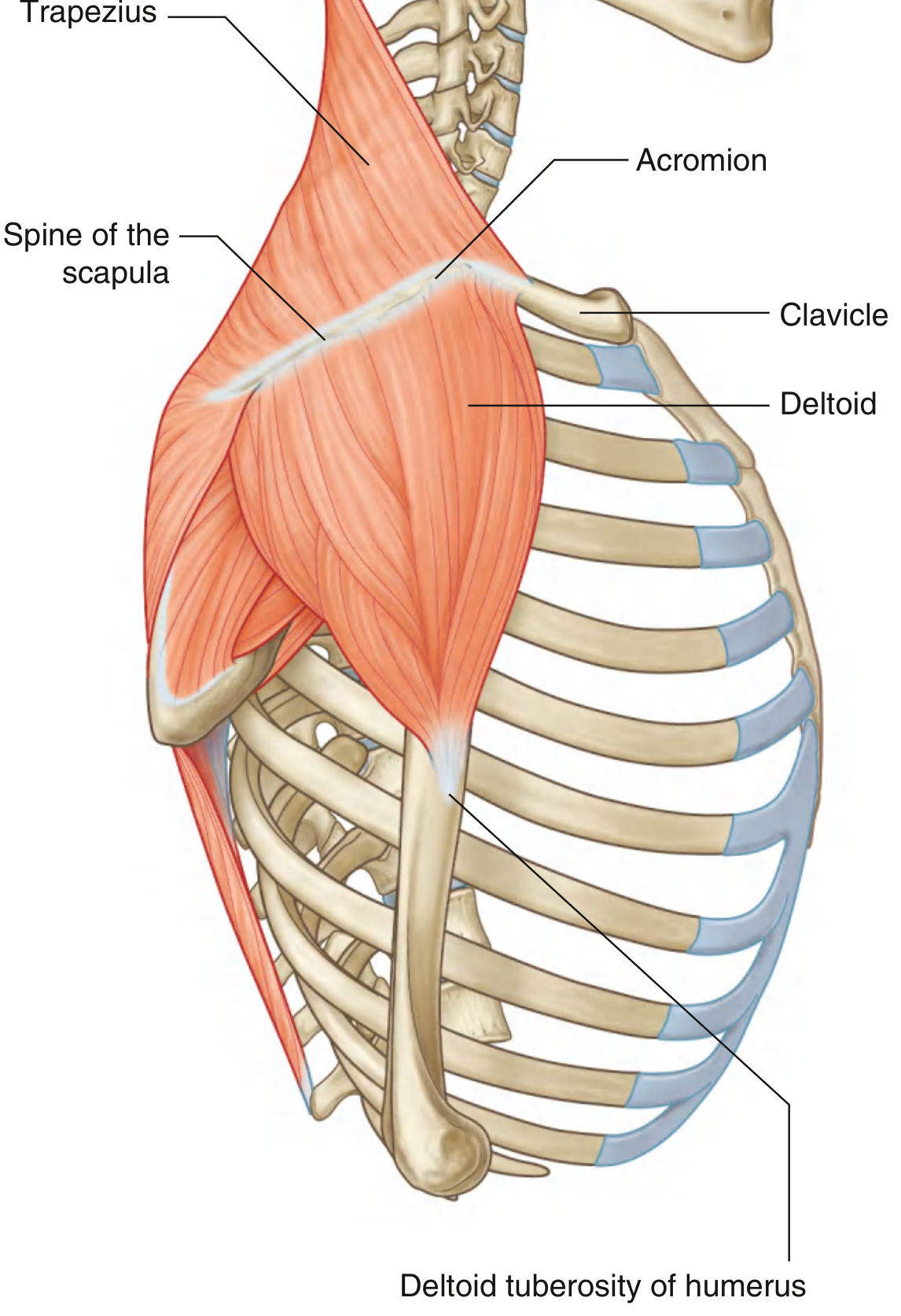
Fig. 7.35 - Trapezius and deltoid muscles (Gray's Anatomy for Students)
Deltoid
- Large, triangular muscle forming the characteristic contour of the shoulder
- Origin: Continuous U-shaped line - anterior border of lateral 1/3 clavicle, lateral margin of acromion, inferior edge of spine of scapula
- Insertion: Deltoid tuberosity of humerus
- Nerve: Axillary nerve (C5, C6) - enters via the quadrangular space with the posterior circumflex humeral artery
- Action: Major abductor of the arm; anterior fibers flex and medially rotate; posterior fibers extend and laterally rotate
Deep Layer - Posterior Scapular Region
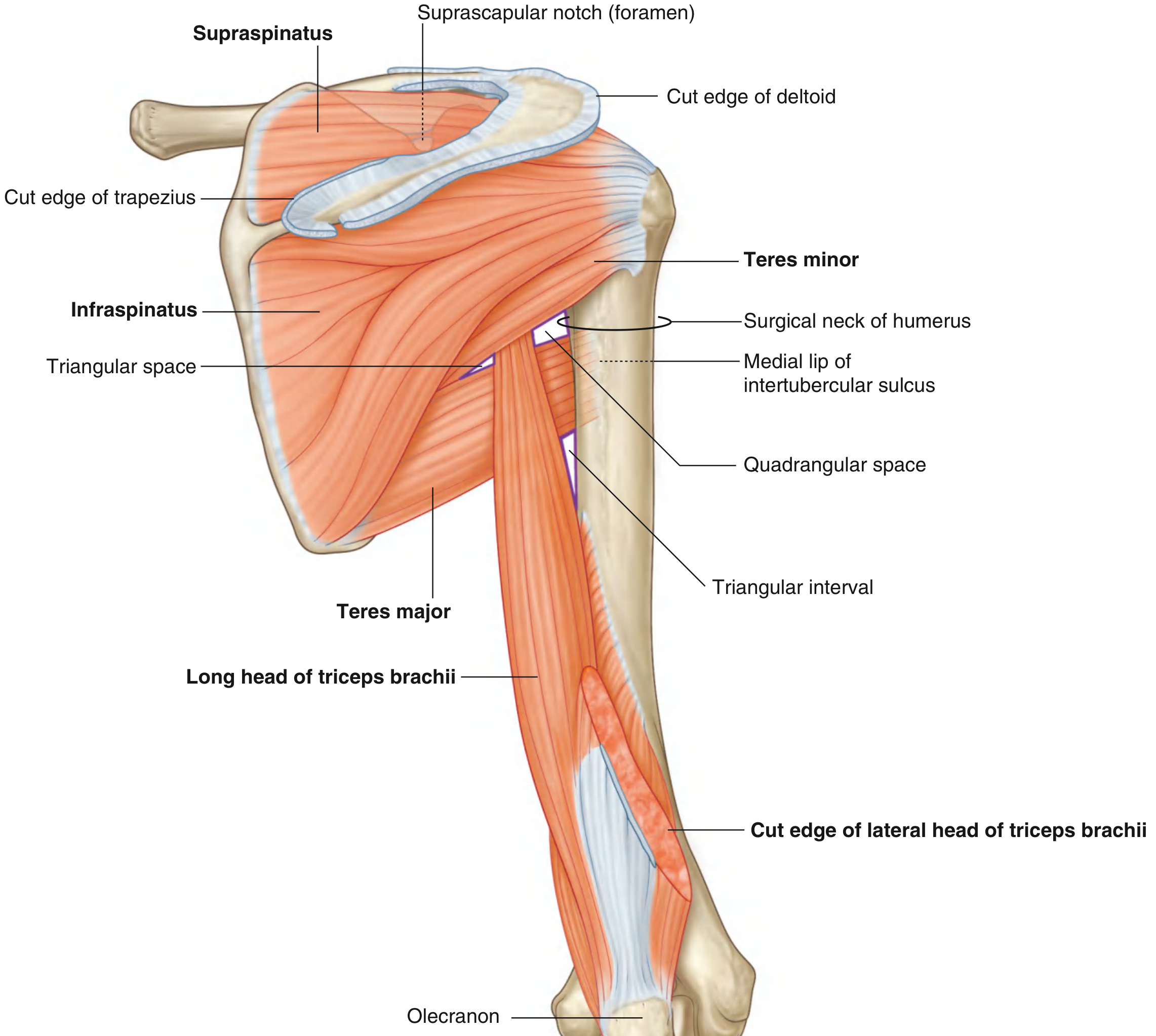
Fig. 7.37 - Posterior scapular region with muscles and spaces (Gray's Anatomy for Students)
Levator scapulae
- Origin: Transverse processes of C1-C4
- Insertion: Medial border of scapula (superior angle to spine)
- Nerve: Dorsal scapular nerve; C3, C4 directly
- Action: Elevates scapula
Rhomboid minor and major
- Origin: Ligamentum nuchae + C7, T1 spines (minor); T2-T5 spines (major)
- Insertion: Medial border of scapula
- Nerve: Dorsal scapular nerve (branch of brachial plexus)
- Action: Retract and elevate the scapula
Teres major
- Origin: Posterior surface of inferior angle of scapula
- Insertion: Medial lip of intertubercular sulcus
- Nerve: Inferior subscapular nerve (C6, C7)
- Action: Medial rotation and extension of the arm
- Note: NOT a rotator cuff muscle; does not blend with the joint capsule
Serratus anterior
- Origin: Lateral surfaces of ribs 1-8
- Insertion: Costal surface of medial border of scapula
- Nerve: Long thoracic nerve (C5, C6, C7) - very long course, vulnerable to injury
- Action: Protracts scapula; holds medial border against thoracic wall; rotates scapula (with trapezius) for arm elevation above horizontal
- Clinical: Injury causes "winging of the scapula" (medial border protrudes posteriorly)
6. Gateways: Spaces and Foramina
These are passages through which neurovascular structures travel between regions.
Suprascapular Foramen
- Formed by the suprascapular notch + superior transverse scapular ligament
- Suprascapular nerve passes through the foramen
- Suprascapular artery and vein pass superior to the ligament (above the foramen)
- Mnemonic: "The army goes over the bridge, the nerves go under" (artery over, nerve under the ligament)
Quadrangular Space
Boundaries:
- Superior: Teres minor
- Inferior: Teres major
- Medial: Long head of triceps brachii
- Lateral: Surgical neck of humerus
Contents: Axillary nerve + posterior circumflex humeral artery and vein
Clinical: Axillary nerve injury in anterior shoulder dislocation (humeral head compresses nerve inferiorly as it passes through this space)
Triangular Space
Boundaries:
- Superior: Teres minor
- Inferior: Teres major
- Lateral: Long head of triceps brachii (medial margin)
Contents: Circumflex scapular artery and vein
Triangular Interval
Boundaries:
- Superior: Inferior margin of teres major
- Medial: Long head of triceps brachii (lateral margin)
- Lateral: Shaft of humerus
Contents: Radial nerve + profunda brachii artery (deep artery of arm)
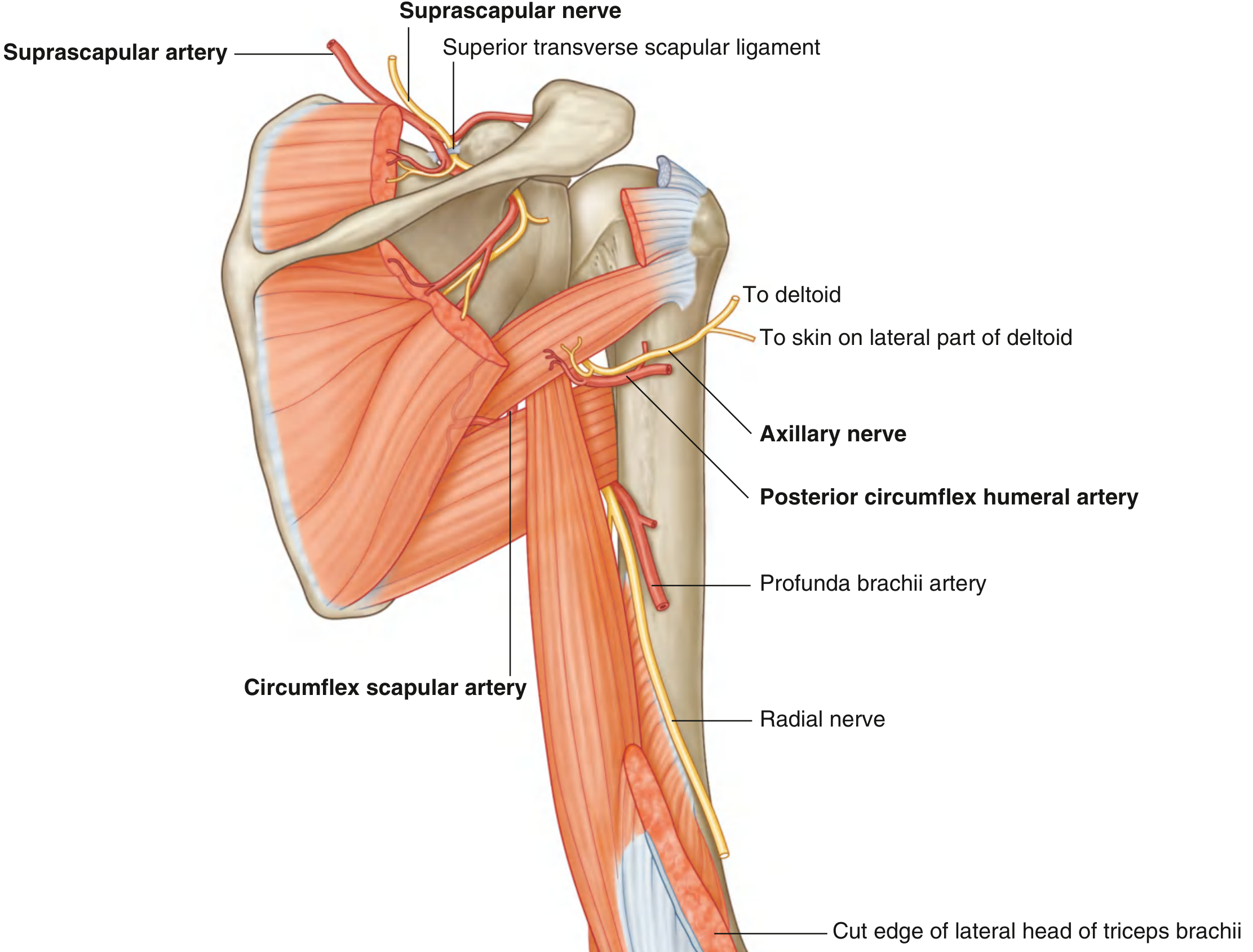
Fig. 7.38 - Neurovascular supply of the posterior scapular region (Gray's Anatomy for Students)
7. Acromioclavicular (AC) Joint
- Synovial plane joint between the lateral end of clavicle and the acromion
- Has an incomplete fibrocartilaginous articular disc (meniscus)
- Allows gliding movements during scapular rotation
Ligaments:
- AC ligament (fibrous capsule) - limits anterior-posterior translation
- Coracoclavicular ligament - the main suspensory ligament; has two parts:
- Conoid ligament (medial, cone-shaped) - limits superior displacement of clavicle
- Trapezoid ligament (lateral, quadrilateral) - limits lateral displacement
AC Joint Injury (Shoulder Separation):
- Minor injury: tears AC ligament only (Grade I-II) - coracoclavicular ligaments intact
- Severe injury: tears both AC and coracoclavicular ligaments (Grade III+) - clavicle elevated on X-ray
8. Sternoclavicular (SC) Joint
- The only synovial joint connecting the upper limb to the axial skeleton
- Between the medial end of clavicle, manubrium sterni, and first costal cartilage
- Has a complete fibrocartilaginous articular disc that divides the joint into two cavities
Ligaments:
- Anterior and posterior sternoclavicular ligaments
- Interclavicular ligament (between both clavicles across the jugular notch)
- Costoclavicular ligament (strongest; from first rib/costal cartilage to inferior clavicle)
Movements: Elevation/depression, protraction/retraction, rotation of clavicle
Dislocation:
- Anterior dislocation: more common
- Posterior dislocation: less common but dangerous - the clavicle can compress great vessels (subclavian/brachiocephalic), trachea, or esophagus in the root of the neck
9. Clinical Correlates
Glenohumeral Dislocation
- Most mobile joint = most commonly dislocated joint in the body
- Anterior (anteroinferior) dislocation (95%): Usually from a fall on an outstretched hand or forced external rotation. The humeral head moves inferiorly into the subcoracoid position.
- Risk of axillary nerve injury (deltoid weakness, loss of sensation over the "regimental badge" area of lateral deltoid)
- Bankart lesion: tear of the anteroinferior glenoid labrum (with or without bony fragment)
- Hill-Sachs lesion: compression fracture of the posterolateral humeral head from impaction on the glenoid rim
- Recurrent instability treated with capsular repair/Latarjet procedure (coracoid transfer)
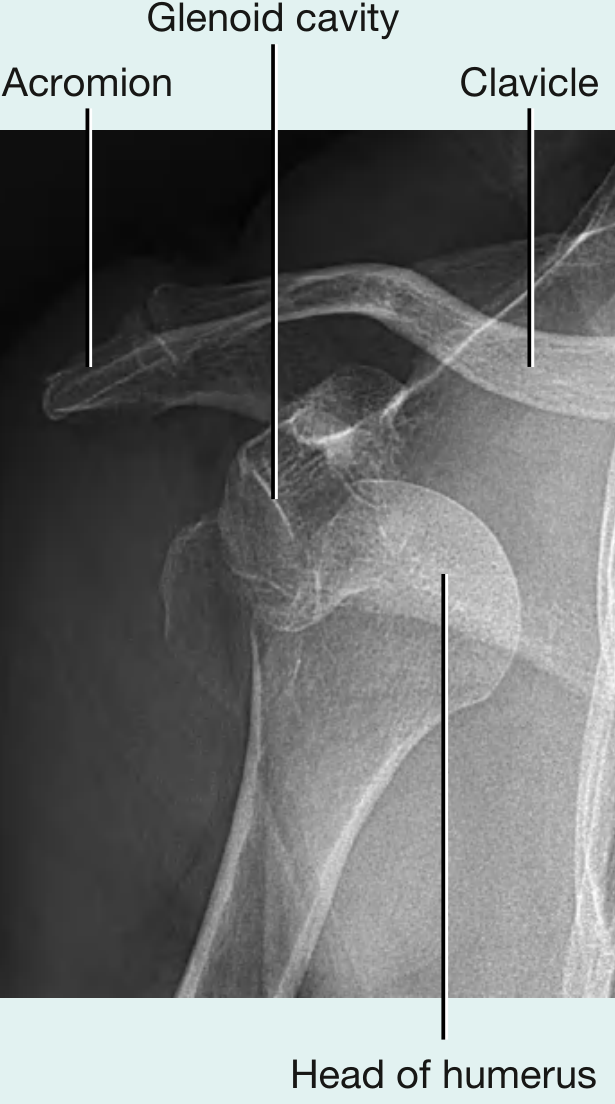
Fig. 7.32 - Anteroinferior glenohumeral dislocation (Gray's Anatomy for Students)
- Posterior dislocation (<5%): Associated with epileptic seizures or electrocution (strong bilateral muscle contractions). Often missed on AP X-ray (requires axillary/Y-view).
Clavicle Fractures
- Most common site: middle third (80-85%)
- Mechanism: fall onto outstretched hand or direct blow
- Lateral third fractures are less common but may involve coracoclavicular ligaments
Rotator Cuff Pathology
- Supraspinatus is the most commonly affected tendon - passes through the subacromial space beneath the coraco-acromial arch (fixed dimensions)
- Impingement syndrome: Narrowing of the subacromial space causes repetitive mechanical irritation of the supraspinatus tendon during arm elevation. Causes include subacromial bone spurs, thickened AC ligament, subacromial bursitis, or muscle swelling.
- Tendinopathy: Poor blood supply to supraspinatus (critical zone ~1 cm from insertion) makes it susceptible to degenerative change; calcium can deposit (calcific tendinitis)
- Rotator cuff tear:
- Partial-thickness or full-thickness
- Most common in older patients (>40 years)
- Full-thickness tears may be asymptomatic
- MRI is gold standard for diagnosis
Subacromial (Subdeltoid) Bursitis
- Inflammation of the bursa between supraspinatus/deltoid and acromion
- Causes painful glenohumeral movements
- Treated with corticosteroid + local anesthetic injection under image guidance
Axillary Nerve Injury
- Most common with anterior glenohumeral dislocation or surgical neck of humerus fracture
- Results in: weakness of deltoid (abduction impaired), weakness of teres minor, loss of sensation over the lateral deltoid (upper lateral cutaneous nerve of arm)
- Test: Assess shoulder contour (loss of deltoid roundness in complete paralysis)
10. Summary: Key Nerve-Structure Relationships
| Nerve | Root | At-Risk When... | Tests |
|---|---|---|---|
| Axillary nerve | C5, C6 | Anterior GH dislocation, surgical neck fracture | Deltoid power (abduction), lateral deltoid sensation |
| Suprascapular nerve | C5, C6 | Suprascapular notch entrapment | Infraspinatus/supraspinatus power |
| Long thoracic nerve | C5, C6, C7 | Neck dissection, stab wound | Serratus anterior (scapular winging) |
| Accessory nerve (CN XI) | - | Posterior triangle surgery | Trapezius power (shoulder shrug) |
| Radial nerve | C5-C8 | Triangular interval, spiral groove | Wrist extension, triceps power |
Source: Gray's Anatomy for Students, p. 826-839 | General Anatomy and Musculoskeletal System (THIEME Atlas of Anatomy) | Rockwood and Green's Fractures in Adults, 10th ed. 2025
Cryotherapy
Reading File
Searching sources...
Finding Sources
Finding Sources
Good - I have a wide spread of results. Let me read the primary care/procedures text (most comprehensive general coverage) and the dermatology/skin text in parallel, plus search for cryosurgery and cold therapy topics.
Reading File
Reading File
Finding Sources
Reading File
Reading File
Reading File
Reading File
Reading File
Finding Sources
Reading File
Reading File
Reading File
Reading File
Reading File
Loading Image
I now have comprehensive content across mechanisms, agents, techniques, indications, contraindications, freeze times, post-treatment effects, and complications. Let me compile the full detailed notes.
Cryotherapy - Detailed Notes
Sources: Pfenninger and Fowler's Procedures for Primary Care, 3rd ed. | Textbook of Family Medicine, 9th ed. | Andrews' Diseases of the Skin | Fitzpatrick's Dermatology
1. Definition and Overview
Cryotherapy (cryosurgery) is the controlled application of extreme cold to destroy pathological tissue. It uses cryogenic agents to rapidly freeze tissue, causing cell death through multiple mechanisms. The technique is widely used in dermatology, primary care, gynecology, urology, gastroenterology, and pulmonology.
Key advantages:
- Local anesthesia is usually optional
- Minimal scarring when performed correctly
- Can treat multiple lesions in one visit
- No significant postoperative wound preparation needed
- Inexpensive, portable, and cost-effective
- Minimal exposure to blood-borne pathogens
2. Mechanism of Cell Destruction
Tissue destruction in cryosurgery is multifactorial:
| Mechanism | Detail |
|---|---|
| Intracellular ice crystal formation | Rapid freezing creates intracellular ice crystals - more destructive than extracellular crystals. Physically ruptures cell membranes. |
| Extracellular ice crystals | Form during slow freezing; create osmotic shifts and concentrated electrolyte gradients that damage cells |
| Recrystallization during thaw | Ice crystals grow and merge during slow thawing, causing further mechanical damage |
| Vascular stasis and ischemia | Freezing damages the microvasculature, causing endothelial injury, thrombosis, and ischemic necrosis of the target tissue |
| Osmotic injury | High electrolyte concentrations in surrounding non-frozen fluid denature proteins and disrupt cell metabolism |
Key principles:
- Rapid freezing creates intracellular crystals - maximally destructive
- Slow thawing maximizes solute gradients and cell death - more damaging than fast thawing
- Multiple freeze-thaw cycles further increase damage to the target tissue
- Collagen and the extracellular matrix are more resistant to freezing than cells themselves - so correctly performed cryotherapy spares the tissue scaffold and results in minimal scarring
- If excessive cryoinjury occurs and the collagen matrix is destroyed, fibroblasts produce collagen randomly, leading to scar formation
Critical temperatures:
- Benign lesion destruction: -20°C to -30°C
- Premalignant and malignant lesion destruction: -40°C to -50°C
- Lethal zone: 2 to 3.5 mm inward from the outer margin of the visible ice ball
3. Cryogenic Agents
Comparison Table
| Agent | Boiling Point | Effective Temp | System | Shelf Life | Indications |
|---|---|---|---|---|---|
| Liquid nitrogen (LN2) | -196°C | -196°C | Open/closed (spray or probe) | ~1 year | All lesions including malignancies |
| Nitrous oxide (N2O) | -89°C | -89°C | Closed (probe only) | Indefinite | All lesions including malignancies |
| Carbon dioxide (CO2) | -78.5°C | -78.5°C | Closed or dry ice slush | Indefinite | All lesions |
| Tetrafluoroethane | -47°C | -70°C | Aerosol canister | 5 years | Superficial lesions only - NOT malignancies |
| Ether/propane (Histofreezer) | -25°C | -55°C | Aerosol canister - FLAMMABLE | 5+ years | Superficial lesions only - NOT malignancies |
Liquid Nitrogen (LN2) - Gold Standard
- Boiling point: -196°C - coldest and most effective
- Stored in insulated Dewar flasks (thermos-type guns); shelf life ~1 year due to evaporation
- Applied via:
- Cotton-tipped applicator (least expensive, low tech)
- Pressurized spray units (Brymill Cry-Ac, Wallach Ultrafreezer)
- Cryoprobe
- Viruses can survive in LN2 - never reintroduce a cotton-tipped applicator to the storage container. Use individual aliquots in a polystyrene cup.
- Fastest at freezing tissue
Nitrous Oxide (N2O)
- Boiling point: -89°C - less cold than LN2
- Closed system - probe only; cannot spray
- More controlled and slower - freeze times are more reliable and predictable
- Cryoprobes come in multiple shapes (pointed, flat, slanted, hemorrhoid tip, cervical tips)
- Once the tip freezes to the skin, the probe can be pulled back to tent up the skin, reducing depth of freeze and protecting deeper structures (e.g., nerves)
- Has an active defrost mode to rapidly free the probe
- Safety: Long-term occupational exposure to high N2O levels is associated with neuropathy, spontaneous abortion, and congenital anomalies; however, brief clinical use generates minimal exposure. Federal regulations require venting, though risk at clinical volumes is very low.
Aerosol Canister Agents (OTC and clinical)
- Tetrafluoroethane (Verruca-Freeze, Medi-Frig): non-flammable, -47°C
- Ether/propane (Histofreezer): flammable, ~-25°C
- OTC products (Dr. Scholl's Freeze Away, Compound W Freeze Off): ~-57°C claimed but often don't achieve deep enough temperatures; not indicated for malignancies
4. Delivery Methods (Techniques)
1. Cotton-Tipped Applicator
- Simplest and least expensive
- Vary the pressure and contact time to control depth
- Increase cotton volume to hold more cryogen
- Best for small, superficial lesions
2. Spray Technique (Open System)
- Most common method for LN2
- Handheld spray unit with adjustable nozzle controls stream size
- Unit held 1-2 cm above lesion, spray directed at 90-degree angle
- Otoscope speculum or insulating cone can focus delivery for finer control
- Newer units use infrared sensing to monitor skin temperature in real time
3. Contact Probe (Closed System)
- Smooth metal tip applied directly to lesion
- Requires longer freeze time than spray
- Best for small, round, flat lesions
- N2O and CO2 closed systems use this method
- Advantage: probe can be "tented" away from underlying structures once adherent to frozen tissue
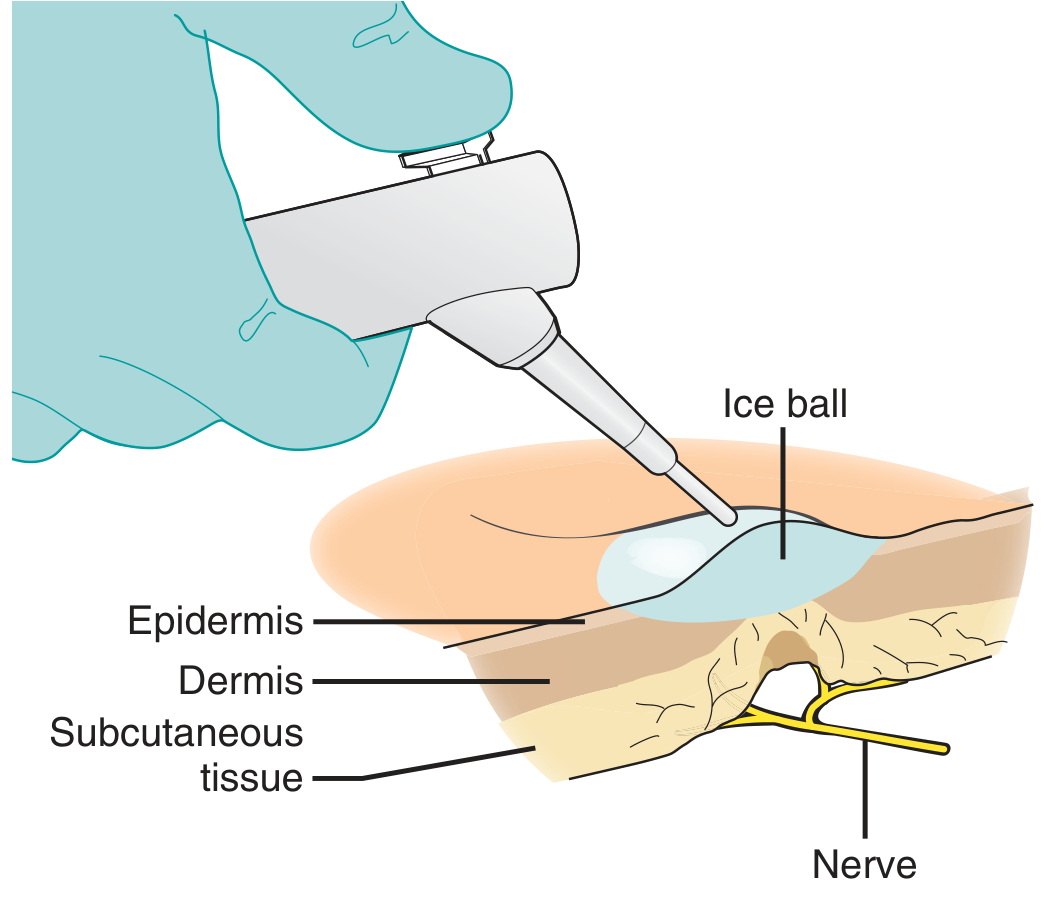
Fig. 14-3 - Nitrous oxide probe creating an ice ball in the skin layers; the probe can be retracted to protect underlying nerves (Pfenninger & Fowler's Procedures for Primary Care)
5. Indications
Dermatological / General Indications
| Category | Specific Lesions |
|---|---|
| Benign | Verruca vulgaris (common warts), plantar warts, seborrheic keratosis, skin tags (acrochordons), molluscum contagiosum, lentigines, cherry angiomas, sebaceous hyperplasia, papular nevi, mucoceles, prurigo nodularis |
| Premalignant | Actinic keratosis, cervical intraepithelial neoplasia (CIN I, II, III), condylomata acuminata |
| Malignant | Selected basal cell carcinoma (BCC), selected squamous cell carcinoma (SCC) |
| Miscellaneous | Keloids (65-75% success rate), hypertrophic scars, granulation tissue, acne (pustular lesions - falling out of use), hemorrhoids |
Specialized Applications
- Gynecology: Cervical ectropion, CIN (cervical intraepithelial neoplasia) - see cervical cryotherapy
- Urology: Renal cell carcinoma (tumors ≤3 cm), prostate cancer
- Gastroenterology: Barrett's esophagus (endoscopic cryotherapy), gastric antral vascular ectasia (GAVE), colorectal lesions
- Pulmonology: Endobronchial tumor ablation (success rate up to 80%), removal of blood clots and mucous plugs by cryoadhesion
- Otolaryngology: Skin lesions of the head and neck, keloids
6. Contraindications
Absolute Contraindications
- Prior cryotherapy sensitivity (documented hypersensitivity reaction)
- Vascular compromise in the treatment area
- Melanoma (cryotherapy not appropriate)
- Invasive skin cancer (beyond superficial SCC/BCC selected cases)
- When tissue diagnosis is needed (cryotherapy destroys the specimen)
- Expected poor wound healing
- Complication nonacceptance (patient unwilling to accept risks)
- Active steroid therapy (impairs healing)
Relative Contraindications (conditions that may slow healing)
- Hepatitis B and C
- Mononucleosis
- Leukemia, lymphoma, myeloma
- Systemic lupus erythematosus
- Nephrotic or nephritic syndrome
- Macroglobulinemia
- Rheumatoid arthritis
Areas Requiring Special Caution
- Dark-skinned patients - melanocytes are sensitive to freezing; even brief partial-thickness freeze can cause persistent hypopigmentation
- Hair-bearing areas (eyebrows, eyelashes, thin scalp) - hair follicles are destroyed by brief freezing
- Nasolabial fold / periauricular areas - BCCs tend to be more extensive and infiltrative than apparent
- Vermillion border, periorbital area - confounding variables for safe cryotherapy
- Areas overlying cutaneous nerves - risk of nerve damage with deeper freezes
7. Freeze Time and Ice Ball Guidelines
The Ice Ball - The Key Measurement
The depth of a freeze is approximately equal to the radius of the visible ice ball. The lethal zone for tissue destruction is 2-3.5 mm inward from the outer margin of the ice ball.
| Lesion Type | Ice Ball Margin Beyond Lesion | Freeze-Thaw Cycles | Notes |
|---|---|---|---|
| Superficial benign | 2-3 mm | Single cycle | Applicator covers lesion |
| Premalignant / larger benign | 3-4 mm | Single or double cycle | Smaller applicator than lesion |
| Malignant | 5 mm (both cycles) | Double cycle (freeze/thaw/freeze) | Local anesthesia required; thermocouple monitoring |
Freeze Time Guidelines - Nitrous Oxide Probe
| Tissue/Lesion | Freeze Time |
|---|---|
| Full-thickness benign skin | 1-1.5 min |
| Full-thickness malignant | 1.5-3 min (double cycle) |
| Plantar warts (after debridement) | 40 sec |
| Condylomata | 20-45 sec |
| Verrucae | 1-1.5 min |
| Seborrheic keratoses (2mm margin) | 30 sec (double cycle) |
| Actinic keratoses (3mm margin) | 1-1.5 min (double cycle) |
| Basal cell cancer (3-5mm margin) | 1.5 min (double cycle) |
| Keloids | 10-15 sec (LN2) or 30-45 sec (N2O) |
| Cervix (CIN) | 3 min |
Freeze Time Guidelines - Liquid Nitrogen Open Spray
| Lesion | Freeze Time |
|---|---|
| Actinic keratoses | 5-15 sec |
| Cherry angioma | 5-10 sec |
| Condylomata | 5-10 sec |
| Keloids | 20-30 sec |
| Lentigines / molluscum | 5-10 sec |
| Mucocele | 10-30 sec |
| Seborrheic keratoses | 10 sec |
| Skin tags | 5-10 sec |
| Common warts | 10-20 sec |
Halo and Total Thaw Times
- Halo thaw time (ice ball edge to recede): 1 min (benign), 2-4 min (malignant)
- Total thaw time: 2-3 min (benign), 3-5 min (malignant)
- The second freeze cycle is faster and less painful
Important technical factors affecting freeze:
- Dry, keratinized tissue insulates the lesion - remove keratin (debridement) before freezing, especially when using weaker agents
- Vascular lesions require longer freeze times - apply probe pressure to empty blood from lesion first
- Age, vascularity, pigment, cell type, body location all influence required freeze time
- Applying probe pressure increases depth of freeze
8. Post-Treatment Physiologic Effects (Timeline)
| Timeframe | Event |
|---|---|
| Immediately | Erythema and hyperemia; white frozen area |
| 20-60 min | Tissue edema begins to develop |
| Within hours | Bulla (blister) formation; may appear hemorrhagic/black (hemorrhagic bulla) |
| 24-48 hours | Edema and bulla peak; dermis and epidermis separate; lesion can be surgically debrided painlessly at this time |
| After 72 hours | Lesion may adhere like a graft; bleeding if removed |
| 3-7 days | Crust formation begins; crust slowly contracts |
| 3-4 weeks | Complete healing; reepithelialization occurs from outer margin inward |
| Healed state | Minimal scarring; fibroblasts lay down new collagen along preserved matrix |
Key healing principle: Fibroblasts lay down minimal new collagen along the preserved, well-formed collagen matrix (which is resistant to freezing), resulting in minimal scarring. If the collagen matrix is destroyed, random collagen deposition causes scar formation.
Long-term changes:
- Skin may be slightly lighter (hypopigmentation) - melanocytes are sensitive
- Hair follicles and sweat glands may be permanently destroyed in freeze zone
- Healed area may not tan sufficiently; increased sunburn susceptibility; sunscreen needed
- Cartilage (e.g., ear) is preserved by cryotherapy
9. Complications
| Complication | Notes |
|---|---|
| Pain and burning | Common; lasts 1-2 days; worse for longer freeze times |
| Blistering/bullae | Expected physiological response; may be hemorrhagic |
| Hypopigmentation | Most common long-term complication; especially problematic in darker skin; may be permanent |
| Hyperpigmentation | Less common; usually transient |
| Hair loss | If treatment over hair-bearing areas |
| Scarring/atrophy | Occurs if collagen matrix destroyed; avoid excessive freeze |
| Infection | Rare; postoperative infection uncommon |
| Pyogenic granuloma | Rare |
| Nerve damage | Risk with deep freezes near cutaneous nerves |
| Prolonged healing | In patients with comorbidities (immune suppression, vascular disease) |
| Incomplete treatment / recurrence | Especially if freeze too shallow or keratin not removed |
Treatment of Specific Complications
- Hemorrhagic blister: leave intact if possible; will reabsorb. Can debride at 24-48 hours.
- Infection: rare; treat with antibiotics
- Hypopigmentation: counsel patient before treatment in darker-skinned individuals
10. Specific Clinical Applications
Warts (Verruca Vulgaris)
- Success rate ~83% with cryotherapy; recurrence at 6 months ~28%
- Requires 1-2 freeze/thaw cycles; plantar warts require debridement first
- Note: Salicylic acid alone is equally efficacious to cryotherapy for warts (SOR: A evidence)
- Average 1.9 treatments needed
Actinic Keratosis
- 3-5 mm ice ball margin; single or double cycle
- LN2 spray 5-15 sec; N2O 1-1.5 min
Basal Cell Carcinoma (BCC)
- Target temperature: approximately -50°C (monitored by thermocouple)
- Thaw time ~60 seconds; freeze margin ~5 mm
- Local anesthesia required
- Primary small, non-infiltrating (superficial/nodular) BCC: recurrence rate <10%
- Standard excision provides higher cure rates and better cosmetic outcomes overall
- BCCs in nasolabial fold/periauricular area tend to be more extensive than apparent - caution
Keloids
- Success rate 65-75%
- The more recent the keloid, the better the response
- LN2: 10-15 second freeze (to avoid persistent hypopigmentation)
- N2O: 30-45 second freeze
- Continue freeze until 1-2 mm of normal tissue involved; thaw time 1.5-2 minutes
- 2-3 freeze/thaw cycles per session
- 5-8 sessions at 6-week intervals typically needed
- Cryotherapy can soften keloids before steroid injection - edema improves steroid dispersal, reduces injection pressure and pain; wait 20-60 min for edema after freeze
Cervical Intraepithelial Neoplasia (CIN)
- Freeze time 3 minutes with N2O
- For CIN I-II alternative method: 5 minutes
Barrett's Esophagus (Endoscopic Cryotherapy)
- Cryogen applied endoscopically (compressed CO2 or liquid N2O)
- Rapid freeze-thaw disrupts cell membranes
- Unlike radiofrequency ablation (RFA), cryotherapy preserves the extracellular collagen matrix - may reduce stricture formation risk
- Reasonable option for diffuse gastric antral vascular ectasia (GAVE)
Endobronchial Tumors (Pulmonology)
- Success rate up to 80% for ablation of endobronchial tumor
- Also useful for removal of blood clots and mucous plugs via cryoadhesion
Renal Cell Carcinoma (Urology)
- Guidelines recommend cryotherapy for tumors ≤3 cm in size
- Not recommended for tumors >3 cm; RFA not recommended >5 cm
11. Advantages vs. Disadvantages Summary
| Advantages | Disadvantages |
|---|---|
| No anesthesia usually needed | Tissue not available for histopathology |
| Minimal pain during procedure | Hypopigmentation (especially in dark skin) |
| Excellent cosmetic outcome | Not suitable for hair-bearing areas |
| Easy to learn; minimal physician time | Cannot achieve deep tissue destruction with canister agents |
| No skin prep required | Healed area may not tan; sunburn risk |
| Multiple lesions in one visit | Possibility of incomplete treatment and recurrence |
| Rare postoperative infection | Some lesions require multiple treatments |
| Portable and inexpensive | Weaker agents inadequate for malignancies |
| Preserves collagen matrix | Risk of nerve damage if freeze too deep |
| Ideal for light-complexioned skin |
Sources: Pfenninger and Fowler's Procedures for Primary Care, 3rd ed., Ch. 14 | Textbook of Family Medicine, 9th ed., Ch. 28 | Andrews' Diseases of the Skin, Clinical Dermatology, Ch. 37 | Fitzpatrick's Dermatology, Vol. 1-2
This is a shared conversation. Sign in to Orris to start your own chat.