
Hello
Explain diabetes retinopathy stages
"diabetic retinopathy"[MeSH Terms] AND classification
diabetic retinopathy stages fundus
Diabetic Retinopathy — Stages & Classification
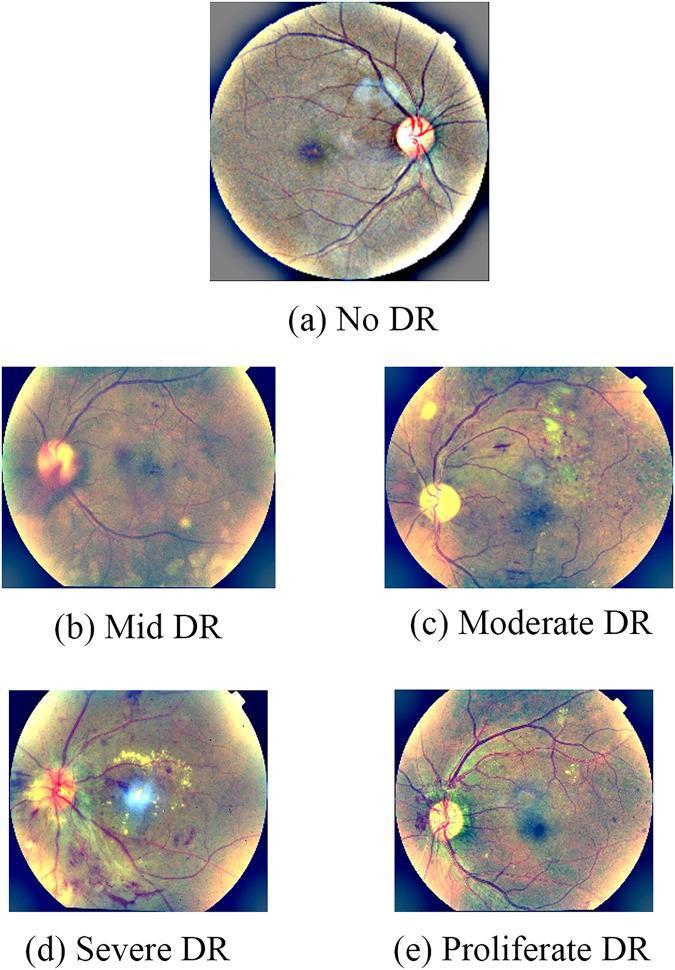
Classification Systems
- ETDRS (modified Airlie House) classification — the international gold standard, used in clinical trials and screening programmes
- Descriptive clinical categories — widely used in day-to-day practice
Stage-by-Stage Breakdown (ETDRS)
🔵 No Diabetic Retinopathy
- Normal fundus; no lesions visible
- Follow-up: 12 months
🟡 Non-Proliferative Diabetic Retinopathy (NPDR)
| Stage | Key Features | Risk of Progression | Follow-up |
|---|---|---|---|
| Very Mild NPDR | Microaneurysms only | Low | 12 months |
| Mild NPDR | Microaneurysms + any/all of: dot-blot haemorrhages, hard exudates, cotton-wool spots — but no IRMA | Low | 6–12 months |
| Moderate NPDR | Severe haemorrhages (>20 medium-large per quadrant) in 1–3 quadrants; mild IRMA; venous beading in ≤1 quadrant | PDR in up to 26%, high-risk PDR in up to 8% within 1 year | ~6 months |
| Severe NPDR ("4-2-1 rule") | Any one of: haemorrhages in all 4 quadrants, venous beading in ≥2 quadrants, moderate IRMA in ≥1 quadrant | PDR in up to 50%, high-risk PDR in up to 15% within 1 year | 4 months |
| Very Severe NPDR | Two or more criteria from severe NPDR | High-risk PDR in up to 45% within 1 year | 2–3 months |
- Microaneurysms — earliest sign; saccular outpouchings of capillary walls, appear as tiny red dots
- Dot and blot haemorrhages — intraretinal blood from ruptured microaneurysms/capillaries
- Hard exudates — yellow, waxy lipid deposits from leaky vessels, often arranged in rings (circinate pattern)
- Cotton-wool spots (CWS) — white fluffy patches from nerve fibre layer infarcts; indicate ischaemia
- Venous beading — sausage-like irregularity of veins; marker of significant ischaemia
- IRMA (intraretinal microvascular abnormalities) — dilated, abnormal intraretinal vessels bypassing occluded capillaries; precursor to NVD/NVE
🟠 Proliferative Diabetic Retinopathy (PDR)
| Stage | Key Features | Management |
|---|---|---|
| Mild–Moderate PDR | NVD or NVE present, but below high-risk criteria | Treatment considered; review within 2 months if not treated |
| High-Risk PDR | Any of: NVD >1/3-disc area; any NVD + vitreous haemorrhage; NVE >1/2-disc area + vitreous haemorrhage; or any NVI/NVA | Immediate treatment — panretinal photocoagulation (PRP) or anti-VEGF |
- NVD = new vessels on/within 1 disc diameter of the optic disc
- NVE = new vessels elsewhere in the retina
- NVI/NVA = neovascularisation of iris/angle → neovascular glaucoma risk
🔴 Advanced Diabetic Eye Disease
- Tractional retinal detachment — fibrovascular membranes contract and pull the retina
- Persistent/dense vitreous haemorrhage — obscures vision, may require vitrectomy
- Neovascular glaucoma (NVG) — rubeosis iridis (iris neovascularisation) → raised IOP
Diabetic Macular Oedema (DMO/DME)
- Clinically significant macular oedema (CSMO): retinal thickening or hard exudates at or threatening the foveal centre → treatment indication
- Detected clinically by slit-lamp biomicroscopy; confirmed by OCT
- Treatment: intravitreal anti-VEGF (first-line), focal/grid laser, or intravitreal steroids
Risk Factors for Progression
| Factor | Effect |
|---|---|
| Duration of diabetes | Strongest predictor overall |
| Poor glycaemic control (↑HbA1c) | Strongest modifiable risk |
| Hypertension | Accelerates progression |
| Nephropathy | Closely parallels retinopathy severity |
| Pregnancy | Can rapidly worsen existing retinopathy |
| Dyslipidaemia | Associated with hard exudate formation |
Treatment Summary by Stage
| Stage | Treatment |
|---|---|
| No DR / Mild NPDR | Optimise glycaemia, BP, lipids; regular screening |
| Moderate–Severe NPDR | Medical optimisation; consider anti-VEGF if DMO present |
| High-Risk PDR | PRP (panretinal photocoagulation) or anti-VEGF |
| DMO affecting fovea | Intravitreal anti-VEGF (ranibizumab, aflibercept, bevacizumab) |
| Advanced eye disease | Vitrectomy (for dense VH, tractional RD, ERM) |
He orris write me all known pathologies of billiary track with symptoms in form of triads and tetrads and their signs and management
Biliary Tract Pathologies — Triads, Pentads, Signs & Management
🔷 QUICK REFERENCE: Classical Symptom Clusters
| Eponym | Components | Condition |
|---|---|---|
| Charcot's Triad | RUQ pain + Fever/chills + Jaundice | Acute Cholangitis |
| Reynolds' Pentad | Charcot's Triad + Hypotension + Altered mental status | Suppurative/Severe Cholangitis |
| Saint's Triad | Cholelithiasis + Hiatus hernia + Diverticulosis coli | Coincident gallstone disease |
| Courvoisier's Sign (Law) | Painless jaundice + Palpable non-tender gallbladder | Malignant CBD obstruction |
| Murphy's Sign | Inspiratory arrest on RUQ palpation | Acute Cholecystitis |
| Virchow's Triad (Biliary context) | Stasis + Endothelial injury + Hypercoagulability | Biliary thrombosis/portal vein thrombosis post-cholecystitis |
| Charcot's Triad of MS (different) | Nystagmus + Intention tremor + Scanning speech | NOT biliary — do not confuse |
1. BILIARY COLIC
Pathophysiology
Classic Presentation (Triad)
Biliary Colic Triad:
- Postprandial RUQ/epigastric pain — steady, dull or colicky, often radiating to right scapular tip or shoulder
- Nausea and vomiting
- Self-limited episodes — resolves within 30 min to 6 hours
Signs
- Mild RUQ tenderness on palpation, no guarding or rebound
- No fever, no jaundice, no leukocytosis (distinguishes from cholecystitis)
- Normal LFTs, normal lipase
Investigations
- Ultrasound: gallstones ± sludge, no wall thickening, no pericholecystic fluid
Management
- Analgesia: NSAIDs (ketorolac) or opioids
- Antiemetics
- IV fluids if unable to tolerate orally
- Elective laparoscopic cholecystectomy — definitive treatment
- Discharge with surgical outpatient referral if symptoms controlled
2. ACUTE CHOLECYSTITIS
Pathophysiology
Classic Presentation
Cholecystitis Triad:
- RUQ pain — constant (unlike colic), radiating to right shoulder/scapula
- Fever (38–39°C)
- Nausea/vomiting
Signs
| Sign | Description | Significance |
|---|---|---|
| Murphy's Sign | Inspiratory arrest/pause on deep RUQ palpation | Highly specific for acute cholecystitis |
| Sonographic Murphy's Sign | Same elicited directly over gallbladder on US | PPV >90% when combined with wall thickening + stones + pericholecystic fluid |
| Boas' Sign | Hyperaesthesia below right scapular angle | Referred visceral pain from inflamed gallbladder |
| Guarding/rebound | Suggests transmural inflammation or perforation |
Investigations
- US: gallstones, GB wall thickening (>3–4 mm), pericholecystic fluid, sonographic Murphy's sign
- HIDA scan: non-visualisation of GB = cystic duct obstruction (most sensitive)
- Labs: leukocytosis (WBC >10,000 — absent in ~half), mild ↑ALT/AST/ALP/bilirubin; markedly elevated lipase → gallstone pancreatitis
- CT: if perforation, abscess, or emphysematous cholecystitis suspected
Tokyo Guidelines Severity Grading
| Grade | Criteria | Management |
|---|---|---|
| Grade I (Mild) | No organ dysfunction, mild inflammation | Early laparoscopic cholecystectomy (within 72 h) |
| Grade II (Moderate) | WBC >18,000; palpable mass; duration >72 h; gangrenous/pericholecystic changes | Early lap chole by experienced surgeon, or delayed after medical stabilisation |
| Grade III (Severe) | Organ dysfunction (cardiovascular, neurological, respiratory, renal, hepatic, haematological) | Urgent biliary drainage (percutaneous cholecystostomy), delayed cholecystectomy |
Management
- IV fluids, NPO, analgesia (NSAIDs or opioids — neither delays surgery)
- Antibiotics: piperacillin-tazobactam 3.375 g IV q6h; or ampicillin-sulbactam 3 g IV q6h
- Discontinue within 24 hours after complete cholecystectomy (source control)
- Continue 4–7 days if perforation, abscess, or pericholecystic collections
- Definitive: laparoscopic cholecystectomy (gold standard)
- Percutaneous cholecystostomy in Grade III or surgical high-risk patients
3. CHOLEDOCHOLITHIASIS
Pathophysiology
Classic Presentation (Triad)
Choledocholithiasis Triad:
- RUQ/epigastric pain
- Jaundice (obstructive — dark urine, pale stools)
- Elevated liver enzymes — conjugated hyperbilirubinaemia, ↑ALP, ↑GGT
Signs
- Jaundice (scleral icterus)
- Dark urine, pale/acholic stools, pruritus
- No fever unless secondary cholangitis develops
- Courvoisier's Sign absent (gallbladder usually fibrosed from chronic stone disease → NOT distended)
Investigations
- US: CBD dilation (>6–7 mm; >10 mm post-cholecystectomy), possible CBD stone visualisation (~50% sensitivity)
- MRCP: non-invasive, gold standard for diagnosis (~95% sensitivity)
- ERCP: diagnostic AND therapeutic
- Labs: ↑bilirubin (conjugated), ↑ALP, ↑GGT; aminotransferases mildly elevated; ↑lipase if pancreatitis
Management
- ERCP with sphincterotomy + stone extraction — first-line
- Laparoscopic CBD exploration (at time of cholecystectomy)
- Percutaneous transhepatic cholangiography (PTC) if ERCP fails or anatomy altered
- Cholecystectomy after CBD clearance
4. ACUTE CHOLANGITIS
Pathophysiology
⭐ Charcot's Triad (1877)
- Fever with chills/rigors (~95% of patients, usually >38.5°C)
- Jaundice (conjugated hyperbilirubinaemia)
- RUQ pain
Specificity: high (~95%) | Sensitivity: low (~26%)
⭐⭐ Reynolds' Pentad (Severe/Suppurative Cholangitis)
Charcot's Triad PLUS: 4. Hypotension (septic shock) 5. Altered mental status / confusionSeen in <10% of cholangitis cases; mortality approaches 100% without urgent drainage
Signs
- Jaundice (universal in full Charcot's triad)
- RUQ tenderness
- Tachycardia, tachypnoea, hypotension (in severe cases)
- Altered sensorium (Reynolds' pentad)
- US: dilated CBD (>7 mm), intrahepatic duct dilation
Investigations
- Labs: leukocytosis, ↑bilirubin, ↑ALP, ↑GGT, moderately ↑transaminases, blood cultures positive in ~50%
- US: CBD dilation; stones if present
- ERCP: diagnostic and therapeutic gold standard
- CT/MRCP: if US inconclusive
Management (Tokyo Guidelines)
- Immediate: IV fluids, blood cultures, broad-spectrum antibiotics
- Ampicillin-sulbactam 3 g IV q6h OR Piperacillin-tazobactam 3.375 g IV q6h
- Add metronidazole for anaerobic coverage in severe cases
- Biliary decompression (<24 h in severe cholangitis / Reynolds' pentad):
- ERCP + sphincterotomy (first-line) — stone extraction, stent placement
- Percutaneous transhepatic biliary drainage (PTBD) if ERCP fails
- Surgical drainage (last resort)
- ICU admission for Reynolds' pentad
- Antibiotics continued 4–7 days after source control
5. MIRIZZI SYNDROME
Pathophysiology
Types
| Type | Description |
|---|---|
| Type I | External compression of CHD by impacted stone in cystic duct/infundibulum — no fistula |
| Type II | Cholecystocholedochal fistula — erosion of stone into CHD wall |
Classic Presentation (Triad)
- Obstructive jaundice (painful, unlike malignant)
- Recurrent cholangitis (fever, RUQ pain)
- History of chronic cholelithiasis
Signs
- Jaundice
- RUQ tenderness
- Important: Courvoisier's sign usually ABSENT (gallbladder contracted)
- May mimic cholangiocarcinoma on imaging
Investigations
- MRCP/ERCP: establishes diagnosis, shows CHD compression by external stone
- US/CT: may miss — MRCP/ERCP superior
- Intraoperative: most commonly diagnosed during difficult cholecystectomy
Management
- Type I: Cholecystectomy ± CBD exploration
- Type II: Cholecystectomy + reconstruction (biliary-enteric anastomosis, e.g., Roux-en-Y hepaticojejunostomy)
- Laparoscopic approach possible in experienced hands; open surgery often required for Type II
6. PRIMARY SCLEROSING CHOLANGITIS (PSC)
Pathophysiology
Classic Presentation (Triad)
- Pruritus (bile salt deposition)
- Fatigue
- Progressive cholestatic jaundice
Many patients are asymptomatic at diagnosis (found on abnormal LFTs)
Signs
- Jaundice (late)
- Xanthelasma, xanthomas (chronic cholestasis)
- Signs of portal hypertension and cirrhosis (spider naevi, ascites, splenomegaly) — late
- Features of IBD (ulcerative colitis in majority)
- ↑ risk of cholangiocarcinoma (~10–15% lifetime risk)
Investigations
- MRCP: "beads-on-a-string" pattern — alternating strictures and dilations of bile ducts (gold standard)
- ERCP: diagnostic and therapeutic (balloon dilation, stenting of dominant strictures)
- Liver biopsy: "onion-skin" periductal fibrosis (pathognomonic)
- Labs: ↑ALP, ↑GGT, mildly ↑bilirubin; p-ANCA positive in ~80%; normal or near-normal transaminases
- Colonoscopy to screen for/assess IBD
Management
- No proven medical therapy to halt progression
- Ursodeoxycholic acid (UDCA): controversial — may improve LFTs but not shown to reduce mortality or prevent cholangiocarcinoma
- Endoscopic therapy (ERCP): balloon dilation ± short-term stenting of dominant strictures
- Cholestyramine for pruritus; rifampicin as second line
- Liver transplantation — only curative treatment; indication: end-stage liver disease, recurrent cholangitis, intractable pruritus
- Annual MRCP ± CA 19-9 surveillance for cholangiocarcinoma
7. PRIMARY BILIARY CHOLANGITIS (PBC) — formerly Primary Biliary Cirrhosis
Pathophysiology
Classic Presentation (Triad)
- Pruritus (often the presenting complaint — may precede jaundice by years)
- Fatigue
- Cholestatic jaundice + xanthelasma (late)
Signs
- Kayser-Fleischer rings absent (unlike Wilson's disease)
- Xanthelasma, xanthomas
- Hepatosplenomegaly
- Signs of portal hypertension and cirrhosis (late)
- Associated autoimmune conditions: Sjögren's syndrome, CREST, autoimmune thyroiditis, RA
Investigations
- Anti-mitochondrial antibodies (AMA) M2 — positive in >95%; highly specific
- ↑ALP, ↑GGT, mildly ↑bilirubin (late); ↑IgM
- Liver biopsy: florid duct lesion — granulomatous destruction of bile ducts (diagnostic stages I–IV)
- MRCP: normal or mild intrahepatic changes (excludes PSC)
Management
- Ursodeoxycholic acid (UDCA) 13–15 mg/kg/day — first-line; slows progression, improves LFTs and transplant-free survival
- Obeticholic acid — second-line for UDCA non-responders (FXR agonist)
- Pruritus: cholestyramine → rifampicin → naltrexone → sertraline
- Fatigue: no specific therapy
- Osteoporosis prevention: calcium + vitamin D supplementation
- Fat-soluble vitamin supplementation (A, D, E, K) in advanced disease
- Liver transplantation: end-stage disease; excellent post-transplant outcomes
8. CHOLANGIOCARCINOMA (Bile Duct Cancer)
Types
| Type | Location | % |
|---|---|---|
| Klatskin tumour (Hilar CCA) | Bifurcation of hepatic ducts | ~60–70% |
| Intrahepatic CCA | Within liver parenchyma | ~10% |
| Distal/extrahepatic CCA | CBD below cystic duct | ~20–30% |
Classic Presentation
Cholangiocarcinoma Triad (Hilar/Distal):
- Progressive painless jaundice (obstructive)
- Pruritus
- Weight loss / cachexia
⭐ Courvoisier's Law / Sign
Painless jaundice + palpable, non-tender gallbladder = malignant CBD obstruction until proven otherwiseRationale: In gallstone disease, the GB is fibrosed and scarred (cannot distend). In malignant obstruction (cholangiocarcinoma, pancreatic head cancer, ampullary cancer), the GB is normal and distends proximal to the obstruction.Note: Courvoisier's sign is present in only ~25–50% of malignant obstructions — absence does NOT exclude malignancy.
Signs
- Jaundice with scratch marks (pruritus)
- Hepatomegaly
- Palpable gallbladder (Courvoisier's sign) — distal tumours
- Cachexia
- Trousseau sign (migratory thrombophlebitis) — paraneoplastic
- Virchow's node (left supraclavicular node) — advanced disease
Investigations
- MRCP: ductal anatomy, level of obstruction
- CT abdomen with contrast: staging, vascular involvement
- ERCP: diagnostic biopsies via brush cytology, biliary decompression (stenting)
- CA 19-9 and CEA: elevated, limited sensitivity/specificity; useful for monitoring
- PET scan: distant metastasis
- Bismuth-Corlette classification for hilar CCA (Types I–IV)
Management
- Surgical resection: only curative option
- Hilar: major hepatectomy + bile duct resection ± caudate lobe resection
- Distal: Whipple procedure (pancreaticoduodenectomy)
- Intrahepatic: hepatic resection
- Liver transplantation: selected Klatskin tumours (<3 cm, no nodal/vascular spread) — Mayo protocol with neoadjuvant chemoradiation
- Palliative stenting (ERCP or PTBD): for unresectable disease — biliary decompression
- Chemotherapy: gemcitabine + cisplatin ± durvalumab (standard for unresectable/metastatic)
- Photodynamic therapy (PDT) / ablative therapies: selected cases
9. GALLSTONE PANCREATITIS
Pathophysiology
Classic Presentation (Triad — Ranson/Clinical)
- Epigastric pain radiating to the back
- Nausea/vomiting
- ↑ Serum lipase/amylase (lipase >3× ULN diagnostic)
Jaundice may be present if stone persists in CBD
Signs
- Cullen's sign: periumbilical ecchymosis (haemorrhagic pancreatitis)
- Grey Turner's sign: flank ecchymosis (retroperitoneal haemorrhage)
- Fox's sign: inguinal ligament ecchymosis
- Epigastric tenderness ± guarding
- Absent bowel sounds (ileus)
Investigations
- Lipase (preferred) and amylase — >3× ULN
- US: gallstones, CBD dilation, pancreatic oedema
- CT with contrast (at 48–72 h): Balthazar/CTSI scoring for severity, necrosis detection
- MRCP: if CBD stones suspected without dilated duct on US
- LFTs: ↑ALT >3× ULN suggests gallstone aetiology
Management
- IV fluids (aggressive early resuscitation — lactated Ringer's preferred)
- Analgesia (opioids), NPO vs. early enteral feeding (nasojejunal preferred in severe cases)
- ERCP within 24–72 h if concomitant cholangitis or persistent CBD obstruction
- Antibiotics only for infected necrotising pancreatitis (not prophylactic)
- Cholecystectomy during same admission (mild pancreatitis) or after recovery (severe) — prevents recurrence
10. ACALCULOUS CHOLECYSTITIS
Pathophysiology
Classic Presentation (Triad)
- RUQ pain or unexplained fever in critically ill patient
- Leukocytosis
- Elevated liver enzymes / bilirubin
Often masked by sedation/analgesia in ICU — high index of suspicion required
Signs
- Murphy's sign may be absent (sedated patients)
- Sepsis without obvious source in ICU patient
Management
- Percutaneous cholecystostomy — preferred in unstable patients (bedside US-guided)
- Antibiotics: as for calculous cholecystitis
- Laparoscopic/open cholecystectomy once patient stabilised
11. GALLBLADDER CARCINOMA
Classic Presentation (Triad)
- RUQ pain (most common — ~75%)
- Jaundice (CBD involvement)
- Weight loss / anorexia
Signs
- Palpable RUQ mass (late)
- Jaundice + Courvoisier's sign (if CBD infiltrated)
- Signs of metastasis (ascites, hepatomegaly)
Management
- T1a: simple cholecystectomy (curative)
- T1b–T2: extended cholecystectomy (en bloc liver segments IVb + V + portal lymphadenectomy)
- T3–T4: resection if feasible; often palliative stenting + gemcitabine/cisplatin
- Incidental finding post-cholecystectomy: re-resection based on depth of invasion
12. BILIARY STRICTURES
Causes
| Type | Causes |
|---|---|
| Benign | Post-cholecystectomy bile duct injury (most common), chronic pancreatitis, PSC, post-liver transplant ischaemic stricture, IgG4 cholangiopathy |
| Malignant | Cholangiocarcinoma, pancreatic cancer, gallbladder cancer |
Classic Presentation
- Obstructive jaundice
- Pruritus
- Recurrent cholangitis (if incomplete)
Management
- Benign: ERCP with balloon dilation ± stenting; surgical biliary-enteric anastomosis (Roux-en-Y hepaticojejunostomy) for failed endoscopic therapy
- Malignant: as per cholangiocarcinoma management above
SUMMARY TABLE: Triads & Pentads of Biliary Tract Disease
| Syndrome | Components | Condition |
|---|---|---|
| Biliary Colic Triad | Postprandial RUQ pain + Nausea/vomiting + Self-limited | Cholelithiasis |
| Cholecystitis Triad | RUQ pain + Fever + Nausea/vomiting + Murphy's sign | Acute cholecystitis |
| Charcot's Triad | RUQ pain + Fever/rigors + Jaundice | Acute cholangitis |
| Reynolds' Pentad | Charcot's triad + Hypotension + Altered sensorium | Severe suppurative cholangitis |
| Mirizzi Triad | Obstructive jaundice + Recurrent cholangitis + Chronic gallstone history | Mirizzi syndrome |
| PBC Triad | Pruritus + Fatigue + Cholestatic jaundice | Primary biliary cholangitis |
| PSC Triad | Pruritus + Fatigue + Progressive jaundice (+ IBD) | Primary sclerosing cholangitis |
| Courvoisier's Sign | Painless jaundice + Palpable non-tender GB | Malignant CBD obstruction |
| Gallstone Pancreatitis Triad | Epigastric pain → back + Vomiting + ↑lipase | Biliary pancreatitis |
| GB Carcinoma Triad | RUQ pain + Jaundice + Weight loss | Gallbladder carcinoma |
| Saint's Triad | Cholelithiasis + Hiatus hernia + Colonic diverticulosis | Co-incidental (Saint, 1948) |
ANTIBIOTIC REFERENCE FOR BILIARY INFECTIONS
| Severity | First-Line | Alternative |
|---|---|---|
| Mild cholecystitis/cholangitis | Ampicillin-sulbactam 3 g IV q6h | Cefazolin + metronidazole |
| Moderate–Severe | Piperacillin-tazobactam 3.375 g IV q6h | Meropenem 1 g IV q8h |
| Severe + ESBL risk | Meropenem or imipenem | Ertapenem |
| Duration | 24 h post cholecystectomy | 4–7 days post biliary drainage (cholangitis) |
A 10 year of child with 19 kg weight had gone thorough appendictomy 1 week ago.About 5 days ago started pain in abdomen.It increased on eating,relived on medication.Tlc normal, no fever, ultrasound show galbladder wall thickening.Raised Alp but bilirubin 0.18.Doctor say may be enteritis.What is actually the pathology and dds
Explain management of conjunctivitis with proper brand names of drugs with generic names as well used commonly in Pakistan
conjunctivitis eye drops brand names available Pakistan 2024 antibiotic antiviral antiallergic
Pakistan eye drops brands chloramphenicol moxifloxacin ciprofloxacin olopatadine acyclovir ophthalmic available
Pakistan druginfosys moxifloxacin ciprofloxacin tobramycin ofloxacin acyclovir olopatadine ophthalmic brands
https://www.druginfosys.com/AvailableBrands.aspx?query=0.5+%…
site:druginfosys.com ciprofloxacin OR tobramycin OR acyclovir OR olopatadine eye drops Pakistan brands
Management of Conjunctivitis
With Generic & Brand Names Available in Pakistan
Classification & Approach
| Type | Key Feature | Management Approach |
|---|---|---|
| Bacterial | Purulent/mucopurulent discharge, morning crusting | Topical antibiotics |
| Viral | Watery discharge, preauricular node, often unilateral onset | Supportive; antivirals only for HSV |
| Allergic | Itching (hallmark), bilateral, seasonal | Antihistamines, mast cell stabilisers |
| Chlamydial | Chronic, follicular, sexually active adults/neonates | Systemic + topical antibiotics |
| Gonococcal | Hyperacute, copious purulent, risk of corneal perforation | Systemic ceftriaxone + topical |
| Chemical/Toxic | History of exposure | Irrigation, lubricants |
1. BACTERIAL CONJUNCTIVITIS
Common organisms
General Principle
A. FLUOROQUINOLONES (First-line - broad spectrum)
Moxifloxacin 0.5% Eye Drops
- Mechanism: 4th-generation fluoroquinolone; inhibits DNA gyrase + topoisomerase IV; bactericidal; excellent gram-positive AND gram-negative coverage
- Dose: 1 drop 3 times/day for 7 days
- Advantage: Preservative-free, no risk of corneal toxicity; best coverage including MRSA strains
| Brand Name (Pakistan) | Manufacturer | Notes |
|---|---|---|
| Vigamox | Alcon | Originator brand, widely available |
| Ocumox | Remington Pharmaceuticals | Local, affordable |
| Xemox | Remington Pharmaceuticals | With HPMC lubricant |
| Deximox | Barrett Hodgson Pakistan | Combined with dexamethasone (for mixed presentations) |
| Megadex | Elko Organization | Combined with dexamethasone |
| Oxcin-D | ATCO Laboratories | Combined with dexamethasone |
| Moxicip | Cipla (available in Pakistan) | Generic |
Ciprofloxacin 0.3% Eye Drops / Ointment
- Mechanism: 2nd-generation fluoroquinolone; inhibits DNA gyrase; good gram-negative coverage especially P. aeruginosa
- Dose (drops): 1–2 drops every 2 hours while awake for 2 days, then every 4 hours for 5 more days
- Dose (ointment): ½ inch ribbon 3× daily × 7 days
- Note: White crystalline precipitates may form on cornea (harmless but alarming)
| Brand Name (Pakistan) | Manufacturer |
|---|---|
| Ciloxan | Alcon (originator) |
| Ciprocin Eye Drops | Getz Pharma |
| Optacip | Remington |
| Ciplox-D | Cipla |
Ofloxacin 0.3% Eye Drops
- Mechanism: 2nd-generation fluoroquinolone; broad spectrum; good corneal penetration
- Dose: 1–2 drops every 2–4 hours × 2 days, then QID × 5 days
| Brand Name (Pakistan) | Manufacturer |
|---|---|
| Ocuflox | Allergan/AbbVie |
| Ofly-V | Remington Pharmaceuticals |
| Exocin | widely available generic |
| Optaflox | Remington |
B. CHLORAMPHENICOL 0.5% Eye Drops / 1% Ointment
- Mechanism: Bacteriostatic; broad spectrum (gram +ve and –ve); inhibits 50S ribosomal subunit
- Dose (drops): 1–2 drops every 3 hours; continue 48 hours after eye appears normal
- Dose (ointment): Small amount every 3 hours, especially at night
- Warning: Rare risk of aplastic anaemia (systemic absorption from topical use) — not recommended in children under 2 years; avoid in pregnancy
- Still very commonly used in Pakistan due to availability and low cost
| Brand Name (Pakistan) | Manufacturer |
|---|---|
| Chloroptic | Barrett Hodgson Pakistan |
| Spersanicol | Novartis Pakistan |
| Econochlor | AGP (Private) Ltd |
| Fenoptic | Helix Pharma |
| Optachlor | Remington Pharmaceuticals |
| Orbachlor | ZAFA Pharmaceutical |
| O-Mycetin | Azron Pharmaceuticals |
| Santochlor | Sante (Pvt) Ltd |
| Vasochlor | Ethical Laboratories |
| Biostat | Remington (with boric acid) |
C. TOBRAMYCIN 0.3% Eye Drops / Ointment
- Mechanism: Aminoglycoside; bactericidal; inhibits 30S + 50S ribosomal subunits; excellent gram-negative (especially P. aeruginosa) coverage
- Dose: 1–2 drops every 4 hours (severe: every hour for 24–48 h, then reduce)
- Use: Contact lens-associated conjunctivitis, suspected Pseudomonas
| Brand Name (Pakistan) | Manufacturer |
|---|---|
| Tobrex | Alcon (originator) |
| Amgy | Remington Pharmaceuticals |
| Nebra | Remington Pharmaceuticals |
| Brand Name | Generic | Manufacturer |
|---|---|---|
| Tobradex | Tobramycin + Dexamethasone | Alcon |
| Amgydex | Tobramycin + Dexamethasone | Remington |
D. GENTAMICIN 0.3% Eye Drops
- Mechanism: Aminoglycoside; bactericidal; gram-negative coverage
- Dose: 1–2 drops every 4 hours
| Brand Name (Pakistan) | Manufacturer |
|---|---|
| Garamycin Ophthalmic | Available as generic |
| Gentak | Generic widely available |
E. SULPHACETAMIDE 10–20% Eye Drops
- Mechanism: Sulphonamide; bacteriostatic; inhibits folate synthesis
- Dose: 1–2 drops every 2–3 hours, tapering as infection improves
- Still widely used in Pakistan as affordable first-line option
| Brand Name (Pakistan) | Manufacturer |
|---|---|
| Optacid 10% | Remington |
| Optacid 20% | Remington |
| Albucid | widely available |
2. VIRAL CONJUNCTIVITIS
Most Cases (Adenoviral)
- Treatment: SUPPORTIVE ONLY
- Cool compresses, lubricating eye drops (artificial tears)
- Avoid topical steroids (can prolong infection and cause corneal scarring)
- Avoid antibiotics (no bacterial infection present — antibiotic misuse is widespread)
- Highly contagious — strict hand hygiene, avoid sharing towels/pillows
| Brand Name (Pakistan) | Generic |
|---|---|
| Blinkol | Polyethylene glycol + Propylene glycol (Remington) |
| Systane | Polyethylene glycol (Alcon) |
| Refresh Tears | Carboxymethylcellulose |
| Optive | CMC + glycerin |
| Tearkool | Hypromellose (Remington) |
Herpes Simplex Virus (HSV) Conjunctivitis / Keratoconjunctivitis
Acyclovir 3% Eye Ointment
- Mechanism: Nucleoside analogue; inhibits viral DNA polymerase
- Dose: 1 cm ribbon instilled 5× daily (every 4 hours while awake) × 7–10 days
- Always refer to ophthalmologist — dendritic corneal ulcer is an emergency
| Brand Name (Pakistan) | Manufacturer |
|---|---|
| Lovir Eye Ointment | Remington Pharmaceuticals |
| Zovirax Eye Ointment | GSK (originator, may be imported) |
| Acivir Eye Ointment | Cipla |
Herpes Zoster Ophthalmicus (VZV affecting eye)
- Oral acyclovir 800 mg 5× daily × 7–10 days or valacyclovir 1 g TDS × 7 days
- Topical acyclovir ointment as adjunct
- Urgent ophthalmology referral
| Oral Antiviral Brands (Pakistan) |
|---|
| Zovirax Tablets (Acyclovir 400/800 mg) — GSK |
| Virolex (Acyclovir) — Local generics |
| Valaciclovir (Valtrex equivalent) — available from various local manufacturers |
3. ALLERGIC CONJUNCTIVITIS
STEP 1: Non-pharmacological
- Remove allergen
- Cool compresses
- Avoid rubbing eyes (mast cell degranulation is worsened by rubbing)
- Wear wraparound glasses outdoors
STEP 2: Antihistamine Eye Drops
Olopatadine (Antihistamine + Mast Cell Stabiliser — DUAL action, PREFERRED)
- Mechanism: H1 receptor antagonist + mast cell stabiliser; inhibits histamine release AND blocks its effects
- 0.1% dose: 1 drop twice daily
- 0.2% dose: 1 drop once daily (for perennial/seasonal)
| Brand Name (Pakistan) | Manufacturer | Strength |
|---|---|---|
| Patanol | Alcon (originator) | 0.1% |
| Pataday | Alcon | 0.2% |
| Zolopat | Remington | 0.1% |
| Zolopat Forte | Remington | 0.2% |
| Olopat | Cipla/local | 0.1% |
Ketotifen 0.025% Eye Drops (Antihistamine + Mast Cell Stabiliser)
- Dose: 1 drop twice daily
| Brand Name (Pakistan) |
|---|
| Zaditor / Alaway (originator) |
| Ketozal (local generic) |
| Ketovid (local generic) |
Levocabastine 0.05% Eye Drops (Antihistamine)
- Dose: 1 drop 2–4× daily
| Brand Name (Pakistan) |
|---|
| Livostin (Johnson & Johnson/Alcon) |
STEP 3: Mast Cell Stabilisers (Preventive - for seasonal use)
Sodium Cromoglycate 2–4% Eye Drops
- Mechanism: Prevents mast cell degranulation; start 2 weeks before allergy season
- Dose: 1–2 drops 4× daily
| Brand Name (Pakistan) |
|---|
| Opticrom (Sanofi) |
| Cromase (local generic) |
| Vividrin (widely available) |
STEP 4: NSAID Eye Drops (For itching/inflammation without steroids)
Ketorolac 0.5% Eye Drops
- Dose: 1 drop 4× daily
| Brand Name (Pakistan) |
|---|
| Acular (Allergan) |
| Ketoflam (local) |
Nepafenac 0.1–0.3%
| Brand Name (Pakistan) |
|---|
| Nevanac (Alcon) |
| Nepanac (Remington) |
STEP 5: Topical Steroids (for SEVERE allergic conjunctivitis / VKC only)
Prednisolone Acetate 1%
| Brand (Pakistan) | Notes |
|---|---|
| Pred Forte (Allergan) | Originator, shake well |
| Prednol (local generic) | Available widely |
Fluorometholone 0.1% (Safer steroid — less IOP-raising)
| Brand (Pakistan) |
|---|
| FML (Allergan/AbbVie) |
| Eyfem (Remington) |
Loteprednol Etabonate 0.5% (Safest steroid for eye — metabolised locally)
| Brand (Pakistan) |
|---|
| Lotemax (Bausch & Lomb) |
STEP 6: Oral Antihistamines (adjunct for systemic allergic symptoms)
| Generic | Brand (Pakistan) | Dose |
|---|---|---|
| Cetirizine | Zyrtec, Teczine, Cetcip | 10 mg OD |
| Loratadine | Claritin, Loritab | 10 mg OD |
| Levocetirizine | Xyzal, Levocet | 5 mg OD |
| Fexofenadine | Allegra, Telfast | 120–180 mg OD |
4. CHLAMYDIAL CONJUNCTIVITIS (Inclusion Conjunctivitis)
Treatment
- Azithromycin 1 g oral single dose (drug of choice) OR
- Doxycycline 100 mg BD × 7 days (adults)
- Plus topical: Azithromycin 1% eye drops × 3 days (AzaSite) OR Erythromycin ointment × 2–3 weeks
| Oral Brand (Pakistan) | Generic |
|---|---|
| Zithromax | Azithromycin 500 mg (Pfizer) |
| Azithral | Azithromycin (Cipla) |
| Zetro | Azithromycin (local) |
| Vibramycin | Doxycycline (Pfizer) |
5. GONOCOCCAL CONJUNCTIVITIS (Hyperacute — EMERGENCY)
- Systemic: Ceftriaxone 1 g IM single dose (adults); 25–50 mg/kg IM for neonates
- Topical: Ciprofloxacin or bacitracin drops hourly
- Lavage: Saline irrigation of eye every hour
- Immediate ophthalmology referral — risk of corneal perforation within 24–48 hours
6. NEONATAL CONJUNCTIVITIS (Ophthalmia Neonatorum)
| Cause | Treatment |
|---|---|
| Chemical (silver nitrate prophylaxis) | Self-limiting, lubricants |
| Chlamydia (most common in developed world) | Oral erythromycin syrup 12.5 mg/kg QID × 14 days |
| Gonorrhoea | Ceftriaxone 25–50 mg/kg IV/IM once |
| S. aureus / H. influenzae | Topical erythromycin or chloramphenicol ointment |
COMBINATION ANTIBIOTIC + STEROID DROPS
| Brand (Pakistan) | Composition |
|---|---|
| Tobradex (Alcon) | Tobramycin 0.3% + Dexamethasone 0.1% |
| Amgydex (Remington) | Tobramycin + Dexamethasone |
| Ocumox-D (Remington) | Moxifloxacin 0.5% + Dexamethasone 0.1% |
| Deximox (Barrett Hodgson) | Moxifloxacin + Dexamethasone |
| Neomycin + Polymyxin B + Dexamethasone | Maxitrol (Alcon) |
| Biopred (Remington) | Prednisolone + Neomycin + Polymyxin B |
SUMMARY ALGORITHM
CONJUNCTIVITIS
│
├─ ITCHING (hallmark)?
│   → ALLERGIC → Olopatadine (Zolopat/Patanol) ± oral antihistamine
│                 Severe → Add topical steroid (FML/Pred Forte) under ophthalmologist
│
├─ WATERY discharge + preauricular node + no itch?
│   → VIRAL → Supportive: artificial tears + cool compresses
│              HSV suspected? → Acyclovir ointment (Lovir) + URGENT referral
│
├─ PURULENT/MUCOPURULENT discharge + morning crusting?
│   → BACTERIAL → Moxifloxacin (Vigamox/Ocumox) 3× daily × 7 days
│                  OR Chloramphenicol (Chloroptic) every 3 hrs
│                  OR Ciprofloxacin (Ciloxan) if Pseudomonas risk
│
├─ CHRONIC follicular + sexually active/neonate?
│   → CHLAMYDIAL → Azithromycin 1 g stat PO + topical tetracycline
│
└─ HYPERACUTE copious pus within hours?
    → GONOCOCCAL → Ceftriaxone IM + EMERGENCY referral
KEY SAFETY REMINDERS
- Never prescribe topical steroids without slit-lamp examination — steroids + HSV dendritic ulcer = corneal perforation
- Chloramphenicol — avoid in neonates and pregnancy (rare aplastic anaemia)
- Fluoroquinolones — preferred over aminoglycosides for corneal penetration
- Contact lens wearers — always use preservative-free drops and treat for Pseudomonas (tobramycin or ciprofloxacin)
- Viral conjunctivitis — antibiotics are not indicated and contribute to antimicrobial resistance
Write down the diagnostic plan for a patient with history of gastric,h pylori negative, reflux taking voraprazan but still symptomatic and Les pressure low, no dental caries, halitosis, weight normal BMI,no respiratory symptoms and no pain in chest,no HTN and diabetes, mother has diabetes and HTN...no tb or other conditions...write indications for investigations
"refractory GERD" vonoprazan "pH impedance" diagnosis management
A diabetic patient with abdominal pain may have Mi and won't have typical pain of MI because of neuropathy.That makes it atypical presentation.Can you make a list of situations like these in various ways and concurrence of different conditions together making atypical presentation
Atypical Presentations: When One Condition Masks or Distorts Another
CATEGORY 1: NEUROPATHY MASKING PAIN SIGNALS
1.1 Diabetic Neuropathy + Myocardial Infarction
- Normal presentation: Crushing central chest pain radiating to jaw/left arm
- Atypical: Abdominal pain, nausea, fatigue, vomiting, or completely silent MI — patient presents with heart failure or arrhythmia as the first sign
- Mechanism: Autonomic and somatic neuropathy disrupts cardiac afferent fibres (C fibres via T1–T5 sympathetics)
- Magnitude: Silent MI accounts for up to 25% of all MIs in diabetics; up to 40% of diabetics with coronary artery disease have no anginal symptoms
1.2 Diabetic Neuropathy + Acute Abdomen
- Normal presentation: Peritonitis → board-like rigidity, guarding, rebound tenderness
- Atypical: Reduced or absent abdominal tenderness in diabetic with perforated viscus, mesenteric ischaemia, or gangrenous appendix
- Mechanism: Visceral and somatic pain fibres are both damaged
- Trap: Normal physical exam does NOT exclude surgical emergency in a diabetic with peripheral + autonomic neuropathy
1.3 Diabetic Neuropathy + Charcot Foot Osteomyelitis
- Normal presentation: Bone infection → severe pain, fever, point tenderness
- Atypical: Warm, swollen, red foot with no pain — patient continues walking, fractures are missed for weeks
- Mechanism: Peripheral neuropathy removes protective pain sensation
- Result: Often misdiagnosed as cellulitis, gout, or DVT
1.4 Diabetic Neuropathy + Urinary Tract Infection / Pyelonephritis
- Normal: Flank pain, dysuria, frequency
- Atypical: Asymptomatic bacteriuria, or presents with sepsis with no urinary symptoms; emphysematous pyelonephritis found incidentally on CT
- Mechanism: Autonomic neuropathy of bladder + reduced visceral pain sensation
1.5 Spinal Cord Injury + Appendicitis / Cholecystitis / Any Acute Abdomen
- Normal: Pain localised to affected quadrant
- Atypical: No pain below the level of injury. Patient may only have autonomic dysreflexia (bradycardia, hypertension, flushing, sweating above level of lesion) as the "alarm signal"
- Mechanism: Afferent pain pathways from abdomen travel below the cord lesion level
1.6 Leprosy (Peripheral Neuropathy) + Injury / Septic Arthritis
- Normal: Pain with injury, joint infection
- Atypical: Traumatic injuries, burns, joint destruction (Charcot joints) with no pain — patient presents with deformity or sepsis
- Mechanism: Peripheral nerve damage (M. leprae tropism for myelin)
1.7 Tabes Dorsalis (Tertiary Syphilis) + Visceral Pain
- Normal: Abdominal pain with visceral disease
- Atypical: "Tabetic crises" — paroxysmal severe pain in absence of any pathology, OR complete absence of pain with genuine abdominal disease
- Mechanism: Posterior column and dorsal root ganglion destruction
CATEGORY 2: DRUGS MASKING SYMPTOMS
2.1 Beta-Blockers + Hypoglycaemia
- Normal hypoglycaemia signs: Tachycardia, tremor, anxiety, palpitations (adrenergic symptoms), pallor
- Atypical: All adrenergic warning signs are blocked; sweating may persist (cholinergic, not blocked by beta-blockers)
- Mechanism: β1/β2 blockade inhibits epinephrine-driven tachycardia and tremor
- Danger: Patient loses the early warning and presents with seizure or coma
- Note: Beta-blockers also prolong the hypoglycaemic episode by inhibiting glycogenolysis
2.2 Beta-Blockers + Thyrotoxicosis
- Normal: Tachycardia, tremor, heat intolerance, agitation
- Atypical: All these are controlled; thyrotoxicosis may go undiagnosed for months while beta-blocker "treats" the symptoms
- Mechanism: Beta-blockade suppresses adrenergic manifestations of excess thyroid hormone
2.3 Beta-Blockers + Anaphylaxis
- Normal: Epinephrine → bronchodilation, vasoconstriction, reversal of anaphylaxis
- Atypical: Beta-blockade makes anaphylaxis refractory to epinephrine; presents as prolonged, severe, treatment-resistant anaphylaxis
- Mechanism: β2 receptors mediate bronchodilation; blocked → bronchospasm persists; also prevents counter-regulatory vasoconstriction
2.4 NSAIDs / Analgesics + Peritonitis / Appendicitis
- Normal: Worsening abdominal pain over time
- Atypical: Pain relief from analgesic delays diagnosis; signs of peritonism are diminished on examination
- Classic teaching (now contested): Previously, analgesics were withheld in acute abdomen for this reason; modern evidence shows withholding analgesia is unethical and does not impair diagnosis significantly — but recognition matters
2.5 Corticosteroids + Serious Infections (Bacterial, Fungal, TB)
- Normal: Fever, elevated CRP/WBC, signs of inflammation (rubor, calor, dolor, tumor)
- Atypical: All suppressed by steroids. Patient on long-term steroids may have peritonitis without fever, pneumonia without cough/fever, meningitis without neck stiffness, septic arthritis without joint inflammation
- Mechanism: Steroids suppress cytokine cascade, neutrophil migration, and the entire inflammatory response
- Additional: Steroids mask the lymphocytopenia expected in TB, may suppress ESR/CRP in active lupus flare
2.6 Corticosteroids + Bowel Perforation in IBD / Transplant Patients
- Normal: Perforation → peritonitis, rigidity, acute abdomen
- Atypical: Minimal or no peritoneal signs; patient may look "not that sick" while having free air on CT
- Mechanism: Anti-inflammatory effect abolishes peritoneal response
2.7 Opioids + Acute Abdomen
- Normal: Progressive pain worsening
- Atypical: Masked pain; patient on chronic opioids for pain has baseline high pain tolerance; bowel obstruction, perforation may be missed
- Additional: Opioid-induced constipation mimics bowel obstruction
2.8 Antibiotics (Partial Treatment) + Meningitis / Bacterial Endocarditis
- Normal: Classic triad of meningitis (fever, neck stiffness, photophobia) or Osler nodes / Janeway lesions in endocarditis
- Atypical: Partial antibiotic treatment blunts the CSF pleocytosis (making LP less diagnostic), reduces fever, normalises CRP — but does NOT eradicate the infection
- Mechanism: Antibiotics reduce bacterial load and cytokine release enough to suppress signs but not cure
2.9 Diuretics + Hyperaldosteronism / Hypokalaemia
- Normal hyperaldosteronism signs: Hypertension, hypokalaemia, muscle weakness
- Atypical: Diuretics cause independent hypokalaemia and hypertension → masks the underlying primary hyperaldosteronism (Conn's syndrome) making biochemical diagnosis unreliable
- Mechanism: Both diuretics and aldosterone excess lower serum K+
CATEGORY 3: AGE-RELATED BLUNTING OF RESPONSES
3.1 Elderly + Pneumonia
- Normal: Fever, productive cough, pleuritic chest pain, raised WBC
- Atypical: Confusion (delirium), falls, "off legs", anorexia, tachycardia without fever, normal or even LOW WBC (leukopenia)
- Mechanism: Immunosenescence blunts cytokine response; blunted thermoregulation; delirium is the elderly brain's non-specific response to illness
3.2 Elderly + Myocardial Infarction
- Normal: Chest pain
- Atypical: Fatigue, confusion, syncope, epigastric pain, vomiting — chest pain is absent in up to 40% of elderly MI patients
- Mechanism: Reduced pain perception with aging; multiple comorbidities alter the clinical picture
3.3 Elderly + Urinary Tract Infection / Sepsis
- Normal: Dysuria, frequency, fever, flank pain
- Atypical: Confusion, falls, functional decline, urinary incontinence — no urinary symptoms at all
- Mechanism: Attenuated febrile and inflammatory response; baseline lower cognitive reserve reveals earlier as delirium
3.4 Elderly + Appendicitis
- Normal: Migratory pain RIF, fever, raised WBC, peritonism
- Atypical: Vague abdominal discomfort, minimal fever, normal WBC — patient presents late with perforated appendix
- Mechanism: Blunted inflammatory response + thicker omentum may wall off the infection silently
3.5 Elderly + Hyperthyroidism ("Apathetic Thyrotoxicosis")
- Normal: Agitation, tremor, heat intolerance, weight loss, tachycardia
- Atypical: Apathy, lethargy, depression, weight loss only — the classic hyperadrenergic features are absent
- Mechanism: Reduced adrenergic receptor sensitivity with aging; β-receptor downregulation
3.6 Elderly + Acute Abdomen / Bowel Obstruction
- Normal: Severe pain, vomiting, distension
- Atypical: Minimal pain, vague discomfort; first presentation may be septic shock from strangulated bowel
- Mechanism: Blunted visceral pain perception; multiple prior surgeries may alter anatomy
CATEGORY 4: ANATOMICAL DISPLACEMENT / STRUCTURAL ANOMALY
4.1 Pregnancy + Appendicitis
- Normal: Pain at McBurney's point (RIF)
- Atypical: As the uterus enlarges, the appendix is displaced upward and laterally — pain may be in RUQ, right flank, or right upper quadrant in the 2nd/3rd trimester
- Mechanism: Gravid uterus physically displaces the appendix (though MRI studies show less displacement than classically taught, it is still significantly altered)
- Additional trap: Nausea/vomiting of pregnancy masks early symptoms; elevated WBC is normal in pregnancy
4.2 Situs Inversus + Any Right-Sided Pathology
- Normal appendicitis: Right iliac fossa pain
- Atypical: Left iliac fossa pain (appendix is on left side)
- Normal MI: Left-sided chest pain
- Atypical: Right-sided chest pain
- Mechanism: Complete mirror-image organ reversal
4.3 Horseshoe Kidney / Pelvic Kidney + Renal Colic
- Normal renal colic: Flank pain radiating to groin
- Atypical: Central abdominal pain, pelvic pain — completely different radiation pattern based on nerve supply of ectopic position
- Mechanism: Ectopic kidney innervation via lumbar/sacral plexus rather than T10–L1
4.4 Malrotation + Midgut Volvulus (Adult)
- Normal bowel obstruction: Central colicky pain, vomiting, distension
- Atypical: Vague chronic intermittent pain, diagnosed as IBS for years; acute presentation can be catastrophic
- Mechanism: Incomplete intestinal rotation leaves small bowel on a narrow vascular pedicle that intermittently twists
4.5 Retrocaecal Appendix + Appendicitis
- Normal: RIF pain, psoas sign positive
- Atypical: Posterior/flank pain (may mimic renal colic), minimal anterior guarding, positive Obturator or psoas sign only
- Mechanism: Posterior location means anterior peritoneum is not irritated
4.6 Subphrenic Abscess / Diaphragmatic Irritation
- Normal: Localised abdominal pain near abscess
- Atypical: Right shoulder tip pain (referred via phrenic nerve, C3–C5)
- Mechanism: Diaphragmatic peritoneal irritation → referred pain to shoulder via phrenic nerve
CATEGORY 5: IMMUNOSUPPRESSION MASKING INFECTION / INFLAMMATION
5.1 HIV/AIDS + Tuberculosis (Atypical TB)
- Normal TB: Upper lobe cavitary lesion, cough, night sweats, haemoptysis
- Atypical: Lower lobe or diffuse infiltrates, miliary pattern, extrapulmonary TB (meningitis, peritonitis, pericarditis) — the classic presentation requires intact CD4 immunity to form cavities
- Mechanism: Cavitation requires macrophage-driven granuloma formation (Th1 response) → absent in advanced HIV
- CD4 guide: CD4 >200: relatively typical; CD4 <200: increasing atypicality; CD4 <50: miliary/disseminated
5.2 HIV/AIDS + Pneumocystis Pneumonia (PCP) vs Typical Pneumonia
- Normal bacterial pneumonia: Acute fever, productive cough, lobar consolidation on CXR
- Atypical PCP: Insidious onset, dry cough, exertional dyspnoea, bilateral perihilar/interstitial infiltrates or even normal CXR — LDH elevated
- Mechanism: Different pathogen requiring different immunity; PCP triggers an atypical interstitial pattern
5.3 HIV/AIDS + Syphilis ("Malignant Syphilis")
- Normal secondary syphilis: Maculopapular rash including palms/soles, mild illness
- Atypical: Rupial (crusted, oyster-shell) ulcerations, fulminant multiorgan involvement, rapid progression to tertiary
- Mechanism: CD4+ T-cell mediated immune control is lost
5.4 Transplant Patient / High-Dose Steroids + CMV Disease
- Normal CMV in immunocompetent: Self-limited mononucleosis-like illness
- Atypical in immunosuppressed: CMV pneumonitis, CMV colitis (diarrhoea/haematochezia), CMV retinitis, CMV encephalitis — any organ can be targeted
- Mechanism: CMV is latent; reactivates when T-cell surveillance is lost
5.5 Neutropenic Patient (Chemotherapy) + Bacterial Infection
- Normal infection: Redness, pus, swelling, fever
- Atypical: No pus (no neutrophils to generate it), minimal erythema, fever may be the ONLY sign
- Classic trap: Neutropenic patient with perianal pain and erythema — this is a life-threatening necrotising infection but looks deceptively mild
- Rule: Fever in a neutropenic patient = emergency, regardless of other signs
5.6 Diabetic Patient + Fungal Infection (Mucormycosis, Candida)
- Normal: Obvious inflammatory signs
- Atypical in uncontrolled DM: Rhinocerebral mucormycosis may initially present as orbital cellulitis, toothache, or nasal congestion before rapidly invading the skull base
- Mechanism: Hyperglycaemia impairs neutrophil function + high glucose/ketones support fungal growth
CATEGORY 6: ONE DISEASE MIMICS ANOTHER DIRECTLY
6.1 Phaeochromocytoma + "Panic Attack" / "Essential Hypertension"
- Misdiagnosis: Palpitations, sweating, anxiety, headache — treated as panic disorder for years
- Actual: Catecholamine crisis from adrenal tumour
- Concurrent condition making it worse: If on tricyclic antidepressants (for the "panic attacks") → TCA blocks noradrenaline reuptake → hypertensive crisis
6.2 Addison's Disease (Adrenal Insufficiency) + Acute Abdomen
- Atypical: Severe nausea, vomiting, abdominal pain, hypotension — mimics acute surgical abdomen
- Trap: Patient taken to theatre; adrenal crisis worsens with surgical stress
- Concurrent masking: If patient is also taking long-term steroids for another condition, the endogenous adrenal suppression is hidden until steroid is suddenly stopped or infection hits
6.3 Hypercalcaemia (Any Cause) + "Psychiatric" / "GI" Disease
- Symptoms: Confusion, depression, constipation, nausea, polyuria, weakness
- Trap: Each symptom is treated separately — depression with SSRIs, constipation with laxatives, confusion written off as dementia
- Concurrent masking: If also on thiazide diuretics (used for hypertension common in same demographic) → thiazides increase renal calcium reabsorption → worsens hypercalcaemia
6.4 Hypothyroidism + Depression / Dementia
- Atypical: Slow thinking, low mood, weight gain, constipation — ALL treated as primary psychiatric or geriatric disease
- Concurrent masking: Elderly patients with multiple medications may have TSH suppressed by dopamine, amiodarone, or steroids — falsely "normalising" thyroid tests
- Amiodarone: Can cause either hypothyroidism OR thyrotoxicosis; masks both by affecting thyroid hormone conversion (T4→T3)
6.5 Pulmonary Embolism + Heart Failure / COPD
- Normal PE: Acute dyspnoea, pleuritic chest pain, haemoptysis
- Atypical: In a patient with known heart failure or COPD, acute deterioration is attributed to the known disease
- Mechanism: Background chronic hypoxia and dyspnoea mask the acuity of new PE; D-dimer is chronically elevated in these patients → loses diagnostic value
- Concurrent trap: Anticoagulants given for AF may reduce (but not eliminate) PE risk — clinician assumes PE is "covered"
6.6 Diabetic Ketoacidosis (DKA) Masking Intra-abdominal Pathology
- Normal DKA: Abdominal pain in up to 80% of cases — usually resolves with DKA treatment
- Trap: If abdominal pain DOES NOT resolve after DKA correction → must actively rule out the precipitant (appendicitis, cholecystitis, mesenteric ischaemia)
- Mechanism: DKA itself causes ileus, gaseous distension, and gastric stasis → produces genuine abdominal pain independent of any surgical cause
6.7 Hypothyroidism + Hyponatraemia Masking SIADH
- Normal SIADH: Diagnosed by clinical + biochemical criteria
- Atypical: Hypothyroidism itself causes hyponatraemia by reducing free water clearance and cardiac output
- Trap: If hyponatraemia is "treated" without finding hypothyroidism → water restriction makes patient worse and does not address the cause
- Concurrent: If patient also has heart failure (causing dilutional hyponatraemia) — three simultaneous causes of low sodium
6.8 Cardiac Tamponade + "Sepsis" / "Tension Pneumothorax"
- Normal tamponade: Beck's triad (hypotension, raised JVP, muffled heart sounds)
- Atypical: In sepsis, JVP may be low (masking the raised JVP); if patient is intubated and ventilated, muffled sounds are missed; tachycardia and hypotension attributed to sepsis
- Concurrent: Post-cardiac surgery patient on vasopressors — tamponade masked by pharmacological blood pressure support
CATEGORY 7: PSYCHIATRIC / COGNITIVE CONDITIONS ALTERING SYMPTOM REPORTING
7.1 Dementia + Any Acute Illness
- Normal: Patient describes symptoms → history-guided diagnosis
- Atypical: Patient cannot localise or communicate pain → only behavioural change (agitation, withdrawal, refusal to eat) signals illness
- Masking: Dementia makes ALL acute illnesses atypical by default — UTI, MI, hip fracture, mesenteric ischaemia all present as "acute confusion"
7.2 Schizophrenia / Psychosis + Acute Illness
- Normal: Patient reports pain and distress
- Atypical: Patients with schizophrenia have reduced pain perception (blunted interoception) AND their pain complaints may be dismissed as delusional
- Documented cases: Schizophrenic patients have presented with perforated bowel, fractures, and massive MI with no complaint
- Double trap: Antipsychotics (especially clozapine) cause agranulocytosis → masks infection signs; also cause paralytic ileus
7.3 Autism Spectrum Disorder + Pain
- Atypical: Altered pain processing; may not communicate pain or may express it atypically; self-injurious behaviour may be the pain signal
- Clinical impact: Appendicitis, ear infections, dental pain all routinely missed
7.4 Somatisation Disorder / Functional Neurological Symptoms + Real Organic Disease
- Trap: Patient labelled as "anxious" or "somatic" based on previous history → new symptoms dismissed as psychological
- Classic case: Patient with known fibromyalgia develops real cord compression → dismissed as "usual pain" until paralysis
- The "cry wolf" effect: Frequent attenders have real emergencies missed
SUMMARY MASTER TABLE
| Masking Mechanism | Underlying Condition | Disease Being Hidden | Key Trap |
|---|---|---|---|
| Neuropathy | Diabetes | Silent MI | Abdominal pain = possible MI |
| Neuropathy | Diabetes | Acute abdomen | No guarding/rebound despite peritonitis |
| Neuropathy | Spinal cord injury | Appendicitis, cholecystitis | Autonomic dysreflexia is the only "pain" signal |
| Drug (β-blocker) | Hypertension/CAD treatment | Hypoglycaemia | No tachycardia warning; seizure is first sign |
| Drug (β-blocker) | Cardiac treatment | Anaphylaxis | Refractory to epinephrine |
| Drug (steroids) | Autoimmune/transplant | Peritonitis, meningitis, sepsis | No fever, no signs of inflammation |
| Drug (antibiotics, partial) | Prior GP treatment | Bacterial meningitis, endocarditis | Blunted CSF, normal CRP → false reassurance |
| Anatomical displacement | Pregnancy | Appendicitis | Pain in RUQ not RIF in 3rd trimester |
| Anatomical variant | Retrocaecal appendix | Appendicitis | Flank/back pain, no anterior signs |
| Situs inversus | Congenital | Any unilateral pathology | All pain is on opposite side |
| Immunosuppression (HIV) | AIDS | TB, fungal infections | Lower lobe, disseminated, no cavitation |
| Immunosuppression (chemo) | Cancer treatment | Any bacterial infection | Fever only; no pus, no redness |
| Age-blunting | Elderly | MI, pneumonia, UTI, appendicitis | Confusion/falls = non-specific alarm |
| Cognitive/Psychiatric | Dementia, psychosis | Any acute illness | Agitation only; pain not communicated |
| Disease mimicking | Phaeochromocytoma | Panic disorder | Panic attacks = BP crises in disguise |
| Disease mimicking | Addison's disease | Acute abdomen | Adrenal crisis looks surgical |
| Disease masking disease | DKA | Surgical abdomen | DKA abdominal pain masks the precipitant |
| Concurrent elevation | CHF + COPD | Pulmonary embolism | D-dimer always high; deterioration "expected" |
| Drug altering metabolism | Amiodarone | Thyroid dysfunction | Can cause hypo OR hyper thyroidism |
| Altered pain processing | Autism, fibromyalgia | Organic disease | History of somatic complaints → dismissal |
THE CLINICAL PRINCIPLE
The more comorbidities a patient has, the less reliable the classic presentation of any new disease. The diseases do not simply add up — they interact, mask, mimic, and amplify each other in unpredictable ways.
- Low threshold for investigation in diabetics, elderly, immunosuppressed, and neurologically impaired patients
- Never attribute new symptoms to a known diagnosis without actively excluding something new
- Absence of pain does NOT mean absence of pathology in neuropathic patients
- Absence of fever does NOT mean absence of infection in immunosuppressed or elderly patients
- Treat the patient, not the previous label — the "somatiser" and the "frequent flyer" can also have a real emergency
Explain JIA ,how to clinically diagnosis it, criteria and signs also it's types and age limit.
Juvenile Idiopathic Arthritis (JIA)
What Is JIA?
Arthritis of unknown aetiology, onset before 16 years of age, lasting at least 6 weeks, after exclusion of other diagnoses.
Epidemiology
- Prevalence: approximately 1 in 1,000 children
- Onset: before age 16 (by definition)
- Up to 50% of children have persistently active disease after 10 years
- JIA is the most common systemic disease associated with childhood anterior uveitis
ILAR Classification: 7 Subtypes
1. OLIGOARTICULAR JIA (Most Common — 40–50%)
| Feature | Detail |
|---|---|
| Joint count | 1–4 joints in first 6 months |
| Gender | F >> M (5:1) |
| Peak age of onset | 2–4 years |
| Joints most affected | Knees >> ankles > wrists (lower extremity large joints) |
| ANA | Positive in 60–70% |
| RF | Negative |
| HLA | HLA-DR8, HLA-DR11 |
- Persistent oligoarticular: Remains ≤4 joints for entire disease course. Uveitis risk: 16%
- Extended oligoarticular: Involves >4 joints after the first 6 months. Uveitis risk: 25% (higher)
- Most likely to develop asymptomatic anterior uveitis (the silent blinding complication — all oligoarticular JIA patients need slit-lamp screening)
- Leg length discrepancy (affected knee grows faster due to hyperaemia)
- Joint swelling is often painless
- Good functional prognosis if uveitis is caught early
2. POLYARTICULAR JIA — RF NEGATIVE (20–35%)
| Feature | Detail |
|---|---|
| Joint count | ≥5 joints in first 6 months |
| Gender | F >> M (3:1) |
| Peak age of onset | Bimodal: 2–4 years AND 10–14 years |
| Joints | Small AND large joints; can be symmetric or asymmetric; includes TMJ and cervical spine |
| ANA | Positive in ~50% |
| RF | Negative (by definition) |
| HLA-B27 | ~10% positive |
- Systemic features (fever, rash) may occur but are milder than systemic JIA
- Cervical spine involvement can cause atlantoaxial subluxation (important pre-anaesthesia)
- Uveitis in 4–10%
- More joints = more disability risk
3. POLYARTICULAR JIA — RF POSITIVE (<10%)
| Feature | Detail |
|---|---|
| Joint count | ≥5 joints in first 6 months |
| Gender | F >> M |
| Peak age of onset | 9–12 years (older children/adolescents) |
| Joints | Symmetric polyarthritis — resembles adult rheumatoid arthritis |
| ANA | Positive in ~40% |
| RF | Positive on two occasions ≥3 months apart |
| HLA-B27 | 10–15% |
- Closest to adult RA — erosive, destructive disease
- Rheumatoid nodules (non-tender subcutaneous nodules on bony prominences, extensor surfaces)
- Worst functional prognosis among all JIA subtypes
- Anti-CCP antibodies often positive (same as adult RA)
- Uveitis very rare (2%)
4. SYSTEMIC JIA — Still's Disease (5–15%)
| Feature | Detail |
|---|---|
| Joint count | Oligoarticular or polyarticular; knees, wrists, ankles; cervical spine |
| Gender | M = F (equal) |
| Peak age of onset | 1–5 years (but can occur at any age) |
| ANA | Usually negative (~20% positive) |
| RF | Negative |
| Ferritin | Dramatically elevated (often >10,000 ng/mL — key diagnostic clue) |
- Evanescent (fleeting) erythematous maculopapular rash — salmon-pink, appears with fever spikes, disappears within hours
- Generalised lymphadenopathy
- Hepatomegaly and/or splenomegaly
- Serositis (pericarditis, pleuritis, peritonitis)
- Fever pattern is characteristic: quotidian spikes (one or two daily fever spikes to >39°C, returning to normal or subnormal)
- Rash appears DURING fever spike — parents often cannot show it to the doctor
- Arthritis may begin months after systemic features
- Uveitis is rare (1%) in systemic JIA
- Most feared complication: Macrophage Activation Syndrome (MAS) — cytokine storm, disseminated intravascular coagulation, haemophagocytosis; life-threatening; ferritin may exceed 500,000 ng/mL
5. ENTHESITIS-RELATED ARTHRITIS — ERA (10–15%)
| Feature | Detail |
|---|---|
| Gender | M >> F |
| Peak age of onset | 9–12 years (older boys) |
| Joints | Mostly lower extremity; can involve axial skeleton and sacroiliac joints |
| ANA | ~20% positive |
| HLA-B27 | 60–80% positive (strongest HLA association in JIA) |
- Sacroiliitis / axial spine involvement
- HLA-B27 positive
- Onset in males >6 years
- Symptomatic acute anterior uveitis (painful, red eye — unlike the silent uveitis of oligoarticular JIA)
- First-degree relative with HLA-B27-associated disease (ankylosing spondylitis, IBD-related arthritis, reactive arthritis, acute anterior uveitis)
- Enthesitis = pain/tenderness at insertions of tendons/ligaments into bone (Achilles, plantar fascia, tibial tuberosity, iliac crest, patella)
- Tarsitis (diffuse swelling of foot/ankle complex) — characteristic
- Precursor to ankylosing spondylitis in some patients
- Uveitis: 7%, but this type IS symptomatic (painful, red eye) unlike oligoarticular type
6. PSORIATIC JIA (5–10%)
| Feature | Detail |
|---|---|
| Gender | F >> M |
| Peak age of onset | Bimodal: 2–4 years AND 9–11 years |
| Joints | Wrists, small joints of hands and feet initially → larger joints without treatment |
| ANA | ~40% positive |
| HLA-B27 | ~20% positive |
- Dactylitis ("sausage digit" — diffuse swelling of an entire digit)
- Nail pitting or onycholysis
- Psoriasis in a first-degree relative
- Psoriasis may appear years after arthritis (in young children especially) — do not wait for skin disease to diagnose
- Dactylitis is highly characteristic
- Uveitis in ~10% (often silent)
- Asymmetric joint involvement
7. UNDIFFERENTIATED JIA (5%)
- Arthritis that does not meet criteria for any above subtype
- OR fulfils criteria for 2 or more subtypes simultaneously
- ANA positive ~30%, HLA-B27 ~25%
- Uveitis risk: ~11%
ILAR Classification Summary Table
| Subtype | Prevalence | Joints | Age of Onset | Sex | ANA | RF | HLA-B27 | Uveitis Risk |
|---|---|---|---|---|---|---|---|---|
| Oligoarticular | 40–50% | ≤4 (LLJ) | 2–4 yrs | F >> M | 60–70% | – | Low | 16–30% (silent) |
| Polyarticular RF– | 20–35% | ≥5 | Bimodal: 2–4 & 10–14 | F >> M | 50% | – | 10% | 4–10% (silent) |
| Polyarticular RF+ | <10% | ≥5 (symmetric) | 9–12 yrs | F >> M | 40% | + | 10–15% | 2% (rare) |
| Systemic (Still's) | 5–15% | Oligo/poly | 1–5 yrs | M = F | 20% | – | 5–10% | 1% (rare) |
| ERA | 10–15% | Lower limb + axial | 9–12 yrs | M >> F | 20% | – | 60–80% | 7% (symptomatic) |
| Psoriatic | 5–10% | Wrists, small joints | Bimodal: 2–4 & 9–11 | F > M | 40% | – | 20% | 10% |
| Undifferentiated | 5% | Variable | Variable | Variable | 30% | – | 25% | 11% |
Clinical Diagnosis of JIA
JIA is a clinical diagnosis of exclusion. There is no single diagnostic test.
Step 1: Core Diagnostic Criteria (ILAR)
| Criterion | Specification |
|---|---|
| Age of onset | Before 16 years |
| Duration of arthritis | At least 6 weeks continuous |
| Cause | Unknown aetiology (exclusions below) |
Step 2: Clinical Signs to Elicit
Joint Signs
| Sign | How to Elicit | Significance |
|---|---|---|
| Swelling | Inspect and palpate joint — compare bilateral | Synovial hypertrophy / effusion |
| Warmth | Dorsum of hand on joint, compare to surrounding skin | Active synovitis |
| Limited range of motion (ROM) | Passive and active ROM in all planes | Synovitis / contracture |
| Morning stiffness | History: stiffness >30–60 min after waking, improves with activity | Classic inflammatory pattern |
| Gelling | Stiffness after prolonged rest during day | Inflammatory |
| Tenderness | Joint line palpation | Synovitis |
| Synovial thickening | "Boggy" palpable tissue around joint | Chronic synovitis |
| Leg length discrepancy | Measure true leg length | Hyperaemia of inflamed knee causes accelerated growth |
Specific Signs
| Sign | Subtype | Description |
|---|---|---|
| Salmon-pink evanescent rash | Systemic JIA | Maculopapular, blanching; appears with fever, disappears — photograph it when seen |
| Quotidian fever | Systemic JIA | Daily spikes >39°C, returns to ≤37°C; double-daily pattern common |
| Enthesitis tenderness | ERA | Point tenderness at Achilles insertion, heel, tibial tuberosity, patella, iliac crest |
| Dactylitis | Psoriatic JIA | Entire digit sausage-swelling (not just joint) — fusiform swelling |
| Nail pitting / onycholysis | Psoriatic JIA | Small pits in nails; nail detachment |
| Psoriatic skin plaques | Psoriatic JIA | Scaling erythematous plaques — examine hairline, behind ears, umbilicus, natal cleft |
| Lymphadenopathy | Systemic JIA | Generalised; can be bulky |
| Hepatosplenomegaly | Systemic JIA | On abdominal examination |
| Uveitis signs | All subtypes (especially oligo) | White eye despite active intraocular inflammation — needs slit-lamp, not naked eye |
| Micrognathia / restricted jaw opening | Chronic TMJ involvement (polyarticular) | Underdevelopment of mandible |
| Flexion contractures | Chronic disease | Hips, knees, wrists |
| Cock-up toe deformity | Long-standing disease | Subluxation of MTP joints |
| Cervical spine rigidity | Polyarticular, ERA | Reduced rotation/flexion; risk of atlantoaxial instability |
| Rheumatoid nodules | RF+ polyarticular | Non-tender firm subcutaneous nodules over elbows, fingers |
Step 3: Investigations
Blood Tests
| Test | Finding | Purpose |
|---|---|---|
| FBC | Normocytic anaemia, ↑WBC (esp. systemic JIA), thrombocytosis | Disease activity; systemic JIA has leukocytosis + thrombocytosis |
| ESR | Often elevated (may be normal in oligoarticular) | Inflammation marker |
| CRP | Elevated | Acute-phase marker |
| ANA | Positive in 40–75% (subtype dependent) | Important for uveitis risk stratification |
| RF (IgM) | Positive ONLY in RF+ polyarticular | Required for RF+ classification |
| Anti-CCP | Positive in RF+ polyarticular | Erosive disease predictor |
| HLA-B27 | Positive in ERA (60–80%), psoriatic (20%) | ERA diagnosis |
| Serum ferritin | Markedly elevated in systemic JIA (>10,000 ng/mL suggests MAS) | Systemic JIA, MAS screening |
| LFTs, LDH, triglycerides | Abnormal in MAS | MAS monitoring |
| CBC differential | Lymphopenia in MAS | MAS (↓WBC + ↓platelets + ↓fibrinogen) |
| Fibrinogen | Paradoxically low in MAS | Unlike sepsis where fibrinogen is high |
| Uric acid | Normal (to exclude gout) | Differential |
Imaging
| Investigation | Indication | Finding in JIA |
|---|---|---|
| Plain X-rays | Baseline, follow-up | Early: soft tissue swelling, periarticular osteoporosis. Late: joint space narrowing, erosions, growth disturbances |
| Ultrasound (US) | Detect early synovitis, effusion | Synovial thickening, effusion, power Doppler shows vascularity |
| MRI (joint) | Assess cartilage, synovium, bone oedema | Most sensitive for early synovitis and erosions; sacroiliitis in ERA |
| MRI cervical spine | Before anaesthesia in polyarticular / ERA | Atlantoaxial subluxation |
| Bone scan (if needed) | Multifocal disease vs. malignancy | Non-specific but detects active joints |
| DEXA scan | Long-term disease or steroid use | Assess bone density / osteoporosis |
Ophthalmology (MANDATORY)
| Test | Who | Frequency |
|---|---|---|
| Slit-lamp examination | ALL children with JIA | Based on subtype, ANA, age |
| High risk (oligo + ANA+, young onset) | Every 3 months | Silent uveitis — no symptoms until complications |
| Medium risk | Every 6 months | |
| Low risk (systemic JIA) | Every 12 months |
Critical: JIA uveitis causes NO symptoms, NO redness, NO pain — it is detected ONLY on slit-lamp. A child with JIA and a white, quiet eye can be actively destroying their vision.
Synovial Fluid Analysis (if effusion present)
| Parameter | JIA finding |
|---|---|
| Appearance | Yellow, turbid |
| WBC | 5,000–80,000/mm³ (predominantly neutrophils) |
| Glucose | Normal or slightly low |
| Culture | Negative (excludes septic arthritis) |
Step 4: Exclusion Criteria (what must be ruled out)
- Septic arthritis (fever + elevated WBC + joint culture)
- Reactive arthritis (post-infection — Chlamydia, Salmonella, Shigella, Yersinia)
- Lyme disease (endemic areas — Borrelia serology)
- Systemic Lupus Erythematosus (ANA pattern, anti-dsDNA, complement)
- Malignancy (leukaemia, neuroblastoma — bone pain, night pain, pancytopenia, LDH)
- Inflammatory bowel disease (associated arthritis — GI symptoms)
- Kawasaki disease (children <5 with fever + rash + lymphadenopathy)
- Viral arthritis (parvovirus B19, EBV, rubella — usually self-limiting)
- Haemophilia (haemarthrosis — clotting studies)
- Hypermobility syndrome (pain without true inflammation)
Uveitis in JIA — The Silent Danger
| Feature | Detail |
|---|---|
| Highest risk group | Oligoarticular JIA + ANA positive + young female |
| Nature | Chronic, non-granulomatous, anterior uveitis |
| Symptoms | NONE — completely asymptomatic even when severe |
| Complications if missed | Band keratopathy, cataract, glaucoma, posterior synechiae, macular oedema, phthisis bulbi, blindness |
| ERA uveitis | Acute, symptomatic (painful red eye) — DIFFERENT presentation |
| Screening | All JIA patients need regular slit-lamp screening |
Quick Diagnostic Framework
Child <16 years + joint swelling/stiffness >6 weeks + unknown cause
│
├── SYSTEMIC FEATURES (fever, rash, organomegaly)?
│   → Systemic JIA (Still's disease)
│   → Check ferritin, watch for MAS
│
├── ≤4 JOINTS?
│   → Oligoarticular JIA
│   → Check ANA, urgently refer ophthalmology
│
├── ≥5 JOINTS?
│   → Check RF:
│       RF positive × 2 → Polyarticular RF+
│       RF negative → Polyarticular RF–
│
├── ENTHESITIS + HLA-B27 positive + male + older child?
│   → ERA
│   → Check sacroiliac joints (MRI)
│
├── PSORIASIS / dactylitis / nail changes?
│   → Psoriatic JIA
│
└── DOESN'T FIT ANY above?
    → Undifferentiated JIA
    → Re-classify as disease evolves
Key Points Summary
- Age limit: Onset must be before 16 years; duration ≥6 weeks
- 7 ILAR subtypes: Oligoarticular (most common), Polyarticular RF–, Polyarticular RF+, Systemic, ERA, Psoriatic, Undifferentiated
- No diagnostic test confirms JIA — it is clinical + exclusion
- Uveitis is the great silent danger, especially in oligoarticular + ANA+ girls
- Ferritin >10,000 → alarm for Macrophage Activation Syndrome (systemic JIA)
- HLA-B27 + enthesitis in older boys → ERA (future ankylosing spondylitis risk)
- Dactylitis → Psoriatic JIA
- Salmon rash + quotidian fever → Systemic JIA (Still's disease)
Write down the list of those regions where the relation of structures around a imp major structure is important and make it easy to remember like in the girdles alot of structures pass into limbs than we have chest where structures pass but they are relatively easy to remember as they are all main organs like heart, lungs, oesophagus trachea etc.Arrannge them in difficulty wise to remember.Then also find some easy to remember mnemmoics.The mnemmoics should be visually evident like if I say carotid and axe I remember external carotid.make some Ai scenarios to memorise them.
Anatomical Regions Where Structural Relationships Are Critical
Ranked by Difficulty + Visual Mnemonics + AI Memory Scenarios
THE CONCEPT: WHY THESE REGIONS MATTER
TIER 1 — EASIEST (Broad structures, fewer items, mostly named organs)
1. MEDIASTINUM (Chest)
Contents/Relations:
| Compartment | Key Structures |
|---|---|
| Superior mediastinum | SVC, arch of aorta (+ 3 branches), trachea, oesophagus, thoracic duct, vagus, left recurrent laryngeal nerve, thymus remnant |
| Anterior | Thymus, internal thoracic vessels, lymph nodes |
| Middle | Heart in pericardium, phrenic nerves, main bronchi |
| Posterior | Oesophagus, descending aorta, thoracic duct, azygos vein, sympathetic chain |
🎬 AI Scenario:
You are a small drone flying from the mouth downward through the chest. You first pass through the superior mediastinum — it is a busy highway: the Trachea is your road, the Oesophagus is right behind you (always), the Aorta arches overhead like a rainbow, and the Thymus is the old gatekeeper. As you go deeper into the middle, you arrive at the heart's castle surrounded by its moat (pericardium). The two phrenic nerves are the sentinels walking one on each side. Behind the castle is the posterior corridor where the oesophagus reconnects with the aorta — they travel together all the way to the abdomen like two old companions.
2. PORTA HEPATIS (Gateway of the Liver)
Contents:
- Portal vein (posterior, largest)
- Hepatic artery proper (left/medial)
- Common bile duct (right/anterior)
Mnemonic: "BDA" — Bile Duct (right), hepatic artery (left), portal vein (posterior)
Visual Mnemonic:
"A PORTER carrying a BAG through the GATE"
- PORT = Portal vein (the big base)
- A = Artery (hepatic, hanging to the left)
- BAG = Bile duct on the right (it delivers bile like a bag)
🎬 AI Scenario:
Imagine the liver as a great castle with one main gate — the porta hepatis. Three couriers arrive every second:
- The fat courier (portal vein — biggest, most blood, comes from intestines, POSTERIOR)
- The oxygen courier (hepatic artery — bright red, comes from the celiac, on the LEFT)
- The yellow courier (bile duct — pale yellow tube, always on the RIGHT, carries bile OUT) If you stab the gate from the front, you hit bile duct first. From behind, you hit the vein.
3. INGUINAL CANAL
Contents:
- Spermatic cord (itself containing 3 arteries, 3 fasciae, 3 other structures — see below)
- Ilioinguinal nerve (runs OUTSIDE the cord)
- Genital branch of genitofemoral nerve (inside cord)
- Round ligament of uterus
- Ilioinguinal nerve
- Genital branch of genitofemoral nerve
- 3 arteries: Testicular artery, artery to vas deferens, cremasteric artery
- 3 nerves: Sympathetic fibres on testicular artery, genital branch of genitofemoral nerve, cremasteric nerve
- 3 other: Vas deferens, pampiniform plexus, lymphatics
Mnemonic for inguinal canal itself: "RIPS"
Round ligament (females) / speRmatic cord (males) Ilioinguinal nerve Peritoneum (processus vaginalis remnant) Sympathetic fibres (genital branch GFN)
Visual Mnemonic:
"A ROPE through a TUNNEL" The spermatic cord is a rope passing through a tunnel. The ilioinguinal nerve is a hitchhiker who sneaks alongside the rope but never actually inside it.
🎬 AI Scenario:
Picture an underground tunnel from your deep abdomen to your scrotum. A thick rope (spermatic cord) is threaded through it. Coiled around the rope is a garden hose (vas deferens — this carries sperm), a blood vessel tree (pampiniform plexus), and a small water pipe (testicular artery). Walking beside the rope, NOT inside it, is a small guard called the ilioinguinal nerve — he checks the entrance but never holds the rope himself. If a surgeon cuts without knowing this, the guard (nerve) gets clipped, causing numbness in the scrotum/upper thigh.
TIER 2 — MODERATE DIFFICULTY
4. FEMORAL TRIANGLE
Boundaries:
- Roof: Fascia lata (skin + subcutaneous fat)
- Base: Inguinal ligament (superior)
- Medial wall: Adductor longus
- Lateral wall: Sartorius
Contents (lateral to medial — NAVL):
| Structure | Position |
|---|---|
| N — Femoral nerve | Most LATERAL (outside femoral sheath) |
| A — Femoral artery | Middle (inside femoral sheath) |
| V — Femoral vein | Medial to artery (inside sheath) |
| L — Lymphatics (+ deep inguinal node — Cloquet's) | Most MEDIAL |
The Femoral Sheath contains: artery + vein + lymphatics (NOT nerve)
- Femoral canal = medial compartment of femoral sheath = contains lymphatics + fat = site of femoral hernia
Mnemonic: "NAVY" (from lateral to medial)
Nerve — Artery — Vein — Y-fronts (lymphatics/canal)
Visual Mnemonic:
"NAVy sailors entering PORT" The femoral triangle is a port. Sailors come in order: N (nerve) stays on the dock (outside the ship), A (artery) is captain (centre), V (vein) is first mate (just medial), L (lymphatics) manages the cargo hold (most medial, the canal).
🎬 AI Scenario:
You are a customs officer at the femoral checkpoint. Four passengers are trying to enter the thigh. You line them up left to right:
- Far left, wearing camouflage = the femoral nerve (always the most lateral, OUTSIDE the sheath — cannot be cannulated)
- Next, in bright red = the femoral artery (easily palpated, site of arterial blood gas, PICC line)
- Next, in dark blue = the femoral vein (site of central line insertion)
- Far right, wearing a postal bag = lymphatics (invisible, but if blocked → lymphoedema) The artery and vein travel in a VIP lounge (femoral sheath). The nerve walks outside — refuses to share a lounge.
5. CARPAL TUNNEL
Boundaries:
- Floor: Carpal bones (scaphoid, trapezium laterally; pisiform, hamate medially)
- Roof: Flexor retinaculum (transverse carpal ligament)
Contents (9+1):
- Flexor pollicis longus (1 tendon — thumb)
- Flexor digitorum superficialis (4 tendons — 2, 3, 4, 5)
- Flexor digitorum profundus (4 tendons — 2, 3, 4, 5)
- Median nerve (the one nerve — most anterior/superficial just under retinaculum)
What does NOT pass through:
- Flexor carpi radialis — in its OWN tunnel in the flexor retinaculum, NOT the carpal tunnel proper
- Ulnar nerve + artery — pass through Guyon's canal, NOT carpal tunnel
- Extensor tendons — all posterior
Mnemonic: "9 Flexors + 1 Median"
"FELL FLAT FOR ME" Flexor Pollicis Longus, FDS (×4), FDP (×4), Median nerve
Visual Mnemonic:
"A tunnel with 9 packed snakes and ONE wise serpent in charge" The 9 snakes (flexor tendons) writhe around. The wise serpent (median nerve) sits at the TOP, just under the roof, and is the first one crushed when the roof swells.
🎬 AI Scenario:
Imagine a narrow underground tunnel beneath the wrist. Nine thick ropes (flexor tendons) are stuffed inside, filling every corner. Lying flat on top of all of them, squeezed against the roof, is a soft, pale cable — the median nerve. It carries sensation to the thumb, index, middle, and half of ring finger, plus controls the thenar muscles. Now imagine the tunnel floods (rheumatoid arthritis, hypothyroidism, pregnancy, diabetes). The ropes swell. The first thing crushed is the soft cable on top. Result: tingling in those fingers at night (CTS). The ulnar nerve? It's in a different tunnel (Guyon's canal) — safe, for now.
6. AXILLA
Boundaries:
- Apex: Costoclavicular space (between 1st rib, clavicle, scapula)
- Floor: Axillary fascia (skin of armpit)
- Anterior wall: Pectoralis major, pectoralis minor, subclavius
- Posterior wall: Subscapularis, teres major, latissimus dorsi
- Medial wall: Serratus anterior (on ribs 1–4)
- Lateral wall: Intertubercular sulcus of humerus
Contents:
- Axillary artery (continuation of subclavian at outer border of 1st rib)
- Axillary vein (medial to artery)
- Cords and branches of brachial plexus (surrounding the artery)
- Axillary lymph nodes (5 groups)
- Axillary fat
Brachial Plexus Cords Around Axillary Artery:
- Lateral cord = lateral to artery
- Medial cord = medial to artery
- Posterior cord = posterior to artery (named by their position to the artery)
5 Groups of Axillary Lymph Nodes:
| Group | Location | Drains |
|---|---|---|
| Anterior (Pectoral) | Medial wall | Breast, anterior chest |
| Posterior (Subscapular) | Posterior wall | Back, posterior shoulder |
| Lateral | Lateral wall | Upper limb |
| Central | Central fat | Receives from above 3 |
| Apical | Apex | Receives from central → subclavian trunk |
Mnemonic for cords: "I Am Postal" (cord names match artery position)
Lateral, Medial, Posterior — named by position relative to the second part of axillary artery
Mnemonic for lymph node groups: "ACPAL"
Anterior, Central, Posterior, Apical, Lateral
Visual Mnemonic:
"A castle with 5 guards at different gates" The axilla is a castle. The king (axillary artery) sits in the middle, surrounded by three knights in armour (brachial plexus cords — one on each side + behind). The five guards (lymph node groups) patrol the perimeter. In breast cancer, these guards capture enemy soldiers (cancer cells) — which is why sentinel node biopsy goes to the axilla.
🎬 AI Scenario:
You are a surgeon removing a breast cancer. You open the axilla. Immediately you see a yellow fatty space. In the centre, a thick pulsating red pipe — the axillary artery. The artery is hugged by three cables — the brachial plexus cords (like bodyguards around a VIP). Around them in the fat are small firm white pearls — lymph nodes. There are five groups like checkpoints in an airport: Anterior (chest drain), Posterior (back), Lateral (arm), Central (headquarters), Apical (the exit gate leading to the collar bone). Critical danger: The long thoracic nerve (nerve of Bell) runs on the medial wall (serratus anterior) — clip this and the patient gets a winged scapula. The thoracodorsal nerve runs on the posterior wall — clip this and latissimus dorsi paralysis.
TIER 3 — HARD (Multiple structures in precise anatomical order)
7. POPLITEAL FOSSA
Boundaries:
- Roof (skin/fascia): popliteal fascia
- Superolateral: Biceps femoris
- Superomedial: Semimembranosus + semitendinosus
- Inferolateral: Lateral head of gastrocnemius
- Inferomedial: Medial head of gastrocnemius
- Floor (deepest): Popliteal surface of femur → capsule of knee joint → popliteus muscle
Contents (from DEEP to SUPERFICIAL — "SAVVY" = deepest to most superficial):
| Depth | Structure | Memory |
|---|---|---|
| Deepest | Popliteal artery | Closest to knee — most dangerous in fractures |
| Popliteal vein | Just posterior to artery | |
| Tibial nerve | Superficial to vein | |
| Most superficial | Common fibular (peroneal) nerve | Runs along medial border of biceps femoris |
| Also present | Short saphenous vein (enters here) | Skin level |
| Popliteal lymph nodes | Within fat |
Clinical importance:
- Baker's cyst communicates with knee joint through a "gate" in the floor
- Popliteal artery is the most commonly injured artery in supracondylar fractures
- Common peroneal nerve wraps around the neck of fibula — most vulnerable nerve in the region
Mnemonic (deepest to superficial): "A Very Tired Person Squats"
Artery — Vein — Tibial nerve — Common Peroneal nerve — Skin
Visual Mnemonic:
"A mine shaft behind the knee" The popliteal fossa is a diamond-shaped mine shaft. The walls are the hamstring and calf muscles. When you dig downward (toward the bone):
- The peroneal nerve is at the TOP (surface — it can be felt along the biceps femoris)
- The tibial nerve is one level deeper
- The popliteal vein is deeper still
- The popliteal artery is deepest — glued to the bone (Deeper = more dangerous in posterior knee injury)
🎬 AI Scenario:
You are a trauma surgeon. A motorcyclist has a posterior knee dislocation. You must check the popliteal artery. You open the back of the knee — the diamond-shaped fossa opens up. Fat first. Then you see the tibial nerve — a thick white rope. Below it, a deep blue vessel — the popliteal vein. Beneath that, red and pulsating — the popliteal artery — but it is NOT pulsating. It has been torn. 30% of posterior knee dislocations tear this artery. Without repair in 6 hours → amputation. Meanwhile the common peroneal nerve has already been stretched — the patient has foot drop. You can feel it at the fibular neck on the way out.
8. SUPERIOR ORBITAL FISSURE
Contents (mnemonic needed):
| Structure | Function |
|---|---|
| CN III (Oculomotor) | All eye movements except SO + LR |
| CN IV (Trochlear) | Superior oblique |
| CN V1 (Ophthalmic division of trigeminal) | Sensation to forehead/cornea |
| CN VI (Abducens) | Lateral rectus (abduction) |
| Superior ophthalmic vein | Drains orbit |
| Sympathetic fibres (from cavernous plexus) | Pupil dilation |
| Inferior ophthalmic vein (partial) | Drains orbit |
Mnemonic: "LOFT FISS"
Lacrimal nerve, Ophthalmic veins, Frontal nerve, Trochlear (CN IV), CN III, Abducens (VI), Nasociliary nerve + Sympathetics
Lacrimal, Frontal, Trochlear, Superior division CN III, Nasociliary, Inferior division CN III, Abducens (VI)
Visual Mnemonic:
"A crack in a castle wall with 7 spies crawling through" The superior orbital fissure is a narrow slit in the skull between the sphenoid wings. Seven spies (nerves/vessels) squeeze through to reach the orbit. If the crack is plugged (fracture, tumour at cavernous sinus), all the spies stop → complete external ophthalmoplegia + numbness of forehead + ptosis (CN III lesion).
🎬 AI Scenario:
Imagine you are standing at the back of an empty eye socket (orbit). On the posterior wall, there is a narrow crack — the superior orbital fissure. Seven things flow through it like water through a split boulder:
- CN III (split into superior and inferior divisions — like two wires)
- CN IV — thin and lonely (only nerve that exits the BACK of the brainstem)
- CN V1 (three branches: lacrimal, frontal, nasociliary)
- CN VI — runs inside the cavernous sinus and enters through the fissure
- Superior ophthalmic vein — like a drain If this crack is compressed (cavernous sinus thrombosis, sphenoidal wing meningioma) → patient has a completely motionless eye, drooping lid, and numb forehead.
9. PAROTID GLAND
From DEEP to SUPERFICIAL within the gland:
| Structure | Depth |
|---|---|
| External carotid artery (enters inferiorly) | Deepest |
| Retromandibular vein | Formed inside gland |
| Facial nerve (CN VII) | Most SUPERFICIAL — divides into 5 branches inside gland |
| Parotid duct (Stensen's) | Exits anteriorly, crosses masseter |
Facial nerve branches (inside parotid) — mnemonic: "Ten Zulus Beat My Cat"
Temporal, Zygomatic, Buccal, Marginal mandibular, Cervical
The MOST IMPORTANT relationship:
Visual Mnemonic:
"ECV-F" — the CAROTID IS THE ROOT, the FACIAL NERVE IS THE CANOPY" Think of a tree: the external carotid artery enters at the root (deep, inferiorly). The retromandibular vein forms as the trunk. The facial nerve is the canopy spreading out into branches — Temporal, Zygomatic, Buccal, Marginal mandibular, Cervical — like five branches of a tree covering the face.
🎬 AI Scenario - The Parotid as a Sandwich:
The parotid gland is a 3-layer sandwich (viewed front to back):
- Top layer (most superficial) = Facial nerve (CN VII) spreading into 5 branches like fingers
- Middle filling = Retromandibular vein (formed by superficial temporal + maxillary veins merging)
- Bottom layer (deepest) = External carotid artery coming up from below
A parotid tumour surgeon's absolute rule: identify the facial nerve FIRST before touching anything. The nerve is superficial — if you cut deep first without finding the nerve, you permanently paralyse the patient's face.Memory image: Imagine a SANDWICH where the FACIAL nerve is the TOP SLICE OF BREAD (always most superficial, always found first). The external carotid is the BOTTOM SLICE (deepest, always found last).
10. CAVERNOUS SINUS
Contents (within the walls and lumen):
- CN III (Oculomotor)
- CN IV (Trochlear)
- CN V1 (Ophthalmic)
- CN V2 (Maxillary)
Mnemonic: "O TOM CAT"
Oculomotor (III) — Trochlear (IV) — Ophthalmic (V1) — Maxillary (V2) — in the lateral wall Carotid artery + Abducens (VI) — free in the lumen
Visual Mnemonic: "The ICA is the Captain, VI is a prisoner swimming around the Captain's boat"
The internal carotid artery is a canal/river running through the sinus. The abducens nerve (CN VI) is a prisoner floating in the water around the captain — easily damaged when pressure rises inside the sinus (unlike the other nerves who are safely embedded in the wall).
🎬 AI Scenario:
Imagine the cavernous sinus as a royal suite hotel corridor built into the side of the sphenoid bone. The hotel has rooms (the lateral wall): from top floor to ground floor, the rooms are occupied by CN III, CN IV, CN V1, CN V2 — they are SAFE in their rooms.But in the middle of the corridor runs a bold piped river — the Internal Carotid Artery. And swimming in that river, exposed to whatever pressure changes occur, is a single unprotected fish — CN VI (abducens). That is why in cavernous sinus pathology, the FIRST nerve to be affected is almost always CN VI (diplopia on lateral gaze) — the fish gets crushed first.
11. PELVIC GIRDLE / GREATER SCIATIC FORAMEN
Structures passing through GREATER SCIATIC FORAMEN:
- Superior gluteal nerve and vessels
- Inferior gluteal nerve and vessels
- Sciatic nerve (largest nerve in body)
- Posterior cutaneous nerve of thigh
- Nerve to obturator internus + gemellus superior
- Pudendal nerve and internal pudendal vessels (exit here, then re-enter through lesser foramen)
Lesser Sciatic Foramen:
- Pudendal nerve (re-enters perineum)
- Internal pudendal vessels
- Nerve to obturator internus (re-enters)
- Obturator internus tendon
Mnemonic for Greater Sciatic Foramen below piriformis: "I Get Scared Passing In Pudendal"
Inferior gluteal, Gluteal cutaneous (posterior cutaneous nerve of thigh), Sciatic, Pudendal (nerve + vessels), Internal pudendal, Nerve to obturator internus
MASTER DIFFICULTY RANKING TABLE
| Rank | Region | # Structures | Why Difficult |
|---|---|---|---|
| 1 - Easiest | Mediastinum | ~6 major | All large named organs |
| 2 | Porta hepatis | 3 | Only 3, classic triad |
| 3 | Inguinal canal | 3–4 | Simple, clinical importance |
| 4 | Femoral triangle | 4 | Order is critical (NAVEL) |
| 5 | Carpal tunnel | 10 | 9+1, easy once counted |
| 6 | Axilla | 5+ groups | Multiple compartments |
| 7 | Popliteal fossa | 5 | Depth order confuses |
| 8 | Parotid gland | 4 (through gland) | Facial nerve relationship |
| 9 | Superior orbital fissure | 7 | Multiple CNs, tiny space |
| 10 | Greater sciatic foramen | 7–8 | Piriformis splits them |
| 11 - Hardest | Cavernous sinus | 6 (wall vs lumen) | Lateral wall vs lumen split |
MASTER MNEMONICS SUMMARY
| Region | Mnemonic | Meaning |
|---|---|---|
| Femoral triangle | NAVEL | Nerve, Artery, Vein, Empty canal, Lymphatics (lat→med) |
| Carpal tunnel | "9 flexors + 1 Median" | 4 FDS + 4 FDP + 1 FPL + median nerve |
| Parotid (facial nerve branches) | "Ten Zulus Beat My Cat" | Temporal, Zygomatic, Buccal, Marginal mandibular, Cervical |
| Parotid (depth) | "ECV Sandwich" | External carotid (deep) → retromandibular Vein → facial nerve (superficial) |
| Cavernous sinus | "O TOM CAT" | Oculomotor, Trochlear, Ophthalmic, Maxillary - Carotid, Abducens Traversing |
| Greater sciatic foramen | "I Get Scared Passing In Pudendal" | Inferior gluteal, Gluteal cutaneous, Sciatic, Pudendal, Internal pudendal |
| Porta hepatis | "Porter's BAG" | Bile duct (right), Artery (left), great portal Vein (posterior) |
| Popliteal fossa | "A Very Tired Person Squats" | Artery (deep), Vein, Tibial nerve, Peroneal nerve, Skin (superficial) |
| Superior orbital fissure | "Lazy French Tourists Sit Naked In Anticipation" | Lacrimal, Frontal, Trochlear, Superior CN III, Nasociliary, Inferior CN III, Abducens |
| Axilla lymph nodes | "ACPAL" | Anterior, Central, Posterior, Apical, Lateral |
BONUS: YOUR "CAROTID + AXE" PRINCIPLE APPLIED
| Visual Image | What It Locks In |
|---|---|
| An axe cutting the carotid | External carotid (can be ligated; internal = don't touch) |
| A nerve wearing a HAT on the FACE | Facial nerve is SUPERFICIAL in parotid (like a hat sitting on top) |
| A fish swimming in a river (trapped) | CN VI in cavernous sinus lumen (most vulnerable, no wall) |
| A navy sailor OUTSIDE the gates | Femoral nerve is outside the femoral sheath (can't be cannulated) |
| 9 snakes in a tunnel with one wise boss | Carpal tunnel: 9 tendons, median nerve is the boss lying on top |
| A diamond mine with the gold at the bottom | Popliteal artery is deepest — most valuable/dangerous |
| A sandwich where you must find the top bread first | Facial nerve in parotid — find it first before cutting anything |
| A porter carrying a bag through a gate | Porta hepatis: Vein (porter), Artery (walking beside), Bile duct (the bag) |