
Classify Anti – Tubercular Drugs. Describe the MoA, Therapeutic Uses, Adverse Effects, Contraindications & Drug Interactions of Isoniazid. Add a Short Note on Drug Regimens in Treatment of TB
Anti-Tubercular Drugs: Classification, Isoniazid, and TB Treatment Regimens
CLASSIFICATION OF ANTI-TUBERCULAR DRUGS
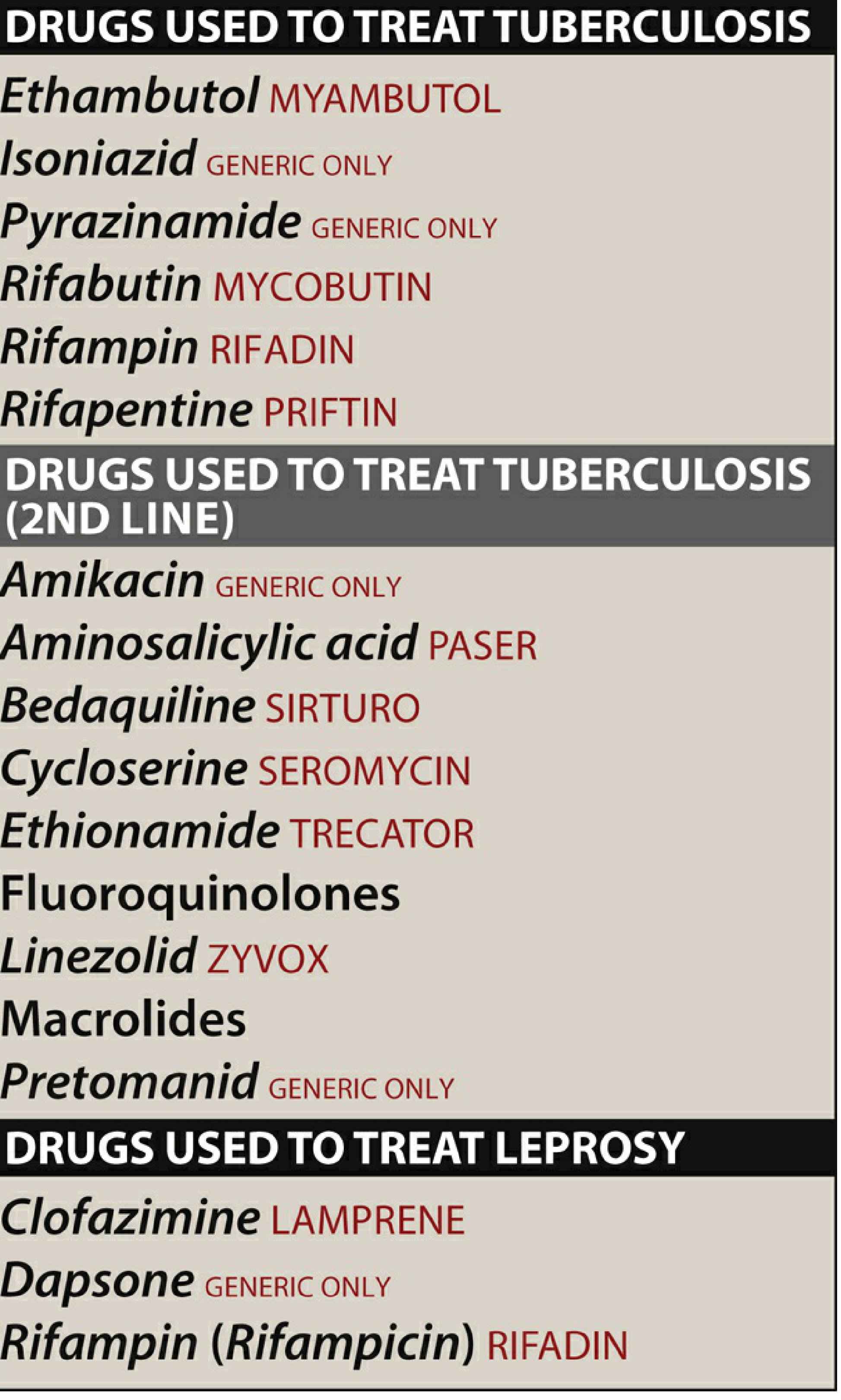
A. First-Line Drugs (Preferred - high efficacy + acceptable toxicity)
| Drug | Abbreviation | Primary Action |
|---|---|---|
| Isoniazid | H | Bactericidal |
| Rifampin (Rifampicin) | R | Bactericidal |
| Pyrazinamide | Z | Bactericidal (acidic pH) |
| Ethambutol | E | Bacteriostatic |
| Rifabutin | - | Bactericidal (replaces rifampin in some cases) |
| Rifapentine | - | Bactericidal (long-acting rifamycin) |
| Streptomycin | S | Bactericidal (injectable; now considered reserve) |
B. Second-Line Drugs (Used in MDR-TB, drug intolerance, or resistance)
- Levofloxacin, Moxifloxacin
- Amikacin, Kanamycin, Capreomycin
- Ethionamide (Prothionamide), Cycloserine, p-Aminosalicylic acid (PAS), Linezolid
- Bedaquiline, Delamanid, Pretomanid, Clofazimine
ISONIAZID (INH / H)
1. Mechanism of Action (MoA)
- Activation: Isoniazid is taken up by M. tuberculosis and activated by the mycobacterial enzyme KatG (catalase-peroxidase)
- NADH complex formation: The activated isoniazid couples with NADH (reduced nicotinamide adenine dinucleotide) to form an isonicotinic acyl-NADH complex
- InhA inhibition: This complex binds tightly to InhA (mycobacterial ketoenoyl reductase / enoyl-ACP reductase) and to KasA (β-ketoacyl-ACP synthase), both of which are essential for mycolic acid synthesis
- Cell wall disruption: Mycolic acids are long-chain, beta-hydroxylated fatty acids that are essential structural components of the mycobacterial cell wall. Blocking their synthesis leads to cell wall breakdown and bacterial death
- Free radical generation: KatG activation also produces reactive oxygen species (nitric oxide and other free radicals) that have additional antimycobacterial activity
"Isoniazid is a prodrug activated by the mycobacterial KatG catalase-peroxidase; isoniazid is coupled with NADH. The resulting isonicotinic acyl-NADH complex blocks the mycobacterial ketoenoyl-reductase known as InhA...and inhibiting fatty acid synthase and ultimately mycolic acid synthesis." - Harrison's Principles of Internal Medicine, 22nd Ed.
2. Pharmacokinetics
- Route: Oral (well absorbed), also available IM
- Absorption: Peak serum levels of 3-5 μg/mL within 30 min to 2 hours (MIC for susceptible M. tuberculosis is <0.1 μg/mL)
- Distribution: Excellent - penetrates CSF, pleural fluid, caseous lesions, and intracellular compartments
- Metabolism: Hepatic, via N-acetyltransferase 2 (NAT2) - acetylation
- Fast acetylators: Lower serum levels, potentially less toxicity from parent drug but more risk of hepatotoxic metabolites
- Slow acetylators: Higher serum levels, more peripheral neuropathy risk
- Excretion: Renal
3. Therapeutic Uses
- Active TB disease - cornerstone of the standard 6-month regimen (HRZE for 2 months + HR for 4 months)
- Latent TB infection (LTBI) treatment:
- Isoniazid monotherapy: 6 or 9 months daily
- 3HP regimen: Isoniazid + Rifapentine weekly x 12 doses (under DOT) - noninferior to 9-month INH monotherapy with higher completion rates
- 3HR regimen: Isoniazid + Rifampin daily x 3 months
- M. kansasii infection (MIC 0.5-2 μg/mL, higher than for M. tuberculosis)
- Post-exposure prophylaxis in immunocompromised patients (HIV, transplant recipients) exposed to TB
- Given with pyridoxine (25-50 mg/day) to prevent peripheral neuropathy, especially in malnourished patients, alcoholics, pregnant women, and those with diabetes
4. Adverse Effects
| System | Adverse Effect | Notes |
|---|---|---|
| Hepatic | Hepatotoxicity (most serious) | Raised ALT, clinical hepatitis; risk increases with age, alcohol use, pre-existing liver disease; can be fatal |
| Nervous system | Peripheral neuropathy | Due to pyridoxine (Vit B6) deficiency; prevented by co-administration of pyridoxine |
| Nervous system | CNS toxicity | Dizziness, ataxia, optic neuritis, psychosis, seizures (in overdose) |
| Hematologic | Hemolytic anemia | Especially in G6PD-deficient patients |
| Hematologic | Sideroblastic anemia | Due to interference with pyridoxine metabolism |
| Immunologic | Drug-induced lupus (DIL) | Antinuclear antibodies, rare |
| Endocrine | Gynecomastia | Rare |
| GI | Nausea, vomiting, epigastric discomfort | Usually mild |
| Metabolic | Pellagra | Due to interference with niacin synthesis (rare) |
5. Contraindications
- Previous isoniazid-associated hepatic injury (prior severe hepatotoxicity)
- Acute liver disease (active hepatitis - viral, alcoholic, or drug-induced)
- Hypersensitivity to isoniazid
- Relative contraindications:
- Chronic liver disease (use with caution + close monitoring)
- Alcohol use disorder (increased hepatotoxicity risk)
- Severe renal impairment (metabolite accumulation)
- Pre-existing peripheral neuropathy (must co-administer pyridoxine)
- Epilepsy (lowers seizure threshold in overdose)
6. Drug Interactions
| Drug | Interaction | Effect |
|---|---|---|
| Warfarin | CYP2C9 inhibition | Increased anticoagulant effect; bleeding risk |
| Carbamazepine | CYP3A4 inhibition | Increased carbamazepine levels; toxicity |
| Phenytoin | CYP2C19 inhibition | Phenytoin toxicity (ataxia, nystagmus, drowsiness) |
| Diazepam | CYP inhibition | Increased sedation |
| Ketoconazole | Decreased absorption | Reduced antifungal levels |
| Aluminum hydroxide antacids | Reduced absorption of INH | Take INH 1 hour before antacids |
| Rifampin | Additive hepatotoxicity | Enhanced liver damage risk |
| Alcohol | Additive hepatotoxicity; altered INH metabolism | Avoid alcohol during treatment |
| Pyrazinamide | Additive hepatotoxicity | Monitor LFTs closely |
| Tyramine-containing foods | MAO inhibition by INH | Hypertensive crisis (rare), flushing, palpitations (INH has weak MAO inhibitory activity) |
| Histamine-rich foods (fish) | Inhibits histaminase | Flushing, sweating, itching |
"Isoniazid's interactions with other drugs are due primarily to its inhibition of the cytochrome P450 system. Among the drugs with significant isoniazid interactions are warfarin, carbamazepine..." - Harrison's Principles of Internal Medicine, 22nd Ed.
SHORT NOTE: DRUG REGIMENS IN TREATMENT OF TB
Rationale for Combination Therapy
Regimens for Drug-Susceptible TB (Active Disease)
| Phase | Drugs | Duration |
|---|---|---|
| Intensive Phase | Isoniazid (H) + Rifampin (R) + Pyrazinamide (Z) + Ethambutol (E) | 2 months |
| Continuation Phase | Isoniazid (H) + Rifampin (R) | 4 months |
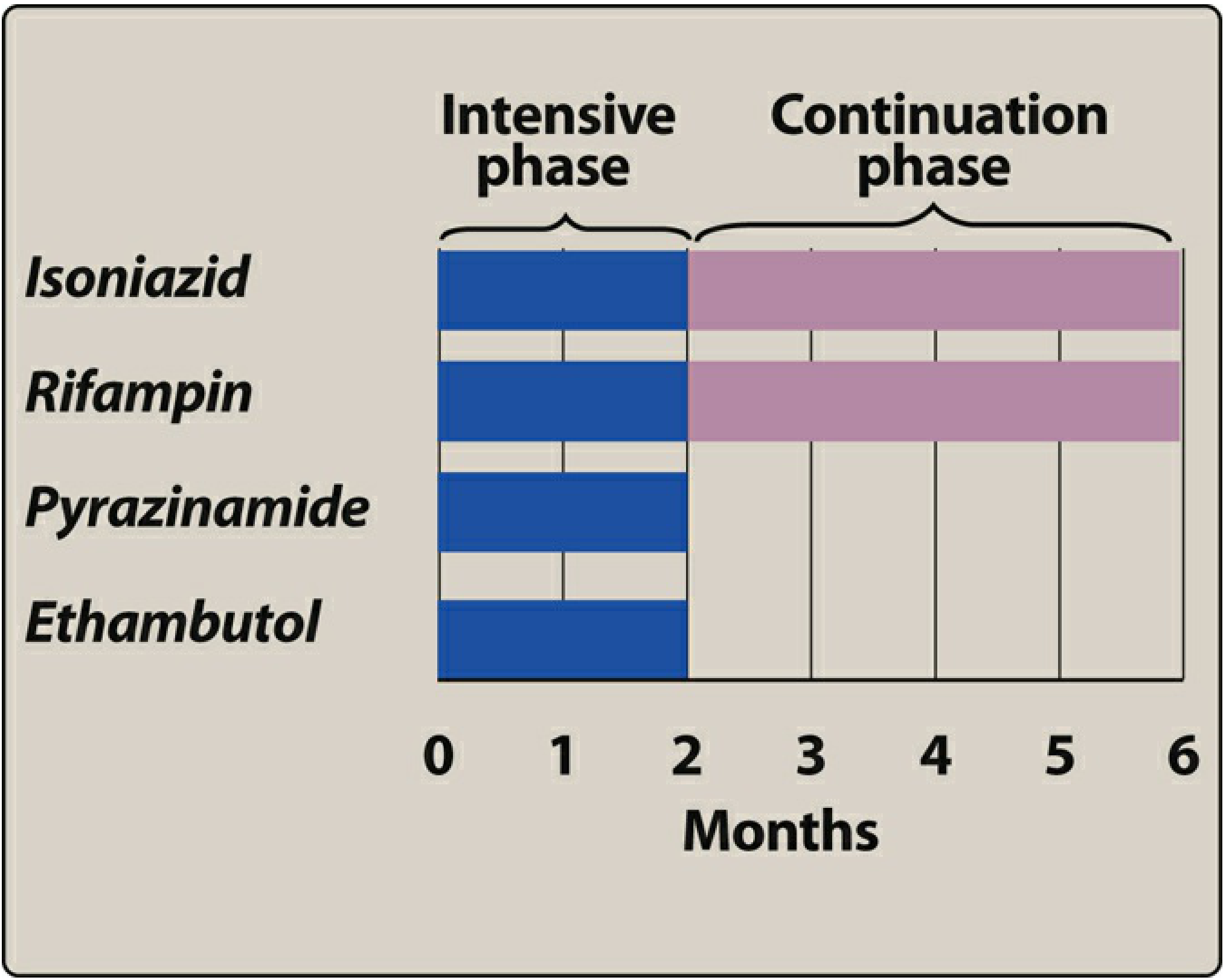
- Ethambutol can be dropped once susceptibility to INH and rifampin is confirmed
- Total drug doses can be given daily or 3x weekly under DOT
- Extension to 9 months if cavitation present + culture positive at 2 months
Regimens for Latent TB Infection (LTBI)
| Regimen | Drugs | Duration | Notes |
|---|---|---|---|
| 9H | Isoniazid daily | 9 months | Traditional gold standard |
| 6H | Isoniazid daily | 6 months | Equivalent in most settings |
| 3HP | Isoniazid + Rifapentine weekly | 3 months (12 doses) | Preferred where available; high completion rate |
| 4R | Rifampin daily | 4 months | Alternative, fewer interactions |
| 3HR | Isoniazid + Rifampin daily | 3 months | Shorter, well-tolerated |
Regimens for Drug-Resistant TB
- BPaLM regimen (preferred): Bedaquiline + Pretomanid + Linezolid + Moxifloxacin for 6 months
- WHO 9-month short-course regimen: Bedaquiline + Fluoroquinolone + Ethionamide + Ethambutol + Pyrazinamide + high-dose Isoniazid + Clofazimine for 4-6 months (intensive), then fluoroquinolone + Clofazimine + Ethambutol + Pyrazinamide for 5 months
- WHO extended regimen: 18-20 months total (for patients not qualifying for BPaLM or short-course)
- Bedaquiline + Pretomanid + Linezolid ("BPaL" regimen) - 6-9 months
Key Principles of TB Chemotherapy
- Always use combination therapy - never treat active TB with a single drug
- Ensure adequate duration - short treatment risks relapse; standard active TB treatment is minimum 6 months
- Directly Observed Therapy (DOT) - recommended to ensure adherence; reduces treatment failure and resistance emergence
- Treat with drugs active against the isolate - drug susceptibility testing guides regimen selection
- Monitor for toxicity - monthly LFTs (especially ALT) during treatment; monthly visual acuity testing for ethambutol
- Pyridoxine supplementation - 25-50 mg/day with isoniazid-containing regimens to prevent peripheral neuropathy
- Sputum culture monitoring - monthly until conversion confirms response
- Harrison's Principles of Internal Medicine, 22nd Edition (2025), Chapter on Antituberculosis Drugs, pp. 1422-1465
- Lippincott Illustrated Reviews: Pharmacology, Chapter 32: Antimycobacterial Drugs, pp. 1050-1062
- Goodman & Gilman's The Pharmacological Basis of Therapeutics
Classify Anti – Tubercular Drugs. Describe the MoA, Therapeutic Uses, Adverse Effects, Contraindications & Drug Interactions of Rifampicin. Add a Short Note on DOTS
Anti-Tubercular Drugs: Classification, Rifampicin, and DOTS
CLASSIFICATION OF ANTI-TUBERCULAR DRUGS
A. First-Line Drugs (Preferred - high efficacy + acceptable toxicity)
| Drug | Abbreviation | Action |
|---|---|---|
| Isoniazid (INH) | H | Bactericidal |
| Rifampicin (Rifampin) | R | Bactericidal |
| Pyrazinamide | Z | Bactericidal (acidic pH) |
| Ethambutol | E | Bacteriostatic |
| Streptomycin | S | Bactericidal (injectable) |
| Rifabutin | - | Bactericidal (rifamycin alternative) |
| Rifapentine | - | Bactericidal (long-acting rifamycin) |
B. Second-Line Drugs (Used in MDR-TB / drug intolerance / resistance)
- Ethionamide, Cycloserine, p-Aminosalicylic acid (PAS), Linezolid, Clofazimine
- Bedaquiline, Delamanid, Pretomanid
RIFAMPICIN (RIFAMPIN)
1. Mechanism of Action (MoA)
- Rifampicin is a fat-soluble macrocyclic molecule that enters the mycobacterial cell
- It specifically binds to the β subunit of mycobacterial DNA-dependent RNA polymerase (encoded by the rpoB gene)
- This binding blocks RNA transcription - specifically it suppresses the initiation of chain formation and early elongation of the mRNA chain
- Without mRNA synthesis, protein synthesis is halted, leading to bacterial death
"Rifampin specifically binds to and inhibits mycobacterial DNA-dependent RNA polymerase, blocking RNA synthesis." - Harrison's Principles of Internal Medicine, 22nd Ed.
2. Pharmacokinetics
- Route: Oral (well absorbed); take on an empty stomach (food reduces absorption)
- Peak levels: 10-20 μg/mL at 2.5 hours after the usual adult dose (10 mg/kg, max 600 mg/day)
- Half-life: 1.5-5 hours; undergoes autoinduction - the drug induces its own metabolism, shortening its half-life during the first 1-2 weeks of dosing
- Distribution: Excellent - distributes to all body tissues and fluids, including CSF (10-20% of blood concentration); penetrates caseous necrotic tissue
- Metabolism: Hepatic; undergoes enterohepatic recycling; potent inducer of hepatic CYP450 enzymes (CYP3A4 and others) and phase II enzymes
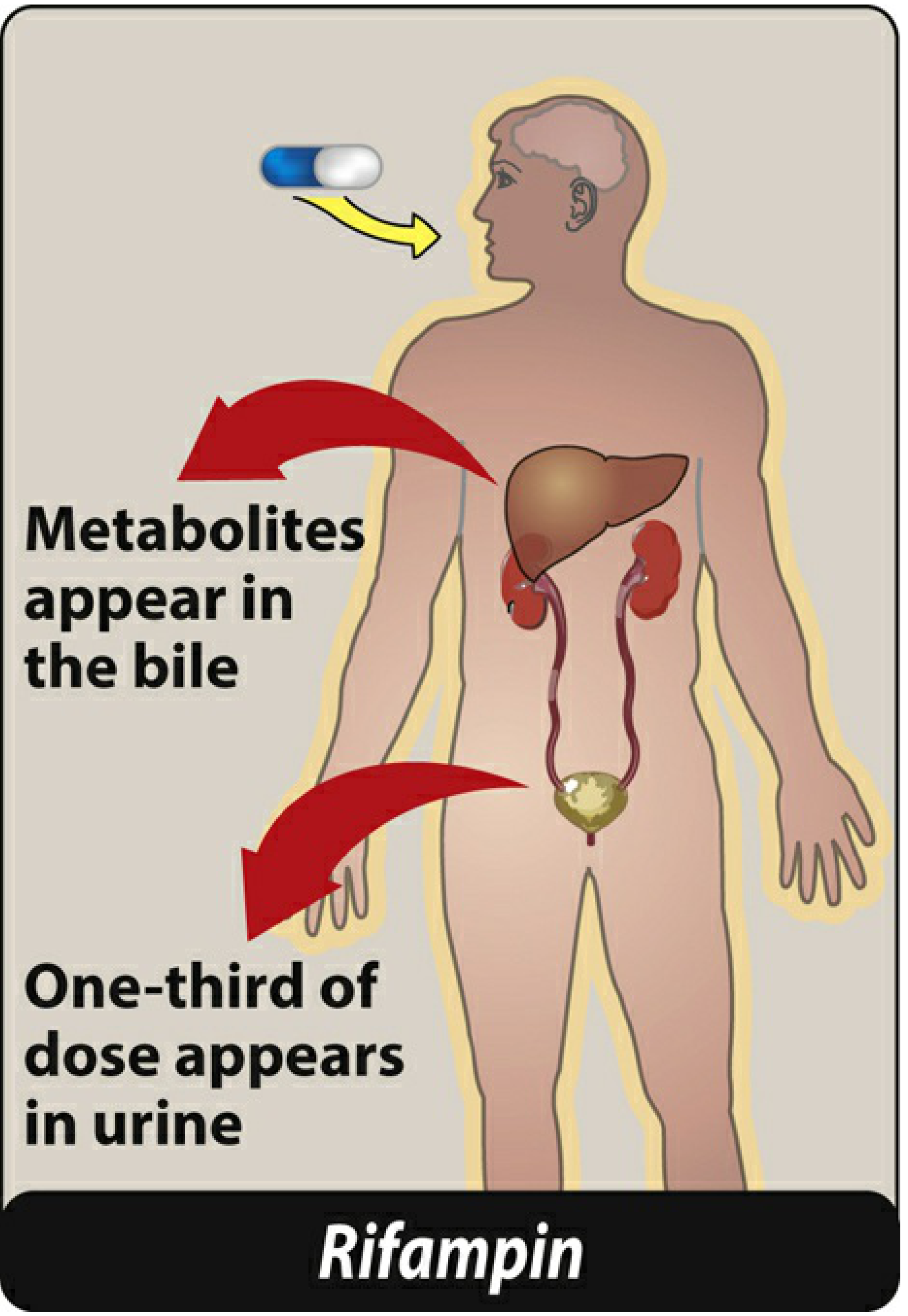
- Excretion: Primarily through bile into feces; <30% renally excreted; no dose adjustment needed in renal impairment
- Characteristic feature: Turns body fluids (urine, tears, saliva, sputum, sweat) orange-red - a clinically useful indicator of adherence; may permanently stain soft contact lenses
3. Therapeutic Uses
- Tuberculosis (active disease) - cornerstone of the standard 6-month HRZE/HR regimen; used in both intensive and continuation phases
- Latent TB infection (LTBI):
- 4R: Rifampin monotherapy daily x 4 months
- 3HR: Rifampin + Isoniazid x 3 months
- 3HP: Rifampin + Isoniazid + Rifapentine weekly x 12 doses
- Leprosy - part of multidrug therapy (MDT) alongside dapsone and clofazimine
- Meningococcal prophylaxis - chemoprophylaxis for close contacts of N. meningitidis infections
- H. influenzae prophylaxis - for household contacts of Haemophilus influenzae type b infection
- Brucellosis - in combination with doxycycline
- Staphylococcal infections - adjunct in prosthetic valve endocarditis, osteomyelitis, and infections of foreign bodies (biofilm penetration)
- M. kansasii and M. marinum infections
- Legionella pneumophila - adjunct therapy in severe cases
4. Adverse Effects
| System | Adverse Effect | Notes |
|---|---|---|
| Hepatic | Hepatotoxicity | Most significant concern; isolated hyperbilirubinemia more common than aminotransferase elevation when rifampin used alone; risk increases when combined with isoniazid and pyrazinamide |
| GI | Nausea, vomiting, abdominal discomfort | Most common side effects; take on empty stomach |
| Dermatologic | Rash, pruritus, flushing | Cutaneous hypersensitivity reactions |
| Hematologic | Thrombocytopenia, hemolytic anemia, leukopenia, pancytopenia | More common with intermittent high-dose therapy |
| Immunologic | Flu-like syndrome | With intermittent/pulse dosing: fever, chills, myalgia, headache, dizziness |
| Renal | Acute renal failure (tubular necrosis) | Rare; associated with intermittent high-dose therapy and flu-like syndrome |
| Endocrine | Adrenal insufficiency | Due to accelerated cortisol metabolism via CYP induction |
| Body fluids | Orange-red discoloration of urine, tears, sweat, sputum | Harmless; warn patients; may stain soft contact lenses permanently |
| Hepatic | Cholestasis | Rifampin inhibits biliary excretion of bilirubin (competitive inhibition) |
"Adverse events associated with rifampin are infrequent and generally mild. Hepatotoxicity due to rifampin alone is uncommon in the absence of preexisting liver disease...Rarely, a hypersensitivity reaction may occur with intermittent therapy, manifesting as fever, chills, malaise, rash, and—in some instances—renal and hepatic failure." - Harrison's Principles of Internal Medicine, 22nd Ed.
5. Contraindications
- Known hypersensitivity to rifamycins
- Severe hepatic impairment / jaundice - use with extreme caution
- Concurrent use with certain antiretrovirals - rifampin is contraindicated with most HIV protease inhibitors (e.g., ritonavir-boosted regimens) and NNRTIs due to profound CYP3A4 induction reducing antiretroviral levels (rifabutin is substituted instead)
- Relative contraindications:
- Alcoholism
- Pre-existing liver disease (active hepatitis, cirrhosis)
- Combined use with other hepatotoxic drugs
- Pregnancy (Category C - can cause neonatal bleeding; give vitamin K if used near delivery)
6. Drug Interactions
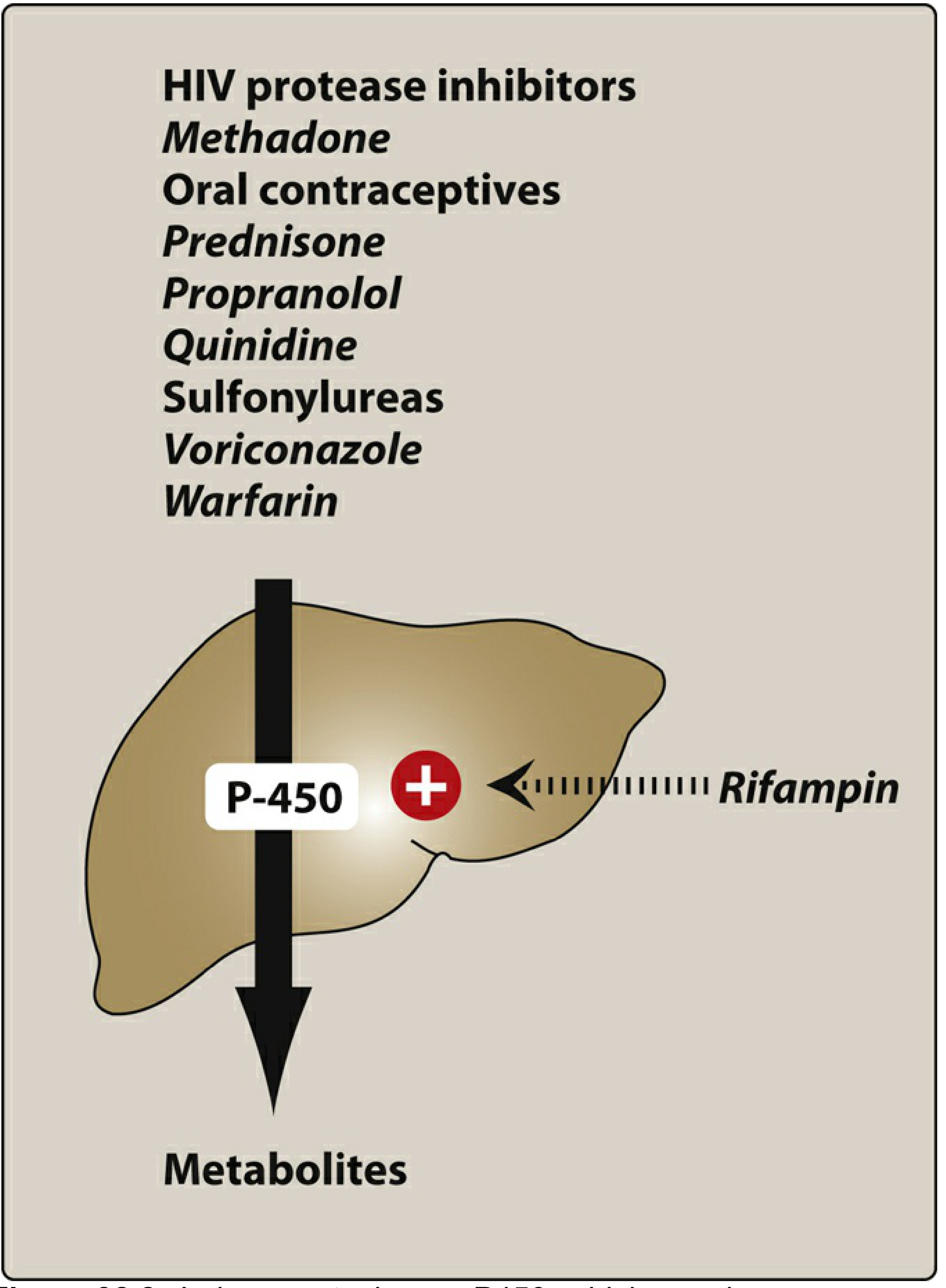
| Drug/Drug Class | Interaction Mechanism | Clinical Consequence |
|---|---|---|
| Oral contraceptives | CYP3A4 induction | Reduced efficacy - contraceptive failure; use alternative contraception |
| Warfarin | CYP2C9 induction | Reduced anticoagulation; may need higher warfarin doses |
| HIV protease inhibitors (lopinavir, atazanavir) | CYP3A4 induction | Subtherapeutic antiviral levels; treatment failure - use rifabutin instead |
| NNRTIs (nevirapine, efavirenz) | CYP3A4 induction | Reduced antiretroviral levels |
| Phenytoin | CYP2C9 induction | Reduced anticonvulsant effect; seizure risk |
| Corticosteroids (prednisone, dexamethasone) | CYP3A4 induction | Reduced steroid effect; Addisonian crisis risk in dependent patients |
| Cyclosporine, tacrolimus | CYP3A4 induction | Organ rejection risk due to immunosuppressant failure |
| Methadone | CYP3A4 induction | Opiate withdrawal symptoms |
| Digoxin | P-gp induction | Reduced digoxin levels |
| Quinidine, propranolol | CYP induction | Reduced antiarrhythmic/beta-blocker effect |
| Azole antifungals (fluconazole, voriconazole, ketoconazole) | CYP induction | Reduced antifungal levels; treatment failure |
| Sulfonylureas | CYP induction | Reduced hypoglycemic effect; hyperglycemia |
| Isoniazid + Pyrazinamide | Additive hepatotoxicity | Monitor LFTs closely |
"As a potent inducer of the hepatic cytochrome P450 system, rifampin can decrease the half-life of digoxin, warfarin, phenytoin, prednisone, cyclosporine, methadone, oral contraceptives, clarithromycin, azole antifungal agents, quinidine, antiretroviral protease inhibitors, and nonnucleoside reverse transcriptase inhibitors." - Harrison's Principles of Internal Medicine, 22nd Ed.
SHORT NOTE: DOTS (Directly Observed Treatment, Short-Course)
Definition
Historical Background
- In the early 1990s, the World Bank, WHO, and other international bodies promoted the DOTS strategy as a highly cost-effective approach to TB control
- DOTS was developed in response to the failure of self-administered therapy and the resultant emergence of drug resistance
- The strategy was central to achieving the WHO's global TB targets and was later expanded into the Stop TB Strategy and the current End TB Strategy
Five Core Elements of DOTS
| Component | Description |
|---|---|
| 1. Political commitment | Government commitment with increased and sustained financing for TB control |
| 2. Case detection | Diagnosis through quality-assured sputum smear microscopy (or newer GeneXpert/NAAT methods) - passive case-finding of smear-positive patients |
| 3. Standardized short-course chemotherapy | Use of proven 6-month isoniazid-and-rifampin-based regimens (2HRZE / 4HR) for all confirmed TB cases under proper case management |
| 4. Uninterrupted drug supply | Regular, uninterrupted supply of all essential anti-TB drugs (quality-assured) |
| 5. Systematic monitoring and accountability | Standardized recording and reporting system to allow assessment of treatment results (cohort analysis) |
The Standard DOTS Regimen
| Phase | Drugs | Duration |
|---|---|---|
| Intensive phase | HRZE (Isoniazid + Rifampicin + Pyrazinamide + Ethambutol) | 2 months |
| Continuation phase | HR (Isoniazid + Rifampicin) | 4 months |
Advantages of DOTS
- High cure rates (>85%) even in resource-limited settings
- Prevents drug resistance - supervised swallowing ensures full course completion, preventing emergence of MDR-TB
- Cost-effective - the World Bank rated DOTS as one of the most cost-effective health interventions globally
- Reduces transmission - rapid sputum conversion under effective therapy reduces community spread
- Simple monitoring - standardized recording/reporting enables program evaluation
Limitations of DOTS and Evolution Beyond DOTS
- Sputum smear microscopy is insensitive - misses smear-negative pulmonary TB, all extrapulmonary TB, and most pediatric TB
- Passive case-finding depends on health-seeking behavior and available healthcare services
- MDR-TB patients are infected with strains resistant to isoniazid and rifampin - the very drugs central to DOTS; exclusive reliance on these drugs fails MDR patients
"DOTS was clearly effective for most uncomplicated cases of drug-susceptible tuberculosis, but several shortcomings were soon identified...patients with multidrug-resistant tuberculosis are by definition infected with strains of M. tuberculosis resistant to isoniazid and rifampin; thus, exclusive reliance on these drugs is unwarranted." - Harrison's Principles of Internal Medicine, 22nd Ed.
- Harrison's Principles of Internal Medicine, 22nd Edition (2025), Chapter 186: First-Line Antituberculosis Drugs
- Lippincott Illustrated Reviews: Pharmacology, Chapter 32: Antimycobacterial Drugs
- Murray & Nadel's Textbook of Respiratory Medicine
Classify Beta Lactam Antibiotics. Describe the MoA, Therapeutic Uses, Adverse Effects, Contraindications & Drug Interactions of Benzyl Penicillin
Beta-Lactam Antibiotics: Classification and Benzyl Penicillin
CLASSIFICATION OF BETA-LACTAM ANTIBIOTICS
Structural Basis of Classification
| Class | Ring Structure | Examples |
|---|---|---|
| Penicillins | β-lactam + 5-membered thiazolidine ring | Penicillin G, Ampicillin, Cloxacillin, Piperacillin |
| Cephalosporins | β-lactam + 6-membered dihydrothiazine ring | Cefazolin, Cefuroxime, Ceftriaxone, Cefepime |
| Carbapenems | β-lactam + modified thiazolidine (with C replacing S) | Imipenem, Meropenem, Ertapenem, Doripenem |
| Monobactams | β-lactam ring alone (no second ring) | Aztreonam |
| β-Lactam/β-Lactamase inhibitor combinations | β-lactam + inhibitor of β-lactamase enzymes | Amoxicillin/Clavulanate, Ampicillin/Sulbactam, Piperacillin/Tazobactam, Ceftazidime/Avibactam |
A. Penicillins (Subclassification)
- Benzyl Penicillin (Penicillin G) - parenteral
- Phenoxymethyl Penicillin (Penicillin V) - oral, acid-stable
- Cloxacillin, Dicloxacillin, Flucloxacillin (oral)
- Nafcillin, Oxacillin (parenteral)
- (Methicillin - withdrawn due to nephrotoxicity)
- Ampicillin (oral/parenteral)
- Amoxicillin (oral)
- Piperacillin, Ticarcillin, Carbenicillin
B. Cephalosporins (By Generation)
| Generation | Oral | Parenteral | Key Feature |
|---|---|---|---|
| 1st | Cephalexin, Cefadroxil | Cefazolin | Gram-positive coverage; surgical prophylaxis |
| 2nd | Cefuroxime, Cefprozil | Cefuroxime, Cefoxitin, Cefotetan | Expanded gram-negative; anaerobic (cefoxitin) |
| 3rd | Cefixime, Cefpodoxime | Ceftriaxone, Cefotaxime, Ceftazidime | Broad gram-negative; CNS penetration |
| 4th | - | Cefepime | Anti-Pseudomonal + gram-positive |
| Advanced/5th | - | Ceftaroline | MRSA activity |
| Beta-lactamase combinations | - | Ceftazidime/avibactam, Ceftolozane/tazobactam | MDR gram-negative organisms |
C. Carbapenems
- Antipseudomonal: Imipenem/cilastatin, Meropenem, Doripenem
- Non-pseudomonal: Ertapenem
- Newer combinations: Imipenem/relebactam, Meropenem/vaborbactam (for carbapenem-resistant organisms)
D. Monobactams
- Aztreonam - active only against gram-negative organisms; safe in penicillin allergy (antigenically distinct)
BENZYL PENICILLIN (PENICILLIN G)
- Penicillin G Sodium/Potassium - IV/IM, short-acting (half-life ~30 min)
- Procaine Penicillin G - IM depot, medium-acting (12-24 hours)
- Benzathine Penicillin G - IM depot, long-acting (detectable for up to 4 weeks)
1. Mechanism of Action (MoA)
- Structural mimicry: The beta-lactam ring of penicillin G structurally resembles the terminal D-alanyl-D-alanine portion of the peptidoglycan precursor strand
- PBP binding: Penicillin G competes with this substrate and irreversibly binds to Penicillin-Binding Proteins (PBPs) - the transpeptidase enzymes located on the outer surface of the bacterial cytoplasmic membrane
- Transpeptidation blockade: By acylating the active site of PBPs (via cleavage of the -CO-N- bond of the β-lactam ring), penicillin G inhibits cross-linking of adjacent peptidoglycan strands via transpeptidation
- Autolytic activation: Accumulation of cell wall precursors and loss of inhibitory control of autolytic enzymes (autolysins) in the cell wall leads to activation of these hydrolytic enzymes
- Cell lysis: The weakened, uncross-linked cell wall cannot withstand osmotic pressure, leading to cell lysis and death
"Penicillins interfere with the last step of bacterial cell wall synthesis, which is the cross-linking of adjacent peptidoglycan strands by a process known as transpeptidation...The result is the formation of a weakened cell wall and ultimately cell death." - Lippincott Illustrated Reviews: Pharmacology
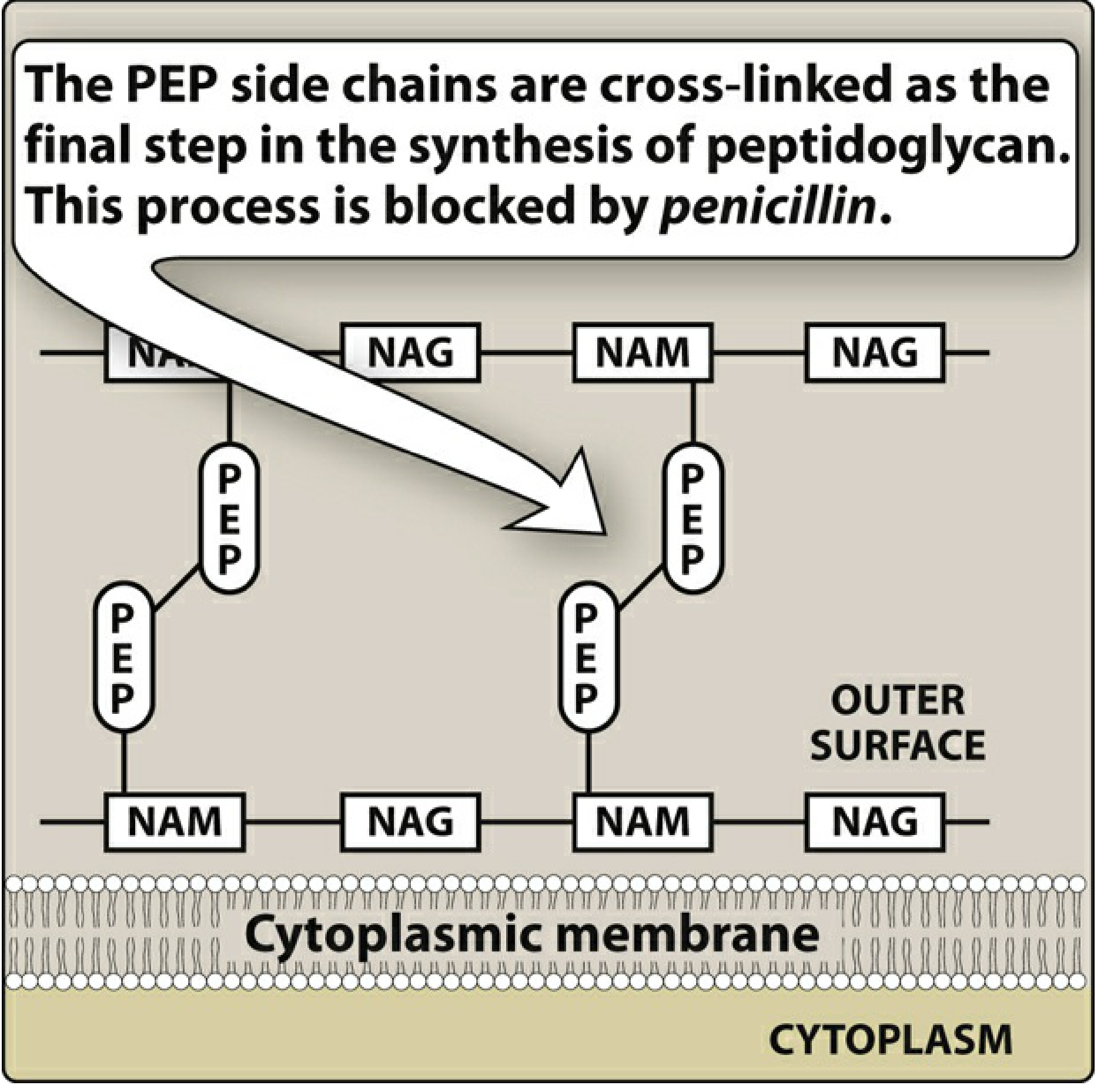
- β-lactamase production (most common) - enzymes that hydrolyze and open the β-lactam ring
- PBP mutations - altered PBPs with reduced affinity for penicillin (e.g., penicillin-resistant S. pneumoniae)
- Reduced penetration - altered outer membrane porins in gram-negatives
- Efflux pumps
2. Pharmacokinetics
- Route: IV or IM (not orally active - acid-labile; destroyed by gastric acid)
- Peak levels: Rapid; serum half-life ~30 minutes for aqueous penicillin G (requires dosing every 4-6 hours)
- Distribution: Wide distribution to body fluids; penetrates CSF only when meninges are inflamed (CSF levels increase with meningeal inflammation - clinically exploited in meningitis treatment)
- Protein binding: ~60%
- Metabolism: Minimal hepatic metabolism; mostly excreted unchanged
- Excretion: Primarily renal via tubular secretion and glomerular filtration; dose reduction required in renal impairment
- Probenecid blocks tubular secretion of penicillin G, raising and prolonging blood levels
3. Therapeutic Uses
| Infection | Organism | Formulation Used |
|---|---|---|
| Streptococcal pharyngitis | S. pyogenes (Group A Strep) | Benzathine Pen G IM (single dose) or Pen V oral |
| Streptococcal endocarditis | Viridans streptococci | Penicillin G IV (high dose) |
| Pneumococcal pneumonia | S. pneumoniae (susceptible) | Penicillin G IV |
| Pneumococcal meningitis | S. pneumoniae (susceptible) | Penicillin G IV (high dose) |
| Meningococcal meningitis | N. meningitidis | Penicillin G IV |
| Neurosyphilis | Treponema pallidum | Aqueous Penicillin G IV |
| Primary/secondary syphilis | T. pallidum | Benzathine Penicillin G IM |
| Gas gangrene | Clostridium perfringens | Penicillin G IV (+ surgery) |
| Tetanus | Clostridium tetani | Penicillin G IV |
| Diphtheria (carrier) | Corynebacterium diphtheriae | Penicillin G IM |
| Actinomycosis | Actinomyces israelii | Penicillin G IV prolonged |
| Leptospirosis | Leptospira spp. | Penicillin G IV |
| Rat-bite fever | Streptobacillus moniliformis | Penicillin G IV |
| Anthrax | Bacillus anthracis | Penicillin G IV |
| Rheumatic fever prophylaxis | Prevention of Group A Strep | Benzathine Penicillin G IM monthly |
"Despite widespread use and increasing resistance in many types of bacteria, penicillin remains the drug of choice for the treatment of gas gangrene (C. perfringens) and syphilis (T. pallidum)." - Lippincott Illustrated Reviews: Pharmacology
4. Adverse Effects
| Type | Timing | Manifestation |
|---|---|---|
| Immediate (Type I, IgE-mediated) | Within 20 min | Urticaria, angioedema, bronchospasm, anaphylaxis |
| Accelerated (IgE-mediated) | 1-72 hours | Urticaria, laryngeal edema |
| Delayed (Serum sickness-like, T-cell mediated) | Days to weeks | Maculopapular rash, fever, serum sickness, vasculitis, hemolytic anemia |
- The beta-lactam ring opens to form the penicilloyl moiety ("major determinant") which acts as a hapten
- Incidence of anaphylaxis: 0.004-0.04%; fatality rate ~0.001%
- Most serious reactions: anaphylaxis and angioedema
- All penicillin preparations can cause hypersensitivity
- Cross-reactivity exists between penicillins and cephalosporins (5-10%), and rarely with carbapenems (~1%)
- High-dose parenteral penicillin G can cause seizures (especially intrathecal administration, renal failure, or inadvertent CSF injection)
- Mechanism: inhibits GABA-ergic inhibition
- Patients with epilepsy are at higher risk
- Nausea, vomiting, diarrhea
- Pseudomembranous colitis (C. difficile-associated diarrhea) - disruption of normal intestinal flora
- Acute interstitial nephritis - rare; associated mainly with methicillin (withdrawn) but also seen with other penicillins
- Hematuria, fever, eosinophilia, proteinuria
- Hemolytic anemia (Coombs-positive) - with high-dose prolonged therapy
- Neutropenia/reversible leukopenia - especially with high-dose nafcillin for >21 days
- Thrombocytopenia
- Bleeding tendency (platelet dysfunction) - with piperacillin
- Penicillin G contains significant sodium or potassium per dose; massive IV doses can cause hyperkalemia (K+ salt) or hypernatremia (Na+ salt), especially in renal failure
- Seen with treatment of syphilis, Lyme disease, leptospirosis
- Caused by release of bacterial antigens/endotoxins upon rapid killing of spirochetes
- Manifests as fever, chills, myalgia, hypotension within hours of first dose
5. Contraindications
- Documented hypersensitivity or allergy to any penicillin - risk of anaphylaxis
- History of severe immediate hypersensitivity reaction (anaphylaxis, angioedema, urticaria) - absolute contraindication
- Relative contraindications:
- Cephalosporin allergy (cross-reactivity ~5-10%)
- Epilepsy (lowers seizure threshold at high doses)
- Renal impairment (dose reduction required; accumulation causes neurotoxicity)
- Severe heart failure or renal disease (if using K+ or Na+ salts in high doses - electrolyte loading)
- Note: Oral penicillins should not be used for severe infections (inadequate levels)
6. Drug Interactions
| Drug | Interaction Type | Effect |
|---|---|---|
| Probenecid | Blocks renal tubular secretion | Increases and prolongs penicillin G blood levels (used therapeutically in syphilis) |
| Aminoglycosides (gentamicin, streptomycin) | Synergistic antibacterial effect | Enhanced killing of enterococci and streptococci; DO NOT mix in same IV solution (chemical inactivation) |
| Bacteriostatic antibiotics (tetracyclines, chloramphenicol, macrolides) | Pharmacodynamic antagonism | Bacteriostatic agents slow bacterial growth and may reduce the bactericidal activity of penicillin G (which requires actively growing bacteria) |
| Oral contraceptives | Disruption of enterohepatic recirculation of estrogens (via gut flora reduction) | Reduced efficacy of combined oral contraceptives; advise barrier contraception |
| Warfarin | Altered gut flora reduces Vitamin K synthesis | Enhanced anticoagulant effect; monitor INR |
| Methotrexate | Both compete for renal tubular secretion | Reduced methotrexate excretion; increased methotrexate toxicity (myelosuppression, mucositis) |
| Potassium-sparing diuretics | Additive hyperkalemia with K+ salt of penicillin | Risk of dangerous hyperkalemia |
| NSAIDs | Compete for plasma protein binding | Displace penicillin; increased free drug levels |
| Antacids | Not applicable for Penicillin G IV | (Relevant for oral penicillins - reduced absorption with high gastric pH) |
"A drug such as a cell wall inhibitor (a penicillin or cephalosporin) may enhance the entry of an aminoglycoside into bacteria and thus produce synergistic effects. Penicillins enhance the uptake of gentamicin or streptomycin by enterococci." - Jawetz, Melnick & Adelberg's Medical Microbiology
- Goodman & Gilman's The Pharmacological Basis of Therapeutics, Chapter 58: β-Lactam Antibiotics
- Lippincott Illustrated Reviews: Pharmacology, Chapter 29: Cell Wall Inhibitors
- Katzung's Basic and Clinical Pharmacology, 16th Edition
- Fishman's Pulmonary Diseases and Disorders
- Harrison's Principles of Internal Medicine, 22nd Edition
Classify Beta Lactam Antibiotics. Describe the MoA, Therapeutic Uses, Adverse Effects, Contraindications & Drug Interactions of Amoxicillin
Beta-Lactam Antibiotics: Classification and Amoxicillin
CLASSIFICATION OF BETA-LACTAM ANTIBIOTICS
Structural Classification
| Class | Ring Structure | Key Feature |
|---|---|---|
| Penicillins | β-lactam + 5-membered thiazolidine ring | Narrow to broad spectrum depending on subclass |
| Cephalosporins | β-lactam + 6-membered dihydrothiazine ring | Generation-based spectrum expansion |
| Carbapenems | β-lactam + modified thiazolidine (C replaces S, double bond) | Broadest spectrum; carbapenemase-resistant strains emerging |
| Monobactams | β-lactam ring alone (no fused ring) | Gram-negative only; safe in penicillin allergy |
| β-Lactam + β-Lactamase inhibitor combinations | Any β-lactam + inhibitor | Overcomes β-lactamase resistance |
A. Penicillins (Subclassification)
- Benzyl Penicillin (Penicillin G) - IV/IM; acid-labile
- Phenoxymethyl Penicillin (Penicillin V) - oral; acid-stable
- Long-acting depot forms: Procaine Penicillin G (IM), Benzathine Penicillin G (IM)
- Cloxacillin, Dicloxacillin, Flucloxacillin (oral)
- Nafcillin, Oxacillin (parenteral)
- (Methicillin - withdrawn; caused severe interstitial nephritis)
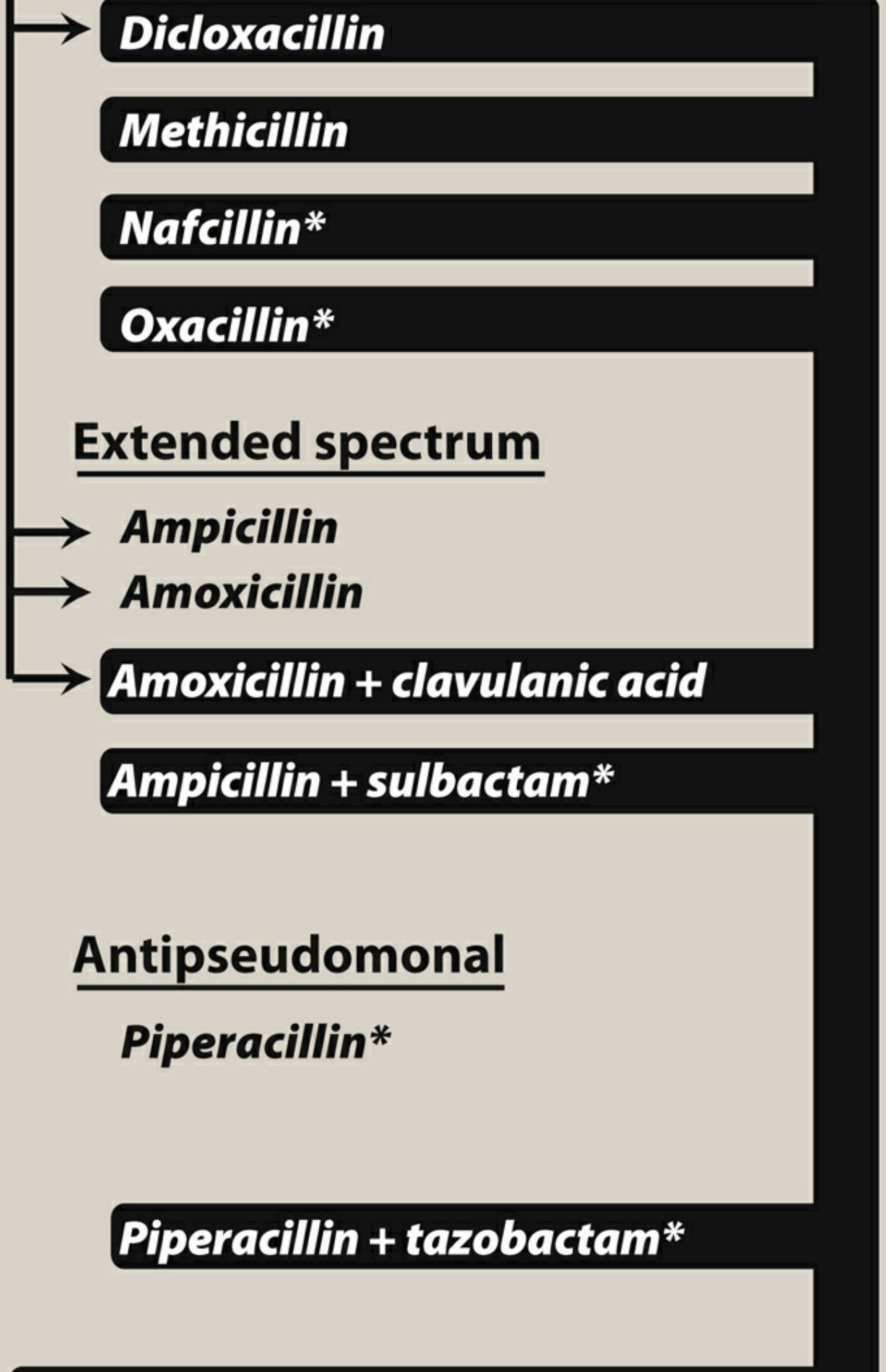
- Ampicillin (oral/IV/IM)
- Amoxicillin (oral; better absorbed than ampicillin)
- Piperacillin (ureidopenicillin) - IV/IM
- Ticarcillin (carboxypenicillin) - discontinued in USA
- Amoxicillin + Clavulanic acid (Co-amoxiclav, Augmentin) - oral
- Ampicillin + Sulbactam (IV)
- Piperacillin + Tazobactam (IV)
B. Cephalosporins (By Generation)
| Generation | Oral Examples | Parenteral Examples | Hallmark |
|---|---|---|---|
| 1st | Cephalexin, Cefadroxil | Cefazolin | Best gram-positive coverage; surgical prophylaxis |
| 2nd | Cefuroxime, Cefprozil | Cefuroxime, Cefoxitin, Cefotetan | Expanded gram-negatives; Cefoxitin covers anaerobes |
| 3rd | Cefixime, Cefpodoxime | Ceftriaxone, Cefotaxime, Ceftazidime | Broad gram-negative; CSF penetration (meningitis) |
| 4th | - | Cefepime | Anti-Pseudomonal + gram-positive; β-lactamase stable |
| Advanced/5th | - | Ceftaroline | Adds MRSA coverage |
| Combo | - | Ceftazidime/avibactam, Ceftolozane/tazobactam | MDR gram-negative including ESBL/KPC |
C. Carbapenems
- Antipseudomonal: Imipenem/cilastatin, Meropenem, Doripenem
- Non-pseudomonal: Ertapenem (once-daily; no Pseudomonas activity)
- New combinations: Imipenem/relebactam, Meropenem/vaborbactam (vs. carbapenem-resistant Enterobacterales)
D. Monobactams
- Aztreonam - gram-negative aerobic coverage only; safe in penicillin-allergic patients (structurally distinct, minimal cross-reactivity)
AMOXICILLIN
1. Mechanism of Action (MoA)
- Structural mimicry: The β-lactam ring of amoxicillin mimics the terminal D-alanyl-D-alanine moiety of the peptidoglycan precursor
- PBP binding: Amoxicillin enters the bacterial periplasmic space and irreversibly acylates (binds) Penicillin-Binding Proteins (PBPs) - the transpeptidase enzymes responsible for the final cross-linking step of peptidoglycan synthesis
- Transpeptidation blockade: PBP inhibition prevents cross-linking of NAM (N-acetylmuramic acid) - NAG (N-acetylglucosamine) glycan chains, producing structurally weak, uncross-linked peptidoglycan
- Autolytic activation: Impaired cell wall synthesis activates bacterial autolytic enzymes (murein hydrolases/autolysins), which degrade the defective cell wall
- Osmotic lysis: The weakened cell wall cannot withstand intracellular osmotic pressure; water enters and the cell lyses
- Bactericidal - kills bacteria outright
- Time-dependent killing - efficacy correlates with time above MIC (not peak concentration)
- Effective against both gram-positive and certain gram-negative bacteria (the aminogroup at the alpha position enables passage through gram-negative outer membrane porins)
- β-lactamase production (most common) - plasmid-mediated enzymes cleave the β-lactam ring; overcome by combining with clavulanic acid (amoxicillin/clavulanate)
- Modified PBPs with reduced affinity (e.g., MRSA - resistant; Penicillin-resistant S. pneumoniae with altered PBP2b and PBP2x)
- Reduced permeability - porin mutations in gram-negatives prevent drug entry
- Efflux pumps actively expel amoxicillin
"Aminopenicillins expand the spectrum of activity of penicillin G in a different direction...they allow for useful activity against more gram-negative organisms. They are hydrolyzed by β-lactamases (from both gram-positive and gram-negative bacteria); thus, further expansion of their activity is enabled through coformulation with β-lactamase inhibitors." - Goodman & Gilman's Pharmacological Basis of Therapeutics
2. Antibacterial Spectrum
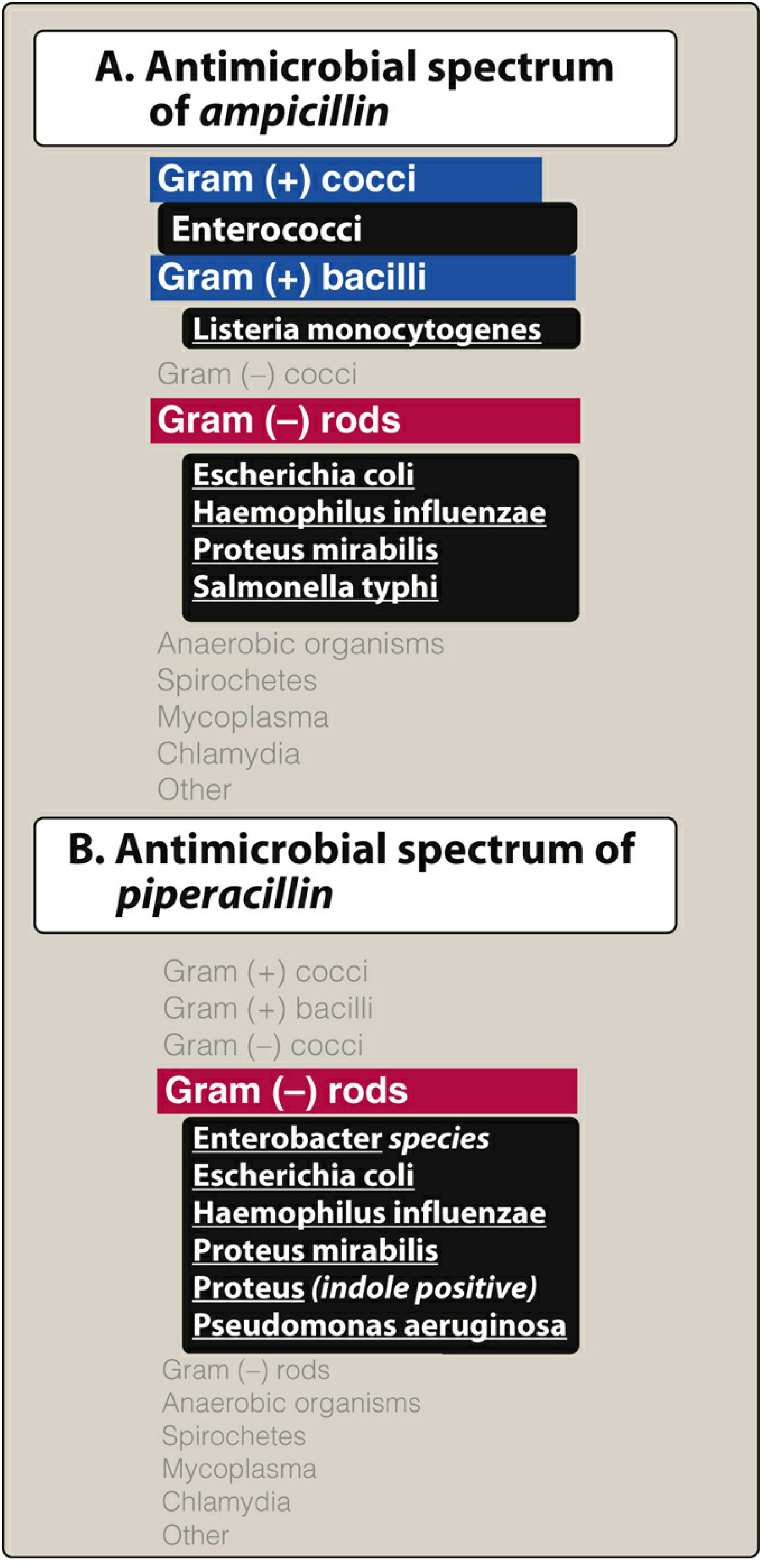
- Gram-positive: Streptococcus pyogenes, S. pneumoniae (susceptible strains), viridans streptococci, Enterococcus faecalis, Listeria monocytogenes
- Gram-negative: H. influenzae (non-β-lactamase-producing strains), E. coli (susceptible strains), Proteus mirabilis, Salmonella, Helicobacter pylori, Neisseria spp.
3. Pharmacokinetics
| Parameter | Details |
|---|---|
| Route | Oral (not given parenterally in most countries) |
| Acid stability | Acid-stable - can be taken with or without food (key advantage over ampicillin) |
| Absorption | Excellent - 74-90% bioavailability; 2-2.5x greater peak plasma levels than equivalent ampicillin dose; absorption is partly saturable at high doses |
| Food effect | None - food does NOT reduce absorption (unlike dicloxacillin/ampicillin) |
| Peak plasma level | Achieved within 1-2 hours |
| Distribution | Wide - distributes to most body fluids; crosses placenta; CSF penetration is low unless meninges are inflamed |
| Protein binding | ~20% |
| Half-life | ~1-1.3 hours; effective concentrations last twice as long as ampicillin (due to more complete absorption) |
| Metabolism | Minimal hepatic metabolism |
| Excretion | Primarily renal (tubular secretion + glomerular filtration); dose adjustment required in renal impairment; excreted in breast milk |
| Probenecid | Blocks tubular secretion; increases and prolongs amoxicillin levels |
4. Therapeutic Uses
| Infection | Clinical Use | Notes |
|---|---|---|
| Otitis media (AOM) | Streptococcus pneumoniae, H. influenzae | Drug of choice in children; high-dose (80-90 mg/kg/day) for suspected resistant pneumococci |
| Sinusitis | S. pneumoniae, H. influenzae | First-line for mild-moderate acute bacterial sinusitis |
| Streptococcal pharyngitis | Group A Streptococcus | Alternative to penicillin V; preferred by some guidelines for children |
| Community-acquired pneumonia (CAP) | S. pneumoniae (susceptible) | Low-risk patients; 1 g every 8 hours |
| Acute exacerbations of chronic bronchitis | S. pneumoniae, H. influenzae | Mild-moderate AECB |
| Urinary tract infections | E. coli, Enterococcus | Enterococcal UTI; note: high E. coli resistance limits empiric use |
| H. pylori eradication | H. pylori | Part of triple/quadruple therapy: Amoxicillin + Clarithromycin + PPI ± Bismuth |
| Typhoid fever | Salmonella typhi | Alternative to fluoroquinolones in susceptible strains |
| Lyme disease | Borrelia burgdorferi | Alternative to doxycycline; preferred in children <8 yrs and pregnancy |
| Dental infections | Streptococci, oral flora | Oral infections; periapical abscess |
| Dental endocarditis prophylaxis | Prevention | 2 g orally 30-60 min before dental procedures in high-risk patients |
| Listeria meningitis | L. monocytogenes | Immunocompromised patients; in combination with aminoglycosides |
| Enterococcal endocarditis | E. faecalis | High-dose ampicillin IV + ceftriaxone (oral amoxicillin for susceptible organisms) |
| H. pylori | H. pylori | Triple therapy component |
- Bite wounds (animal/human) - polymicrobial including anaerobes
- Diabetic foot infections - mixed flora
- Sinusitis/otitis media resistant to amoxicillin alone
- Community-acquired pneumonia where atypical coverage not needed + β-lactamase producers present
- Intra-abdominal infections (mild)
- β-lactamase-producing H. influenzae, Moraxella catarrhalis, MSSA, Klebsiella (some)
5. Adverse Effects
| Reaction Type | Timing | Manifestation |
|---|---|---|
| Immediate (IgE-mediated, Type I) | <30 min | Urticaria, angioedema, bronchospasm, anaphylaxis |
| Accelerated | 1-72 hours | Urticaria, laryngeal edema |
| Delayed (serum sickness, Type III/IV) | Days-weeks | Maculopapular rash, fever, eosinophilia, serum sickness |
- Overall incidence of rash with aminopenicillins (~9%) is higher than with natural penicillins
- Ampicillin/amoxicillin rash in infectious mononucleosis: A characteristic maculopapular rash occurs in ~80-100% of patients with EBV mononucleosis given ampicillin/amoxicillin - this is NOT a true allergic reaction and does not predict future penicillin allergy
- Anaphylaxis incidence: 0.004-0.04%
- Nausea, vomiting, abdominal discomfort
- Diarrhea - less common with amoxicillin than ampicillin (due to more complete absorption, less drug reaching the colon)
- Pseudomembranous colitis (C. difficile-associated diarrhea) - disruption of normal bowel flora
- Amoxicillin/clavulanate causes more GI disturbance than amoxicillin alone (clavulanate is the main contributor)
- Cholestatic jaundice and hepatitis - more common with amoxicillin/clavulanate than amoxicillin alone
- Predominantly due to the clavulanic acid component
- Usually reversible on stopping the drug; rarely fatal
- Can be delayed - appearing up to 6 weeks after treatment
- Acute interstitial nephritis - rare; hypersensitivity-mediated
- Crystalluria at very high doses (uncommon with amoxicillin)
- Hemolytic anemia (Coombs-positive) - with prolonged high-dose therapy
- Neutropenia, thrombocytopenia (rare)
- Eosinophilia - accompanying hypersensitivity reactions
- Seizures - rare; only at extremely high doses or in patients with renal impairment and epilepsy (accumulation leads to GABAergic inhibition)
- Broad-spectrum activity disturbs normal flora; may predispose to oral/vaginal candidiasis (thrush), C. difficile colitis
6. Contraindications
- Known hypersensitivity to amoxicillin or any penicillin - risk of anaphylaxis (absolute contraindication)
- Previous severe immediate hypersensitivity reaction to any β-lactam (anaphylaxis, angioedema, urticaria)
- History of amoxicillin/clavulanate-associated hepatic injury (if using co-amoxiclav)
- Infectious mononucleosis (EBV infection) - very high risk of maculopapular rash (relative contraindication; use alternative antibiotic)
- Relative contraindications:
- Renal impairment - dose reduction required; accumulation leads to neurotoxicity and seizure risk
- Hepatic impairment (especially with co-amoxiclav)
- Epilepsy (at high doses)
- Cephalosporin allergy (partial cross-reactivity ~5-10%)
7. Drug Interactions
| Drug | Mechanism | Clinical Effect |
|---|---|---|
| Probenecid | Blocks renal tubular secretion of amoxicillin | Increased and prolonged amoxicillin plasma levels; used therapeutically |
| Methotrexate | Competition for renal tubular secretion | Decreased methotrexate elimination; increased methotrexate toxicity (myelosuppression, mucositis) |
| Oral contraceptives | Disruption of enterohepatic recirculation of estrogens by gut flora alteration | Possible reduced OCP efficacy; advise alternative contraception (effect debated but clinically noted) |
| Warfarin | Reduced gut flora synthesis of Vitamin K; potential displacement from protein binding | Enhanced anticoagulant effect; monitor INR closely |
| Allopurinol | Unknown mechanism (may be additive hypersensitivity) | Markedly increased incidence of skin rash (~20%); both drugs cause rash independently, and combination significantly multiplies the risk |
| Aminoglycosides | Synergistic killing via cell wall disruption facilitating aminoglycoside entry | Enhanced bactericidal effect against enterococci and streptococci; DO NOT mix in same IV infusion (chemical inactivation occurs) |
| Bacteriostatic antibiotics (tetracyclines, chloramphenicol, macrolides) | Pharmacodynamic antagonism | Bacteriostatic agents reduce bacterial growth rate; β-lactams require actively growing bacteria for efficacy - potential reduced bactericidal effect |
| Antacids / H2 blockers / PPIs | Altered gastric pH | Minimal effect on amoxicillin absorption (acid-stable); contrast with ampicillin |
| Anticoagulants (heparin/LMWH) | Additive effect on coagulation monitoring | Rare - primarily relevant with high-dose regimens |
| Typhoid vaccine (live, oral Ty21a) | Antibacterial activity kills attenuated vaccine bacteria | Inactivation of the oral live typhoid vaccine; avoid concurrent use |
"For all these reasons, amoxicillin is generally preferred over ampicillin for oral administration...Amoxicillin is the most active of all the oral β-lactam antibiotics against both penicillin-susceptible and penicillin-nonsusceptible S. pneumoniae." - Goodman & Gilman's Pharmacological Basis of Therapeutics
- Goodman & Gilman's The Pharmacological Basis of Therapeutics, Chapter 58: β-Lactam Antibiotics
- Lippincott Illustrated Reviews: Pharmacology, Chapter 29: Cell Wall Inhibitors
- Fishman's Pulmonary Diseases and Disorders
- Harrison's Principles of Internal Medicine, 22nd Edition
- Katzung's Basic and Clinical Pharmacology, 16th Edition
Classify Cephalosporins. Describe the MoA, Therapeutic Uses, Adverse Effects, Contraindications & Drug Interactions of Ceftriaxone (3rd Generation Cephalosporins)
Cephalosporins: Classification and Ceftriaxone
CLASSIFICATION OF CEPHALOSPORINS
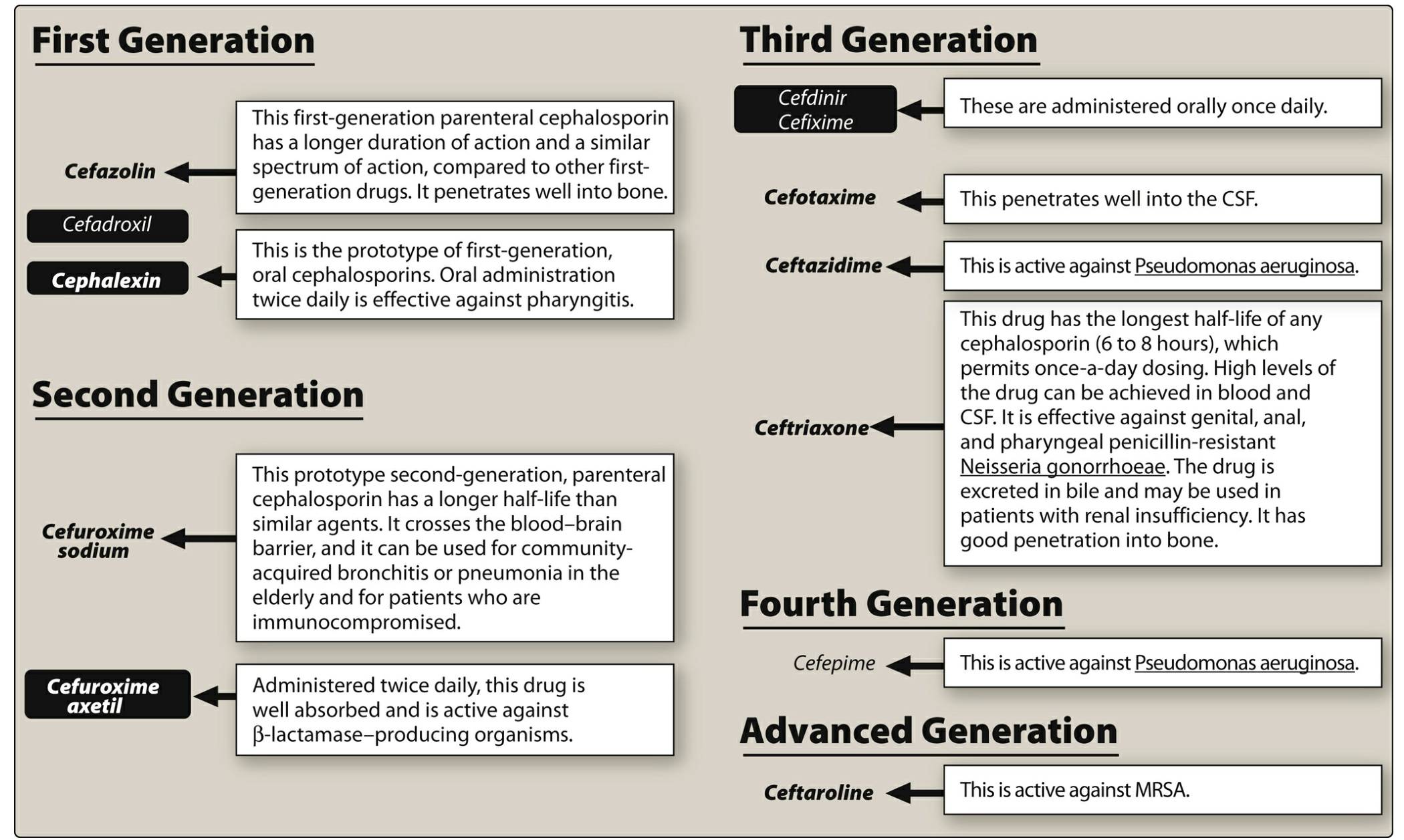
First Generation
| Route | Examples | Notes |
|---|---|---|
| Parenteral | Cefazolin | Prototype parenteral 1st-gen; long duration; excellent bone penetration; no CNS penetration |
| Oral | Cephalexin, Cefadroxil, Cephradine | Cephalexin = prototype oral 1st-gen |
Second Generation
| Sub-group | Examples | Notes |
|---|---|---|
| Parenteral | Cefuroxime, Cefoxitin, Cefotetan | Cefoxitin & Cefotetan (cephamycins) - cover B. fragilis |
| Oral | Cefuroxime axetil, Cefprozil, Cefaclor | Cefuroxime crosses BBB (limited); CAP in elderly |
Third Generation
| Route | Examples | Notes |
|---|---|---|
| Oral | Cefixime, Cefdinir, Cefpodoxime, Ceftibuten | Once-daily oral agents |
| Parenteral | Ceftriaxone, Cefotaxime | Best CSF penetration; meningitis; once-daily (ceftriaxone) |
| Parenteral (anti-Pseudomonal) | Ceftazidime | Poor gram-positive; active vs. Pseudomonas |
Fourth Generation
| Route | Examples | Notes |
|---|---|---|
| Parenteral | Cefepime | Broad spectrum; both gram-positive and Pseudomonas |
Advanced/Fifth Generation (Anti-MRSA)
| Route | Examples | Notes |
|---|---|---|
| Parenteral | Ceftaroline | MRSA + gram-negative like cefotaxime; no Pseudomonas |
| Parenteral | Ceftobiprole | MRSA + Pseudomonas; not available in USA |
β-Lactam/β-Lactamase Inhibitor Combinations (Newer Cephalosporins)
| Drug | Activity Added |
|---|---|
| Ceftazidime/Avibactam | MDR gram-negatives, KPC, AmpC, OXA-type β-lactamases |
| Ceftolozane/Tazobactam | MDR Pseudomonas, ESBLs |
| Cefiderocol | "Siderophore cephalosporin" - MDR gram-negatives including MBL producers; unique iron uptake mechanism |
CEFTRIAXONE (3rd Generation Cephalosporin)
1. Mechanism of Action (MoA)
- PBP binding: Ceftriaxone enters the bacterial periplasmic space and irreversibly binds to Penicillin-Binding Proteins (PBPs) - specifically the transpeptidase enzymes essential for the final cross-linking (transpeptidation) of peptidoglycan strands
- Transpeptidation blockade: By acylating the PBP active site via β-lactam ring opening, ceftriaxone blocks cross-linking of the peptidoglycan layer of the bacterial cell wall
- Cell wall weakening: The resulting peptidoglycan is structurally deficient and cannot maintain bacterial integrity
- Autolysis and lysis: Inhibition of some PBPs triggers autolytic enzymes (autolysins/murein hydrolases), which degrade the cell wall, causing osmotic lysis and bacterial death
- Bactericidal - kills bacteria directly
- Time-dependent killing - efficacy depends on time above MIC; extended infusion strategies improve killing
- Active against both intracellular and extracellular organisms
- β-lactamase production: ESBL (extended-spectrum β-lactamases) and KPC (Klebsiella pneumoniae carbapenemase) hydrolyze ceftriaxone's β-lactam ring; AmpC β-lactamases (chromosomally mediated, inducible) from Citrobacter, Enterobacter, Pseudomonas can confer resistance
- Altered PBPs: e.g., PBP1A and PBP2X mutations in S. pneumoniae; MRSA PBP2a (mecA gene) - explains no activity against MRSA
- Reduced outer membrane permeability (porin mutations in gram-negatives)
- Efflux pumps
"Cephalosporins...inhibit bacterial cell wall synthesis in a manner similar to that of penicillin. PBP binding profiles differ somewhat from penicillins; for example, the lack of binding of cephalosporins to essential PBPs in Enterococcus spp. means this class as a whole lacks clinically useful activity against these organisms." - Goodman & Gilman's Pharmacological Basis of Therapeutics
2. Pharmacokinetics
| Parameter | Ceftriaxone Details |
|---|---|
| Route | IV, IM only (not orally absorbed) |
| Half-life | ~6-8 hours - longest of all cephalosporins; enables once-daily dosing |
| Peak serum levels | High levels achieved in blood; excellent distribution |
| Distribution | Excellent penetration into most body tissues and fluids |
| CSF penetration | Excellent with inflamed meninges - achieves bactericidal concentrations for meningitis pathogens; one of few agents with reliable CNS penetration |
| Bone penetration | Good - useful for osteomyelitis |
| Protein binding | ~85-95% - very high protein binding (highest of common cephalosporins); displaces bilirubin from albumin |
| Metabolism | Not metabolized |
| Excretion | Mixed - ~50% renal (glomerular filtration), ~50% biliary (excreted into bile/feces); this dual elimination is unique among cephalosporins |
| Renal adjustment | Not required in renal impairment (biliary pathway compensates); unlike most cephalosporins |
| Dosing | Once daily (1-2 g/day for most infections); twice daily for meningitis (2 g every 12 hours) |
3. Therapeutic Uses
| Infection | Organism(s) | Dose/Notes |
|---|---|---|
| Bacterial meningitis | S. pneumoniae, N. meningitidis, H. influenzae | Drug of choice; 2 g IV every 12 hrs; excellent CSF penetration |
| Community-acquired pneumonia (CAP) | S. pneumoniae, H. influenzae | Standard of care for moderate-severe CAP (+ azithromycin for atypicals) |
| Gonorrhea | N. gonorrhoeae | Drug of choice: 500 mg IM single dose (increased due to rising resistance) |
| Pelvic inflammatory disease (PID) | N. gonorrhoeae, gram-negatives | Single dose + doxycycline + metronidazole |
| Sepsis / septicemia | Gram-positive + gram-negative | Empiric severe community-acquired infections |
| Spontaneous bacterial peritonitis (SBP) | E. coli, Klebsiella, Streptococci | Treatment and prophylaxis |
| Typhoid fever | Salmonella typhi | Drug of choice for severe/complicated typhoid |
| Lyme disease | Borrelia burgdorferi | Disseminated disease (neuroborreliosis, severe carditis, Lyme arthritis) |
| Osteomyelitis | Streptococci, gram-negatives | Good bone penetration; once-daily outpatient therapy |
| Septic arthritis | Gram-positive + gram-negative | Including gonococcal arthritis |
| Intra-abdominal infections | Gram-negatives (+ metronidazole for anaerobes) | Combined with anti-anaerobic coverage |
| Urinary tract infections (complicated) | E. coli, Klebsiella, Proteus | Pyelonephritis, urosepsis |
| Neonatal infections | E. coli, Klebsiella, GBS | Neonatal sepsis, meningitis (cefotaxime preferred in neonates - see cautions) |
| Chancroid | Haemophilus ducreyi | Single IM dose |
| Febrile neutropenia | Empiric gram-negative cover | With anti-Pseudomonal agents |
| Surgical prophylaxis | Bowel/biliary surgery | Single pre-operative dose |
4. Adverse Effects
- Range from mild maculopapular rash, urticaria to severe anaphylaxis
- Overall hypersensitivity less frequent than with penicillins
- Immediate reactions: anaphylaxis, bronchospasm, urticaria
- Delayed reactions: maculopapular rash (often after several days), fever, eosinophilia, serum sickness
- Nausea, vomiting, diarrhea
- Pseudomembranous colitis (C. difficile) - disruption of colonic flora; 3rd-gen cephalosporins are associated with "collateral damage" including C. difficile risk
- Biliary pseudolithiasis (biliary sludge): Ceftriaxone's high biliary concentration combined with its affinity for calcium forms an insoluble calcium-ceftriaxone precipitate in the gallbladder; appears as gallstones on ultrasound; usually asymptomatic and reversible after stopping the drug; occasionally causes biliary colic or cholecystitis
- Cholestasis/jaundice - secondary to biliary sludge
- High protein binding (~85-95%) allows ceftriaxone to displace bilirubin from albumin, leading to indirect hyperbilirubinemia and jaundice in neonates; can precipitate kernicterus in neonates
- Cefotaxime is preferred over ceftriaxone in neonates <28 days
- Positive Coombs test - common with large doses; overt hemolytic anemia rare
- Thrombocytopenia, neutropenia/granulocytopenia (rare; bone marrow depression)
- Prolonged prothrombin time / bleeding - related to the thiotetrazole side chain (cefazolin has this feature; ceftriaxone has limited risk compared to cefamandole/cefotetan)
- Encephalopathy and non-convulsive status epilepticus - reported, especially in renal impairment (drug accumulation)
- Less common than with penicillins
- Broad-spectrum activity disrupts normal flora: oral/vaginal candidiasis, C. difficile colitis
- Pain and phlebitis at injection site (IV)
- Pain at IM injection site (can be mixed with 1% lidocaine to reduce pain)
5. Contraindications
- Known hypersensitivity to cephalosporins - absolute contraindication
- History of severe immediate hypersensitivity reaction (anaphylaxis, Stevens-Johnson syndrome, toxic epidermal necrolysis) to any penicillin - contraindicated due to cross-reactivity
- Neonates (<28 days old) - especially in those with hyperbilirubinemia, hypoalbuminemia, or receiving IV calcium-containing solutions simultaneously; risk of kernicterus and fatal calcium-ceftriaxone precipitation in lungs/kidneys
- Premature neonates - same reasons as above
- Simultaneous administration with calcium-containing IV solutions in neonates (and caution in adults) - fatal precipitation reported
- Relative contraindications:
- Penicillin allergy (mild/non-anaphylactic) - use with caution; cross-reactivity ~3-5%
- Significant hepatic impairment + renal impairment (both elimination pathways impaired)
- Gallbladder disease (predisposed to biliary pseudolithiasis)
6. Drug Interactions
| Drug | Mechanism | Clinical Effect |
|---|---|---|
| Calcium-containing IV solutions (Hartmann's/Ringer's lactate) | Chemical precipitation of calcium-ceftriaxone salt | Potentially fatal in neonates (pulmonary/renal precipitates); avoid concurrent administration in neonates; flush lines between in adults |
| Warfarin and other oral anticoagulants | Alteration of gut flora reducing Vitamin K synthesis; rare plasma protein displacement | Enhanced anticoagulant effect; increased INR; monitor closely |
| Aminoglycosides (gentamicin, amikacin) | Synergistic antibacterial killing | Enhanced bactericidal activity (synergy), especially against gram-negatives; monitor renal function; administer at separate times |
| Probenecid | Blocks renal tubular secretion | Increases ceftriaxone plasma levels (modest effect since also has biliary excretion) |
| Bacteriostatic antibiotics (tetracyclines, chloramphenicol) | Pharmacodynamic antagonism | Reduced bactericidal efficacy of ceftriaxone (requires actively dividing bacteria); avoid concurrent use for serious infections |
| Nephrotoxic drugs (aminoglycosides, NSAIDs, vancomycin) | Additive nephrotoxicity | Enhanced renal toxicity; monitor renal function |
| Methotrexate | Competition for renal tubular secretion | Reduced methotrexate excretion; increased toxicity |
| Live typhoid vaccine (Ty21a) | Antibiotic kills live attenuated vaccine organisms | Vaccine inactivated; avoid concurrent use; separate by ≥24 hours |
| Antacids / PPIs | Not relevant (parenteral drug) | N/A |
"Ceftriaxone has activity very similar to that of cefotaxime but a longer t1/2 (~8 h), allowing for once-daily dosing for most indications...About half the drug can be recovered from the urine; the remainder is eliminated by biliary secretion." - Goodman & Gilman's Pharmacological Basis of Therapeutics
"The high binding affinity of ceftriaxone for serum albumin may displace bilirubin, potentially causing jaundice in neonates; for this reason, cefotaxime is the preferred agent in this patient population. Ceftriaxone's high biliary concentrations combined with its affinity for calcium can lead to biliary pseudolithiasis." - Goodman & Gilman's Pharmacological Basis of Therapeutics
- Goodman & Gilman's The Pharmacological Basis of Therapeutics, Chapter 58: Cephalosporins
- Lippincott Illustrated Reviews: Pharmacology, Chapter 29: Cell Wall Inhibitors
- Katzung's Basic and Clinical Pharmacology, 16th Edition
- Harrison's Principles of Internal Medicine, 22nd Edition
Beta Lactamase Inhibitors