
Write about pediatric opd pt cases 25+ as many as you know with images and prescription for practice and education
pediatric OPD common cases clinical images otitis media tonsillitis asthma rash 2024
pediatric clinical images tonsillitis strep throat impetigo chickenpox rash urticaria site:wikimedia.org OR site:commons.wikimedia.org
pediatric prescription template amoxicillin azithromycin children dose weight mg/kg OPD
🏥 Pediatric OPD Case Studies: 25 Common Cases for Practice & Education
Disclaimer: This document is for educational purposes only. Drug doses must always be verified against current guidelines and calculated per individual patient weight. Consult the Harriet Lane Handbook or local formulary for final prescribing decisions.
How to Use This Guide
- Patient | Presenting Complaint | Examination | Diagnosis | Prescription | Counseling Points
🦠 RESPIRATORY CASES
Case 1 - Acute Otitis Media (AOM)
- Temp: 38.8°C
- Left tympanic membrane: bulging, erythematous, loss of light reflex
- Right TM: normal

╔══════════════════════════════════════════════════════════════╗
║              OUTPATIENT PRESCRIPTION                         ║
╠══════════════════════════════════════════════════════════════╣
║ Patient: Hamza          Age: 2 yr       Wt: 12 kg            ║
║ Date: ___________                                            ║
╠══════════════════════════════════════════════════════════════╣
║ Dx: Acute Otitis Media (Left)                                ║
║                                                              ║
║ Rx:                                                          ║
║                                                              ║
║ 1. Tab/Syrup Amoxicillin 250 mg/5 mL                         ║
║    Dose: 90 mg/kg/day = 1080 mg/day ÷ 3 doses               ║
║    = 360 mg TDS (give 7 mL TDS)                             ║
║    Duration: 10 days (age <2 yr)                             ║
║                                                              ║
║ 2. Syrup Paracetamol 120 mg/5 mL                             ║
║    Dose: 15 mg/kg/dose = 180 mg (7.5 mL)                    ║
║    Q6H PRN for fever/pain x 3 days                          ║
║                                                              ║
║ 3. Nasal saline drops 2-3 drops each nostril BID             ║
║                                                              ║
║ Review if no improvement in 48-72 hours                      ║
╚══════════════════════════════════════════════════════════════╝
Case 2 - Acute Pharyngotonsillitis (Strep Throat)
- Temp: 39.2°C, HR: 108
- Throat: bilateral tonsillar enlargement (grade III), erythema, white exudates
- Anterior cervical lymphadenopathy (tender)
- No rash, no stridor
- Centor Score: 4/4 (tonsillar exudate + tender LAP + fever + no cough)

╔══════════════════════════════════════════════════════════════╗
║              OUTPATIENT PRESCRIPTION                         ║
╠══════════════════════════════════════════════════════════════╣
║ Patient: Sara           Age: 6 yr       Wt: 20 kg            ║
╠══════════════════════════════════════════════════════════════╣
║ Dx: Acute GAS Pharyngotonsillitis                            ║
║                                                              ║
║ Rx:                                                          ║
║                                                              ║
║ 1. Tab Amoxicillin 250 mg                                    ║
║    Dose: 50 mg/kg/day = 1000 mg/day                         ║
║    500 mg BD x 10 days (or 1000 mg OD x 10 days)            ║
║                                                              ║
║ 2. Syrup Ibuprofen 100 mg/5 mL                               ║
║    Dose: 10 mg/kg/dose = 200 mg (10 mL)                     ║
║    TDS x 3-5 days (with food)                               ║
║                                                              ║
║ 3. Throat gargles with warm salt water TDS                   ║
║                                                              ║
║ ⚠ If penicillin allergic: Azithromycin 12 mg/kg OD x 5 days  ║
║   (max 500 mg/day) = 240 mg/day                             ║
╚══════════════════════════════════════════════════════════════╝
Case 3 - Viral Upper Respiratory Infection (Common Cold)
- Temp: 37.8°C
- Throat: mild erythema, no exudate
- Bilateral TM: normal
- Clear nasal discharge
- Chest: clear bilaterally
╔══════════════════════════════════════════════════════════════╗
║              OUTPATIENT PRESCRIPTION                         ║
╠══════════════════════════════════════════════════════════════╣
║ Patient: Ali            Age: 3 yr       Wt: 14 kg            ║
╠══════════════════════════════════════════════════════════════╣
║ Dx: Viral Upper Respiratory Infection                        ║
║                                                              ║
║ Rx:                                                          ║
║                                                              ║
║ 1. Syrup Paracetamol 120 mg/5 mL                             ║
║    Dose: 15 mg/kg = 210 mg (8.5 mL)                         ║
║    Q4-6H PRN for fever/discomfort x 3 days                  ║
║                                                              ║
║ 2. Nasal saline drops (0.9% NaCl)                            ║
║    2-3 drops each nostril, TDS                               ║
║                                                              ║
║ 3. Honey 5 mL at bedtime for cough (if >1 year)             ║
║    (proven to reduce cough frequency in children >1 yr)     ║
║                                                              ║
║ ⚠ NO ANTIBIOTICS - viral illness                             ║
║ ⚠ Avoid OTC cough/cold preparations in children <6 yr        ║
║                                                              ║
║ Review if: fever >5 days, worsening symptoms, or earache     ║
╚══════════════════════════════════════════════════════════════╝
Case 4 - Community-Acquired Pneumonia (CAP)
- RR: 38/min (tachypneic for age)
- SpO2: 95% on room air
- Chest: decreased air entry right lower lobe, dullness on percussion, bronchial breathing
- Temp: 39.5°C
╔══════════════════════════════════════════════════════════════╗
║              OUTPATIENT PRESCRIPTION                         ║
╠══════════════════════════════════════════════════════════════╣
║ Patient: Omar           Age: 5 yr       Wt: 18 kg            ║
╠══════════════════════════════════════════════════════════════╣
║ Dx: Community-Acquired Pneumonia (Right lower lobe)          ║
║                                                              ║
║ Investigations: CXR, CBC, CRP                               ║
║                                                              ║
║ Rx:                                                          ║
║                                                              ║
║ 1. Tab Amoxicillin 500 mg                                    ║
║    Dose: 90 mg/kg/day ÷ 3 = 540 mg TDS                     ║
║    (give as 500 mg TDS) x 5-7 days                          ║
║                                                              ║
║ 2. Syrup Paracetamol 250 mg/5 mL                             ║
║    270 mg (5.5 mL) Q6H PRN fever                            ║
║                                                              ║
║ 3. Encourage oral fluids                                     ║
║                                                              ║
║ ⚠ Admit if: SpO2 <92%, unable to feed, toxic appearance      ║
║ Review in 48 hours                                           ║
║ If atypical organism suspected: Add Azithromycin             ║
║ 10 mg/kg OD x 3 days (max 500 mg)                           ║
╚══════════════════════════════════════════════════════════════╝
Case 5 - Acute Bronchiolitis
- RR: 58/min
- SpO2: 93% on room air
- Chest: subcostal retractions, diffuse wheeze, prolonged expiration, hyperinflation
- Temp: 37.5°C (low-grade)
╔══════════════════════════════════════════════════════════════╗
║              OPD / ASSESSMENT PRESCRIPTION                   ║
╠══════════════════════════════════════════════════════════════╣
║ Patient: Zara           Age: 8 mo       Wt: 7 kg             ║
╠══════════════════════════════════════════════════════════════╣
║ Dx: Acute Bronchiolitis                                       ║
║                                                              ║
║ Rx (Supportive - mainstay of treatment):                     ║
║                                                              ║
║ 1. Trial of nebulized Hypertonic Saline 3%                   ║
║    4 mL via nebulizer Q4-8H                                  ║
║    (modest benefit in inpatient setting)                     ║
║                                                              ║
║ 2. Nasal suctioning PRN before feeds                         ║
║                                                              ║
║ 3. Ensure adequate oral hydration                            ║
║    Encourage frequent small feeds                            ║
║                                                              ║
║ 4. Supplemental O2 if SpO2 <92%                             ║
║                                                              ║
║ ⚠ NO bronchodilators (salbutamol) routinely recommended      ║
║ ⚠ NO corticosteroids                                          ║
║ ⚠ NO antibiotics (viral etiology)                            ║
║                                                              ║
║ ADMIT: SpO2 <92%, RR >60, poor feeding, toxic appearance     ║
╚══════════════════════════════════════════════════════════════╝
Case 6 - Childhood Asthma (Mild Persistent)
- PEFR: 70% predicted
- Expiratory wheeze bilaterally
- No use of accessory muscles at rest
- SPO2: 97%
╔══════════════════════════════════════════════════════════════╗
║              OUTPATIENT PRESCRIPTION                         ║
╠══════════════════════════════════════════════════════════════╣
║ Patient: Bilal          Age: 8 yr       Wt: 25 kg            ║
╠══════════════════════════════════════════════════════════════╣
║ Dx: Asthma - Mild Persistent                                 ║
║                                                              ║
║ CONTROLLER THERAPY:                                          ║
║ 1. Fluticasone Propionate MDI 50 mcg/puff                    ║
║    2 puffs BD via spacer (low-dose ICS)                     ║
║    (100 mcg/day - standard low dose for age 5-11)            ║
║                                                              ║
║ RELIEVER THERAPY:                                            ║
║ 2. Salbutamol (Albuterol) MDI 100 mcg/puff                   ║
║    2 puffs Q4-6H PRN via spacer                             ║
║    (rescue/reliever only - not regular use)                  ║
║                                                              ║
║ 3. Montelukast 5 mg chewable tab OD at night                 ║
║    (LTRA as add-on for allergic rhinitis comorbidity)        ║
║                                                              ║
║ Asthma Action Plan given to parents                          ║
║ PEFR monitoring diary                                        ║
║ Review in 4 weeks                                            ║
╚══════════════════════════════════════════════════════════════╝
Case 7 - Croup (Laryngotracheobronchitis)
- Temp: 38°C
- Stridor: inspiratory, audible at rest (moderate croup)
- Mild subcostal retractions
- No drooling (rules out epiglottitis)
- Westley Croup Score: 4 (moderate)
╔══════════════════════════════════════════════════════════════╗
║              OPD / EMERGENCY PRESCRIPTION                    ║
╠══════════════════════════════════════════════════════════════╣
║ Patient: Tariq          Age: 2.5 yr     Wt: 13 kg            ║
╠══════════════════════════════════════════════════════════════╣
║ Dx: Viral Croup - Moderate                                   ║
║                                                              ║
║ Rx:                                                          ║
║                                                              ║
║ 1. Dexamethasone 0.6 mg/kg PO/IM x 1 dose                   ║
║    = 7.8 mg (give 8 mg as single dose)                      ║
║    Oral dexamethasone 0.15 mg/kg equally effective for mild  ║
║    = 2 mg (single dose) for mild cases                       ║
║                                                              ║
║ 2. Nebulized Adrenaline (Epinephrine) 1:1000                 ║
║    0.5 mL/kg (max 5 mL) in 3 mL NS via nebulizer            ║
║    For moderate-severe cases; observe x 2-4 hrs after        ║
║                                                              ║
║ 3. Humidified air / cool night air (home advice)             ║
║                                                              ║
║ ADMIT if: severe stridor, cyanosis, altered consciousness    ║
╚══════════════════════════════════════════════════════════════╝
🌡️ FEVER / INFECTIOUS CASES
Case 8 - Febrile Convulsion (Simple)
- Post-ictal, but alert and responsive now
- Temp: 39.6°C
- No meningeal signs (no neck stiffness, negative Kernig/Brudzinski)
- Throat: mild erythema (viral URI likely source)
╔══════════════════════════════════════════════════════════════╗
║              OUTPATIENT PRESCRIPTION                         ║
╠══════════════════════════════════════════════════════════════╣
║ Patient: Rania          Age: 18 mo      Wt: 10 kg            ║
╠══════════════════════════════════════════════════════════════╣
║ Dx: Simple Febrile Convulsion                                ║
║                                                              ║
║ Rx:                                                          ║
║                                                              ║
║ 1. Syrup Paracetamol 120 mg/5 mL                             ║
║    Dose: 15 mg/kg = 150 mg (6.25 mL) Q6H                    ║
║    Alternate with:                                           ║
║    Syrup Ibuprofen 100 mg/5 mL                               ║
║    10 mg/kg = 100 mg (5 mL) Q8H with food                   ║
║                                                              ║
║ 2. Rectal Diazepam 5 mg (0.5 mg/kg) at home PRN              ║
║    if seizure >5 min: Give rectal diazepam                   ║
║    Prescribe to parents as rescue medication                 ║
║                                                              ║
║ Investigations: CBC, Urine R/E (to find fever source)       ║
║ EEG/LP: NOT indicated for simple febrile seizure             ║
╚══════════════════════════════════════════════════════════════╝
Case 9 - Typhoid Fever
- Temp: 39.8°C (step-ladder pattern by history)
- Pulse: 78 (relative bradycardia - Faget sign)
- Abdomen: mild splenomegaly, hepatomegaly
- Rose spots (2-3 salmon-colored macules on abdomen)
╔══════════════════════════════════════════════════════════════╗
║              OUTPATIENT PRESCRIPTION                         ║
╠══════════════════════════════════════════════════════════════╣
║ Patient: Hassan         Age: 7 yr       Wt: 22 kg            ║
╠══════════════════════════════════════════════════════════════╣
║ Dx: Enteric (Typhoid) Fever                                  ║
║                                                              ║
║ Rx:                                                          ║
║                                                              ║
║ 1. Tab Azithromycin 200 mg/5 mL syrup                        ║
║    Dose: 20 mg/kg/day OD x 7 days                            ║
║    = 440 mg OD (give 500 mg OD - 12.5 mL OD)               ║
║    (First-line for uncomplicated typhoid in children)        ║
║                                                              ║
║ OR (if susceptible strain):                                  ║
║    Tab Cotrimoxazole (TMP 8 mg/kg/day in 2 doses)           ║
║    x 14 days                                                 ║
║                                                              ║
║ 2. Syrup Paracetamol 250 mg/5 mL                             ║
║    330 mg (6.5 mL) Q6H PRN fever                            ║
║                                                              ║
║ 3. ORS + increase fluid intake                               ║
║ 4. Soft, easily digestible diet                              ║
║                                                              ║
║ ADMIT if: toxic appearance, severe dehydration,              ║
║ intestinal complications                                     ║
╚══════════════════════════════════════════════════════════════╝
Case 10 - Urinary Tract Infection (UTI)
- Temp: 38.5°C
- Suprapubic tenderness
- No costovertebral angle tenderness
- Urinalysis: pyuria (>10 WBC/hpf), bacteriuria, positive nitrites
╔══════════════════════════════════════════════════════════════╗
║              OUTPATIENT PRESCRIPTION                         ║
╠══════════════════════════════════════════════════════════════╣
║ Patient: Amna           Age: 3 yr       Wt: 15 kg            ║
╠══════════════════════════════════════════════════════════════╣
║ Dx: Febrile UTI / Pyelonephritis                             ║
║                                                              ║
║ Investigations: Urine C/S (MSU), renal ultrasound            ║
║                                                              ║
║ Rx:                                                          ║
║                                                              ║
║ 1. Syrup Cephalexin 125 mg/5 mL                              ║
║    Dose: 25-50 mg/kg/day ÷ 3                                 ║
║    = 375 mg TDS (15 mL TDS) x 7-10 days                    ║
║    (empiric pending urine culture)                          ║
║                                                              ║
║ OR: Cotrimoxazole (TMP 4-6 mg/kg/day BD)                    ║
║    = TMP 90 mg/day → give Cotrimoxazole Syrup                ║
║    5 mL (40/200 per 5 mL) BD x 7 days                       ║
║                                                              ║
║ 2. Syrup Paracetamol Q6H PRN fever                           ║
║ 3. Increase fluids                                           ║
║                                                              ║
║ Follow up with urine C/S result in 48-72 hrs                 ║
║ VCUG after first febrile UTI in girls <3 yr: consider        ║
╚══════════════════════════════════════════════════════════════╝
Case 11 - Chickenpox (Varicella)
- Diffuse vesicular rash - lesions in multiple stages (macule, papule, vesicle, crust) simultaneously = pathognomonic
- Mucous membrane involvement (soft palate ulcers)
- No secondary bacterial infection signs
╔══════════════════════════════════════════════════════════════╗
║              OUTPATIENT PRESCRIPTION                         ║
╠══════════════════════════════════════════════════════════════╣
║ Patient: Daniyar        Age: 5 yr       Wt: 19 kg            ║
╠══════════════════════════════════════════════════════════════╣
║ Dx: Varicella (Chickenpox)                                   ║
║                                                              ║
║ Rx:                                                          ║
║                                                              ║
║ 1. Calamine lotion - apply to rash areas TDS                 ║
║    (soothes itch)                                            ║
║                                                              ║
║ 2. Syrup Chlorpheniramine 2 mg/5 mL                          ║
║    0.35 mg/kg/day ÷ 3 doses = ~2 mg TDS (5 mL TDS)         ║
║    (for pruritus)                                            ║
║                                                              ║
║ 3. Syrup Paracetamol Q6H PRN fever                           ║
║    ⚠ NO ASPIRIN (risk of Reye syndrome)                      ║
║    ⚠ NO IBUPROFEN (increased risk of strep superinfection)   ║
║                                                              ║
║ 4. Keep nails trimmed short / mittens for infant             ║
║ 5. Cool baths to relieve itching                             ║
║                                                              ║
║ Isolation: Contagious until all lesions crusted (~5-7 days)  ║
║ Acyclovir: Consider for immunocompromised or >12 yr          ║
╚══════════════════════════════════════════════════════════════╝
Case 12 - Hand, Foot and Mouth Disease (HFMD)
- Erythematous vesicles and papules on palms and soles
- Ulcerative enanthem on buccal mucosa and tongue
- Mild erythematous rash on buttocks
╔══════════════════════════════════════════════════════════════╗
║              OUTPATIENT PRESCRIPTION                         ║
╠══════════════════════════════════════════════════════════════╣
║ Patient: Leila          Age: 2 yr       Wt: 11 kg            ║
╠══════════════════════════════════════════════════════════════╣
║ Dx: Hand, Foot and Mouth Disease                             ║
║                                                              ║
║ Rx (Supportive):                                             ║
║                                                              ║
║ 1. Syrup Paracetamol 120 mg/5 mL                             ║
║    Dose: 15 mg/kg = 165 mg (7 mL) Q6H PRN                   ║
║                                                              ║
║ 2. Syrup Ibuprofen 100 mg/5 mL                               ║
║    10 mg/kg = 110 mg (5.5 mL) Q8H PRN (with food)           ║
║                                                              ║
║ 3. Oral gel (Lignocaine 2% - use sparingly)                  ║
║    Apply to oral ulcers before meals                         ║
║    ⚠ Only small amounts, no systemic absorption risk          ║
║                                                              ║
║ 4. Cold drinks, soft/cold foods (ice cream, cold yogurt)    ║
║    to ease mouth pain                                        ║
║ 5. ORS to maintain hydration                                 ║
║                                                              ║
║ ADMIT if: encephalitis signs, flaccid paralysis, dehydration ║
╚══════════════════════════════════════════════════════════════╝
🍽️ GASTROINTESTINAL CASES
Case 13 - Acute Gastroenteritis with Mild Dehydration
- Slightly sunken eyes
- Moist mucous membranes (mild dehydration, ~5%)
- Skin turgor: normal
- CRT: <2 seconds
- HR: 118/min
╔══════════════════════════════════════════════════════════════╗
║              OUTPATIENT PRESCRIPTION                         ║
╠══════════════════════════════════════════════════════════════╣
║ Patient: Yusuf          Age: 1 yr       Wt: 9 kg             ║
╠══════════════════════════════════════════════════════════════╣
║ Dx: Acute Gastroenteritis - Mild Dehydration (5%)            ║
║                                                              ║
║ Rx:                                                          ║
║                                                              ║
║ ORS REHYDRATION PLAN A:                                      ║
║ Phase 1 (first 4 hrs): Give 50 mL/kg ORS = 450 mL           ║
║ Give 10-15 mL (2-3 tsp) every 1-2 minutes                   ║
║                                                              ║
║ Maintenance: Continue normal feeds + ORS after each          ║
║ loose stool (60-120 mL for infant)                           ║
║                                                              ║
║ 1. ORS (WHO standard) sachet - dissolve in 200 mL water     ║
║    as above                                                  ║
║                                                              ║
║ 2. Zinc Syrup 10 mg/5 mL (Zinkid)                            ║
║    Dose: 10 mg/day OD x 14 days (<6 mo: 5 mg OD)           ║
║    (WHO recommendation - reduces duration & severity)        ║
║                                                              ║
║ 3. Continue breastfeeding / normal diet throughout           ║
║ ⚠ No anti-diarrheal medications (loperamide) in children     ║
║ ⚠ Avoid juices, sodas, diluted feeds                          ║
╚══════════════════════════════════════════════════════════════╝
Case 14 - Acute Appendicitis (Classic Presentation)
- Temp: 38.1°C
- RIF tenderness (McBurney's point positive)
- Rebound tenderness (Blumberg positive)
- Rovsing's sign positive
- Psoas sign positive
- Pediatric Appendicitis Score: 8/10 (high risk)
╔══════════════════════════════════════════════════════════════╗
║              REFERRAL & MANAGEMENT PLAN                      ║
╠══════════════════════════════════════════════════════════════╣
║ Patient: Karim          Age: 10 yr      Wt: 32 kg            ║
╠══════════════════════════════════════════════════════════════╣
║ Dx: ACUTE APPENDICITIS - URGENT SURGICAL REFERRAL            ║
║                                                              ║
║ Pre-operative management:                                    ║
║                                                              ║
║ 1. NPO immediately                                           ║
║ 2. IV access + Normal saline (maintenance)                   ║
║ 3. IV Cefazolin 25 mg/kg = 800 mg pre-op                    ║
║    + Metronidazole 7.5 mg/kg = 240 mg IV                     ║
║                                                              ║
║ 4. Investigations: CBC, LFTs, CRP, Urine R/E,                ║
║    Ultrasound abdomen (appendix)                             ║
║    (CT scan if US inconclusive)                              ║
║                                                              ║
║ 5. Morphine/Fentanyl for pain (does NOT mask exam findings)  ║
║                                                              ║
║ ⚠ URGENT REFERRAL TO GENERAL SURGERY                         ║
╚══════════════════════════════════════════════════════════════╝
Case 15 - Constipation (Functional)
- Abdomen: palpable fecal mass in left iliac fossa
- Perianal: small anal fissure noted
- Digital rectal exam: hard stool in ampulla
╔══════════════════════════════════════════════════════════════╗
║              OUTPATIENT PRESCRIPTION                         ║
╠══════════════════════════════════════════════════════════════╣
║ Patient: Nadia          Age: 4 yr       Wt: 16 kg            ║
╠══════════════════════════════════════════════════════════════╣
║ Dx: Functional Constipation + Anal Fissure                   ║
║                                                              ║
║ Rx:                                                          ║
║                                                              ║
║ DISIMPACTION (if needed):                                    ║
║ 1. PEG (Polyethylene Glycol 3350/Movicol)                    ║
║    Disimpaction: 1-1.5 g/kg/day x 3-6 days                  ║
║    Maintenance: 0.5 g/kg/day OD                              ║
║    (16 g sachet dissolved in 250 mL water)                   ║
║                                                              ║
║ 2. Lactulose syrup 10 g/15 mL                                ║
║    1 mL/kg BD as alternative maintenance laxative            ║
║                                                              ║
║ 3. Petroleum jelly (Vaseline) applied to anal fissure BD     ║
║                                                              ║
║ 4. Dietary: increase fiber, fruits, water intake             ║
║    Prune juice, pears helpful                               ║
║                                                              ║
║ 5. Toilet training: regular sitting after meals x 10 min     ║
║    Positive reinforcement strategy                          ║
╚══════════════════════════════════════════════════════════════╝
🧴 SKIN CASES
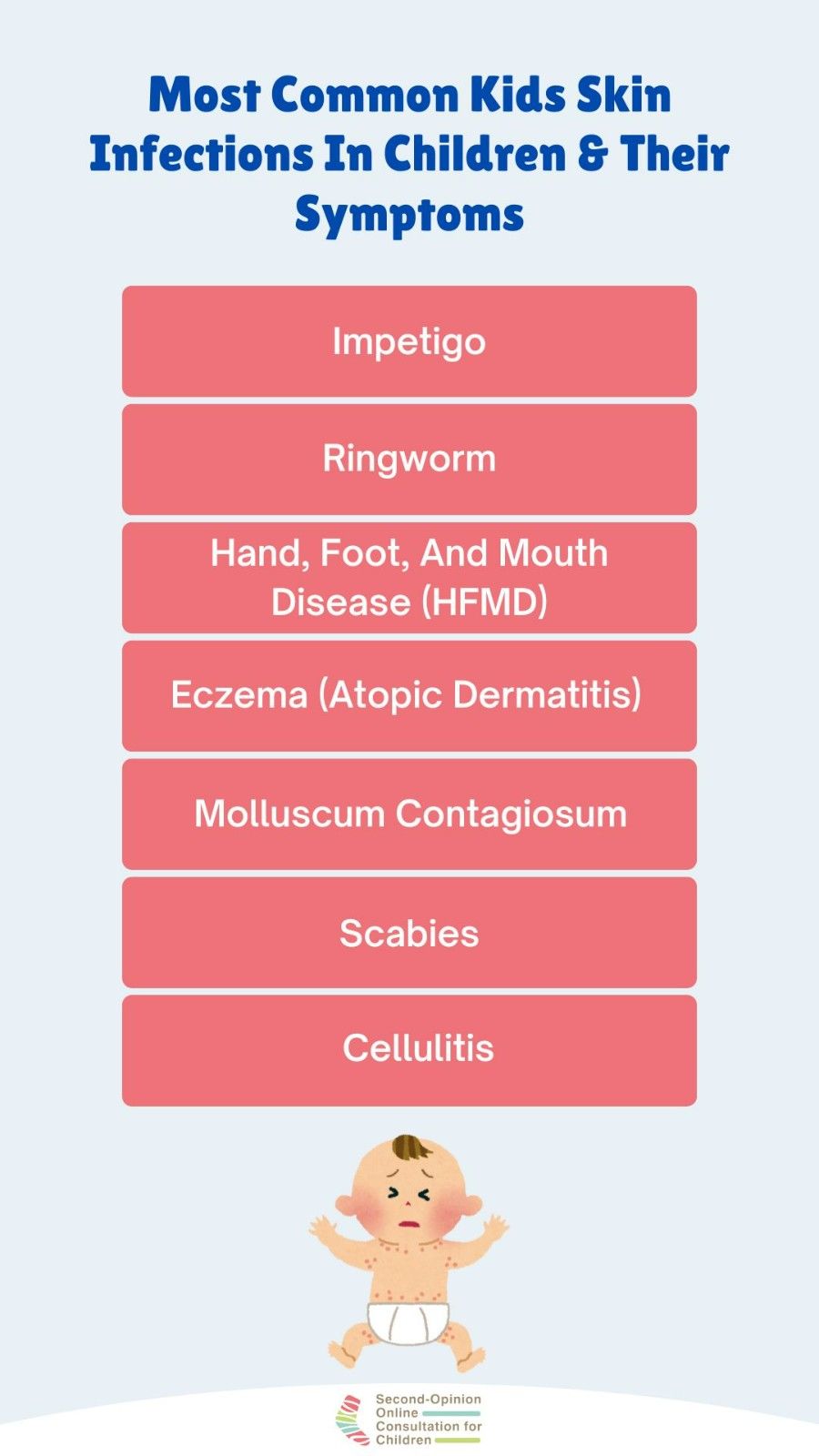
Case 16 - Atopic Dermatitis (Eczema)
- Bilateral antecubital/popliteal fossa: lichenified, erythematous, excoriated plaques
- Cheeks: dry erythematous patches
- No secondary bacterial infection signs
╔══════════════════════════════════════════════════════════════╗
║              OUTPATIENT PRESCRIPTION                         ║
╠══════════════════════════════════════════════════════════════╣
║ Patient: Fatima         Age: 3 yr       Wt: 14 kg            ║
╠══════════════════════════════════════════════════════════════╣
║ Dx: Atopic Dermatitis - Moderate                             ║
║                                                              ║
║ Rx:                                                          ║
║                                                              ║
║ 1. Emollient cream (Cetaphil/Aquaphor/E45)                   ║
║    Apply generously BD-TDS (minimum 2x daily)                ║
║    (cornerstone of therapy)                                  ║
║                                                              ║
║ 2. Hydrocortisone cream 1%                                   ║
║    Apply to affected areas BD x 7-10 days                   ║
║    (mild TCS for face/folds)                                 ║
║                                                              ║
║ 3. For thicker/chronic lesions on body (not face):           ║
║    Betamethasone 0.025% cream - thin layer BD x 5-7 days    ║
║                                                              ║
║ 4. Syrup Cetirizine 5 mg/5 mL (Zyrtec)                      ║
║    0.25 mg/kg/dose OD at night = 3.5 mg (3.5 mL OD)         ║
║    (reduces itch, aids sleep)                                ║
║                                                              ║
║ 5. Avoid soap - use soap-free cleansers                      ║
║ 6. Cotton clothing, avoid woolen/synthetic fabrics           ║
║ 7. Keep nails short                                          ║
╚══════════════════════════════════════════════════════════════╝
Case 17 - Impetigo
- Honey-colored crusted lesions around nares and perioral area (classic non-bullous impetigo)
- No systemic symptoms
╔══════════════════════════════════════════════════════════════╗
║              OUTPATIENT PRESCRIPTION                         ║
╠══════════════════════════════════════════════════════════════╣
║ Patient: Ahmed          Age: 5 yr       Wt: 18 kg            ║
╠══════════════════════════════════════════════════════════════╣
║ Dx: Non-bullous Impetigo                                     ║
║                                                              ║
║ Rx:                                                          ║
║                                                              ║
║ TOPICAL (for localized, <5 lesions):                         ║
║ 1. Mupirocin (Bactroban) 2% ointment                         ║
║    Apply to lesions TDS x 5 days                             ║
║    (after gentle removal of crusts with warm water)          ║
║                                                              ║
║ SYSTEMIC (for widespread/extensive impetigo):                ║
║ 2. Syrup Flucloxacillin 125 mg/5 mL                          ║
║    Dose: 12.5-25 mg/kg QID = 450 mg/day                     ║
║    = 112 mg QID (4.5 mL QID) x 7 days                      ║
║    Give 30 min before meals                                  ║
║                                                              ║
║ OR: Cephalexin syrup 25 mg/kg/day ÷ TDS                     ║
║                                                              ║
║ 3. Gentle washing with soap and water BD                     ║
║                                                              ║
║ Exclude from school until lesions crusted/treated x 24 hrs  ║
╚══════════════════════════════════════════════════════════════╝
Case 18 - Scabies
- Linear burrows in finger web spaces and wrists
- Papulovesicular rash in axillae and groin
- Excoriations
╔══════════════════════════════════════════════════════════════╗
║              OUTPATIENT PRESCRIPTION                         ║
╠══════════════════════════════════════════════════════════════╣
║ Patient: Mariam + Family (treat all simultaneously)          ║
║ Age: 7 yr       Wt: 21 kg                                    ║
╠══════════════════════════════════════════════════════════════╣
║ Dx: Scabies                                                  ║
║                                                              ║
║ Rx:                                                          ║
║                                                              ║
║ 1. Permethrin 5% cream (Scabicid)                            ║
║    Apply to ENTIRE body neck to toes (including fingers,     ║
║    under nails, behind ears)                                 ║
║    Leave on 8-12 hours, then wash off                        ║
║    Repeat after 7 days                                       ║
║    ⚠ Treat ALL household contacts simultaneously             ║
║                                                              ║
║ 2. Syrup Cetirizine/Hydroxyzine for itch                     ║
║    Cetirizine 5 mg/5 mL: 5 mg (5 mL) OD at night            ║
║                                                              ║
║ 3. Launder all bedding, clothing, towels in hot water        ║
║    (60°C wash, OR seal in bag x 72 hours)                    ║
║                                                              ║
║ ⚠ Itch may persist 2-4 weeks after treatment (post-scabetic  ║
║   dermatitis) - doesn't mean treatment failure               ║
╚══════════════════════════════════════════════════════════════╝
Case 19 - Urticaria (Hives) / Allergic Reaction
- Multiple raised, erythematous wheals on trunk, arms, legs (migratory)
- No angioedema
- No stridor, no wheezing
- HR: 105, SpO2: 99%, BP: normal
╔══════════════════════════════════════════════════════════════╗
║              OUTPATIENT PRESCRIPTION                         ║
╠══════════════════════════════════════════════════════════════╣
║ Patient: Noor           Age: 4 yr       Wt: 16 kg            ║
╠══════════════════════════════════════════════════════════════╣
║ Dx: Acute Urticaria - Allergic                               ║
║                                                              ║
║ Rx:                                                          ║
║                                                              ║
║ 1. Syrup Cetirizine 5 mg/5 mL (Zyrtec)                      ║
║    Dose: 0.25 mg/kg/dose = 4 mg OD                           ║
║    5 mg (5 mL) OD at night x 5-7 days                       ║
║    (non-sedating 2nd gen antihistamine)                      ║
║                                                              ║
║ 2. If inadequate response:                                   ║
║    Add Ranitidine 2 mg/kg/dose BD (H2 blocker)               ║
║    = 30 mg BD                                               ║
║                                                              ║
║ 3. Avoid trigger food (strawberries)                         ║
║    Allergy testing referral if recurrent                     ║
║                                                              ║
║ ⚠ ANAPHYLAXIS WARNING:                                       ║
║    Prescribe Epinephrine auto-injector (EpiPen Jr 0.15 mg)   ║
║    if recurrent urticaria with systemic symptoms             ║
║    Emergency plan given to parents                           ║
╚══════════════════════════════════════════════════════════════╝
🩺 NUTRITIONAL / GROWTH CASES
Case 20 - Iron Deficiency Anemia
- Pallor: conjunctival, palmar
- Tachycardia: HR 130/min
- Mild systolic flow murmur
- No hepatosplenomegaly
- CBC: Hb 7.8 g/dL, MCV 62 fL, MCH 18 pg, RDW elevated
- Iron studies: low serum iron, high TIBC, low ferritin
╔══════════════════════════════════════════════════════════════╗
║              OUTPATIENT PRESCRIPTION                         ║
╠══════════════════════════════════════════════════════════════╣
║ Patient: Zainab         Age: 18 mo      Wt: 9.5 kg           ║
╠══════════════════════════════════════════════════════════════╣
║ Dx: Iron Deficiency Anemia                                   ║
║                                                              ║
║ Rx:                                                          ║
║                                                              ║
║ 1. Ferrous sulfate drops / Syrup (25 mg elemental Fe/mL)     ║
║    Dose: 3-6 mg/kg/day of elemental iron ÷ 2 doses          ║
║    = 28-57 mg/day (give 40 mg/day in 2 doses)                ║
║    Give between meals with Vitamin C source (orange juice)   ║
║    Continue 3 months after Hb normalizes                    ║
║                                                              ║
║ 2. Vitamin C (Ascorbic acid) 50 mg OD with iron              ║
║    (enhances iron absorption)                                ║
║                                                              ║
║ Dietary advice:                                              ║
║ - Limit cow's milk to max 500 mL/day                         ║
║ - Introduce iron-rich foods: meat, legumes, fortified cereal ║
║ - Avoid tea/calcium-rich foods with iron supplement          ║
║                                                              ║
║ Repeat CBC after 4 weeks (expect Hb rise of 1-2 g/dL)       ║
╚══════════════════════════════════════════════════════════════╝
Case 21 - Vitamin D Deficiency Rickets
- Frontal bossing
- Rachitic rosary (costochondral beading)
- Harrison's sulcus
- Widened wrists (metaphyseal widening)
- Genu varum (bow legs)
- X-ray: cupping, fraying and widening of metaphyses, reduced bone density
╔══════════════════════════════════════════════════════════════╗
║              OUTPATIENT PRESCRIPTION                         ║
╠══════════════════════════════════════════════════════════════╣
║ Patient: Abdullah       Age: 18 mo      Wt: 10 kg            ║
╠══════════════════════════════════════════════════════════════╣
║ Dx: Vitamin D Deficiency Rickets                             ║
║                                                              ║
║ Investigations: S. Ca, PO4, ALP (markedly elevated), PTH,   ║
║ 25-OH Vitamin D, X-ray wrists                                ║
║                                                              ║
║ Rx:                                                          ║
║                                                              ║
║ TREATMENT DOSE:                                              ║
║ 1. Vitamin D3 (Cholecalciferol) drops                        ║
║    1000-2000 IU OD x 3 months                                ║
║    (or 50,000 IU weekly x 6 weeks - Stoss therapy option)   ║
║                                                              ║
║ 2. Calcium Syrup (Calcium carbonate 250 mg/5 mL)             ║
║    500 mg elemental calcium/day ÷ 2 doses                   ║
║    (vital if dietary calcium intake is poor)                 ║
║                                                              ║
║ MAINTENANCE after healing:                                   ║
║ 3. Vitamin D3 400-800 IU OD (ongoing prevention)             ║
║                                                              ║
║ Review ALP and 25-OH Vit D after 3 months                   ║
║ Increase sun exposure (20-30 min/day)                        ║
╚══════════════════════════════════════════════════════════════╝
Case 22 - Severe Acute Malnutrition (SAM) with Complications
- MUAC: 10.5 cm (SAM threshold: <11.5 cm)
- Bilateral pitting edema up to knees (Kwashiorkor features)
- Moon face, muscle wasting
- Hair: thin, discolored, easily pluckable
- W/H z-score: < -3
╔══════════════════════════════════════════════════════════════╗
║              MANAGEMENT PLAN (HOSPITAL / NRC)                ║
╠══════════════════════════════════════════════════════════════╣
║ Patient: Ibrahim        Age: 2 yr       Wt: 6.5 kg           ║
╠══════════════════════════════════════════════════════════════╣
║ Dx: Severe Acute Malnutrition (Marasmic-Kwashiorkor)         ║
║                                                              ║
║ ADMIT TO NUTRITION REHABILITATION CENTER                     ║
║                                                              ║
║ Phase 1 (Days 1-7): Stabilization                            ║
║ 1. F-75 (therapeutic milk): 100 mL/kg/day ÷ 8-12 feeds      ║
║    Avoid high-protein feeds initially (refeeding syndrome)   ║
║                                                              ║
║ Phase 2 (Week 2+): Rehabilitation                            ║
║ 2. F-100 / RUTF (Ready-to-Use Therapeutic Food)             ║
║    200 mL/kg/day                                             ║
║                                                              ║
║ Routine medications (ALL SAM children):                      ║
║ 3. Amoxicillin syrup 80 mg/kg/day ÷ BD x 7 days             ║
║    (even without overt infection - evidence-based)           ║
║ 4. Vitamin A 200,000 IU single dose                          ║
║ 5. Folic acid 5 mg OD x 14 days                              ║
║ 6. Zinc 2 mg/kg/day x 2 weeks                                ║
║ 7. Iron - only after Day 7 (not in acute phase)              ║
╚══════════════════════════════════════════════════════════════╝
🧠 NEUROLOGICAL / DEVELOPMENTAL CASES
Case 23 - Attention Deficit Hyperactivity Disorder (ADHD)
- Conners' Rating Scale completed by teacher and parents: elevated on inattention, hyperactivity, impulsivity
- DSM-5: 6+ inattentive + 6+ hyperactive criteria met in 2+ settings, onset <12 yrs, impairs functioning
- IQ/educational testing: normal
╔══════════════════════════════════════════════════════════════╗
║              OUTPATIENT PRESCRIPTION                         ║
╠══════════════════════════════════════════════════════════════╣
║ Patient: Ziad           Age: 8 yr       Wt: 27 kg            ║
╠══════════════════════════════════════════════════════════════╣
║ Dx: ADHD - Combined Type                                     ║
║                                                              ║
║ NON-PHARMACOLOGICAL (first-line for all ages):               ║
║ 1. Parent training in behavior management                    ║
║ 2. Educational accommodations (IEP/504 plan)                 ║
║ 3. Behavioral therapy                                        ║
║                                                              ║
║ PHARMACOLOGICAL (school-age, if above insufficient):         ║
║ 4. Methylphenidate (Ritalin) 5 mg tablet                     ║
║    Start: 5 mg OD with breakfast x 1 week                   ║
║    Increase: 5 mg BD (morning + noon) if needed              ║
║    Max: 1 mg/kg/day (max 60 mg/day)                          ║
║    Give with/after breakfast (avoid late afternoon dose       ║
║    to prevent insomnia)                                      ║
║                                                              ║
║ Monitor: HR, BP, height/weight (every 6 months)              ║
║ Drug holidays: consider during school vacations              ║
║ Reassess at 1 month                                          ║
╚══════════════════════════════════════════════════════════════╝
Case 24 - Migraine (Pediatric)
- Normal neurological examination
- No papilledema
- Normal fundus
╔══════════════════════════════════════════════════════════════╗
║              OUTPATIENT PRESCRIPTION                         ║
╠══════════════════════════════════════════════════════════════╣
║ Patient: Hana           Age: 12 yr      Wt: 40 kg            ║
╠══════════════════════════════════════════════════════════════╣
║ Dx: Migraine without Aura (Pediatric)                        ║
║                                                              ║
║ ACUTE TREATMENT:                                             ║
║ 1. Ibuprofen 10 mg/kg/dose = 400 mg PO at onset             ║
║    (most effective first-line; repeat once after 8 hrs)      ║
║                                                              ║
║ 2. Sumatriptan nasal spray 10 mg intranasal                  ║
║    (approved for adolescents ≥12 yr; for treatment failures) ║
║                                                              ║
║ 3. Metoclopramide 0.1 mg/kg PO for nausea                   ║
║    = 4 mg (max 10 mg)                                        ║
║                                                              ║
║ PREVENTIVE (if ≥4 attacks/month):                            ║
║ 4. Amitriptyline 10 mg PO OD at night                        ║
║    (titrate up slowly; evidence in pediatrics)               ║
║ OR: Topiramate 1-3 mg/kg/day ÷ BD                            ║
║                                                              ║
║ Headache diary to track triggers                             ║
║ Triggers: sleep, diet, stress - identify and avoid           ║
╚══════════════════════════════════════════════════════════════╝
💧 NEONATAL / INFANT CASES
Case 25 - Neonatal Jaundice (Physiological)
- Jaundice: face + trunk (Kramer zone 1-2)
- Active, alert, good Moro reflex
- Serum Bilirubin: 12 mg/dL (total), direct: 0.4 mg/dL
- Birth weight: 3.4 kg, current: 3.2 kg (5.9% loss - normal)
- No fever, no hepatosplenomegaly
╔══════════════════════════════════════════════════════════════╗
║              NEONATAL OPD PLAN                               ║
╠══════════════════════════════════════════════════════════════╣
║ Patient: Baby Aisha     Age: 4 days     Wt: 3.2 kg           ║
╠══════════════════════════════════════════════════════════════╣
║ Dx: Physiological Neonatal Jaundice                          ║
║     (Bilirubin 12 mg/dL - below phototherapy threshold)      ║
║                                                              ║
║ Management:                                                  ║
║                                                              ║
║ 1. Continue exclusive breastfeeding                          ║
║    Increase frequency: 8-12 feeds/24 hours                  ║
║    (adequate hydration reduces enterohepatic recirculation)  ║
║                                                              ║
║ 2. Check bilirubin in 24 hours or sooner if                  ║
║    - jaundice deepens below umbilicus (zone 3)               ║
║    - feeding difficulties                                    ║
║    - fever or lethargy                                       ║
║                                                              ║
║ NO MEDICATIONS REQUIRED                                      ║
║                                                              ║
║ PHOTOTHERAPY THRESHOLDS (AAP/NICE):                         ║
║ At 96 hr: start phototherapy if TSB ≥17 mg/dL (term)        ║
║ Exchange transfusion: TSB ≥25 mg/dL                          ║
║                                                              ║
║ Sunlight DOES NOT replace phototherapy (inadequate)          ║
╚══════════════════════════════════════════════════════════════╝
Case 26 - Infantile Colic
- Afebrile, well-nourished, active
- Abdomen: soft, no tenderness, increased bowel sounds
- Normal growth: weight gain 200 g/week
- No inguinal hernia, normal genitalia
╔══════════════════════════════════════════════════════════════╗
║              OUTPATIENT PLAN                                 ║
╠══════════════════════════════════════════════════════════════╣
║ Patient: Baby Tariq     Age: 6 wk       Wt: 4.5 kg           ║
╠══════════════════════════════════════════════════════════════╣
║ Dx: Infantile Colic (Rule out organic causes confirmed)      ║
║                                                              ║
║ Management:                                                  ║
║                                                              ║
║ 1. Simeticone drops (Gas drops / Infacol)                    ║
║    0.3 mL (20 mg) per dose before feeds                     ║
║    (evidence limited, but widely used and safe)              ║
║                                                              ║
║ 2. Probiotic: Lactobacillus reuteri drops                    ║
║    5 drops (10^8 CFU) OD x 4 weeks                           ║
║    (good evidence in breastfed infants for reducing cry time) ║
║                                                              ║
║ 3. For formula-fed: Trial of hydrolyzed formula x 2 weeks    ║
║    (if dairy protein sensitivity suspected)                  ║
║                                                              ║
║ 4. Soothing techniques:                                      ║
║    - Swaddling, rhythmic movement (rocking/car ride)         ║
║    - White noise (vacuum cleaner sound)                      ║
║    - Skin-to-skin contact                                    ║
║                                                              ║
║ Reassure: Self-limiting, resolves by 3-4 months              ║
╚══════════════════════════════════════════════════════════════╝
Case 27 - Diaper Rash (Napkin Dermatitis)
- Erythematous, satellite lesions extending beyond diaper area (suggesting Candida superinfection)
- Skin folds involved (fungal pattern)
╔══════════════════════════════════════════════════════════════╗
║              OUTPATIENT PRESCRIPTION                         ║
╠══════════════════════════════════════════════════════════════╣
║ Patient: Baby Safa      Age: 5 mo       Wt: 6.5 kg           ║
╠══════════════════════════════════════════════════════════════╣
║ Dx: Candidal Diaper Dermatitis                               ║
║                                                              ║
║ Rx:                                                          ║
║                                                              ║
║ 1. Clotrimazole 1% cream                                     ║
║    Apply thinly to affected area TDS x 7-10 days             ║
║                                                              ║
║ 2. Zinc oxide paste (Drapolene/Sudocrem)                     ║
║    Apply as barrier at each diaper change                    ║
║                                                              ║
║ 3. Nystatin oral drops 100,000 units/mL                      ║
║    1 mL (100,000 U) QID x 7 days (oral candida prophylaxis   ║
║    if breastfeeding mother also affected)                    ║
║                                                              ║
║ Hygiene:                                                     ║
║ - Change diapers frequently (at least Q2H)                  ║
║ - Pat dry, avoid friction/wipes with alcohol                 ║
║ - Leave diaper-free time (air exposure)                      ║
║                                                              ║
║ ⚠ Avoid topical steroids in skin fold candidal rash           ║
╚══════════════════════════════════════════════════════════════╝
Case 28 - Allergic Rhinitis
- Bilateral nasal mucosa: pale, boggy, bluish
- Inferior turbinate hypertrophy
- Allergic shiners (dark circles under eyes)
- Transverse nasal crease (from allergic salute)
- Eyes: conjunctival injection, mild chemosis
╔══════════════════════════════════════════════════════════════╗
║              OUTPATIENT PRESCRIPTION                         ║
╠══════════════════════════════════════════════════════════════╣
║ Patient: Layla          Age: 9 yr       Wt: 28 kg            ║
╠══════════════════════════════════════════════════════════════╣
║ Dx: Seasonal Allergic Rhinoconjunctivitis                    ║
║                                                              ║
║ Rx:                                                          ║
║                                                              ║
║ FIRST-LINE (for moderate-severe):                            ║
║ 1. Mometasone nasal spray 50 mcg/spray                       ║
║    1 spray each nostril OD (morning)                         ║
║    (most effective for nasal symptoms)                       ║
║                                                              ║
║ 2. Cetirizine 10 mg tablet OD at night                       ║
║    (for sneezing, itch, eye symptoms)                        ║
║                                                              ║
║ 3. Olopatadine (Patanol) eye drops 0.1%                      ║
║    1 drop each eye BD x 2 weeks                              ║
║    (for allergic conjunctivitis)                             ║
║                                                              ║
║ 4. Nasal saline irrigation BD (washes out allergens)         ║
║                                                              ║
║ Environmental control:                                       ║
║ - Keep windows closed during high pollen season              ║
║ - HEPA air purifier in bedroom                               ║
║ - Allergy testing / immunotherapy if not controlled          ║
╚══════════════════════════════════════════════════════════════╝
Case 29 - Threadworm Infestation (Enterobiasis/Pinworm)
- Perianal excoriations
- "Tape test" (scotch tape to perianal area at night): shows eggs on microscopy
╔══════════════════════════════════════════════════════════════╗
║              OUTPATIENT PRESCRIPTION                         ║
╠══════════════════════════════════════════════════════════════╣
║ Patient: Hamid + ALL household contacts                      ║
║ Age: 6 yr       Wt: 20 kg                                    ║
╠══════════════════════════════════════════════════════════════╣
║ Dx: Enterobiasis (Pinworm Infestation)                       ║
║                                                              ║
║ Rx:                                                          ║
║                                                              ║
║ 1. Mebendazole 100 mg (single dose)                          ║
║    REPEAT after 2 weeks (kills hatching worms)               ║
║    Treat ALL household contacts simultaneously               ║
║                                                              ║
║ OR: Albendazole 400 mg (single dose) + repeat at 2 wks       ║
║    (safe in children >1 year)                                ║
║                                                              ║
║ Hygiene measures (ESSENTIAL - prevents reinfection):         ║
║ 2. Short fingernails, do not scratch perianal area           ║
║ 3. Wash hands and nails thoroughly after toilet, before meals║
║ 4. Shower every morning (removes eggs deposited at night)    ║
║ 5. Wash bedding and underwear in hot water (washing day)     ║
║    after each dose                                           ║
╚══════════════════════════════════════════════════════════════╝
Case 30 - Acute Sinusitis (Bacterial)
- Maxillary sinus tenderness on percussion
- Purulent post-nasal drip on posterior pharyngeal wall
- No periorbital edema
╔══════════════════════════════════════════════════════════════╗
║              OUTPATIENT PRESCRIPTION                         ║
╠══════════════════════════════════════════════════════════════╣
║ Patient: Zara           Age: 9 yr       Wt: 27 kg            ║
╠══════════════════════════════════════════════════════════════╣
║ Dx: Acute Bacterial Rhinosinusitis                           ║
║                                                              ║
║ Rx:                                                          ║
║                                                              ║
║ 1. Tab Amoxicillin-Clavulanate 250 mg/62.5 mg                ║
║    Dose: 40-45 mg/kg/day (amoxicillin) ÷ BD                  ║
║    = 1215 mg/day amoxicillin → 600 mg BD                    ║
║    x 10-14 days                                              ║
║                                                              ║
║ 2. Mometasone nasal spray 50 mcg                             ║
║    1 spray each nostril BD                                   ║
║    (reduces mucosal edema, improves drainage)                ║
║                                                              ║
║ 3. Nasal saline irrigation BD (hypertonic 3% preferred)      ║
║                                                              ║
║ 4. Syrup Ibuprofen 10 mg/kg TDS PRN for facial pain/fever    ║
║                                                              ║
║ ⚠ CT sinuses only if complications suspected                  ║
║ (orbital/intracranial extension, not for diagnosis)          ║
║ Review if no improvement in 72 hrs                           ║
╚══════════════════════════════════════════════════════════════╝
📋 QUICK-REFERENCE DOSE TABLE
| Drug | Pediatric Dose | Frequency | Notes |
|---|---|---|---|
| Paracetamol | 15 mg/kg/dose | Q4-6H | Max 60-75 mg/kg/day, max 4 g/day |
| Ibuprofen | 10 mg/kg/dose | Q6-8H | >6 months, with food, max 40 mg/kg/day |
| Amoxicillin | 40-90 mg/kg/day ÷ TDS | TDS | High dose (90) for AOM, pneumonia, sinusitis |
| Amoxicillin-Clav | 40-45 mg/kg/day ÷ BD | BD | Based on amoxicillin component |
| Azithromycin | 10-20 mg/kg OD | OD | Max 500 mg/day; 3-5 day course |
| Cephalexin | 25-50 mg/kg/day ÷ TDS | TDS | UTI, skin infections |
| Cotrimoxazole | TMP 4-6 mg/kg/day ÷ BD | BD | UTI, prophylaxis |
| Metronidazole | 7.5 mg/kg/dose | TDS | Anaerobic infections, amoebiasis |
| Dexamethasone | 0.6 mg/kg (croup) | Single | 0.15 mg/kg for mild croup |
| Cetirizine | 0.25 mg/kg/dose | OD (at night) | >6 months; max 10 mg/day |
| ORS | 50-100 mL/kg | Over 4 hrs | Mild-mod dehydration |
| Zinc | 10 mg/day (>6 mo) 5 mg/day (<6 mo) | OD | For diarrhea, x 14 days |
| Ferrous sulfate | 3-6 mg/kg/day elemental iron | BD-TDS | Between meals with Vit C |
| Vitamin D3 | 400-800 IU prevention; 1000-2000 IU treatment | OD | Until levels normalize |
| Permethrin 5% | Apply whole body | x1, repeat day 7 | All household contacts together |
| Mebendazole | 100 mg | Single, repeat day 14 | >2 years; treat family |
| Salbutamol MDI | 2-4 puffs via spacer | Q4-6H PRN | Reliever only |
| Methylphenidate | Start 5 mg; 0.3-1 mg/kg/day | AM + noon | Drug holidays possible |
🔴 RED FLAGS - WHEN TO ADMIT or REFER URGENTLY
| Presentation | Red Flag Sign | Action |
|---|---|---|
| Fever | Temp >40°C, inconsolable, petechial/purpuric rash | Admit, rule out meningococcemia |
| Respiratory | SpO2 <92%, RR >60 (infant), severe retractions | Admit, O2, assess for PICU |
| Seizures | Status epilepticus (>5 min), focal, post-ictal paralysis | Emergency |
| Diarrhea | Severe dehydration (sunken eyes, poor turgor, CRT >3s) | IV fluids, admit |
| Abdominal pain | Rebound, guarding, bloody stool | Surgical emergency |
| Altered consciousness | GCS <15, meningeal signs, bulging fontanelle | Admit immediately |
| Jaundice | TSB >25 mg/dL, bronze baby, pale stools, dark urine | Exchange transfusion |
| Rash | Purpura, non-blanching rash + fever | Meningococcemia until proven otherwise |
📝 PRESCRIPTION WRITING TIPS FOR PEDIATRIC OPD
- Always write weight - every pediatric prescription must state patient weight in kg
- Calculate dose by weight - write out the calculation (e.g., "10 mg/kg x 20 kg = 200 mg")
- Specify volume - convert mg dose to mL for liquid formulations
- Name the concentration - write "Amoxicillin 250 mg/5 mL syrup" not just "Amoxicillin syrup"
- Duration matters - always specify days of treatment
- Avoid abbreviations - write "twice daily" not "BD" where possible (reduces errors)
- Age restrictions - Ibuprofen only >6 months; Aspirin never in children (Reye syndrome); Codeine avoid in <12 yr
- Councel parents - every prescription should include one key counseling point
- Safety-net - always tell parents when to return or seek emergency care
- Review response - schedule follow-up, especially for antibiotics, to ensure resolution
For educational use only. All prescriptions should be individualized to the patient. Always verify current drug doses and guidelines before clinical application.
Make a CSV file with all 30 cases, diagnoses, medications, and doses for quick reference
ls -la /home/daytona/workspace/ 2>/dev/null || echo "workspace empty or not found"
~/opd-cases/pediatric_opd_cases.csv
Case No.,Patient,Age,Weight (kg),Diagnosis,Category,Medication 1,Dose 1,Frequency 1,Duration 1,Medication 2,Dose 2,Frequency 2,Duration 2,Medication 3,Dose 3,Frequency 3,Duration 3,Key Counseling Point,Red Flag / Admit If
1,Hamza,2 yr,12 kg,Acute Otitis Media (Left),Respiratory,Amoxicillin syrup 250 mg/5 mL,"90 mg/kg/day = 360 mg/dose (7 mL)",TDS,10 days,Paracetamol syrup 120 mg/5 mL,"15 mg/kg = 180 mg (7.5 mL)",Q6H PRN,3 days,Nasal saline drops,2-3 drops each nostril,BID,Ongoing,"Complete full 10-day course; high-dose amoxicillin for age <2 yr","No improvement in 48-72 hrs; recurrent AOM (3+ episodes/6 months)"
2,Sara,6 yr,20 kg,GAS Pharyngotonsillitis (Strep Throat),Respiratory,Amoxicillin 250 mg tab,"50 mg/kg/day = 500 mg/dose",BD,10 days,Ibuprofen syrup 100 mg/5 mL,"10 mg/kg = 200 mg (10 mL)",TDS x 3-5 days,With food,Warm salt water gargle,N/A,TDS,PRN,"Complete 10 days to prevent rheumatic fever; if allergic use Azithromycin 12 mg/kg OD x 5 days","Rash development (scarlet fever); inability to swallow/drool"
3,Ali,3 yr,14 kg,Viral Upper Respiratory Infection,Respiratory,Paracetamol syrup 120 mg/5 mL,"15 mg/kg = 210 mg (8.5 mL)",Q4-6H PRN,3 days,Nasal saline drops 0.9% NaCl,"2-3 drops each nostril",TDS,Ongoing,Honey (if >1 yr),"5 mL at bedtime",OD,PRN,"NO antibiotics - viral illness; avoid OTC cough/cold meds <6 yr","Fever >5 days; worsening symptoms; earache develops"
4,Omar,5 yr,18 kg,Community-Acquired Pneumonia (Right Lower Lobe),Respiratory,Amoxicillin 500 mg tab,"90 mg/kg/day = 540 mg/dose (500 mg)",TDS,5-7 days,Paracetamol syrup 250 mg/5 mL,"15 mg/kg = 270 mg (5.5 mL)",Q6H PRN,As needed,Increase oral fluids,N/A,Ongoing,N/A,"Review in 48 hours; add Azithromycin if atypical organism suspected (10 mg/kg OD x 3 days)","SpO2 <92%; unable to feed; toxic appearance; RR >40 for age"
5,Zara,8 mo,7 kg,Acute Bronchiolitis,Respiratory,Nebulized Hypertonic Saline 3%,"4 mL via nebulizer",Q4-8H,As needed,Nasal suctioning PRN,N/A,Before feeds,As needed,Encourage small frequent feeds,N/A,Ongoing,N/A,"NO bronchodilators or steroids routinely; purely supportive treatment","SpO2 <92%; RR >60; poor feeding; apnea; toxic appearance - ADMIT"
6,Bilal,8 yr,25 kg,Asthma - Mild Persistent (Step 2),Respiratory,Fluticasone MDI 50 mcg/puff,"2 puffs (100 mcg/day)",BD via spacer,Ongoing,Salbutamol MDI 100 mcg/puff,"2 puffs via spacer",Q4-6H PRN only,PRN,Montelukast 5 mg chewable,"5 mg",OD at night,Ongoing,"Always use spacer; controller not reliever; Asthma Action Plan provided","Not responding to reliever; waking every night; school absences increasing"
7,Tariq,2.5 yr,13 kg,Viral Croup - Moderate,Respiratory,Dexamethasone oral,"0.6 mg/kg = 7.8 mg (single dose)",Single dose,Once,Nebulized Epinephrine 1:1000,"0.5 mL/kg (max 5 mL) in 3 mL NS",Once (observe 2-4 hrs after),Once,Humidified/cool air,N/A,PRN,Ongoing,"Single dose oral dexamethasone is adequate for mild croup; 0.15 mg/kg for mild","Severe stridor at rest; cyanosis; altered consciousness; drooling - ADMIT"
8,Rania,18 mo,10 kg,Simple Febrile Convulsion,Fever/Infectious,Paracetamol syrup 120 mg/5 mL,"15 mg/kg = 150 mg (6.25 mL)",Q6H,PRN fever,Ibuprofen syrup 100 mg/5 mL,"10 mg/kg = 100 mg (5 mL)",Q8H PRN,With food,Rectal Diazepam 5 mg (rescue),"0.5 mg/kg = 5 mg",PRN if seizure >5 min,As rescue,"30-35% recurrence risk; NO routine anticonvulsants; teach parents seizure first aid","Seizure >5 min; focal seizure; postictal paralysis; meningeal signs; age <6 mo"
9,Hassan,7 yr,22 kg,Enteric (Typhoid) Fever,Fever/Infectious,Azithromycin 200 mg/5 mL syrup,"20 mg/kg/day = 440 mg OD (11 mL)",OD,7 days,Paracetamol syrup 250 mg/5 mL,"15 mg/kg = 330 mg (6.5 mL)",Q6H PRN,As needed,ORS + oral fluids,N/A,Ongoing,N/A,"Blood culture is gold standard; complete full course; avoid raw water/food","Toxic appearance; intestinal complication signs; severe dehydration - ADMIT"
10,Amna,3 yr,15 kg,Febrile UTI / Pyelonephritis,Fever/Infectious,Cephalexin syrup 125 mg/5 mL,"25 mg/kg/dose = 375 mg TDS (15 mL)",TDS,7-10 days,Cotrimoxazole syrup (alternative),"TMP 4-6 mg/kg/day = 90 mg TMP/day (5 mL BD)",BD,7 days,Paracetamol Q6H PRN,N/A,Q6H PRN,As needed,"Send urine C&S before starting antibiotics; adjust per sensitivity result","Toxic appearance; vomiting unable to take oral meds; sepsis signs"
11,Daniyar,5 yr,19 kg,Varicella (Chickenpox),Fever/Infectious,Calamine lotion,Apply to rash areas,TDS,Until crusted,Chlorpheniramine syrup 2 mg/5 mL,"0.35 mg/kg/day ÷ 3 = 2 mg TDS (5 mL)",TDS,Until itch resolves,Paracetamol PRN fever,"15 mg/kg/dose",Q6H PRN,As needed,"NO aspirin (Reye syndrome); NO ibuprofen; isolate until all lesions crusted ~5-7 days","Bacterial superinfection; pneumonia; encephalitis; immunocompromised patient"
12,Leila,2 yr,11 kg,Hand Foot and Mouth Disease (HFMD),Fever/Infectious,Paracetamol syrup 120 mg/5 mL,"15 mg/kg = 165 mg (7 mL)",Q6H PRN,As needed,Ibuprofen syrup 100 mg/5 mL,"10 mg/kg = 110 mg (5.5 mL)",Q8H PRN,With food,Lignocaine gel 2% (sparingly),"Small amount before meals",PRN,PRN,"Cold soft foods/drinks ease mouth pain; ORS for hydration; self-limiting in 7-10 days","Encephalitis; flaccid paralysis; unable to swallow/severe dehydration; carditis"
13,Yusuf,1 yr,9 kg,Acute Gastroenteritis - Mild Dehydration (5%),Gastrointestinal,ORS WHO standard,"50 mL/kg over 4 hrs = 450 mL total",10-15 mL every 1-2 min,4 hours,Zinc syrup 10 mg/5 mL,"10 mg/day (5 mL)",OD,14 days,Continue breastfeeding/normal diet,N/A,Throughout,N/A,"NO loperamide in children; NO diluted feeds or juices; continue feeds throughout","Severe dehydration (sunken eyes; no tears; poor turgor; CRT >3s); blood in stool"
14,Karim,10 yr,32 kg,Acute Appendicitis,Gastrointestinal,IV Cefazolin pre-op,"25 mg/kg = 800 mg",Single pre-op dose,Pre-op,IV Metronidazole pre-op,"7.5 mg/kg = 240 mg",Single pre-op dose,Pre-op,Analgesia (Morphine/Fentanyl),"As per weight",PRN pain,Pre-op,"URGENT SURGICAL REFERRAL; NPO immediately; IV access + NS maintenance fluids","Pediatric Appendicitis Score ≥7; peritonitis signs; perforation - IMMEDIATE SURGERY"
15,Nadia,4 yr,16 kg,Functional Constipation + Anal Fissure,Gastrointestinal,PEG 3350 (Movicol/Miralax),"Disimpaction: 1-1.5 g/kg/day x 3-6 days; Maintenance: 0.5 g/kg/day",OD,Long-term,Lactulose syrup 10 g/15 mL,"1 mL/kg BD (alternative laxative)",BD,As needed,Petroleum jelly (Vaseline),"Apply to anal fissure",BD,Until healed,"Regular toilet sitting after meals x 10 min; positive reinforcement; increase fiber and water","Anal fissure not healing; prolapse; blood per rectum; rule out Hirschsprung disease"
16,Fatima,3 yr,14 kg,Atopic Dermatitis - Moderate,Skin,Emollient cream (Cetaphil/Aquaphor),"Apply generously",BD-TDS,Ongoing (cornerstone),Hydrocortisone 1% cream (face/folds),"Thin layer",BD,7-10 days,Cetirizine syrup 5 mg/5 mL,"0.25 mg/kg = 3.5 mg (3.5 mL)",OD at night,As needed,"Moisturize first; TCS second; soap-free cleansers; cotton clothing; keep nails short","Secondary bacterial infection (impetigo); widespread weeping; not responding to TCS"
17,Ahmed,5 yr,18 kg,Non-bullous Impetigo,Skin,Mupirocin 2% ointment (topical/localized),"Apply to lesions",TDS,5 days,Flucloxacillin syrup 125 mg/5 mL (widespread),"12.5-25 mg/kg/dose = 112 mg QID (4.5 mL)",QID,7 days,Gentle warm water cleansing,N/A,BD,Ongoing,"Exclude from school until 24 hrs of treatment; treat all lesions; golden crusts are characteristic","Cellulitis extension; systemic signs; post-streptococcal glomerulonephritis"
18,Mariam,7 yr,21 kg,Scabies,Skin,Permethrin 5% cream,"Apply neck to toes; leave 8-12 hrs",Single application,Repeat day 7,Cetirizine syrup/tab,"5 mg (5 mL)",OD at night,Until itch resolves,Launder bedding/clothes,"Hot wash 60°C or bag x 72 hrs",After each dose,N/A,"TREAT ALL HOUSEHOLD CONTACTS SIMULTANEOUSLY; itch may persist 2-4 weeks post-treatment (not treatment failure)","Norwegian/crusted scabies in immunocompromised; secondary bacterial infection"
19,Noor,4 yr,16 kg,Acute Urticaria (Allergic - Food Triggered),Skin,Cetirizine syrup 5 mg/5 mL,"0.25 mg/kg = 4 mg (5 mL)",OD at night,5-7 days,Ranitidine 2 mg/kg/dose (if inadequate),"2 mg/kg = 30 mg",BD,5 days,Identify and avoid trigger food,N/A,N/A,N/A,"Prescribe EpiPen Jr 0.15 mg if recurrent with systemic symptoms; avoid trigger (strawberries)","Angioedema; stridor; wheeze; hypotension (anaphylaxis) - give Epinephrine IM immediately"
20,Zainab,18 mo,9.5 kg,Iron Deficiency Anemia,Nutritional,Ferrous sulfate drops/syrup,"3-6 mg/kg/day elemental iron = 40 mg/day ÷ BD",BD,3 months after Hb normalizes,Vitamin C 50 mg,"50 mg with iron dose",OD with iron,Ongoing,Limit cow's milk to max 500 mL/day,N/A,N/A,N/A,"Give iron between meals with Vit C; expect Hb rise 1-2 g/dL at 4 weeks; avoid tea with iron","Hb <7 g/dL with symptoms; cardiac decompensation; consider IV iron if oral not tolerated"
21,Abdullah,18 mo,10 kg,Nutritional Rickets (Vitamin D Deficiency),Nutritional,Vitamin D3 drops (treatment),"1000-2000 IU OD",OD,3 months,Calcium syrup 250 mg/5 mL,"500 mg elemental calcium/day ÷ BD",BD,3 months,Vitamin D3 (maintenance after healing),"400-800 IU",OD,Ongoing,"Check ALP + 25-OH Vit D at 3 months; increase sun exposure 20-30 min/day","Hypocalcemic seizures (tetany); cardiomyopathy; fractures - emergency management"
22,Ibrahim,2 yr,6.5 kg,Severe Acute Malnutrition (Marasmic-Kwashiorkor),Nutritional,F-75 therapeutic milk,"100 mL/kg/day ÷ 8-12 feeds (Phase 1)",8-12 feeds/day,Days 1-7,Amoxicillin syrup,"80 mg/kg/day ÷ BD",BD,7 days,Vitamin A,"200,000 IU single dose",Once,Once,"ADMIT to Nutrition Rehabilitation Center; F-100/RUTF in Phase 2; zinc 2 mg/kg/day x 2 weeks; iron only after Day 7","Hypoglycemia; hypothermia; sepsis; heart failure from refeeding - all require urgent admission"
23,Ziad,8 yr,27 kg,ADHD - Combined Type,Neurological/Developmental,Methylphenidate (Ritalin) 5 mg tab,"Start 5 mg OD; titrate to 5 mg BD; max 1 mg/kg/day",AM (+ noon if BD),Ongoing,Behavioral therapy / Parent training,N/A,N/A,Ongoing,Educational accommodations (IEP),N/A,N/A,N/A,"Monitor HR; BP; height/weight every 6 months; drug holidays during school vacations possible","Cardiac history; tics worsening; severe growth suppression; suicidal ideation"
24,Hana,12 yr,40 kg,Pediatric Migraine without Aura,Neurological,Ibuprofen 400 mg tab (acute),"10 mg/kg = 400 mg",At onset (repeat once after 8 hrs),PRN,Sumatriptan nasal spray 10 mg (if refractory),"10 mg intranasal",At onset,PRN,Metoclopramide for nausea,"0.1 mg/kg = 4 mg",PRN,PRN,"Headache diary to identify triggers; amitriptyline 10 mg OD or topiramate if ≥4 attacks/month","New severe headache; thunder clap; focal neuro signs; papilledema; meningeal signs"
25,Baby Aisha,4 days,3.2 kg,Physiological Neonatal Jaundice (TSB 12 mg/dL),Neonatal,Increase breastfeeding frequency,"8-12 feeds/24 hours",Frequent,Ongoing,Repeat TSB in 24 hours,N/A,N/A,N/A,Monitor for worsening,N/A,N/A,N/A,"NO medications needed; phototherapy if TSB ≥17 mg/dL at 96 hrs; sunlight does NOT replace phototherapy","TSB >17 mg/dL (start phototherapy); TSB >25 mg/dL (exchange transfusion); pale stools; dark urine"
26,Baby Tariq,6 wk,4.5 kg,Infantile Colic,Neonatal/Infant,Simeticone drops (Infacol 20 mg),"0.3 mL before feeds",Before each feed,Until resolved,Lactobacillus reuteri probiotic drops,"5 drops (10^8 CFU)",OD,4 weeks,Hydrolyzed formula trial (if formula-fed),N/A,x 2 weeks,2 weeks,"Self-limiting; resolves by 3-4 months; swaddling; rhythmic motion; white noise help; reassure parents","Weight loss; bloody stools; bilious vomiting; fever - rule out organic cause"
27,Baby Safa,5 mo,6.5 kg,Candidal Diaper Dermatitis,Skin/Neonatal,Clotrimazole 1% cream,"Thin layer to affected area",TDS,7-10 days,Zinc oxide paste (Sudocrem),"Apply as barrier",Each diaper change,Ongoing,Nystatin oral drops 100,000 U/mL,"1 mL (100,000 U)",QID,7 days,"Change diapers frequently (Q2H); pat dry; diaper-free time; avoid alcohol-based wipes; NO topical steroids in folds","Spreading cellulitis; systemic candidiasis in immunocompromised"
28,Layla,9 yr,28 kg,Seasonal Allergic Rhinoconjunctivitis,Respiratory/Allergic,Mometasone nasal spray 50 mcg,"1 spray each nostril",OD morning,Ongoing (during season),Cetirizine 10 mg tab,"10 mg",OD at night,Ongoing,Olopatadine 0.1% eye drops,"1 drop each eye",BD,2 weeks,"Nasal saline irrigation BD; keep windows closed during pollen season; HEPA purifier; allergy testing if uncontrolled","Severe asthma exacerbation; anaphylaxis; sinusitis complication"
29,Hamid,6 yr,20 kg,Enterobiasis (Pinworm/Threadworm),Gastrointestinal,Mebendazole 100 mg,"100 mg (single dose)",Once,Repeat day 14,Albendazole 400 mg (alternative),"400 mg single dose",Once,Repeat day 14,Hygiene education,N/A,N/A,N/A,"TREAT ALL HOUSEHOLD CONTACTS simultaneously; wash bedding in hot water after each dose; short nails; morning shower","Heavy worm load with abdominal pain; appendiceal involvement; rule out other helminths"
30,Zara,9 yr,27 kg,Acute Bacterial Rhinosinusitis,Respiratory,Amoxicillin-Clavulanate 250/62.5 mg,"40-45 mg/kg/day (amoxicillin) = 600 mg BD",BD,10-14 days,Mometasone nasal spray 50 mcg,"1 spray each nostril",BD,10-14 days,Ibuprofen syrup/tab,"10 mg/kg = 270 mg TDS",TDS PRN,As needed,"Nasal saline irrigation BD; review if no improvement in 72 hrs; CT sinuses only for complications","Periorbital edema/erythema; severe headache; altered consciousness (orbital/intracranial extension)"
python3 -c " import csv with open('/home/daytona/workspace/opd-cases/pediatric_opd_cases.csv', 'r') as f: reader = csv.reader(f) rows = list(reader) print(f'Total rows (including header): {len(rows)}') print(f'Total columns: {len(rows[0])}') print(f'Columns: {rows[0]}') print() for row in rows[1:]: print(f'Case {row[0]}: {row[4]} | Meds: {row[6]}, {row[10]}, {row[14]}') "
pediatric opd cases
CSV File · CSV
| Column | Contents |
|---|---|
| Case No., Patient, Age, Weight | Patient identification |
| Diagnosis, Category | Clinical diagnosis and system |
| Medication 1-3 | Up to 3 medications per case |
| Dose 1-3 | Weight-based calculated doses |
| Frequency 1-3 | TDS / BD / OD / PRN etc. |
| Duration 1-3 | Days of treatment |
| Key Counseling Point | Most important parent/patient advice |
| Red Flag / Admit If | When to escalate or refer |
- Respiratory (7): AOM, Strep Throat, Viral URI, Pneumonia, Bronchiolitis, Asthma, Croup
- Fever/Infectious (5): Febrile Seizure, Typhoid, UTI, Chickenpox, HFMD
- GI (4): Gastroenteritis, Appendicitis, Constipation, Threadworm
- Skin (5): Eczema, Impetigo, Scabies, Urticaria, Diaper Rash
- Nutritional (3): Iron Deficiency Anemia, Rickets, SAM
- Neurological (2): ADHD, Migraine
- Neonatal/Infant (3): Neonatal Jaundice, Colic, Allergic Rhinitis