
Apthous ulcer tretment
Reading File
Finding Sources
Finding Sources
Reading File
Reading File
Reading File
I need to find the specific treatment section for aphthous ulcers in Cummings. Let me look in the right block.
Reading File
I now have comprehensive information to provide a thorough answer on aphthous ulcer treatment. Let me also retrieve the clinical image.
Loading Image
Aphthous Ulcer (Recurrent Aphthous Stomatitis) — Treatment
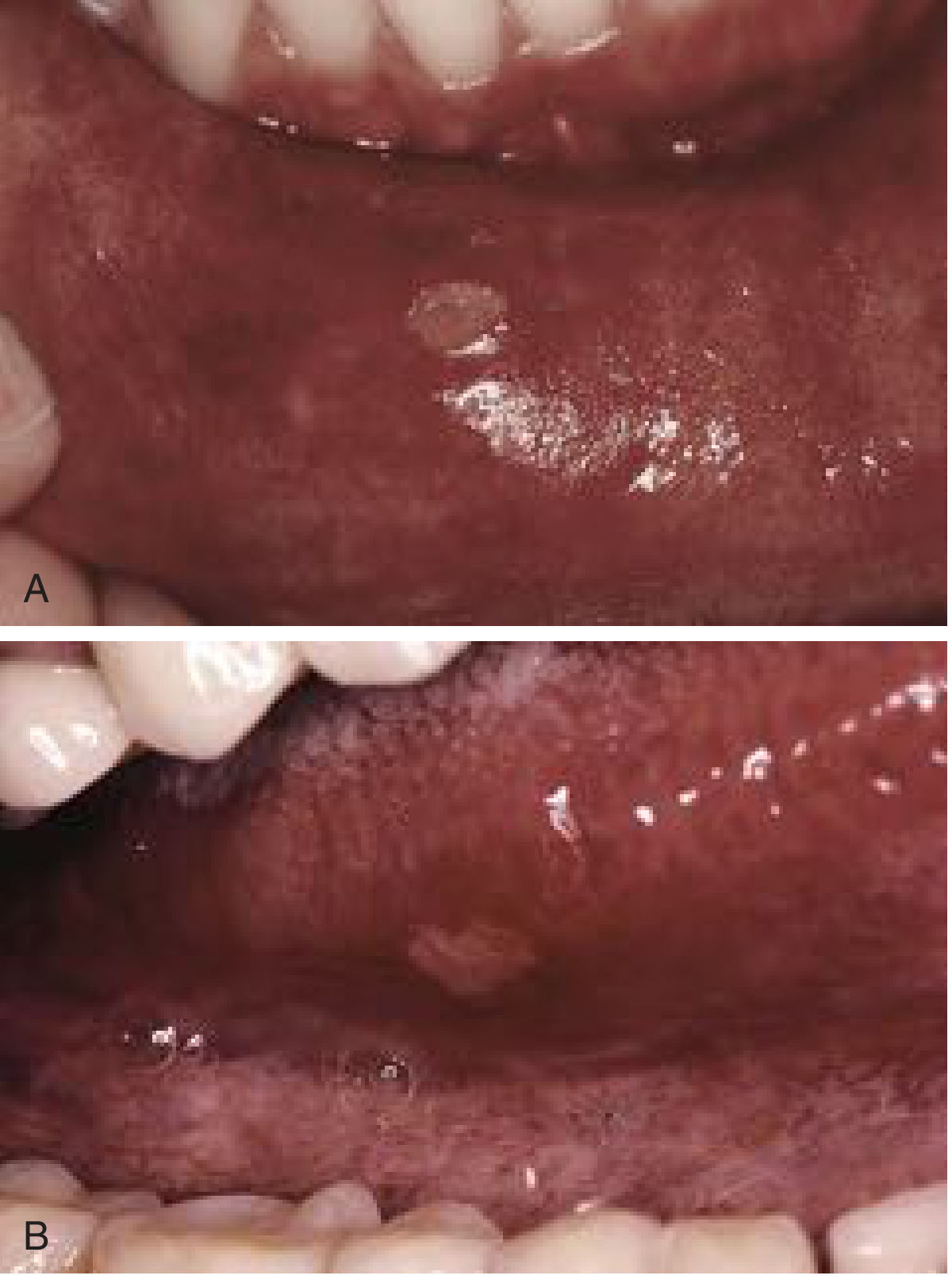
Types (Classify First, Then Treat)
| Type | Size | Features | Duration |
|---|---|---|---|
| Minor (85%) | <10 mm | Anterior oral cavity, heals without scarring | 7–10 days |
| Major (Sutton disease) (10%) | >1 cm | Posterior cavity/oropharynx, deeply cratered, very painful | Up to 6 weeks |
| Herpetiform | <2 mm, multiple | Pinhead-sized, widespread, no vesicular phase | Variable |
Treatment (Severity-Based)
Mild / Infrequent Minor Ulcers
- Symptomatic management — requires little else
- Chlorhexidine rinses — help maintain hygiene and reduce duration
- OTC topical protectants and analgesics (e.g., benzocaine-containing preparations)
- Compounded rinses containing combinations of topical steroids, antifungals, and local anesthetics (especially for odynophagia)
Moderate — When Treatment Is Necessary
- Topical corticosteroids — the general mainstay of treatment (e.g., triamcinolone acetonide in orabase, fluocinonide gel)
- Topical analgesics / anti-inflammatory agents — used in conjunction with steroids
Severe / Continuous Outbreaks / Major Aphthae
- Systemic corticosteroids (short-term) — effective for severe or continuous outbreak series
- Intralesional steroid injection — useful for larger (major) aphthae or lesions unresponsive to topical therapy
Refractory / Immunocompromised (HIV)
- Thalidomide 200 mg/day — shown to be effective for treatment (note: not effective for prevention of recurrence)
- Systemic immunosuppressives — second-line options include:
- Azathioprine
- Colchicine
- Pentoxifylline
- Dapsone
- TNF-α antagonists
Special Considerations
- In HIV/immunocompromised patients: ulcers are more severe, deeper, more painful; may coalesce; serve as a marker for HIV disease progression. Monitor body weight and provide liquid nutritional supplements.
- Major aphthae: always biopsy the edge to rule out lymphoma or SCC before initiating treatment.
- Tobacco use has a negative association with aphthous ulcers (i.e., smokers have lower rates — but this does NOT suggest tobacco as treatment).
- Aphthous ulcers have no vesicular phase — this distinguishes them from herpes simplex lesions, which occur on keratinized mucosa.
Sources: Cummings Otolaryngology Head and Neck Surgery; Cummings Otolaryngology (HIV/immunocompromised section)
This is a shared conversation. Sign in to Orris to start your own chat.