
Cystic hygroma
Reading File
Now let me search the library and PubMed in parallel.
Finding Sources
Finding Sources
Searching PubMed
"cystic hygroma" OR "cystic lymphangioma"
Good hits. Now let me read the main textbook sections in parallel.
Reading File
Reading File
Reading File
Let me get more content from the main MFM section and the ultrasound images.
Reading File
Searching Images
cystic hygroma fetal ultrasound neck
I now have comprehensive content. Let me compile the full answer.
Cystic Hygroma
Definition
A cystic hygroma is a congenital thin-walled cyst containing lymphatic fluid, arising from failure of the primitive lymphatic tree to connect to the venous system — the blind lymphatic pouch dilates to form a macrocystic lymphatic malformation (also called cystic lymphangioma, lymphatic hamartoma, or hygroma cysticum). It is multiloculated, lined by endothelium, and most commonly involves the posterior neck/jugular lymphatic sacs.
Epidemiology & Pathogenesis
- Incidence: 1:100 pregnancies in the first trimester; septated subtype in 1:285 pregnancies
- Arises from failure of the jugular lymphatic sac to drain into the venous system → lymphatic obstruction → cystic dilation
- Can occur anywhere along the lymphatic system: posterior neck (most common), axilla, mediastinum, groin, retroperitoneum
Clinical Features
Prenatal (most commonly detected):
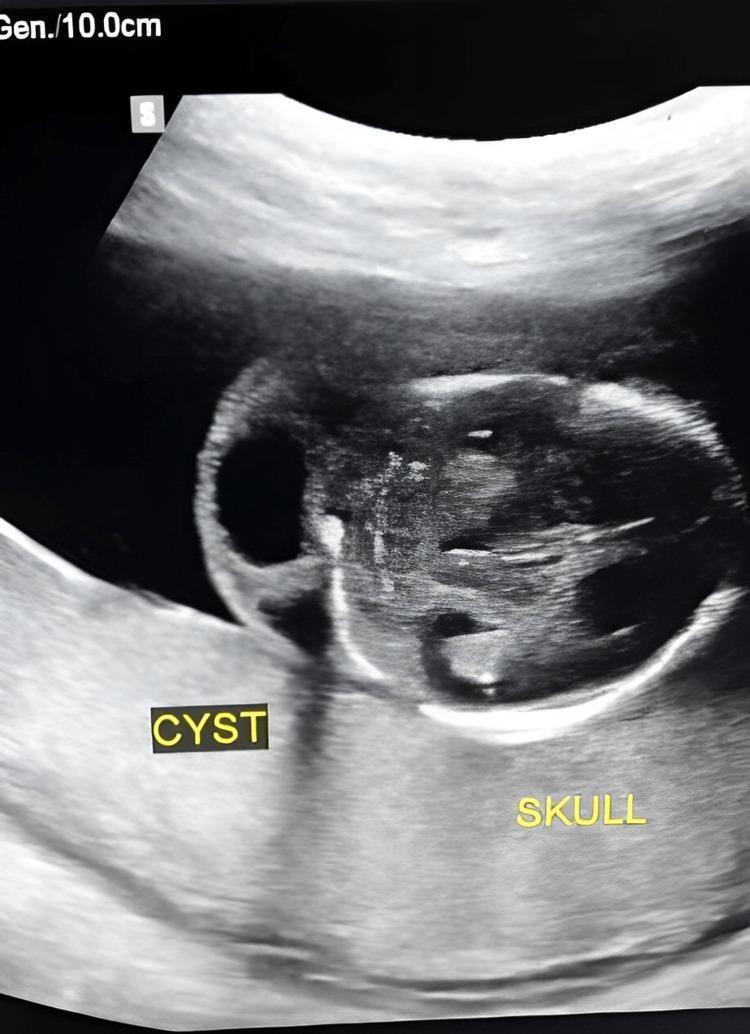
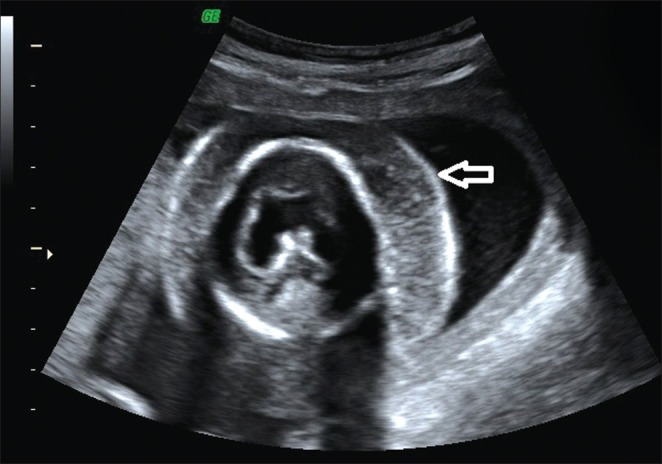
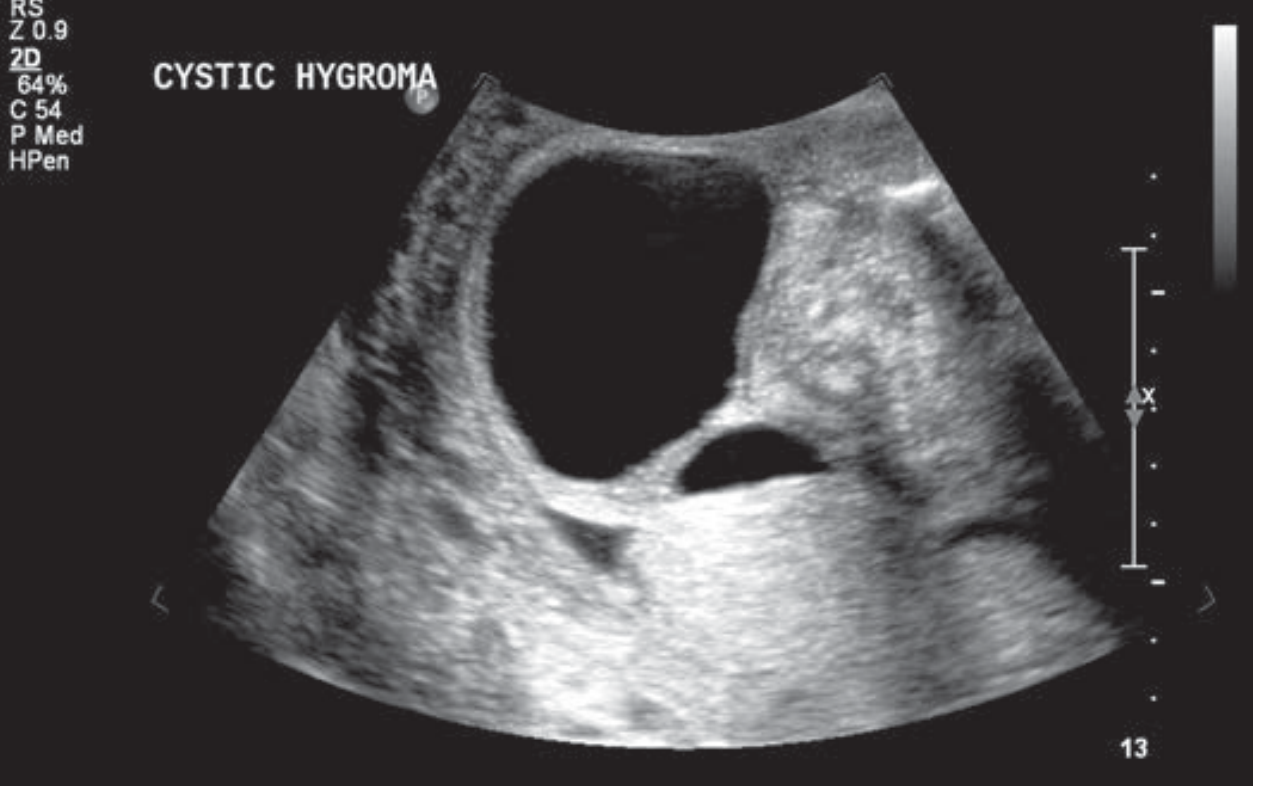
- Anechoic, fluid-filled posterior neck mass — septated or simple
- A thick midline nuchal ligament band is characteristic (separating bilateral jugular sacs)
- May engulf the fetal head cephalad, or extend caudad over the dorsum
- Associated with fetal hydrops in severe cases
Postnatal:
- Soft, translucent, cystic neck mass, often large
- Can distort the airway — potentially life-threatening
- Prone to sudden enlargement from intracystic hemorrhage or infection (becomes tender, tense, purple/yellow)
Associated Anomalies (Prenatal)
Structural anomalies in ~34% of first-trimester cases:
| Category | Specifics |
|---|---|
| Aneuploidy (50%) | Turner syndrome (45,X) — 28.3%; Trisomy 18 — 19.4%; Trisomy 13 — 9%; Triploidy — 4.5% |
| Cardiac anomalies | 72.7% of structural abnormalities — hypoplastic left/right heart, TOF, VSD, complex defects; 4.3% major CHD in euploid fetuses |
| Syndromes | Noonan syndrome, Roberts syndrome, Cornelia de Lange, others |
| Other | Skeletal abnormalities, fetal hydrops, IUFD |
Imaging
Ultrasound (Key Diagnostic Features)
- Anechoic, fluid-filled cavities in the posterior neck
- Thick or thin internal septations
- Thick midline nuchal ligament (Turner syndrome classic)
- May be multiloculated
MRI
Useful postnatally to define extent of lymphatic channels and airway relationship.
Differential Diagnosis
- Thickened nuchal translucency (non-septated)
- Neural tube defects (posterior encephalocele, cervical meningocele)
- Cystic teratoma
- Hemangioma
- Thyroglossal duct cyst / branchial cleft cyst
- Laryngocele
- Fetal hydrops
Management
Antenatal
- Detailed fetal anatomy survey to identify associated anomalies
- Fetal echocardiogram (cardiac anomalies present in majority of structural abnormalities)
- Genetic testing — amniocentesis or CVS for karyotype/chromosomal microarray
- Serial ultrasounds for growth, hydrops, polyhydramnios from esophageal compression, progression
- Assess airway relationship for birth planning
Delivery
- If large cystic neck mass compromises the airway: EXIT procedure (ex utero intrapartum treatment) — secures airway while uteroplacental circulation is maintained
Postnatal / Pediatric Surgical
- Complete surgical excision with meticulous isolation and ligation of lymphatic branches; avoid blunt/electrocautery dissection (risk of recurrence/infection)
- When complete excision is not feasible: sclerotherapy with bleomycin, doxycycline, or OK-432 (Picibanil, derived from Streptococcus pyogenes)
- Sirolimus (mTOR inhibitor) is emerging as a pharmacologic option, particularly for cervicofacial disease
Prognosis
- Highly variable — depends on karyotype, associated anomalies, and trimester at detection
- In the presence of aneuploidy or hydrops: poor prognosis, high rate of IUFD
- Euploid fetuses with isolated hygroma: better outcome but still significant risk of CHD
- Spontaneous resolution can occur (particularly with small, non-septated lesions early in pregnancy)
- A 2025 systematic review (PMID: 40389136) confirmed that perinatal outcomes are strongly stratified by chromosomal status and presence of hydrops
- A 2025 review (PMID: 40190084) highlighted the genetic link between cystic hygroma, nuchal translucency, and congenital heart disease via cardiac lymphatic abnormalities
Sources: Creasy & Resnik's Maternal-Fetal Medicine (8e); Sabiston Textbook of Surgery; Dermatology 2-Volume Set (5e); Thompson & Thompson Genetics in Medicine (9e)
This is a shared conversation. Sign in to Orris to start your own chat.