
give me 10 images on ecg findings in mi
ECG findings in myocardial infarction ST elevation
ECG NSTEMI Q waves T wave inversion myocardial infarction
ECG Findings in Myocardial Infarction — 10 Images
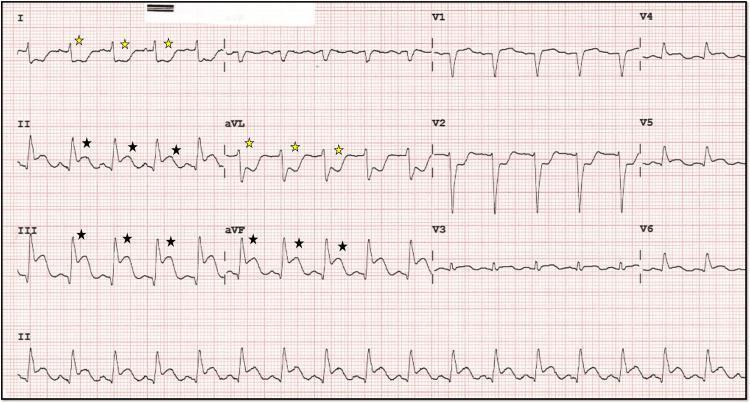
1. Acute Inferior STEMI — "Shark Fin" Morphology
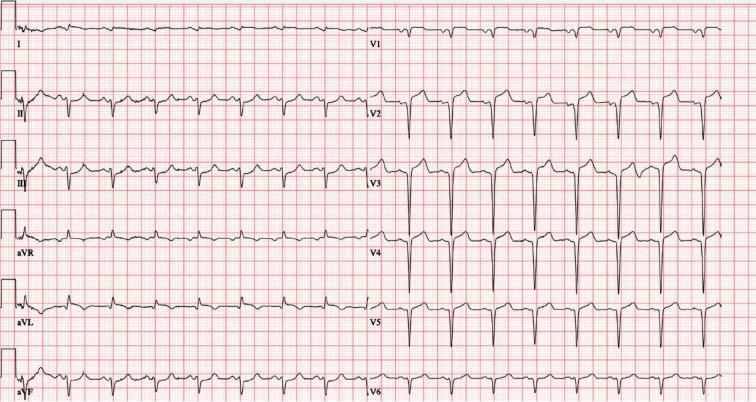
2. Acute Anterior STEMI — LAD Occlusion
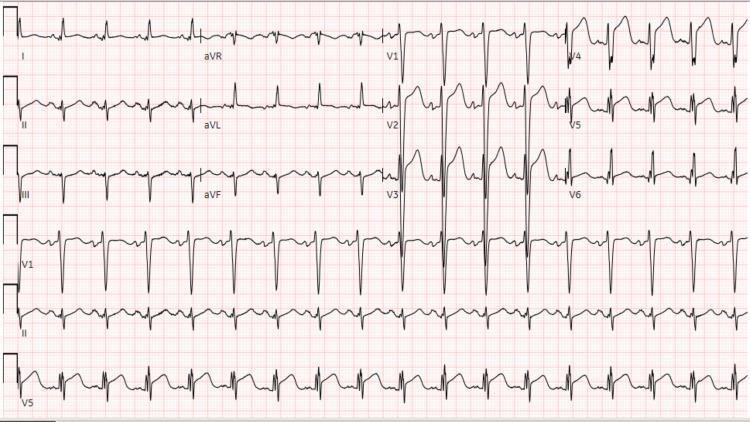
3. Anterolateral STEMI — LAD with Lateral Extension
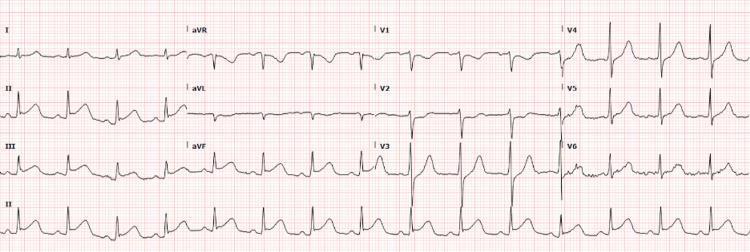
4. Inferior STEMI — Tombstone Morphology
5. Inferolateral STEMI with Sinus Bradycardia
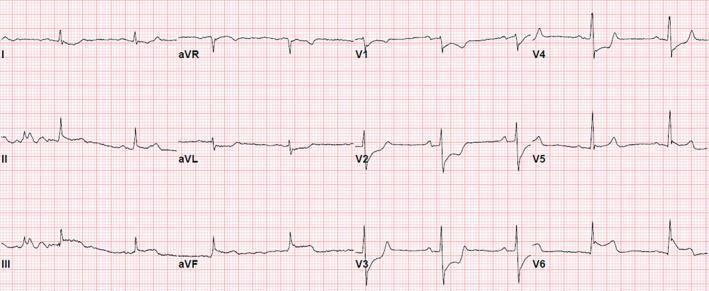
6. Evolving Anteroseptal MI — Pathological Q Waves + T Inversion
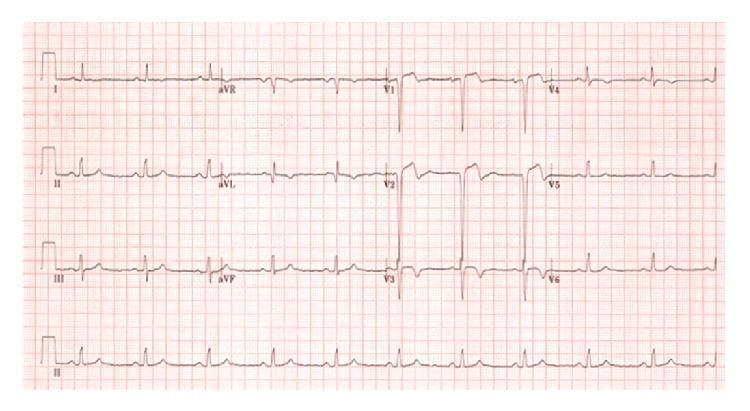
7. Subacute Inferior MI — Q Waves + Symmetric T Inversion
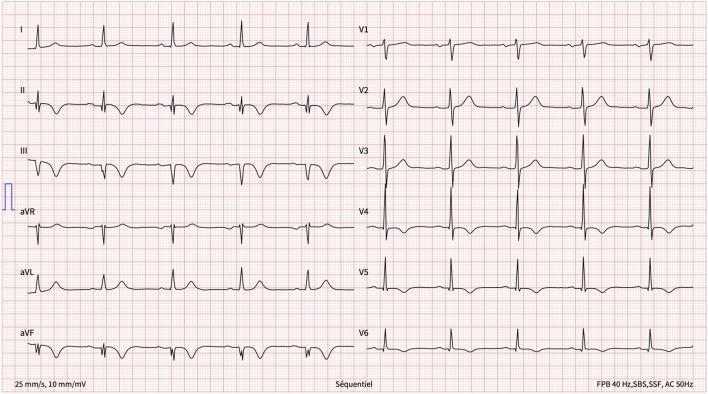
8. Old Inferior MI + RBBB — Before & After Stenting
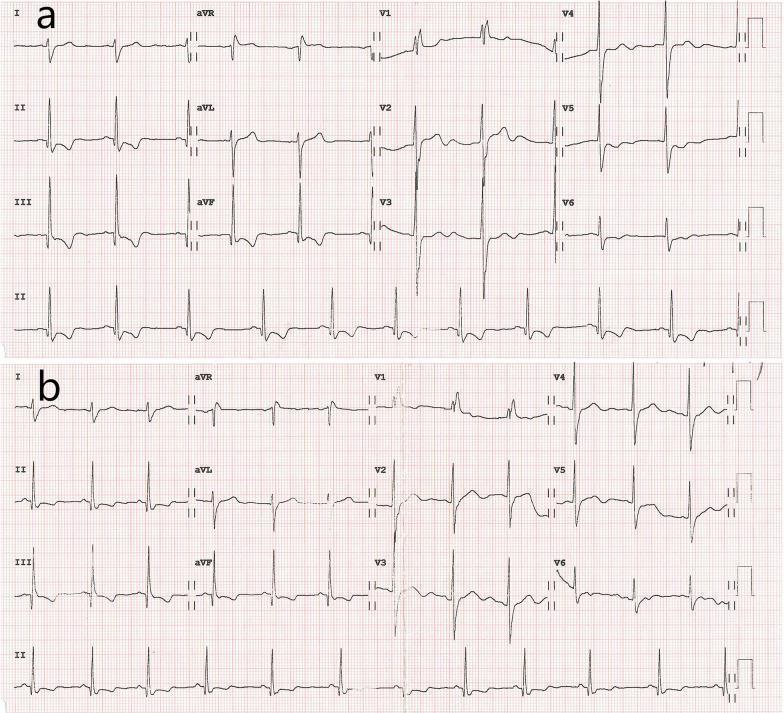
9. NSTEMI — Diffuse ST Depression with aVR Elevation
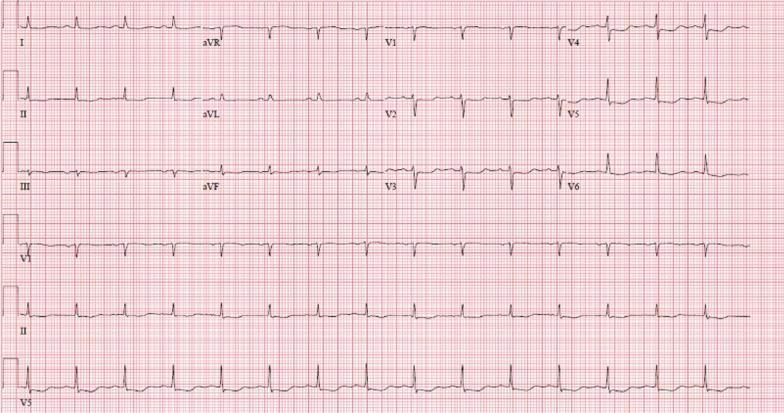
10. Wellens' Syndrome — Spontaneously Reperfused STEMI
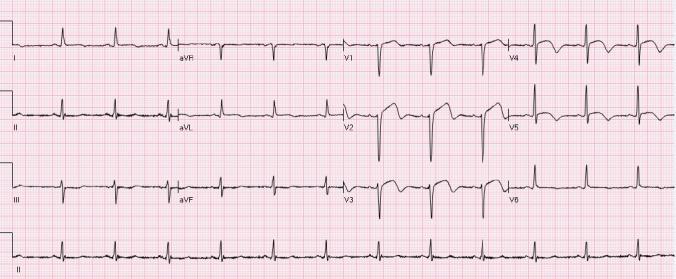
Quick Reference: ECG Findings by MI Type
| Type | Key Finding | Leads Affected |
|---|---|---|
| Anterior STEMI | ST elevation | V1–V4 |
| Anterolateral STEMI | ST elevation + lateral | V1–V6, I, aVL |
| Inferior STEMI | ST elevation | II, III, aVF |
| Inferolateral STEMI | ST elevation | II, III, aVF, V5–V6 |
| NSTEMI | ST depression ± T inversion | Diffuse / aVR elevation |
| Evolving MI | Pathological Q waves + T inversion | Territory-specific |
| Wellens' Syndrome | Biphasic/deep T inversion | V2–V5 |
| Posterior MI | Tall R + ST depression | V1–V3 (mirror image) |
can you create a ppt for this. iclude all images
mkdir -p /home/daytona/workspace/ecg-mi-ppt && node /home/daytona/skills/shared/scripts/fetch_images.js \ "https://cdn.orris.care/cdss_images/pmc_clinical_VQA_0fe760d4bc778b90788a2573cd85ee446f2e057dbfc320bc875b9f23a67342dc.jpg" \ "https://cdn.orris.care/cdss_images/pmc_clinical_VQA_16738d4b125195130b5e53a811645d4064182fc2bbd0de16b0e00a57af7ff6ef.jpg" \ "https://cdn.orris.care/cdss_images/pmc_clinical_VQA_b617cc50772b0ab96612840cd3a7c603c1978ae8f44d1b2bf15ae9ed82caa6e5.jpg" \ "https://cdn.orris.care/cdss_images/pmc_clinical_VQA_34a79f4823dc2ad05d65f76ac28b6dbc6cac978596dfd576b5ad1346fddd786f.jpg" \ "https://cdn.orris.care/cdss_images/pmc_clinical_VQA_9f5f12eea99ac03440f36f37fc17f0d5358af57c3322ed3ded22d5c5a46e3305.jpg" \ "https://cdn.orris.care/cdss_images/pmc_clinical_VQA_007c88b27798c859cad6832f213c869e43cccebfb40de9f874fcab81f9bbc8ce.jpg" \ "https://cdn.orris.care/cdss_images/pmc_clinical_VQA_efe9db40fd4651ea297d7801a1260c3bfcfcdd89c468dfe82a24859f62a28a55.jpg" \ "https://cdn.orris.care/cdss_images/pmc_clinical_VQA_447efed5a8a80a8c8dc829cd6ea77b6ab3941f3e121161b968d212ba9ffff5ea.jpg" \ "https://cdn.orris.care/cdss_images/pmc_clinical_VQA_4469dc23609fd7c7ce0b9a4fcefe7fd81a0e32f1c5248c4a88764faac4f36dcb.jpg" \ "https://cdn.orris.care/cdss_images/pmc_clinical_VQA_df3464b5dfd237c0712edd50202a540d883b302aad677e1194b1508b2940dadc.jpg" \ > /home/daytona/workspace/ecg-mi-ppt/images.json && echo "Done" && wc -c /home/daytona/workspace/ecg-mi-ppt/images.json
~/ecg-mi-ppt/create_ppt.js
const pptxgen = require("pptxgenjs");
const fs = require("fs");

const images = JSON.parse(fs.readFileSync("/home/daytona/workspace/ecg-mi-ppt/images.json", "utf8"));

// Color palette — dark cardiology theme
const BG_DARK   = "0A1628";   // deep navy
const BG_CARD   = "112240";   // slightly lighter navy for cards
const ACCENT     = "E63946";   // ECG red
const ACCENT2    = "457B9D";   // calm blue
const WHITE      = "FFFFFF";
const LIGHT_GRAY = "A8B2C1";
const GOLD       = "F4A261";

const slides_data = [
  {
    title: "Acute Inferior STEMI",
    subtitle: "\"Shark Fin\" Morphology",
    territory: "RCA / LCx Territory",
    leads: "Leads II, III, aVF",
    points: [
      "ST elevation with tombstone / shark-fin fusion of QRS–ST–T",
      "Reciprocal ST depression in I and aVL",
      "V1–V3 depression suggests posterior wall involvement",
      "ST elevation in III > II points to RCA occlusion"
    ],
    imgIndex: 0
  },
  {
    title: "Acute Anterior STEMI",
    subtitle: "LAD Occlusion — Classic Pattern",
    territory: "LAD Territory",
    leads: "Leads V1 – V4",
    points: [
      "Prominent ST elevation across V1–V6 (most marked V2–V4)",
      "Mild ST elevation also in I, II, III, aVF",
      "Loss of R-wave progression in anterior leads",
      "Reciprocal depression may appear in inferior leads"
    ],
    imgIndex: 1
  },
  {
    title: "Anterolateral STEMI",
    subtitle: "Proximal LAD with Diagonal Branch Involvement",
    territory: "LAD (proximal) Territory",
    leads: "Leads V1–V6, I, aVL",
    points: [
      "ST elevation in V1–V6 + I + aVL — hyperacute T waves",
      "Reciprocal ST depression in inferior leads II, III, aVF",
      "Diagonal branch occlusion adds high lateral involvement",
      "Largest zone of LAD territory at risk"
    ],
    imgIndex: 2
  },
  {
    title: "Inferior STEMI",
    subtitle: "Tombstone Morphology",
    territory: "RCA Territory",
    leads: "Leads II, III, aVF",
    points: [
      "Massive convex ST elevation — \"tombstone\" appearance",
      "Deep reciprocal depression in V1–V3 and aVL",
      "Sinus tachycardia with rightward axis deviation",
      "Consider RV infarction: check right-sided leads (V4R)"
    ],
    imgIndex: 3
  },
  {
    title: "Inferolateral STEMI",
    subtitle: "Sinus Bradycardia — Vagal Response",
    territory: "RCA or LCx Territory",
    leads: "Leads II, III, aVF + V5–V6",
    points: [
      "ST elevation in inferior + lateral leads (V5–V6)",
      "Hyperacute T waves with reciprocal depression in V1–V4, aVL",
      "Sinus bradycardia (~45–50 bpm) — vagal RCA response",
      "LCx: inferior > lateral; RCA: lateral > inferior"
    ],
    imgIndex: 4
  },
  {
    title: "Evolving Anteroseptal MI",
    subtitle: "Pathological Q Waves + T Inversion",
    territory: "LAD (Septal) Territory",
    leads: "Leads V1–V4, I, aVL",
    points: [
      "Pathological Q waves in V1–V2 (transmural necrosis)",
      "Residual ST elevation in V1–V3",
      "Deep T-wave inversions I, aVL, V2–V4",
      "Represents progression: acute → subacute phase of anterior MI"
    ],
    imgIndex: 5
  },
  {
    title: "Subacute Inferior MI",
    subtitle: "Evolving Q Waves + Symmetric T Inversion",
    territory: "Inferior Wall (RCA / SCAD)",
    leads: "Leads II, III, aVF, V5–V6",
    points: [
      "Pathological Q waves with symmetric T-wave inversions in II, III, aVF",
      "T inversion extending to lateral leads V5–V6",
      "Typical of late-presenting STEMI or post-SCAD",
      "No ongoing ST elevation — hours to days after event"
    ],
    imgIndex: 6
  },
  {
    title: "Old Inferior MI + RBBB",
    subtitle: "Pre and Post Coronary Stenting",
    territory: "Inferior Wall — Chronic",
    leads: "Leads II, III, aVF + V1 (RBBB)",
    points: [
      "Pathological Q waves in II, III, aVF — permanent infarct scar",
      "RBBB: widened QRS + rSR' pattern in V1",
      "Pre-stenting: ST depression + T inversion (ongoing ischemia)",
      "Post-stenting: ischemic changes resolve; Q waves + RBBB persist"
    ],
    imgIndex: 7
  },
  {
    title: "NSTEMI",
    subtitle: "Diffuse ST Depression — Global Subendocardial Ischemia",
    territory: "Diffuse / Left Main – Proximal LAD",
    leads: "I, aVL, V4–V6, II, III, aVF + aVR elevation",
    points: [
      "Diffuse horizontal/downsloping ST depression across multiple leads",
      "Reciprocal ST elevation in aVR — hallmark of global ischemia",
      "Suggests left main or proximal LAD occlusion",
      "No ST elevation — troponin elevation confirms NSTEMI"
    ],
    imgIndex: 8
  },
  {
    title: "Wellens' Syndrome",
    subtitle: "Spontaneously Reperfused LAD — Critical Pre-Infarction Warning",
    territory: "Proximal LAD Territory",
    leads: "Leads V2 – V5",
    points: [
      "Resolving ST elevation with deep terminal T-wave inversions (Type B)",
      "No pathological Q waves — myocardium still viable",
      "Pain-free at presentation — patient may appear stable",
      "URGENT: catheterization needed; stress test is CONTRAINDICATED"
    ],
    imgIndex: 9
  }
];

let pres = new pptxgen();
pres.layout = "LAYOUT_16x9";
pres.title = "ECG Findings in Myocardial Infarction";
pres.author = "Orris Medical";

// ─── TITLE SLIDE ───────────────────────────────────────────────────────────
{
  let s = pres.addSlide();
  // Background
  s.addShape(pres.ShapeType.rect, { x: 0, y: 0, w: "100%", h: "100%", fill: { color: BG_DARK } });

  // Red accent bar left
  s.addShape(pres.ShapeType.rect, { x: 0, y: 0, w: 0.12, h: "100%", fill: { color: ACCENT } });

  // ECG-style decorative line (horizontal squiggle simulation with thin rect)
  s.addShape(pres.ShapeType.rect, { x: 0.25, y: 2.7, w: 9.5, h: 0.03, fill: { color: ACCENT }, line: { color: ACCENT } });

  // Title
  s.addText("ECG FINDINGS IN", {
    x: 0.5, y: 1.1, w: 9, h: 0.7,
    fontSize: 22, bold: true, color: LIGHT_GRAY,
    charSpacing: 8, align: "center", fontFace: "Arial"
  });
  s.addText("MYOCARDIAL INFARCTION", {
    x: 0.5, y: 1.7, w: 9, h: 1.0,
    fontSize: 38, bold: true, color: WHITE,
    charSpacing: 4, align: "center", fontFace: "Arial"
  });

  // Subtitle
  s.addText("A Visual Guide to STEMI, NSTEMI & Evolving MI Patterns", {
    x: 0.5, y: 2.85, w: 9, h: 0.5,
    fontSize: 15, color: ACCENT2, align: "center", italic: true, fontFace: "Arial"
  });

  // Bottom bar
  s.addShape(pres.ShapeType.rect, { x: 0, y: 5.2, w: "100%", h: 0.425, fill: { color: ACCENT } });
  s.addText("10 Illustrative ECG Cases  |  Emergency Cardiology Education", {
    x: 0.5, y: 5.22, w: 9, h: 0.38,
    fontSize: 12, color: WHITE, align: "center", bold: true, fontFace: "Arial"
  });

  // Small tags
  const tags = ["STEMI", "NSTEMI", "Q WAVES", "T INVERSION", "WELLENS'", "RECIPROCAL CHANGES"];
  tags.forEach((tag, i) => {
    const col = i < 3 ? 0 : 3;
    const row = i % 3;
    s.addShape(pres.ShapeType.roundRect, {
      x: 0.55 + col * 1.65, y: 3.55 + row * 0.45, w: 1.5, h: 0.33,
      fill: { color: BG_CARD }, line: { color: ACCENT2, w: 1 },
      rectRadius: 0.05
    });
    s.addText(tag, {
      x: 0.55 + col * 1.65, y: 3.55 + row * 0.45, w: 1.5, h: 0.33,
      fontSize: 9, color: ACCENT2, align: "center", bold: true, fontFace: "Arial", margin: 0
    });
  });
}

// ─── CONTENT SLIDES ────────────────────────────────────────────────────────
slides_data.forEach((d, idx) => {
  let s = pres.addSlide();
  const img = images[d.imgIndex];

  // Background
  s.addShape(pres.ShapeType.rect, { x: 0, y: 0, w: "100%", h: "100%", fill: { color: BG_DARK } });

  // Left accent bar
  s.addShape(pres.ShapeType.rect, { x: 0, y: 0, w: 0.08, h: "100%", fill: { color: ACCENT } });

  // Header bar
  s.addShape(pres.ShapeType.rect, { x: 0.08, y: 0, w: 9.92, h: 0.85, fill: { color: BG_CARD } });

  // Slide number badge
  s.addShape(pres.ShapeType.ellipse, { x: 0.12, y: 0.1, w: 0.6, h: 0.6, fill: { color: ACCENT } });
  s.addText(`${idx + 1}`, {
    x: 0.12, y: 0.1, w: 0.6, h: 0.6,
    fontSize: 16, bold: true, color: WHITE, align: "center", valign: "middle", margin: 0, fontFace: "Arial"
  });

  // Title
  s.addText(d.title, {
    x: 0.85, y: 0.08, w: 7.0, h: 0.42,
    fontSize: 20, bold: true, color: WHITE, fontFace: "Arial", margin: 0
  });
  s.addText(d.subtitle, {
    x: 0.85, y: 0.48, w: 7.0, h: 0.3,
    fontSize: 12, color: ACCENT2, italic: true, fontFace: "Arial", margin: 0
  });

  // Territory badge (top right)
  s.addShape(pres.ShapeType.roundRect, {
    x: 7.95, y: 0.1, w: 1.9, h: 0.62,
    fill: { color: ACCENT }, line: { color: ACCENT }, rectRadius: 0.08
  });
  s.addText(d.territory, {
    x: 7.95, y: 0.1, w: 1.9, h: 0.62,
    fontSize: 8.5, color: WHITE, align: "center", valign: "middle", bold: true, fontFace: "Arial", margin: 2
  });

  // ── ECG IMAGE (left panel) ──
  if (img && img.base64 && !img.error) {
    s.addImage({
      data: img.base64,
      x: 0.15, y: 0.95, w: 5.6, h: 3.5
    });
  }

  // Image border
  s.addShape(pres.ShapeType.rect, {
    x: 0.15, y: 0.95, w: 5.6, h: 3.5,
    fill: { type: "none" }, line: { color: ACCENT2, w: 1.5 }
  });

  // ── RIGHT PANEL ──
  // Leads box
  s.addShape(pres.ShapeType.roundRect, {
    x: 5.9, y: 0.95, w: 3.95, h: 0.55,
    fill: { color: BG_CARD }, line: { color: GOLD, w: 1.5 }, rectRadius: 0.06
  });
  s.addText([
    { text: "KEY LEADS: ", options: { bold: true, color: GOLD } },
    { text: d.leads, options: { color: WHITE } }
  ], {
    x: 5.9, y: 0.95, w: 3.95, h: 0.55,
    fontSize: 10, fontFace: "Arial", valign: "middle", margin: 6
  });

  // Key findings header
  s.addText("KEY ECG FINDINGS", {
    x: 5.9, y: 1.62, w: 3.95, h: 0.3,
    fontSize: 10, bold: true, color: ACCENT, charSpacing: 2, fontFace: "Arial", margin: 0
  });

  // Bullet points
  d.points.forEach((pt, i) => {
    // bullet dot
    s.addShape(pres.ShapeType.ellipse, {
      x: 5.9, y: 2.02 + i * 0.58, w: 0.12, h: 0.12,
      fill: { color: ACCENT2 }
    });
    s.addText(pt, {
      x: 6.1, y: 1.94 + i * 0.58, w: 3.7, h: 0.52,
      fontSize: 10.5, color: LIGHT_GRAY, fontFace: "Arial",
      valign: "middle", wrap: true, margin: 0
    });
  });

  // Bottom caption bar
  s.addShape(pres.ShapeType.rect, { x: 0.08, y: 4.55, w: 9.92, h: 1.075, fill: { color: BG_CARD } });
  s.addShape(pres.ShapeType.rect, { x: 0.08, y: 4.55, w: 9.92, h: 0.03, fill: { color: ACCENT2 } });
  s.addText("Clinical Significance", {
    x: 0.25, y: 4.6, w: 2.2, h: 0.3,
    fontSize: 9, bold: true, color: ACCENT2, fontFace: "Arial", margin: 0
  });

  const clinicalNotes = [
    "Immediate reperfusion if onset <12h. Assess for RV infarct with V4R.",
    "Largest anterior territory. High mortality — door-to-balloon <90 min.",
    "Proximal LAD occlusion. Consider Sgarbossa criteria if LBBB present.",
    "Beware RV infarct — avoid nitrates; fluid-resuscitate if hypotensive.",
    "Sinus bradycardia: atropine if symptomatic. Screen for posterior STEMI.",
    "Evolving MI — Q waves indicate irreversible necrosis. Assess for VF risk.",
    "Subacute phase: risk stratify with echo for wall motion abnormality.",
    "RBBB post-MI raises mortality. Temporary pacing if bifascicular block.",
    "aVR elevation = left main equivalent. Urgent angio for cardiogenic shock.",
    "CONTRAINDICATED: stress test. Admit for urgent cath — high re-occlusion risk."
  ];
  s.addText(clinicalNotes[idx], {
    x: 0.25, y: 4.9, w: 9.5, h: 0.65,
    fontSize: 11, color: WHITE, fontFace: "Arial", wrap: true, margin: 0
  });
});

// ─── SUMMARY SLIDE ──────────────────────────────────────────────────────────
{
  let s = pres.addSlide();
  s.addShape(pres.ShapeType.rect, { x: 0, y: 0, w: "100%", h: "100%", fill: { color: BG_DARK } });
  s.addShape(pres.ShapeType.rect, { x: 0, y: 0, w: 0.08, h: "100%", fill: { color: ACCENT } });
  s.addShape(pres.ShapeType.rect, { x: 0.08, y: 0, w: 9.92, h: 0.75, fill: { color: BG_CARD } });

  s.addText("QUICK REFERENCE SUMMARY", {
    x: 0.25, y: 0.1, w: 9.5, h: 0.55,
    fontSize: 20, bold: true, color: WHITE, charSpacing: 4, align: "center", fontFace: "Arial"
  });

  const tableData = [
    [
      { text: "MI Type", options: { bold: true, color: WHITE } },
      { text: "Key ECG Finding", options: { bold: true, color: WHITE } },
      { text: "Leads Affected", options: { bold: true, color: WHITE } },
      { text: "Artery", options: { bold: true, color: WHITE } }
    ],
    ["Anterior STEMI",       "ST elevation, loss of R wave",            "V1–V4",                "LAD"],
    ["Anterolateral STEMI",  "ST elevation + lateral changes",          "V1–V6, I, aVL",        "Proximal LAD"],
    ["Inferior STEMI",       "ST elevation, tombstone / shark fin",     "II, III, aVF",         "RCA"],
    ["Inferolateral STEMI",  "ST elevation inferior + lateral",         "II, III, aVF, V5–V6",  "RCA / LCx"],
    ["Evolving Anterior MI", "Pathological Q waves + T inversion",      "V1–V4",                "LAD (subacute)"],
    ["Subacute Inferior MI", "Q waves + symmetric T inversion",         "II, III, aVF",         "RCA (evolving)"],
    ["Old MI + RBBB",        "Persistent Q waves, rSR' in V1",          "II, III, aVF + V1",    "RCA (chronic)"],
    ["NSTEMI",               "Diffuse ST depression, aVR elevation",    "Diffuse + aVR",        "LM / LAD"],
    ["Wellens' Syndrome",    "Deep T inversion, no Q waves",            "V2–V5",                "Proximal LAD"]
  ];

  s.addTable(tableData, {
    x: 0.15, y: 0.85, w: 9.7, h: 4.55,
    fontSize: 9.5,
    fontFace: "Arial",
    align: "left",
    valign: "middle",
    color: LIGHT_GRAY,
    fill: { color: BG_CARD },
    border: { type: "solid", color: "1E3A5F", pt: 0.5 },
    rowH: 0.44,
    firstRowAsHeader: true,
    autoPage: false,
    colW: [1.9, 2.8, 2.3, 1.7],
  });
}

pres.writeFile({ fileName: "/home/daytona/workspace/ecg-mi-ppt/ECG_Findings_in_MI.pptx" })
  .then(() => console.log("PPT created successfully"))
  .catch(e => { console.error(e); process.exit(1); });
cd /home/daytona/workspace/ecg-mi-ppt && node create_ppt.js
ls -lh /home/daytona/workspace/ecg-mi-ppt/ECG_Findings_in_MI.pptx
ECG Findings in MI
Presentation · PPTX
| Slide | Content |
|---|---|
| 1 | Title slide — dark cardiology theme with topic tags |
| 2–11 | One slide per ECG case — each with the full ECG image, key leads badge, territory label, 4 bullet findings, and a clinical significance note |
| 12 | Summary reference table — all 9 MI types with key findings, leads & culprit artery |
- Deep navy background with ECG-red accent — clinical, high-contrast
- Each slide: ECG image on the left (large), key findings panel on the right
- Gold "KEY LEADS" badge, territory badge, slide number, and clinical note footer on every content slide