
degenerative disc disesese
Reading File
Finding Sources
Finding Sources
Searching PubMed
"Intervertebral Disc Degeneration"[MeSH Terms]
Searching the Web
degenerative disc disease NIH patient information symptoms treatment
Reading File
Reading File
Reading File
Degenerative disc disease (DDD) is age-related wear and dehydration of the cushioning discs between the spinal bones, most often in the lower back or neck. Despite its name, it is not always a progressive painful “disease.” Many people have disc changes on MRI or X-ray without symptoms.
What happens
The disc loses water and elasticity, may develop small outer-ring tears, and can lose height. This can contribute to:
- Local neck or low-back pain and stiffness
- Pain worsened by sitting, bending, lifting, or twisting
- Pain into an arm or leg if a nearby nerve is irritated
- Sometimes disc bulge, spinal arthritis, or spinal canal narrowing
Imaging findings do not reliably match pain severity. Degenerative disc findings are common even in people without back pain. Grainger & Allison's Diagnostic Radiology, p. 1237.
How it is usually managed
First-line care is usually non-surgical:
- Keep gently active, avoid prolonged bed rest
- Physiotherapy focused on trunk/neck strength, mobility, and posture
- Heat or ice for short-term comfort
- Weight management and stopping smoking if relevant
- A clinician may recommend short-term pain medicines or anti-inflammatory medication if safe for you
MRI is generally most useful when symptoms persist, there is nerve-related pain or weakness, or a procedure is being considered. Surgery is reserved for selected cases, such as persistent disabling symptoms with a matching structural problem or significant nerve compression. The NIH back-pain overview notes that disc degeneration can occur alongside arthritis, disc herniation, and spinal stenosis.
Seek urgent medical care now if you have
- New bladder or bowel control problems
- Numbness around the groin or inner thighs
- New or worsening leg weakness, trouble walking
- Fever, unexplained weight loss, history of cancer, or severe unremitting night pain
- Back pain after major trauma
If you tell me whether your problem is in the neck or lower back, plus your symptoms and duration, I can explain what it may mean and the usual next steps.
shows figures
Reading File
Searching PubMed
"Intervertebral Disc Degeneration"[MeSH Terms]
Searching the Web
degenerative disc disease MRI black disc disc height loss images
MRI appearance of lumbar degenerative disc disease
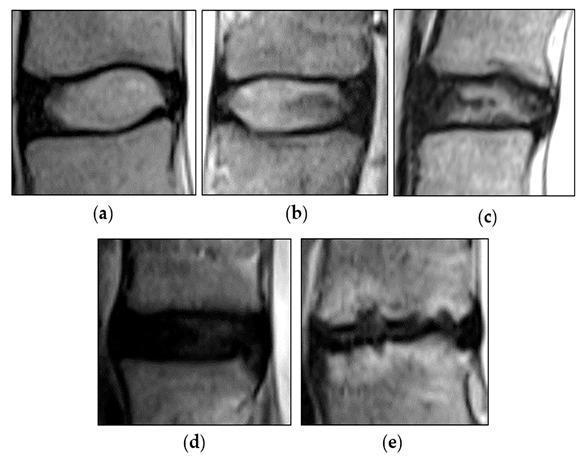
How to read it: On a T2 MRI, a healthy, water-rich disc looks brighter. With degeneration it becomes darker ("black disc"), less distinct internally, and eventually loses height.
Textbook examples
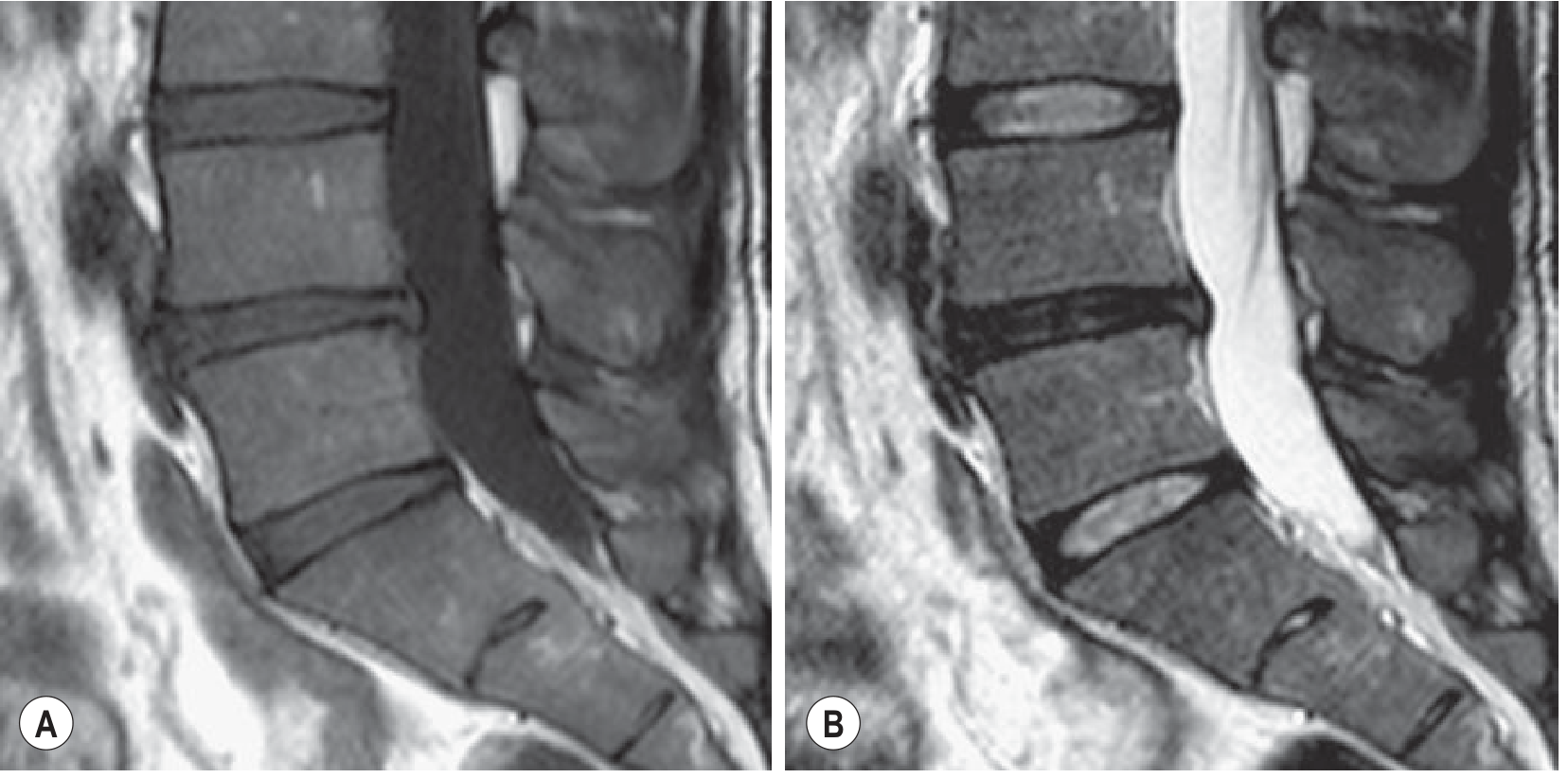
This example shows reduced T2 signal at L4-L5, indicating loss of disc water content.
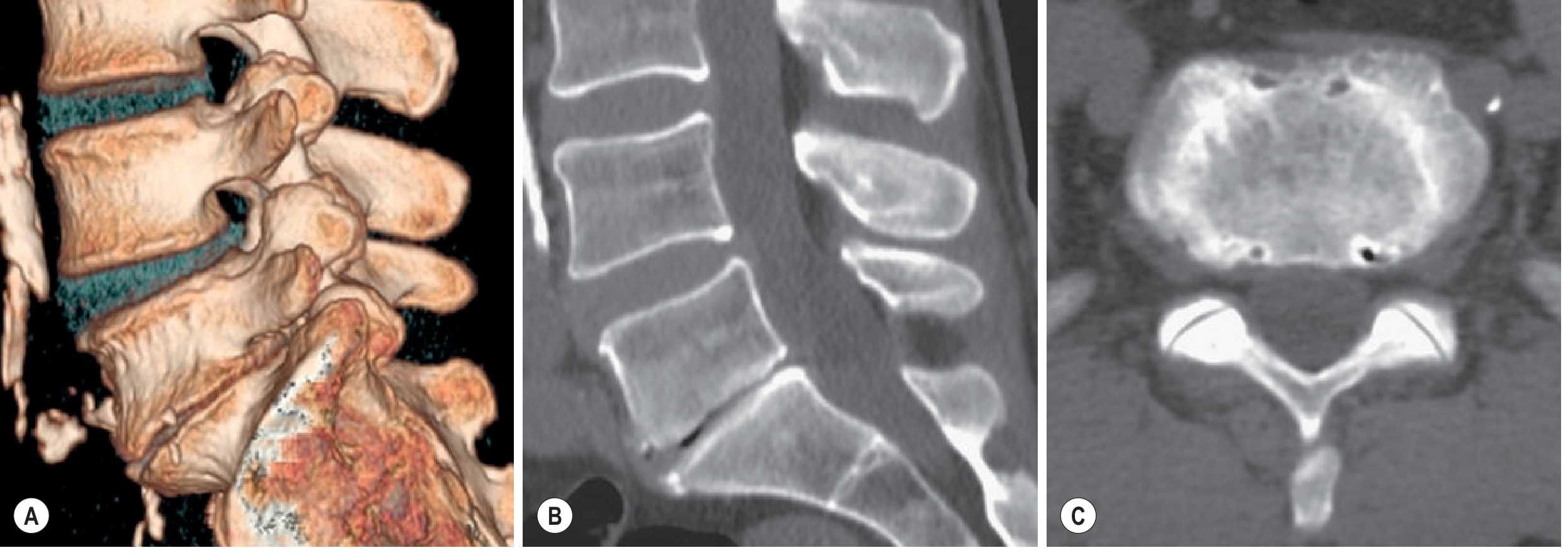
This CT example shows disc-space narrowing, irregular adjacent bone end plates, and a vacuum phenomenon (gas in the disc), which suggests more advanced degeneration. Grainger & Allison's Diagnostic Radiology, p. 1237.
This is a shared conversation. Sign in to Orris to start your own chat.