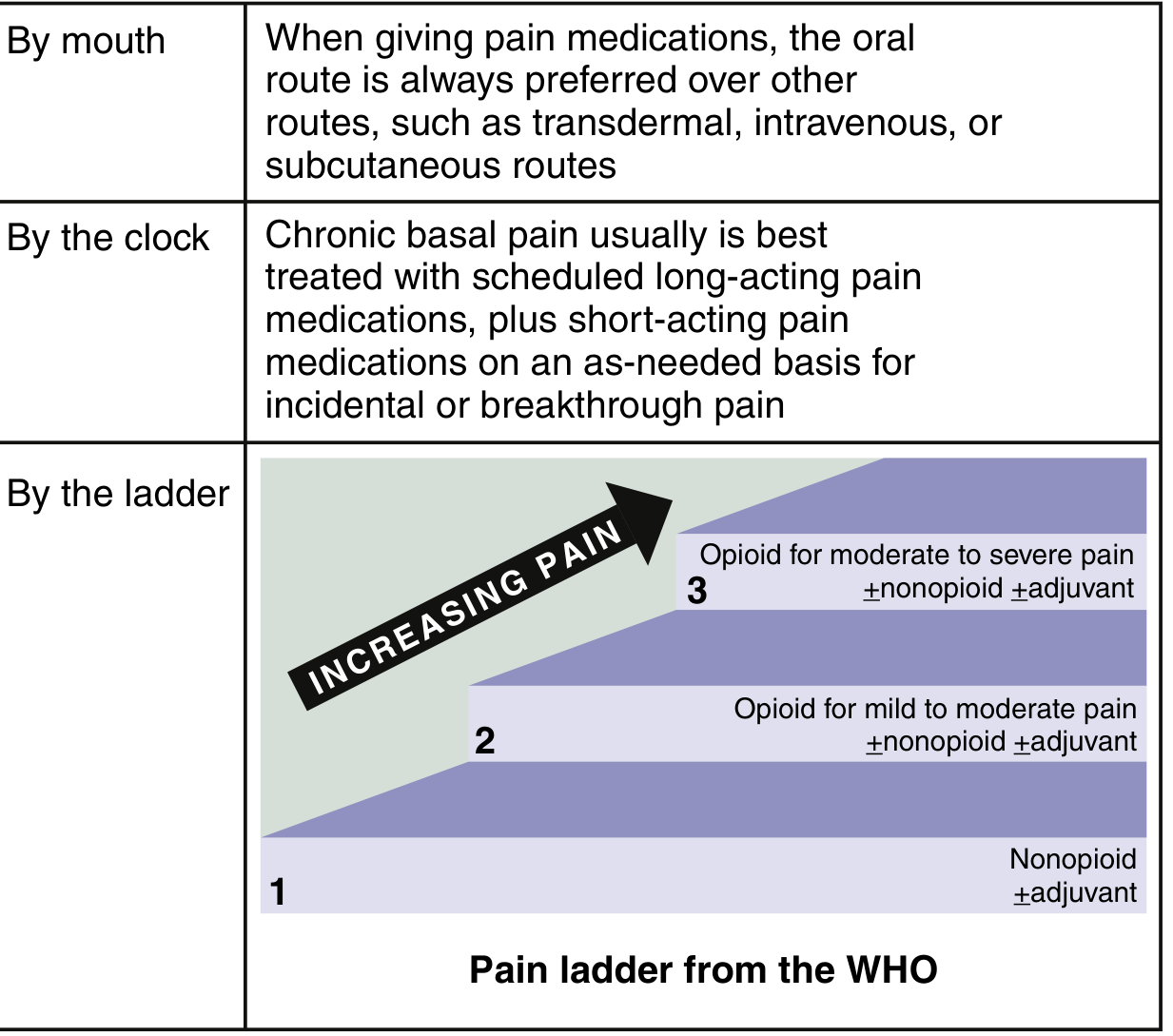
Here is a fully comprehensive, exam-grade reference on the WHO Pain Ladder covering every dimension you need:
WHO Analgesic Ladder - Complete Examination Reference
1. HISTORICAL BACKGROUND
- Introduced by the WHO in 1986 in the publication "Cancer Pain Relief"
- Revised and updated in 1990, and most recently in the 2018 WHO Guidelines for Pharmacological and Radiotherapeutic Management of Cancer Pain in Adults and Adolescents
- Originally designed for cancer pain - later widely adopted for all chronic pain states
- Effectiveness: 70-90% of cancer pain can be controlled using this framework with appropriate drug selection and titration
- The 1986 ladder was a response to global under-treatment of cancer pain, particularly in low- and middle-income countries where opioids were often unavailable or restricted
2. THE FOUR CORE WHO PRINCIPLES ("The 4 By's")
| Principle | Full Meaning |
|---|
| By the mouth | Oral route is always preferred; avoids the pain of injections, maintains independence, easy to titrate |
| By the clock | Regular, scheduled dosing around the clock - NOT PRN. Prevents peaks and troughs in plasma levels. Breakthrough doses given on top of scheduled doses |
| By the ladder | Follow the stepwise escalation approach. Do not skip steps unless pain is severe at presentation (NRS >/= 7) - then start at Step 3 directly |
| For the individual | No standard dose. Titrate to the individual. The right dose is whatever controls pain with acceptable side effects |
A 5th principle is sometimes added: "With attention to detail" - meaning regular reassessment, monitoring, and adjustment.
3. THE THREE-STEP LADDER - DETAILED
STEP 1 - Mild Pain (NRS 1-3): Non-Opioid ± Adjuvant
Paracetamol (Acetaminophen)
- Mechanism: Inhibits prostaglandin synthesis centrally (COX-3); activates descending serotonergic inhibitory pathways; possible endocannabinoid-related mechanisms
- Dose: 500 mg - 1 g every 4-6 hours; max 4 g/day (2 g/day in liver disease, elderly, alcohol users)
- IV form (Paracetamol IV): 1 g over 15 min every 6 h. Faster onset, useful perioperatively. Opioid-sparing effect of ~20-30%
- Advantages: Safe in renal disease, elderly, pregnancy (all trimesters), peptic ulcer disease
- Disadvantages: Hepatotoxicity in overdose (N-acetyl cysteine is antidote); no anti-inflammatory effect; ceiling effect
- Step 1 backbone - should be continued at all subsequent steps unless contraindicated
NSAIDs (Non-Steroidal Anti-Inflammatory Drugs)
- Mechanism: Inhibit COX-1 and COX-2 enzymes, reducing prostaglandin synthesis
- COX-1: constitutively expressed - gastroprotection, platelet aggregation, renal blood flow
- COX-2: inducible at sites of inflammation - pain, fever, inflammation
- Non-selective NSAIDs: Ibuprofen (400-800 mg TDS), Diclofenac (50 mg TDS), Naproxen (250-500 mg BD), Ketorolac (IV/IM: 30 mg, max 5 days)
- Selective COX-2 inhibitors (Coxibs): Celecoxib (100-200 mg BD), Parecoxib (IV: 40 mg BD - only injectable coxib), Etoricoxib (60-90 mg OD)
- Advantages of Coxibs: Less GI ulceration, no platelet effect, safe for surgical patients, spares gastric mucosa
- Contraindications of NSAIDs:
- Renal impairment (GFR < 30 mL/min) - risk of acute kidney injury
- Active peptic ulcer disease / GI bleeding
- Platelet disorders / anticoagulation (non-selective only)
- Severe heart failure (sodium retention, fluid overload)
- Pregnancy (third trimester - premature closure of ductus arteriosus)
- Post-CABG surgery (cardiovascular risk with coxibs)
- Anastomotic surgery (controversial risk of leak with NSAIDs)
- Ceiling effect: All NSAIDs have a ceiling dose beyond which analgesia does not increase but toxicity does
- Opioid-sparing: NSAIDs reduce postoperative opioid consumption by ~30-35% and reduce PONV, sedation, urinary retention (Morgan & Mikhail, 7e)
STEP 2 - Mild to Moderate Pain (NRS 4-6): Weak Opioid + Non-Opioid ± Adjuvant
(Used when Step 1 fails to control pain)
Codeine
- Mechanism: Prodrug - converted to morphine by CYP2D6 (O-demethylation) in the liver. Also converted to norcodeine via CYP3A4
- Dose: 30-60 mg every 4-6 hours; ceiling dose ~360 mg/day
- Potency: ~1/10th of morphine IV; oral:parenteral ratio = 2:3
- Half-life: 2-3 hours
- Critical pharmacogenomic issue:
- Poor metabolizers (CYP2D6 deficient): ~8-10% Caucasians, 2-7% African Americans, 1-2% Asians - get NO analgesia (no conversion to morphine)
- Ultra-rapid metabolizers (CYP2D6 duplicated gene): ~1-2% - convert codeine rapidly to excess morphine - risk of fatal respiratory depression
- FDA Black Box Warning: Codeine contraindicated in children after tonsillectomy/adenoidectomy (deaths reported in ultra-rapid metabolizers)
- Contraindicated in breastfeeding (ultra-rapid metabolizer mothers pass morphine to infant via breast milk)
- Drug interactions: CYP3A4 inhibitors (erythromycin, cimetidine, grapefruit juice) increase morphine production; CYP2D6 inhibitors (fluoxetine, paroxetine) reduce analgesia
Tramadol
- Mechanism: Dual mechanism -
- Weak mu-opioid receptor agonist (parent drug and active metabolite O-desmethyltramadol/M1)
- Inhibits reuptake of serotonin AND norepinephrine (SNRI-like) - activates descending inhibitory pathways
- The active metabolite M1 (O-desmethyltramadol) has 200x greater mu receptor affinity than parent drug and is responsible for most opioid-like analgesia - also produced via CYP2D6
- Dose: 50-100 mg every 4-6 hours; max 400 mg/day (ceiling dose). Extended-release forms available
- Advantages over codeine: Less respiratory depression, less effect on GI motility, effective for neuropathic pain (due to SNRI component)
- Contraindications and Cautions:
- Serotonin syndrome risk: Contraindicated with SSRIs, SNRIs, MAOIs, TCAs, triptans, linezolid
- Lowers seizure threshold: Use with caution in epilepsy; avoid with other serotonergic/epileptogenic drugs
- Renal failure: accumulation of M1 metabolite; reduce dose
- Hepatic failure: reduce dose
- CYP2D6 poor metabolizers: Reduced M1 production - attenuated analgesia (8-15% Whites, 5-15% of population)
Tapentadol (newer Step 2/3 agent)
- Mechanism: Mu-opioid agonist + selective norepinephrine reuptake inhibitor (NRI) only (unlike tramadol which also inhibits serotonin)
- Advantages over tramadol:
- Does NOT require CYP2D6 activation (metabolized via phase II glucuronidation - inactive metabolite) - no pharmacogenomic variability
- No serotonin syndrome risk (no serotonin reuptake inhibition)
- Fewer GI side effects than equivalent oxycodone
- No relevant CYP450 drug-drug interactions
- Dose: 50-100 mg every 4-6 h, max 700 mg Day 1 then 600 mg/day
- Equivalent analgesia: Tapentadol IR 50-75 mg ≈ Oxycodone IR 10 mg (with fewer GI effects)
- Barash Clinical Anesthesia, 9e emphasizes tapentadol as superior to tramadol due to predictable pharmacokinetics
Dihydrocodeine
- Similar pharmacology to codeine; slightly more potent
- Also CYP2D6-dependent for conversion to active metabolite (dihydromorphine)
STEP 3 - Moderate to Severe Pain (NRS 7-10): Strong Opioid + Non-Opioid ± Adjuvant
(Used when Step 2 fails OR pain is severe at presentation - start here directly)
General Opioid Pharmacology
Receptors (Miller's Anesthesia, 10e):
| Receptor | Primary Effects |
|---|
| mu (μ) - MOR | Analgesia (supraspinal + spinal), respiratory depression, euphoria, sedation, nausea/vomiting, constipation, urinary retention, biliary spasm, miosis |
| kappa (κ) - KOR | Spinal analgesia, sedation, dysphoria, aversion, diuresis |
| delta (δ) - DOR | Modulates mu receptor, euphoria, respiratory depression, convulsions |
| ORL-1 (nociceptin) | Modulates pain and opioid tolerance |
Mechanism of analgesia (Barash, 9e):
- Pre-synaptic: Inhibits Ca²+ influx → reduces neurotransmitter (substance P, glutamate) release
- Post-synaptic: Enhances K+ efflux → hyperpolarization → reduced signal transmission
- Supraspinal: Activation of descending inhibitory pathways via PAG, nucleus raphe magnus, rostral ventromedial medulla
- Peripheral: On primary afferent neurons post-inflammation - inhibits substance P, prostaglandin release
Morphine (Gold Standard)
- Prototype opioid; reference for equianalgesic comparisons (Oral Morphine Equivalents - OME)
- Dose: Oral IR 5-15 mg every 4 hours. IV: 2-5 mg every 4 h PRN; or PCA
- Sustained-release: MST Continus, Morphine SR - every 8-12 hours for background pain
- Half-life: ~2-4 hours (but active metabolite M6G has longer half-life)
- Metabolism: Hepatic glucuronidation to:
- Morphine-6-glucuronide (M6G): Active metabolite, more potent than morphine, accumulates in renal failure
- Morphine-3-glucuronide (M3G): Inactive analgesically but causes neuroexcitatory effects (myoclonus, seizures, hyperalgesia)
- Caution in renal failure: M6G accumulation → prolonged respiratory depression
- Histamine release: Morphine releases histamine - can cause flushing, urticaria, bronchospasm (more with IV administration)
- Routes: Oral, IV, IM, SC, epidural, intrathecal, transmucosal
Oxycodone
- Semi-synthetic opioid; metabolized by CYP2D6 to oxymorphone (active) and CYP3A4 to noroxycodone
- Oral bioavailability: ~60-87% (higher than morphine's ~30%)
- Potency: Oral oxycodone ≈ 1.5-2x oral morphine
- Controlled-release (OxyContin): 10-80 mg every 12 h
- Particularly effective for visceral pain (higher affinity for kappa receptors)
- No histamine release (advantage over morphine)
Fentanyl
- Synthetic, highly lipophilic opioid; 80-100x more potent than morphine
- Transdermal patch (TTS-Fentanyl): For stable chronic pain. Onset 12-24 h; duration 72 h
- Patch reservoir releases drug through skin depot into systemic circulation
- Fever increases absorption (25-35% increase with each 1°C rise in temperature)
- Not suitable for opioid-naive patients or rapidly changing pain
- IV/Transmucosal: Rapid onset; used for procedural pain, ICU, breakthrough pain (sublingual, intranasal, buccal lozenges: Actiq 200-1600 mcg)
- Minimal histamine release; preferred in haemodynamically unstable patients
- Epidural/Intrathecal: Standard component of neuraxial labor analgesia
Hydromorphone (Dilaudid)
- 5-7x more potent than morphine (oral), 7-10x more potent parenterally
- Metabolized to hydromorphone-3-glucuronide (neuroexcitatory, like M3G)
- Less histamine release than morphine
- Good alternative when morphine causes intolerable side effects
- Available SC, IV, epidural, oral
Methadone
- Unique pharmacological profile:
- Mu-opioid agonist
- NMDA receptor antagonist (useful for neuropathic pain and opioid-induced hyperalgesia)
- Inhibits reuptake of serotonin and norepinephrine
- Very long and highly variable half-life (8-59 hours - average 24-36 h)
- QTc prolongation: Risk of Torsades de Pointes - ECG monitoring required; caution with other QT-prolonging drugs
- Incomplete cross-tolerance: When rotating to methadone, calculated equianalgesic dose may need to be reduced by 75-90% in highly tolerant patients
- Drug interactions: CYP3A4, CYP2D6, CYP1A2 substrate; many interactions
- Specialist use only for pain management; excellent for opioid rotation in tolerant patients
Buprenorphine
- Partial mu-opioid agonist + kappa antagonist
- Ceiling effect on respiratory depression (but NOT on analgesia at analgesic doses) - makes it relatively safe
- 25-50x more potent than morphine
- High receptor affinity: Can displace other opioids; may precipitate withdrawal in dependent patients
- Parenteral: 300 mcg IM/IV ≈ 10 mg morphine
- Sublingual/Buccal/Transdermal forms available
- Effective for neuropathic pain (Barash, 9e); no QTc prolongation
- Buprenorphine/naloxone (Suboxone): Used for opioid use disorder treatment
4. EQUIANALGESIC DOSE TABLE
(Miller's Anesthesia 10e; Barash Clinical Anesthesia 9e)
| Drug | Oral (mg) | Parenteral (mg) | Notes |
|---|
| Morphine | 30 | 10 | Reference standard |
| Codeine | 200 | 120 | Weak, ceiling dose |
| Tramadol | 300-400 | - | Ceiling 400 mg/day |
| Oxycodone | 20 | 10-15 | Higher oral bioavailability |
| Hydromorphone | 7.5 | 1.5 | 5-7x potency |
| Fentanyl | - | 0.1 (100 mcg) | 100x potency |
| Methadone | Variable | Variable | Highly variable; specialist only |
| Buprenorphine | 0.4 (SL) | 0.3-0.4 | Ceiling on resp depression |
Key rule for opioid rotation: When switching, reduce calculated equianalgesic dose by 25-50% for incomplete cross-tolerance. For methadone, reduce by up to 75-90% in highly tolerant patients (Barash, 9e).
5. OPIOID ADVERSE EFFECTS (Comprehensive)
Acute Side Effects
| System | Effect | Management |
|---|
| Respiratory | Respiratory depression (mu-receptor mediated; dose-dependent) | Naloxone 40-80 mcg IV titrated; oxygen; assisted ventilation |
| GI | Nausea/vomiting (CTZ stimulation + vestibular); Constipation (peripheral mu receptors in gut - does NOT develop tolerance); Delayed gastric emptying | Antiemetics (ondansetron, metoclopramide); Stimulant laxatives (senna, bisacodyl) + stool softeners routinely - from Day 1; PAMORA drugs (e.g., methylnaltrexone, naloxegol) for OIC |
| CNS | Sedation, confusion, dysphoria, hallucinations, myoclonus, seizures (M3G, normeperidine) | Dose reduction; opioid rotation |
| Cardiovascular | Bradycardia, hypotension (histamine release - morphine), peripheral vasodilation | Avoid rapid IV boluses; use fentanyl/hydromorphone in haemodynamic instability |
| Urinary | Urinary retention (especially with neuraxial opioids) | Urinary catheter; low-dose naloxone infusion; alpha-blockers |
| Skin | Pruritus (especially neuraxial; not histamine-mediated - central mu receptor mechanism) | Low-dose naloxone infusion (0.25-1 mcg/kg/h); ondansetron; propofol 10 mg IV bolus; nalbuphine |
| Endocrine | Hypogonadism with long-term use (suppresses GnRH); immunosuppression | Hormone replacement if needed |
| Neuro | Opioid-induced hyperalgesia (OIH) - paradoxical increase in pain sensitivity with high doses | Dose reduction; opioid rotation; ketamine; methadone |
| Eyes | Miosis (pupillary constriction - pinpoint pupils) | Sign of opioid toxicity; absent in mixed overdose with stimulants |
Tolerance, Dependence, and Addiction (Barash, 9e - Critical Distinctions)
- Physical Dependence: Physiologic adaptation - withdrawal on abrupt cessation. Normal with chronic opioid use. Does NOT imply addiction.
- Tolerance: Rightward shift of dose-response curve. Develops to analgesia, euphoria, nausea, respiratory depression (but NOT to constipation or miosis)
- Differential tolerance: Analgesic tolerance develops faster than respiratory depressant tolerance - danger in opioid-tolerant patients receiving opioids for acute pain!
- FDA definition of opioid tolerance: Oral morphine equivalent >/= 60 mg/day for >/= 7 days
- Addiction: Complex brain disorder - compulsive drug use despite harm. Psychosocial phenomenon. NOT the same as physical dependence.
- Opioid-Induced Hyperalgesia (OIH): Paradoxical central sensitization with chronic high-dose opioids. NMDA receptor activation involved. Treated by: opioid dose reduction, rotation to methadone/buprenorphine, low-dose ketamine
6. ADJUVANT (CO-ANALGESIC) DRUGS - DETAILED
Can be added at ANY step of the ladder. Particularly important for neuropathic pain, which is semi-opioid responsive.
Antidepressants
| Drug | Class | Mechanism | Dose | Best For | Notes |
|---|
| Amitriptyline | TCA | Blocks Na+ channels; inhibits NE + 5-HT reuptake; NMDA antagonism | 10-75 mg nocte | Postherpetic neuralgia, diabetic neuropathy, headache prophylaxis | Anticholinergic SEs; cardiac toxicity at high doses; NNT ~3 for neuropathic pain |
| Nortriptyline | TCA | Same as amitriptyline | 10-75 mg nocte | Same as amitriptyline | Fewer anticholinergic SE than amitriptyline; preferred in elderly |
| Duloxetine | SNRI | Inhibits NE + 5-HT reuptake | 30-60 mg OD/BD | Diabetic neuropathy, fibromyalgia, musculoskeletal pain | FDA-approved for diabetic neuropathic pain; fewer SE than TCAs |
| Venlafaxine | SNRI | Same as duloxetine | 37.5-150 mg OD | Neuropathic pain, headache | Risk of discontinuation syndrome |
Anticonvulsants (Gabapentinoids)
| Drug | Mechanism | Dose | Notes |
|---|
| Gabapentin | Binds alpha-2-delta subunit of voltage-gated Ca²+ channels - reduces excitatory neurotransmitter release (glutamate, substance P) | 100-300 mg TDS; titrate to 300-3600 mg/day | Perioperatively: single preoperative dose reduces postoperative pain and opioid consumption 24h. SE: sedation, dizziness, peripheral edema |
| Pregabalin | Same as gabapentin; linear pharmacokinetics (more predictable absorption than gabapentin) | 75-150 mg BD; max 600 mg/day | 2-4x more potent than gabapentin; NNT 2.2 for diabetic neuropathy (Bradley & Daroff); FDA-approved for fibromyalgia, PHN, diabetic neuropathy |
| Carbamazepine | Na+ channel blocker | 100-200 mg BD, titrate | First-line for trigeminal neuralgia |
| Lamotrigine | Na+ channel blocker | 25-200 mg BD | Central post-stroke pain, HIV neuropathy |
Corticosteroids
- Dexamethasone: 4-8 mg IV/oral. Reduces peritumoral edema, nerve compression pain, bone pain
- Mechanism: Inhibits phospholipase A2 → reduces prostaglandin and leukotriene synthesis; reduces edema around tumor
- Useful for: neuropathic cancer pain, raised ICP, spinal cord compression, superior vena cava syndrome
- Short-term use preferred due to side effects (hyperglycemia, immunosuppression, GI ulceration, adrenal suppression with long-term use)
Bisphosphonates & Bone-Targeted Agents
- Zoledronic acid (IV): For bone metastases - reduces skeletal-related events (SREs) and bone pain
- Denosumab: RANK-L inhibitor; alternative to bisphosphonates
- Mechanism: Reduce osteoclast activity; reduce prostaglandin production in bone metastases
- Also indicated: Paget's disease, osteoporosis with vertebral fractures
NMDA Receptor Antagonists
- Ketamine (low-dose): 0.1-0.5 mg/kg/h IV infusion; or 0.3-0.5 mg/kg IV bolus perioperatively
- Blocks NMDA receptor → prevents central sensitization and OIH
- Particularly useful in: opioid-tolerant patients, chronic opioid users, neuropathic pain
- Reduces postoperative opioid consumption and PONV (Morgan & Mikhail, 7e)
- Magnesium: NMDA antagonist; reduces postoperative pain and opioid consumption (Morgan & Mikhail, 7e)
- Methadone: NMDA antagonism contributes to its unique efficacy in neuropathic pain
Alpha-2 Agonists
- Clonidine: 0.1-0.3 mg BD oral; 0.1-0.3 mg/day transdermal patch
- Activates descending inhibitory adrenergic pathways in dorsal horn
- Epidural/intrathecal: synergistic with opioids and local anesthetics; excellent for neuropathic pain
- SE: sedation, hypotension, dry mouth, rebound hypertension on withdrawal
- Dexmedetomidine: Alpha-2 agonist; IV infusion perioperatively; opioid-sparing; also reduces anxiety and promotes sleep-like sedation
Topical Agents
| Agent | Indication | Notes |
|---|
| Lidocaine 5% patch (Lidoderm) | Postherpetic neuralgia, localized neuropathic pain | 1-3 patches, 12h on/12h off; minimal systemic absorption |
| Capsaicin 0.075% cream / 8% patch (Qutenza) | PHN, diabetic neuropathy | Depletes substance P from nerve terminals; initial burning sensation; high-concentration patch applied for 30-60 min by healthcare provider |
| Diclofenac gel/patch | Osteoarthritis, soft tissue pain | Minimal systemic absorption; safe |
Cannabinoids (Emerging)
- Cannabidiol (CBD) and Tetrahydrocannabinol (THC): Act on CB1 and CB2 receptors
- CB1: CNS; modulates pain via descending inhibitory pathways
- CB2: Peripheral immune cells; anti-inflammatory
- Cochrane Meta-analysis 2023 (PMID 37283486): Cannabis-based medicines for cancer pain - moderate quality evidence of some benefit; more adverse events than placebo; not yet standard of care
- Nabilone (synthetic cannabinoid): Licensed for chemotherapy-induced nausea in some countries; off-label for chronic pain
Other Adjuvants
- Antispasmodics: Baclofen (GABA-B agonist) for muscle spasm-related pain; intrathecal baclofen for severe spasticity
- Diazepam: Muscle relaxant; short-term use only (tolerance, dependence)
- Tricyclic antidepressants as topical agents: Amitriptyline 2% topical for neuropathic pain
- Mexiletine: Oral class IB antiarrhythmic; for neuropathic pain not responding to anticonvulsants; requires ECG monitoring
7. PAIN ASSESSMENT
Before initiating the ladder, pain must be properly assessed:
Unidimensional Scales (Intensity Only)
- Numerical Rating Scale (NRS): 0-10; most commonly used; validated for verbal and written use. Children >/= 8 years
- Visual Analogue Scale (VAS): 100mm horizontal line; very sensitive to change; requires pen/paper; less useful verbally
- Verbal Rating Scale (VRS): None/mild/moderate/severe; simple; least sensitive
- Wong-Baker Faces Pain Scale: For children 3-8 years and cognitively impaired
- FLACC Scale: Face, Legs, Activity, Cry, Consolability - for infants, preverbal and non-verbal patients
Multidimensional Assessment
The comprehensive pain history should cover (Barash, 9e):
- Onset, temporal pattern, site, radiation, quality, intensity
- Exacerbating and relieving factors
- Response to analgesics (including opioid attitudes/concerns)
- Associated physical and psychological symptoms
- Interference with activities of daily living
- Current oral morphine equivalent (OME) dose
Pain Classification (Clinically Important)
| Type | Mechanism | Examples | Opioid Response | Best Adjuvants |
|---|
| Nociceptive - Somatic | Tissue injury; A-delta and C fibres; well localized | Post-op pain, bone mets, trauma | Excellent | NSAIDs, paracetamol |
| Nociceptive - Visceral | Poorly localized; referred pain; hollow organ distension or solid organ capsule stretch | Pancreatic cancer, bowel obstruction, hepatic capsule pain | Good | NSAIDs, antispasmodics |
| Neuropathic | Peripheral/central nerve injury; burning, shooting, electric shock-like, allodynia, hyperalgesia | Diabetic neuropathy, PHN, phantom limb, spinal cord injury | Moderate (semi-opioid responsive) | Gabapentinoids, TCAs, SNRIs, topical agents |
| Mixed | Combination of above | Cancer pain (most), fibromyalgia, CRPS | Variable | Multimodal |
| Nociplastic | Central sensitization without identifiable tissue/nerve injury | Fibromyalgia, IBS, chronic widespread pain | Poor | SNRIs, gabapentinoids, CBT, exercise |
8. BREAKTHROUGH PAIN
- Definition: Acute, transient exacerbation of pain occurring against a background of otherwise stable, adequately controlled chronic pain
- Incidence: 65-80% of cancer patients on regular opioids experience breakthrough pain
- Types:
- Spontaneous (idiopathic): No identifiable trigger
- Incident pain: Predictable (movement-related, procedural) or unpredictable (spasm, cough)
- End-of-dose failure: Pain returns before next scheduled dose is due (indicates need for dose titration)
Rescue Dose Calculation
- Standard: 10-20% of total 24-hour opioid dose given every 1-4 hours PRN (Sleisenger & Fordtran)
- Example: Patient on Morphine SR 60 mg BD (= 120 mg/24h) → Rescue dose = 12-24 mg morphine IR every 4 h PRN
- Titration rule: If >3 rescue doses used in 24 hours, increase background dose by the total rescue dose used
Rapid-Onset Opioids (ROO) for Breakthrough Pain
- Oral transmucosal fentanyl citrate (OTFC/Actiq): 200-1600 mcg lozenges; onset ~5 min
- Sublingual fentanyl tablet: Onset ~10 min
- Intranasal fentanyl: Onset ~5-10 min; very effective for episodic breakthrough pain
- Buccal fentanyl (Fentora): Onset ~15 min
- All expensive; reserved for severe cancer breakthrough pain
9. THE PROPOSED 4th STEP - INTERVENTIONAL ANALGESIA
Not part of the original WHO ladder but now widely accepted:
Neuraxial Techniques
- Epidural analgesia: Continuous infusion of local anesthetic (bupivacaine 0.1-0.125%) + opioid (fentanyl 2-4 mcg/mL) ± clonidine. Gold standard for thoracic and major abdominal surgery, labor analgesia
- Intrathecal drug delivery (IDDS/Intrathecal pump): For refractory cancer pain; delivers opioid, local anesthetic, or ziconotide (N-type Ca2+ channel blocker) directly to CSF with 1/300th systemic dose required
- Intrathecal morphine: Single injection for post-op pain; 0.1-0.3 mg; duration 12-24 h
Sympathetic Nerve Blocks
- Celiac plexus neurolysis: For upper abdominal cancer pain (pancreatic, gastric, hepatic). Chemical neurolysis with alcohol or phenol. Major complication: orthostatic hypotension, diarrhea, paraplegia (rare)
- Superior hypogastric plexus block: Pelvic cancer pain (cervix, bladder, prostate)
- Ganglion of Impar block: Perineal, anal, coccygeal cancer pain
Neuromodulation
- Spinal Cord Stimulation (SCS): Electrodes placed in posterior epidural space; dorsal column stimulation (Aβ fibres); NICE-recommended for refractory neuropathic pain (e.g., failed back surgery syndrome - FBSS); also for CRPS, ischemic limb pain
- Deep Brain Stimulation (DBS): For refractory central pain states (rare)
- Transcutaneous Electrical Nerve Stimulation (TENS): Aβ fibre stimulation → gate control; non-invasive; useful adjunct
Neurosurgical/Ablative Procedures
- Cordotomy (percutaneous cervical cordotomy): Interrupts spinothalamic tract; for unilateral cancer pain below the shoulder
- Rhizotomy: Selective dorsal root ganglion ablation; for segmental pain
- Intrathecal neurolysis (phenol/alcohol): For severe pelvic/perineal cancer pain
10. OPIOID ROTATION - CLINICAL PROTOCOL
When to Rotate?
- Intolerable side effects (e.g., severe nausea, myoclonus, cognitive impairment, pruritus) with adequate analgesia
- Inadequate analgesia despite dose escalation
- Development of OIH
- Patient preference (route change)
- Drug availability/cost issues
How to Rotate?
- Calculate the total daily dose of current opioid in oral morphine equivalents (OME)
- Convert to the equianalgesic dose of the new opioid using conversion tables
- Reduce the calculated dose by 25-50% to account for incomplete cross-tolerance (cross-tolerance is incomplete and varies between opioids)
- For methadone rotation specifically: Reduce by 75-90% due to very high incomplete cross-tolerance
- Titrate the new opioid upward with rescue doses as needed
- Provide breakthrough doses = 10-15% of new total daily dose PRN
11. SPECIAL POPULATIONS
Renal Failure
- Avoid morphine (M6G accumulation → prolonged respiratory depression; M3G → neuroexcitation)
- Preferred: Fentanyl (no active metabolites), Buprenorphine (glucuronide metabolites - renally cleared but not active), Hydromorphone (use with caution - H3G can accumulate)
- Avoid NSAIDs (risk of AKI, reduced GFR, fluid retention)
- Avoid codeine (prolonged active metabolite)
Hepatic Failure
- Reduce doses of all opioids (reduced first-pass metabolism → increased oral bioavailability)
- Tramadol and codeine: avoid (CYP450 dependent)
- Reduce paracetamol to max 2 g/day in liver disease; avoid in severe cirrhosis
- Fentanyl: relatively hepatically independent; preferred
Elderly
- "Start low, go slow"
- Increased opioid sensitivity (reduced renal clearance, reduced body mass, blood-brain barrier changes)
- Avoid NSAIDs (renal impairment, GI bleeding, cardiac risk)
- Prefer paracetamol + tramadol (with caution - delirium, falls risk)
- Gabapentinoids: increased sedation risk → dose reduction required; increased fall risk
Pediatric Patients
- Codeine contraindicated post-tonsillectomy/adenoidectomy (FDA Black Box Warning)
- Paracetamol (15 mg/kg every 4-6 h) is first-line
- NSAIDs from 3 months of age
- Morphine (0.05-0.1 mg/kg IV) - safe with monitoring
- Use age-appropriate pain scales (FLACC < 3 years; Faces Scale 3-8 years; NRS >/= 8 years)
Pregnancy
- Paracetamol: Safe throughout; first-line
- NSAIDs: Safe in 1st and 2nd trimester; contraindicated in 3rd trimester (premature closure of ductus arteriosus, oligohydramnios, pulmonary hypertension in neonate)
- Opioids: Cause neonatal opioid withdrawal syndrome (NOWS) with chronic use; avoid near term if possible; if used, neonate must be monitored
- Tramadol: Use with caution; limited data; Category C
- Codeine: avoid in breastfeeding (ultra-rapid metabolizer risk)
Cancer vs. Chronic Non-Cancer Pain
- The WHO ladder was designed for cancer pain - where escalation to opioids is usually appropriate and dependency is less of a concern given prognosis
- For chronic non-cancer pain (CNCP): Greater caution with long-dose opioids given opioid epidemic; multimodal, interdisciplinary approach preferred
- Sustained-release opioids for non-cancer pain have been associated with increased risk of fatal overdose without significant benefit over nonopioid modalities (Miller's Anesthesia, 10e)
12. MULTIMODAL ANALGESIA (Modern Extension of the WHO Ladder Principle)
The WHO ladder's underlying principle - combining drugs from different mechanisms - forms the foundation of modern multimodal analgesia in perioperative medicine:
ERAS (Enhanced Recovery After Surgery) Multimodal Protocol (Morgan & Mikhail, 7e):
- Paracetamol (scheduled)
- NSAIDs or Coxib (scheduled, unless contraindicated)
- Gabapentinoid (pre-operatively and post-operatively)
- Ketamine (low-dose, intraoperatively and/or post-op infusion in opioid-tolerant)
- Dexamethasone (4 mg IV - analgesic, anti-inflammatory, anti-emetic)
- Regional analgesia (epidural, TAP block, nerve blocks - site-specific)
- Opioids (reserved as rescue, with reduction in overall requirement)
This approach reduces total opioid consumption by 30-50%, decreases PONV, reduces sedation, shortens hospital stay, and accelerates return of bowel function.
13. LIMITATIONS OF THE ORIGINAL WHO LADDER
| Limitation | Clinical Significance |
|---|
| Does not classify pain by mechanism | Neuropathic pain responds poorly to opioids alone; ladder does not guide adjuvant selection |
| Step 2 problem: Weak opioids have ceiling effects and variable pharmacogenomics | Codeine requires CYP2D6 - unreliable; tramadol has serotonin risks |
| No provision for interventional techniques | 4th step had to be added informally |
| Designed for cancer pain - not ideal for acute/perioperative/chronic non-cancer pain | Different kinetics and goals of therapy |
| No guidance on neuropathic pain subtypes | Nerve injury pain, central sensitization, CRPS require specific approaches |
| Opioid-centric at a time of opioid crisis | Modern practice emphasizes opioid-sparing; ladder encourages escalation to opioids |
| Does not account for route of administration adequately | Neuraxial, transdermal, and transmucosal routes are not addressed in detail |
| No integration of non-pharmacological modalities | Physiotherapy, psychology (CBT, mindfulness), TENS, acupuncture not included |
14. RECENT UPDATES (2024-2026 Evidence)
- PMID 39250736 (Thompson J, 2024): WHO 2018 guidelines shifted emphasis from the strict 3-step progression to individualized pain management; the 2018 guidelines de-emphasize the step 2 distinction and support starting at Step 3 for moderate-severe pain
- PMID 37504360 (Mestdagh et al., 2023, Curr Oncol): Current concepts in cancer pain management emphasize early integration of interventional techniques, psychosocial support, and multimodal approaches alongside the WHO ladder
- PMID 40588130 (Yri & Laird, 2025, Clin Med London): "Cancer pain - all change please?" - argues for moving beyond the traditional ladder approach to mechanism-based, personalized cancer pain management incorporating early palliative care and interventional techniques
- Cochrane 2023 (PMID 37283486): Cannabis-based medicines - insufficient evidence to recommend as standard addition to WHO ladder for cancer pain
SUMMARY TABLE
| Step | Pain Severity | Drugs | Adjuvants |
|---|
| 1 | Mild (1-3) | Paracetamol, NSAIDs/Coxibs | ± Adjuvants |
| 2 | Moderate (4-6) | Codeine, Tramadol, Tapentadol + Step 1 | ± Adjuvants |
| 3 | Severe (7-10) | Morphine, Oxycodone, Fentanyl, Hydromorphone, Methadone, Buprenorphine + Step 1 | ± Adjuvants |
| 4 (informal) | Refractory | Epidural, intrathecal, nerve blocks, SCS, neurolysis | All of above |
The "4 By's": By the mouth, By the clock, By the ladder, For the individual.
References:
- Miller's Anesthesia, 10th Edition
- Barash Clinical Anesthesia, 9th Edition
- Morgan & Mikhail's Clinical Anesthesiology, 7th Edition
- Goodman & Gilman's Pharmacological Basis of Therapeutics, 14th Edition
- WHO Cancer Pain Guidelines, 2018
- PMID 39250736, 37504360, 40588130, 37283486That's the complete, detailed breakdown of the WHO Pain Ladder across all 14 sections. Here's a quick orientation to what's covered:
- Historical background - Origin, 1986 → 2018 evolution
- The 4 (or 5) core WHO principles - By the clock, mouth, ladder, individual
- Each step in full detail - Every drug: mechanism, dose, metabolism, pharmacogenomics, contraindications, interactions
- Equianalgesic dose table - For opioid conversion
- Complete opioid adverse effect profile - By system, with management
- Tolerance, dependence, addiction, OIH - Distinctions clearly drawn (Barash)
- All adjuvants - TCAs, gabapentinoids, steroids, bisphosphonates, ketamine, alpha-2 agonists, topicals, cannabinoids
- Pain assessment - All validated scales by age group
- Pain classification - Nociceptive vs neuropathic vs nociplastic + opioid responsiveness
- Breakthrough pain - Definition, types, rescue dose calculation, ROOs
- 4th step interventional - Neuraxial, sympathetic blocks, SCS, neurosurgical ablation
- Opioid rotation protocol - Step-by-step with dose reduction rules
- Special populations - Renal, hepatic, elderly, paediatric, pregnancy
- Modern multimodal analgesia / ERAS - The clinical application
- Limitations + 2024-2026 recent evidence - Updated PubMed citations
Ask anything you want to explore deeper - pharmacokinetics of a specific opioid, a clinical scenario, a viva-style question, or the next topic entirely.