
Order of preference for central venous catheterization
Reading File
The classic order of preference for central venous catheterization sites is: internal jugular > subclavian > femoral, though this varies by clinical context. Let me pull authoritative textbook content.
Searching sources...
Finding Sources
Searching PubMed
"central venous catheter" AND site selection
Finding Sources
Reading File
Finding Sources
Finding Sources
Finding Sources
Good results. Now let me read the key relevant sections in parallel.
Reading File
Reading File
Reading File
Reading File
Reading File
Now let me get the key Roberts & Hedges section on site preference and the Tintinalli continuation:
Reading File
Finding Sources
Reading File
I now have sufficient information from multiple authoritative textbooks to provide a comprehensive answer.
Loading Image
Here is a synthesis from multiple authoritative sources:
Order of Preference for Central Venous Catheterization
Standard Site Ranking (General Adult)
| Rank | Site | Key Rationale |
|---|---|---|
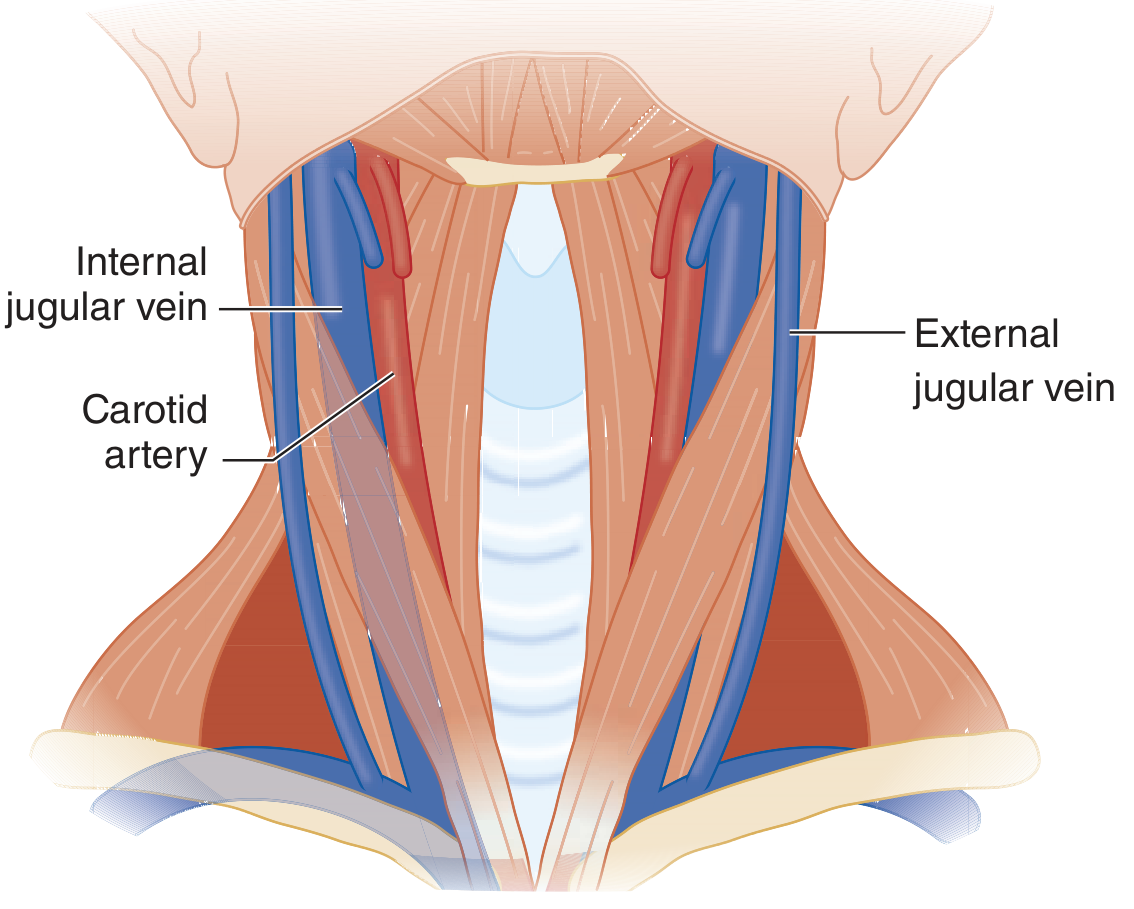
| 1st | Right Internal Jugular (IJ) | Predictable anatomy, high success rate, accessible from head of table, compressible if arterial puncture occurs |
| 2nd | Subclavian | Lowest CRBSI rate per CDC guidelines, best patient comfort, secure dressing; but non-compressible if bleeding, higher pneumothorax risk |
| 3rd | Left Internal Jugular | Less desirable - risk of thoracic duct injury, awkward catheter routing at jugular-subclavian junction |
| 4th | External Jugular | Superficial/peripheral technically, provides central access but valves and angulation reduce success |
| 5th | Femoral | Highest infection rate, ~20% thrombosis rate; avoid for prolonged use; acceptable in emergency |
The CDC/Infection-Based Preference
The CDC recommends subclavian as the preferred site to reduce catheter-related bloodstream infections (CRBSI):
- Subclavian = lowest CRBSI rate
- Internal jugular = intermediate CRBSI rate
- Femoral = highest CRBSI rate (avoid or remove within 72 hours)
However, this must be weighed against clinical context. The subclavian site cannot be manually compressed and has the highest pneumothorax risk, making the IJ preferred in:
- Patients with coagulopathy (bleeding at subclavian site is harder to control)
- Severe acute lung injury / ARDS (cannot afford a pneumothorax)
(Barash Clinical Anesthesia, 9e; Washington Manual of Medical Therapeutics)
Anesthesiologist Preference (OR Setting)
The right IJ is the most common site used by anesthesiologists because:
- Accessible from the head of the operating table
- Predictable anatomy
- High first-attempt success rate in adults and children
- Straight path to the SVC and right atrium
(Barash Clinical Anesthesia, 9e)
Emergency Medicine Preference
In emergencies (e.g., cardiac arrest, trauma):
- IJ is favored over subclavian because arterial bleeding can be compressed and the operator cannot easily access the infraclavicular region during CPR
- Femoral is acceptable for emergency access (does not interrupt resuscitation) but should be replaced early given infection/thrombosis risk
- Subclavian is avoided in coagulopathic trauma patients (non-compressible)
(Roberts and Hedges' Clinical Procedures in Emergency Medicine; Tintinalli's Emergency Medicine)
Pediatric Considerations
In children, physician experience is the primary determinant of site selection. All three sites (IJ, subclavian, femoral) are used. Femoral access may be preferred in critically ill children, and does not appear to carry an increased infection risk compared to the other sites in this population - though catheter thrombosis and dislodgement are more common.
(Barash Clinical Anesthesia, 9e)
Summary Table: Site-Specific Complications
| Site | Pneumothorax | Arterial Puncture | Infection | Thrombosis | Compressible |
|---|---|---|---|---|---|
| Subclavian | Highest | Low | Lowest | Low | No |
| Internal Jugular | Low | Moderate (carotid) | Intermediate | Low | Yes |
| Femoral | None | Low | Highest | ~20% | Yes |
Key Principle
Site selection should be individualized based on:
- Operator experience (most important factor for complications)
- Clinical context (coagulopathy, respiratory status, emergent vs. elective)
- Ultrasound guidance - now strongly recommended by all relevant professional societies for IJ and subclavian access, as it reduces mechanical complications and improves first-attempt success
This is a shared conversation. Sign in to Orris to start your own chat.