
Social determinants of health and its impact on community well being
social determinants of health impact community wellbeing WHO framework 2025
"social determinants of health" AND "community health"
social determinants of health framework diagram WHO
social determinants health poverty education housing community
Social Determinants of Health (SDOH) and Their Impact on Community Well-being
Definition
The Five Key Domains of SDOH
| Domain | Examples |
|---|---|
| 1. Economic Stability | Poverty, food insufficiency, unemployment |
| 2. Education Access & Quality | High school graduation, early childhood education, health literacy |
| 3. Social & Community Context | Immigration status, social support, discrimination, racism |
| 4. Health & Healthcare | Insurance status, access to providers, healthcare quality |
| 5. Neighborhood & Built Environment | Crime, housing quality, environmental pollution, green space |
Multi-Level Framework
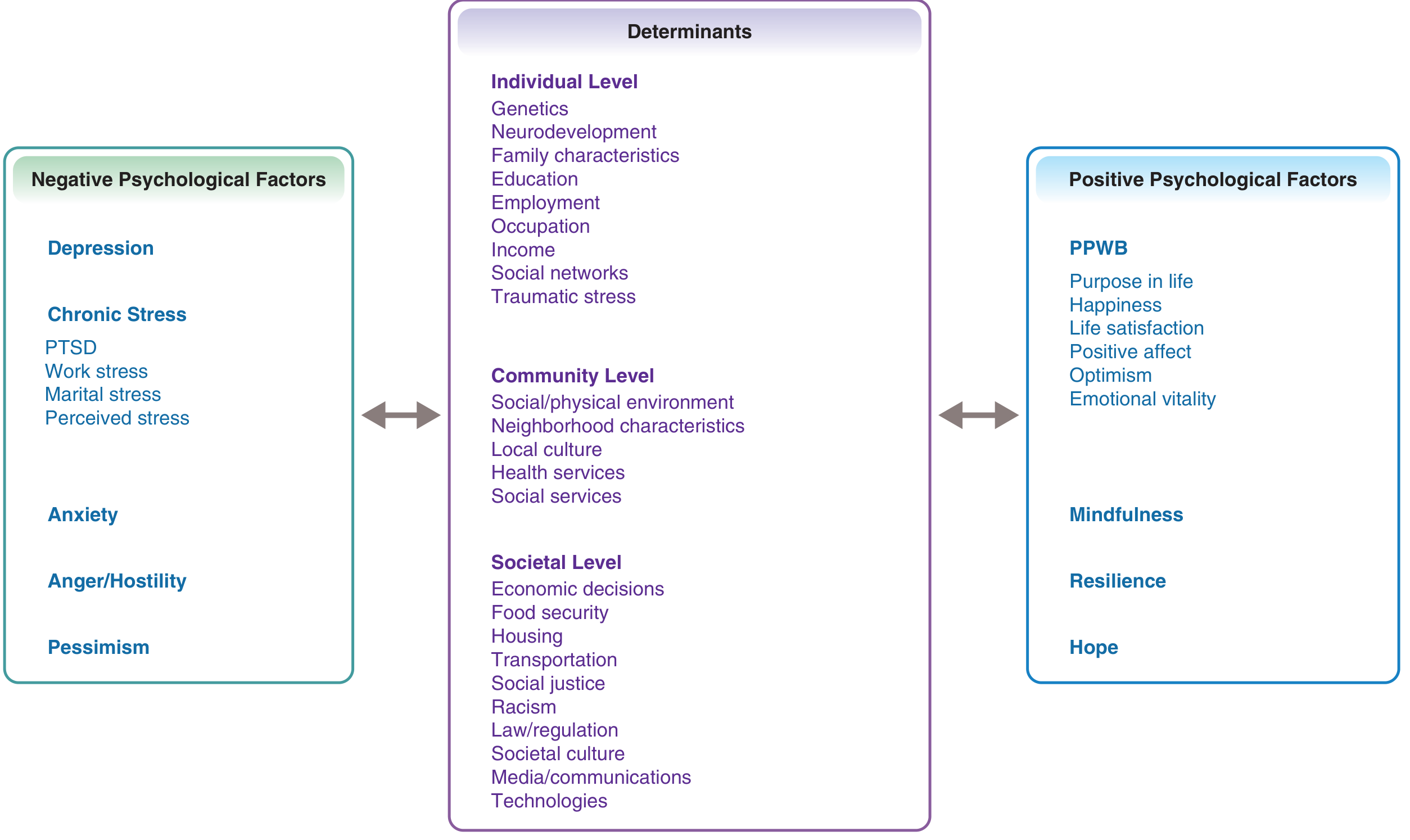
Impact on Specific Health Outcomes
Cardiovascular Disease
Mental Health
-
Poverty initiates and perpetuates mental disorders
-
Unemployment is both a risk factor for and potential consequence of mental illness
-
Food and housing insecurity are associated with childhood depression, anxiety, and behavioral problems
-
Adverse Childhood Experiences (ACEs) - including abuse, household substance use, incarceration, and domestic violence - have lifelong physical and mental health consequences
-
Kaplan & Sadock's Comprehensive Textbook of Psychiatry
Children and Developmental Outcomes
Structural Racism and Health Disparities
-
Health system complexity - Difficulty navigating systems disproportionately affects minorities, those with limited English proficiency, and those with low health literacy
-
Geographic concentration of disadvantage - States with the highest Social Vulnerability Index (SVI) have higher rates of hypertension, diabetes, CKD, and atherosclerotic cardiovascular disease, with a graded increase in mortality from cancer and CVD in counties with the worst SVI
-
Provider-patient communication barriers - 19% of all patients experience communication problems; this rises to 33% for Hispanic/Latino patients and 27% for Asian Americans - leading to medication errors, lack of informed consent, adverse events, and worse outcomes
-
Clinical decision-making - Implicit bias and clinical uncertainty contribute to racial/ethnic disparities in care
-
Harrison's Principles of Internal Medicine, 22nd Edition (2025)
The 2025 WHO World Report Update
- Social injustice continues to kill on a grand scale in both high- and low-income countries
- Preventable life expectancy gaps are worsening across social groups, sometimes by decades
- The report calls for universal public services funded through progressive taxation, health taxes (alcohol, tobacco, sugary beverages), and redistributive policies
- Global financial reforms - including international tax cooperation and sovereign debt mechanisms - are needed to expand countries' fiscal space for health investment
Pathways from SDOH to Community Health Outcomes
Upstream (structural) SDOH
    ↓
Political/economic context → Income inequality, labor markets, welfare systems
    ↓
Social position → Education, occupation, income, gender, ethnicity
    ↓
Intermediary determinants → Living conditions, work environment, behavioral factors, biological factors
    ↓
Health outcomes → Morbidity, mortality, disability, well-being
- Location-based economic factors → housing quality → chronic disease exposure
- Economic deprivation → poor health literacy → unhealthy behaviors
- Social exclusion → chronic stress → hypothalamic-pituitary-adrenal axis dysregulation → cardiovascular and metabolic disease
- Food insecurity → nutritional deficiency → impaired child development and academic performance
Intersectoral Action: Addressing SDOH
- Economic interventions - Cash transfers, living wages, poverty reduction programs
- Housing - Stable, safe housing reduces stress burden and exposure to environmental hazards
- Education - Early childhood education has documented long-term health returns
- Community health workers - Bridge clinical care and social services
- Legal advocacy and policy change - Addressing child poverty, food insecurity, emergency housing
- Data stratification - Health systems should stratify quality data by race/ethnicity/language to identify and act on disparities
Summary
- Harrison's Principles of Internal Medicine, 22nd Edition (2025)
- Fuster and Hurst's The Heart, 15th Edition
- Kaplan & Sadock's Comprehensive Textbook of Psychiatry
- Harriet Lane Handbook, Johns Hopkins Hospital, 23rd Edition
- WHO World Report on Social Determinants of Health Equity, 2025
- Systematic Review: Impact of SDOH on Hypertension Outcomes [PMID: 38887955]
- Systematic Review: Neighborhood Social Capital and Health [PMID: 38639208]
Give the answer from Park's Textbook of Social and Preventive Medicine
Social Determinants of Health and Community Well-being
From Park's Textbook of Preventive and Social Medicine
Foundational Concept
"Health is multifactorial. The factors which influence health lie both within the individual and externally in the society in which he or she lives... what man is and to what diseases he may fall victim depends on a combination of two sets of factors - his genetic factors and the environmental factors to which he is exposed. These interactions may be health-promoting or deleterious. Thus, conceptually, the health of individuals and whole communities may be considered to be the result of many interactions."
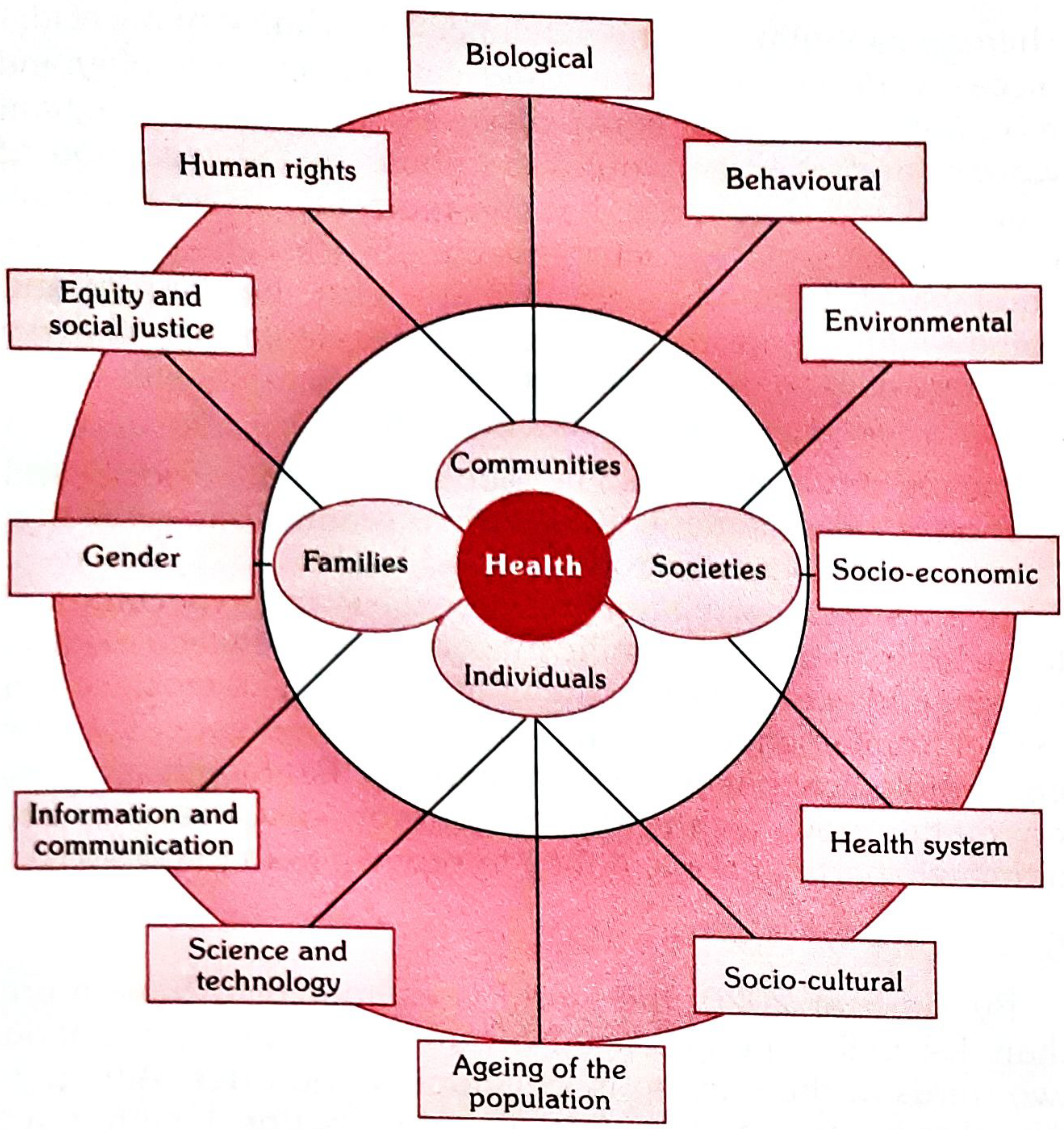
The Major Determinants of Health (Park's Classification)
1. Biological Determinants
"'Positive health' advocated by WHO implies that a person should be able to express as completely as possible the potentialities of his genetic heritage. This is possible only when the person is allowed to live in healthy relationship with his environment - an environment that transforms genetic potentialities into phenotypic realities."
2. Behavioural and Socio-cultural Conditions (Lifestyle)
"The term 'lifestyle' is rather a diffuse concept often used to denote 'the way people live', reflecting a whole range of social values, attitudes and activities. It is composed of cultural and behavioural patterns and lifelong personal habits (e.g., smoking, alcoholism) that have developed through processes of socialization. Lifestyles are learnt through social interaction with parents, peer groups, friends and siblings and through school and mass media."
- Many current-day health problems in developed countries (coronary heart disease, obesity, lung cancer, drug addiction) are associated with lifestyle changes.
- In developing countries like India where traditional lifestyles persist, risks are linked to lack of sanitation, poor nutrition, personal hygiene, and cultural patterns.
- Not all lifestyle factors are harmful - adequate nutrition, sufficient sleep, and physical activity promote health.
- "Health is both a consequence of an individual's lifestyle and a factor in determining it."
3. Environment
- Physical environment - climate, geography, water, soil
- Biological environment - microorganisms, vectors, plants, animals
- Psychosocial environment - human relationships, social norms, cultural patterns
"It is an established fact that environment has a direct impact on the physical, mental and social well-being of those living in it."
4. Socio-economic Conditions (CORE SDOH in Park's)
"For the majority of the world's people, health status is determined primarily by their level of socio-economic development, e.g., per capita GNP, education, nutrition, employment, housing, the political system of the country."
(i) Economic Status
- Per capita GNP is the most widely accepted measure of general economic performance.
- Economic status determines purchasing power, standard of living, quality of life, family size, and the pattern of disease and deviant behaviour in the community.
- It is also an important factor in seeking health care.
- Notably: "Affluence may also be a contributory cause of illness as exemplified by the high rates of coronary heart disease, diabetes and obesity in the upper socio-economic groups."
| Country | Per Capita GNI (PPP US$, 2019) | Life Expectancy at Birth (2018) | IMR (2018) |
|---|---|---|---|
| Nepal | 3,610 | 70.0 | 27 |
| India | 6,920 | 69.0 | 30 |
| Sri Lanka | 13,260 | 77.0 | 6 |
| Maldives | 18,380 | 79.0 | 7 |
| Thailand | 18,570 | 77.0 | 8 |
(ii) Education
"The world map of illiteracy closely coincides with the maps of poverty, malnutrition, ill-health, high infant and child mortality rates. Studies indicate that education, to some extent, compensates the effects of poverty on health, irrespective of the availability of health facilities."
- The Kerala example: Kerala's estimated IMR of 10 (vs 34 for all-India in 2016) is attributed largely to its high female literacy rate of 97.9% (vs 68.4% all-India). This is one of the most cited SDOH examples in Park's.
- Female education is specifically highlighted as a "second major factor influencing health status."
(iii) Occupation
"The very state of being employed in productive work promotes health, because the unemployed usually show a higher incidence of ill-health and death. For many, loss of work may mean loss of income and status. It can cause psychological and social damage."
(iv) Political System
"Health is also related to the country's political system. Often the main obstacles to the implementation of health technologies are not technical, but rather political."
- Decisions on resource allocation, manpower policy, and accessibility of health services are shaped by the political system.
- The WHO target is at least 5% of GNP on health care; India spends approximately 1% of GNP on health and family welfare.
- "If poor health patterns are to be changed, then changes must be made in the entire socio-political system in any given community. Social, economic and political actions are required to eliminate health hazards in people's working and living environments."
5. Health Services
"The term health and family welfare services cover a wide spectrum of personal and community services for treatment of disease, prevention of illness and promotion of health."
- "Health care does not produce good health." (a direct quote he uses)
- There is a strong correlation between GNP and life expectancy at birth, but no significant correlation between medical density and life expectancy.
- Health services are essential but must be embedded within broader social development.
6. Ageing of the Population
7. Gender
8. Other Factors
- Information and communication technologies - enabling access to medical knowledge
- Intersectoral systems - food and agriculture, education, industry, social welfare, rural development
- "Medicine is not the sole contributor to the health and well-being of population. The potential of intersectoral contributions to the health of communities is increasingly recognized."
Poverty: The Greatest Single Threat
"Poverty wields its destructive influence at every stage of human life from the moment of conception to the grave. Poverty is the main reason why babies are not vaccinated, clean water and sanitation are not provided, and curative drugs and other treatments are unavailable. It is the main cause of low life expectancy, low birth weight babies, higher maternal mortality, handicap and disability, mental illness, stress, suicide, family disintegration and substance abuse."
"The poor die younger and suffer more from disability. They are exposed to greater risk from unhealthy conditions at home and at work. Malnutrition and the legacy of past illness mean that they are more likely to fall ill and slower to recover, especially if they have little access to health care. When a family's breadwinner becomes ill, other members of the household may at first cope by working harder themselves and by reducing consumption, even of food. Both adjustments can harm health of the whole family."
"The fundamental conditions and resources for health are peace, shelter, education, social security, social relations, food, income, the empowerment of women, a stable ecosystem, sustainable resource use, social justice, respect for human rights, and equity. Above all, poverty is the greatest threat to health."
Social Medicine: The Intellectual Foundation
- The term was introduced by Jules Guerin, a French physician, in 1848.
- In 1911, Alfred Grotjahn of Berlin revived it, stressing social factors as determinants of health and disease.
- Professor Crew of Edinburgh defined it as: "Social medicine stands upon two pillars, medicine and sociology... The laboratory to practice social medicine is the whole community; the tools for diagnosing community ills are epidemiology and biostatistics; and social therapy does not consist in administration of drugs, but social and political action for the betterment of conditions of life of man."
Community Health and SDOH
"Tuberculosis is a social disease with medical aspects... The social factors include poor quality of life, poor housing and overcrowding, population explosion, undernutrition, smoking, alcohol abuse, lack of education, large families, early marriages, lack of awareness. Tuberculosis began to decline in the western world long before the advent of chemotherapeutic drugs - attributed to improvements in the quality of life."
Health Promotion and the Ottawa Charter
- Build healthy public policy
- Create supportive environments for health
- Strengthen community action for health
- Develop personal skills
- Re-orient health services
Summary Table (Park's SDOH Framework)
| Determinant | Key Health Impact |
|---|---|
| Poverty / Low income | Low life expectancy, high IMR, malnutrition, disease burden |
| Education (esp. female) | Reduces infant/maternal mortality; compensates for poverty |
| Occupation / Employment | Unemployment raises morbidity and mortality |
| Political system | Shapes resource allocation and access to care |
| Environment | Physical, biological, psychosocial components all affect health |
| Lifestyle/Behaviour | Smoking, diet, physical activity, sanitation habits |
| Health services | Access matters, but alone insufficient for good health |
| Gender | Female education and empowerment are critical health drivers |
| Ageing | Rising chronic disease burden |
| Equity and social justice | Inequity itself is a determinant of population health |
Create a summary document on Park's SDOH framework
What format should the summary document be in?
ls -la /tmp/workspace/ 2>/dev/null && mkdir -p /tmp/workspace/parks-sdoh && echo "Directory ready"
~/parks-sdoh/generate_pdf.py
from reportlab.lib.pagesizes import A4
from reportlab.lib.styles import getSampleStyleSheet, ParagraphStyle
from reportlab.lib.units import cm
from reportlab.lib import colors
from reportlab.platypus import (
SimpleDocTemplate, Paragraph, Spacer, Table, TableStyle,
HRFlowable, PageBreak
)
from reportlab.lib.enums import TA_LEFT, TA_CENTER, TA_JUSTIFY
OUTPUT = "/tmp/workspace/parks-sdoh/Parks_SDOH_Framework_Summary.pdf"
# ── Colour palette ─────────────────────────────────────────────────────────
DARK_RED = colors.HexColor("#8B1A1A")
MID_RED = colors.HexColor("#C0392B")
LIGHT_PINK = colors.HexColor("#FDECEA")
DARK_GREY = colors.HexColor("#2C2C2C")
MID_GREY = colors.HexColor("#555555")
LIGHT_GREY = colors.HexColor("#F5F5F5")
WHITE = colors.white
# ── Document ────────────────────────────────────────────────────────────────
doc = SimpleDocTemplate(
OUTPUT,
pagesize=A4,
leftMargin=2*cm, rightMargin=2*cm,
topMargin=2.2*cm, bottomMargin=2.2*cm,
title="Park's SDOH Framework - Summary",
author="Park's Textbook of Preventive and Social Medicine",
)
# ── Styles ──────────────────────────────────────────────────────────────────
base = getSampleStyleSheet()
def S(name, **kw):
return ParagraphStyle(name, **kw)
sTitle = S("sTitle",
fontName="Helvetica-Bold", fontSize=22,
textColor=WHITE, alignment=TA_CENTER,
leading=28, spaceAfter=4)
sSubtitle = S("sSubtitle",
fontName="Helvetica", fontSize=12,
textColor=colors.HexColor("#FADADD"), alignment=TA_CENTER,
leading=16, spaceAfter=2)
sSource = S("sSource",
fontName="Helvetica-Oblique", fontSize=9,
textColor=colors.HexColor("#FADADD"), alignment=TA_CENTER,
leading=13)
sSectionHead = S("sSectionHead",
fontName="Helvetica-Bold", fontSize=13,
textColor=WHITE, alignment=TA_LEFT,
leading=17, leftIndent=6)
sSubHead = S("sSubHead",
fontName="Helvetica-Bold", fontSize=10.5,
textColor=DARK_RED, alignment=TA_LEFT,
leading=14, spaceBefore=6, spaceAfter=2)
sBody = S("sBody",
fontName="Helvetica", fontSize=9.5,
textColor=DARK_GREY, alignment=TA_JUSTIFY,
leading=14, spaceAfter=4)
sQuote = S("sQuote",
fontName="Helvetica-Oblique", fontSize=9,
textColor=colors.HexColor("#5D0000"),
leftIndent=14, rightIndent=14,
leading=13, spaceBefore=4, spaceAfter=6,
backColor=LIGHT_PINK,
borderPad=6)
sBullet = S("sBullet",
fontName="Helvetica", fontSize=9.5,
textColor=DARK_GREY,
leftIndent=16, bulletIndent=6,
leading=13, spaceAfter=2)
sFooter = S("sFooter",
fontName="Helvetica-Oblique", fontSize=7.5,
textColor=MID_GREY, alignment=TA_CENTER)
sTableHead = S("sTableHead",
fontName="Helvetica-Bold", fontSize=9,
textColor=WHITE, alignment=TA_CENTER, leading=12)
sTableCell = S("sTableCell",
fontName="Helvetica", fontSize=8.5,
textColor=DARK_GREY, alignment=TA_LEFT, leading=12)
# ── Helper flowables ─────────────────────────────────────────────────────────
def section_header(text):
"""Coloured banner for each section."""
tbl = Table([[Paragraph(text, sSectionHead)]], colWidths=[17*cm])
tbl.setStyle(TableStyle([
("BACKGROUND", (0,0), (-1,-1), DARK_RED),
("ROUNDEDCORNERS", [4]),
("TOPPADDING", (0,0), (-1,-1), 5),
("BOTTOMPADDING",(0,0),(-1,-1), 5),
("LEFTPADDING", (0,0), (-1,-1), 8),
]))
return tbl
def bullet(text):
return Paragraph(f"<bullet>\u2022</bullet> {text}", sBullet)
def sp(h=0.25):
return Spacer(1, h*cm)
def hr():
return HRFlowable(width="100%", thickness=0.5, color=colors.HexColor("#DDDDDD"), spaceAfter=4)
# ── Cover banner ─────────────────────────────────────────────────────────────
def cover_banner():
banner_data = [[
Paragraph("Social Determinants of Health", sTitle),
Paragraph("Park's Textbook of Preventive & Social Medicine", sSubtitle),
Paragraph("Framework Summary Document", sSource),
]]
tbl = Table(banner_data, colWidths=[17*cm])
tbl.setStyle(TableStyle([
("BACKGROUND", (0,0), (-1,-1), DARK_RED),
("ROUNDEDCORNERS",[6]),
("TOPPADDING", (0,0), (-1,-1), 18),
("BOTTOMPADDING", (0,0), (-1,-1), 18),
("ALIGN", (0,0), (-1,-1), "CENTER"),
("VALIGN", (0,0), (-1,-1), "MIDDLE"),
]))
return tbl
# ── Build story ──────────────────────────────────────────────────────────────
story = []
# -- Cover
story.append(cover_banner())
story.append(sp(0.5))
# -- Definition box
def_para = Paragraph(
"<b>WHO Definition:</b> Social determinants of health are <i>\"the conditions in which people "
"are born, grow, work, live, and age, and the wider set of forces and systems shaping the "
"conditions of daily life.\"</i> These circumstances are shaped by the distribution of money, "
"power, and resources at global, national, and local levels.",
sQuote)
story.append(def_para)
story.append(sp(0.3))
story.append(Paragraph(
"Park's textbook frames health as <b>multifactorial</b>: what a person is and to what diseases "
"they may fall victim depends on a combination of <b>genetic factors</b> and <b>environmental "
"factors</b>. Health of individuals and whole communities results from multiple interactions "
"across biological, behavioural, socio-economic, and structural domains.",
sBody))
story.append(sp(0.4))
# ════════════════════════════════════════════════════════════════════════════
# SECTION 1 - THE 8 DETERMINANTS
# ════════════════════════════════════════════════════════════════════════════
story.append(section_header("The Eight Determinants of Health (Park's Framework)"))
story.append(sp(0.2))
dets = [
("1. Biological Determinants",
"Genetic make-up at conception determines physical and mental traits. "
"Genetic diseases include chromosomal anomalies, errors of metabolism, mental retardation, "
"and some types of diabetes. WHO's concept of 'positive health' implies a person should "
"express the full potentialities of their genetic heritage through a healthy environment."),
("2. Behavioural and Socio-cultural Conditions (Lifestyle)",
"Lifestyle - cultural and behavioural patterns and lifelong personal habits (smoking, "
"alcoholism) - is learnt through socialization with family, peers, and mass media. "
"In developed countries: coronary heart disease, obesity, lung cancer, drug addiction are "
"lifestyle-linked. In India: risks relate to poor sanitation, nutrition, and cultural patterns. "
"\"Health is both a consequence of an individual's lifestyle and a factor in determining it.\""),
("3. Environment",
"Hippocrates first related disease to environment (climate, water, air). The external "
"macro-environment includes physical (climate, geography), biological (microorganisms, "
"vectors), and psychosocial (relationships, norms, culture) components. "
"\"It is an established fact that environment has a direct impact on the physical, "
"mental and social well-being of those living in it.\""),
("4. Socio-economic Conditions",
"For the majority of the world's people, health status is determined primarily by "
"socio-economic development: per capita GNP, education, nutrition, employment, housing, "
"and the political system. The four key sub-determinants are: "
"(i) Economic status, (ii) Education, (iii) Occupation, and (iv) Political system."),
("5. Health Services",
"Health and family welfare services cover treatment, prevention, and promotion. "
"Important caveat: \"Health care does not produce good health.\" "
"There is a strong correlation between GNP and life expectancy, but NO significant "
"correlation between medical density and life expectancy. "
"Health services must be embedded within broader social development."),
("6. Ageing of the Population",
"Rapid population ageing leads to increased prevalence of chronic diseases and disabilities. "
"By 2020, over 1.4 billion people aged 60+ were estimated globally, two-thirds in "
"developing countries. This demands special attention in health planning."),
("7. Gender",
"Women's health is a distinct determinant. The Global Commission on Women's Health (1993) "
"highlighted nutrition, reproductive health, violence, ageing, lifestyle, and occupational "
"environment. Female education and empowerment are specifically recognised as critical "
"health drivers (the Kerala example: 97.9% female literacy → IMR of 10 vs national 34)."),
("8. Other Factors",
"Information and communication technologies enable access to medical knowledge. "
"Intersectoral systems - food, agriculture, education, industry, social welfare, rural "
"development - contribute significantly to population health. "
"\"Medicine is not the sole contributor to the health and well-being of population.\""),
]
for title, desc in dets:
story.append(Paragraph(title, sSubHead))
story.append(Paragraph(desc, sBody))
story.append(hr())
story.append(sp(0.2))
# ════════════════════════════════════════════════════════════════════════════
# SECTION 2 - SOCIO-ECONOMIC CONDITIONS (DEEP DIVE)
# ════════════════════════════════════════════════════════════════════════════
story.append(section_header("Socio-economic Conditions: Deep Dive"))
story.append(sp(0.2))
# Economic status
story.append(Paragraph("(i) Economic Status", sSubHead))
story.append(Paragraph(
"Per capita GNP is the most widely accepted measure of economic performance. "
"Economic status determines purchasing power, standard of living, quality of life, family size, "
"and patterns of disease. Ironically, <b>affluence also causes illness</b> - "
"higher rates of coronary heart disease, diabetes and obesity in upper socio-economic groups.",
sBody))
# Kerala example
story.append(Paragraph("(ii) Education - The Kerala Example", sSubHead))
story.append(Paragraph(
"\"The world map of illiteracy closely coincides with the maps of poverty, malnutrition, "
"ill-health, high infant and child mortality rates.\" Education compensates for poverty "
"even without abundant health facilities.",
sBody))
story.append(Paragraph(
"Kerala's IMR of <b>10</b> (vs all-India <b>34</b>, 2016) is attributed to its "
"female literacy rate of <b>97.9%</b> (vs national 68.4%). "
"This is Park's most cited SDOH example.",
sBody))
# GNP vs Life expectancy table
story.append(sp(0.2))
story.append(Paragraph("Income vs. Health Outcomes - SEAR Countries (2018)", sSubHead))
table_data = [
[Paragraph("Country", sTableHead),
Paragraph("Per Capita GNI PPP (USD, 2019)", sTableHead),
Paragraph("Life Expectancy at Birth", sTableHead),
Paragraph("Infant Mortality Rate", sTableHead)],
["Nepal", "3,610", "70.0", "27"],
["India", "6,920", "69.0", "30"],
["Bangladesh", "5,200", "72.0", "25"],
["Bhutan", "11,230", "71.0", "25"],
["Indonesia", "11,070", "72.0", "21"],
["Myanmar", "5,170", "67.0", "37"],
["Sri Lanka", "13,260", "77.0", "6"],
["Maldives", "18,380", "79.0", "7"],
["Thailand", "18,570", "77.0", "8"],
]
col_w = [3.5*cm, 5*cm, 4.5*cm, 4*cm]
tbl = Table(table_data, colWidths=col_w)
tbl.setStyle(TableStyle([
("BACKGROUND", (0,0), (-1,0), DARK_RED),
("TEXTCOLOR", (0,0), (-1,0), WHITE),
("FONTNAME", (0,0), (-1,0), "Helvetica-Bold"),
("FONTSIZE", (0,0), (-1,-1), 9),
("ALIGN", (1,0), (-1,-1), "CENTER"),
("ALIGN", (0,0), (0,-1), "LEFT"),
("ROWBACKGROUNDS",(0,1),(-1,-1), [WHITE, LIGHT_GREY]),
("GRID", (0,0), (-1,-1), 0.4, colors.HexColor("#CCCCCC")),
("TOPPADDING", (0,0), (-1,-1), 5),
("BOTTOMPADDING",(0,0), (-1,-1), 5),
("LEFTPADDING", (0,0), (-1,-1), 6),
]))
story.append(tbl)
story.append(Paragraph("Source: Park's Textbook (Table 6)", sFooter))
story.append(sp(0.3))
# Occupation & Political system
story.append(Paragraph("(iii) Occupation", sSubHead))
story.append(Paragraph(
"\"The very state of being employed in productive work promotes health, because the unemployed "
"usually show a higher incidence of ill-health and death. For many, loss of work may mean loss "
"of income and status. It can cause psychological and social damage.\"",
sBody))
story.append(Paragraph("(iv) Political System", sSubHead))
story.append(Paragraph(
"\"Often the main obstacles to the implementation of health technologies are not technical, "
"but rather political.\" WHO target: at least <b>5% of GNP on health care</b>. "
"India spends approximately <b>1% of GNP</b> on health. "
"Social, economic and political actions are required to eliminate health hazards in "
"people's working and living environments.",
sBody))
story.append(sp(0.3))
# ════════════════════════════════════════════════════════════════════════════
# SECTION 3 - POVERTY
# ════════════════════════════════════════════════════════════════════════════
story.append(section_header("Poverty: The Greatest Single Threat to Health"))
story.append(sp(0.2))
story.append(Paragraph(
"The Jakarta Declaration (1997) - cited by Park - states: "
"<i>\"Above all, poverty is the greatest threat to health.\"</i>",
sBody))
story.append(Paragraph(
"\"Poverty wields its destructive influence at every stage of human life from the moment of "
"conception to the grave. Poverty is the main reason why babies are not vaccinated, clean water "
"and sanitation are not provided, and curative drugs and other treatments are unavailable.\"",
sQuote))
story.append(Paragraph("Health consequences of poverty (Park):", sSubHead))
for item in [
"Low life expectancy and high infant/maternal mortality",
"Low birth weight babies",
"Higher risk of disability and handicap",
"Mental illness, stress, suicide, family disintegration",
"Substance abuse",
"Higher exposure to unhealthy home and work environments",
"Malnutrition leading to frequent illness and slower recovery",
"When a breadwinner falls ill, family copes by reducing food consumption - harming all members",
]:
story.append(bullet(item))
story.append(sp(0.3))
# ════════════════════════════════════════════════════════════════════════════
# SECTION 4 - COMMUNITY HEALTH & SOCIAL MEDICINE
# ════════════════════════════════════════════════════════════════════════════
story.append(section_header("Social Medicine and Community Health"))
story.append(sp(0.2))
story.append(Paragraph("Origin of Social Medicine", sSubHead))
story.append(Paragraph(
"The term was introduced by <b>Jules Guerin (French physician, 1848)</b>. "
"In <b>1911</b>, Alfred Grotjahn of Berlin revived it, stressing social factors as "
"determinants of health and disease.",
sBody))
story.append(Paragraph(
"Professor Crew of Edinburgh defined it: <i>\"The laboratory to practice social medicine is "
"the whole community; the tools for diagnosing community ills are epidemiology and biostatistics; "
"and social therapy does not consist in administration of drugs, but social and political action "
"for the betterment of conditions of life of man.\"</i>",
sQuote))
story.append(Paragraph("SDOH in Community Diseases: Tuberculosis Example", sSubHead))
story.append(Paragraph(
"\"Tuberculosis is a social disease with medical aspects. Social factors include poor quality "
"of life, poor housing and overcrowding, undernutrition, smoking, alcohol abuse, lack of "
"education, and large families.\" TB began to decline in the western world <b>long before "
"chemotherapeutic drugs</b> - attributed to improvements in quality of life.",
sBody))
story.append(sp(0.3))
# ════════════════════════════════════════════════════════════════════════════
# SECTION 5 - HEALTH PROMOTION (Ottawa Charter)
# ════════════════════════════════════════════════════════════════════════════
story.append(section_header("Health Promotion: Addressing SDOH (Ottawa Charter)"))
story.append(sp(0.2))
story.append(Paragraph(
"Park presents the Ottawa Charter's five action areas as the framework for acting on SDOH:",
sBody))
actions = [
("1. Build Healthy Public Policy",
"Embed health in all policies across all sectors and levels of government."),
("2. Create Supportive Environments for Health",
"Protect the natural and built environments; promote conservation and sustainable resources."),
("3. Strengthen Community Action for Health",
"Empower communities to set priorities, plan, and implement strategies for better health."),
("4. Develop Personal Skills",
"Support personal and social development through education, life skills, and health information."),
("5. Re-orient Health Services",
"Health sector must move beyond clinical care toward health promotion and prevention."),
]
action_data = [[Paragraph(a, ParagraphStyle("ah", fontName="Helvetica-Bold", fontSize=9,
textColor=DARK_RED, leading=12)),
Paragraph(d, ParagraphStyle("ad", fontName="Helvetica", fontSize=9,
textColor=DARK_GREY, leading=12))]
for a, d in actions]
a_tbl = Table(action_data, colWidths=[5.5*cm, 11.5*cm])
a_tbl.setStyle(TableStyle([
("VALIGN", (0,0), (-1,-1), "TOP"),
("ROWBACKGROUNDS",(0,0),(-1,-1), [WHITE, LIGHT_GREY]),
("GRID", (0,0), (-1,-1), 0.3, colors.HexColor("#DDDDDD")),
("TOPPADDING", (0,0), (-1,-1), 5),
("BOTTOMPADDING",(0,0), (-1,-1), 5),
("LEFTPADDING", (0,0), (-1,-1), 7),
]))
story.append(a_tbl)
story.append(sp(0.3))
# ════════════════════════════════════════════════════════════════════════════
# SECTION 6 - SUMMARY TABLE
# ════════════════════════════════════════════════════════════════════════════
story.append(section_header("Quick Reference: SDOH and Health Impact"))
story.append(sp(0.2))
summary_rows = [
[Paragraph("Determinant", sTableHead),
Paragraph("Key Health Impact", sTableHead),
Paragraph("Community Well-being Effect", sTableHead)],
["Poverty / Low income",
"Low life expectancy, high IMR, malnutrition",
"Disease burden, family disintegration, substance abuse"],
["Education (esp. female)",
"Reduces infant & maternal mortality",
"Compensates for poverty; improves health-seeking behaviour"],
["Occupation / Employment",
"Unemployment raises morbidity & mortality",
"Psychological and social damage on job loss"],
["Political system",
"Shapes resource allocation & access",
"Political will determines health spending and equity"],
["Environment",
"Physical, biological & psychosocial exposures",
"Unsafe environments drive infectious & chronic disease"],
["Lifestyle / Behaviour",
"Smoking, diet, physical activity, sanitation",
"Culturally driven patterns across communities"],
["Health services",
"Access to care reduces avoidable deaths",
"Alone insufficient; must pair with social action"],
["Gender",
"Female education critical for child health",
"Empowerment of women improves community health outcomes"],
["Ageing",
"Rising chronic disease and disability burden",
"Demands long-term planning and social support systems"],
["Equity & social justice",
"Inequity itself is a determinant",
"Health gaps widen without redistributive policy"],
]
s_col_w = [4*cm, 6.5*cm, 6.5*cm]
s_tbl = Table(summary_rows, colWidths=s_col_w)
s_tbl.setStyle(TableStyle([
("BACKGROUND", (0,0), (-1,0), DARK_RED),
("TEXTCOLOR", (0,0), (-1,0), WHITE),
("FONTNAME", (0,0), (-1,0), "Helvetica-Bold"),
("FONTSIZE", (0,0), (-1,-1), 8.5),
("ROWBACKGROUNDS",(0,1), (-1,-1), [WHITE, LIGHT_GREY]),
("GRID", (0,0), (-1,-1), 0.4, colors.HexColor("#CCCCCC")),
("VALIGN", (0,0), (-1,-1), "TOP"),
("TOPPADDING", (0,0), (-1,-1), 5),
("BOTTOMPADDING", (0,0), (-1,-1), 5),
("LEFTPADDING", (0,0), (-1,-1), 5),
("FONTNAME", (0,1), (0,-1), "Helvetica-Bold"),
("TEXTCOLOR", (0,1), (0,-1), DARK_RED),
]))
story.append(s_tbl)
story.append(sp(0.5))
# ── Footer note ──────────────────────────────────────────────────────────────
story.append(HRFlowable(width="100%", thickness=1, color=DARK_RED, spaceAfter=6))
story.append(Paragraph(
"Source: Park's Textbook of Preventive and Social Medicine (ISBN 9789382219163) | "
"Compiled by Orris AI | August 2026",
sFooter))
# ── Build ─────────────────────────────────────────────────────────────────────
doc.build(story)
print(f"PDF saved to: {OUTPUT}")
cd /tmp/workspace/parks-sdoh && python generate_pdf.py 2>&1
ls -lh /tmp/workspace/parks-sdoh/Parks_SDOH_Framework_Summary.pdf
Parks SDOH Framework Summary
PDF Document · PDF
| Section | Contents |
|---|---|
| Cover Banner | Title, subtitle, source attribution |
| Definition | WHO definition as cited in Park's |
| 8 Determinants | All eight determinants with Park's exact descriptions |
| Socio-economic Deep Dive | Economic status, Education (Kerala example), Occupation, Political system |
| SEAR Income-Health Table | Per capita GNI vs. life expectancy vs. IMR for 9 countries |
| Poverty Section | Park's full narrative on poverty as the "greatest threat to health" |
| Social Medicine | History from Jules Guerin (1848) to Alfred Grotjahn to Professor Crew's definition |
| Ottawa Charter | 5 action areas for addressing SDOH |
| Quick Reference Table | All 10+ determinants with their health and community well-being impacts |