
Explain the complete histology of organs associated with the digestive system
Reading File
This is a broad, visual histology topic. I'll follow the three-layer search + image retrieval protocol. Let me search across all relevant digestive system organs in parallel.
Finding Sources
Finding Sources
Finding Sources
Good - there's a dedicated histology specialty. Let me find those books and search for digestive system histology content.
Finding Sources
Finding Sources
Let me explore the table of contents of both histology books to find digestive system chapters.
Finding Sources
Finding Sources
I need to see more headings to find the digestive system chapters.
Finding Sources
Finding Sources
Excellent! I found the exact blocks. Now let me read all the key digestive histology content in parallel from both books.
Reading File
Reading File
Reading File
Reading File
Good content starting to appear. Let me read further into the detailed histology chapters from both books simultaneously.
Reading File
Reading File
Reading File
Excellent content. Now let me read the stomach and intestine sections from Wheater's and the accessory organs (liver, pancreas, gallbladder) from both books.
Reading File
Reading File
I have rich content. Let me now fetch key images and read the accessory organ sections (liver, pancreas, gallbladder).
Reading File
Loading Image
Loading Image
Excellent images retrieved. Now let me read the accessory organs (liver, pancreas, gallbladder) content and fetch key microscopic images.
Finding Sources
Loading Image
Loading Image
Now let me read the liver, gallbladder, and pancreas sections in parallel and fetch their images.
Reading File
Reading File
Reading File
Excellent. Now let me fetch a few more key histological images for the stomach, liver, and pancreas.
Loading Image
Loading Image
Loading Image
I now have comprehensive content from both histology textbooks and excellent images. Let me now write the complete answer.# Histology of the Digestive System - Complete Guide
Sources: Wheater's Functional Histology (9781975181512) and Junqueira's Basic Histology, 17e (9781264930395)
Overview
The digestive system consists of the alimentary canal (oral cavity → esophagus → stomach → small intestine → large intestine → anus) and its accessory organs (salivary glands, liver, gallbladder, and pancreas).
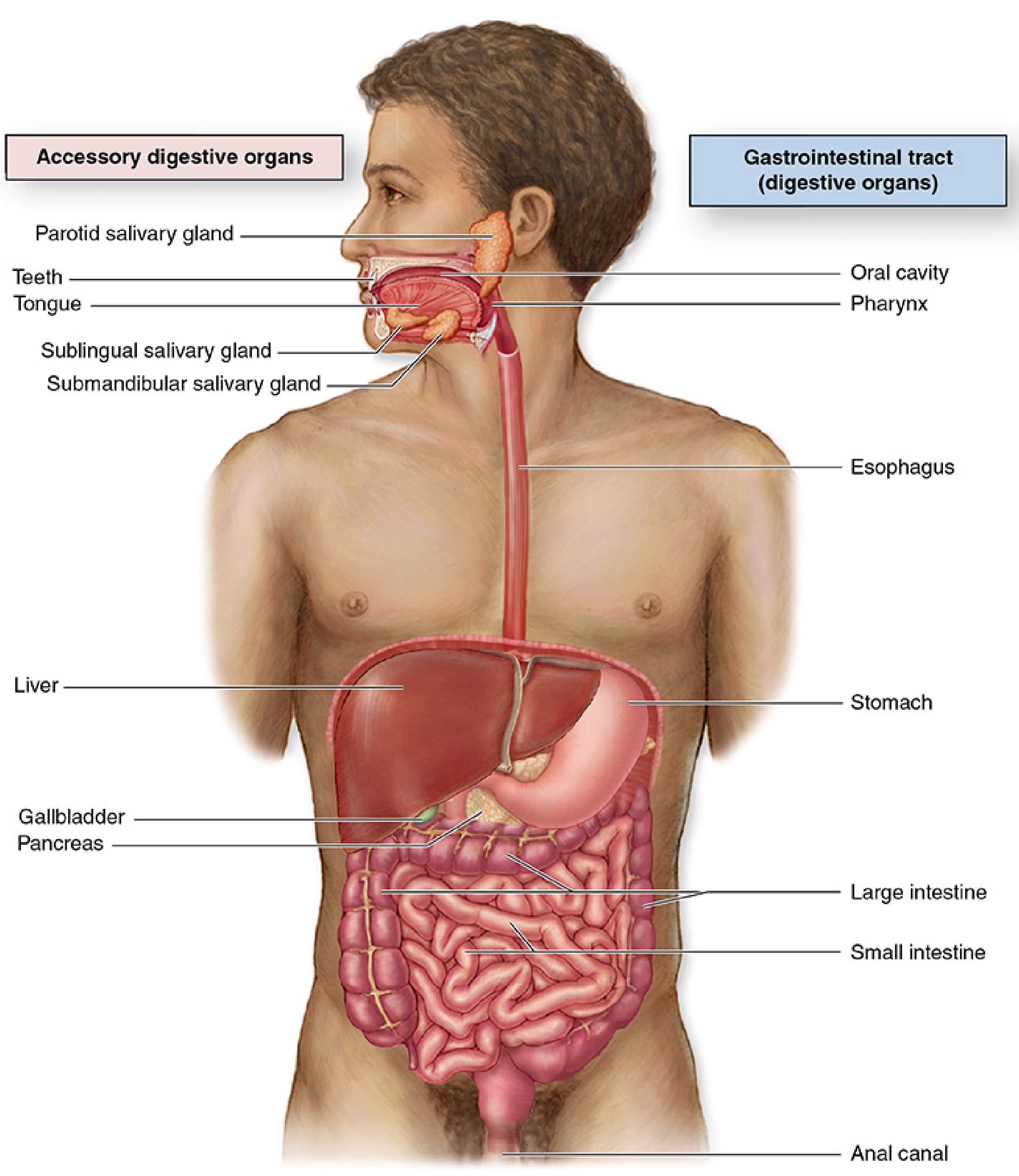
General Wall Structure of the Alimentary Canal
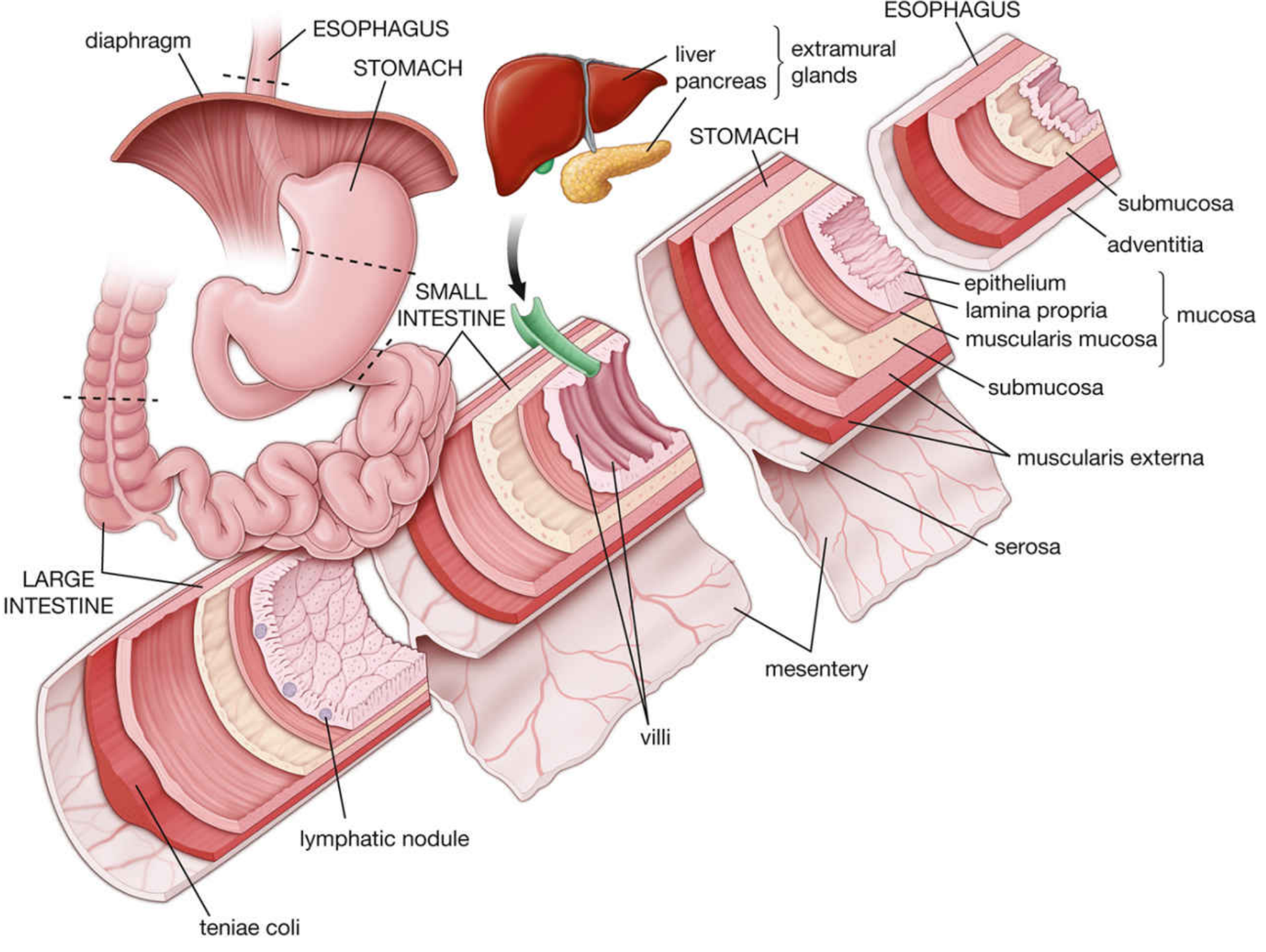
From lumen outward, the GI tract is organized into four layers throughout its length:
| Layer | Composition | Function |
|---|---|---|
| Mucosa | Epithelium + lamina propria + muscularis mucosae | Protection, absorption, secretion |
| Submucosa | Dense irregular connective tissue, vessels, nerves (Meissner's plexus) | Support, nutrient transport |
| Muscularis externa | Inner circular + outer longitudinal smooth muscle (Auerbach's plexus between layers) | Peristalsis and segmentation |
| Serosa / Adventitia | Mesothelium + connective tissue (serosa); or connective tissue only (adventitia where fixed to body wall) | Outer covering |
Three major surface-area amplifications in the small intestine increase absorptive capacity:
- Plicae circulares - circumferential submucosal folds
- Villi - mucosal projections
- Microvilli - apical membrane projections forming the brush border (glycocalyx)
1. Oral Cavity
Oral Mucosa
Three types of oral mucosal lining:
- Masticatory mucosa (gingiva, hard palate): keratinized or parakeratinized stratified squamous epithelium - resists mechanical abrasion during chewing
- Lining mucosa (lips, cheeks, soft palate, floor of mouth): non-keratinized stratified squamous epithelium - flexible and distensible
- Specialized mucosa (dorsum of tongue): modified for taste sensation
Tongue
The tongue consists primarily of interlacing bundles of skeletal muscle running in three perpendicular planes, allowing precise movement. The dorsal surface is covered by specialized mucosa with four types of papillae:
| Papilla | Location | Histology | Taste Buds |
|---|---|---|---|
| Filiform | Entire dorsum | Conical, keratinized projections; most numerous | None |
| Fungiform | Tip and lateral edges | Mushroom-shaped, non-keratinized | Yes (few) |
| Circumvallate (vallate) | V-shaped row, posterior | Large, surrounded by a moat; serous glands of von Ebner drain into moat | Yes (many, lateral walls of moat) |
| Foliate | Lateral margins | Leaf-like folds | Yes |
Taste buds are ovoid neuroepithelial structures embedded in the epithelium. They contain three cell types: type I (dark/supporting), type II (light/receptor), and type III (intermediate). Taste receptor cells have microvilli projecting through a taste pore and synapse with cranial nerve fibers (VII, IX, X).
Teeth
Enamel - hardest substance in the body, produced by ameloblasts (from oral ectoderm). It is ~96% hydroxyapatite. Enamel rods (prisms) run from the dentinoenamel junction to the tooth surface. Ameloblasts are lost after eruption, making enamel permanently non-renewable.
Dentin - forms the bulk of the tooth. Produced by odontoblasts (from neural crest-derived mesenchyme). Contains ~70% hydroxyapatite. Odontoblastic processes extend through dentinal tubules. Predentin is the unmineralized matrix immediately adjacent to the odontoblasts.
Cementum - thin mineralized layer covering the root, similar to bone but avascular. Produced by cementoblasts. Anchors the periodontal ligament fibers.
Dental pulp - loose connective tissue filling the central pulp cavity. Contains blood vessels, nerves, fibroblasts, and odontoblasts lining the periphery. Highly innervated - responsible for pain sensation.
Periodontium (supporting tissues): periodontal ligament (dense fibrous connective tissue inserting as Sharpey's fibers into both cementum and alveolar bone), alveolar bone, and gingiva.
2. Salivary Glands
Three major paired glands produce saliva. All consist of secretory acini draining through a duct system.
Secretory Units
Serous acini - pyramidal cells with round basal nuclei, abundant rER, apical zymogen granules containing digestive enzymes (amylase, lipase). PAS-negative.
Mucous acini - cells with flattened basal nuclei, pale cytoplasm packed with mucin granules. PAS-positive. Capped by serous demilunes (serous cells in mucous glands).
Myoepithelial cells surround acini and intercalated ducts; their contraction aids secretion expulsion.
Duct System
- Intercalated ducts - small, cuboidal epithelium; join acini to striated ducts; contribute bicarbonate
- Striated ducts (intralobular) - columnar cells with basal striations (deep infoldings of basolateral membrane with mitochondria); actively modify saliva by reabsorbing Na⁺ and secreting K⁺
- Excretory ducts (interlobular → main) - pseudostratified or stratified columnar epithelium; carry saliva to oral cavity
The Three Major Glands
| Gland | Secretion Type | Dominant Acini | Notes |
|---|---|---|---|
| Parotid | Serous (watery, enzyme-rich) | Purely serous acini | Stensen's duct opens opposite upper 2nd molar; fat cells increase with age |
| Submandibular | Mixed (predominantly serous) | Mixed; serous demilunes cap mucous acini | Wharton's duct opens at sublingual caruncle |
| Sublingual | Mixed (predominantly mucous) | Predominantly mucous with serous demilunes | Multiple small ducts; no long main duct |
3. Esophagus
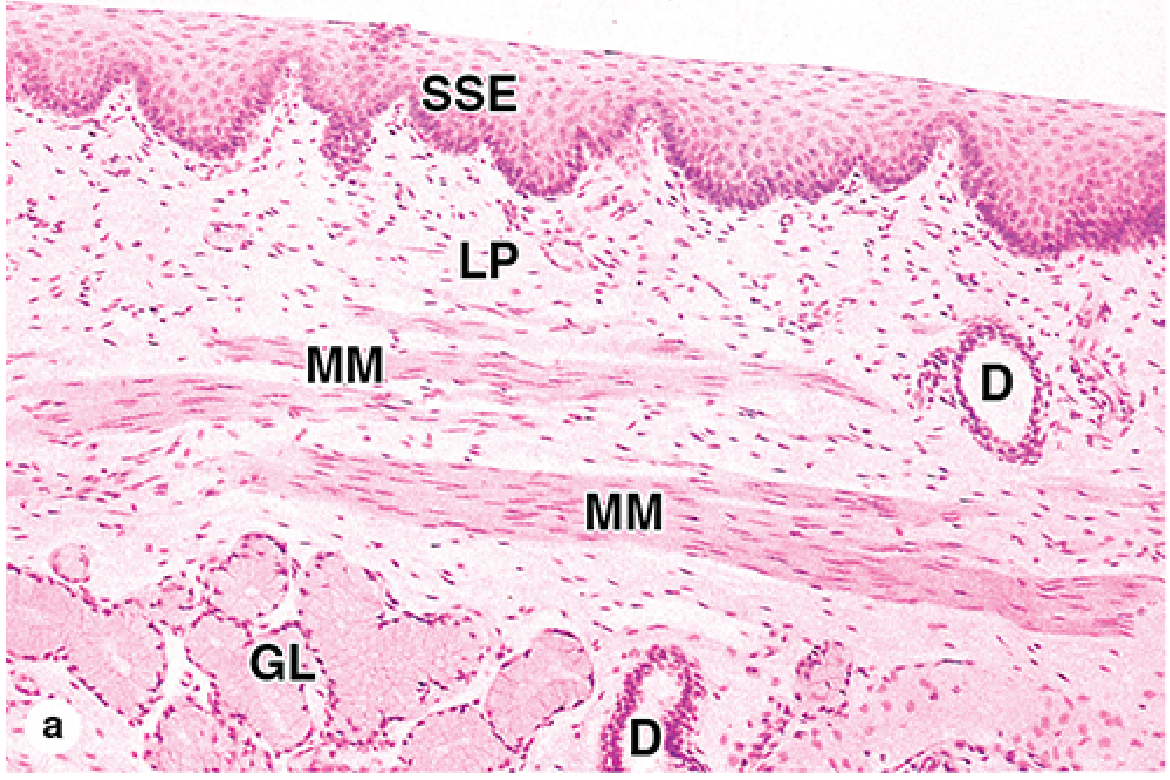
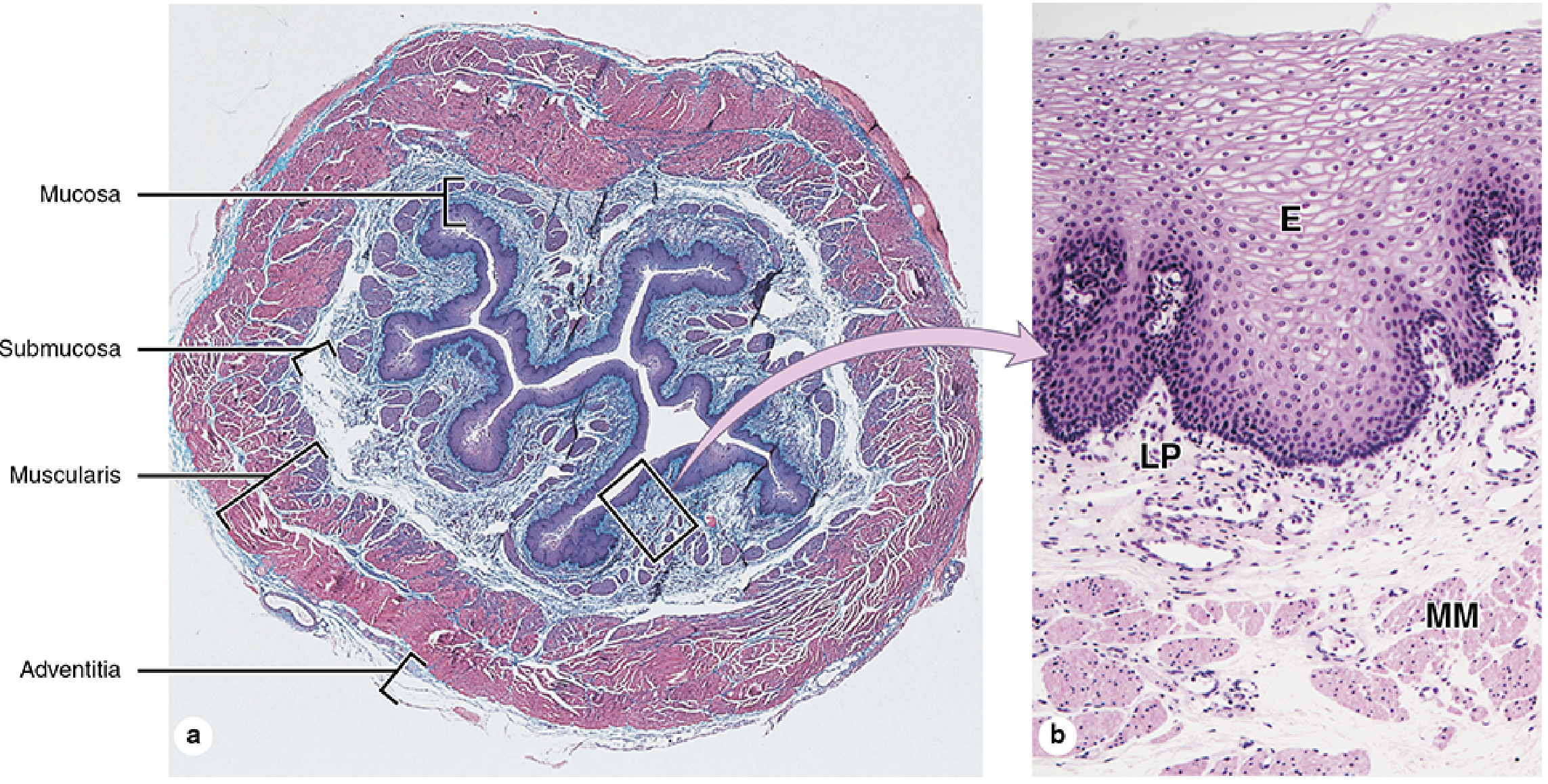
The esophagus is a ~25 cm muscular tube specialized for transport only, not absorption.
- Mucosa: Non-keratinized stratified squamous epithelium. Lamina propria contains scattered lymphocytes and small mucous glands (esophageal cardiac glands near the stomach). Muscularis mucosae is a single longitudinal layer of smooth muscle.
- Submucosa: Dense connective tissue containing the esophageal glands proper - small mucous glands that lubricate and protect the mucosa. Also contains Meissner's plexus.
- Muscularis externa: Three distinct zones:
- Upper 1/3: skeletal muscle only (voluntary swallowing initiation)
- Middle 1/3: mixed skeletal and smooth muscle
- Lower 1/3: smooth muscle only (peristalsis)
- Adventitia: Most of the esophagus is retroperitoneal and covered by adventitia (no peritoneal covering). Only the distal 1-2 cm has a true serosa.
Clinical note: The abrupt transition from stratified squamous epithelium to simple columnar epithelium occurs at the gastroesophageal junction (Z-line). Chronic acid reflux causes metaplastic conversion of squamous to columnar (intestinal-type) epithelium - Barrett's esophagus - which carries a risk of adenocarcinoma. - Junqueira's Basic Histology, p. 753-754
4. Stomach
The stomach is divided into four histological regions: cardia, fundus, body (corpus), and pylorus. The key structural feature distinguishing all stomach regions from the intestine is the absence of villi and the presence of gastric pits and gastric glands.
General Stomach Mucosa
The entire luminal surface is lined by simple columnar mucous epithelium (surface mucous cells). These cells secrete a thick, bicarbonate-rich mucous layer that protects the stomach wall from auto-digestion.
Gastric pits (foveolae) are invaginations of the surface epithelium. Gastric glands open into the bases of the pits.
Regional Gland Differences
| Region | Pit Depth | Gland Type | Cell Types |
|---|---|---|---|
| Cardia | Shallow | Cardiac glands (simple tubular, mucous) | Mucous cells |
| Fundus & Body | Moderate | Fundic/oxyntic glands (long, straight tubular) | Parietal, chief, mucous neck, enteroendocrine cells |
| Pylorus | Deep (up to 50% mucosa) | Pyloric glands (coiled, branched tubular, mucous) | Mucous cells, G cells (gastrin) |
Cell Types of the Fundic/Oxyntic Gland (Most Important)
Surface mucous cells - line pits; columnar, apical mucin granules; replace every 3-5 days from stem cells in the isthmus.
Mucous neck cells - in the neck of the gland; secrete soluble, acidic mucus different from surface mucus; precursors to chief and parietal cells.
Parietal (oxyntic) cells - most distinctive gastric cell. Large, pyramidal, eosinophilic ("fried egg" appearance) with a centrally placed nucleus. Contain deep intracellular canaliculi continuous with the lumen and abundant mitochondria. Secrete:
- HCl via H⁺/K⁺-ATPase (proton pump) on canalicular membrane - activated by histamine (H2), gastrin, and acetylcholine
- Intrinsic factor - glycoprotein essential for ileal absorption of vitamin B12
Chief (zymogenic) cells - basally located in the gland; basophilic cytoplasm (abundant rER); apical zymogen granules. Secrete:
- Pepsinogen - converted to pepsin by HCl (pH <5); proteolysis of proteins
- Gastric lipase - initiates fat digestion
Enteroendocrine cells (DNES cells) - basal granule-containing cells throughout the gastric mucosa. Include: ECL cells (enterochromaffin-like, secrete histamine), G cells (pylorus, secrete gastrin), D cells (secrete somatostatin, inhibits acid secretion).
Other Stomach Layers
- Lamina propria: sparse connective tissue with capillaries and lymphocytes between glands
- Muscularis mucosae: two thin smooth muscle layers
- Submucosa: dense connective tissue, major vessels, Meissner's plexus; no glands (unlike duodenum)
- Muscularis externa: three layers unique to stomach - inner oblique, middle circular, outer longitudinal. The pyloric sphincter is a thickening of the middle circular layer.
- Serosa: present throughout
5. Small Intestine
The small intestine (duodenum → jejunum → ileum, total ~6-7 m) is the primary site of digestion and absorption. Its signature histological feature is villi - finger-like mucosal projections that, together with microvilli, amplify the absorptive surface area ~600-fold over a simple tube.
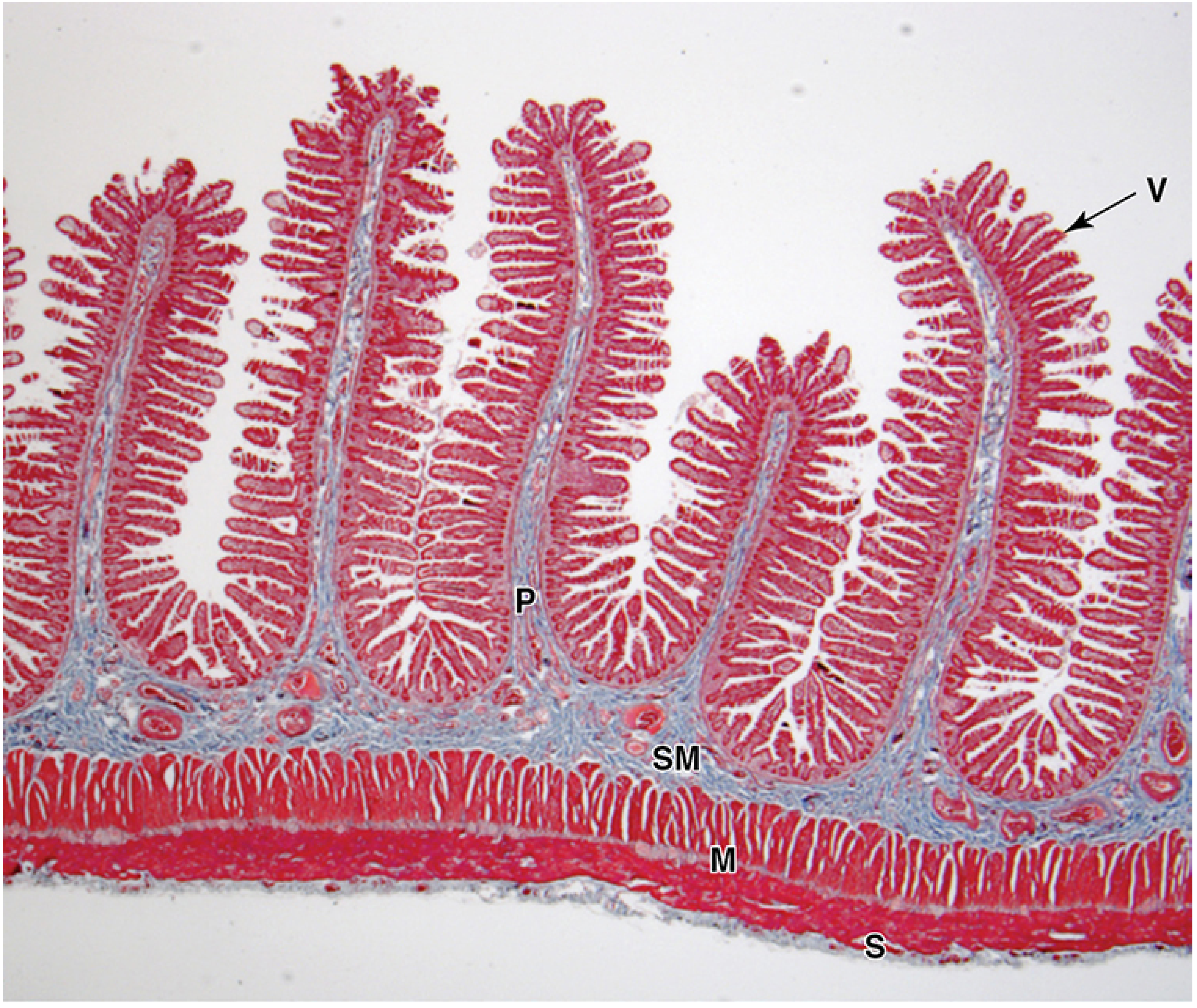
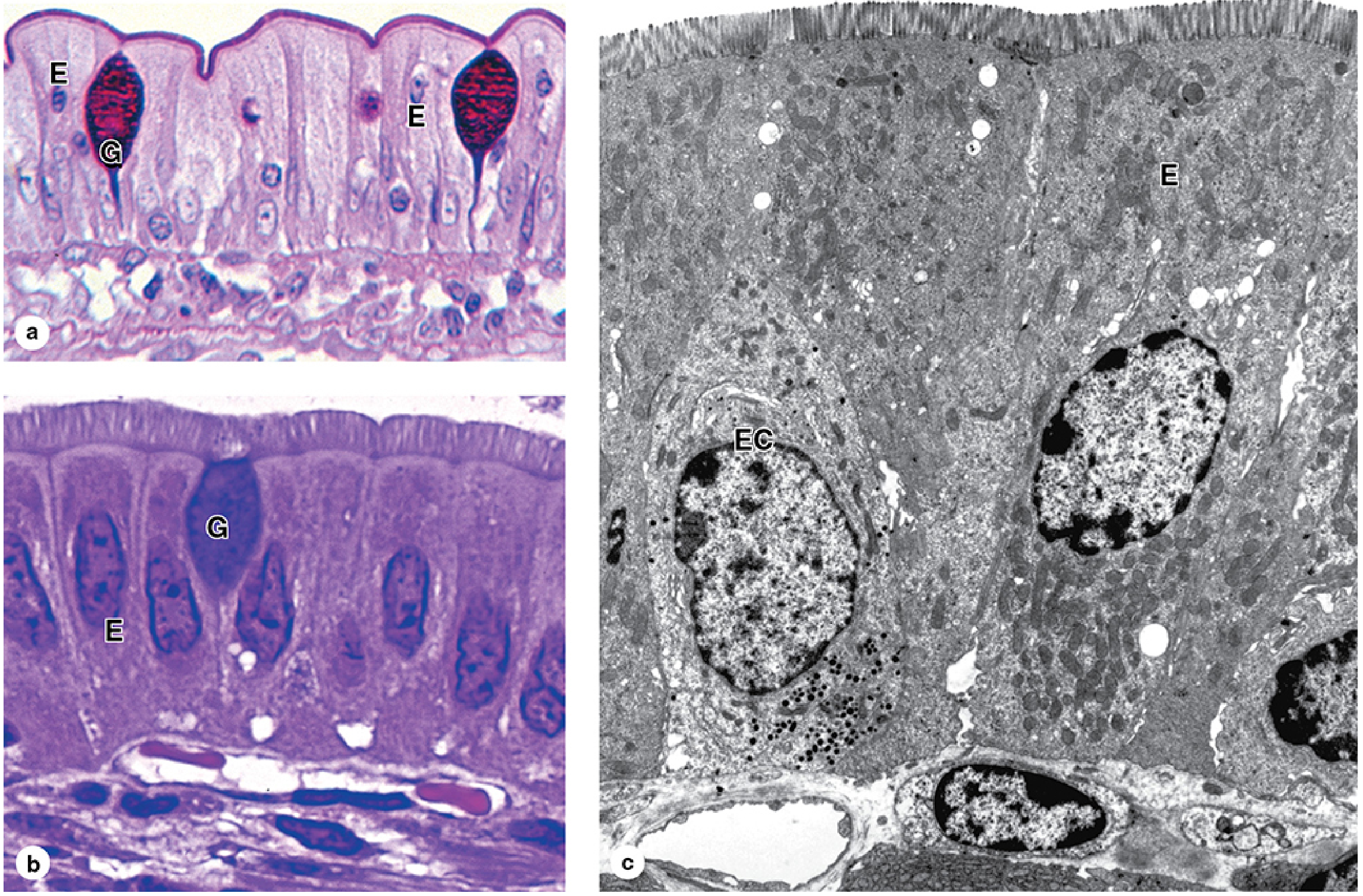
Mucosa
Villi are finger-like projections of the mucosa covered by simple columnar epithelium. Each villus core (lamina propria) contains:
- A central lymphatic vessel - the lacteal (absorbs lipids/chylomicrons)
- A capillary network (absorbs glucose, amino acids, water)
- Smooth muscle fibers from the muscularis mucosae - rhythmic contractions "milk" lymph into lacteals
Crypts of Lieberkühn are tubular glands at the base of villi. They are the proliferative zones of the intestinal epithelium.
Epithelial Cell Types
| Cell | Location | Function |
|---|---|---|
| Enterocytes (absorptive cells) | Villi | Absorption via brush border; express disaccharidases, peptidases, and enteropeptidase (enterokinase) in glycocalyx |
| Goblet cells | Villi and crypts | Secrete mucins (MUC2) forming the protective mucous layer; increase in number from duodenum → ileum → colon |
| Paneth cells | Deep in crypts | Secrete lysozyme, defensins, and other antimicrobial peptides; regulate microbiome; long-lived (20 days) |
| Enteroendocrine cells | Throughout | Secrete hormones (CCK, secretin, GIP, GLP-1, motilin) in response to luminal contents |
| Stem cells (CBC cells) | Bottom of crypts | Express Lgr5; give rise to all other cell lineages; rapid turnover (3-5 days for enterocytes) |
| M cells (microfold cells) | Epithelium overlying Peyer's patches | Sample luminal antigens; transfer to underlying lymphoid tissue |
Regional Differences
| Region | Distinguishing Feature |
|---|---|
| Duodenum | Brunner's glands in the submucosa - coiled tubuloacinar mucous glands secreting alkaline, bicarbonate-rich mucus to neutralize acid chyme from stomach; villi are broad and leaf-shaped |
| Jejunum | Tallest villi (finger-shaped); most prominent plicae circulares; highest density of goblet cells and lacteals; peak absorptive capacity |
| Ileum | Shorter villi; fewer plicae; Peyer's patches (prominent lymphoid aggregates in submucosa and lamina propria); most goblet cells; site of vitamin B12 and bile salt absorption |
Other Layers of the Small Intestine
- Submucosa: Dense connective tissue; Brunner's glands in duodenum; lymphoid aggregates (Peyer's patches) in ileum
- Muscularis externa: Inner circular + outer longitudinal smooth muscle; Auerbach's (myenteric) plexus between them
- Serosa: Present throughout (except retroperitoneal duodenum = adventitia)
6. Large Intestine
The large intestine (cecum → colon → rectum → anal canal, ~1.5 m) primarily absorbs water and electrolytes and compacts feces. Key distinguishing features:
- No villi (flat luminal surface)
- Straight, deep crypts of Lieberkühn packed with goblet cells
- Abundant goblet cells (most numerous in the GI tract here) - produce mucus for fecal lubrication
- No Paneth cells in the colon proper
- Teniae coli - three longitudinal bands of thickened outer smooth muscle instead of a complete outer layer
- Epiploic appendages - fat-filled peritoneal pouches
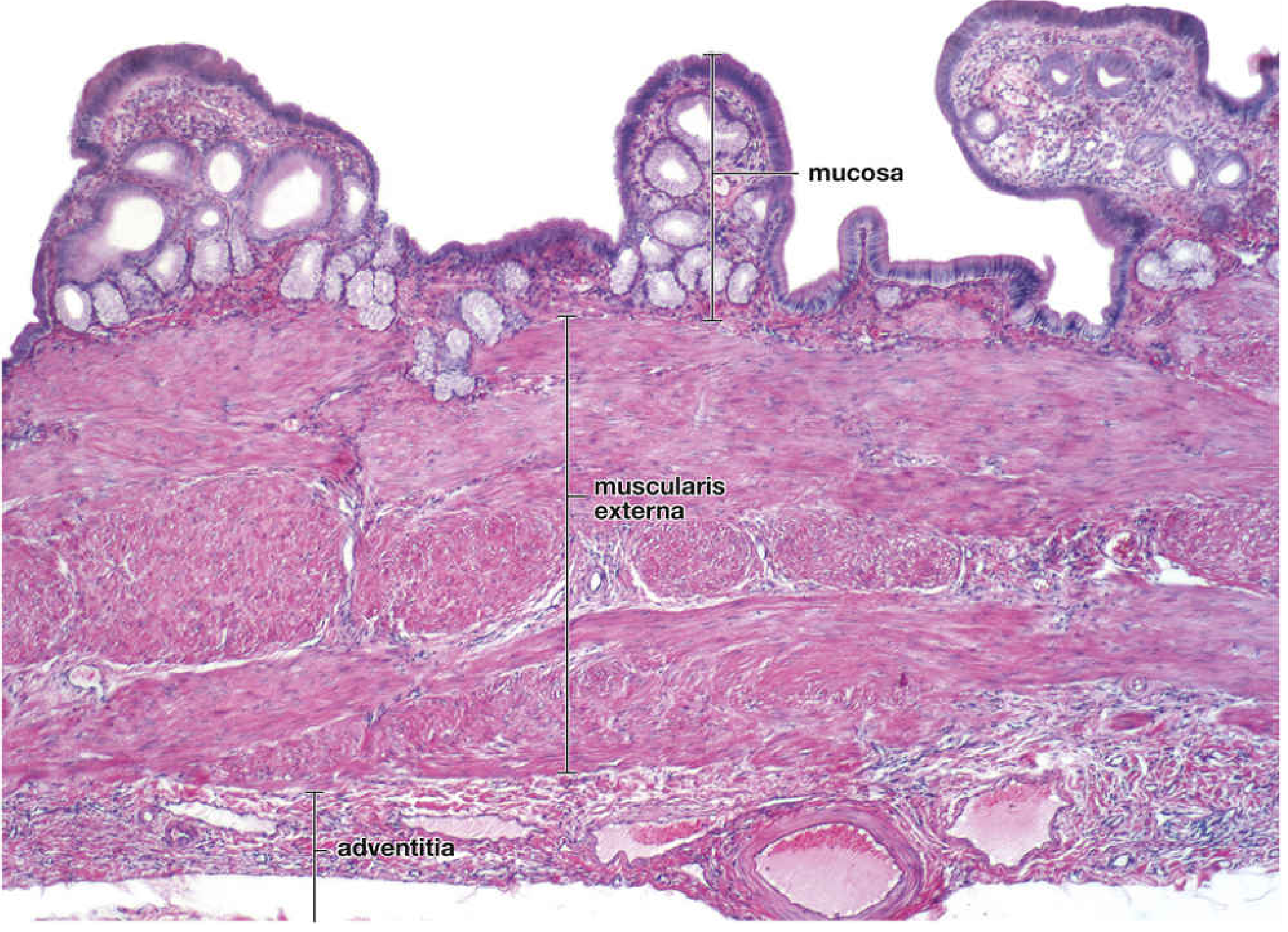
Regions of the Large Intestine
Cecum and Appendix: The appendix has a very small lumen and its wall is dominated by prominent lymphoid nodules (lamina propria and submucosa). It acts as a lymphoid organ.
Colon: Flat mucosa; long straight crypts; abundant goblet cells; no villi; lymphoid nodules in lamina propria. The submucosa and muscularis contain the standard nerve plexuses.
Rectum: Similar to colon; crypts even more packed with goblet cells. The muscularis externa is complete (no teniae coli at this level).
Anal Canal: Complex transition zone:
- Upper part: Simple columnar epithelium with longitudinal folds (anal columns of Morgagni)
- Pectinate (dentate) line: Abrupt transition point
- Below pectinate line: Stratified squamous (non-keratinized → keratinized as it transitions to skin)
- Two sphincters: Internal anal sphincter (smooth muscle, involuntary, continuation of circular muscularis) and external anal sphincter (skeletal muscle, voluntary)
7. Liver
The liver (~1,500 g) is enclosed in Glisson's capsule (fibrous connective tissue + visceral peritoneum). It has dual blood supply: hepatic artery (oxygenated) and hepatic portal vein (nutrient-rich, from GI tract).
Histological Organization: Three Models
1. Classic Liver Lobule (hexagonal)
- Central vein (terminal hepatic venule) at center
- Portal triads (portal tract) at corners, each containing: portal vein branch + hepatic artery branch + bile duct (+ lymphatic)
- Hepatocyte plates (hepatic cords) radiate from central vein to portal tracts
- Sinusoids run between hepatocyte plates toward central vein
2. Portal Lobule (triangular with portal tract at center)
- Emphasizes bile secretion - bile flows toward the portal tract's bile duct
3. Liver Acinus (of Rappaport) - most clinically relevant
- Centered on the portal tract's vessels
- Zone 1 (periportal) - receives most oxygenated blood; most resistant to ischemia; first affected in hepatotoxin exposure
- Zone 2 (midzonal)
- Zone 3 (centrilobular/perivenular) - most distal from blood supply; most susceptible to ischemic necrosis and congestive heart failure damage
Cell Types
Hepatocytes make up ~80% of liver cells. They are large polygonal cells with:
- Round, prominent nuclei (may be binucleate, reflecting polyploidy)
- Abundant mitochondria, rER, sER, and Golgi
- Glycogen deposits (PAS-positive)
- Dual polarity: sinusoidal (basolateral) surface - absorbs molecules from blood; canalicular (apical) surface - forms bile canaliculi between adjacent hepatocytes for bile secretion
Sinusoidal cells:
- Hepatic sinusoidal endothelial cells - fenestrated (no diaphragm), no basement membrane; allow direct access of blood to hepatocytes through the Space of Disse
- Kupffer cells - hepatic macrophages; stellate, adherent to sinusoidal walls; phagocytose debris, bacteria, and old red blood cells
- Hepatic stellate cells (Ito cells / fat-storing cells) - in the Space of Disse; store vitamin A as lipid droplets; activated in liver injury → become myofibroblasts → produce collagen → cirrhosis
- Pit cells - liver NK cells; anti-tumor immunity
Bile canaliculi are tiny channels (~1 μm) formed by grooves in the surfaces of adjacent hepatocytes, sealed by tight junctions. Bile flows from zone 3 → zone 1 → bile ducts (canals of Hering → interlobular bile ducts → hepatic ducts).
Canals of Hering - the transition between bile canaliculi and interlobular bile ducts; lined by a mixture of hepatocytes and cholangiocytes; serve as a reservoir for liver progenitor cells.
8. Gallbladder
The gallbladder concentrates and stores bile (~50 mL capacity, concentrating it 10-fold by water removal).
Unique histological features:
- No muscularis mucosae
- No submucosa
- Mucosa: deeply folded when empty; covered by simple tall columnar epithelium (cholangiocytes) with apical microvilli and junctional complexes. Cells actively pump NaCl into lateral intercellular spaces; water follows osmotically, concentrating the bile.
- Rokitansky-Aschoff sinuses - invaginations of the mucosa through the muscularis (important in cholecystitis)
- Muscularis externa: randomly oriented smooth muscle bundles (not inner circular/outer longitudinal)
- Adventitia/Serosa: where attached to liver = adventitia; free surface = serosa
9. Pancreas
The pancreas has both exocrine (~97% of tissue) and endocrine (~3%) components.
Exocrine Pancreas
A thin connective tissue capsule sends septa that divide the gland into lobules. The exocrine parenchyma consists of serous acini (pancreatic acini):
- Pyramidal cells with strongly basophilic basal cytoplasm (abundant rER for enzyme synthesis) and apical eosinophilic zymogen granules (contain digestive enzyme precursors)
- Centroacinar cells - pale, flat cells lining the lumen at the acinus center; unique to the pancreas; represent the beginning of the intercalated duct and secrete the bicarbonate-rich fluid (under secretin stimulation)
Duct system:
- Intercalated ducts → intralobular ducts → interlobular ducts → main pancreatic duct of Wirsung → hepatopancreatic ampulla (of Vater) → duodenum
- No striated ducts (unlike salivary glands) because the pancreatic juice does not need ion modification after secretion
Enzymes secreted (as inactive zymogens):
- Proteases: trypsinogen, chymotrypsinogen, proelastase, procarboxypeptidase
- Activated in the duodenum by enterokinase (enteropeptidase) on enterocytes → trypsin → activates all others
- Amylase, lipase, phospholipase A2, DNase, RNase (secreted in active form)
Endocrine Pancreas: Islets of Langerhans
Scattered throughout the exocrine pancreas as pale, well-vascularized cellular clusters (0.1-0.5 mm diameter), best seen on H&E as lightly stained islands amid the darker acinar tissue.
| Cell Type | Approximate % | Hormone | Location within Islet | Function |
|---|---|---|---|---|
| Beta (B) cells | 70-80% | Insulin | Central | Lowers blood glucose; promotes glycogen synthesis and lipogenesis |
| Alpha (A) cells | 15-20% | Glucagon | Peripheral | Raises blood glucose; promotes glycogenolysis and gluconeogenesis |
| Delta (D) cells | ~5% | Somatostatin | Scattered | Inhibits both insulin and glucagon secretion |
| PP cells | ~1% | Pancreatic polypeptide | Peripheral | Inhibits pancreatic exocrine secretion |
| Epsilon cells | <1% | Ghrelin | Rare | Appetite stimulation |
All islet cells are APUD cells (Amine Precursor Uptake and Decarboxylation). Beta cells show Weichselbaum's rosettes (cells arranged around capillaries). Histochemically distinguishable with aldehyde-fuchsin stain (beta cells stain purple) and immunohistochemistry for specific hormones.
Summary Table: Key Histological Identifiers
| Organ | Epithelium | Key Feature |
|---|---|---|
| Oral mucosa (gingiva) | Keratinized stratified squamous | Parakeratosis possible |
| Tongue | Specialized stratified squamous | Papillae + taste buds |
| Esophagus | Non-keratinized stratified squamous | Submucosal glands; mixed muscularis |
| Stomach (fundus) | Simple columnar | Parietal cells, chief cells, gastric pits/glands; NO villi |
| Duodenum | Simple columnar | Villi + Brunner's glands in submucosa |
| Jejunum | Simple columnar | Tallest villi; most prominent plicae circulares |
| Ileum | Simple columnar | Peyer's patches; most goblet cells; B12/bile salt absorption |
| Large intestine | Simple columnar | NO villi; abundant goblet cells; straight crypts; teniae coli |
| Anal canal (below pectinate line) | Stratified squamous | Transition to skin |
| Liver | Hepatocytes (polygonal) | Lobular organization; sinusoids; Kupffer cells; bile canaliculi |
| Gallbladder | Simple tall columnar | NO muscularis mucosae or submucosa; deep mucosal folds |
| Pancreas (exocrine) | Serous acinar + centroacinar cells | Basophilic base, eosinophilic apex; centroacinar cells unique |
| Pancreas (endocrine) | Islets of Langerhans | Pale islands; beta (central), alpha (peripheral) cells |
*Sources: Wheater's Functional Histology, 7th ed.; Junqueira's Basic Histology: Text and Atlas, 17th ed.*This is a comprehensive guide to the histology of all digestive system organs, drawn directly from Wheater's Functional Histology and Junqueira's Basic Histology (17th ed.). Here's a quick orientation to what's covered:
What's included:
- General GI Wall Structure - the four universal layers (mucosa, submucosa, muscularis externa, serosa/adventitia) with surface-area amplification mechanisms
- Oral Cavity - oral mucosa types, tongue papillae + taste buds, tooth components (enamel, dentin, cementum, pulp, periodontium)
- Salivary Glands - serous vs. mucous acini, duct system (intercalated → striated → excretory), and the three major glands (parotid = purely serous; submandibular = mixed serous-dominant; sublingual = mixed mucous-dominant)
- Esophagus - non-keratinized stratified squamous epithelium, submucosal esophageal glands, transitional muscularis (skeletal → mixed → smooth)
- Stomach - gastric pits and glands, all cell types in the fundic gland (parietal, chief, mucous neck, enteroendocrine), regional differences (cardia, fundus/body, pylorus), three-layer muscularis
- Small Intestine - villi, crypts of Lieberkühn, all epithelial cell types (enterocytes, goblet, Paneth, enteroendocrine, M cells, stem cells), regional differences (Brunner's glands in duodenum; Peyer's patches in ileum)
- Large Intestine - no villi, abundant goblet cells, teniae coli, appendix, anal canal transition zones
- Liver - classic lobule/portal lobule/acinar models, hepatocyte polarity, bile canaliculi, sinusoidal cells (Kupffer, stellate/Ito, endothelium), Space of Disse
- Gallbladder - unique lack of muscularis mucosae/submucosa, concentrated bile, Rokitansky-Aschoff sinuses
- Pancreas - basophilic serous acini with centroacinar cells (unique!), islets of Langerhans with all five cell types (β, α, δ, PP, ε)
This is a shared conversation. Sign in to Orris to start your own chat.