
I am doing a seminar based on the main topic "Pyrexia of Unknown Origin", in which I am supposed to focus on meningitis for my part. Give me details on what meningitis is, its epidemiology, aetiology, pathophysiology, clinical manifestations, investigations with expected outcomes, and detailed management plan according to latest guidelines followed by Malaysia and Internal Medicine textbooks.
Reading File
Finding Sources
Finding Sources
I can see several key textbooks. Let me now read the most relevant blocks — Goldman-Cecil Medicine (internal medicine), Robbins Pathology, and Rosen's Emergency Medicine — in parallel for comprehensive coverage.
Reading File
Reading File
Reading File
Excellent content retrieved. Now let me read more from Goldman-Cecil (the primary internal medicine reference) for the full dedicated meningitis chapter, and also get more from Rosen's for investigations/management.
Reading File
Reading File
Reading File
Now let me look at the dedicated Goldman-Cecil meningitis chapter block and get more from Rosen's on investigations/CSF analysis and management.
Finding Sources
Reading File
Excellent. Now let me read the Goldman-Cecil dedicated bacterial meningitis chapter and more of Rosen's management section.
Reading File
Reading File
Now let me read the Goldman-Cecil full bacterial meningitis dedicated chapter (block 55 continues further) and also the family medicine textbook which had 13 paragraphs dedicated to bacterial meningitis.
Reading File
Reading File
Excellent — the Family Medicine textbook has a very comprehensive section. Let me read more of it and also search for images.
Reading File
Searching Images
bacterial meningitis CSF findings cerebrospinal fluid analysis
I now have comprehensive content across multiple textbooks. Let me compile the full seminar notes.
Meningitis — Seminar Notes
Context: Pyrexia of Unknown Origin
1. DEFINITION
Meningitis is an inflammatory process involving the leptomeninges (arachnoid and pia mater) within the subarachnoid space; if infection spreads into the underlying brain parenchyma, it is termed meningoencephalitis. The inflammatory process extends throughout the subarachnoid space around the brain and spinal cord and involves the ventricles.
Meningitis is classified into:
- Acute pyogenic (usually bacterial) — polymorphonuclear (neutrophilic) CSF response
- Aseptic (usually viral) — lymphocytic CSF response
- Chronic (usually tuberculous, spirochetal, or fungal) — subacute onset over weeks to months
Non-infectious causes also exist — chemical meningitis (ruptured epidermoid cyst debris) and carcinomatous meningitis (subarachnoid spread of malignancy).
2. EPIDEMIOLOGY
Global Burden
- Incidence of bacterial meningitis in developed countries: 0.5–1.5 per 100,000 adults — dramatically reduced by vaccination campaigns against H. influenzae type b (Hib), S. pneumoniae, and N. meningitidis
- Worldwide, incidence is closely tied to poverty; it remains a major cause of morbidity and mortality in low-income countries
- Despite improved diagnostics and antibiotics, mortality remains approximately 15% for bacterial meningitis
- Survivors carry significant neurological sequelae — highest rates in pneumococcal meningitis
Post-vaccination Epidemiology
- Since the Hib vaccine (1990s), S. pneumoniae has become the leading cause of bacterial meningitis, accounting for ~70% of adult cases
- The disease has shifted demographically — now more common in older adults than children
- Viral meningitis is now the most common overall due to the decline in bacterial causes
Meningococcal Disease
- N. meningitidis is most common in children and young adults in close-contact settings (military barracks, university dormitories)
- Serogroups A, C, Y, W-135 covered by conjugate vaccine; serogroup B requires a separate vaccine
- Group B prevalent in Europe; Group C in USA; Group A in sub-Saharan Africa (meningitis belt)
Malaysian Context
Malaysia follows IDSA (Infectious Diseases Society of America) and WHO guidelines, with national vaccination schedules including:
- PCV-13 (pneumococcal) as part of the National Immunisation Programme
- Meningococcal vaccine for high-risk groups and travellers
- Hib vaccine as part of the pentavalent vaccine in the primary series
3. AETIOLOGY
Age-Based Causative Organisms
| Age Group | Common Pathogens |
|---|---|
| 0–1 month (neonates) | Group B Streptococcus (S. agalactiae), E. coli, Listeria monocytogenes, S. pneumoniae |
| 1–3 months | Group B Strep, L. monocytogenes, S. pneumoniae, N. meningitidis, H. influenzae, E. coli |
| 3 months–18 years | S. pneumoniae, N. meningitidis, H. influenzae |
| 18–50 years | S. pneumoniae, N. meningitidis, H. influenzae |
| >50 years | S. pneumoniae, L. monocytogenes, gram-negative bacilli |
| Post-neurosurgery/trauma | Coagulase-negative Staphylococci, S. aureus, Cutibacterium acnes, Pseudomonas aeruginosa |
Viral Causes (Aseptic Meningitis)
- Enteroviruses (Enterovirus B species) — dominant cause of viral meningitis across all ages; account for ~50% of all meningitis/encephalitis in the USA
- Herpesviruses (HSV-1, HSV-2, VZV, CMV, EBV)
- Mumps virus (in unvaccinated populations)
- HIV (acute seroconversion illness)
- Arboviruses (e.g., Japanese Encephalitis Virus — endemic in Southeast Asia including Malaysia)
Fungal Causes (usually in immunocompromised)
- Cryptococcus neoformans — especially in HIV/AIDS, organ transplant recipients
- Histoplasma, Coccidioides, Candida — less common
Mycobacterial / Chronic Causes
- Mycobacterium tuberculosis — subacute/chronic meningitis; particularly relevant in Malaysia (high TB burden)
- Treponema pallidum (neurosyphilis)
- Borrelia burgdorferi (Lyme meningitis)
Risk Factors Predisposing to Meningitis
- Otitis media (most common predisposing condition)
- Sinusitis, mastoiditis
- CSF leak (post-traumatic or post-surgical)
- Alcoholism, asplenia, immunocompromised state (HIV, organ transplant, malignancy)
- Unvaccinated status
- Close-contact settings (military, dormitories, pilgrims — Hajj relevant to Malaysian Muslim population)
- Dural breach (neurosurgery, lumbar puncture)
4. PATHOPHYSIOLOGY
Step 1 — Nasopharyngeal Colonisation & Mucosal Invasion
Most community-acquired bacterial meningitis begins with nasopharyngeal colonisation. The organism invades the respiratory mucosa through secretory IgA proteases and capsular polysaccharides that resist opsonisation.
Step 2 — Bacteraemia & Blood-Brain Barrier (BBB) Penetration
- Bacteria enter the bloodstream → bacteraemia
- Cross the BBB via transcytosis through cerebral capillary endothelial cells, via infected monocytes ("Trojan horse"), or through choroid plexus epithelium
- The capsular polysaccharides of key pathogens resist phagocytosis and complement-mediated killing
Step 3 — Subarachnoid Space Proliferation
- Once within the CSF and subarachnoid space, host defence is severely limited — low immunoglobulin levels, poor complement activity, and minimal phagocytic capacity in normal CSF
- Bacteria proliferate rapidly
Step 4 — Inflammatory Cascade
- Bacterial cell wall components (lipopolysaccharide, teichoic acid, peptidoglycan) trigger release of pro-inflammatory cytokines — TNF-α, IL-1β, IL-6
- Leukocytes (predominantly neutrophils) are recruited into the CSF — pleocytosis
- This cascade produces:
- Increased BBB permeability → vasogenic oedema
- Cerebral vasculitis → cytotoxic oedema and cerebral ischaemia
- Interstitial oedema due to impaired CSF reabsorption
- Elevated intracranial pressure (ICP) from all three oedema types combined
- Decreased cerebral blood flow → cerebral hypoxia and infarction
- Venous sinus thrombosis (~1% of cases) → seizures and focal deficits
Step 5 — Systemic Complications
- Waterhouse-Friderichsen syndrome (meningococcemia): bilateral adrenal haemorrhage, DIC, purpura fulminans
- Endotoxic shock and cardiovascular collapse in fulminant disease
Viral Meningitis Pathophysiology
- Virus gains access via haematogenous spread or along neural pathways
- Triggers a lymphocytic/mononuclear inflammatory response in the meninges
- Less robust inflammatory cascade → less oedema, lower ICP → milder clinical course
5. CLINICAL MANIFESTATIONS
Classic Triad
Fever + Headache + Neck Stiffness — present in ~85% of adult bacterial meningitis patients
Full Symptom Profile
| Symptom | Frequency |
|---|---|
| Classic triad (all three) | ~44% |
| At least two of three | ~85% |
| Headache (severe, requiring opioids) | Nearly universal |
| Fever | >80% |
| Neck stiffness / nuchal rigidity | >50% |
| Photophobia | >66% |
| Nausea & vomiting | ~35% |
| Seizures | ~30% (adults); 40% neonates |
| Altered consciousness | Common (from confusion to coma) |
| Cranial nerve palsies | 10–20% |
| Papilledema | <1% early (if present, consider abscess/mass) |
| Rash (petechial/purpuric) | Suggests N. meningitidis |
Meningeal Signs
- Kernig's sign: Inability to fully extend the knee when the hip is flexed to 90°
- Brudzinski's sign: Passive neck flexion causes involuntary flexion of hips and knees
- Sensitivity: <12% (low) | Specificity: high — if present, strongly suggests meningitis
- Unreliable in infants <1 year
Age-Specific Presentations
| Age | Special Features |
|---|---|
| Neonates | Poor feeding, irritability, temperature instability, bulging fontanelle (late sign), apnoea, seizures (40%) |
| Children <1 yr | Meningismus unreliable; bulging fontanelle; maculopapular → petechial rash (meningococcal) |
| Adults | Classic triad + severe headache, myalgia, photophobia |
| Elderly (>65) | Insidious onset, variable meningeal signs, confusion, obtundation — fever may be absent |
| Immunocompromised | Atypical presentations; lower threshold for LP |
Meningococcal-Specific Features
- Petechial → purpuric rash on extremities (anywhere on body)
- Rapid progression to endotoxic shock, DIC, purpura fulminans
- Waterhouse-Friderichsen syndrome: bilateral adrenal haemorrhage
- Cerebral venous thrombosis: new seizures, focal deficits
Fungal Meningitis (Cryptococcal)
- Subtle presentation even in healthy adults
- Low-grade fever, headache, malaise, weight loss
- Often not considered initially due to mild symptoms
Tuberculous Meningitis
- Subacute to chronic onset (weeks to months)
- May present with cranial nerve palsies (especially CN VI, III)
- Basal meningitis pattern — thick exudates at base of brain
- Relevant in Malaysia given high TB burden
6. INVESTIGATIONS & EXPECTED OUTCOMES
A. Lumbar Puncture (LP) — CORNERSTONE of Diagnosis
Indications: Any patient with suspected meningitis or encephalitis
Contraindications to immediate LP (CT brain first):
- Papilledema
- Optic nerve sheath diameter >5 mm on bedside USS
- New-onset seizures
- Altered consciousness/focal neurological deficits
- Signs of mass lesion
- Coagulopathy (platelets <40,000, INR >1.4 on warfarin)
- Skin infection overlying puncture site
⚠️ Do NOT delay antibiotics while awaiting CT or LP — CSF can be sterilised within 1 hour of antibiotics but empirical treatment must not be withheld in high clinical suspicion cases.
B. CSF Analysis — Expected Findings
| Parameter | Normal | Bacterial | Viral | Fungal/TB |
|---|---|---|---|---|
| Opening pressure | <20 cmH₂O | ↑↑ (>30) | Normal–mildly ↑ | ↑ |
| Appearance | Clear | Turbid/purulent | Clear | Clear/turbid |
| WBC | <5 cells/μL | ↑↑ (100–>10,000) Neutrophilic | ↑ (10–1000) Lymphocytic | Lymphocytic |
| Protein | 15–45 mg/dL | ↑↑ (100–500+) | Mildly ↑ | ↑ |
| Glucose | >60% serum | ↓ (<45 mg/dL; ratio <0.4) | Normal | ↓ |
| Gram stain | Negative | +ve in 60–90% (untreated) | Negative | Negative |
| Culture | Sterile | Positive (gold standard) | Negative | Positive |
| Lactate | 0.88–2.7 mmol/L | ↑ (>2.7 mmol/L) | Normal | Variable |
Additional CSF tests:
- India ink stain → Cryptococcus (low sensitivity ~30%; replaced by antigen test)
- Cryptococcal antigen → gold standard for cryptococcal meningitis (serum + CSF)
- AFB stain and TB culture → TB meningitis (AFB stain sensitivity <60%)
- PCR (multiplex): sensitivity 67–100% for H. influenzae, S. pneumoniae, N. meningitidis; remains positive up to 1 week post-antibiotics
- Viral PCR: HSV (96% sensitivity, 99% specificity), enterovirus, VZV
C. Blood Investigations
- Full blood count: Leukocytosis with neutrophilia in bacterial meningitis
- Blood cultures (×2 sets before antibiotics) — positive in up to 50% of bacterial meningitis
- CRP, procalcitonin — elevated in bacterial; helps differentiate from viral
- Serum glucose — required to calculate CSF:serum glucose ratio (<0.4 suggests bacterial)
- Serum electrolytes, renal function — SIADH may develop (hyponatraemia)
- Coagulation profile (PT, APTT, platelet) — assess for DIC in meningococcal disease
- LFTs — baseline before medications
- HIV serology — if cryptococcal or TB meningitis suspected
D. Imaging
- CT brain (contrast): Required before LP if contraindications exist
- May show meningeal enhancement, hydrocephalus, cerebritis, abscess
- MRI is superior for detecting leptomeningeal enhancement and complications
- MRI brain with gadolinium: Shows diffuse leptomeningeal/pachymeningeal enhancement, basilar enhancement (TB), temporal lobe involvement (HSV encephalitis)
- Chest X-ray: TB meningitis workup (primary focus, miliary pattern)
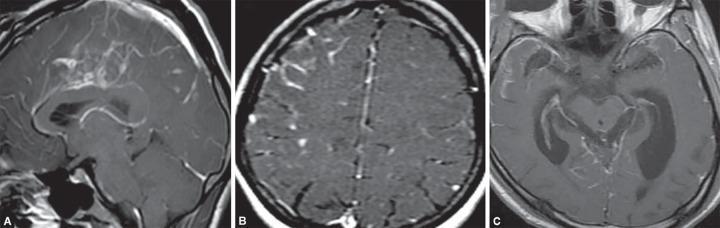
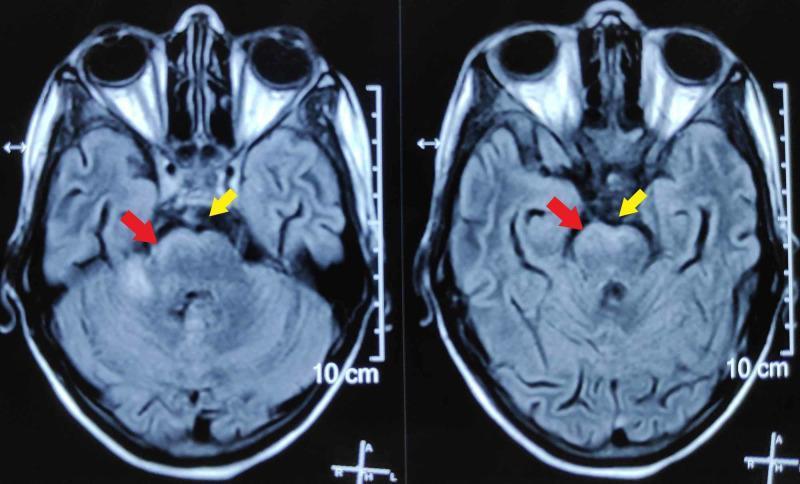
E. Other Investigations
- Optic nerve sheath ultrasound (bedside): >5 mm diameter suggests raised ICP; helps decide need for CT before LP
- EEG — if seizures or encephalitis suspected
- Mantoux/IGRA (interferon-gamma release assay) — TB meningitis workup
7. MANAGEMENT PLAN
A. Immediate Stabilisation (First 30–60 Minutes)
- ABCs: Secure airway; supplemental oxygen; IV access
- Vital signs monitoring: BP, HR, SpO₂, GCS
- Blood cultures ×2 — before antibiotics
- Empirical antibiotics IMMEDIATELY — do not delay for LP/CT if clinical suspicion is high
- IV dexamethasone — first dose before or with first antibiotic dose
- CT brain only if indicated (papilledema, focal deficits, seizures, altered GCS)
- LP as soon as safe
B. Empirical Antibiotic Therapy
(According to IDSA Guidelines 2004/updated, WHO, and Malaysian CPG)
Empirical antibiotic choice by age/risk factor (IV route):
| Patient Group | Common Pathogens | Empirical Regimen |
|---|---|---|
| Neonates (0–4 weeks) | S. agalactiae, E. coli, L. monocytogenes | Ampicillin + Cefotaxime |
| Infants & children | S. pneumoniae, N. meningitidis | Ceftriaxone 100 mg/kg/day OR Cefotaxime 75 mg/kg/6h |
| Adults (18–50 yr) | S. pneumoniae, N. meningitidis | Ceftriaxone 2g IV q12h ± Vancomycin |
| Adults >50 yr / immunocompromised | S. pneumoniae, L. monocytogenes, gram-negatives | Ceftriaxone + Ampicillin + Vancomycin |
| Post-neurosurgery/trauma | Staphylococci, Pseudomonas, Acinetobacter | Vancomycin + Cefepime or Meropenem |
Vancomycin is added in areas with >2% incidence of highly drug-resistant S. pneumoniae (DRSP) — relevant in Malaysia.
Standard adult empirical regimen (community-acquired, no immune defects):
- Ceftriaxone 2g IV q12h + Vancomycin 15–20 mg/kg IV q8–12h (targeting trough 15–20 µg/mL)
- Add Ampicillin 2g IV q4h if Listeria suspected (age >50, alcoholic, immunocompromised)
- Add Acyclovir 10 mg/kg IV q8h if HSV encephalitis cannot be excluded
C. Adjunctive Corticosteroids
Dexamethasone 0.15 mg/kg IV q6h × 4 days (or 0.4 mg/kg q12h × 2 days)
- Start before or with the first dose of antibiotics
- Reduces mortality and neurological sequelae, especially hearing loss
- Grade A evidence in:
- Adults with suspected/proven pneumococcal meningitis (IDSA Grade A recommendation)
- Children with Hib meningitis
⚠️ If not S. pneumoniae on culture, consider discontinuing dexamethasone — it may blunt penetration of vancomycin into CSF.
D. Specific Targeted Therapy (after culture/sensitivity)
| Organism | Drug of Choice | Alternative |
|---|---|---|
| S. pneumoniae (penicillin-sensitive) | Penicillin G 4 MU IV q4h | Ceftriaxone |
| S. pneumoniae (resistant) | Ceftriaxone + Vancomycin | Meropenem |
| N. meningitidis | Penicillin G or Ceftriaxone | Chloramphenicol |
| H. influenzae | Ceftriaxone | Chloramphenicol |
| L. monocytogenes | Ampicillin ± Gentamicin | TMP-SMX |
| E. coli / gram-negatives | Ceftriaxone or Cefotaxime | Meropenem |
| S. aureus (MRSA) | Vancomycin | Linezolid |
| Cryptococcus | Amphotericin B (induction) → Fluconazole (consolidation/maintenance) | |
| TB meningitis | RHEZ × 2 months → RH × 7–10 months + adjunctive dexamethasone | |
| HSV encephalitis | Acyclovir 10 mg/kg IV q8h × 14–21 days | |
| Viral (non-herpetic) | Supportive |
E. Supportive Care
- Head elevation 30°, neutral neck position — reduce ICP
- IV fluids: Maintain euvolaemia — avoid hypovolaemia (worsens ischaemia) and overhydration (worsens oedema)
- Treat hyponatraemia carefully — SIADH is common; restrict fluids if Na <130 mEq/L
- Seizure management: Benzodiazepines acutely; prophylactic AEDs in selected cases
- Analgesia: Opioid analgesia for severe headache
- Antipyretics: Paracetamol for fever control
- Monitor for complications: DIC, septic shock, SIADH, cerebral herniation
F. Raised ICP Management
- Dexamethasone (see above)
- Mannitol 0.25–1 g/kg IV for acute ICP elevation
- Hyperventilation (target PaCO₂ 30–35 mmHg) — temporising measure
- Consider external ventricular drain (EVD) if obstructive hydrocephalus develops
G. Chemoprophylaxis for Close Contacts (Meningococcal Meningitis)
Contacts within 7 days of symptom onset, household contacts, intimate contacts:
- Rifampicin 600 mg PO q12h × 2 days (adults) — first-line
- Ciprofloxacin 500 mg PO single dose (non-pregnant adults) — alternative
- Ceftriaxone 250 mg IM single dose (pregnant women)
- Also administer meningococcal vaccine to close contacts
H. Vaccination (Prevention)
| Vaccine | Organisms | Schedule (Malaysian NIP) |
|---|---|---|
| PCV-13 (Pneumococcal conjugate) | S. pneumoniae (13 serotypes) | Standard childhood primary series; adults with risk factors |
| Hib (as part of pentavalent vaccine) | H. influenzae type b | 2, 3, 5 months + booster |
| Meningococcal conjugate (MenACWY) | N. meningitidis A, C, W, Y | High-risk groups, pilgrims (Hajj/Umrah — mandatory in Malaysia) |
| MenB | N. meningitidis B | Not in standard NIP; selected high-risk |
8. COMPLICATIONS
| Complication | Notes |
|---|---|
| Hearing loss | Most common neurological sequela (sensorineural); related to labyrinthitis — dexamethasone reduces risk |
| Seizures | During acute illness and as long-term epilepsy |
| Cerebral infarction / stroke | Due to vasculitis or venous sinus thrombosis |
| Hydrocephalus | From impaired CSF reabsorption; may require shunting |
| Cerebral herniation | From raised ICP — most immediate life threat |
| SIADH / Hyponatraemia | Common; careful fluid management needed |
| DIC | Especially with meningococcemia |
| Waterhouse-Friderichsen syndrome | Bilateral adrenal haemorrhage; meningococcal |
| Death | ~15% bacterial meningitis overall; up to 27% in Listeria |
| Cognitive impairment | Long-term sequela, especially in children |
9. MENINGITIS IN THE CONTEXT OF PUO
Meningitis should be considered in any patient presenting with Pyrexia of Unknown Origin when:
- Fever is accompanied by headache, neck stiffness, or altered consciousness
- Fever persists despite treatment of other identified foci
- Immunocompromised patients with unexplained fever (lower threshold for LP)
- Subacute/chronic fever with cranial nerve palsies (TB meningitis — highly relevant in Malaysia)
- HIV-positive patients with fever and any CNS symptoms (cryptococcal meningitis)
Distinguishing features:
- Bacterial: Acute onset, rapidly progressive, neutrophilic CSF
- Viral: Acute onset, self-limiting, lymphocytic CSF
- TB: Subacute (days to weeks), lymphocytic CSF with very low glucose, basal cistern involvement on MRI
- Fungal: Subacute to chronic, lymphocytic CSF, elevated opening pressure, India ink / cryptococcal antigen positive
SUMMARY TABLE: CSF Profiles at a Glance
| Bacterial | Viral | TB | Cryptococcal | |
|---|---|---|---|---|
| Pressure | ↑↑ | N/↑ | ↑ | ↑↑ |
| Appearance | Turbid | Clear | Clear/xanthochromic | Clear/turbid |
| Cells | Neutrophils (100–50,000) | Lymphocytes (10–1000) | Lymphocytes (100–500) | Lymphocytes |
| Protein | ↑↑ | N/mildly ↑ | ↑↑ | ↑ |
| Glucose | ↓↓ | Normal | ↓ | ↓ |
| Special | Gram stain +ve, culture +ve | PCR +ve | AFB, IGRA, adenosine deaminase ↑ | India ink, CrAg +ve |
References:
- Goldman-Cecil Medicine International Edition (26th Ed.) — Bacterial Meningitis Chapter
- Rosen's Emergency Medicine: Concepts and Clinical Practice (9th Ed.) — Chapter 95
- Robbins & Kumar Basic Pathology (10th Ed.) — Chapter 21
- Textbook of Family Medicine (9th Ed.) — Chapter 41
- IDSA Clinical Practice Guidelines for Bacterial Meningitis (Tunkel et al., 2004; updated 2023)
- Malaysian Ministry of Health Clinical Practice Guidelines: Management of Meningitis
- WHO Guidelines on the management of endemic meningitisHere is your comprehensive seminar resource on Meningitis within the context of Pyrexia of Unknown Origin, drawn from Goldman-Cecil Medicine, Rosen's Emergency Medicine, Robbins & Kumar Pathology, and Textbook of Family Medicine.
Meningitis — Seminar Notes
Context: Pyrexia of Unknown Origin
1. DEFINITION
Meningitis is an inflammatory process involving the leptomeninges (arachnoid and pia mater) within the subarachnoid space. If infection extends into the underlying brain parenchyma, it is termed meningoencephalitis. The inflammatory process extends throughout the subarachnoid space and involves the ventricles.
Classification:
- Acute pyogenic (usually bacterial) — polymorphonuclear (neutrophilic) CSF response
- Aseptic (usually viral) — lymphocytic CSF response
- Chronic (tuberculous, fungal, spirochetal) — subacute, developing over weeks to months
Non-infectious causes include chemical meningitis (e.g., ruptured epidermoid cyst) and carcinomatous meningitis (malignant subarachnoid spread).
2. EPIDEMIOLOGY
Global Burden
- Incidence of bacterial meningitis in developed countries: 0.5–1.5 per 100,000 adults — dramatically reduced by vaccination
- Despite diagnostic advances, mortality remains ~15%; survivors carry significant neurological sequelae (highest in pneumococcal meningitis)
- Post-Hib vaccine era: S. pneumoniae now accounts for ~70% of adult bacterial meningitis; disease has shifted toward older adults
- Viral meningitis is now the most common overall form owing to the decline in bacterial disease
Meningococcal Epidemiology
- N. meningitidis predominates in children and young adults in close-contact settings (dormitories, military barracks)
- Serogroup distribution: Group B — Europe; Group C — USA; Group A — sub-Saharan Africa (meningitis belt)
- Malaysian relevance: Meningococcal vaccine (MenACWY) is mandatory for Hajj/Umrah pilgrims per Ministry of Health Malaysia
Malaysian Context
Malaysia follows IDSA and WHO guidelines, supplemented by the Malaysian Ministry of Health Clinical Practice Guidelines (CPGs). The national immunisation programme includes PCV-13, Hib (pentavalent vaccine), and meningococcal vaccines for high-risk groups.
3. AETIOLOGY
By Age Group
| Age | Common Pathogens |
|---|---|
| 0–1 month | Group B Streptococcus, E. coli, L. monocytogenes, S. pneumoniae |
| 1–3 months | Group B Strep, L. monocytogenes, S. pneumoniae, N. meningitidis, H. influenzae, E. coli |
| 3 months–18 years | S. pneumoniae, N. meningitidis, H. influenzae |
| 18–50 years | S. pneumoniae, N. meningitidis |
| >50 years | S. pneumoniae, L. monocytogenes, gram-negative bacilli |
| Post-neurosurgery/trauma | Coagulase-negative Staphylococci, S. aureus, Cutibacterium acnes, Pseudomonas aeruginosa |
Viral Causes (Aseptic Meningitis)
- Enteroviruses (Enterovirus B species) — dominant; account for ~50% of all meningitis/encephalitis; fever, headache, meningism; usually self-limiting
- Herpesviruses: HSV-1/2, VZV, CMV, EBV
- HIV (acute seroconversion)
- Arboviruses: Japanese Encephalitis Virus — endemic in Southeast Asia including Malaysia
- Mumps — in unvaccinated populations
Fungal (Immunocompromised)
- Cryptococcus neoformans — HIV/AIDS, organ transplant; subacute presentation
- Candida, Histoplasma, Coccidioides — less common
Chronic / TB
- Mycobacterium tuberculosis — highly relevant in Malaysia (high TB burden); subacute/chronic onset; basal meningitis
- Treponema pallidum (neurosyphilis)
- Borrelia burgdorferi (Lyme — also causes facial palsy, radiculopathy)
Predisposing Risk Factors
- Otitis media (most common)
- Sinusitis, mastoiditis, CSF leak (post-traumatic/surgical)
- Alcoholism, asplenia, immunocompromised state
- Unvaccinated status
- Close-contact settings; pilgrims (Hajj/Umrah)
- Dural breach (neurosurgery, lumbar puncture)
4. PATHOPHYSIOLOGY
Step 1 — Nasopharyngeal Colonisation & Mucosal Invasion
Bacterial meningitis typically begins with colonisation of the nasopharynx. Organisms penetrate the respiratory mucosa aided by IgA proteases and antiphagocytic capsular polysaccharides.
Step 2 — Bacteraemia & BBB Penetration
Bacteria enter the bloodstream and cross the blood-brain barrier (BBB) via:
- Transcytosis through cerebral capillary endothelial cells
- Infected monocytes ("Trojan horse")
- Choroid plexus epithelium
Step 3 — Subarachnoid Proliferation
The CSF is an immunologically poor environment — low Ig levels, minimal complement activity, and virtually no phagocytes in normal CSF. Bacteria proliferate rapidly once they cross the BBB.
Step 4 — Inflammatory Cascade
Bacterial cell wall components (LPS, teichoic acid, peptidoglycan) trigger release of TNF-α, IL-1β, IL-6 → neutrophilic recruitment → pleocytosis:
| Consequence | Mechanism |
|---|---|
| Vasogenic oedema | ↑ BBB permeability |
| Cytotoxic oedema | Cerebral vasculitis → ischaemia |
| Interstitial oedema | Impaired CSF reabsorption |
| ↑ Intracranial pressure | All three oedema types combined |
| ↓ Cerebral blood flow | → Cerebral hypoxia and infarction |
| Venous sinus thrombosis | ~1% of cases → seizures, focal deficits |
Step 5 — Systemic Complications
- Waterhouse-Friderichsen syndrome (meningococcal): bilateral adrenal haemorrhage + DIC + purpura fulminans
- Endotoxic shock → cardiovascular collapse in fulminant disease
- SIADH → hyponatraemia
5. CLINICAL MANIFESTATIONS
Classic Triad
Fever + Severe Headache + Neck Stiffness — present in ~85% of adults
Key Signs & Symptoms
| Feature | Frequency |
|---|---|
| Classic triad (all three) | ~44% |
| Headache (severe, often needing opioids) | Near universal |
| Photophobia | >66% |
| Nausea/vomiting | ~35% |
| Seizures | ~30% adults; 40% neonates |
| Altered consciousness (confusion → coma) | Common |
| Cranial nerve palsies | 10–20% |
| Petechial/purpuric rash | Suggests N. meningitidis |
| Papilledema | <1% early — if present, consider abscess/mass |
Meningeal Signs
- Kernig's sign: Inability to fully extend the knee when hip is flexed to 90°
- Brudzinski's sign: Passive neck flexion causes involuntary hip/knee flexion
- Sensitivity <12% (low) but high specificity — presence strongly confirms meningitis
- Unreliable in infants <1 year
Age-Specific Presentations
| Age | Distinctive Features |
|---|---|
| Neonates | Poor feeding, irritability, temperature instability, apnoea, seizures (40%), bulging fontanelle (late) |
| Children <1 yr | Meningismus unreliable; maculopapular → petechial rash (meningococcal) |
| Adults | Classic triad; severe headache relieved temporarily by LP |
| Elderly (>65 yr) | Insidious, variable meningeal signs, confusion/obtundation; fever may be absent |
| Immunocompromised | Atypical, subtle presentations |
Meningococcal-Specific
- Petechial/purpuric rash on extremities (anywhere)
- Rapid progression → endotoxic shock, DIC
- Waterhouse-Friderichsen syndrome: bilateral adrenal haemorrhage
TB Meningitis (Subacute–Chronic)
- Cranial nerve palsies (CN VI most common, then CN III)
- Symptoms over weeks to months
- Basal meningitis pattern; CSF with markedly low glucose
6. INVESTIGATIONS & EXPECTED OUTCOMES
A. Pre-LP Assessment
Before LP, always check for signs of raised ICP:
- Bedside optic nerve sheath USS: diameter >5 mm → raised ICP
- If any of the following → CT brain first:
- Papilledema
- New seizures / focal neurological deficit
- Altered GCS
- Signs of mass lesion
⚠️ Never delay empirical antibiotics pending CT/LP if high clinical suspicion exists. CSF can be sterilised within 1 hour of antibiotics, so LP should be as expeditious as possible.
B. CSF Analysis — Expected Findings
| Parameter | Normal | Bacterial | Viral | TB / Fungal |
|---|---|---|---|---|
| Opening pressure | <20 cmH₂O | ↑↑ >30 | N or ↑ | ↑ |
| Appearance | Clear | Turbid/purulent | Clear | Clear or turbid |
| WBC (cells/μL) | <5 | 100–50,000 (neutrophils) | 10–1,000 (lymphocytes) | 100–500 (lymphocytes) |
| Protein | 15–45 mg/dL | ↑↑ (100–500+) | N or mildly ↑ | ↑ |
| Glucose | ≥60% serum | ↓↓ (<45; ratio <0.4) | Normal | ↓ |
| Gram stain | — | +ve 60–90% (untreated) | Negative | Negative |
| Culture | Sterile | +ve (gold standard) | Negative | TB culture (slow) |
| Lactate | 0.88–2.7 mmol/L | ↑ (>2.7) | Normal | Variable |
Additional CSF tests:
- PCR (multiplex): H. influenzae (67–100%), S. pneumoniae (79–100%), N. meningitidis (91–100%); sensitivity 70% even after 1 week of antibiotics
- HSV PCR: 96% sensitivity, 99% specificity — avoids need for brain biopsy
- Cryptococcal antigen: gold standard for cryptococcal meningitis (serum + CSF)
- India ink stain: quick but low sensitivity (~30%) for Cryptococcus
- AFB stain/TB culture + adenosine deaminase (ADA): for TB meningitis (AFB sensitivity <60%)
C. Blood Investigations
| Test | Purpose |
|---|---|
| Blood cultures ×2 | Before antibiotics; positive in ~50% bacterial meningitis |
| FBC | Leukocytosis + neutrophilia (bacterial); lymphocytosis (viral) |
| CRP / Procalcitonin | Elevated in bacterial; useful differentiation tool |
| Serum glucose | Required for CSF:serum glucose ratio |
| Electrolytes + renal function | SIADH → hyponatraemia |
| Coagulation (PT, APTT, platelet) | DIC screen (meningococcal) |
| HIV serology | If cryptococcal/TB meningitis suspected |
D. Imaging
CT brain (contrast): before LP if contraindications; shows meningeal enhancement, hydrocephalus, cerebral abscess.
MRI brain with gadolinium (superior):
- Diffuse leptomeningeal/pachymeningeal enhancement along cerebral convexities and basal cisterns
- Basilar cisternal exudates → TB meningitis
- Temporal lobe signal changes → HSV encephalitis
7. MANAGEMENT
A. Immediate Stabilisation (First Hour)
- ABCs: Airway, breathing, circulation; O₂, IV access
- Blood cultures ×2 — before antibiotics, without delaying treatment
- Empirical IV antibiotics IMMEDIATELY
- Dexamethasone IV — first dose given before or with first antibiotic dose
- CT brain only if LP is contraindicated (avoid delaying treatment)
- LP as soon as it is safe
B. Empirical Antibiotic Therapy
(IDSA Guidelines; WHO; Malaysian MOH CPG)
| Patient Group | Likely Organisms | Empirical Regimen |
|---|---|---|
| Neonates (0–4 wk) | S. agalactiae, E. coli, L. monocytogenes | Ampicillin + Cefotaxime |
| Infants & children | S. pneumoniae, N. meningitidis | Ceftriaxone 100 mg/kg/day OR Cefotaxime 75 mg/kg/6h |
| Adults 18–50 yr | S. pneumoniae, N. meningitidis | Ceftriaxone 2g IV q12h ± Vancomycin |
| Adults >50 yr / immunocompromised | + L. monocytogenes, gram-negatives | Ceftriaxone + Ampicillin + Vancomycin |
| Post-surgery / nosocomial | Staphylococci, Pseudomonas | Vancomycin + Cefepime (or Meropenem) |
Add Vancomycin where drug-resistant S. pneumoniae (DRSP) incidence is >2% — relevant in Malaysia.Add Ampicillin 2g IV q4h if Listeria suspected (age >50, alcoholism, immunosuppression).Add Acyclovir 10 mg/kg IV q8h if HSV encephalitis cannot be excluded.
C. Adjunctive Corticosteroids — Grade A Recommendation
Dexamethasone 0.15 mg/kg IV q6h × 4 days
- Start before or with the first antibiotic dose
- Reduces mortality and neurological sequelae (especially sensorineural hearing loss)
- Grade A evidence in:
- Adults with suspected/proven pneumococcal meningitis (IDSA)
- Children with Hib meningitis (IDSA)
⚠️ If S. pneumoniae not confirmed on culture, consider stopping dexamethasone — it may reduce CSF penetration of vancomycin.
D. Targeted Therapy (After Culture/Sensitivity)
| Organism | Drug of Choice | Alternative |
|---|---|---|
| S. pneumoniae (penicillin-sensitive) | Penicillin G 4 MU IV q4h | Ceftriaxone |
| S. pneumoniae (resistant) | Ceftriaxone + Vancomycin | Meropenem |
| N. meningitidis | Penicillin G or Ceftriaxone | Chloramphenicol |
| H. influenzae | Ceftriaxone | Chloramphenicol |
| L. monocytogenes | Ampicillin ± Gentamicin | TMP-SMX |
| E. coli / gram-negatives | Ceftriaxone | Meropenem |
| S. aureus (MRSA) | Vancomycin | Linezolid |
| TB meningitis | RHEZ × 2 months → RH × 7–10 months + Dexamethasone | |
| Cryptococcal meningitis | Amphotericin B (induction) → Fluconazole (consolidation/maintenance) | |
| HSV encephalitis | Acyclovir 10 mg/kg IV q8h × 14–21 days |
E. Supportive Care
- Head of bed elevated 30°, neutral neck position (reduce ICP)
- Maintain euvolaemia (avoid both hypovolaemia and fluid overload)
- Treat SIADH/hyponatraemia (fluid restrict if Na <130 mEq/L)
- Seizure management: benzodiazepines acutely; AEDs in recurrent seizures
- Analgesia (opioids for severe headache), antipyretics (paracetamol)
- Monitor for complications: DIC, septic shock, herniation
F. Raised ICP Management
- Dexamethasone (see above)
- Mannitol 0.25–1 g/kg IV for acute ICP elevation
- Controlled hyperventilation (PaCO₂ 30–35 mmHg) as temporising measure
- EVD (external ventricular drain) if obstructive hydrocephalus develops
G. Chemoprophylaxis (Meningococcal Close Contacts)
Within 7 days of symptom onset for household/intimate contacts:
| Agent | Dose | Notes |
|---|---|---|
| Rifampicin 600 mg PO q12h × 2 days | Adult | First-line |
| Ciprofloxacin 500 mg PO single dose | Non-pregnant adults | Alternative |
| Ceftriaxone 250 mg IM single dose | Pregnant women | Safe in pregnancy |
Also administer meningococcal vaccine to close contacts where applicable.
H. Vaccination (Prevention)
| Vaccine | Target | Malaysian Schedule |
|---|---|---|
| PCV-13 | S. pneumoniae 13 serotypes | Childhood primary series + adults with risk factors |
| Hib (pentavalent) | H. influenzae type b | 2, 3, 5 months + booster |
| MenACWY | N. meningitidis A, C, W, Y | High-risk groups; mandatory for Hajj/Umrah pilgrims |
| MenB | N. meningitidis B | Not in standard NIP; selected high-risk groups |
8. COMPLICATIONS
| Complication | Key Points |
|---|---|
| Sensorineural hearing loss | Most common neurological sequela; dexamethasone reduces risk |
| Epilepsy | Acute seizures and long-term |
| Cerebral infarction/stroke | Vasculitis or venous sinus thrombosis |
| Hydrocephalus | Obstructive; may require EVD or shunting |
| Cerebral herniation | Most immediately fatal complication of raised ICP |
| SIADH/Hyponatraemia | Monitor electrolytes closely |
| DIC | Meningococcemia; check coagulation screen |
| Waterhouse-Friderichsen syndrome | Meningococcal bilateral adrenal haemorrhage |
| Cognitive impairment | Long-term, especially in paediatric cases |
| Death | ~15% overall; up to 27% in Listeria meningitis |
9. MENINGITIS IN THE CONTEXT OF PUO
Meningitis should enter the differential of any PUO when:
- Fever + headache/neck stiffness/altered consciousness — classical presentation
- Subacute fever + cranial nerve palsy → TB meningitis (especially in Malaysia)
- HIV+ patient with unexplained fever and any CNS symptom → cryptococcal meningitis
- Prolonged fever in immunocompromised patient without obvious source → low threshold for LP
- Fever + purpuric rash → meningococcal disease — a medical emergency
Diagnostic differentiation summary:
| Type | Onset | CSF Cells | CSF Glucose | Key Test |
|---|---|---|---|---|
| Bacterial | Acute (hours) | Neutrophils ↑↑ | ↓↓ | Gram stain, culture, PCR |
| Viral | Acute (days) | Lymphocytes | Normal | Viral PCR |
| TB | Subacute (weeks) | Lymphocytes | ↓ (marked) | AFB, ADA, TB PCR |
| Fungal | Subacute–chronic | Lymphocytes | ↓ | CrAg, India ink |
Sources: Goldman-Cecil Medicine 26th Ed. — Bacterial Meningitis; Rosen's Emergency Medicine 9th Ed. — Chapter 95; Robbins & Kumar Basic Pathology 10th Ed. — Chapter 21; Textbook of Family Medicine 9th Ed. — Chapter 41; IDSA Guidelines (Tunkel et al.); Malaysian MOH CPG.
In which step of pathophysiology does Pia-arachnoid membrane get congested and infiltrated with inflammatory cells, and pus forming in layers which eventually organise to form adhesions? Order the steps again and give me the pathophysiology.
Reading File
You've run out of free credits. Sign up for a free account to continue using Orris.
This is a shared conversation. Sign in to Orris to start your own chat.