
Staphylococcus all detail with classification
Reading File
Now let me search the medical library for comprehensive Staphylococcus content in parallel:
Finding Sources
Finding Sources
Medical Microbiology 9e is the best source. Let me read the dedicated Staphylococcus sections from there and also from Sherris & Ryan's:
Reading File
Reading File
Finding Sources
Excellent content. Let me now read deeper into the Medical Microbiology sections for full classification, coagulase-negative staphylococci, and disease details:
Reading File
Reading File
Now let me read the full detailed section on classification and CoNS from the Medical Microbiology 9e, and get the Jawetz content on Staphylococcus:
Reading File
Finding Sources
Let me now fetch the detailed Jawetz classification section and the CoNS section from Sherris:
Reading File
Reading File
I now have comprehensive information. Let me also fetch the key Staphylococcus microscopy/cluster image and the SSSS image:
Loading Image
Loading Image
Loading Image
I now have comprehensive information from multiple authoritative textbooks. Let me compile the full detailed response.
Staphylococcus — Complete Overview
1. Taxonomy & General Characteristics
Kingdom: Bacteria | Phylum: Firmicutes | Class: Bacilli | Order: Bacillales | Family: Staphylococcaceae | Genus: Staphylococcus
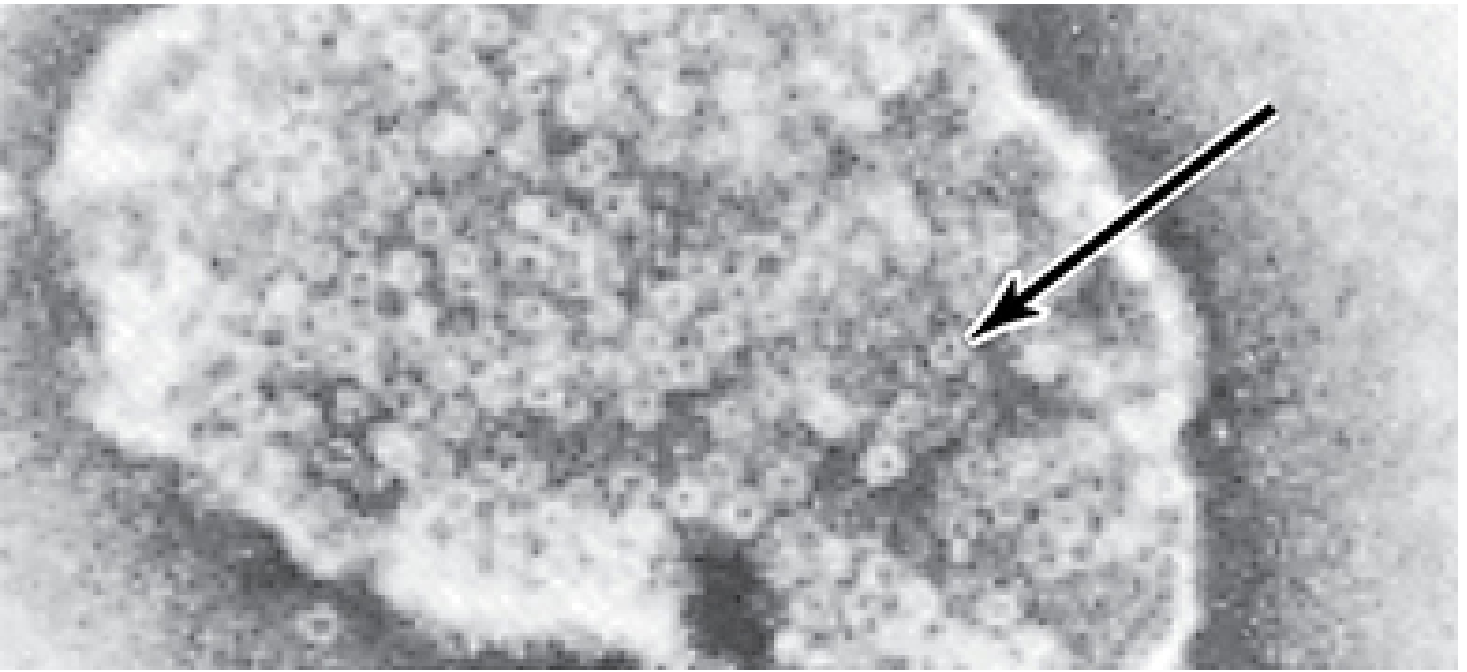
The genus Staphylococcus contains at least 45 species. They are Gram-positive spherical cocci (~1 µm diameter) arranged in irregular grape-like clusters (the name derives from Greek staphylé = bunch of grapes). Single cocci, pairs, tetrads, and chains are also seen in liquid culture. They are:
- Non-motile
- Non-spore forming
- Catalase positive (distinguishes from Streptococcus)
- Facultative anaerobes
- Actively ferment carbohydrates
2. Classification
Primary Clinical Division: Coagulase Test
| Feature | Coagulase-Positive | Coagulase-Negative (CoNS) |
|---|---|---|
| Key species | S. aureus | S. epidermidis, S. saprophyticus, S. lugdunensis, S. haemolyticus, S. warneri, S. hominis |
| Pathogenicity | Major human pathogen | Opportunistic; device-associated |
| Coagulase | + (tube & slide) | − (except S. lugdunensis: slide+ tube−) |
| α-toxin | Present | Absent |
| Protein A | Present | Absent |
Note: S. lugdunensis is slide coagulase positive but tube coagulase negative, and it behaves more aggressively than typical CoNS.
The 4 Most Clinically Important Species
| Species | Key Feature | Common Infection |
|---|---|---|
| S. aureus | Coagulase positive, Protein A, golden pigment | Skin, bloodstream, endocarditis, pneumonia, toxin-mediated diseases |
| S. epidermidis | Biofilm formation on plastics | Prosthetic valve/device infections, neonatal bacteremia |
| S. saprophyticus | Novobiocin resistant | UTI in young women |
| S. lugdunensis | Slide coagulase positive | Aggressive endocarditis, skin infections |
3. Morphology & Culture
- Morphology: Spherical, ~1 µm, clusters (sometimes pairs/chains in broth)
- Gram stain: Gram-positive (older cells may appear Gram-variable)
- Growth: Grows readily on blood agar, nutrient agar; aerobic or microaerophilic; grows best at 37°C, but pigment forms best at 20–25°C
- Colony morphology:
- S. aureus: smooth, raised, glistening; gray to deep golden yellow (due to carotenoid pigments) → hence "aureus" (Latin: gold)
- S. epidermidis: gray to white colonies
- Beta-hemolysis: Seen with S. aureus (and occasionally others) on blood agar
- Selective media: Mannitol-salt agar (ferments mannitol → yellow halo), chromogenic agar
4. Structure & Virulence Factors
Cell Wall Components
| Component | Function |
|---|---|
| Peptidoglycan (thick) | Structural; allows survival on dry surfaces for prolonged periods; triggers inflammation |
| Teichoic acid (ribitol-type in S. aureus) | Cell wall integrity, adherence |
| Polysaccharide capsule | Antiphagocytic in some strains |
| Protein A | Binds Fc region of IgG (Fab directed outward) → blocks opsonization; present in most S. aureus clinical isolates |
| Clumping factors (ClfA, ClfB) | Bind fibrinogen → facilitate adhesion to tissue/foreign bodies |
| Fibronectin-binding proteins (FnBPA, FnBPB) | Adherence to fibronectin |
Enzymes (Extracellular)
| Enzyme | Action |
|---|---|
| Coagulase | Binds prothrombin → converts fibrinogen to fibrin → fibrin clot; the key diagnostic test |
| Catalase | Destroys H₂O₂ → helps survive inside phagocytes |
| Hyaluronidase | "Spreading factor" — degrades connective tissue |
| Staphylokinase (fibrinolysin) | Dissolves clots |
| Lipases | Hydrolyze lipids — important in skin colonization |
| Nucleases (DNase) | Degrade DNA in neutrophil extracellular traps |
| Penicillinase (β-lactamase) | Destroys β-lactam ring of penicillins |
Toxins
| Toxin | Mechanism | Disease |
|---|---|---|
| α-Hemolysin (α-toxin) | Pore-forming; inserts into lipid bilayer → transmembrane pores → cell lysis (keratinocytes, RBCs, platelets) | Tissue destruction in infections |
| β-Hemolysin | Sphingomyelinase → damages sphingomyelin-rich membranes | RBC lysis (cold-active) |
| δ-Hemolysin | Detergent-like disruption of membranes | General cytotoxin |
| γ-Hemolysin / PVL | Panton-Valentine leukocidin — pore-forming; attacks neutrophils and platelets → tissue necrosis; found in < 10% of isolates but highly virulent; associated with community-acquired MRSA | Necrotizing pneumonia, furunculosis |
| Exfoliative toxins A & B (ETA, ETB) | Serine proteases; cleave desmoglein-1 in stratum granulosum of epidermis → loss of intercellular adhesion | Scalded Skin Syndrome (SSSS), bullous impetigo |
| Staphylococcal Enterotoxins (SE) A–R | Superantigens — cross-link MHC II with T-cell receptor → massive cytokine release; heat-stable | Food poisoning (SE-A most common), Toxic Shock Syndrome |
| TSST-1 (Toxic Shock Syndrome Toxin-1) | Superantigen; causes massive T-cell activation and cytokine storm | Toxic Shock Syndrome (TSS) |
5. Epidemiology & Normal Flora
- Carriage sites: Anterior nares (20–30% of healthy adults), skin, perineum, vagina, oropharynx
- MRSA nasal carriage is the most common source of healthcare-associated transmission
- Organisms survive on dry surfaces for prolonged periods (thickened peptidoglycan, no outer membrane)
- Transmission: Direct contact, contaminated fomites (bed linens, clothing), droplets
- Risk factors: Foreign bodies (catheters, sutures, prostheses), prior surgery, antibiotic-suppressed normal flora, immunocompromise, extremes of age
6. Diseases Caused
A. Staphylococcus aureus Diseases
Toxin-Mediated Diseases
| Disease | Toxin | Clinical Features |
|---|---|---|
| Food Poisoning | SE-A (most common) | Rapid onset (1–6 h) — nausea, vomiting, watery diarrhea, cramps; resolves within 24 h; no fever; no live bacteria needed |
| Toxic Shock Syndrome (TSS) | TSST-1, SE | Fever, hypotension, diffuse macular erythematous rash, multiorgan failure; associated with tampons, wound packing |
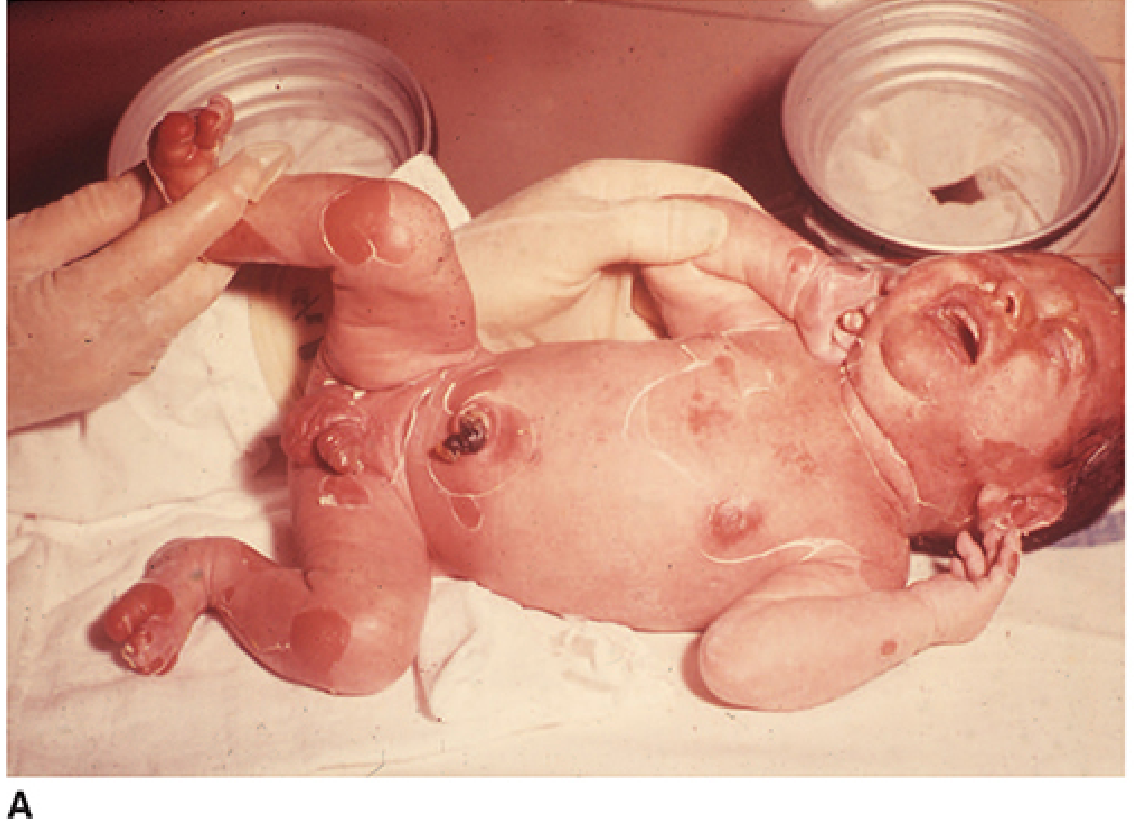
| Scalded Skin Syndrome (SSSS) (Ritter disease) | ETA, ETB | Perioral erythema spreading over body → positive Nikolsky sign → bullae → desquamation; blisters have no organisms or leukocytes; seen in neonates and young children; toxin cleaves desmoglein-1 |
Pyogenic (Suppurative) Infections
| Infection | Description |
|---|---|
| Impetigo | Localized superficial cutaneous infection; pus-filled vesicles on erythematous base; seen in young children |
| Folliculitis | Infection of hair follicle |
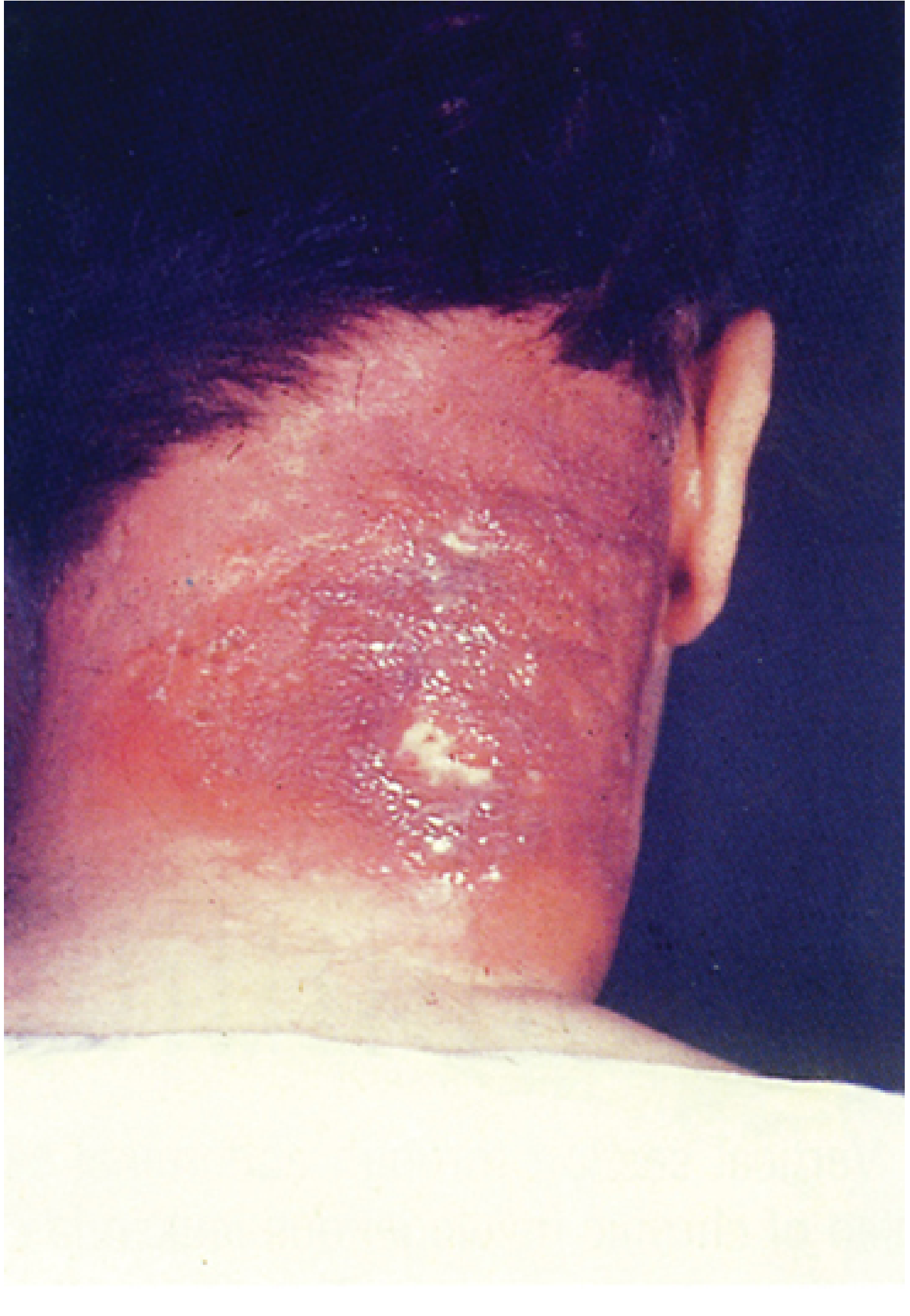
| Furuncle (boil) | Large, painful, pus-filled cutaneous nodule; focal abscess |
| Carbuncle | Coalescence of furuncles extending into subcutaneous tissues; systemic signs (fever, chills, bacteremia) |
| Wound infections | Surgical or traumatic sites |
| Bacteremia | Seeding of bloodstream from skin/device focus; may be transient or sustained |
| Endocarditis | Right-sided (IV drug users) or left-sided; can destroy heart valves rapidly |
| Pneumonia | Consolidation + abscess formation; post-influenza; necrotizing pneumonia with septic shock (high mortality) |
| Empyema | Pus in pleural space |
| Osteomyelitis | Metaphysis of long bones (hematogenous); destructive; most common cause in children |
| Septic arthritis | Purulent joint effusion; painful erythematous joint |
| Meningitis | Via shunts or hematogenous spread |
B. Coagulase-Negative Staphylococci (CoNS) Diseases
CoNS lack α-toxin, exfoliatin, and SAG toxins. Their pathogenicity depends on biofilm formation.
| Species | Disease |
|---|---|
| S. epidermidis | Prosthetic valve endocarditis, IV catheter infections, CSF shunt infections, neonatal sepsis in premature infants, prosthetic joint infections |
| S. saprophyticus | UTI in young sexually active women (2nd most common cause after E. coli) |
| S. lugdunensis | Aggressive native valve endocarditis, skin/soft tissue infections |
| S. haemolyticus | Catheter infections, multi-drug resistant isolates |
Biofilm mechanism (S. epidermidis): Attaches to medical devices (fibrinogen, fibronectin, collagen, plastics) → secretes extracellular polysaccharide (slime layer) → envelops bacteria → barrier against antibiotics and host defenses.
7. Laboratory Diagnosis
Staining
- Gram stain: Gram-positive cocci in clusters
- Useful for pyogenic infections; not reliable for blood or toxin-mediated infections
Culture & Biochemical Tests
| Test | S. aureus | CoNS |
|---|---|---|
| Coagulase (tube test) | + | − (except S. lugdunensis slide+) |
| Catalase | + | + |
| Mannitol fermentation | + (aerobic & anaerobic) | S. epidermidis: − |
| DNase | + | − |
| Protein A | + | − |
| Beta-hemolysis | +/− | − |
| Novobiocin sensitivity | Sensitive | S. saprophyticus: Resistant; others: Sensitive |
Selective Media
- Mannitol-salt agar (MSA): Selective for staphylococci (7.5% NaCl); S. aureus turns yellow (mannitol +)
- Chromogenic agar: Color-based identification of S. aureus / MRSA
Molecular Methods
- Nucleic acid amplification tests (NAAT): Screening for MSSA and MRSA nasal carriage
- PCR for mecA/mecC genes: Definitive identification of MRSA
- Mass spectrometry (MALDI-TOF): Rapid species identification
8. Antibiotic Resistance
Evolution of Resistance
| Stage | Mechanism |
|---|---|
| Penicillin resistance (>90% strains) | β-Lactamase (penicillinase) — hydrolyzes β-lactam ring |
| MRSA | mecA gene → encodes PBP2a (penicillin-binding protein 2a) with low affinity for all β-lactams → resistant to all penicillins, cephalosporins, carbapenems |
| Heterogeneous resistance | Not all cells in a population express resistance uniformly; requires mecA/mecC detection |
| VISA (Vancomycin-Intermediate S. aureus) | Thicker, disorganized cell wall traps vancomycin before it reaches cytoplasmic membrane |
| VRSA (Vancomycin-Resistant S. aureus) | vanA gene acquired from VRE → modified peptidoglycan does not bind vancomycin |
Community vs. Hospital MRSA
| Feature | Community-acquired MRSA (CA-MRSA) | Hospital-acquired MRSA (HA-MRSA) |
|---|---|---|
| Most common manifestation | Skin & soft tissue infections | Bloodstream, device-associated |
| PVL | Often positive | Usually negative |
| Antibiotic susceptibility | More susceptible to non-β-lactams | More broadly resistant |
9. Treatment
S. aureus Infections
| Scenario | Drug of Choice |
|---|---|
| MSSA, non-serious | Dicloxacillin, nafcillin, oxacillin |
| MSSA, serious (bacteremia, endocarditis) | Nafcillin or oxacillin IV |
| MRSA, oral | TMP-SMX, doxycycline/minocycline, clindamycin, linezolid |
| MRSA, IV (serious) | Vancomycin (drug of choice); alternatives: daptomycin, tigecycline, linezolid |
| Localized abscesses | Incision and drainage ± antibiotics |
| Food poisoning | Supportive (toxin is pre-formed; antibiotics not indicated) |
CoNS Infections
- Device removal often required
- Vancomycin for serious infections (many CoNS are methicillin-resistant)
- Rifampin added in biofilm-associated infections
10. Prevention & Control
- Hand hygiene (thorough handwashing) is the single most important measure
- Covering exposed skin surfaces for healthcare workers
- Nasal decolonization with intranasal mupirocin ± chlorhexidine body wash for MRSA carriers before elective surgery
- Proper wound cleansing and use of antiseptics (iodine, hexachlorophene, germicidal soap)
- Contact precautions for MRSA-colonized/infected patients
- Adequate aseptic technique for catheter insertion and maintenance
- No vaccine currently available for S. aureus (several in trials)
Summary Classification Table
Genus: Staphylococcus (≥45 species)
│
├── COAGULASE-POSITIVE
│   └── S. aureus ────── Major pathogen; MRSA; toxin-mediated diseases
│                         (SSSS, TSS, food poisoning); pyogenic infections
│
└── COAGULASE-NEGATIVE (CoNS)
    ├── S. epidermidis ── Most common CoNS; device/biofilm infections
    ├── S. saprophyticus ─ UTI in young women; novobiocin-resistant
    ├── S. lugdunensis ── Aggressive endocarditis; slide-coagulase+
    ├── S. haemolyticus ─ Catheter infections; multidrug resistant
    ├── S. warneri
    ├── S. hominis
    └── (40+ other species)
Sources:
- Jawetz, Melnick & Adelberg's Medical Microbiology, 28e — Ch. 13: The Staphylococci
- Murray's Medical Microbiology, 9e — Ch. 18: Staphylococcus
- Sherris & Ryan's Medical Microbiology, 8e — Ch. 24: Staphylococci
- Red Book 2021 — Coagulase-Negative Staphylococcal Infections
This is a shared conversation. Sign in to Orris to start your own chat.