
Gastrointestinal malformations. Congenital high intestinal obstruction. Congenital pyloric stenosis
Reading File
Finding Sources
Finding Sources
Good findings. Now I'll read the most comprehensive sources in parallel — Sabiston (surgical), Schwartz's (pyloric stenosis detail), Sleisenger (GI disease), Developing Human (embryology), and Robbins (pathology).
Reading File
Reading File
Reading File
Excellent content retrieved. I now have very rich material from Sabiston, Schwartz's, and The Developing Human. Let me also fetch the key images and read the Robbins pathology section on pyloric stenosis, plus the intestinal atresia section from Sabiston.
Loading Image
Reading File
Reading File
Congenital high intestinal obstruction. Congenital pyloric stenosis
Reading File
Finding Sources
Reading File
Reading File
Reading File
I have rich content from Schwartz's, Sabiston, and Robbins. Now let me read the intestinal atresia/high obstruction sections from Sabiston and Schwartz's that were retrieved in the large read above. Let me also fetch relevant images.
Loading Image
Finding Sources
Reading File
Reading File
I now have comprehensive content from multiple authoritative sources. Let me fetch the key double-bubble sign image before composing the answer.
Loading Image
Loading Image
I now have all the material needed for a comprehensive, well-illustrated answer. Let me compose it.
Congenital High Intestinal Obstruction & Congenital Pyloric Stenosis
Part I — Congenital High Intestinal Obstruction
"High" intestinal obstruction refers to obstruction at or above the proximal jejunum — primarily the duodenum, but also including obstruction at the gastric outlet. The main causes are duodenal atresia/stenosis, annular pancreas, and jejunal atresia.
1. Duodenal Atresia & Stenosis
Embryology & Pathogenesis
During the 5th–6th weeks of development the duodenal lumen is completely occluded by proliferating epithelial cells; normal recanalization follows. Failure of recanalization produces a short segment of complete occlusion (atresia) or incomplete obstruction (stenosis/mucosal web). The blockage most often involves the second portion of the duodenum at or near the hepatopancreatic ampulla; less commonly the horizontal (third) part is affected. Familial cases follow an autosomal recessive inheritance pattern.
— The Developing Human: Clinically Oriented Embryology
Anatomic Variants (spectrum)
| Type | Morphology |
|---|---|
| Stenosis | Narrowed lumen, muscle wall intact |
| Mucosal web ("windsock") | Intact muscle wall; intraluminal diaphragm, sometimes ballooning distally |
| Fibrous cord | Two blind ends connected by a fibrous cord |
| Complete gap atresia | Two blind ends with a mesenteric gap |
In 85% of cases the obstruction is distal to the ampulla of Vater, so vomiting is bilious. Proximal (pre-ampullary) obstruction produces non-bilious vomiting — important: the presence of non-bilious emesis does not exclude duodenal atresia.
— Sabiston Textbook of Surgery, 21e
Associated Conditions
- Down syndrome (trisomy 21) — ~30% of cases
- Prematurity (~20%)
- Annular pancreas
- Maternal polyhydramnios (duodenal obstruction prevents normal absorption of swallowed amniotic fluid)
- Malrotation, preduodenal portal vein, biliary atresia
- Cardiac, renal, and anorectal malformations
— The Developing Human; Sabiston
Clinical Presentation
- Antenatal: polyhydramnios on maternal ultrasound; double-bubble sign may be seen in utero
- Postnatal: bilious vomiting within hours of birth; epigastric distension (distended stomach + proximal duodenum); failure to pass meconium normally
Diagnosis
The pathognomonic radiographic finding is the "double-bubble" sign — two gas-filled, fluid-filled chambers representing the distended stomach and the proximal duodenum, with no gas beyond the obstruction.
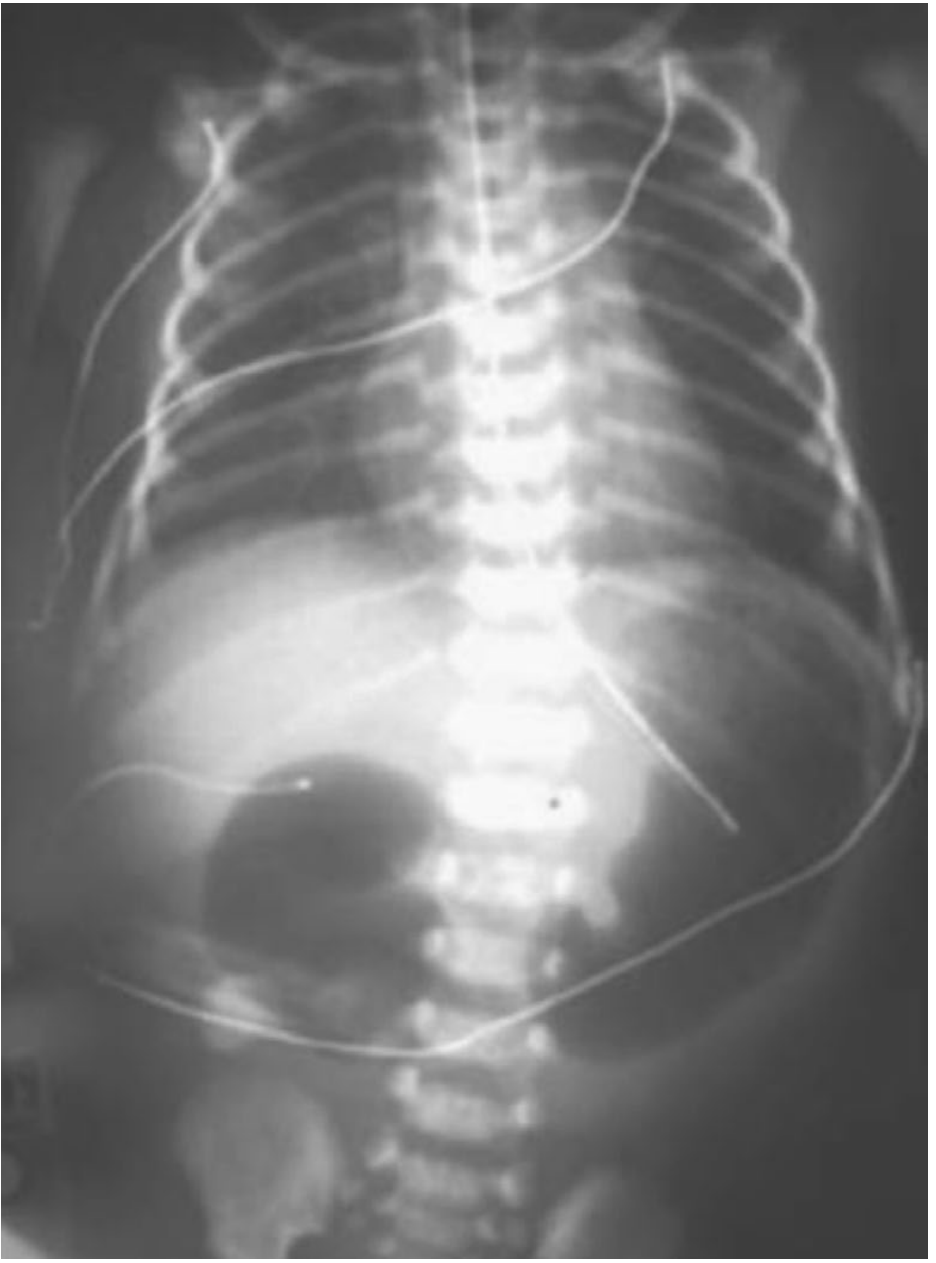
- If distal gas is present, an upper GI contrast study should be performed to exclude malrotation with midgut volvulus (a surgical emergency)
- Prenatal ultrasound shows fluid-filled double-bubble in the fetal abdomen
Treatment
- Nasogastric/orogastric decompression; IV fluid resuscitation
- Definitive surgery: bypass of the obstruction — side-to-side or diamond-shaped (proximal transverse-to-distal longitudinal) duodenoduodenostomy
- Laparoscopic approach increasingly performed
- If proximal duodenum is markedly dilated: tapering duodenoplasty to reduce dysmotility
- For mucosal web: web fenestration or excision transduodenally (caution to protect the ampulla)
— Sabiston Textbook of Surgery
2. Jejunoileal Atresia
The most common GI atresia, occurring in 1 in 2000 live births. Unlike duodenal atresia (failure of recanalization), jejunoileal atresia results from an intrauterine mesenteric vascular accident (not a recanalization failure), causing ischemic necrosis of a bowel segment.
Classification (Grosfeld Types)
| Type | Description |
|---|---|
| I | Mucosal web/diaphragm; intact muscle and mesentery |
| II | Atretic cord between blind ends; intact mesentery |
| IIIa | Complete separation; V-shaped mesenteric gap |
| IIIb | "Apple-peel" / "Christmas tree" — large mesenteric gap; surviving bowel spirals around marginal artery |
| IV | Multiple atresias ("string of sausages") |
Clinical Features
- Bilious vomiting, abdominal distension, failure to pass meconium
- Proximal atresias: prominent bilious emesis
- Distal atresias: abdominal distension with multiple dilated loops
- Contrast enema shows microcolon (unused, small caliber colon)
- Multiple atresias occur in 10–15% — distal bowel must be checked intraoperatively (saline injection via catheter)
- Associated with cystic fibrosis (~10%) — the only significant systemic association
Treatment
Surgical resection and primary anastomosis; always inspect entire bowel for additional atretic segments.
— Sabiston Textbook of Surgery, 21e
3. Annular Pancreas (as a cause of high obstruction)
A ring of pancreatic tissue encircles the second portion of the duodenum, causing extrinsic obstruction. Associated with duodenal atresia. Management: duodenoduodenostomy or duodenojejunostomy — the pancreatic ring is never divided (risk of pancreatitis and fistula).
Part II — Congenital Pyloric Stenosis (Infantile Hypertrophic Pyloric Stenosis)
Definition & Incidence
Infantile hypertrophic pyloric stenosis (HPS) is hypertrophy and hyperplasia of the pyloric muscularis propria (predominantly the circular muscle), producing progressive gastric outlet obstruction.
- Incidence: 1 in 300–900 live births (~0.2% of the general population)
- Male predominance: 4–5:1 (males affected more); first-born males at highest risk
- Typical presentation age: 2–8 weeks (range 3–12 weeks); rare after 12 weeks
- Siblings of affected patients: incidence rises to ~6%
— Schwartz's Principles of Surgery, 11e; Robbins Pathologic Basis of Disease
Pathology
Hyperplasia of the pyloric muscularis propria causes outward bulging and narrowing of the pyloric channel; mucosal and submucosal edema and inflammation may worsen the obstruction. The circular muscle is predominantly affected, with lesser involvement of the longitudinal muscle. Deficiency of nitric oxide synthase in pyloric tissue has been implicated in pathogenesis (loss of relaxation).
— Sabiston; Robbins
Etiology & Genetics
- Exact cause remains unknown
- High concordance in monozygotic twins; risk increased in dizygotic twins and siblings → strong familial/genetic component
- GWAS identified a locus at chromosome 11q23.3 (linked to cholesterol regulation)
- Turner syndrome and trisomy 18 confer increased risk
- Erythromycin or azithromycin exposure in the first 2 weeks of life (oral or via breast milk) is associated — macrolides are motilin receptor agonists, promoting excessive antral contractions
— Robbins; Schwartz's
Clinical Presentation
| Feature | Detail |
|---|---|
| Age at onset | 3–6 weeks (can be 2–12 weeks) |
| Vomiting | Progressive, forceful, projectile, non-bilious (obstruction is proximal to ampulla) |
| Feeding behavior | Infant vomits, then is immediately hungry again ("hungry vomiter") |
| Gastric peristalsis | Visible wave L→R across upper abdomen before vomiting (left upper quadrant to epigastrium) |
| Abdominal mass | Palpable "olive" — firm, ovoid, 1–2 cm mass in epigastrium / right upper quadrant; present in up to 90%; pathognomonic when felt |
| Dehydration | Progressive — decreased wet diapers, lethargy |
| Jaundice | Indirect hyperbilirubinemia (indirect) in some infants — mechanism unclear |
Metabolic Consequences
Repeated vomiting of gastric HCl causes:
Hypochloremic, hypokalemic metabolic alkalosis
- Loss of H⁺ and Cl⁻ → metabolic alkalosis + hypochloremia
- Kidneys initially excrete alkaline urine (high pH)
- As hypochloremia worsens, H⁺ is preferentially exchanged for Na⁺ in the distal tubule → paradoxical aciduria (urine becomes acidic despite systemic alkalosis)
- Low CO₂ from respiratory compensation: if anaesthesia is induced before correction, postoperative apnoea can occur due to absent CO₂ respiratory drive
Pre-operative targets before surgery:
- Serum bicarbonate < 30 mEq/L
- Serum chloride > 95 mEq/L
- Adequate urine output > 2 mL/kg/hr
— Schwartz's Principles of Surgery; Sabiston
Diagnosis
Ultrasound — first-line investigation (diagnostic accuracy ~95%):
- Pyloric muscle thickness > 3–4 mm
- Pyloric channel length > 15–18 mm
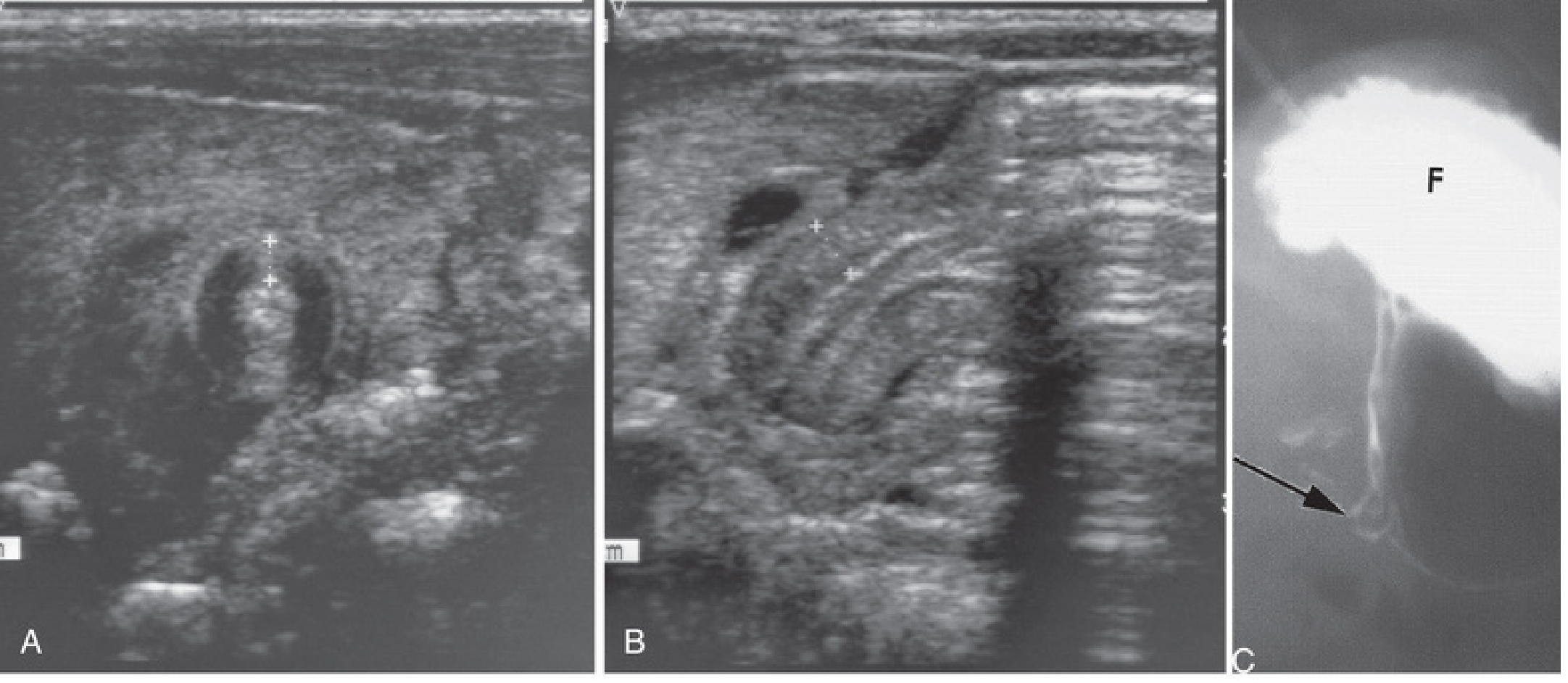
- If the "olive" is confidently palpated, no imaging is required
- Upper GI contrast study (used with caution — aspiration risk): delayed/absent passage of contrast through the pylorus; "string sign" or "beak sign" of the elongated, narrowed pyloric channel; used when ultrasound is equivocal or to exclude malrotation
Plain AXR: enlarged gastric gas bubble (gastric distension).
Treatment
Pyloric stenosis is NEVER a surgical emergency.
Correct the metabolic derangement first:
- IV fluids: 20 mL/kg NS bolus; then D5 ½ NS + 20 mEq/L KCl at 1.5× maintenance until urine output established
- Nasogastric tube decompression
- Correct hypochloraemic alkalosis to safe targets before GA
Definitive surgery — Fredet-Ramstedt Pyloromyotomy:
- Longitudinal incision through the hypertrophied pyloric muscle (serosa down to submucosa) — does not enter the mucosa
- Key endpoint: bulging mucosa throughout the length of the incision + independent wall motion of the two muscle edges
- Mucosal perforation must be excluded by injecting air via nasogastric tube
- Approaches: laparoscopic (preferred — shorter stay, lower wound infection rate) or open (umbilical or right upper quadrant transverse incision)
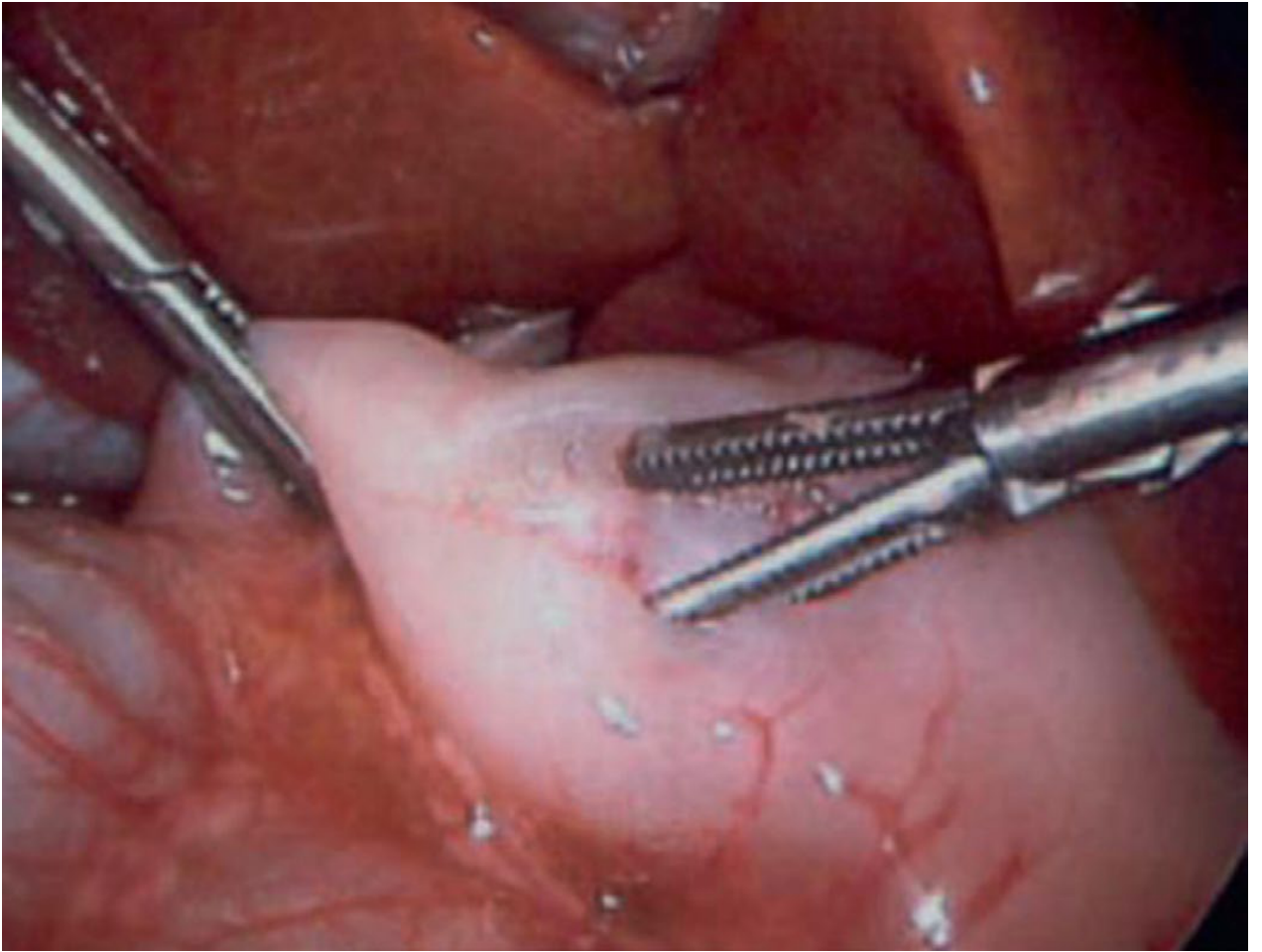
Postoperatively, infants are started on an oral feeding protocol and typically discharged within 24–48 hours. Surgical splitting of the hypertrophied muscularis is generally curative.
— Schwartz's Principles of Surgery, 11e; Sabiston Textbook of Surgery, 21e; Robbins Pathologic Basis of Disease
Summary Comparison
| Feature | Pyloric Stenosis | Duodenal Atresia | Jejunoileal Atresia |
|---|---|---|---|
| Obstruction level | Gastric outlet (pylorus) | 2nd duodenum (post-ampullary 85%) | Jejunum/ileum |
| Vomiting | Non-bilious, projectile | Bilious (usually) | Bilious |
| Onset | 3–6 weeks of life | Hours after birth | Hours after birth |
| Pathogenesis | Muscular hypertrophy | Failed recanalization | Intrauterine vascular accident |
| Key association | First-born males; macrolide exposure | Down syndrome (30%) | Cystic fibrosis (~10%) |
| Imaging sign | Pyloric "olive"; US thick muscle | "Double-bubble" | Microcolon on contrast enema |
| Metabolic effect | Hypochloraemic hypokalaemic alkalosis | Dehydration/alkalosis | Dehydration |
| Surgery | Pyloromyotomy (Fredet-Ramstedt) | Duodenoduodenostomy | Resection + anastomosis |
Esophageal atresia,Congenital high intestinal obstruction. Congenital pyloric stenosis , diaphragmatic hernia Need everything for pediatric surgery
Reading File
Finding Sources
Finding Sources
Reading File
Reading File
Excellent — very rich content on CDH and EA/TEF from Sabiston. Now I'll read the pyloric stenosis + intestinal atresia sections and fetch the key diagnostic images in parallel.
Reading File
Loading Image
Loading Image
I have all the key content and images needed. Let me also fetch the double-bubble sign X-ray from the previous session's confirmed URL, then compose the full answer.
Loading Image
Pediatric Surgery: Congenital GI & Thoracic Malformations
Complete Reference Guide
PART 1 — ESOPHAGEAL ATRESIA (EA) & TRACHEOESOPHAGEAL FISTULA (TEF)
Definition & Incidence
Esophageal atresia (EA) is a congenital interruption of esophageal continuity producing a proximal blind-ending pouch. Tracheoesophageal fistula (TEF) is a pathologic communication between the esophagus and trachea. These two anomalies frequently coexist but may occur independently.
- Incidence: 1 in 1500–3000 live births; mild male predominance
- ~33% have low birth weight
- 60–70% have associated anomalies — most important is the VACTERL association
Embryology
During the 4th gestational week, the respiratory diverticulum grows ventrally from the foregut and is normally separated from the esophagus by lateral tracheoesophageal folds. Incomplete division of the esophagotracheal diverticulum leads to EA ± TEF.
Classification (Gross-Vogt Types)
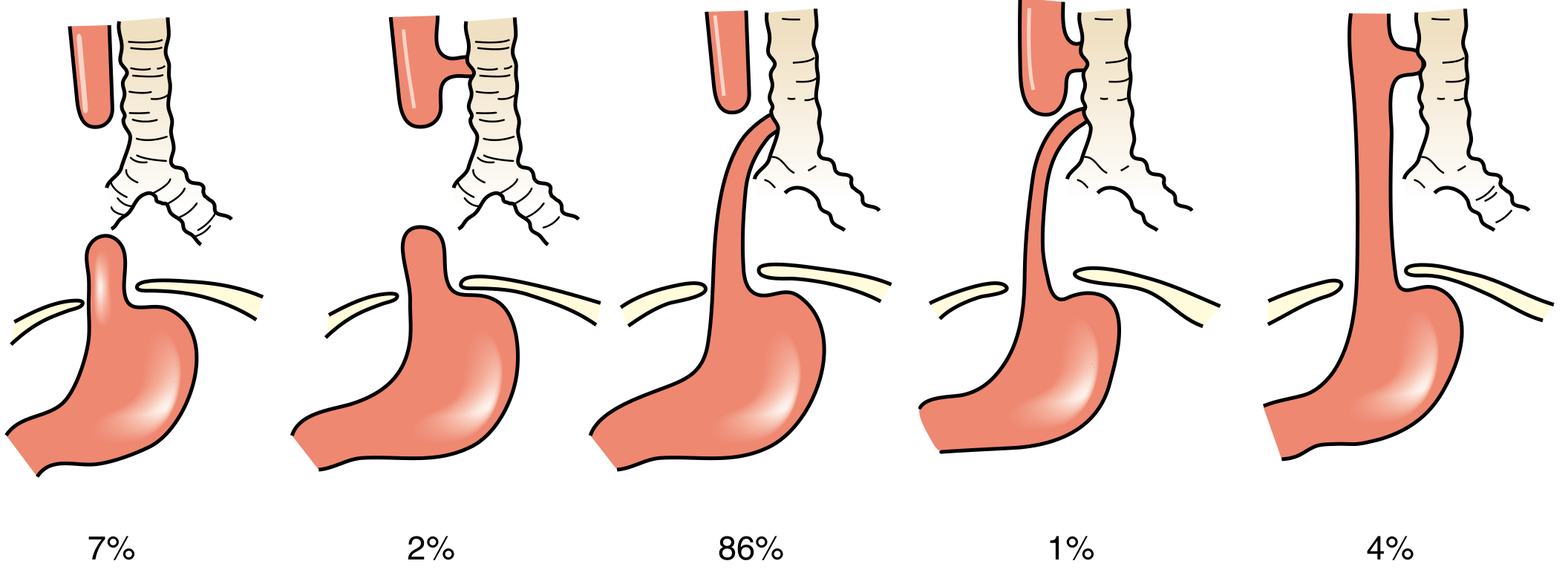
| Type | Description | Incidence |
|---|---|---|
| A | Pure EA — isolated proximal blind pouch, no fistula | 7% |
| B | EA + proximal TEF | 2% |
| C | EA + distal TEF (most common) | 86% |
| D | EA + proximal AND distal TEF | 1% |
| E | Isolated TEF without EA ("H-type") | 4% |
Type C (proximal blind pouch + distal TEF): The proximal pouch ends roughly 1–2 vertebral bodies above the carina. The fistula inserts into the trachea's membranous segment, typically just above or at the carina. Because air enters the stomach via the distal TEF, abdominal gas is present on X-ray — absence of abdominal gas indicates isolated EA (Type A).
Associated Anomalies — VACTERL
A non-random, non-genetic cluster present in ~10% of EA/TEF infants:
| Letter | Anomaly |
|---|---|
| V | Vertebral (hemivertebrae, fusion defects) |
| A | Anorectal malformations |
| C | Cardiac defects (VSD, ASD, ToF — most common associated anomaly) |
| TE | Tracheo-Esophageal fistula |
| R | Renal anomalies |
| L | Limb defects (radial ray) |
Cardiac anomalies are the most common associated defect and the leading cause of mortality. Echocardiography and renal ultrasonography are mandatory at diagnosis.
Clinical Presentation
| Sign | Mechanism |
|---|---|
| Excessive salivation / drooling | Proximal pouch fills with saliva |
| Choking/coughing at first feed | Aspiration from proximal pouch |
| Cyanosis / apnoea | Aspiration of secretions |
| Maternal polyhydramnios | Especially in pure EA (86%) — no swallowing of amniotic fluid |
| Gastric distension | Air entering stomach via distal TEF |
| Recurrent respiratory symptoms | In H-type TEF (often diagnosed late) |
Diagnostic hallmark: Failure to pass an orogastric tube beyond ~10 cm from the gum line. Chest X-ray shows the tube coiled in the proximal pouch.
Diagnosis
- CXR/AXR: OG tube coiled in proximal pouch; presence/absence of abdominal gas
- Gas present → distal TEF (Type C)
- Gas absent → pure EA (Type A)
- Oral contrast is contraindicated (aspiration risk)
- Bronchoscopy: defines fistula site and rules out laryngeal cleft; useful for planning surgery
- Echocardiography: mandatory — identifies cardiac anomalies + determines aortic arch side (determines surgical approach: left-sided arch → right thoracotomy; right-sided arch → left thoracotomy)
- Renal ultrasound: screens for associated renal anomalies
Waterston Risk Classification (historical, still referenced)
| Group | Criteria | Mortality |
|---|---|---|
| A | BW >2.5 kg, healthy | Low |
| B | BW 1.8–2.5 kg, OR mild pneumonia/anomaly | Moderate |
| C | BW <1.8 kg, OR severe pneumonia/major anomaly | High |
Pre-operative Management
- Elevate head of bed 30–45° (prone if possible) — minimises aspiration
- Replogle tube (double-lumen sump catheter) to continuous low suction — decompresses proximal pouch
- Broad-spectrum IV antibiotics
- Avoid intubation if possible — positive pressure ventilation preferentially inflates stomach via TEF, causing gastric distension and respiratory compromise
- If ventilation required and gastric distension life-threatening → emergency gastrostomy to decompress
- IV fluids, temperature maintenance
Surgical Repair
Standard approach: Right extrapleural thoracotomy (or thoracoscopy) through the 4th intercostal space.
Steps:
- Identify and ligate/divide the TEF flush with the trachea (avoid tracheal narrowing)
- Mobilise the proximal pouch
- Primary end-to-end oesophageal anastomosis (if gap allows)
- Chest drain placed extrapleurally
Long-gap EA (gap >2–3 vertebral bodies): Primary anastomosis impossible. Options:
- Delayed primary anastomosis (6–12 weeks) — upper pouch stimulated with bougie to encourage growth
- Foker technique: external traction sutures to lengthen both segments
- Oesophageal replacement: gastric transposition, colonic interposition, or jejunal interposition (as a last resort)
Thoracoscopic repair is increasingly performed with equivalent outcomes and better cosmesis.
Complications
| Complication | Details |
|---|---|
| Anastomotic leak | 10–20%; most heal conservatively |
| Anastomotic stricture | Most common long-term complication; requires oesophageal dilation |
| Recurrent TEF | 5–10%; presents with recurrent aspiration |
| Gastro-oesophageal reflux | Nearly universal; often requires fundoplication |
| Tracheomalacia | Barking cough, stridor; aortopexy if severe |
| Oesophageal dysmotility | Life-long; affects all EA patients |
PART 2 — CONGENITAL HIGH INTESTINAL OBSTRUCTION
Overview
"High" obstruction = obstruction at or above the proximal jejunum (duodenum, gastric outlet). Main causes:
| Cause | Level | Vomiting |
|---|---|---|
| Pyloric stenosis | Gastric outlet | Non-bilious |
| Duodenal atresia/stenosis | 2nd duodenum (post-ampullary 85%) | Bilious |
| Annular pancreas | 2nd duodenum | Bilious |
| Malrotation ± volvulus | Duodenojejunal junction | Bilious (urgent!) |
| Jejunoileal atresia | Jejunum/ileum | Bilious |
A. Duodenal Atresia & Stenosis
Embryology & Pathogenesis
Between weeks 5–6 the duodenal lumen is temporarily completely occluded by epithelial cells. Failure of recanalization produces atresia (complete) or stenosis (partial). Obstruction is post-ampullary in 85% → bilious vomiting. Proximal to ampulla in 15% → non-bilious (but this does NOT exclude the diagnosis).
Anatomic Spectrum
| Type | Morphology |
|---|---|
| Stenosis | Narrowed lumen, muscle wall intact |
| Mucosal web ("windsock") | Intraluminal diaphragm, may balloon distally; wall intact |
| Fibrous cord | Two blind ends joined by cord, mesentery intact |
| Complete gap | Two blind ends, mesenteric gap |
Associated Conditions
- Down syndrome (Trisomy 21): ~30% — most important association
- Prematurity ~20%
- Annular pancreas
- Malrotation, biliary atresia, preduodenal portal vein
- Congenital heart disease, renal, anorectal malformations
- Maternal polyhydramnios (fetal swallowing of amniotic fluid is impaired)
Clinical Features
- Bilious vomiting within hours of birth (non-bilious if pre-ampullary)
- Epigastric distension (distended stomach + proximal duodenum)
- Failure to pass normal meconium
- Antenatal: double-bubble sign on fetal ultrasound
Diagnosis — The Double-Bubble Sign
- Two gas-filled chambers = distended stomach + proximal duodenum; no distal gas
- If distal gas IS present → incomplete obstruction (stenosis/web) or duodenoduodenal malrotation — upper GI contrast study required to exclude malrotation with midgut volvulus (surgical emergency)
- Antenatal USS: fluid-filled double-bubble; polyhydramnios
Treatment
- Nasogastric decompression; IV fluids; temperature control
- Echocardiography (Down syndrome + cardiac anomaly)
- Definitive surgery: Duodenoduodenostomy — diamond-shaped anastomosis (proximal transverse to distal longitudinal) — bypasses the obstruction without resecting pancreatic tissue
- Laparoscopic approach increasingly used
- Markedly dilated proximal segment: tapering duodenoplasty
- Mucosal web: transduodenal excision/fenestration — protect the ampulla of Vater
B. Jejunoileal Atresia
Pathogenesis
NOT a recanalization failure — caused by intrauterine mesenteric vascular accident (in utero bowel ischaemia → necrosis and resorption). Occurs in 1 in 2000 live births; the most common GI atresia overall.
Classification (Grosfeld)
| Type | Description |
|---|---|
| I | Mucosal web/diaphragm; intact muscle wall and mesentery |
| II | Atretic fibrous cord between blind ends; mesentery intact |
| IIIa | Complete separation; V-shaped mesenteric gap |
| IIIb | "Apple-peel" / "Christmas tree" — large mesenteric gap; surviving distal bowel spirals around a marginal vessel; worst prognosis (short bowel) |
| IV | Multiple atresias ("string of sausages"); 10–15% of cases |
Associated Conditions
- Cystic fibrosis ~10% (the key systemic association — sweat test mandatory)
- Generally NOT associated with chromosomal anomalies (unlike duodenal atresia)
Clinical Features
- Bilious vomiting + abdominal distension + failure to pass meconium
- Proximal atresias: dominant bilious emesis
- Distal atresias: prominent abdominal distension with multiple dilated loops on AXR
- Contrast enema: microcolon (unused, small calibre colon)
- Multiple atresias: always check entire bowel intraoperatively (saline injection via catheter)
Treatment
Surgical resection of atretic segment + primary anastomosis. With Type IIIb/IV or very premature infants: temporary stoma followed by delayed anastomosis.
C. Annular Pancreas
Ventral pancreatic bud fails to rotate normally — a ring of pancreatic tissue encircles the 2nd part of the duodenum. Often discovered with duodenal atresia.
Key surgical rule: the pancreatic ring is never divided (pancreatitis, fistula risk).
Treatment: duodenoduodenostomy or duodenojejunostomy to bypass the obstruction.
PART 3 — CONGENITAL PYLORIC STENOSIS (Infantile Hypertrophic Pyloric Stenosis)
Definition & Incidence
Progressive hypertrophy and hyperplasia of the pyloric circular muscularis propria causing gastric outlet obstruction.
- Incidence: 1 in 300–900 live births (~0.2% of general population)
- Male:female = 4–5:1; first-born males most at risk
- Peak presentation: 3–6 weeks of age (range 2–12 weeks; rare after 12 weeks)
- Sibling risk: ~6% (vs 0.2% general population)
Pathology & Aetiology
Hyperplasia of pyloric muscularis propria → outward bulging + luminal narrowing; mucosal/submucosal oedema exacerbates obstruction. The circular muscle is disproportionately affected.
Aetiology is unknown but contributing factors include:
- Deficiency of nitric oxide synthase in pyloric tissue (loss of smooth muscle relaxation)
- Genetic factors: high monozygotic twin concordance; GWAS locus at chromosome 11q23.3; siblings 30× increased risk
- Macrolide antibiotic exposure (erythromycin, azithromycin) in first 2 weeks of life — directly or via breast milk (motilin receptor agonism → excessive antral contractions)
- Associated with Turner syndrome and trisomy 18
Clinical Presentation
| Feature | Detail |
|---|---|
| Vomiting | Progressively projectile, non-bilious (obstruction proximal to ampulla) |
| Timing | Develops over days–weeks starting ~3 weeks of age |
| Feeding behaviour | Vomits then immediately demands feeding — "hungry vomiter" |
| Gastric peristalsis | Visible peristaltic wave left upper quadrant → epigastrium before vomiting |
| "Olive" mass | Firm, ovoid, 1–2 cm palpable in epigastrium/RUQ; present in up to 90%; pathognomonic |
| Dehydration | Progressive: decreased wet nappies, weight loss, lethargy |
| Jaundice | Indirect hyperbilirubinemia in some — mechanism unclear |
Metabolic Consequences
Repeated loss of gastric HCl produces:
Hypochloraemic, Hypokalaemic Metabolic Alkalosis
Mechanism:
- Vomiting → loss of H⁺ + Cl⁻ → metabolic alkalosis + hypochloraemia
- Kidney initially excretes alkaline urine (↑ pH)
- As hypochloraemia worsens, H⁺ is exchanged for Na⁺ in distal tubule → paradoxical aciduria (urine becomes acid despite systemic alkalosis)
- Low pCO₂ from respiratory compensation
- Anaesthesia before correction → postoperative apnoea (absent CO₂ respiratory drive)
Pre-operative targets (mandatory before GA):
- Serum HCO₃⁻ < 30 mEq/L
- Serum Cl⁻ > 95 mEq/L
- Urine output > 2 mL/kg/hr
Diagnosis
Ultrasound — first-line (accuracy ~95%):
- Pyloric muscle thickness > 3–4 mm
- Pyloric channel length > 15–18 mm
If olive is confidently palpated → no imaging required.
Upper GI contrast study (use with caution — aspiration risk):
- "String sign" or "beak sign" — elongated, narrowed pyloric channel
- Delayed/absent gastric emptying
- Reserved for equivocal cases or to exclude malrotation
Plain AXR: enlarged gastric gas bubble; paucity of distal bowel gas.
Treatment
Pyloric stenosis is NEVER a surgical emergency — resuscitate first.
Pre-operative Resuscitation
- IV bolus 20 mL/kg normal saline
- Maintenance: D5 ½ NS + 20 mEq/L KCl at 1.5× maintenance rate once urine output established
- Nasogastric tube decompression
- Correct until: HCO₃⁻ <30, Cl⁻ >95, urine output >2 mL/kg/hr
Surgery — Fredet-Ramstedt Pyloromyotomy
- Longitudinal incision through the hypertrophied pyloric muscle from the gastric antrum to the duodenum — extending through serosa and muscularis down to submucosa only (mucosa NOT entered)
- Endpoint: free bulging of mucosa + independent wall motion of the two muscle edges along the full length
- Test for mucosal injury: instil air via NG tube under saline — look for bubbles
- Approaches: Laparoscopic (preferred — shorter hospital stay, lower wound infection) or open (umbilical or right upper quadrant transverse incision)
Postoperatively: oral feeding protocol — most centres advance to full feeds within 24 hours. Surgery is generally curative.
PART 4 — CONGENITAL DIAPHRAGMATIC HERNIA (CDH)
Definition & Incidence
CDH is a spectrum of diaphragmatic defects that allow abdominal contents to herniate into the thoracic cavity during fetal development, disrupting lung and pulmonary vascular development.
- Incidence: 1 in 2000–5000 live births
- Survival: 65–90% at experienced centres
- Most cases are sporadic, isolated, non-syndromic
- Aetiology unknown; animal models implicate genetic, environmental, and nutritional factors
Embryology & Types
The diaphragm forms from four structures: septum transversum, pleuroperitoneal folds, abdominal wall components, and dorsal mesentery. Fusion is normally complete by 9 weeks gestation. Incomplete fusion leads to defects:
| Type | Location | Frequency |
|---|---|---|
| Bochdalek hernia | Posterolateral (L>R) | 70–75% |
| Morgagni hernia | Anterior (retrosternal) | 23–28% |
| Central hernia | Central tendon | 2–7% |
Bochdalek: Left-sided in 85%, right in 13%, bilateral in 2%.
Pathophysiology
Herniated abdominal contents (small bowel, colon, stomach, spleen — and on the right, the liver) compress the developing ipsilateral lung:
- Pulmonary hypoplasia — smaller bronchi, reduced branching, reduced alveolar surface; both lungs affected (ipsilateral > contralateral)
- Pulmonary hypertension — increased arteriolar smooth muscle thickness; extremely reactive vasculature
- Mediastinal shift — compression of contralateral lung + cardiac displacement
- Persistent pulmonary hypertension of the newborn (PPHN) — the most dangerous complication and main determinant of mortality
Prenatal Diagnosis & Prognostic Markers
Routine antenatal ultrasound diagnoses CDH from ~15 weeks gestation. Key prognostic parameters:
| Parameter | Detail |
|---|---|
| Lung Head Ratio (LHR) | Contralateral lung area ÷ head circumference; LHR <1.0 = severe; >1.4 = favourable |
| Observed/Expected LHR (O/E LHR) | Adjusts for gestational age; O/E LHR <25% = severe pulmonary hypoplasia |
| Liver herniation | Intrathoracic liver = major adverse predictor |
| Associated anomalies | Cardiac defects, chromosomal anomalies (trisomy 13, 18, 21) |
| Side | Right-sided = generally worse (liver in chest) |
Fetal MRI is increasingly used to more accurately measure lung volumes.
Fetal intervention: In severe cases (O/E LHR <25%, liver up): Fetal Endoscopic Tracheal Occlusion (FETO) — a balloon is placed in the fetal trachea to stimulate lung growth by preventing egress of lung fluid. Performed at 27–29 weeks; balloon removed at 34 weeks or at delivery.
Postnatal Clinical Presentation
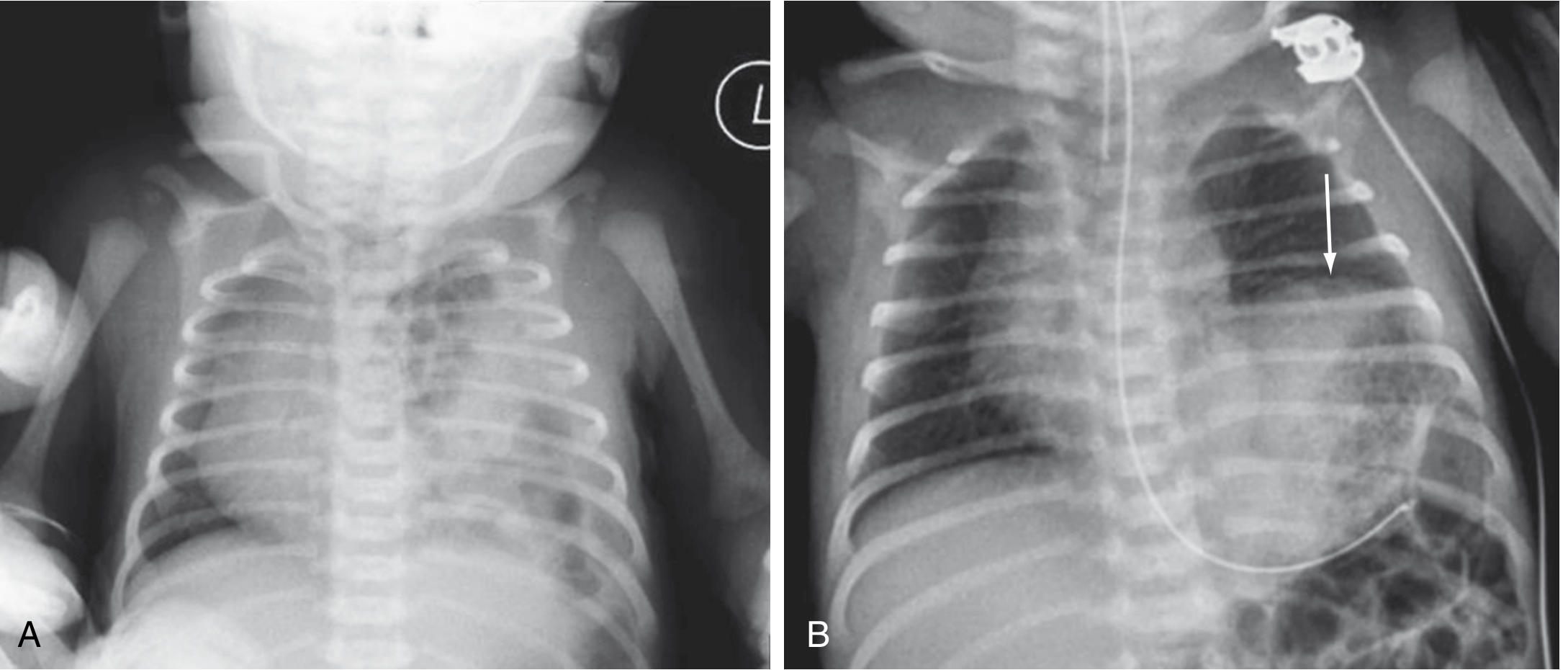
| Feature | Finding |
|---|---|
| Respiratory distress | Immediate at birth; severe in large defects |
| Barrel-shaped chest | Distended; bowel sounds in chest |
| Scaphoid abdomen | Bowel absent from abdomen |
| Cyanosis | Refractory hypoxaemia |
| Mediastinal shift | Heart pushed to right (left CDH) |
| Bowel sounds in chest | Pathognomonic |
CXR: Gas-filled bowel loops in hemithorax; mediastinal shift; ipsilateral lung compressed; stomach may be visible in chest.
Differential: congenital cystic adenomatoid malformation (CCAM), congenital lobar emphysema — but these do NOT cause scaphoid abdomen.
Postnatal Management
Immediate Stabilisation ("Gentle Ventilation" Principle)
- Intubate immediately at delivery for severe cases — avoid bag-mask ventilation (inflates herniated bowel → further compression)
- Nasogastric tube — immediate insertion to decompress bowel
- "Gentle ventilation" strategy: limit peak inspiratory pressure (PIP <25 cmH₂O); permit permissive hypercapnia (pCO₂ 45–60 mmHg); target preductal SpO₂ 85–95%
- Avoid high pressures — risk of pneumothorax in hypoplastic lung
- Target: preductal SpO₂ >85%, post-ductal SpO₂ >70%
Pulmonary Hypertension Management
- iNO (inhaled nitric oxide) — selective pulmonary vasodilator; first-line for PPHN
- Sildenafil (PDE-5 inhibitor) — adjunct
- Prostaglandin E1 — maintains ductal patency if needed
- High-frequency oscillatory ventilation (HFOV) — improves gas exchange, reduces barotrauma
- ECMO (Extracorporeal Membrane Oxygenation) — reserved for refractory cases; bridge to surgery or recovery; criteria: oxygenation index >40, PaCO₂ >60 on maximal therapy
Timing of Surgery
CDH is NOT repaired immediately — surgery is delayed until the infant is physiologically stabilised
Wait for:
- Resolution of pulmonary hypertension
- Adequate oxygenation off/minimal vasopressors
- Urine output normalised
- Typically 48–72+ hours after birth
Surgical Repair
Approach:
- Subcostal laparotomy (traditional, best exposure for liver/bowel reduction)
- Thoracoscopic repair (increasingly used for small-moderate defects)
- Thoracotomy (for right-sided CDH with liver herniation)
Steps:
- Reduce herniated abdominal contents into abdomen
- Excise hernia sac (if present — ~10% have a sac)
- Primary repair of diaphragmatic defect with non-absorbable sutures (if enough tissue)
- For large defects (absent hemidiaphragm): prosthetic patch repair (Gore-Tex, Dacron) or muscle flap
- Chest drain not routinely placed on repaired side (avoids mediastinal shift back)
Long-Term Outcomes & Complications
| Issue | Detail |
|---|---|
| Recurrence | Higher with patch repair (10–20%); primary repair <5% |
| GERD | Very common (50–70%); oesophageal dysmotility; often requires fundoplication |
| Neurodevelopmental delay | Related to ECMO, hypoxia, PPHN duration |
| Chest wall deformity | Pectus excavatum/carinatum |
| Scoliosis | Due to vertebral anomalies |
| Pulmonary hypoplasia | Persistent exercise limitation; chronic lung disease |
| Hearing loss | Related to iNO/ECMO use |
SUMMARY COMPARISON TABLE
| Feature | Esophageal Atresia (Type C) | Duodenal Atresia | Jejunoileal Atresia | Pyloric Stenosis | CDH |
|---|---|---|---|---|---|
| Incidence | 1:1500–3000 | 1:5000–10000 | 1:2000 | 1:300–900 | 1:2000–5000 |
| Sex | M slight | Equal | Equal | M >> F (4–5:1) | M slight |
| Age at presentation | Hours after birth | Hours after birth | Hours after birth | 3–6 weeks | Birth |
| Vomiting type | N/A (doesn't reach stomach) | Bilious (85%) | Bilious | Non-bilious, projectile | N/A |
| Key sign | OG tube coils at 10 cm | Double-bubble sign | Abdominal distension + microcolon | Palpable "olive" | Bowel sounds in chest; scaphoid abdomen |
| Key investigation | CXR (coiled tube) | Plain AXR | AXR + contrast enema | Ultrasound | CXR |
| Pathogenesis | Failed tracheoesophageal separation | Failed recanalization | Intrauterine vascular accident | Pyloric muscle hypertrophy | Failed pleuroperitoneal fusion |
| Key association | VACTERL (cardiac most common) | Down syndrome (30%) | Cystic fibrosis (10%) | First-born males; macrolides | PPHN; cardiac defects |
| Metabolic disturbance | Aspiration pneumonia | Dehydration | Dehydration | Hypochloraemic hypokalaemic alkalosis | Respiratory alkalosis → acidosis |
| Definitive surgery | Primary oesophageal anastomosis + TEF ligation | Duodenoduodenostomy (diamond) | Resection + anastomosis | Fredet-Ramstedt pyloromyotomy | Reduction + diaphragm repair |
| Emergency? | Urgent (not immediate) | Urgent (not immediate) | Urgent | NEVER — resuscitate first | Urgent but stabilise first |
Sources: Sabiston Textbook of Surgery, 21e — Schwartz's Principles of Surgery, 11e — The Developing Human: Clinically Oriented Embryology — Robbins & Cotran Pathologic Basis of Disease — Creasy & Resnik's Maternal-Fetal MedicineThe complete pediatric surgery reference is above. Here's what's covered for each condition:
What's Included
1. Esophageal Atresia / TEF
- Embryology (4th week foregut division failure)
- Full Gross-Vogt classification with incidence diagram (Type C = 86%)
- VACTERL associations
- Clinical presentation + diagnostic algorithm
- Waterston classification
- Pre-operative management (Replogle tube, positioning, avoid PPV)
- Surgical repair (primary anastomosis, long-gap strategies, thoracoscopy)
- All complications (stricture, recurrent TEF, GOR, tracheomalacia)
2. Congenital High Intestinal Obstruction
- Duodenal atresia: failed recanalization, double-bubble sign (X-ray shown), Down syndrome association, diamond duodenoduodenostomy
- Jejunoileal atresia: vascular accident pathogenesis, Grosfeld types I–IV including apple-peel (Type IIIb), cystic fibrosis association, microcolon
- Annular pancreas: never divide the ring
3. Congenital Pyloric Stenosis
- Pathology, risk factors, macrolide association
- "Hungry vomiter" clinical picture, palpable olive
- Hypochloraemic hypokalaemic metabolic alkalosis + paradoxical aciduria
- US criteria (muscle >3–4 mm, length >15–18 mm)
- Pre-op resuscitation targets + Fredet-Ramstedt pyloromyotomy (image shown)
4. Congenital Diaphragmatic Hernia (CDH)
- Bochdalek vs Morgagni; embryology
- Pulmonary hypoplasia + PPHN pathophysiology
- LHR / O/E LHR prognostic markers; FETO fetal intervention
- "Gentle ventilation" strategy, iNO, ECMO criteria
- Delayed surgery principle; patch vs primary repair; long-term outcomes
This is a shared conversation. Sign in to Orris to start your own chat.