
Hi I am preparing for neurosurgery and I want few things of neuropharmacology with antibiotics used in neurosurgery anti epileptics in neurosurgery anti edema agents , chemotherapy agents in neurosurgery and give me drug class, mechanism of action, side effects, special points and try to add as much as images overall and also use standard books Also give some imp drugs of neurology and also add doses of all drugs for different condition and different age grps
mannitol osmotic therapy cerebral edema mechanism
antiepileptic drugs mechanism of action neurosurgery
temozolomide glioblastoma chemotherapy mechanism
antibiotic prophylaxis neurosurgery cefazolin vancomycin blood brain barrier
dexamethasone corticosteroid brain tumor edema mechanism
Parkinson disease drug treatment dopamine levodopa carbidopa mechanism
hypertonic saline intracranial pressure ICP management
neurosurgery pharmacology antibiotics antiepileptics anti-edema doses 2024 standard guidelines
bevacizumab anti-VEGF brain tumor angiogenesis inhibitor
status epilepticus treatment algorithm lorazepam phenytoin levetiracetam valproate
multiple sclerosis disease modifying drugs interferon natalizumab
🧠 Neuropharmacology for Neurosurgery — Complete Guide
PART 1 — ANTIBIOTICS IN NEUROSURGERY
1A. Surgical Prophylaxis
For elective craniotomy, CSF-shunting procedures, and intrathecal pump implantation: Cefazolin is first-line; Clindamycin or Vancomycin for penicillin allergy.
🔵 CEFAZOLIN (1st-Generation Cephalosporin)
| Feature | Details |
|---|---|
| Drug Class | 1st-generation cephalosporin (β-lactam) |
| Mechanism | Inhibits bacterial cell wall synthesis by binding penicillin-binding proteins (PBPs), blocking transpeptidation of peptidoglycan |
| Spectrum | Gram-positive cocci (S. aureus, S. epidermidis — main SSI pathogens), some Gram-negatives |
| Dose — Adults | 2 g IV (3 g if >120 kg) given within 60 min before incision; redose every 4 hours intraoperatively |
| Dose — Pediatric | 30 mg/kg IV (max 2 g) within 60 min before incision |
| Duration | Single dose; discontinue within 24 hours of surgery end (no benefit to prolonged prophylaxis) |
| Side Effects | Hypersensitivity (rash, anaphylaxis <0.02%), C. difficile colitis (rare), phlebitis |
| Special Points | Does NOT cross intact BBB well — used for wound/bone prophylaxis, not CNS infection treatment; adequate CSF penetration only with inflamed meninges |
🔵 VANCOMYCIN (Glycopeptide)
| Feature | Details |
|---|---|
| Drug Class | Glycopeptide antibiotic |
| Mechanism | Binds D-Ala-D-Ala terminus of peptidoglycan precursors → blocks transglycosylation → inhibits cell wall synthesis |
| Spectrum | MRSA, MRSE, coagulase-negative staphylococci, Enterococcus |
| Dose — Adults (prophylaxis) | 15–20 mg/kg IV (max 3 g), infused over 60–120 min, started 60–120 min before incision |
| Dose — Pediatric (prophylaxis) | 15 mg/kg IV (max 750 mg/dose) |
| Dose — Adults (treatment — meningitis/ventriculitis) | 15–20 mg/kg IV every 8–12 hours (target AUC/MIC 400–600) |
| Dose — Pediatric (treatment) | 40–60 mg/kg/day IV divided every 6 hours |
| Intrathecal/Intraventricular | 5–20 mg/day (for shunt infections/ventriculitis) |
| Side Effects | Red man syndrome (vancomycin flushing syndrome — slow infusion), nephrotoxicity, ototoxicity, DRESS |
| Special Points | Use when MRSA prevalence >10–20% or patient is MRSA carrier; target trough for CNS infection: 15–20 µg/mL; preferred for post-neurosurgical meningitis |
🔵 MEROPENEM (Carbapenem) — for CNS Infections
| Feature | Details |
|---|---|
| Drug Class | Carbapenem (β-lactam) |
| Mechanism | Binds multiple PBPs → inhibits cell wall synthesis; resistant to most β-lactamases |
| Spectrum | Broad: GN including Pseudomonas, Enterobacteriaceae, anaerobes, most GP |
| Dose — Adults (meningitis) | 2 g IV every 8 hours (high-dose for CNS penetration) |
| Dose — Pediatric | 40 mg/kg IV every 8 hours (max 2 g/dose) |
| Side Effects | Seizures (especially at high doses or renal failure), nausea, hepatotoxicity |
| Special Points | Drug of choice for post-neurosurgical Gram-negative meningitis (Acinetobacter, Pseudomonas); good CSF penetration with inflamed meninges |
🔵 METRONIDAZOLE — for Anaerobic CNS Infections (Brain Abscess)
| Feature | Details |
|---|---|
| Drug Class | Nitroimidazole |
| Mechanism | Reduced to cytotoxic intermediates inside anaerobic organisms → DNA strand breakage |
| Spectrum | Anaerobes, Bacteroides, protozoa |
| Dose — Adults | 500 mg IV every 8 hours or 7.5 mg/kg IV every 6 hours |
| Dose — Pediatric | 7.5 mg/kg IV/PO every 6 hours (max 500 mg/dose) |
| Side Effects | Metallic taste, peripheral neuropathy (prolonged use), disulfiram-like reaction with alcohol, neurotoxicity (encephalopathy, cerebellar syndrome at high doses) |
| Special Points | Excellent CNS penetration — crosses BBB regardless of inflammation; cornerstone in brain abscess treatment (combined with ceftriaxone or penicillin) |
🔵 CEFTRIAXONE — for Bacterial Meningitis
| Feature | Details |
|---|---|
| Drug Class | 3rd-generation cephalosporin |
| Mechanism | Inhibits PBPs → blocks peptidoglycan cross-linking |
| Spectrum | S. pneumoniae, N. meningitidis, Gram-negatives, H. influenzae |
| Dose — Adults | 2 g IV every 12 hours (meningitis) |
| Dose — Children >1 month | 100 mg/kg/day IV divided every 12–24 hours (max 4 g/day) |
| Dose — Neonates | 50–100 mg/kg/day IV once daily |
| Side Effects | Biliary sludging, hypersensitivity, Clostridium difficile |
| Special Points | Always combine with dexamethasone 0.15 mg/kg IV every 6 hours for 4 days given 15–20 min BEFORE first antibiotic dose to reduce inflammatory cytokine release and hearing loss |
🔵 LINEZOLID — for MRSA/VRE CNS infections
| Feature | Details |
|---|---|
| Drug Class | Oxazolidinone |
| Mechanism | Binds 23S rRNA of 50S ribosomal subunit → inhibits initiation complex formation → inhibits protein synthesis |
| Dose — Adults | 600 mg IV/PO every 12 hours |
| Dose — Pediatric | 10 mg/kg IV/PO every 8 hours (max 600 mg/dose) |
| Side Effects | Thrombocytopenia (>2 weeks use), serotonin syndrome (with SSRIs/MAOIs), optic neuritis, peripheral neuropathy |
| Special Points | Excellent CNS penetration (CSF:plasma ratio ~0.7); used when vancomycin fails or for VRE ventriculitis |
PART 2 — ANTIEPILEPTIC DRUGS (AEDs) IN NEUROSURGERY
Seizures occur in 20–40% of brain tumor patients and up to 15% post-craniotomy. Seizure prophylaxis is crucial peri-operatively.
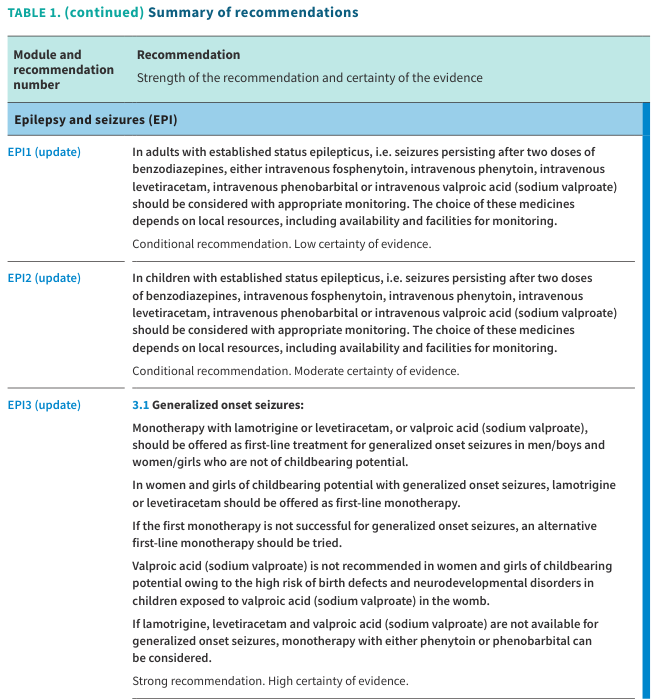
🟢 LEVETIRACETAM (Keppra) — Preferred in Neurosurgery
| Feature | Details |
|---|---|
| Drug Class | Pyrrolidine derivative — synaptic vesicle modulator |
| Mechanism | Binds SV2A (synaptic vesicle glycoprotein 2A) → modulates neurotransmitter release; also inhibits Ca²⁺ channels and reverses inhibition of GABA and glycine-gated currents |
| Dose — Adults (prophylaxis) | 500–1000 mg PO/IV every 12 hours |
| Dose — Adults (status epilepticus) | 1000–3000 mg IV over 15 min (loading), then 1000–3000 mg/day maintenance |
| Dose — Children (2–17 y) | 10–20 mg/kg/day divided BID, up to max 60 mg/kg/day |
| Dose — Neonates/Infants | 10 mg/kg/day, titrate up to 40–60 mg/kg/day |
| Side Effects | Behavioral changes (irritability, aggression — "Keppra rage"), somnolence, dizziness, infection risk |
| Special Points | ⭐ Drug of choice in neurosurgery — no hepatic enzyme induction, no protein binding issues, no CYP interactions; safe with steroids, chemotherapy, immunosuppressants; renally cleared (adjust in renal failure); available as IV formulation; bioequivalent IV=PO |
🟢 PHENYTOIN / FOSPHENYTOIN
| Feature | Details |
|---|---|
| Drug Class | Hydantoin |
| Mechanism | Blocks voltage-gated Na⁺ channels (use-dependent) → stabilizes neuronal membranes; prolongs refractory period |
| Dose — Adults (loading) | 15–20 mg/kg IV at ≤50 mg/min (phenytoin) or 150 mg PE/min (fosphenytoin) |
| Dose — Adults (maintenance) | 300–400 mg/day PO/IV divided TID or once daily (extended release) |
| Dose — Children (loading) | 15–20 mg/kg IV at ≤1–3 mg/kg/min (phenytoin) |
| Dose — Children (maintenance) | 4–8 mg/kg/day divided BID–TID |
| Therapeutic level | 10–20 µg/mL (free level: 1–2 µg/mL) |
| Side Effects | Cardiac arrhythmia/hypotension (IV rapid infusion), ataxia, nystagmus, gingival hyperplasia, hirsutism, osteoporosis, SJS/TEN, purple glove syndrome (IV extravasation), zero-order kinetics (saturable) |
| Special Points | IV phenytoin must be given in normal saline (precipitates in dextrose); NOT compatible with most IV solutions; fosphenytoin is water-soluble prodrug — can be given IM, faster infusion; enzyme inducer (↓ steroids, ↓ chemotherapy levels); narrow therapeutic window; NOT first-line anymore due to interactions |
🟢 VALPROATE (Sodium Valproate / Valproic Acid)
| Feature | Details |
|---|---|
| Drug Class | Short-chain branched fatty acid |
| Mechanism | Na⁺ channel blockade + enhances GABA (↑ GABA synthesis, ↓ GABA degradation) + T-type Ca²⁺ channel inhibition |
| Dose — Adults (status epilepticus) | 20–40 mg/kg IV at 3–6 mg/kg/min loading; maintenance 10–15 mg/kg/day divided BID–TID |
| Dose — Adults (chronic) | 500–2000 mg/day PO divided BID–TID; serum level: 50–100 µg/mL |
| Dose — Children | 15–45 mg/kg/day divided BID–TID |
| Side Effects | Hepatotoxicity (potentially fatal — check LFTs), pancreatitis, thrombocytopenia, weight gain, tremor, hair loss, teratogenicity (neural tube defects — CONTRAINDICATED in pregnancy/women of childbearing age), hyperammonemia |
| Special Points | Broad-spectrum AED — covers generalized, focal, myoclonic, absence; inhibits CYP2C9 → ↑ phenytoin levels; good for brain tumor seizures but interact with temozolomide; AVOID in liver disease |
🟢 LACOSAMIDE
| Feature | Details |
|---|---|
| Drug Class | Functionalized amino acid |
| Mechanism | Enhances slow inactivation of voltage-gated Na⁺ channels (distinct from phenytoin which blocks fast inactivation); also binds CRMP-2 |
| Dose — Adults | 200–400 mg/day PO/IV divided BID; loading: 200–400 mg IV over 15–60 min |
| Dose — Children (≥4 years) | 2–8 mg/kg/day divided BID (max 400 mg/day) |
| Side Effects | Dizziness, diplopia, PR interval prolongation (use caution in cardiac patients), ataxia |
| Special Points | Increasingly used peri-operatively; fewer drug interactions than phenytoin; IV formulation available; good option when benzodiazepines/phenytoin/levetiracetam have failed |
🟢 CARBAMAZEPINE
| Feature | Details |
|---|---|
| Drug Class | Iminostilbene |
| Mechanism | Blocks fast Na⁺ channels (use-dependent); also blocks NMDA receptors and adenosine receptors |
| Dose — Adults | 200 mg PO BID, titrate to 400–1200 mg/day divided TID–QID; serum level: 4–12 µg/mL |
| Dose — Children | 10–20 mg/kg/day divided TID–QID |
| Side Effects | SJS/TEN (HLA-B*1502 in Asian patients — screen before use), hyponatremia (SIADH), aplastic anemia, agranulocytosis, diplopia, ataxia |
| Special Points | Strong CYP3A4 inducer → reduces levels of many drugs including corticosteroids, immunosuppressants, OCP; auto-induction (induces its own metabolism); used in trigeminal neuralgia (drug of choice) at 200–1200 mg/day |
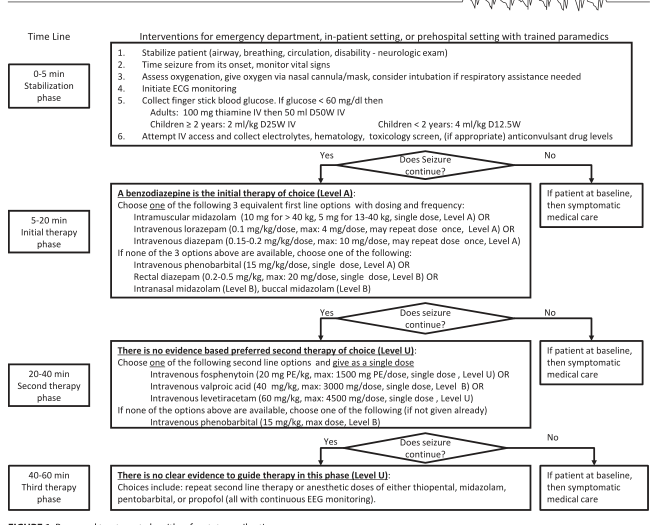
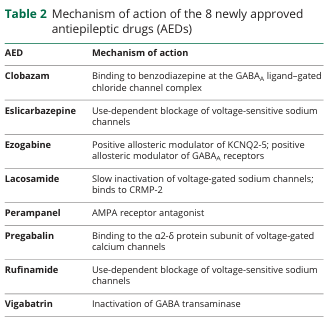
🟢 STATUS EPILEPTICUS PROTOCOL (Tintinalli/WHO-based)
| Time | Drug | Adult Dose | Pediatric Dose |
|---|---|---|---|
| 0–5 min (stabilization) | Glucose + thiamine | Thiamine 100 mg IV first if alcoholism suspected | — |
| 5–10 min (1st line) | Lorazepam | 0.1 mg/kg IV (max 4 mg/dose), repeat once | 0.05–0.1 mg/kg IV (max 4 mg) |
| 5–10 min (prehospital/IM) | Midazolam | 10 mg IM (>40 kg) | 0.2 mg/kg IM (max 10 mg) |
| 20–40 min (2nd line) | Levetiracetam | 60 mg/kg IV (max 4500 mg) over 10 min | 40–60 mg/kg IV |
| 20–40 min (alternative) | Fosphenytoin | 20 mg PE/kg IV at 150 mg PE/min | 20 mg PE/kg IV at 3 mg PE/kg/min |
| 20–40 min (alternative) | Valproate | 40 mg/kg IV (max 3000 mg) over 10 min | 20–40 mg/kg IV |
| 40–60 min (3rd line/refractory) | Propofol | 1–2 mg/kg IV bolus, then 2–10 mg/kg/hr infusion | Avoid in children (<16 y) for prolonged sedation |
| 40–60 min (refractory) | Midazolam infusion | 0.2 mg/kg bolus, then 0.05–2 mg/kg/hr | 0.15–0.2 mg/kg bolus, then 0.06–1 mg/kg/hr |
| 40–60 min (refractory) | Pentobarbital | 5–15 mg/kg IV loading, then 0.5–5 mg/kg/hr | Same |
PART 3 — ANTI-EDEMA AGENTS IN NEUROSURGERY
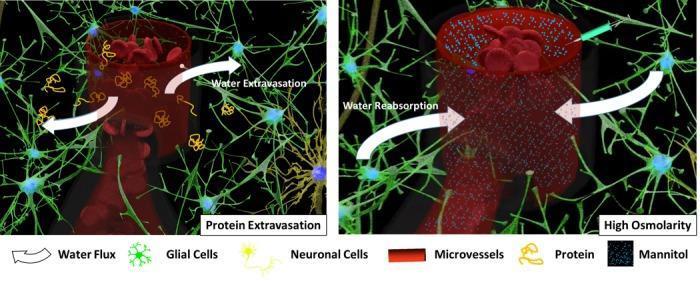
Mechanism Overview — Vasogenic vs Cytotoxic Edema
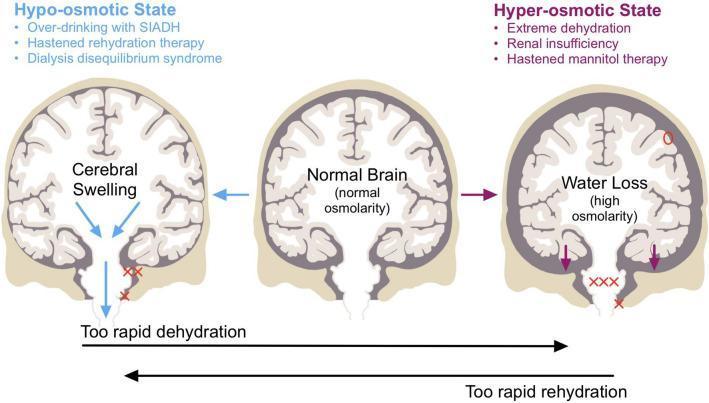
🔴 MANNITOL (Osmotic Agent)
| Feature | Details |
|---|---|
| Drug Class | Osmotic diuretic |
| Mechanism | Creates osmotic gradient across BBB → draws water from brain interstitium into intravascular compartment → reduces brain volume and ICP. Also reduces blood viscosity → ↑ CBF → autoregulation → cerebral vasoconstriction → ↓ ICP. Short-acting rheological effect (onset 15–30 min) |
| Dose — Adults | 0.25–1 g/kg IV over 15–20 min; may repeat every 4–6 hours; maximum 2 g/kg per episode |
| Dose — Pediatric | 0.25–1 g/kg IV over 20–30 min; max 2 g/kg |
| Concentration used | 20% solution (200 mg/mL) |
| Monitoring | Serum osmolality (target <320 mOsm/kg); osmolar gap (stop if >20); urine output; BUN/creatinine |
| Side Effects | Rebound ICP (osmolar equilibration), hypovolemia, electrolyte disturbances (hyponatremia → hypernatremia), renal failure (at high doses), pulmonary edema (heart failure patients) |
| Special Points | Drug of choice for acute ICP elevation; use a filter during infusion (crystals can form); use cautiously in renal failure or CHF; in Rosen's/Tintinalli: combined with head elevation 30°, hyperventilation (PCO₂ 30–35 mmHg), and sedation for ICP management ladder |
🔴 HYPERTONIC SALINE (HTS)
| Feature | Details |
|---|---|
| Drug Class | Osmotic agent |
| Mechanism | Increases serum osmolality → osmotic gradient draws water from brain into blood; avoids mannitol's diuresis; also has immunomodulatory and BBB-stabilizing effects |
| Formulations | 3% NaCl (most common), 7.5%, 23.4% |
| Dose — Adults (3%) | 250–500 mL IV bolus; serum Na target: 145–155 mEq/L |
| Dose — Adults (23.4%) | 30–60 mL IV over 10 min for herniation (through central line only) |
| Dose — Pediatric | 3% NaCl 3–5 mL/kg IV over 15–20 min |
| Target | Serum sodium 145–155 mEq/L; serum osmolality 300–320 mOsm/kg |
| Side Effects | Hypernatremia, hypokalemia, central pontine myelinolysis (if corrected too rapidly), phlebitis (hypertonic via peripheral line) |
| Special Points | Preferred over mannitol when patient is hypovolemic, hemodynamically unstable, or has renal failure; no osmotic diuresis → maintains volume; continuous infusion of 3% NaCl 0.5–1 mL/kg/hr for sustained ICP control; Neurocritical Care Society (2020) guidelines cannot make specific dose recommendation |
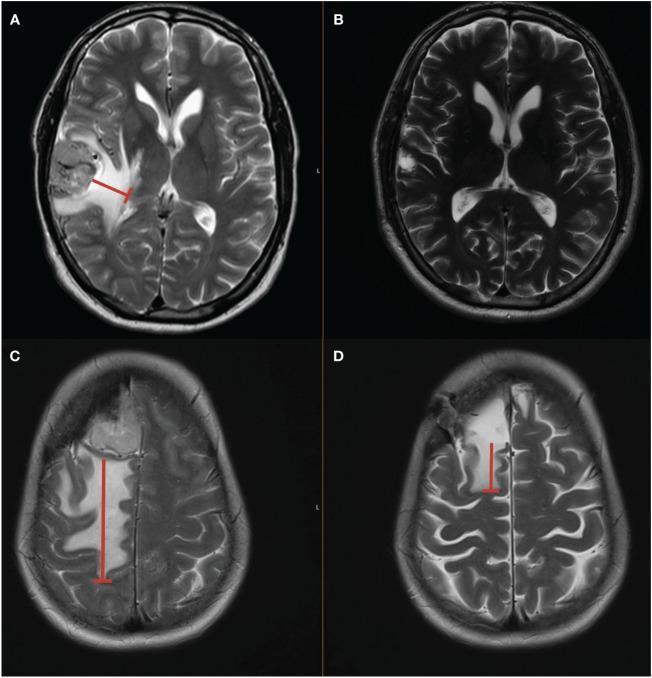
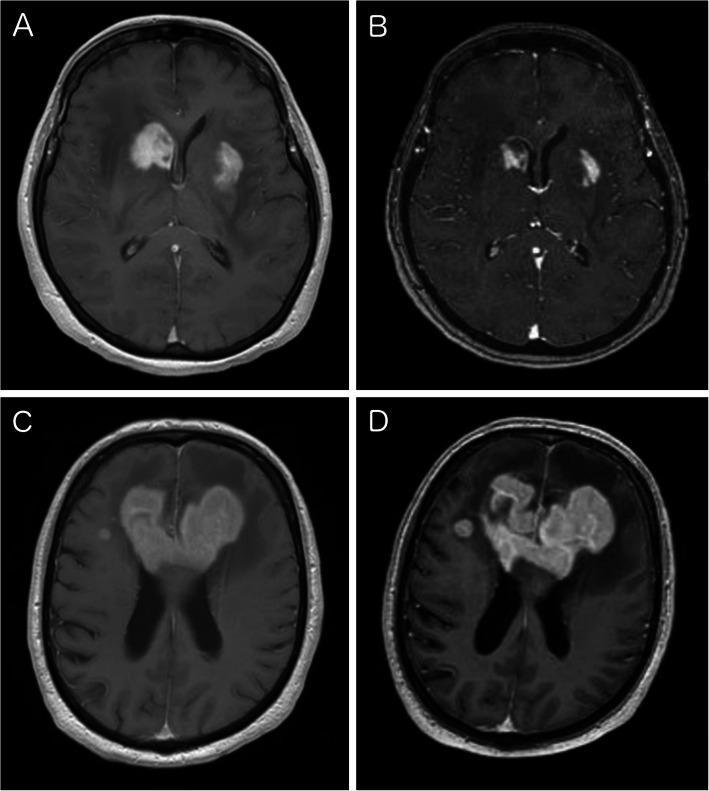
🔴 DEXAMETHASONE (Corticosteroid — for Vasogenic Edema)
| Feature | Details |
|---|---|
| Drug Class | Synthetic glucocorticoid |
| Mechanism | Binds glucocorticoid receptors → ↓ VEGF expression → reduces BBB permeability → reduces vasogenic edema around tumors; also ↓ prostaglandins and cytokines |
| Dose — Adults (brain tumor edema) | 10 mg IV loading, then 4 mg IV/PO every 6 hours; taper over weeks |
| Dose — Pediatric (brain tumor) | 0.5–1 mg/kg/day divided every 6 hours (max 10 mg/dose) |
| Dose — Bacterial meningitis | 0.15 mg/kg IV every 6 hours for 4 days (give BEFORE first antibiotic dose) — Neurocritical Care Society Grade A |
| Dose — Spinal cord injury (historical, now controversial) | NASCIS protocol: 30 mg/kg IV over 15 min, then 5.4 mg/kg/hr for 23–47 hours — NOT recommended by current ACS guidelines |
| Side Effects | Hyperglycemia (impairs wound healing), immunosuppression (↑ PCP risk), Cushing's syndrome, psychiatric effects (steroid psychosis), avascular necrosis of femoral head, peptic ulcer, insomnia |
| Special Points | Only effective for VASOGENIC edema (tumor, abscess, radiation) — NOT for cytotoxic edema (stroke, TBI); ⚠️ Do NOT use in PCNSL before biopsy — can cause tumor lysis and false-negative biopsy ("ghost tumor/vanishing tumor"); avoid in traumatic brain injury (CRASH trial showed ↑ mortality) |
PART 4 — CHEMOTHERAPY IN NEUROSURGERY
4A. Glioblastoma (GBM) — Stupp Protocol
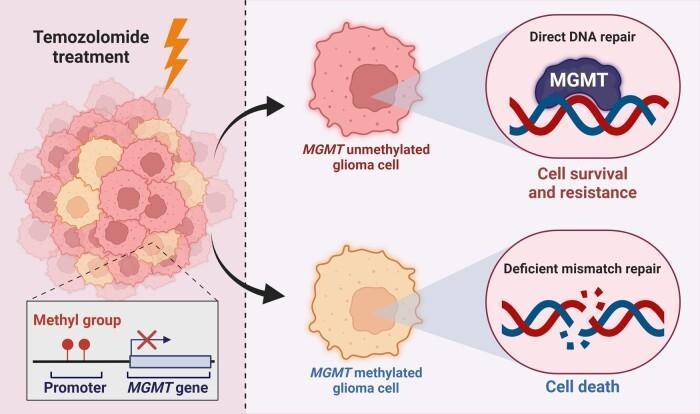
🟡 TEMOZOLOMIDE (TMZ) — Backbone of GBM Treatment
| Feature | Details |
|---|---|
| Drug Class | Alkylating agent (imidazotetrazine derivative) |
| Mechanism | Spontaneously converted to MTIC at physiological pH → methylates guanine at O6 position → O6-methylguanine → mispairing with thymine → DNA double-strand breaks → apoptosis. MGMT enzyme reverses this — MGMT methylation = no repair = better response |
| Dose — Concurrent phase | 75 mg/m²/day PO daily during radiotherapy (42–49 days) |
| Dose — Adjuvant phase | 150–200 mg/m²/day PO for 5 days every 28 days × 6 cycles |
| Pediatric dose | 150–200 mg/m²/day × 5 days per cycle (same protocol adapted) |
| Side Effects | Myelosuppression (lymphopenia — monitor CBC), nausea/vomiting, fatigue, thrombocytopenia, opportunistic infections (PCP pneumonia — give TMP-SMX prophylaxis), hepatotoxicity |
| Special Points | Oral bioavailability ~100% (can be given with or without food); MGMT promoter methylation is predictive biomarker — methylated = better response (50% vs 14% benefit); crosses BBB well; concurrent PCP prophylaxis with cotrimoxazole (trimethoprim 160 mg + sulfamethoxazole 800 mg PO 3×/week) |
🟡 LOMUSTINE (CCNU) — for Recurrent GBM
| Feature | Details |
|---|---|
| Drug Class | Alkylating agent (nitrosourea) |
| Mechanism | Alkylates DNA (O6-guanine, N1-adenine, N3-cytosine) + carbamylates proteins → inhibits DNA repair and replication; highly lipophilic → excellent CNS penetration |
| Dose — Adults | 130 mg/m² PO every 6 weeks (single oral dose) |
| Dose — Pediatric | 75–130 mg/m² PO every 6 weeks |
| Side Effects | Severe delayed myelosuppression (nadir at 4–6 weeks — cumulative), pulmonary fibrosis (cumulative >1000 mg/m²), hepatotoxicity, nausea/vomiting |
| Special Points | Excellent lipid solubility → crosses BBB; monitor CBC weekly; avoid in patients with compromised bone marrow; cumulative pulmonary toxicity — baseline PFTs; used in MGMT-unmethylated recurrent GBM or combined with temozolomide |
🟡 CARMUSTINE (BCNU) / GLIADEL WAFER
| Feature | Details |
|---|---|
| Drug Class | Alkylating agent (nitrosourea) |
| Mechanism | Same as lomustine — DNA/RNA alkylation and protein carbamylation; bifunctional → crosslinks DNA strands |
| IV Dose — Adults | 150–200 mg/m² IV every 6 weeks (or 75–100 mg/m²/day × 2 days every 6 weeks) |
| Gliadel Wafer (local) | 3.85% BCNU biodegradable polymer wafers — up to 8 wafers placed in tumor resection cavity at surgery; each wafer delivers 7.7 mg BCNU = total ~61.6 mg |
| Side Effects | Systemic: myelosuppression (delayed, cumulative), pulmonary toxicity, renal toxicity, venous occlusive disease. Wafer: cerebral edema, wound infection, CSF leak |
| Special Points | Wafer provides local delivery bypassing BBB; approved for GBM at initial surgery and recurrence; reduces systemic toxicity; caution — wafers should not be used with CSF leak (drug disseminates) |
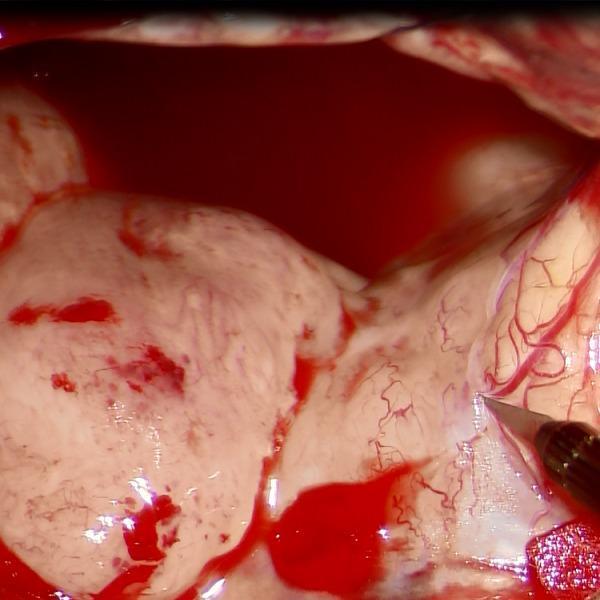
🟡 BEVACIZUMAB (Anti-VEGF)
| Feature | Details |
|---|---|
| Drug Class | Humanized monoclonal antibody (anti-VEGF-A) |
| Mechanism | Binds all isoforms of VEGF-A → prevents binding to VEGFR-1 and VEGFR-2 → inhibits angiogenesis → reduces tumor vascularity and BBB permeability → ↓ edema (potent steroid-sparing effect) |
| Dose — Adults (recurrent GBM) | 10 mg/kg IV every 2 weeks |
| Dose — Pediatric | 10–15 mg/kg IV every 2–3 weeks (pediatric CNS tumors) |
| Side Effects | Hypertension, thromboembolism (DVT/PE), hemorrhage (impaired wound healing — hold 28 days before surgery), proteinuria, GI perforation, fistula formation, reversible posterior leukoencephalopathy syndrome (RPLS) |
| Special Points | Steroid-sparing — dramatically reduces vasogenic edema; used for radiation necrosis; ⚠️ hold 4–6 weeks before and after surgery (wound healing); response on MRI can be misleading ("pseudoresponse" — T1 enhancement decreases but disease may progress on T2/FLAIR); approved for recurrent GBM; NF2 vestibular schwannoma (10 mg/kg IV every 2 weeks) |
🟡 TUMOR TREATING FIELDS (TTFields — Optune)
| Feature | Details |
|---|---|
| Mechanism | Noninvasive alternating electric fields (200 kHz) → disrupt mitotic spindle → anti-mitotic effect on dividing tumor cells |
| Use | Concurrent with maintenance TMZ in newly diagnosed GBM (MGMT-methylated and unmethylated) |
| Dose | Worn ≥18 hours/day continuously |
| Side Effects | Scalp dermatitis at electrode sites, scalp discomfort; minimal systemic effects |
| Special Points | EF-14 trial showed improved overall survival from 16 to 20.9 months |
4B. Brain Metastases
🟡 WHOLE-BRAIN RADIATION + STEROID-SPARING
- Dexamethasone for edema (same dosing as above)
- Memantine 10 mg PO BID with WBRT to reduce neurocognitive effects
🟡 TARGETED THERAPY (Lung/Breast/Melanoma Mets)
| Drug | Target | Dose |
|---|---|---|
| Osimertinib | EGFR (NSCLC mets) | 80 mg PO daily |
| Alectinib | ALK (NSCLC mets) | 600 mg PO BID |
| Dabrafenib + Trametinib | BRAF V600E (melanoma) | 150 mg PO BID + 2 mg PO daily |
| Trastuzumab emtansine | HER2 (breast mets) | 3.6 mg/kg IV every 21 days |
PART 5 — IMPORTANT NEUROLOGY DRUGS
5A. Parkinson's Disease
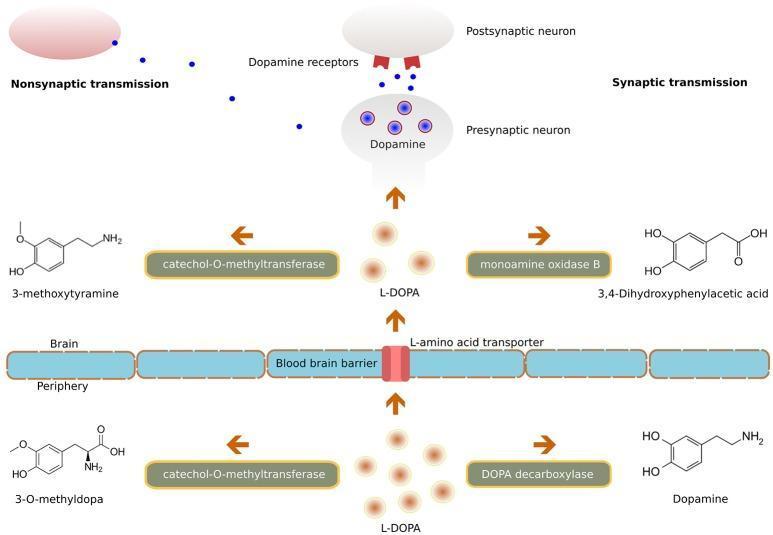
🟣 LEVODOPA + CARBIDOPA (Sinemet)
| Feature | Details |
|---|---|
| Class | Dopamine precursor + peripheral decarboxylase inhibitor |
| Mechanism | Levodopa crosses BBB via L-amino acid transporter → converted to dopamine by DOPA decarboxylase centrally. Carbidopa inhibits peripheral DOPA decarboxylase → ↓ peripheral conversion → ↑ CNS availability, ↓ nausea |
| Dose (adults) | Start carbidopa/levodopa 25/100 mg PO TID; usual dose range 300–1200 mg levodopa/day divided TID–QID |
| Elderly | Start with 12.5/50 mg TID and titrate slowly |
| Side Effects | Dyskinesias (↑ with duration of use), on-off fluctuations, nausea, orthostatic hypotension, psychosis/hallucinations |
| Special Points | Gold standard for motor symptoms; take on empty stomach (amino acids compete); never abruptly stop (NMS risk); ratio carbidopa:levodopa = 1:4 or 1:10; extended-release (Sinemet CR) for smoothing off-periods |
🟣 DOPAMINE AGONISTS — Ropinirole, Pramipexole, Rotigotine
| Feature | Details |
|---|---|
| Class | Non-ergot dopamine receptor agonists (D2/D3) |
| Mechanism | Directly stimulate D2/D3 receptors in striatum → bypass degenerating presynaptic dopaminergic neurons |
| Ropinirole | Start 0.25 mg PO TID; titrate to 3–24 mg/day |
| Pramipexole | Start 0.125 mg TID; titrate to 1.5–4.5 mg/day |
| Rotigotine | 2–8 mg/24h transdermal patch |
| Side Effects | Impulse control disorders (gambling, hypersexuality), somnolence, leg edema, hallucinations (more than levodopa in elderly), nausea, postural hypotension |
| Special Points | Often used as monotherapy in younger patients (delay levodopa complications); renal dose adjustment for pramipexole |
🟣 MAO-B INHIBITORS — Selegiline, Rasagiline
| Feature | Details |
|---|---|
| Class | Monoamine oxidase B inhibitors |
| Mechanism | Inhibit MAO-B → ↓ dopamine catabolism in striatum → ↑ dopamine availability |
| Selegiline | 5 mg PO BID (with breakfast and lunch) |
| Rasagiline | 1 mg PO once daily (monotherapy or adjunct) |
| Side Effects | Insomnia (selegiline), hypertensive crisis with tyramine (cheese effect — minimal at therapeutic doses), serotonin syndrome (with SSRIs/TCAs) |
| Special Points | Mild neuroprotective effect theoretical; rasagiline has fewer interactions; avoid with meperidine |
🟣 CATECHOL-O-METHYLTRANSFERASE (COMT) INHIBITORS — Entacapone, Tolcapone
| Drug | Dose | Notes |
|---|---|---|
| Entacapone | 200 mg PO with each levodopa dose (max 8 doses/day) | Peripheral COMT inhibition only; extends levodopa half-life by 30–50%; ↑ dyskinesia; orange/brown urine |
| Tolcapone | 100–200 mg PO TID | Central + peripheral; ↑ risk hepatotoxicity (monitor LFTs monthly) |
🟣 AMANTADINE
| Feature | Details |
|---|---|
| Class | NMDA receptor antagonist / dopamine release enhancer |
| Mechanism | Blocks NMDA glutamate receptors → reduces dyskinesias; also enhances dopamine release and inhibits reuptake |
| Dose | 100 mg PO BID (max 400 mg/day); reduce in renal failure |
| Side Effects | Livedo reticularis, ankle edema, hallucinations, anticholinergic effects |
| Special Points | ⭐ Only drug approved for levodopa-induced dyskinesias; also used in influenza and as early PD monotherapy |
5B. Multiple Sclerosis
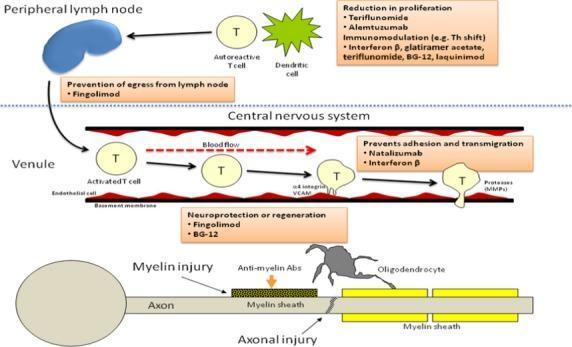
🟣 METHYLPREDNISOLONE — for Acute Relapses
| Feature | Details |
|---|---|
| Dose | 1 g IV daily × 3–5 days (adults) |
| Mechanism | ↓ inflammation → restores BBB integrity → speeds recovery |
| Note | Reduces duration of relapse but does NOT improve long-term outcome |
🟣 KEY DISEASE-MODIFYING THERAPIES
| Drug | Class | Mechanism | Dose | Key Side Effects |
|---|---|---|---|---|
| Interferon β-1a | Immunomodulator | ↓ T-cell activation, ↓ BBB permeability | 30 mcg IM weekly (Avonex) or 44 mcg SC 3×/week (Rebif) | Flu-like symptoms, injection reactions, depression, elevated LFTs |
| Glatiramer acetate | Immunomodulator | Antigen competition with MBP → shifts Th1→Th2 | 20 mg SC daily or 40 mg SC 3×/week | Injection site reactions, transient flushing/palpitations |
| Natalizumab | Anti-α4-integrin (mAb) | Blocks VLA-4 → prevents T-cell transmigration across BBB | 300 mg IV every 4 weeks | PML (progressive multifocal leukoencephalopathy — JC virus; risk ↑ with anti-JCV Ab+, prior IS), hypersensitivity |
| Fingolimod | S1P receptor modulator | Sequesters lymphocytes in lymph nodes | 0.5 mg PO daily | Bradycardia (1st dose monitoring), macular edema, lymphopenia, PML (rare), skin cancer |
| Ocrelizumab | Anti-CD20 (mAb) | Depletes B cells | 300 mg IV × 2 doses (2 weeks apart), then 600 mg IV every 6 months | Infusion reactions, infections, PML (rare), ↑ breast cancer risk |
| Alemtuzumab | Anti-CD52 | Depletes T and B lymphocytes | 12 mg IV daily × 5 days (year 1), × 3 days (year 2) | Autoimmune disorders (thyroid, ITP, nephropathy), serious infections |
| Siponimod | S1P1/S1P5 modulator | Lymphocyte sequestration (SPMS-specific) | 2 mg PO daily (after titration) | Bradycardia, macular edema, CYP2C9 genotyping required |
5C. Migraine
Acute Treatment
| Drug | Class | Dose (Adults) | Notes |
|---|---|---|---|
| Sumatriptan | 5-HT1B/1D agonist (triptan) | 50–100 mg PO; 6 mg SC; 20 mg intranasal | Contraindicated in hemiplegic migraine, CAD, uncontrolled HTN; do NOT use within 24h of ergotamine |
| Rizatriptan | Triptan | 5–10 mg PO; max 30 mg/day | Reduce to 5 mg if on propranolol |
| Lasmiditan | 5-HT1F agonist (ditán) | 50–200 mg PO once | No vasoconstriction — safe in CVD; do not drive 8h after |
| Rimegepant / Ubrogepant | CGRP receptor antagonist (gepant) | 75 mg PO (rimegepant); 50–100 mg PO (ubrogepant) | Safe in CV disease; rimegepant also used for prevention |
Migraine Prevention
| Drug | Dose | Special Notes |
|---|---|---|
| Propranolol | 40–240 mg/day PO | First-line; contraindicated in asthma/COPD |
| Topiramate | 50–100 mg/day PO divided BID | Cognitive impairment, weight loss, kidney stones, teratogenic (major birth defects) |
| Amitriptyline | 25–75 mg PO at bedtime | Also for tension-type HA, neuropathic pain |
| Erenumab / Fremanezumab | Anti-CGRP/CGRPR mAb | 70–140 mg SC monthly |
| Valproate | 500–1500 mg/day | Avoid in women of childbearing age |
5D. Myasthenia Gravis
| Drug | Class | Dose | Notes |
|---|---|---|---|
| Pyridostigmine | AChE inhibitor | 30–90 mg PO every 4–8 hours | Treatment of symptoms; overdose → cholinergic crisis |
| Prednisolone | Corticosteroid | 1 mg/kg/day PO | Immunosuppression; may worsen initially |
| Azathioprine | Antimetabolite | 2–3 mg/kg/day PO | Steroid-sparing; check TPMT before use |
| IVIG | Immunomodulation | 2 g/kg IV over 2–5 days | Myasthenic crisis |
| Plasma exchange | Immunoadsorption | 5–6 exchanges over 2 weeks | Pre-thymectomy, myasthenic crisis |
5E. Alzheimer's Disease
| Drug | Class | Dose | MOA |
|---|---|---|---|
| Donepezil | AChE inhibitor | 5–10 mg PO at bedtime | ↑ ACh in synaptic cleft |
| Rivastigmine | AChE inhibitor + BuChE | 6–12 mg/day PO or 9.5–13.3 mg/24h patch | Also used in Parkinson's dementia |
| Memantine | NMDA antagonist | 10 mg PO BID | Reduces excitotoxicity |
| Lecanemab | Anti-amyloid mAb | 10 mg/kg IV every 2 weeks | Removes amyloid plaques; risk: ARIA (amyloid-related imaging abnormalities) |
5F. Neuropathic Pain
| Drug | Class | Dose | Notes |
|---|---|---|---|
| Gabapentin | α2δ subunit ligand | 300–1200 mg PO TID | Start low; sedation, weight gain; renal dosing |
| Pregabalin | α2δ subunit ligand | 75–300 mg PO BID | Faster titration; neuropathic pain, fibromyalgia |
| Duloxetine | SNRI | 60–120 mg PO daily | Diabetic neuropathy, fibromyalgia |
| Amitriptyline | TCA | 10–75 mg PO at bedtime | Neuropathic pain, PHN |
| Carbamazepine | Na⁺ channel blocker | 200–1200 mg/day | Trigeminal neuralgia drug of choice |
| Oxcarbazepine | Na⁺ channel blocker | 600–1800 mg/day | Better tolerated than carbamazepine for TGN |
5G. Spasticity (Post-Stroke, SCI, MS)
| Drug | Dose | MOA |
|---|---|---|
| Baclofen | 5–80 mg/day PO divided TID–QID; intrathecal: 25–800 µg/day | GABA-B agonist → inhibits mono/polysynaptic reflexes |
| Tizanidine | 2–36 mg/day PO divided TID–QID | Central α2-agonist → reduces spinal motor neuron excitability |
| Dantrolene | 25–400 mg/day PO divided QID | Inhibits Ca²⁺ release from SR → reduces muscle contraction (NMS treatment) |
| Botulinum toxin A | 100–400 units IM per treatment session | Blocks ACh release at NMJ → focal chemodenervation |
SUMMARY TABLE — Drug Classes at a Glance
| Category | First-Line Drug | Key Mechanism |
|---|---|---|
| Neurosurgical prophylaxis | Cefazolin | β-lactam → PBP blockade |
| Post-op meningitis | Vancomycin + Meropenem | Cell wall synthesis inhibition |
| Brain abscess | Ceftriaxone + Metronidazole | Cell wall + DNA strand breaks |
| Peri-op AED | Levetiracetam | SV2A binding → ↓ neurotransmitter release |
| Status epilepticus 1st | Lorazepam/Midazolam | GABA-A potentiation |
| Status epilepticus 2nd | Levetiracetam/Fosphenytoin/Valproate | Multiple mechanisms |
| Cerebral edema (acute) | Mannitol or HTS | Osmotic gradient |
| Tumor edema | Dexamethasone | ↓ VEGF, ↓ BBB permeability |
| GBM chemotherapy | Temozolomide | O6-guanine alkylation |
| Anti-angiogenic | Bevacizumab | Anti-VEGF-A |
| Parkinson's | Levodopa/Carbidopa | Dopamine replacement |
| MS relapse | Methylprednisolone | Anti-inflammatory |
| MS prevention | Natalizumab/Ocrelizumab | Immune cell trafficking blockade |
| Migraine acute | Sumatriptan | 5-HT1B/1D agonist |
| Neuropathic pain | Gabapentin/Pregabalin | α2δ subunit blockade |
Sources: Bradley & Daroff's Neurology in Clinical Practice (9780323642613); Washington Manual of Medical Therapeutics (9781975190620); Goldman-Cecil Medicine (9780323930345); Tintinalli's Emergency Medicine (9781260019933); Rosen's Emergency Medicine (9780323757898); AES Antiseizure Medication Summary 2024; Neurocritical Care Society Cerebral Edema Guidelines 2020; ASHP/IDSA Surgical Prophylaxis Guidelines.This is a complete, exam-ready neuropharmacology reference for neurosurgery preparation. Here's a quick orientation of what's covered:
What's Inside
📋 5 Major Sections:
-
Antibiotics in Neurosurgery — Cefazolin (prophylaxis), Vancomycin (MRSA/post-op infection), Meropenem (Gram-negative meningitis), Metronidazole (brain abscess), Ceftriaxone (bacterial meningitis), Linezolid (VRE/refractory MRSA)
-
Antiepileptics — Levetiracetam ⭐ (preferred peri-op AED), Phenytoin/Fosphenytoin, Valproate, Lacosamide, Carbamazepine, plus the full Status Epilepticus 3-tier escalation protocol with time-based doses
-
Anti-Edema Agents — Mannitol (acute ICP — 0.25–1 g/kg IV), Hypertonic Saline (3% and 23.4%), Dexamethasone (vasogenic edema/tumor — NOT for TBI/cytotoxic edema) with critical contraindications
-
Chemotherapy — Temozolomide (Stupp protocol — 75 mg/m² concurrent, 150–200 mg/m² adjuvant), Lomustine, Carmustine/Gliadel wafer, Bevacizumab (anti-VEGF), Tumor Treating Fields, plus targeted therapy for brain metastases
-
Important Neurology Drugs — Parkinson's (Levodopa/Carbidopa, DA agonists, MAO-B inhibitors, Amantadine), MS (Natalizumab, Ocrelizumab, IFN-β, Fingolimod), Migraine (triptans, gepants, ditans, CGRP mAbs), Myasthenia, Alzheimer's, Neuropathic pain, Spasticity
⭐ Key Exam Points to Remember:
- Levetiracetam > Phenytoin in neurosurgery (no enzyme induction, no CYP interactions)
- Mannitol — stop if osmolar gap >20 or serum osm >320
- Dexamethasone CONTRAINDICATED before PCNSL biopsy ("vanishing tumor")
- MGMT methylation = better TMZ response
- Bevacizumab — hold 4–6 weeks perioperatively (wound healing)
- Ceftriaxone + Dexamethasone (before antibiotics) for bacterial meningitis