
Rinex vs cettizine for 3 yrs old baby
Reading File
Finding Sources
Finding Sources
Finding Sources
Finding Sources
Reading File
Reading File
Reading File
Reading File
I now have enough information from the textbooks to provide a comprehensive comparison. Let me also fetch the comparison chart that was found.
Loading Image
Rinex is a brand name for levocetirizine, and Cetirizine (also written "Cetrizine") is the parent compound. Here's a focused comparison for a 3-year-old:
Levocetirizine (Rinex) vs. Cetirizine — for a 3-Year-Old
What they are
| Cetirizine | Levocetirizine (Rinex) | |
|---|---|---|
| Class | 2nd-generation antihistamine | Active R-enantiomer of cetirizine |
| Receptor | H1 blocker (peripheral) | H1 blocker (peripheral) |
| Sedation | Moderate (highest among 2nd-gen) | Intermediate (less than cetirizine) |
Cetirizine is the carboxylated derivative of hydroxyzine. Levocetirizine is its purified active half — meaning it acts at the same receptor but at half the dose.
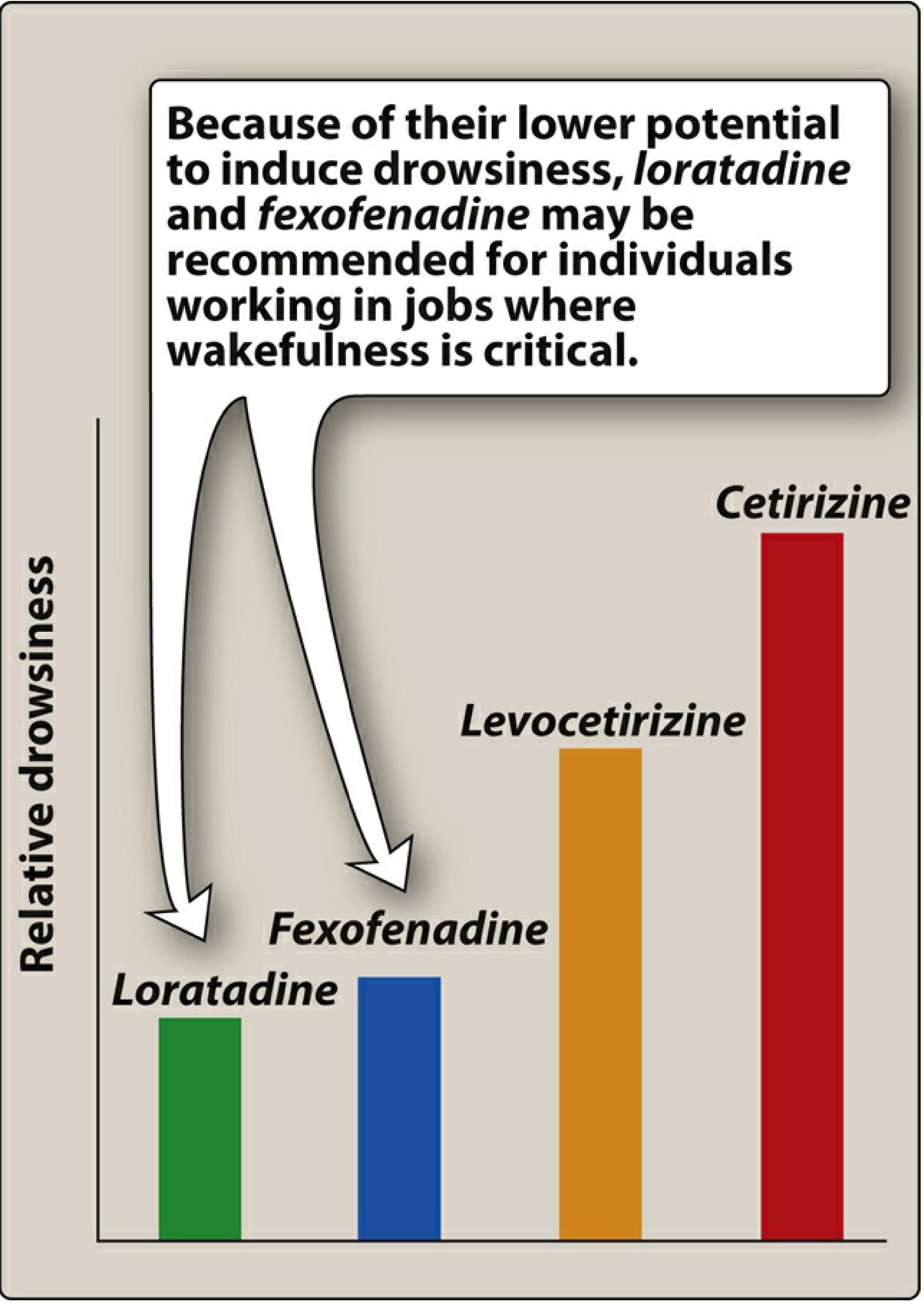
— Lippincott Illustrated Reviews: Pharmacology, Fig. 39.5
Dosing for a 3-year-old
| Drug | Age ≥2 years dose | Frequency |
|---|---|---|
| Cetirizine | 2.5 mg (syrup) | Once daily |
| Levocetirizine | 1.25 mg | Once daily |
A 3-year-old falls in the 2–6 year age bracket. Both drugs are approved from age 2 onward in many guidelines. — Washington Manual of Medical Therapeutics
Key clinical differences
| Feature | Cetirizine | Levocetirizine |
|---|---|---|
| Efficacy | Very effective | Equally or slightly better in some urticaria trials |
| Sedation | More (though still 2nd-gen) | Less sedating |
| Dose required | 2.5 mg (age 2–6) | 1.25 mg (age 2–6) |
| Cost/availability | Widely available, cheaper | Less available, pricier |
| Evidence in atopic dermatitis | Studied (ETAC trial — steroid-sparing in severe disease) | Less pediatric-specific data |
Comparative trials have not shown either to be consistently superior overall, though cetirizine and levocetirizine have fared best overall in comparative antihistamine trials for urticaria and allergy. — Fitzpatrick's Dermatology
Which to choose at age 3?
- Cetirizine is the more commonly prescribed option, widely available as a syrup, with strong evidence in children ≥2 years. Mild sedation can actually be useful at night.
- Levocetirizine is preferred if sedation is a concern during the day (school hours, activity), as it causes less drowsiness at its effective dose.
- Both are appropriate for allergic rhinitis, urticaria, atopic dermatitis pruritus, and common allergic conditions in a 3-year-old.
- Neither should be used in children under 2 years without specialist guidance.
⚠️ Note: Drug selection and dosing for children should always be confirmed with the prescribing physician or pharmacist, particularly given the child's exact weight and clinical indication.
This is a shared conversation. Sign in to Orris to start your own chat.