
Lower back pain , just below from at level of asis
Reading File
Pain just below the ASIS (anterior superior iliac spine) level typically involves the iliac fossa, inguinal region, or upper sacral/iliac structures. Let me search the medical library and relevant sources in parallel.
Searching sources...
Finding Sources
Finding Sources
Finding Sources
Good leads - meralgia paresthetica, iliohypogastric nerve, sacroiliac joint. Let me read the relevant sections in parallel.
Reading File
Reading File
Finding Sources
Finding Sources
Excellent content. Let me now get more detail on the iliohypogastric nerve injury and the sacroiliac/hip examination findings, plus search for images.
Reading File
Searching Images
anterior superior iliac spine ASIS anatomy diagram lower back pain
I now have a solid, comprehensive foundation to answer. Let me compile the full response.
Pain Just Below the Level of the ASIS (Anterior Superior Iliac Spine)
Pain located just below the ASIS sits in the region bordered by the inguinal ligament anteriorly, the iliac fossa medially, and the proximal anterior thigh inferiorly. This is a diagnostically rich zone because multiple nerves, muscles, bursa, and visceral structures converge here.
Anatomical Orientation
The ASIS is the anterior projection of the iliac crest. Just below it, the inguinal ligament runs medially to the pubic tubercle. Passing beneath or through this ligament are:
- The lateral femoral cutaneous nerve (LFCN) - L2, L3
- The iliohypogastric nerve - L1
- The ilioinguinal nerve - L1
- The femoral nerve, artery, and vein
The iliopsoas muscle lies deep, attaching to the lesser trochanter. The sartorius originates at the ASIS itself.
Most Likely Causes
1. Meralgia Paresthetica (Most Common Nerve Cause)
Entrapment of the lateral femoral cutaneous nerve as it passes under or through the inguinal ligament, just medial to the ASIS.
Symptoms:
- Numbness, burning, or aching pain in the anterolateral thigh
- Hyperesthesia over the painful area
- Tinel's sign: tapping directly over the ASIS reproduces pain
- Pelvic compression test: turning the patient on their side and compressing the pelvis for 30 seconds - if symptoms are relieved, the diagnosis is confirmed
Causes: obesity, pregnancy, tight belts/garments, trauma, diabetes, or any enlarging pelvic mass
Management: NSAIDs, weight loss, loose clothing, physiotherapy; local injection of lidocaine + corticosteroid near the inguinal ligament insertion at the ASIS; rarely surgical decompression
- Tintinalli's Emergency Medicine, p. 378-380
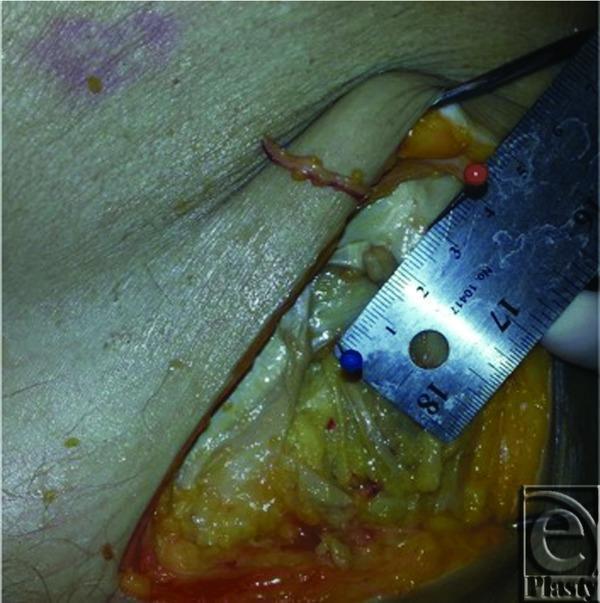
2. Iliohypogastric Nerve Injury / Entrapment
The iliohypogastric nerve (L1) runs along the iliac crest and passes below the ASIS to supply the suprapubic skin.
- Injury below the ASIS: may cause some sensory loss over the suprapubic area (usually subtle because of overlapping supply)
- Injury above the ASIS: weakens the internal oblique and transversus abdominis, which can predispose to direct inguinal hernia
- Common after lower abdominal surgery, Pfannenstiel incisions, or iliac crest bone graft harvesting
Symptoms: burning, aching pain just below and medial to the ASIS, radiating toward the groin or suprapubic area
- Imaging Anatomy Atlas Vol. 3, p. 403
3. Gluteus Medius / Myofascial Trigger Points
Trigger points in the gluteus medius run along the entire gluteal ridge, from the sacroiliac joint to the ASIS. They are considered among the most clinically important trigger points in the lower extremities.
Symptoms:
- Deep aching hip pain, sometimes mimicking greater trochanteric pain syndrome
- May recruit trigger points in the quadratus lumborum, tensor fasciae lata, and piriformis
- Pain from gluteus minimus trigger points can radiate down the lateral or posterior leg, imitating sciatica
Diagnosis: direct palpation along the iliac crest shelf; a taut band with a jump sign
- Roberts and Hedges' Clinical Procedures in Emergency Medicine
4. Iliopsoas-Related Pain
The iliopsoas (iliacus + psoas) attaches along the iliac fossa and lesser trochanter. Pathology here causes anterior hip and lower abdominal/back pain at and just below the ASIS level.
- Iliopsoas strain - sports (soccer, hockey); pain with resisted hip flexion
- Iliopsoas bursitis - pain aggravated by hip extension; relieved by hip flexion
- Snapping hip syndrome - audible or palpable snap with hip flexion/extension
- Iliopsoas hemorrhage - presents with pain in the lower abdomen, groin, and lower back; pain on hip extension but NOT rotation (seen in anticoagulated or hemophilia patients)
5. Sartorius Origin Pain (ASIS Avulsion)
The sartorius originates directly at the ASIS. In adolescents and young athletes, avulsion fractures of the ASIS occur with forceful hip flexion (sprinting, kicking). This causes acute, focal pain precisely at the ASIS with swelling and tenderness.
6. Ilioinguinal Nerve Entrapment
The ilioinguinal nerve (L1) emerges near the inguinal canal and can be injured in inguinal hernia surgery. It produces:
- Paresthesia or burning over the inner thigh, scrotum/labia, and lower abdomen
- Troublesome recurrent pain in its distribution after surgery
7. Other Causes to Consider
| Category | Conditions |
|---|---|
| Skeletal | Stress fracture of anterior iliac crest, sacroiliac joint dysfunction |
| Visceral (referred) | Appendicitis (McBurney's point is 1/3 from ASIS to umbilicus), ovarian cyst/torsion, ectopic pregnancy, cecal pathology |
| Vascular | Iliac artery aneurysm (rare) |
| Lymphatic | Inguinal lymphadenopathy |
| Hernia | Inguinal hernia, sports hernia (athletic pubalgia) |
Clinical Approach
Key questions:
- Is pain burning/numb (nerve) vs. deep aching (muscle/joint) vs. sharp (fracture/visceral)?
- Does position change it (hip flexion relieves iliopsoas; extension worsens it)?
- Any history of surgery in the area (nerve entrapment post-op)?
- Age and activity (avulsion in young athletes; meralgia in obese/pregnant)?
- Fever, anorexia, nausea (visceral cause)?
On examination:
- Tinel's sign at ASIS (LFCN entrapment)
- Resisted hip flexion (iliopsoas strain)
- Palpation along iliac crest shelf (gluteus medius trigger points)
- FABER/FADIR test for hip joint and sacroiliac joint
Imaging:
- Plain X-ray (avulsion fracture, bony lesions)
- Ultrasound (iliopsoas bursitis, lymphadenopathy, hernia)
- MRI (soft tissue, nerve, muscle pathology)
The most common cause of pain specifically just below the ASIS in adults without trauma is meralgia paresthetica or iliohypogastric/ilioinguinal nerve irritation, while in young athletes it is an ASIS avulsion fracture or iliopsoas strain. In the absence of a clear musculoskeletal cause, visceral pathology (especially appendicitis on the right, or gynecological on the left) must be excluded.
This is a shared conversation. Sign in to Orris to start your own chat.