
Emphysema
Reading File
Now let me search the medical library and PubMed in parallel for comprehensive coverage on emphysema.
Finding Sources
Searching PubMed
emphysema pathophysiology treatment
Good results. Now let me read the key textbook sections in parallel - Robbins Pathology for pathology/mechanisms, and Murray & Nadel for clinical detail.
Reading File
Reading File
Reading File
Excellent content. Let me now fetch the pathogenesis and clinical features sections, plus fetch a key diagram image.
Reading File
Loading Image
Loading Image
Excellent - now let me get the clinical features/morphology and pathogenesis flowchart image.
Reading File
Loading Image
I now have comprehensive material for a thorough answer. Let me compile everything.
Emphysema
Definition
Emphysema is defined as permanent, irreversible enlargement of airspaces distal to the terminal bronchioles, accompanied by destruction of alveolar walls, without significant fibrosis. It is a major component of COPD alongside chronic bronchitis.
- Robbins, Cotran & Kumar Pathologic Basis of Disease, p. 635
Types (Anatomic Classification)
There are four types, classified by which part of the acinus is destroyed:
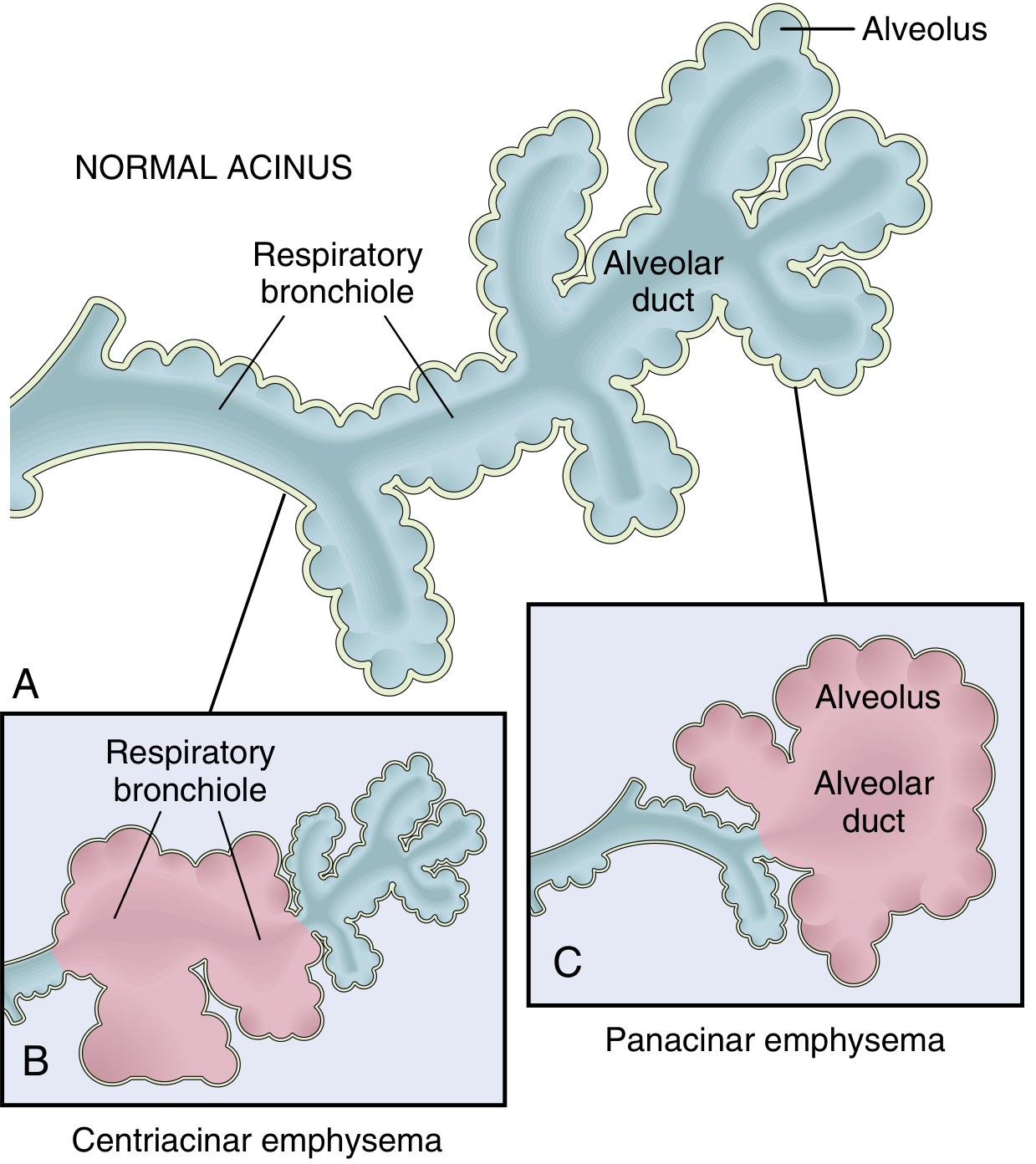
Fig: Major patterns of emphysema showing the normal acinus (A), centriacinar emphysema with dilation of respiratory bronchioles (B), and panacinar emphysema with uniform distension of the alveolus and alveolar duct (C). - Robbins Basic Pathology
| Type | Location of destruction | Association | Distribution |
|---|---|---|---|
| Centriacinar (centrilobular) | Central/proximal acinus (respiratory bronchioles); distal alveoli spared | Smoking - most common (>95% of cases) | Upper lobes, apical segments |
| Panacinar (panlobular) | Entire acinus uniformly enlarged | α1-antitrypsin deficiency; worsened by smoking | Lower lobes, anterior margins |
| Distal acinar (paraseptal) | Distal part of acinus, near pleura/septa | Spontaneous pneumothorax in young adults; bulla formation | Upper half of lungs, subpleural |
| Irregular (paracicatricial) | Irregular, associated with scarring | Usually clinically insignificant | Around scars |
Only centriacinar and panacinar types cause clinically significant airflow obstruction.
Pathogenesis
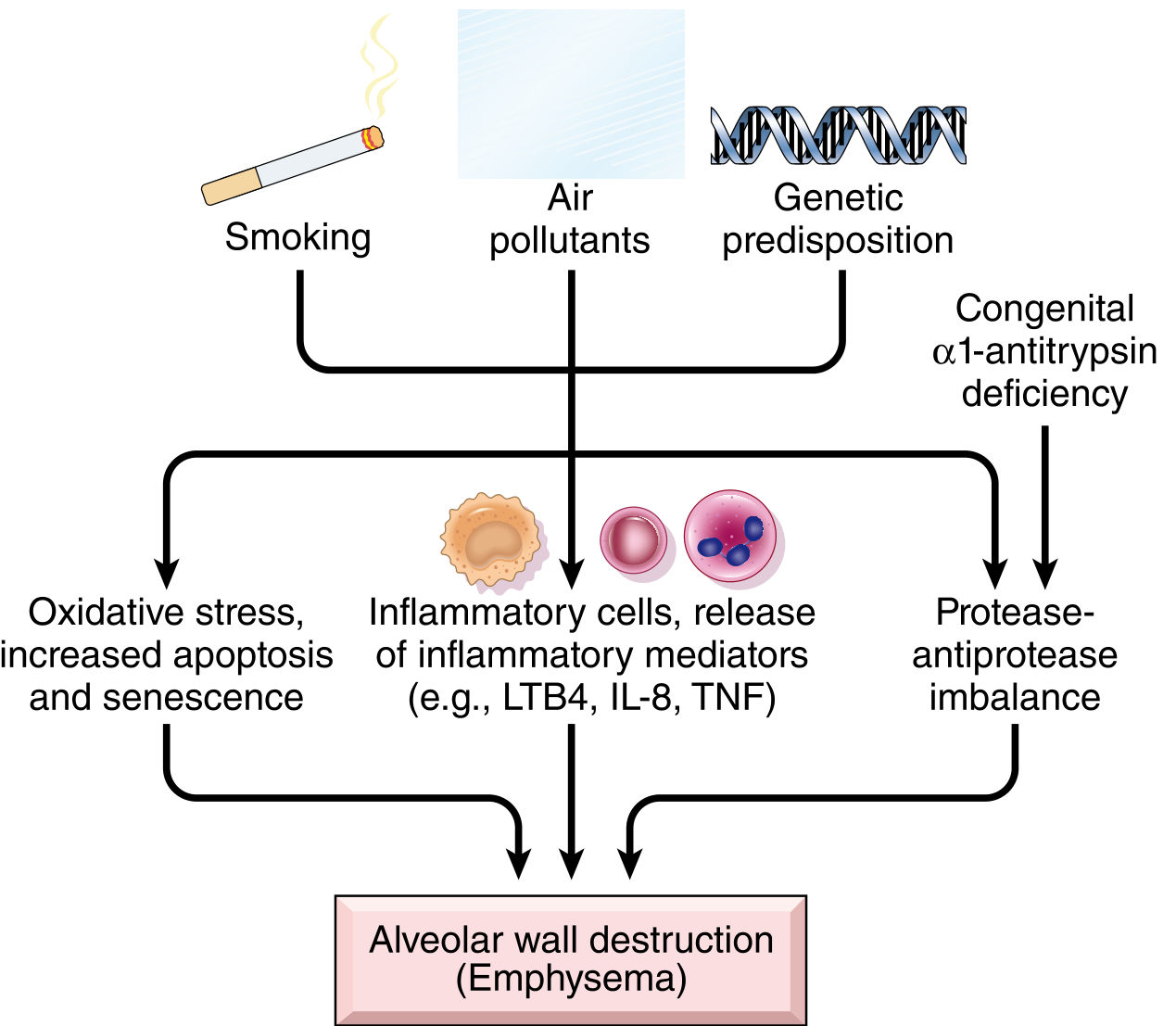
Fig: Pathogenesis of emphysema - Robbins, Cotran & Kumar
Four key mechanisms converge on alveolar wall destruction:
1. Toxic Injury and Inflammation
Inhaled smoke/noxious particles damage respiratory epithelium and trigger chronic inflammation. Mediators released include leukotriene B4 (LTB4), IL-8, and TNF, which recruit neutrophils, macrophages, and lymphocytes. These cells cause parenchymal destruction.
2. Protease-Antiprotease Imbalance
Inflammatory cells release proteases (especially neutrophil elastase) that break down connective tissue (elastin, collagen). Normally, α1-antitrypsin (AAT) neutralizes these proteases. When AAT is deficient (genetically - PiZZ allele on chromosome 14) or overwhelmed, the balance tips toward destruction. About 1% of emphysema patients have AAT deficiency.
3. Oxidative Stress
Tobacco smoke and inflammatory cells generate reactive oxygen species (ROS), which cause tissue damage and endothelial dysfunction. The NRF2 transcription factor (encoded by NFE2L2) is a key antioxidant sensor - mice without NRF2 are far more susceptible to smoke-induced lung disease.
4. Infection
Bacterial/viral infections do not initiate emphysema but can acutely exacerbate existing disease.
- Robbins, Cotran & Kumar, p. 636
Morphology
Grossly: Lungs are pale, voluminous, and hyperinflated. Bullae may be visible on cut section. In centriacinar emphysema, enlarged airspaces cluster centrally within lobules. In panacinar emphysema, the entire lobule is uniformly enlarged and the lung takes on a "foam-like" appearance.
Histologically: Alveolar wall loss with enlarged, irregular airspaces. Reduced surface area for gas exchange. The alveolar septa are thinned and may show inflammatory cells. Vascular bed is reduced.
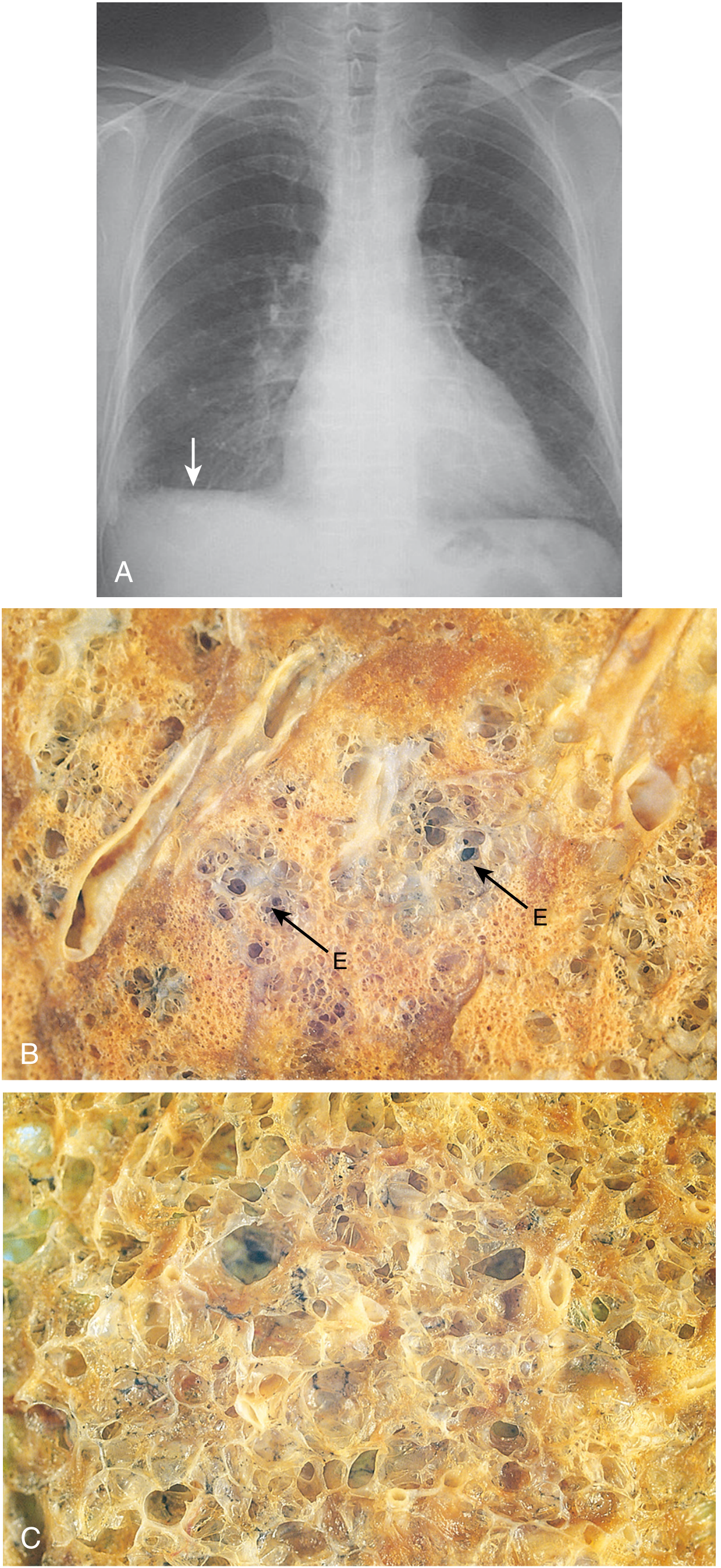
Fig: (A) Chest X-ray of advanced emphysema with flattened diaphragm. (B) Centriacinar emphysema - "E" marks enlarged centrally-placed spaces. (C) Panacinar emphysema - uniform enlargement throughout the lobule. - Robbins, Cotran & Kumar
Clinical Features
Symptoms typically appear after 40+ pack-years of smoking. COPD with emphysema as the dominant component presents as:
Classic "Pink Puffer" (emphysema-dominant):
- Progressive exertional dyspnea, often severe
- Barrel chest (increased AP diameter)
- Prolonged expiration through pursed lips
- Sitting forward in a hunched position
- Minimal cough/sputum
- Severe lung overdistension
- Blood gases relatively normal at rest (maintained by hyperventilation)
- Low diffusing capacity (DLCO)
- Weight loss (common, can be severe - cardiac cachexia-like)
Contrast with "Blue Bloater" (chronic bronchitis-dominant):
- Productive cough, copious sputum
- Cyanosis, CO2 retention
- Cor pulmonale more common
Most patients fall somewhere along this spectrum.
Spirometry: FEV1/FVC ratio < 0.7 (obstructive pattern). Air trapping causes increased total lung capacity (TLC) and residual volume (RV).
Complications:
- Pulmonary hypertension and cor pulmonale
- Respiratory failure
- Spontaneous pneumothorax (especially paraseptal type)
- Secondary polycythemia
α1-Antitrypsin (AAT) Deficiency
- Encoded at the Pi (proteinase inhibitor) locus, chromosome 14
- PiZZ homozygotes have markedly reduced serum AAT (~15% of normal)
- Leads to panacinar emphysema, predominantly in lower lobes
- Smoking dramatically accelerates disease
- Also associated with neonatal hepatitis and cirrhosis (misfolded AAT accumulates in hepatocytes)
- AAT augmentation therapy is available for confirmed deficient patients
Imaging
- Chest X-ray: Hyperinflation, flattened diaphragms, increased retrosternal space, reduced vascular markings ("pruning"), bullae
- HRCT chest: Most sensitive; shows low-attenuation areas without visible walls. Can quantify distribution and severity. Centrilobular emphysema appears as small rounded lucencies without walls around the central artery of secondary lobules.
Management Overview
Treatment is largely the same as for COPD broadly:
| Category | Approach |
|---|---|
| Smoking cessation | Most important disease-modifying intervention |
| Bronchodilators | SABAs, SAMAs; long-acting: LABAs + LAMAs |
| Inhaled corticosteroids | Added for frequent exacerbators (combined with LABA) |
| Pulmonary rehabilitation | Improves exercise tolerance and quality of life |
| Oxygen therapy | If PaO2 < 55 mmHg or SpO2 ≤ 88%; shown to improve survival |
| Lung volume reduction | Surgical (LVRS) or bronchoscopic (endobronchial valves, coils) for selected severe cases |
| AAT augmentation | Weekly IV infusion for documented PiZZ deficiency |
| Lung transplantation | End-stage disease |
Recent evidence on lung volume reduction: A 2025 systematic review and network meta-analysis (Bo et al., COPD 2025, PMID 41037331) compared bronchoscopic lung volume reduction therapies (endobronchial valves, coils, vapor ablation) in emphysema patients, supporting the efficacy of endobronchial valve placement in appropriately selected patients with heterogeneous emphysema and intact interlobar fissures. A 2025 review (Ter Haar et al., Eur Respir Rev, PMID 40174955) also documented extrapulmonary benefits of lung volume reduction (improved cardiac function, reduced pulmonary hypertension).
Key Summary Points
- Emphysema = alveolar wall destruction + permanent airspace enlargement (no fibrosis)
- Centriacinar (smoking) is far more common than panacinar (AAT deficiency)
- Mechanism: protease-antiprotease imbalance + oxidative stress + inflammation
- "Pink puffer" phenotype: dyspnea-dominant, hyperventilating, maintaining O2 at rest
- Irreversible but progression slowed by smoking cessation; bronchoscopic/surgical lung volume reduction is an option in severe disease
Sources: Robbins, Cotran & Kumar Pathologic Basis of Disease; Robbins & Kumar Basic Pathology; Murray & Nadel's Textbook of Respiratory Medicine; Fishman's Pulmonary Diseases and Disorders
Angina pectoris
Reading File
Finding Sources
Searching PubMed
"angina pectoris" management guidelines
Good results. Now let me read the key sections in parallel - Robbins for pathology, Harrison's for clinical features, Goldman-Cecil for management, and Katzung for pharmacology.
Reading File
Reading File
Reading File
Reading File
Excellent content from all four sources. Now let me get the Harrison's clinical examination/workup section and the Goldman-Cecil management section.
Reading File
Reading File
Now let me get the Harrison's treatment/investigation section and the Goldman-Cecil treatment section.
Reading File
Reading File
I now have excellent material from all four major textbooks. Let me compile the comprehensive answer.
Angina Pectoris
Definition
Angina pectoris is a clinical syndrome of paroxysmal, recurrent chest discomfort caused by transient myocardial ischemia that is insufficient to cause myocyte necrosis. It results from a mismatch between myocardial oxygen supply and demand, most often due to atherosclerotic coronary artery disease.
- Robbins, Cotran & Kumar Pathologic Basis of Disease, p. 1152
Types
Three overlapping patterns are recognised:
| Type | Mechanism | Key Features |
|---|---|---|
| Stable (typical) angina | Fixed coronary stenosis; demand exceeds supply with exertion | Predictable; provoked by activity/emotion; relieved by rest or nitrates in 2-5 min |
| Unstable (crescendo) angina | Plaque disruption + thrombus + vasospasm | Increasingly frequent, prolonged (>20 min), at rest or lower activity thresholds; harbinger of MI |
| Prinzmetal (variant) angina | Coronary artery spasm (with or without atherosclerosis) | At rest; unrelated to physical activity; responds to vasodilators; ST elevation during attack |
Unstable angina is part of the acute coronary syndrome (ACS) spectrum and requires urgent management.
Pathophysiology
Oxygen Supply-Demand Mismatch
Two fundamental mechanisms cause ischemia in angina:
- Demand angina: Increased myocardial O2 requirements (exercise, emotion, fever, thyrotoxicosis, anemia) in the setting of fixed coronary stenosis
- Supply angina: Reduced O2 delivery - from plaque rupture, vasospasm, thrombosis, or microvascular dysfunction
Additional mechanisms include microvascular dysfunction (especially in women), dynamic stenosis with vasoconstriction, and extravascular microcirculatory compression.
Pain Mechanism
Ischemia causes release of adenosine, bradykinin, and other metabolites that stimulate sympathetic and vagal afferent nerves, producing the characteristic chest discomfort. Pain is transmitted via C7-T4 afferents, explaining radiation patterns.
Silent Ischemia
Not all ischemia is perceived as pain. Silent ischemia is particularly common in:
- Elderly patients
- Diabetics (autonomic neuropathy)
- Post-transplant patients
It may manifest as dyspnea, nausea, diaphoresis, fatigue, or nothing at all.
Clinical Features
Typical Presentation
Stable angina classically presents as:
- Quality: Heaviness, pressure, squeezing, smothering, tightness - rarely sharp/stabbing. The patient often places a clenched fist over the sternum (Levine's sign).
- Location: Substernal/precordial; does NOT radiate to trapezius (that suggests pericarditis).
- Radiation: Left shoulder, both arms (ulnar aspects of forearm/hand), jaw, teeth, interscapular region, epigastrium.
- Duration: Typically 2-5 minutes; rarely exceeds 10-15 minutes in stable angina.
- Precipitants: Exertion, emotion (anger, stress, fright), cold weather, heavy meals, sexual activity.
- Relief: Rest within minutes; sublingual nitroglycerin within 1-5 minutes.
- Pattern: Crescendo-decrescendo - NOT at peak intensity at onset.
Angina is rarely localised below the umbilicus or above the mandible.
Demographics
Males constitute ~70% of patients with angina. The typical patient is a man >50 years or woman >60 years.
| Age | Typical Angina (Men) | Typical Angina (Women) |
|---|---|---|
| 40-49 | 22% | 10% |
| 50-59 | 32% | 13% |
| 60-69 | 44% | 16% |
| 70+ | 52% | 27% |
Goldman-Cecil Medicine
Atypical Presentations (especially in women)
- Dyspnea as the primary or sole complaint
- Nausea/vomiting (more common with inferior ischemia)
- Epigastric burning (may mimic GERD)
- Excessive fatigue and weakness
- Jaw/throat tightness without chest pain
Angina Decubitus
Angina at rest or while recumbent; nocturnal angina may awaken the patient. Caused by redistribution of blood volume increasing cardiac preload.
CCS Grading Scale
The Canadian Cardiovascular Society (CCS) grading is the standard classification:
| Class | Description |
|---|---|
| I | Angina only with strenuous or prolonged exertion; ordinary activity does not cause angina |
| II | Slight limitation of ordinary activity; angina with walking >2 blocks on the level, climbing >1 flight, or in cold/wind/after meals |
| III | Marked limitation; angina with walking 1-2 level blocks or climbing 1 flight under normal conditions |
| IV | Unable to carry on any physical activity without angina; may be present at rest |
CCS I-II = stable; CCS III-IV = severe/unstable.
- Goldman-Cecil Medicine, p. 1419
Investigations
Resting ECG
- Often normal between episodes
- During an attack: ST depression (demand ischemia) or ST elevation (Prinzmetal/spasm)
- May show evidence of prior MI (Q waves, T-wave changes)
Exercise Stress Testing (EST)
- Standard first-line test for diagnosing and risk-stratifying stable angina
- Positive: ≥1 mm horizontal or downsloping ST depression
- High-risk features: Early positive (stage 1), prolonged ST changes, hypotension with exercise, angina at low workload
Stress Imaging
- Stress echocardiography or nuclear perfusion imaging (SPECT/PET) for patients with abnormal resting ECG or those unable to exercise
- Identifies regions of reversible ischemia vs. fixed infarct
Coronary CT Angiography (CCTA)
- Excellent negative predictive value; preferred for intermediate pre-test probability patients
- Coronary artery calcification (CAC) score as supplementary risk stratification
Invasive Coronary Angiography
- Gold standard for defining coronary anatomy
- Reserved for high-risk patients, failed medical therapy, or prior to revascularisation
Management
1. Risk Factor Modification
- Smoking cessation - single most impactful intervention
- Control of hypertension, dyslipidaemia, diabetes
- Weight loss, physical activity
- Mediterranean diet
2. Drug Therapy
Anti-anginal drugs (symptom relief):
Nitrates:
| Drug | Use | Mechanism |
|---|---|---|
| Sublingual nitroglycerin | Acute episode relief; onset <3 min | Releases NO → increases cGMP → venodilation → reduces preload; also dilates coronary arteries |
| Isosorbide dinitrate/mononitrate | Oral prophylaxis | Similar to NTG; longer acting |
| Transdermal nitroglycerin | Prophylaxis | Requires nitrate-free interval (8-12h) to avoid tolerance |
- Toxicity: orthostatic hypotension, reflex tachycardia, headache
- Contraindicated with PDE-5 inhibitors (sildenafil, tadalafil) - severe synergistic hypotension
Beta-blockers (first-line for stable angina):
- Reduce heart rate, contractility, and BP → decrease myocardial O2 demand
- Preferred agents: metoprolol, atenolol (β1-selective); propranolol (nonselective)
- Particularly beneficial post-MI
- Toxicity: bronchospasm, bradycardia, AV block, fatigue, masking hypoglycaemia
Calcium channel blockers:
| Drug | Class | Effect |
|---|---|---|
| Verapamil, diltiazem | Non-dihydropyridine | Reduce HR + contractility + vascular resistance; good for Prinzmetal angina |
| Amlodipine, nifedipine | Dihydropyridine | Primarily vasodilation; little cardiac rate effect; used in vasospastic angina |
- Verapamil/diltiazem: avoid with beta-blockers (risk of severe bradycardia/AV block)
- Dihydropyridines cause peripheral edema, headache
Ranolazine:
- Late sodium channel blocker; reduces intracellular Ca2+ overload
- Used as add-on therapy in refractory angina; does not affect HR or BP
Cardioprotective drugs (outcome benefit):
| Drug | Benefit |
|---|---|
| Aspirin (75-100 mg/day) | Antiplatelet; reduces MI risk; all stable CAD patients |
| Statins (high-intensity) | Plaque stabilisation + LDL reduction; mortality benefit |
| ACE inhibitors/ARBs | Indicated if coexisting HF, diabetes, hypertension, or post-MI |
| P2Y12 inhibitors | Added to aspirin in ACS/post-PCI (dual antiplatelet therapy) |
3. Revascularisation
Indications:
- Refractory angina despite optimal medical therapy
- High-risk anatomy (left main disease, 3-vessel disease with LV dysfunction)
- Large territory of ischemia on stress testing
| Method | Notes |
|---|---|
| Percutaneous Coronary Intervention (PCI) | Preferred for single-vessel or limited multi-vessel disease; drug-eluting stents |
| Coronary Artery Bypass Grafting (CABG) | Preferred for left main, 3-vessel disease especially with diabetes or reduced EF |
Note: In chronic stable angina, revascularisation does not reduce MI or mortality compared to optimal medical therapy (ISCHEMIA trial), but improves symptoms and quality of life.
4. Management of Specific Types
Prinzmetal/vasospastic angina:
- Calcium channel blockers are first-line (nitrates also used)
- Beta-blockers may paradoxically worsen vasospasm (especially non-selective agents)
- Avoid smoking (major trigger)
Unstable angina:
- Admit; treat as ACS
- Anticoagulation (heparin) + dual antiplatelet therapy
- Early invasive strategy (angiography within 24-48h) for high-risk patients
Differential Diagnosis
Conditions that can mimic angina:
| Condition | Distinguishing Feature |
|---|---|
| Oesophageal spasm | May respond to nitrates; reproduced by acid reflux tests |
| Pericarditis | Positional (worse lying flat, better sitting forward); radiation to trapezius |
| Musculoskeletal | Reproduced by palpation |
| Pulmonary embolism | Pleuritic pain, dyspnoea, hypoxia |
| Aortic dissection | Tearing/ripping, maximal at onset, radiates to back |
| GERD | Burning quality; related to meals/position |
Key Summary
- Angina = transient ischemia-induced chest discomfort without necrosis
- Three patterns: stable (exertional, predictable), unstable (ACS spectrum), Prinzmetal (spasm)
- Levine's sign, substernal pressure, radiation to left arm/jaw, relieved by rest/nitrates = classic
- Investigations: ECG, exercise stress test, stress imaging, CCTA, coronary angiography
- Treatment: risk factor control + nitrates + beta-blockers + CCBs + aspirin + statins ± revascularisation
- Revascularisation improves symptoms but not survival in chronic stable angina (vs. optimal medical therapy)
Sources: Robbins, Cotran & Kumar Pathologic Basis of Disease; Harrison's Principles of Internal Medicine 22e; Goldman-Cecil Medicine; Katzung's Basic and Clinical Pharmacology 16e
Resend the and with diagrams for exam
Let me fetch the key diagrams from the textbooks for you.
Finding Sources
Reading File
Reading File
Reading File
Now let me find and fetch images - ECG changes, angina pathophysiology diagrams, coronary artery disease images, and drug mechanism diagrams.
Finding Sources
Finding Sources
Now let me read the sections that likely contain images - the Goldman-Cecil ECG section and the Goodman & Gilman pathophysiology section, plus the Harrison's diagnostic workup with imaging.
Reading File
Reading File
Reading File
I found a key image (Figure 31-1 from Goodman & Gilman). Let me now fetch it along with other key images - the Goodman & Gilman O2 supply-demand diagram, and search for drug mechanism and coronary artery disease images.
Loading Image
Reading File
Finding Sources
Excellent - I have the key pharmacology diagram. Now let me find and fetch the ECG changes image and coronary atherosclerosis diagram.
Reading File
Finding Sources
Now let me fetch both images in parallel - the IHD flow chart and search for the ECG/stress test image.
Loading Image
Finding Sources
I have all the key diagrams. Now let me compile the full answer with all diagrams embedded.
Angina Pectoris — Full Review with Diagrams
Definition
Angina pectoris is a clinical syndrome of paroxysmal, recurrent chest discomfort caused by transient myocardial ischemia that is insufficient to cause myocyte necrosis. The pain results from ischemia-induced release of adenosine, bradykinin, and other metabolites that stimulate sympathetic and vagal afferent nerves.
- Robbins, Cotran & Kumar Pathologic Basis of Disease, p. 1152
Types
| Type | Mechanism | Key Features |
|---|---|---|
| Stable (typical) | Fixed coronary stenosis (>70%); increased demand exceeds supply | Predictable; provoked by exertion/emotion; relieved by rest in 1-5 min or sublingual nitrates |
| Unstable (crescendo) | Plaque rupture + thrombus + vasospasm | Increasingly frequent, prolonged (>20 min), at rest or minimal exertion; ACS - high MI risk |
| Prinzmetal (variant) | Coronary artery spasm ± atherosclerosis | At rest; unrelated to physical activity; ST elevation during attack; responds to vasodilators |
Pathophysiology
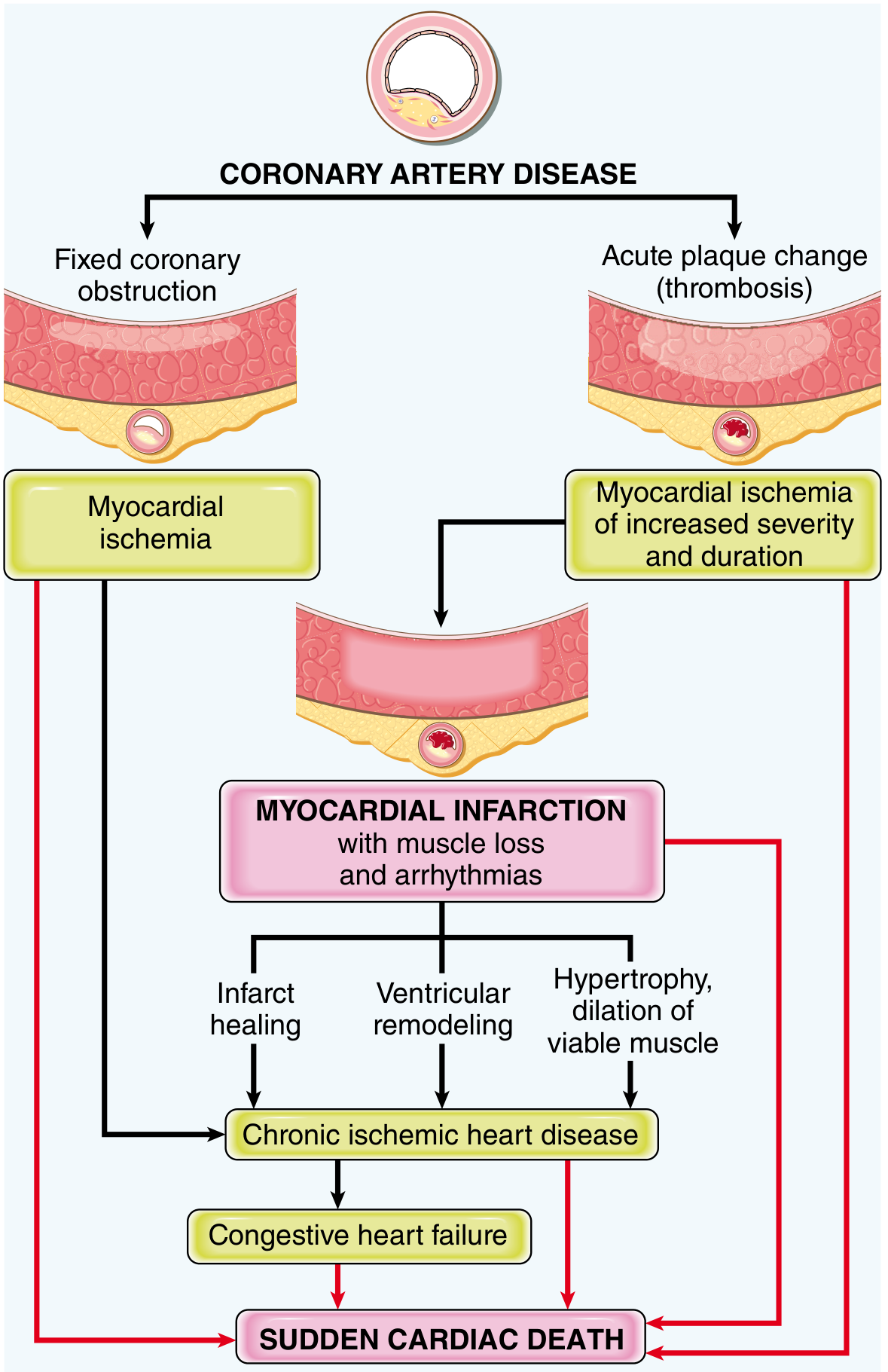
Fig 12.18: Causes and outcomes of ischemic heart disease. Fixed obstruction → stable angina; acute plaque change (thrombosis) → unstable angina/MI → chronic IHD → heart failure/sudden death. - Robbins, Cotran & Kumar
The Core Imbalance: O₂ Demand > O₂ Supply
Determinants of myocardial O₂ demand:
- Heart rate
- Myocardial contractility
- Ventricular wall tension (preload + afterload)
Determinants of myocardial O₂ supply:
- Coronary blood flow (most important)
- Oxygen-carrying capacity of blood (haemoglobin, SaO2)
When demand exceeds supply → ischemia → angina
Stable angina = fixed stenosis + increased demand (exertion)
Unstable angina = plaque rupture + thrombus reducing supply
Prinzmetal angina = vasospasm reducing supply at rest
Other precipitating/aggravating conditions
- Fever, thyrotoxicosis, severe anaemia (increase demand)
- Aortic stenosis, hypertrophic cardiomyopathy (outflow obstruction)
- Uncontrolled hypertension, LVH (increased wall stress)
Clinical Features
Symptom Quality (Harrison's 22e)
- Typical descriptors: Heaviness, pressure, squeezing, smothering, tightness - rarely sharp or stabbing
- Levine's sign: Patient places clenched fist over sternum - highly characteristic
- Location: Central substernal - NOT below the umbilicus or above the mandible
- Radiation: Left shoulder/arm (ulnar aspect), jaw, teeth, back, interscapular region, epigastrium
- Does NOT radiate to trapezius (trapezius radiation = pericarditis)
- Duration: 2-5 minutes (stable); >20 min raises unstable angina/MI concern
- Pattern: Crescendo-decrescendo - not at maximum intensity at onset
Precipitants (The "4 Es")
- Exercise / exertion
- Emotion (anger, stress, fright)
- Eating (heavy meal)
- Environment (cold exposure)
Relief
- Rest within 1-5 min
- Sublingual nitroglycerin within 1-5 min
- If no relief after 3 doses of SL NTG → suspect ACS
Atypical Presentations (especially women, elderly, diabetics)
- Dyspnoea as the primary complaint ("anginal equivalent")
- Nausea/vomiting (especially inferior ischaemia)
- Epigastric burning
- Excessive fatigue, diaphoresis
- Silent ischaemia (no symptoms at all)
CCS Grading (Canadian Cardiovascular Society)
| Class | Description |
|---|---|
| I | Angina only with strenuous/prolonged exertion; ordinary activity fine |
| II | Slight limitation; angina walking >2 blocks on level or >1 flight of stairs |
| III | Marked limitation; angina with walking 1-2 blocks or 1 flight of stairs |
| IV | Cannot carry on any activity without angina; may occur at rest |
CCS I-II = stable; CCS III-IV = severe/unstable. - Harrison's 22e / Goldman-Cecil
Investigations
| Test | Findings |
|---|---|
| Resting ECG | Often normal; may show ST depression or T-wave inversion; old Q waves (prior MI) |
| ECG during episode | ST depression (subendocardial ischaemia) in ≥50% of patients; ST elevation in Prinzmetal |
| Exercise stress test (EST) | ≥1mm horizontal/downsloping ST depression = positive; high-risk: positive at Stage 1, hypotension, angina at low workload |
| Stress echo / nuclear SPECT | Detects reversible ischaemia (ischaemia = inducible wall motion abnormality; infarct = fixed defect) |
| Coronary CT angiography (CCTA) | High negative predictive value; preferred in intermediate pre-test probability |
| Invasive coronary angiography | Gold standard; defines anatomy; pre-revascularisation |
| Bloods | Lipids, FBG/HbA1c, creatinine, troponin (to exclude ACS), BNP |
ECG key point: ST depression during ischaemia (subendocardial); ST elevation in Prinzmetal angina or STEMI.
Management
Framework
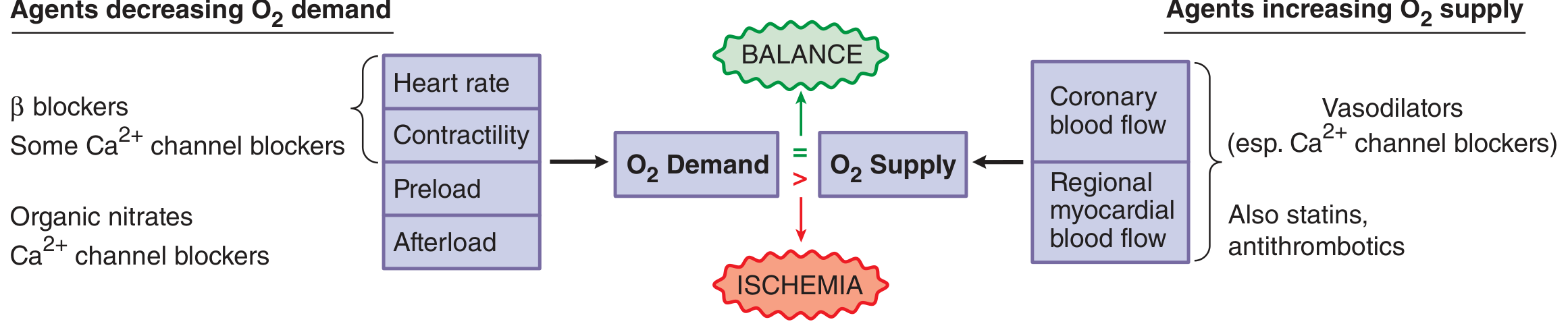
Fig 31-1: Pharmacological modification of myocardial O₂ supply-demand balance. When O₂ demand exceeds supply, ischaemia results. Drugs act on the left (reduce demand) or right (increase supply). - Goodman & Gilman's Pharmacological Basis of Therapeutics
Step 1 - Lifestyle and Risk Factor Modification
- Smoking cessation (most impactful)
- Control hypertension, hyperlipidaemia, diabetes
- Weight loss, regular aerobic exercise
- Mediterranean diet
Step 2 - Anti-anginal Drug Therapy
Nitrates
| Drug | Route | Use |
|---|---|---|
| Sublingual nitroglycerin (GTN) | SL tablet/spray | Acute episode: onset 1-3 min, lasts 20-30 min |
| Isosorbide dinitrate | Oral | Prophylaxis |
| Isosorbide mononitrate | Oral | Prophylaxis (active metabolite) |
| Transdermal NTG | Patch | Prophylaxis; 8-12h nitrate-free interval required to prevent tolerance |
Mechanism: Releases NO → cGMP → smooth muscle relaxation → venodilatation (↓ preload) → ↓ O₂ demand; also coronary vasodilation (↑ supply)
Key toxicity: Orthostatic hypotension, reflex tachycardia, headache
Critical interaction: CONTRAINDICATED with PDE-5 inhibitors (sildenafil, tadalafil, vardenafil) - severe synergistic hypotension
Beta-blockers (First-line for stable angina)
| Drug | Type |
|---|---|
| Metoprolol, atenolol | β1-selective (preferred - less bronchospasm) |
| Propranolol | Non-selective |
| Carvedilol | α+β blocker |
Mechanism: ↓ HR, ↓ contractility, ↓ BP → ↓ myocardial O₂ demand. Also increase diastolic filling time (↑ subendocardial perfusion)
Toxicity: Bronchospasm, bradycardia, AV block, fatigue, cold extremities, masking of hypoglycaemia
Note: Avoid non-selective beta-blockers in Prinzmetal angina (may worsen vasospasm via unopposed α stimulation)
Calcium Channel Blockers (CCBs)
| Drug | Class | Action |
|---|---|---|
| Verapamil, diltiazem | Non-dihydropyridine | ↓ HR + ↓ contractility + vasodilation; good for Prinzmetal |
| Amlodipine, nifedipine | Dihydropyridine | Primarily vasodilation; minimal cardiac rate effect |
Non-DHP toxicity: AV block, HF (avoid with beta-blockers)
DHP toxicity: Peripheral oedema, headache, reflex tachycardia (nifedipine IR - avoid)
CCBs are first-line for Prinzmetal/vasospastic angina
Ranolazine
- Late Na+ channel blocker → ↓ intracellular Ca²+ overload → ↓ diastolic tension
- Used as add-on in refractory angina; does NOT affect HR or BP
- Useful when beta-blockers/CCBs are contraindicated or insufficient
Step 3 - Cardioprotective Agents (Mortality Benefit)
| Drug | Benefit |
|---|---|
| Aspirin 75-100 mg/day | Antiplatelet; reduces MI risk; all stable CAD patients |
| High-intensity statin (atorvastatin/rosuvastatin) | Plaque stabilisation + LDL reduction; reduces events and mortality |
| ACE inhibitor/ARB | Indicated if coexisting LV dysfunction, diabetes, hypertension, or post-MI |
| P2Y12 inhibitor (clopidogrel, ticagrelor) | Added to aspirin in ACS or post-PCI (dual antiplatelet therapy) |
Step 4 - Revascularisation
| Method | Preferred For |
|---|---|
| PCI (angioplasty + stent) | Single/limited multi-vessel disease; drug-eluting stents reduce restenosis |
| CABG | Left main disease; 3-vessel disease + LV dysfunction; 3-vessel + diabetes |
ISCHEMIA trial: In chronic stable angina, revascularisation does NOT reduce MI or mortality vs. optimal medical therapy - but significantly improves symptoms and quality of life.
Unstable angina: Anticoagulation (LMWH/heparin) + dual antiplatelet + early invasive angiography (within 24-48h for high-risk)
Differential Diagnosis
| Condition | Key Differentiator |
|---|---|
| Oesophageal spasm | May respond to nitrates; reproduced by acid challenge; no ECG changes |
| GERD | Burning, post-meal, positional; antacid relief |
| Pericarditis | Sharp, positional (worse supine, better leaning forward); trapezius radiation; diffuse ST elevation + PR depression on ECG |
| Pulmonary embolism | Pleuritic, hypoxia, tachycardia, DVT risk factors |
| Aortic dissection | Tearing/ripping pain, maximal at onset, radiates to back; unequal BP in arms |
| Musculoskeletal | Reproduced by palpation or movement |
| Costochondritis | Localised sternal tenderness |
Summary Table
| Feature | Stable Angina | Unstable Angina | Prinzmetal Angina |
|---|---|---|---|
| Mechanism | Fixed stenosis + ↑demand | Plaque rupture + thrombus | Coronary spasm |
| Onset | With exertion | At rest or minimal exertion | At rest (often nocturnal) |
| Duration | 2-5 min | >20 min | Variable |
| ECG during attack | ST depression | ST depression | ST elevation |
| Response to nitrates | Yes | Partial | Yes |
| Beta-blockers | Beneficial | Beneficial | Avoid (can worsen spasm) |
| CCBs | Second-line | Adjunct | First-line |
| Risk of MI | Low (chronic) | High (ACS) | Low-moderate |
Sources: Robbins, Cotran & Kumar Pathologic Basis of Disease; Harrison's Principles of Internal Medicine 22e; Goldman-Cecil Medicine; Goodman & Gilman's Pharmacological Basis of Therapeutics; Katzung's Basic and Clinical Pharmacology 16e
Unstable angina
Finding Sources
Searching PubMed
"unstable angina" "acute coronary syndrome" management
Good sources identified. Let me now read the key sections in parallel - Rosen's Emergency Medicine for clinical/management, Family Medicine for pharmacotherapy, Braunwald's for GP IIb/IIIa, and Goldman-Cecil for refractory angina.
Reading File
Reading File
Reading File
Excellent content. Now let me get the risk stratification details, TIMI score, and Braunwald's GP IIb/IIIa section, plus fetch key diagrams.
Reading File
Reading File
Finding Sources
Reading File
Reading File
Finding Sources
Now let me get the Washington Manual's risk stratification and invasive strategy section, and fetch the key plaque rupture / ACS diagram.
Reading File
Finding Sources
Reading File
Finding Sources
Reading File
Loading Image
Excellent - I have the TIMI risk score and the IHD progression diagram. Now let me fetch the TIMI bar graph image and get the invasive strategy details.
Loading Image
Reading File
I now have the TIMI risk score bar graph, the ACS flowchart reference, and all management data. Let me also fetch the ACS diagnostic pathway flowchart.
Loading Image
I now have all three key diagrams. Let me compile the full comprehensive answer.
Unstable Angina
Definition and Position in the ACS Spectrum
Unstable angina (UA) is chest pain at rest, new-onset angina, or worsening angina caused by acute plaque rupture with partial coronary occlusion - producing ischemia without myocardial necrosis (negative troponin). It sits within the Acute Coronary Syndrome (ACS) spectrum:
ACS
├── STEMI     → ST elevation + troponin ↑ + complete occlusion
├── NSTEMI    → No ST elevation + troponin ↑ + partial occlusion
└── UA        → No ST elevation + troponin NORMAL + partial occlusion
UA and NSTEMI share the same pathophysiology and management approach - they differ only in whether troponin is elevated (indicating myocardial necrosis in NSTEMI). Prolonged rest angina (>30-60 min) typically tips into NSTEMI.
- The Washington Manual of Medical Therapeutics; Rosen's Emergency Medicine
Pathophysiology
Fig 12.18: Coronary artery disease outcomes. Unstable angina arises from the "acute plaque change (thrombosis)" pathway on the right - partial occlusion causing ischemia of increased severity and duration, sitting just above the MI threshold. - Robbins, Cotran & Kumar
The five main mechanisms (in order of frequency):
-
Plaque rupture + thrombus (most common ~70%) - A thin-cap fibroatheroma ruptures, exposing lipid-rich subendothelial content to circulating platelets → platelet activation → thrombus formation → partial occlusion. The thrombus may be non-occlusive (UA/NSTEMI) or occlusive (STEMI).
-
Plaque erosion - No rupture, but endothelial erosion triggers surface thrombus; more common in women and younger patients.
-
Dynamic obstruction / vasospasm - Superimposed vasospasm on an existing stenosis or cocaine use; Prinzmetal-like mechanism.
-
Microembolisation - Plaque debris or thrombus fragments embolise distally into microcirculation.
-
Secondary causes (demand ischemia) - Thyrotoxicosis, severe hypertension, tachycardia, severe anaemia, hypotension, hypoxia - precipitate ischemia by increasing demand or reducing supply on a background of fixed stenosis.
Clinical Definition (Three Presentations)
| Presentation | Definition |
|---|---|
| Rest angina | Angina at rest, lasting >20 minutes, within 1 week of presentation |
| New-onset angina | New angina of at least CCS class II severity, onset within 2 months |
| Progressive (crescendo) angina | Previously diagnosed stable angina that has worsened by ≥1 CCS class to at least class III severity in the preceding 2 months |
Rosen's Emergency Medicine, p. 4685
Synonyms
- Preinfarction angina
- Accelerating/crescendo angina
- Intermediate coronary syndrome
- Pre-occlusive syndrome
Clinical Features
Symptoms
- Chest discomfort at rest or with minimal exertion - typically substernal pressure/squeezing
- Duration >20 minutes (if <20 min and no biomarker rise, still UA if at rest)
- May radiate to jaw, neck, arm, back, epigastrium
- Associated diaphoresis, nausea, dyspnoea
- Anginal equivalents (dyspnoea alone, epigastric pain) especially in women, elderly, diabetics
Symptoms NOT typical of ACS
- Pleuritic pain (sharp, positional)
- Pain radiating below umbilicus or down legs
- Pain reproduced by palpation or limb movement
- Pain lasting only seconds
Physical Examination
Look for signs of:
- Haemodynamic instability - hypotension, shock (Killip IV)
- Heart failure - S3 gallop, crackles, elevated JVP, pulmonary oedema
- New mitral regurgitation - papillary muscle ischemia
- New murmurs suggest mechanical complications
Killip Classification (prognostic)
| Class | Finding | Approximate In-Hospital Mortality |
|---|---|---|
| I | No HF signs | 6% |
| II | S3, rales, or JVD | 17% |
| III | Pulmonary oedema | 38% |
| IV | Cardiogenic shock (SBP <90 + hypoperfusion) | 81% |
Washington Manual of Medical Therapeutics
Investigations
ECG (obtain within 10 minutes)
- ~50% of UA/NSTEMI patients have significant ECG abnormalities
- ST depression in ≥2 contiguous leads (≥0.5 mm in V2-V3; ≥1 mm in other leads) = subendocardial ischaemia
- T-wave inversions or pseudonormalisation of previous T-wave changes
- ST depression in multiple leads + ST elevation in aVR and/or V1 → multivessel or left main disease (high risk)
- Wellens syndrome - biphasic or deeply inverted T waves in V2-V4 + stuttering chest pain → critical LAD lesion
- Serial ECGs essential - 50% of changes are dynamic
Cardiac Biomarkers
| Marker | Rise | Peak | Normalise |
|---|---|---|---|
| Myoglobin | 1-2 h | Early | 7-12 h; high sensitivity, low specificity |
| CK-MB | 3-6 h | ~24 h | ~72 h; 90% sensitive at 6h |
| Troponin I/T | 4-6 h | 10-14 h | Days; gold standard |
| High-sensitivity Troponin | 1-3 h | Earlier | Preferred now; serial testing at 0h and 1-3h |
Key distinction: UA = troponin NEGATIVE. If troponin rises → reclassify as NSTEMI.
CK-MB is no longer recommended as the primary diagnostic marker. Troponin is the standard.
Other Tests
- BNP/NT-proBNP: elevations indicate worse outcome; severe elevation suggests large infarction
- CBC, metabolic panel, lipids, HbA1c (identify precipitating/modifying factors)
- Chest X-ray: rule out pulmonary oedema, aortic dissection
- Echocardiography: wall motion abnormalities confirm ischaemia; assess LV function
Risk Stratification
TIMI Risk Score for UA/NSTEMI
1 point for each of 7 variables:
| Variable | Points |
|---|---|
| Age >65 years | 1 |
| Known CAD (stenosis >50%) | 1 |
| ≥2 episodes of chest pain in 24h | 1 |
| ST-segment or T-wave changes | 1 |
| Elevated cardiac biomarkers | 1 |
| Aspirin use in the last 7 days* | 1 |
| ≥3 CAD risk factors (FHx, DM, HTN, hyperlipidaemia, smoking) | 1 |
Aspirin use in last 7 days = pain despite aspirin = higher risk
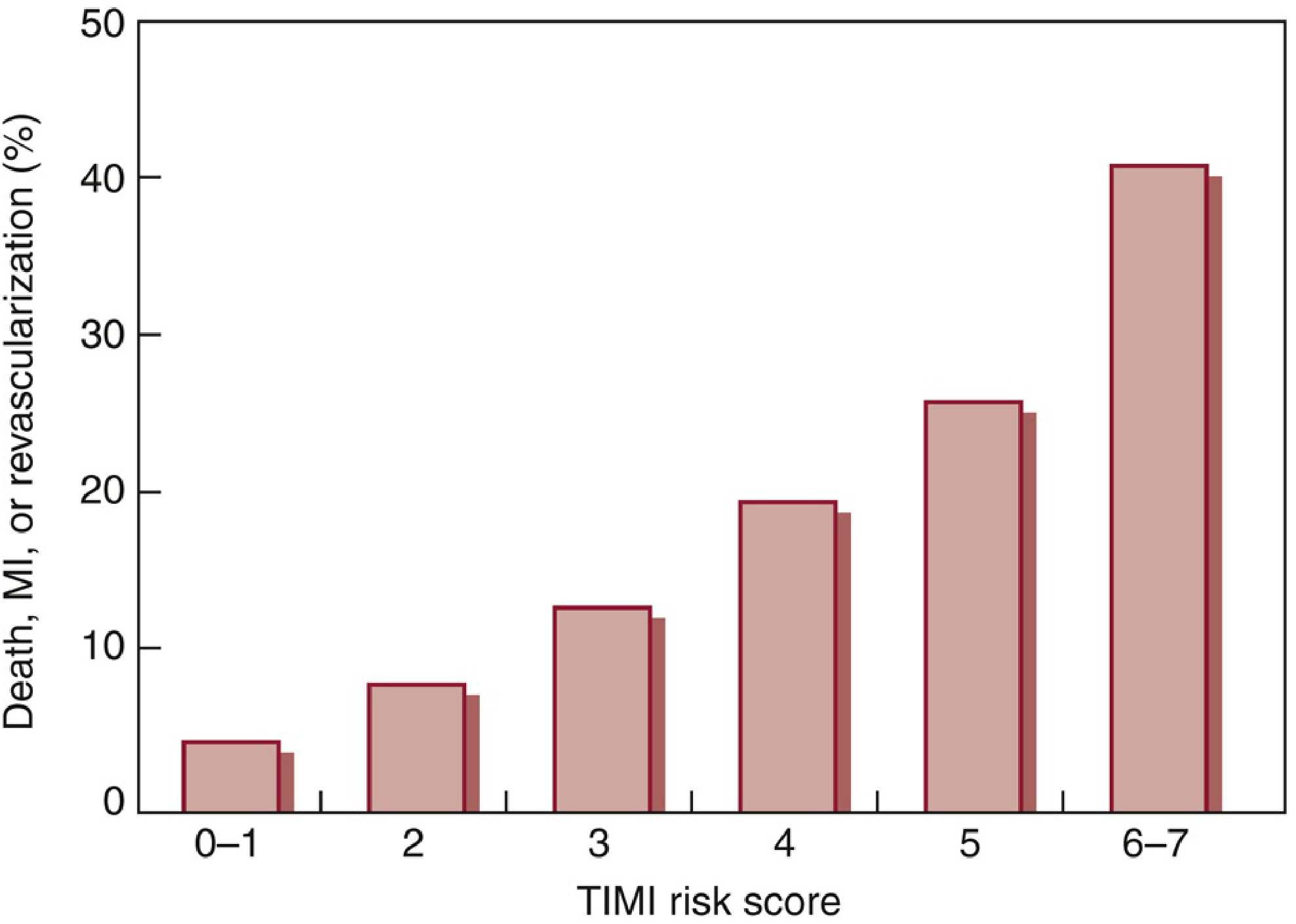
Fig 4-2: 14-day rates of death, MI, or urgent revascularisation vs. TIMI risk score (TIMI 11B and ESSENCE trials). Risk rises steeply from ~4% (score 0-1) to ~41% (score 6-7). - Washington Manual
High-Risk Features (Require Urgent Intervention)
- Recurrent/accelerating angina despite medical therapy
- Dynamic ST changes
- Elevated troponin
- New or worsening MR
- New LBBB
- Sustained VT or VF
- Haemodynamic instability or cardiogenic shock
- Signs of HF or pulmonary oedema
- EF <40%
- History of prior PCI <6 months or prior CABG
Management
ACS Diagnostic and Treatment Pathway
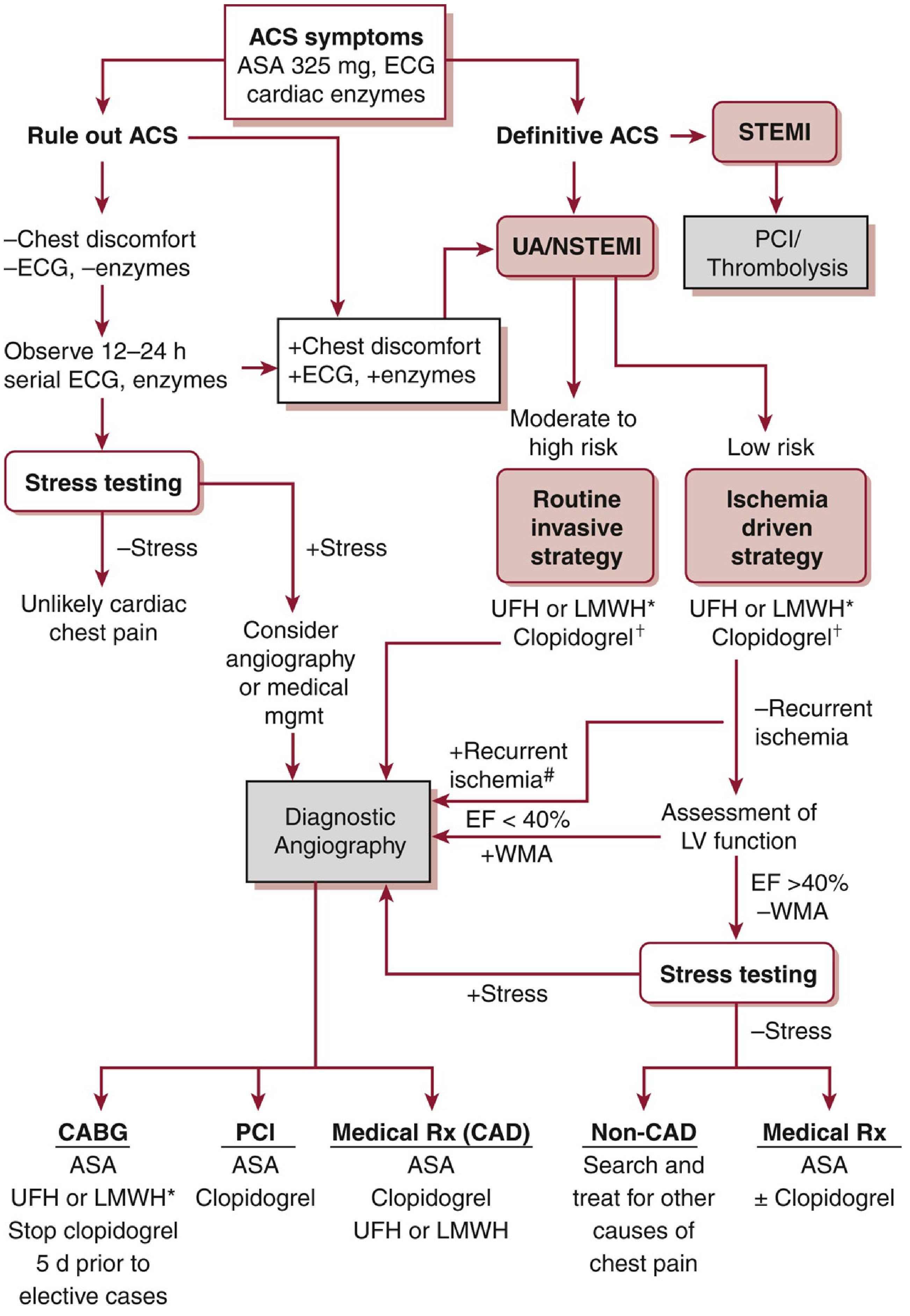
Fig 4-3: Diagnostic and therapeutic pathway for ACS. UA/NSTEMI patients are risk stratified; moderate-to-high risk undergo routine invasive strategy with angiography and possible revascularisation. - Washington Manual of Medical Therapeutics
Step 1 - Immediate Measures (ALL patients)
| Action | Details |
|---|---|
| Admit | CCU/monitored bed |
| ECG | Within 10 minutes of arrival; serial ECGs |
| Oxygen | Only if SpO2 <90% or respiratory distress (hyperoxia may be harmful) |
| IV access + monitoring | Continuous cardiac monitoring |
| Aspirin 325 mg (non-enteric coated, chewed) | Immediately; then 75-100 mg/day ongoing |
| Sublingual or IV nitrates | For ongoing chest pain |
| Morphine | For pain unresponsive to anti-ischaemic therapy (use with caution) |
Step 2 - Antiplatelet Therapy
Aspirin
- 325 mg loading dose → 75-100 mg/day maintenance
- Inhibits COX → blocks thromboxane A2 → reduces platelet aggregation
P2Y12 Receptor Antagonists (add to aspirin = DAPT)
| Drug | Loading Dose | Maintenance | Notes |
|---|---|---|---|
| Clopidogrel | 300-600 mg | 75 mg/day | Prodrug; 5-7 days to full effect at 75mg; 600mg loading gives effect in 2-3h; hold 5 days before elective CABG |
| Ticagrelor | 180 mg | 90 mg BD | Reversible; faster onset; preferred in high-risk ACS; do NOT use with dose aspirin >100 mg/day |
| Prasugrel | 60 mg | 10 mg/day | Irreversible; most potent; contraindicated if prior stroke/TIA, age >75, weight <60kg |
DAPT is maintained for 12 months post-ACS (or post-PCI with drug-eluting stent).
GP IIb/IIIa Inhibitors (used selectively)
Block the final common pathway of platelet aggregation (fibrinogen binding). Reserved for:
- Patients with early recurrent ischaemic discomfort
- High-risk features with planned PCI
- "Bail-out" during PCI if needed
| Drug | Dose | Notes |
|---|---|---|
| Abciximab | 0.25 mg/kg IV bolus, then 0.125 µg/kg/min x 12h | Adjunct to PCI; no dose adjustment in CKD |
| Eptifibatide | 180 µg/kg IV bolus, then 2 µg/kg/min x 72h | Dose reduce if CrCl <50 mL/min |
| Tirofiban | 0.4 µg/kg/min x 30 min, then 0.1 µg/kg/min | Reduce 50% if CrCl <30 mL/min |
Braunwald's Heart Disease
Step 3 - Anticoagulation (Antithrombin Therapy)
| Drug | Regimen | Notes |
|---|---|---|
| Enoxaparin (LMWH) | 1 mg/kg SC BD | Preferred over UFH in conservative strategy; ESSENCE trial: reduced death/MI/recurrent angina vs. UFH (19.8% vs 23.3%); predictable PK; less HIT risk |
| UFH | 70 units/kg IV bolus, then 1000 units/h adjusted by aPTT | Still acceptable; use if renal failure or when rapid reversal needed |
| Bivalirudin | Alternative at PCI; direct thrombin inhibitor | If used, GP IIb/IIIa inhibitors not needed except as bail-out |
| Fondaparinux | 2.5 mg SC OD | Lowest bleeding risk; not recommended as sole agent if PCI planned (catheter thrombosis risk) |
Continue anticoagulation for 48h (UFH) or until discharge/up to 8 days (LMWH).
Step 4 - Anti-ischaemic Therapy
| Drug | Effect | Notes |
|---|---|---|
| Beta-blockers | ↓ HR, ↓ contractility, ↓ O2 demand | Start early (oral); avoid in acute decompensated HF, severe bradycardia, AV block |
| IV Nitrates | Venodilation → ↓ preload + coronary vasodilation | For ongoing pain; beware hypotension; nitrate-free interval needed |
| CCBs | ↓ vascular resistance; non-DHP also ↓ HR | If beta-blocker contraindicated; verapamil/diltiazem if vasospasm suspected |
Thrombolytics are CONTRAINDICATED in UA/NSTEMI - shown to have no benefit and increase bleeding risk.
Step 5 - Cardioprotective Long-term Therapy
| Drug | Indication |
|---|---|
| High-intensity statin (atorvastatin 40-80 mg) | All UA/NSTEMI patients; start early; plaque stabilisation |
| ACE inhibitor/ARB | LV dysfunction (EF <40%), diabetes, hypertension |
| Beta-blocker long-term | Post-MI, LV dysfunction; reduces sudden death |
| Aldosterone antagonist | If EF <40% + HF or diabetes post-MI |
Step 6 - Revascularisation Strategy
| Timing | Indication |
|---|---|
| Immediate/urgent (<2h) | Refractory angina; haemodynamic instability/shock; sustained VT/VF; worsening HF or new MR |
| Early invasive (<24h) | TIMI ≥3 or GRACE >140; rapid rise in biomarkers; new ST depressions |
| Delayed invasive (24-72h) | Diabetes; renal insufficiency (GFR <60); EF <40%; early post-infarction angina; prior PCI <6 months; prior CABG; TIMI ≥2 |
| Ischemia-driven (conservative) | TIMI ≤1 or GRACE <109; low-risk biomarker-negative; patient/clinician preference without high-risk features |
In ACS (unlike stable angina), early routine invasive strategy reduces recurrent MI compared to conservative management in moderate-to-high risk patients.
Washington Manual; 2025 meta-analysis in older patients (PMID 40135822) supports invasive approach in elderly with NSTEMI as well.
UA vs. NSTEMI vs. STEMI - Quick Comparison
| Feature | Unstable Angina | NSTEMI | STEMI |
|---|---|---|---|
| Troponin | Normal | Elevated | Elevated |
| ECG | ST depression / T-wave changes / normal | ST depression / T-wave changes | ST elevation |
| Coronary occlusion | Partial | Partial | Complete |
| Thrombolytics | Contraindicated | Contraindicated | Indicated (if PCI unavailable) |
| Urgent PCI | Based on risk | Based on risk | Immediately (<90 min) |
Key Points for Exams
- UA = ACS without troponin rise. Troponin elevation = NSTEMI (same management, worse prognosis).
- Mechanism = plaque rupture → partial thrombus → partial coronary occlusion.
- ECG = ST depression or T-wave changes (NOT ST elevation; that's STEMI or Prinzmetal).
- Thrombolytics are contraindicated in UA/NSTEMI.
- TIMI score - 7 variables, 1 point each; score 0-1 = low risk (~4%); 6-7 = very high risk (~41%).
- DAPT = Aspirin + P2Y12 inhibitor for 12 months. Anticoagulate with LMWH/UFH.
- Enoxaparin preferred over UFH in conservative management (ESSENCE trial).
- Early invasive strategy within 24h for TIMI ≥3 / high-risk; immediate (<2h) for haemodynamic instability.
Sources: Rosen's Emergency Medicine; Textbook of Family Medicine 9e; Washington Manual of Medical Therapeutics; Robbins, Cotran & Kumar; Braunwald's Heart Disease; TIMI 11B and ESSENCE trials
This is a shared conversation. Sign in to Orris to start your own chat.