
Basics of diarrhea in children. (Definition and causes of diarrhea in children. Complications of diarrhea in children and management. Causes of rapid dehydration in infants and young children. Clinical signs of mild, moderate, and severe dehydration in children. Interpretation of results of laboratory tests(stool culture test, Stool occult blood test, cbc, serum electrolites, Celiac serology test) Ultrasound imaging of liver, pancreas, spleen.) Long notes extra
Reading File
Finding Sources
Finding Sources
Finding Sources
The key source is Tintinalli's Emergency Medicine block11 and ROSEN's block30. Let me read those comprehensive sections now.
Reading File
Reading File
I need to find the correct section in Tintinalli's block11 that covers diarrhea in children (line 136 area), and read more of Rosen's block30 for dehydration signs and management.
Reading File
Reading File
Excellent — I now have very rich content from both Tintinalli's and Rosen's. Let me read more of both to capture dehydration signs, management, lab tests, and ultrasound.
Reading File
Reading File
I have extensive content now from both textbooks. Let me read one more key section from Rosen's on dehydration clinical signs (around line 3472-3700) which I partially got, and I need the dehydration classification table:
Reading File
I now have comprehensive content. Let me also fetch the skin tenting image since it's directly relevant:
Loading Image
Now I'll synthesize all the retrieved content into comprehensive long notes:
Diarrhea in Children — Comprehensive Notes
1. DEFINITION OF DIARRHEA IN CHILDREN
Diarrhea is defined as an abnormal increase in stool frequency, fluidity, or volume compared to the child's normal pattern. In practical terms:
- Acute diarrhea: ≤14 days duration
- Persistent diarrhea: 14–30 days
- Chronic diarrhea: >30 days
Operationally, most clinicians define it as ≥3 loose/watery stools per 24 hours, though in exclusively breastfed infants, frequent loose stools may be normal.
Acute gastroenteritis (AGE) is the most common cause in children and is characterized by diarrhea with or without vomiting, nausea, fever, and abdominal pain, caused typically by infection.
2. CAUSES OF DIARRHEA IN CHILDREN
Infectious Causes (Most Common)
| Category | Common Pathogens |
|---|---|
| Viruses (70–80%) | Rotavirus, Norovirus, Sapovirus, Astrovirus, Adenovirus |
| Bacteria (10–20%) | Salmonella spp., Shigella spp., Campylobacter jejuni, Yersinia enterocolitica, E. coli (ETEC, O157:H7), C. difficile, C. perfringens, Staphylococcus aureus, Vibrio cholerae |
| Protozoa (<10%) | Cryptosporidium, Giardia intestinalis, Entamoeba histolytica |
Key notes:
- Rotavirus was historically the leading cause in children <5 years globally. Since rotavirus vaccination (RotaTeq licensed 2006, Rotarix 2008), hospitalizations have declined 60–90% in the US.
- Norovirus is now the most common cause of diarrheal illness in children in the US following widespread vaccination.
- Neurologic symptoms (most commonly seizures) occur in 2–3% of children with rotavirus infection.
- Malnourished children often fail to repair damaged intestinal epithelium after rotavirus, creating a vicious cycle.
Mechanism-Based Classification
| Mechanism | Example |
|---|---|
| Secretory | Cholera toxin, E. coli ETEC — toxin-mediated hypersecretion |
| Osmotic | Lactose intolerance, malabsorption — unabsorbed solutes draw water into lumen |
| Inflammatory/Invasive | Shigella, Salmonella, Campylobacter — mucosal invasion, bloody diarrhea |
| Motility disorders | Hyperthyroidism, post-surgical |
Non-Infectious Causes
- Dietary: overfeeding, fruit juice excess (sorbitol), introduction of new foods
- Malabsorption: celiac disease, cystic fibrosis, lactase deficiency
- Inflammatory bowel disease: Crohn's disease, ulcerative colitis
- Antibiotic-associated diarrhea / C. difficile colitis
- Intussusception (classically: "currant jelly" stools)
- Hirschsprung's disease enterocolitis
- Allergic colitis (cow's milk protein allergy in infants)
- Surgical causes: malrotation with volvulus, appendicitis
3. COMPLICATIONS OF DIARRHEA IN CHILDREN
A. Dehydration
The most common and dangerous complication. Children (especially infants) are uniquely vulnerable because:
- Total body water comprises >70% of infant body weight (vs. 60% in adult males, 50% in adult females)
- Infants excrete far more water per body weight (100 mL/kg/day vs. 40 mL/kg/day in adults)
- The majority of "extra" infant fluid resides in the extracellular compartment, which is more easily lost
B. Electrolyte Imbalances
- Hyponatremia (<130 mEq/L): Greater sodium loss, fluid shifts to intracellular space → depleted intravascular volume (child appears more ill than history suggests). Risk of cerebral edema and seizures. Skin shows tenting.
- Hypernatremia (>150 mEq/L): Greater free water loss; fluid shifts to extracellular space → preserved intravascular volume (child appears less ill than history suggests). Skin has doughy texture. Risk of cerebral dehydration, bridging vein injury, venous thrombosis.
- Isonatremia (Na 130–150 mEq/L): Balanced loss — most common presentation.
C. Metabolic Acidosis
Accompanies pediatric dehydration from AGE through multiple mechanisms:
- Bicarbonate loss in the stool
- Starvation causing ketone production
- Decreased tissue perfusion → anaerobic metabolism → lactic acidosis
- Decreased H⁺ excretion from poor renal perfusion
- Easily reversed by oral or parenteral volume replacement in most patients.
D. Hypoglycemia
- Infants and young children have limited glycogen stores and increased metabolic demands — prolonged vomiting/decreased intake can rapidly cause hypoglycemia.
E. Hemolytic-Uremic Syndrome (HUS)
- Associated with E. coli O157:H7 (STEC) and Shigella dysenteriae type 1
- Triad: microangiopathic hemolytic anemia, thrombocytopenia, acute kidney injury
- Can follow bloody diarrhea by 5–10 days
F. Malnutrition
- Repeated diarrheal episodes impair intestinal repair and absorption, contributing to protein-energy malnutrition — particularly in low-income settings.
G. Toxic Megacolon
- Rare in children; associated with C. difficile or severe IBD flares.
H. Septicemia
- Invasive pathogens (Salmonella, Shigella) may lead to bacteremia, especially in infants <3 months.
4. MANAGEMENT OF DIARRHEA IN CHILDREN
Step 1 — Assess Severity of Dehydration
(See Section 5 below for clinical signs)
Step 2 — Oral Rehydration Therapy (ORT)
ORT is the first-line treatment for most children with acute gastroenteritis and has revolutionized worldwide management. The physiologic basis:
- Coupled transport of sodium and glucose at the brush border of intestinal epithelial cells creates a gradient for passive water absorption.
- This mechanism remains intact even in severe diarrheal disease.
- Optimal when sodium-to-glucose ratio is 1:1.
WHO Oral Rehydration Solution: sodium 75 mmol/L — effective for non-cholera diarrhea, reduces stool output, vomiting, and need for IV therapy.
Commercial ORS (North America/Europe): contain 45–60 mmol/L sodium.
Inappropriate fluids (avoid for rehydration): tea, juice, sports drinks — deficient in sodium, excess sugar amplifies fluid losses.
Exception: In high-income countries with mild gastroenteritis and minimal dehydration, dilute apple juice followed by preferred fluids may be an acceptable alternative to electrolyte maintenance fluids.
Step 3 — IV Fluid Resuscitation (Severe Dehydration)
- Rapid infusion of 20 mL/kg isotonic (normal) saline to restore perfusion
- Then: oral rehydration therapy OR maintenance IV fluids to resolve fluid deficit
| Dehydration Type | Correction Rate |
|---|---|
| Isonatremic | 20 mL/kg NS bolus, then ORT or IV maintenance |
| Hyponatremic | 20 mL/kg NS bolus; correct sodium over 24–48 hours; avoid correction >10 mEq/L/day (risk: osmotic demyelination/central pontine myelinolysis) |
| Hypernatremic | 20 mL/kg NS bolus; correct sodium over 24–48 hours; avoid correction >10 mEq/L/day (risk: cerebral edema) |
Step 4 — Nutritional Support
- Early refeeding is recommended — do not withhold food for more than 4–6 hours
- Age-appropriate diet should be resumed as soon as tolerated
- Breastfeeding should never be interrupted
Step 5 — Antibiotic Therapy
Routine antibiotics are NOT recommended for most viral or self-limited bacterial diarrhea. Indications and agents:
| Organism | Antibiotic Consideration |
|---|---|
| Shigella | Azithromycin (first-line), trimethoprim-sulfamethoxazole, ciprofloxacin (based on sensitivity) |
| Salmonella typhi | Azithromycin, ceftriaxone, fluoroquinolones |
| Non-typhoidal Salmonella | Antibiotics generally avoided (may prolong carrier state); treat if <3 months, immunocompromised, septicemia |
| Campylobacter | Azithromycin |
| C. difficile | Metronidazole (mild-moderate); oral vancomycin (severe) |
| Giardia | Metronidazole, tinidazole |
| E. coli O157:H7 | Antibiotics contraindicated (increase HUS risk) |
Step 6 — Adjunctive Therapies
- Ondansetron (IV or oral): reduces vomiting, improves ORT success
- Zinc supplementation (10–20 mg/day × 10–14 days): recommended by WHO for children in developing countries — reduces duration and severity of diarrhea
- Probiotics (Lactobacillus rhamnosus GG, Saccharomyces boulardii): modest reduction in duration of diarrheal illness
- Loperamide: generally contraindicated in children under 2 years; use with caution in older children
5. CAUSES OF RAPID DEHYDRATION IN INFANTS AND YOUNG CHILDREN
Infants and young children dehydrate rapidly due to specific anatomical and physiological vulnerabilities:
Physiological Reasons
- High body water content: >70% of infant body weight is water (vs. 60% adult male), predominantly in the extracellular compartment
- High obligatory water losses: Infants excrete ~100 mL/kg/day (vs. 40 mL/kg/day in adults)
- High metabolic rate: Increased caloric demands and higher insensible losses (respiratory, skin)
- Immature renal concentrating ability: Infant kidneys cannot concentrate urine as effectively → more water wasted in urine even during dehydration
- Large body surface area–to–weight ratio: Greater insensible water loss through the skin relative to body size
Clinical Causes Leading to Rapid Dehydration
| Cause | Mechanism |
|---|---|
| Severe diarrhea (AGE) | Large stool water losses |
| Vomiting | Loss of gastric fluid + inability to retain ORS |
| Fever | Increased insensible losses (each 1°C rise ↑ fluid requirement ~12%) |
| Hyperpnea/tachypnea | Increased respiratory water loss |
| Poor feeding/fluid refusal | Decreased intake while losses continue |
| Hot environment | Increased sweat losses in neonates and infants |
| Burns | Massive fluid loss from skin |
| Diabetes insipidus | Free water loss without adequate antidiuretic mechanism |
| Pyloric stenosis | Projectile vomiting → loss of HCl → metabolic alkalosis + dehydration |
6. CLINICAL SIGNS OF DEHYDRATION — MILD, MODERATE, SEVERE
(Based on Rosen's Emergency Medicine)
The severity of dehydration is measured as acute weight loss as a % of pre-illness body weight.
| Clinical Sign | Mild (3–5%) | Moderate (5–10%) | Severe (>10%) |
|---|---|---|---|
| Fluid deficit | 30–50 mL/kg | 60–100 mL/kg | 90–150 mL/kg |
| Mental status | Alert | Irritable | Lethargic |
| Dry mucous membranes | ± | ✓ | ✓ |
| Sunken eyeballs | – | ✓ | ✓ |
| Depressed anterior fontanelle | – | ✓ | ✓ |
| Skin turgor (pinch retraction) | – | ± | ✓ |
| Hyperpnea | – | ± | ✓ |
| Tachycardia | – | ✓ | ✓ |
| Hypotension (orthostatic) | – | ± | ✓ |
| Capillary refill time | <2 seconds | >2 seconds | >2 seconds |
The three most useful clinical signs for dehydration >5%:
- Prolonged capillary refill time
- Abnormal skin turgor
- Abnormal respiratory pattern (hyperpnea)
Skin texture clues:
- Tenting (skin "tents" when pinched) → suggests hyponatremic dehydration
- Doughy skin texture → suggests hypernatremic dehydration
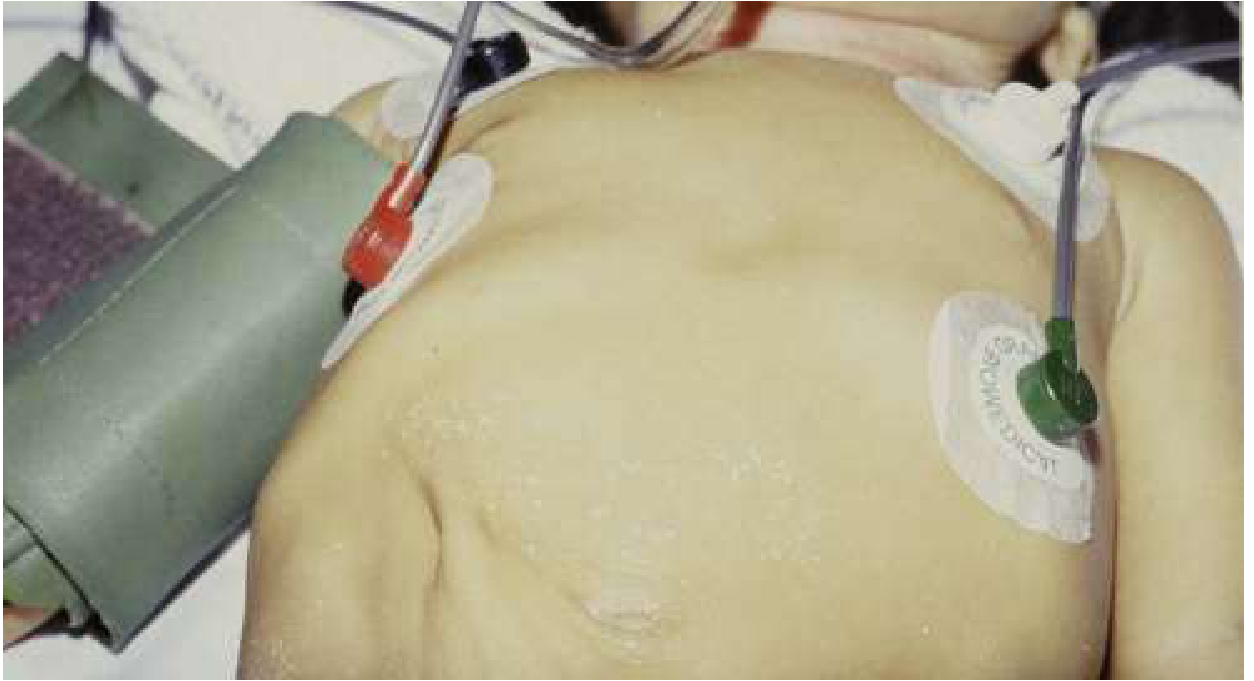
Important caveat: Clinical signs of dehydration are variable and often subtle. If a child recently drank fluids, mucous membranes may falsely appear moist. Determining severity of dehydration remains an ongoing clinical challenge.
7. INTERPRETATION OF LABORATORY TESTS
A. Stool Culture
Purpose: Identifies a specific bacterial pathogen causing diarrhea.
When to order (routine cultures have a diagnostic yield as low as 2%; selective ordering is key):
-
10 stools in the previous 24 hours
- Travel to a high-risk country
- Fever with diarrhea
- Blood or mucus in stool
- Severe abdominal pain/tenderness
- Persistent diarrhea (>14 days)
- When antimicrobial treatment is being considered
- When infection must be excluded to support another diagnosis (e.g., IBD)
- Immunocompromised patients
- Infants <3 months with fever
Common bacterial pathogens identified: Salmonella, Shigella, Yersinia, Campylobacter, and pathogenic E. coli.
- E. coli O157 requires serotyping (routine cultures won't detect it; it is normal gut flora)
- Shigella stool culture is positive in >90% of cases when samples obtained during acute illness
- Modern alternatives: Real-time PCR/molecular assays (faster, higher sensitivity; increasingly replacing cultures)
Interpretation of positive stool culture:
- Bacterial pathogen identified → confirms bacterial gastroenteritis and guides antibiotic selection
- Negative culture → does not rule out infection (sensitivity depends on transport timing, lab technique)
- Rectal swabs are an excellent alternative when stool is not immediately available
B. Stool Occult Blood Test (FOBT)
Purpose: Detects hidden blood in stool not visible to the naked eye.
Methods:
- Guaiac-based FOBT (gFOBT): detects pseudoperoxidase activity of hemoglobin — can produce false positives with red meat, certain vegetables (turnips, broccoli), iron supplements, NSAIDs
- Fecal immunochemical test (FIT): detects human hemoglobin specifically — more specific, fewer dietary restrictions
In pediatric diarrhea context:
| Result | Interpretation |
|---|---|
| Positive | Suggests mucosal injury — raises suspicion for invasive bacterial infection (Shigella, Salmonella, Campylobacter, E. coli O157:H7), IBD, intussusception, allergic colitis |
| Negative | Decreases likelihood of invasive infection; consistent with viral or secretory diarrhea |
| Positive + fever | High suspicion for bacterial enteritis → consider stool culture |
| Positive + no fever, infant | Consider allergic colitis (milk protein allergy) |
Clinical note: A positive occult blood test increases the yield of a stool culture; however, a negative test does not adequately rule out the need for culture in high-risk patients.
C. Complete Blood Count (CBC)
| CBC Finding | Interpretation |
|---|---|
| Leukocytosis with neutrophilia | Bacterial infection (Salmonella, Shigella, Campylobacter) |
| Leukopenia | Severe Salmonella typhi (typhoid fever); viral infection |
| Left shift (bands) | Bacterial sepsis, severe bacterial infection |
| Elevated WBC with eosinophilia | Parasitic infection (Giardia, Cryptosporidium); allergic colitis |
| Anemia (low Hb/Hct) | Blood loss from bloody diarrhea; microangiopathic anemia in HUS |
| Microangiopathic hemolytic anemia | HUS (fragmented RBCs/schistocytes on blood film) |
| Thrombocytopenia | HUS; severe sepsis |
| Normal CBC | Viral gastroenteritis (most common) |
Practical note: A CBC is not needed in mild, self-limiting diarrhea. Order when:
- Suspicion of bacterial or invasive infection
- Child appears toxic/septic
- Bloody diarrhea (to evaluate for HUS)
- Persistent/chronic diarrhea
D. Serum Electrolytes
Essential in children with moderate-to-severe dehydration, especially those requiring IV fluids.
| Electrolyte Finding | Interpretation & Significance |
|---|---|
| Na⁺ 130–150 mEq/L (isonatremia) | Most common; balanced Na and water loss; straightforward rehydration |
| Na⁺ <130 mEq/L (hyponatremia) | Greater Na loss relative to water; risk of cerebral edema and seizures; child looks sicker than expected; correct slowly (max 10 mEq/L/day) |
| Na⁺ >150 mEq/L (hypernatremia) | Greater free water loss; risk of cerebral dehydration, venous sinus thrombosis; intravascular volume paradoxically preserved (child looks less ill); doughy skin; correct slowly |
| K⁺ low (hypokalemia) | Loss of potassium in stool and urine (especially during rehydration with insulin-driven glucose uptake); risk of cardiac arrhythmias, ileus |
| K⁺ high (hyperkalemia) | Seen in severe dehydration with metabolic acidosis; K⁺ shifts out of cells; risk cardiac arrhythmia |
| HCO₃⁻ low (metabolic acidosis) | Most common acid-base abnormality; due to bicarbonate loss in stool + lactic acidosis + ketosis; corrected by rehydration |
| Glucose low (hypoglycemia) | Decreased intake + high metabolic demand in infants; requires dextrose supplementation |
| Glucose high | Stress response; transient in acute illness |
| Creatinine/BUN elevated | Pre-renal azotemia from dehydration; if disproportionately elevated → suspect HUS (glomerular injury) |
| BUN:Creatinine ratio >20 | Pre-renal azotemia (dehydration) |
E. Celiac Serology Test
Celiac disease is an immune-mediated enteropathy triggered by gluten (found in wheat, barley, rye) — an important cause of chronic/persistent diarrhea with malabsorption in children.
Serological Panel:
| Test | Details |
|---|---|
| Anti-tissue transglutaminase IgA (tTG-IgA) | First-line screening test — high sensitivity (>95%) and specificity |
| Anti-endomysial antibody IgA (EMA-IgA) | High specificity; used as confirmatory test |
| Deamidated gliadin peptide antibodies (DGP-IgA/IgG) | Useful in IgA-deficient patients |
| Total serum IgA level | Must always be checked concurrently — IgA deficiency (1:400 prevalence) causes false-negative IgA-based tests |
| Anti-gliadin antibodies (AGA) | Older test, less specific; not recommended for routine screening |
Interpretation:
| Result | Interpretation |
|---|---|
| Elevated tTG-IgA + positive EMA-IgA | Strong evidence for celiac disease → refer for small bowel biopsy (gold standard confirmation) |
| Elevated tTG-IgA only | Possible celiac; follow up with EMA and biopsy |
| Negative tTG-IgA + normal total IgA | Celiac disease unlikely |
| Negative tTG-IgA + low total IgA | False negative possible — order DGP-IgG |
| Celiac serology positive during gluten-free diet | May remain elevated for weeks after challenge ends; antibody concentrations may continue to rise even after gluten challenge ends |
Clinical context: In a child with chronic diarrhea, failure to thrive, abdominal distension, and iron-deficiency anemia — celiac serology should be ordered before dietary gluten restriction to avoid false negatives.
8. ULTRASOUND IMAGING IN PEDIATRIC DIARRHEA WORKUP
Abdominal ultrasonography plays an important diagnostic role in pediatric centers, though usefulness depends on technical expertise. It is valuable when the diagnosis is uncertain.
Liver
| Finding on US | Clinical Significance |
|---|---|
| Hepatomegaly | Systemic infection (hepatitis A during viral gastroenteritis; enteric fever/typhoid); IBD-associated liver disease |
| Increased echogenicity (fatty liver) | Malnutrition, metabolic syndrome, celiac disease with fat malabsorption |
| Liver abscess | Entamoeba histolytica — amebic liver abscess (round/oval, low-echogenicity lesion with posterior acoustic enhancement); possible complication of amebic dysentery |
| Hepatic periportal thickening | Acute hepatitis (e.g., HAV complicating acute illness) |
| Portal vein dilation | Portal hypertension in chronic liver disease (e.g., in IBD or celiac-related hepatopathy) |
| Biliary dilation | Cholangitis or biliary obstruction (rare complication) |
Pancreas
| Finding on US | Clinical Significance |
|---|---|
| Pancreatic enlargement with hypoechogenicity | Acute pancreatitis — can present with diarrhea, vomiting, abdominal pain; associated with Campylobacter infection, mumps, Crohn's disease |
| Echogenic pancreas | Chronic pancreatitis; cystic fibrosis (echogenic pancreas with ductal dilation) — important cause of malabsorptive diarrhea |
| Ductal dilation | Chronic pancreatitis or cystic fibrosis |
| Pancreatic cysts | Cystic fibrosis; post-pancreatitis pseudocysts |
| Pancreatic exocrine insufficiency (US normal, but clinical) | Seen in cystic fibrosis — fat malabsorption, steatorrhea, failure to thrive |
Spleen
| Finding on US | Clinical Significance |
|---|---|
| Splenomegaly | Systemic infection: enteric fever (typhoid — Salmonella typhi), malaria, EBV, CMV; portal hypertension (in chronic liver disease/IBD-related); hemolytic anemia from HUS |
| Splenic abscess | Rare; Salmonella bacteremia in immunocompromised |
| Hypoechoic splenic lesions | Septic emboli; lymphoma (consider in persistent disease) |
| Calcified splenic nodules | Old granulomatous disease; prior Histoplasma or Pneumocystis infection |
General US role in pediatric GI illness:
- Intussusception: hallmark "target sign" / "doughnut sign" on transverse view — bowel-within-bowel
- Pyloric stenosis: elongated, thickened pyloric channel (pyloric length >14–16 mm, thickness >4 mm)
- Appendicitis: non-compressible appendix >6 mm with periappendiceal fat stranding
- Plain abdominal radiographs are generally nonspecific and low sensitivity — US is preferred in pediatric centers
Summary Table: Quick Reference
| Topic | Key Point |
|---|---|
| Leading cause of diarrhea in children | Norovirus (post-vaccination era); Rotavirus still dominant globally |
| Most dangerous complication | Dehydration → shock |
| Why infants dehydrate rapidly | >70% body water, 100 mL/kg/day losses, poor renal concentrating ability |
| 3 best clinical dehydration signs | Prolonged CRT, poor skin turgor, abnormal breathing |
| First-line treatment | Oral rehydration therapy (ORS) |
| Severe dehydration IV fluid | 20 mL/kg isotonic saline bolus |
| Antibiotics contraindicated | E. coli O157:H7 (↑ HUS risk) |
| Celiac screening test | tTG-IgA + total IgA level |
| Occult blood positive + fever | Suspect invasive bacteria → stool culture |
| US "target sign" | Intussusception |
Sources: Tintinalli's Emergency Medicine: A Comprehensive Study Guide; ROSEN's Emergency Medicine: Concepts and Clinical Practice; Yamada's Textbook of Gastroenterology, 7th ed.; Henry's Clinical Diagnosis and Management by Laboratory Methods.
This is a shared conversation. Sign in to Orris to start your own chat.