
Types of epidemiological study
Epidemiology uses several study designs, each suited to different research questions. Here's a quick overview before I pull from the medical library:
- Observational studies (no intervention): descriptive (case reports, cross-sectional) and analytical (cohort, case-control)
- Experimental studies (researcher assigns exposure): RCTs, field trials, community trials
- Key distinction: observational studies describe what happens naturally; experimental studies test interventions
Searching sources...
Reading File
Finding Sources
Finding Sources
Finding Sources
Finding Sources
Finding Sources
Finding Sources
There's a community medicine textbook (Park's) and relevant content in Sabiston and Berek & Novak. Let me read from the most relevant sources.
Finding Sources
Reading File
Excellent - I have rich content. Let me also fetch the study design diagram image and read a bit more of the text for full details.
Loading Image
Reading File
I now have comprehensive content. Let me also quickly read the Barash anesthesia section for the longitudinal/cross-sectional breakdown and the Berek & Novak section.
Reading File
Reading File
I now have all the content needed for a thorough answer. Here is the complete response:
Types of Epidemiological Study Designs
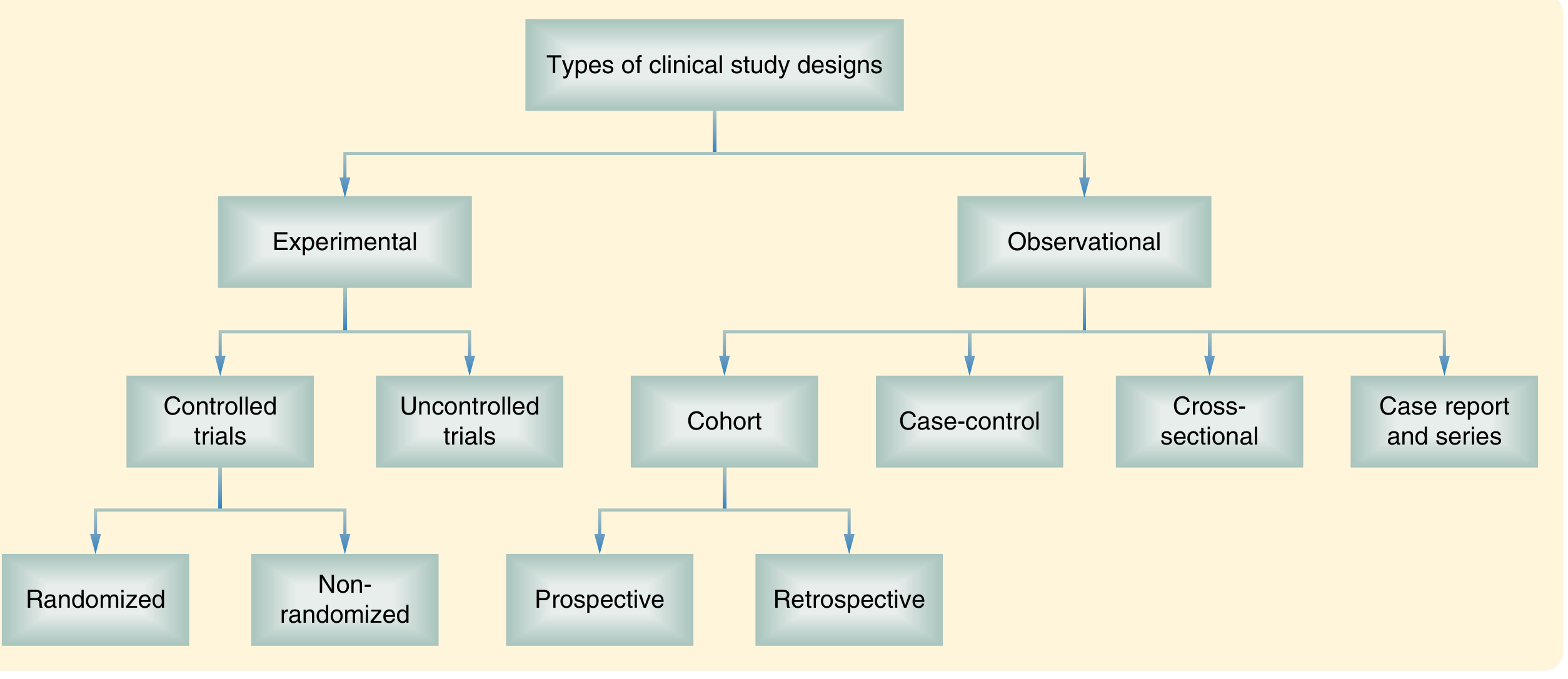
Figure 6.2 - Sabiston Textbook of Surgery
Epidemiological studies fall into two broad categories: Experimental and Observational. The study design chosen largely determines the level of confidence about cause and effect.
A. EXPERIMENTAL STUDIES
The investigator deliberately assigns the exposure or intervention.
1. Randomized Controlled Trials (RCTs)
- Considered the gold standard for evaluating healthcare interventions
- Patients are randomly allocated to a treatment or control group by chance (like tossing a coin)
- Randomization balances both known and unknown confounders between groups
- Can use parallel, factorial, or crossover designs
| Feature | Detail |
|---|---|
| Strengths | Establishes causal effects; can study more than one intervention |
| Weaknesses | Expensive; time-consuming; not suitable for rare events; often low generalizability |
Subtypes:
- Randomized controlled (concurrent controls)
- Non-randomized (historical controls)
2. Uncontrolled (Non-Randomized) Trials
- Investigator intervenes but without randomized control group
- Lower on the evidence hierarchy
B. OBSERVATIONAL STUDIES
The investigator does NOT assign exposure - they observe what naturally occurs.
1. Cohort Study (Prospective)
- A cohort of subjects is assembled and grouped by exposure, then followed forward in time to observe outcomes
- Example: Divide patients into two groups receiving different opioids, then follow for development of myocardial infarction
- Can be prospective (forward in time) or retrospective (using historical records)
| Feature | Detail |
|---|---|
| Strengths | High generalizability; can study rare exposures and multiple outcomes |
| Weaknesses | Takes a long time (prospective); selection bias; expensive |
Key measure produced: Relative risk (RR)
2. Case-Control Study (Retrospective)
- Subjects assembled by output (outcome) - cases (with disease) are compared to controls (without disease) with respect to prior exposure
- Example: Patients who had a perioperative MI (cases) vs. those who did not (controls), compared for prior drug use
- Primary tool of classical epidemiology
- Can identify associations, but establishing a causal link is more difficult
| Feature | Detail |
|---|---|
| Strengths | Good for rare outcomes; can study multiple exposures; inexpensive; hypothesis-generating |
| Weaknesses | Selection bias; recall bias; limited causal inference; can only study one outcome |
Key measure produced: Odds ratio (OR)
3. Cross-Sectional Study
- Exposure and outcome are measured at the same point in time (a "snapshot")
- Does not follow subjects over time
- Example: Reporting the frequency with which certain drugs are used during anesthesia
- Used primarily for prevalence studies
| Feature | Detail |
|---|---|
| Strengths | Fast and inexpensive; describes disease prevalence; hypothesis-generating |
| Weaknesses | Sample bias; survival bias; very limited causal inference |
Key measure produced: Prevalence
4. Case Reports and Case Series
- Detailed description of one or more patients, without a control group
- Case series: all patients receiving the same intervention at one institution
- Case report: describes one patient, often with a rare event
- Historically the most common study type in surgery
| Feature | Detail |
|---|---|
| Strengths | Very detailed; inexpensive; hypothesis-generating; useful for rare events |
| Weaknesses | Selection bias; not generalizable; cannot establish causal relationships |
C. SYNTHETIC / SECONDARY STUDIES
5. Systematic Review
- A structured literature review using explicit, reproducible methods to identify, critically appraise, and synthesize all available evidence on a topic
6. Meta-analysis
- A statistical technique that pools quantitative data from multiple independent studies to produce a single, more precise estimate of effect
- Considered one of the highest forms of evidence when conducted rigorously
Temporal Classification (Barash)
Studies can also be classified by time direction:
| Type | Direction | Also Called |
|---|---|---|
| Longitudinal | Study of changes over time | Cohort (prospective) or Case-control (retrospective) |
| Cross-sectional | Single point in time | Prevalence study |
Evidence Hierarchy (Highest to Lowest)
- Systematic reviews / Meta-analyses
- RCTs
- Cohort studies
- Case-control studies
- Cross-sectional studies
- Case series / Case reports
- Expert opinion / Editorials
Bradford Hill Criteria for Causation
For any study to establish causality, three core requirements must be met (Hill, 1965):
- The cause precedes the effect
- The cause is related to the effect
- No other plausible explanation exists
Experimental prospective randomized studies provide the greatest assurance of meeting these criteria.
Sources: Sabiston Textbook of Surgery, p. 109; Barash Clinical Anesthesia, p. 501; Berek & Novak's Gynecology
This is a shared conversation. Sign in to Orris to start your own chat.