
extrinsic mechanism bolo
Reading File
The extrinsic pathway of coagulation is triggered by tissue factor (TF) binding to Factor VIIa, ultimately activating Factor X and leading to thrombin and fibrin clot formation. "Bolo" likely refers to a brief, complete explanation - let me pull the detailed content from the medical library.
Searching sources...
Finding Sources
Finding Sources
Good results. Let me pull the detailed content from the most relevant sources simultaneously.
Reading File
Reading File
Reading File
I have rich content. Let me also fetch the coagulation diagram from Harrison's.
Loading Image
Here is a complete bolo (brief, structured overview) of the Extrinsic Mechanism of Coagulation:
Extrinsic Pathway of Coagulation - Bolo
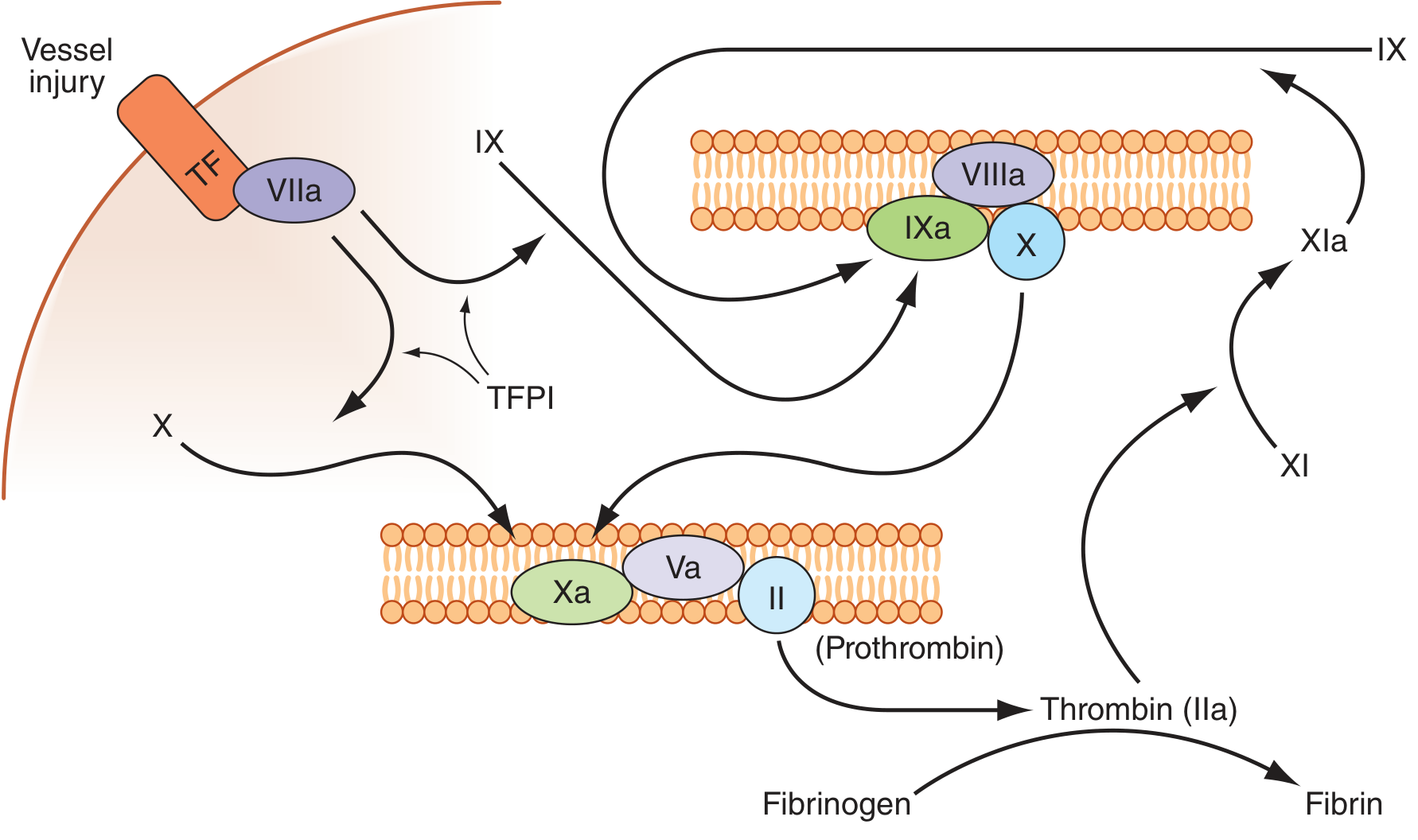
Figure 69-1 from Harrison's Principles of Internal Medicine, 22e
Trigger: Vascular Injury → Tissue Factor (TF) Exposure
- Tissue factor (TF) is constitutively expressed on subendothelial cells (smooth muscle cells, fibroblasts) and is also found on circulating microparticles shed from monocytes and platelets.
- Under normal conditions, the intact vascular endothelium acts as a barrier, preventing plasma coagulation factors from contacting TF.
- After vascular injury, this barrier breaks down and TF is exposed to circulating plasma.
Step-by-Step Mechanism
1. TF + Factor VIIa Complex Formation
- Small amounts of Factor VIIa normally circulate in plasma (Factor VII is the only coagulation factor that circulates in its active form to a small extent).
- Upon vascular injury, Factor VIIa binds to the exposed TF on subendothelial cells.
- This forms the TF/VIIa complex (also called the extrinsic tenase complex), assembled on a phospholipid surface with Ca²⁺.
2. Activation of Factor X (Direct Route)
- The TF/VIIa complex directly cleaves and activates Factor X → Factor Xa.
3. Activation of Factor IX (Indirect Route - Cross-talk with intrinsic pathway)
- The same TF/VIIa complex also activates Factor IX → Factor IXa.
- Factor IXa then joins Factor VIIIa on the platelet phospholipid surface to form the intrinsic tenase complex, which further activates Factor X → Xa.
- This is a key amplification link between the extrinsic and intrinsic pathways.
4. Prothrombinase Complex Formation (Common Pathway)
- Factor Xa assembles with Factor Va (cofactor), Ca²⁺, and prothrombin (Factor II) on the platelet phospholipid membrane to form the prothrombinase complex.
- This complex converts Prothrombin (II) → Thrombin (IIa) - the central protease of coagulation.
5. Thrombin Actions
Thrombin is a multifunctional enzyme with three major roles:
| Action | Details |
|---|---|
| Fibrin formation | Cleaves fibrinopeptides A & B from fibrinogen → Fibrin monomers → Polymerize → Fibrin clot |
| Positive feedback | Activates Factors Va, VIIIa, XIa (upstream amplification) |
| Paracrine effects | Activates platelets (via PAR-1), releases NO, PGI₂, vWF, tPA from endothelium |
6. Clot Stabilization
- Thrombin activates Factor XIII → Factor XIIIa (transglutaminase).
- Factor XIIIa covalently cross-links α and γ chains of fibrin strands → insoluble, stable fibrin clot resistant to fibrinolysis.
Natural Inhibitor: TFPI (Tissue Factor Pathway Inhibitor)
- Once the TF/VIIa/Xa complex is formed, TFPI rapidly inhibits this complex, shutting down the extrinsic pathway.
- This makes sustained coagulation dependent on the amplification loop through Factor IXa/VIIIa (intrinsic pathway).
- This explains why patients with hemophilia A (Factor VIII deficiency) or B (Factor IX deficiency) bleed despite an intact extrinsic pathway - the amplification loop is broken.
Modern (Cell-Based) Concept
The old "two independent pathways" model is now considered obsolete. Current understanding views coagulation as a connected network, not a branching tree:
- Extrinsic pathway (TF/VIIa) = Initiation phase
- Intrinsic pathway (IXa/VIIIa) = Amplification & Propagation phase
- Both pathways cross-activate each other:
- TF/VIIa complex activates Factor IX (extrinsic → intrinsic)
- Factors IXa and Xa can activate Factor VII (intrinsic → extrinsic)
Lab Correlation
| Test | Pathway Assessed | Prolonged In |
|---|---|---|
| PT (Prothrombin Time) | Extrinsic pathway (Factor VII) | Factor VII deficiency |
| aPTT | Intrinsic pathway | Factors VIII, IX, XI, XII deficiency |
| Both PT + aPTT prolonged | Common pathway | Factors II, V, X deficiency; DIC |
- A prolonged PT with normal aPTT specifically localizes a defect to the extrinsic pathway (Factor VII deficiency).
Sources:
- Miller's Anesthesia, 10e, pp. 6715-6717
- Harrison's Principles of Internal Medicine, 22e, Chapter 69
- Medical Physiology (Boron & Boulpaep), p. 646
This is a shared conversation. Sign in to Orris to start your own chat.