
A patient is having pin point pupil what does it indicate
Reading File
Now let me search the medical library for pinpoint pupil information.
Finding Sources
Finding Sources
Now let me read the key sections for more detail, and also fetch the pinpoint pupil image from the pharmacology textbook.
Reading File
Reading File
Finding Sources
I have rich data. Let me also fetch the pinpoint pupil image from the textbook.
Loading Image
Now I have everything needed for a thorough answer. Here it is:
Pinpoint Pupil (Miosis) - Clinical Significance
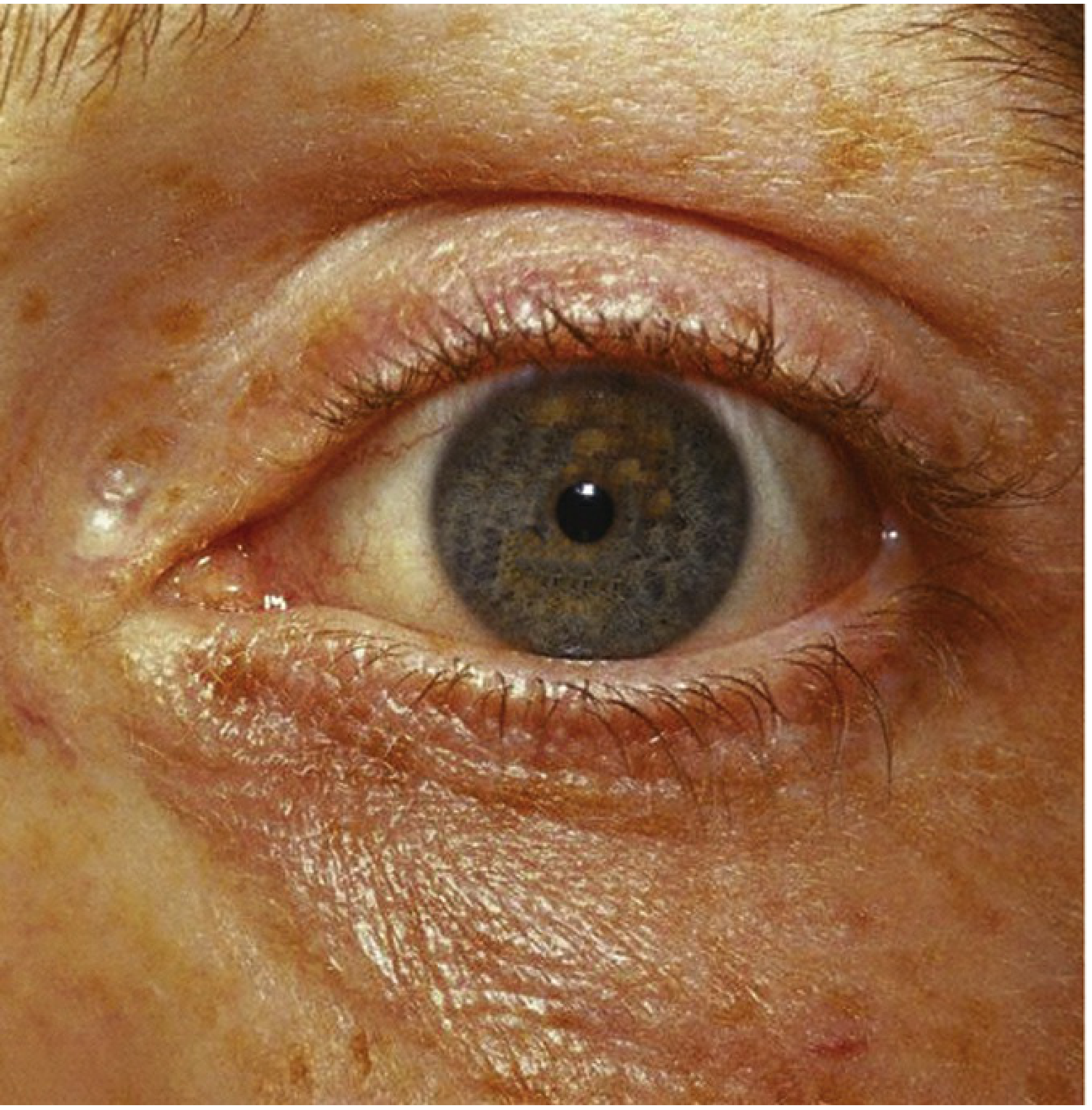
Figure: Pinpoint pupil characteristic of opioid use - Lippincott Illustrated Reviews Pharmacology
Pinpoint pupils (extreme miosis, typically < 2 mm) are a hallmark sign with several important causes:
1. Opioid / Narcotic Toxicity (Most Classic Cause)
This is the most diagnostically important cause. Opioids produce miosis via stimulation of μ (mu) and κ (kappa) receptors in the Edinger-Westphal nucleus, blocking GABAergic interneuron-mediated inhibition and leading to increased parasympathetic outflow to the pupillary sphincter.
Classic opioid toxidrome triad:
- Pinpoint pupils (miosis)
- CNS/respiratory depression
- Lethargy or coma
Key clinical point: Little to no tolerance develops to this miotic effect, so pinpoint pupils are seen even in chronic opioid users. This is diagnostically important because most other causes of coma and respiratory depression produce dilated pupils, not constricted ones.
"The pinpoint pupil characteristic of morphine use results from stimulation of μ and κ receptors. There is little tolerance to this effect. This is important diagnostically because many other causes of coma and respiratory depression produce dilation of the pupil."
- Lippincott Illustrated Reviews Pharmacology
Drugs that cause pinpoint pupils:
- Morphine, heroin, oxycodone, fentanyl (all μ-agonists)
- Alpha-2 agonists (clonidine, oxymetazoline) - can mimic opioid syndrome
- Antipsychotics (can also produce miosis)
- Note: Meperidine and tramadol are atypical - they are associated with mydriasis, not miosis
2. Pontine Hemorrhage (Neurological Cause)
Bilateral pinpoint pupils are the classic sign of pontine (brainstem) hemorrhage. The mechanism involves:
- Interruption of descending sympathetic pathways (loss of sympathetic dilation)
- Combined with parasympathetic irritation (unopposed constriction)
"Pontine tegmental lesions cause small pupils due to interruption of descending sympathetic pathways. Pinpoint pupils, when observed with a magnifying glass, may be seen to constrict to light, may occur with pontine hemorrhage."
- Localization in Clinical Neurology, 8e
The classic pontine hemorrhage picture includes:
- Sudden coma
- Bilateral pinpoint pupils (but may still react minimally to light under magnification)
- Ataxic/periodic breathing
- Absent oculovestibular responses
- Quadriplegia / decerebrate posturing
- Ocular bobbing
3. Other Causes
| Cause | Mechanism | Notes |
|---|---|---|
| Organophosphate / cholinergic toxicity | Excess acetylcholine → pupillary sphincter constriction | Part of SLUDGE/DUMBELS toxidrome |
| Pilocarpine eye drops | Direct muscarinic agonist | Topical use (glaucoma treatment) |
| Horner syndrome | Loss of sympathetic tone (unilateral) | Ptosis + miosis + anhidrosis; not true "pinpoint" |
| Metabolic coma (diencephalic) | Bilateral small but reactive pupils | Pupils still respond to light |
| Parasympathomimetic drugs | Direct muscarinic stimulation | e.g., physostigmine, neostigmine |
Key Diagnostic Distinction
| Pinpoint pupils + coma + respiratory depression | Think: Opioid overdose - give naloxone |
|---|---|
| Pinpoint pupils + sudden coma + quadriplegia | Think: Pontine hemorrhage - urgent neuroimaging |
| Pinpoint pupils + SLUDGE symptoms | Think: Organophosphate poisoning - give atropine |
Pupils that are pinpoint but still react to light (even faintly, seen under magnification) favor a pontine or drug cause over complete third-nerve palsy.
Sources: Lippincott Illustrated Reviews Pharmacology, p. 711 | Localization in Clinical Neurology 8e, p. 1435 | Plum and Posner's Diagnosis and Treatment of Stupor and Coma | Tintinalli's Emergency Medicine | Goodman & Gilman's Pharmacological Basis of Therapeutics
This is a shared conversation. Sign in to Orris to start your own chat.