
Classification of dyspepsia and differences between the functional and organic forms. The main reasons for the development of dyspeptic syndrome. Diagnostic criteria for gastric dyspepsia. Diagnostic criteria for intestinal dyspepsia. Diagnostic criteria for pancreatic dyspepsia. Diagnostic criteria for hepatic dyspepsia. Diagnostic criteria for biliary dyspensia The main aggressive and protective factors of the gastric mucosa. Diagnostic criteria for chronic cholecystitis. Diagnostic criteria for chronic pancreatitis. Diagnostic criteria for enteritis. or Diagnostic criteria for colitis. Differential diagnosis of Crohn's disease and ulcerative colitis. Laboratory and instrumental methods for diagnosing pancreatitis. Complications of gastric ulcer and duodenal ulcer. Basic methods of instrumental diagnostics of peptic ulcer disease. Basic approaches to the treatment of gastric dyspepsia. Basic approaches to the treatment of intestinal dyspepsia. Principles of treatment of dyspeptic syndrome in pancreatitis and cholecystitis.
Dyspepsia & Gastrointestinal Syndromes — Comprehensive Review
1. Classification of Dyspepsia & Differences Between Functional and Organic Forms
Classification
Dyspepsia (uninvestigated)
        │
        ├─── ORGANIC DYSPEPSIA (identifiable structural/biochemical cause)
        │
        └─── FUNCTIONAL DYSPEPSIA (no organic cause on investigation)
                    ├─ Postprandial Distress Syndrome (PDS) — meal-related
                    └─ Epigastric Pain Syndrome (EPS) — meal-unrelated
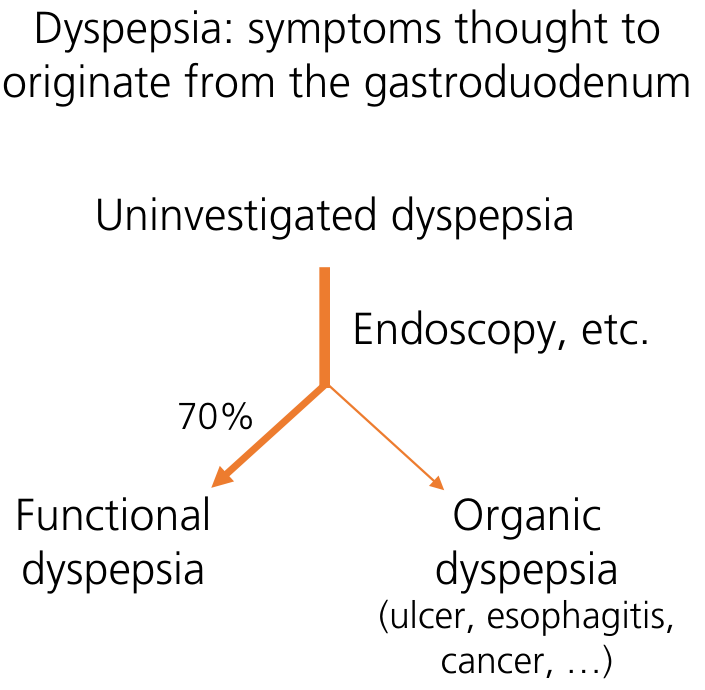
| Feature | Organic Dyspepsia | Functional Dyspepsia |
|---|---|---|
| Underlying cause | Identifiable (PUD, GERD, cancer, biliary/pancreatic disease) | None found on endoscopy/investigation |
| Prevalence | ~40% of dyspepsia cases | ~60% (majority) |
| EGD findings | Mucosal lesion, mass, or stricture | Normal |
| Alarm features | Often present | Absent |
| Age | Any; malignancy ↑ with age | Typically younger |
| Response to PPI | Often good (if GERD/PUD) | Variable |
| Pathophysiology | Structural pathology | Motility disorder, visceral hypersensitivity, duodenal inflammation |
2. Main Reasons for Development of Dyspeptic Syndrome
Organic causes:
- Peptic ulcer disease (PUD) — most common organic cause (~15–25%)
- GERD — second most common organic cause
- Gastric/esophageal malignancy
- Biliary tract disorders — cholelithiasis, cholecystitis
- Pancreatic disease — chronic pancreatitis, pancreatic cancer
- Medications — NSAIDs, aspirin, iron, antibiotics, bisphosphonates, opioids
- Other systemic diseases — diabetes (gastroparesis), thyroid disease, chronic kidney disease, ischemic heart disease, connective tissue disease
Functional dyspepsia pathophysiology:
- Impaired gastric accommodation (~40% of FD patients) — failure of proximal stomach to relax after eating → early satiation, postprandial fullness
- Visceral hypersensitivity — abnormally enhanced perception of gastric distension (~37%)
- Delayed gastric emptying (~30%)
- Low-grade duodenal mucosal inflammation — increased mast cells and eosinophils
- Altered duodenal sensitivity to lipids and acid
- H. pylori infection — eradicating H. pylori provides modest benefit in some FD patients
- Psychosocial factors — anxiety, depression, somatization
3. Diagnostic Criteria for Gastric Dyspepsia
- Epigastric pain or burning — often worsened or relieved by food
- Postprandial fullness / heaviness
- Early satiation — unable to complete a normal meal
- Nausea ± vomiting
- Belching, regurgitation
- Anorexia, weight loss in severe cases
- ≥1 of: bothersome postprandial fullness, early satiation, epigastric pain, or epigastric burning
- Symptoms present for ≥6 months, active for last 3 months
- No structural disease on upper endoscopy to explain symptoms
- PDS (Postprandial Distress Syndrome): meal-induced fullness, early satiation; may overlap with gastroparesis
- EPS (Epigastric Pain Syndrome): intermittent epigastric pain/burning not exclusively postprandial
4. Diagnostic Criteria for Intestinal Dyspepsia
- Lower abdominal bloating and distension (especially postprandial)
- Flatulence and excessive gas
- Borborygmi (audible bowel sounds)
- Altered bowel habits — diarrhea or constipation (or alternating)
- Loose, bulky, greasy, or foul-smelling stools (steatorrhea in malabsorption)
- Cramping or colicky abdominal pain relieved by defecation
- Nausea without prominent epigastric pain
- Lactase deficiency / lactose intolerance
- Small intestinal bacterial overgrowth (SIBO)
- Celiac disease
- Inflammatory bowel disease (Crohn's, UC)
- Irritable bowel syndrome (IBS)
- Parasite infestation (Giardia)
- Carbohydrate malabsorption (fructose, sorbitol)
5. Diagnostic Criteria for Pancreatic Dyspepsia
- Epigastric/periumbilical pain radiating to the back (band-like or boring)
- Steatorrhea — bulky, pale, greasy, foul-smelling stools (steatorrhea appears when >90% exocrine function lost)
- Flatulence, bloating, meteorism
- Weight loss (due to malabsorption)
- Postprandial aggravation of pain (especially fatty meals)
- Nausea, vomiting
- Possible new-onset diabetes mellitus (endocrine insufficiency)
- Jaundice (if biliary obstruction from pancreatic head involvement)
- Pain radiates to the back
- Steatorrhea with fat-soluble vitamin deficiencies
- History of alcoholism or gallstones
- Elevated serum amylase/lipase (acute exacerbations)
- Low fecal elastase-1 (<200 μg/g)
- Pancreatic calcifications on imaging
6. Diagnostic Criteria for Hepatic Dyspepsia
- Right upper quadrant or epigastric dull ache/heaviness
- Anorexia and early satiety (often profound)
- Nausea, bitter taste in the mouth
- Bloating, flatulence
- Intolerance to fatty, fried foods and alcohol
- Constipation alternating with loose stools
- Jaundice, dark urine, acholic stools (in cholestatic disease)
- Signs of chronic liver disease: spider angiomas, palmar erythema, jaundice, hepatomegaly/splenomegaly
- Elevated transaminases (ALT, AST), bilirubin, ALP, GGT
- Decreased albumin, prolonged PT (advanced disease)
- Esophageal varices (portal hypertension)
- Ascites
7. Diagnostic Criteria for Biliary Dyspepsia
- Biliary colic: episodic right upper quadrant or epigastric pain, often severe, typically begins 30–60 min after eating fatty foods, lasts 1–5 hours, may radiate to right shoulder/scapula
- Nausea and vomiting accompanying pain episodes
- Intolerance to fats, fried foods, eggs, spices
- Bloating and belching postprandially
- Bitter taste in the mouth
- Murphy's sign positive on examination (acute cholecystitis)
- Typical timing: postprandial onset, right-sided
- Ultrasound: gallstones, thickened gallbladder wall, pericholecystic fluid
- Pain lasts hours (vs. minutes in peptic pain, vs. days in pancreatitis)
- Elevated bilirubin, ALP, GGT if bile duct obstruction
- Normal amylase/lipase (unless complicated by pancreatitis)
8. Main Aggressive and Protective Factors of the Gastric Mucosa
Aggressive Factors (promote mucosal injury):
| Factor | Mechanism |
|---|---|
| Hydrochloric acid (HCl) | Direct epithelial damage |
| Pepsin | Proteolytic injury to mucosa |
| H. pylori | Urease → ammonia, cytotoxins (CagA, VacA), inflammation |
| NSAIDs / aspirin | Inhibit COX-1 → ↓ prostaglandins → ↓ mucus and bicarbonate secretion; direct epithelial toxicity |
| Bile acids (reflux) | Disrupt mucosal phospholipids |
| Ethanol | Direct mucosal injury, vasodilation, ↑ acid secretion |
| Ischemia / stress | Impairs mucosal blood flow and healing |
| Corticosteroids | Impair mucosal repair, potentiate NSAID injury |
Protective Factors (maintain mucosal integrity):
| Factor | Mechanism |
|---|---|
| Mucus layer | Physical barrier; traps bicarbonate near epithelium |
| Bicarbonate secretion | Neutralizes acid at epithelial surface (pH >6 at epithelial surface even with luminal pH 2) |
| Prostaglandins (PGE₂, PGI₂) | ↑ mucus and bicarbonate secretion; ↑ mucosal blood flow; inhibit acid secretion |
| Mucosal blood flow | Delivers O₂, removes acid and toxic metabolites |
| Surface phospholipids | Hydrophobic layer on epithelium |
| Epithelial tight junctions | Prevent acid back-diffusion |
| Cell renewal / restitution | Rapid migration of viable cells to repair minor defects |
| Epidermal growth factor (EGF) | Stimulates epithelial proliferation and repair |
| Trefoil peptides | Stabilize mucus gel layer |
9. Diagnostic Criteria for Chronic Cholecystitis
-
Symptoms:
- Recurrent episodes of right upper quadrant or epigastric pain (biliary colic), typically lasting 1–5 hours
- Postprandial nausea, vomiting, bloating
- Intolerance to fatty foods
- Symptoms may be more subtle than acute cholecystitis
- No fever or leukocytosis between attacks (unlike acute cholecystitis)
-
Physical examination:
- Right upper quadrant tenderness
- Murphy's sign may be absent or mild
-
Laboratory findings:
- Usually normal between episodes
- Mild elevations of ALP/GGT if biliary involvement
-
Imaging:
- Ultrasound (first-line): gallstones + gallbladder wall thickening (>3 mm), pericholecystic fluid; gallbladder may be shrunken/contracted
- HIDA scan: reduced gallbladder ejection fraction (<35%) indicates dysfunction (chronic acalculous form)
- CT/MRI: confirms stones, wall thickening, excludes complications
-
Histopathology (definitive): lymphocytic infiltrate in muscularis, fibrosis, mucosal atrophy — but biopsy is rarely needed clinically
10. Diagnostic Criteria for Chronic Pancreatitis
-
Symptoms consistent with pancreatitis:
- Chronic or recurrent epigastric pain radiating to the back
- Steatorrhea (malabsorptive diarrhea, fatty/greasy stools)
- New-onset diabetes mellitus (type 3c)
- Weight loss, malnutrition, fat-soluble vitamin deficiencies
-
Imaging evidence (CT, MRI/MRCP, EUS):
- Pancreatic ductal dilation (>3 mm main duct)
- Pancreatic calcifications (pathognomonic when present)
- Pancreatic atrophy, irregular contour, pseudocysts
- CT: calcifications, ductal dilation
- MRCP/MRI: best for ductal morphology
- EUS (Rosemont criteria): most sensitive for early disease
-
Laboratory evidence:
- Fecal elastase-1 <200 μg/g stool (exocrine insufficiency)
- 72-hour fecal fat >7 g/day
- Serum amylase/lipase may be normal in established disease (burned out)
- HbA1c, fasting glucose (endocrine insufficiency)
-
Risk factors to support diagnosis:
- Chronic heavy alcohol use (most common cause in adults)
- Recurrent acute pancreatitis
- Genetic mutations (PRSS1, SPINK1, CFTR)
- Autoimmune pancreatitis (elevated IgG4)
- Tropical pancreatitis (malnutrition)
11. Diagnostic Criteria for Enteritis (Small Intestinal Inflammation)
-
Symptoms:
- Diffuse periumbilical or right lower quadrant cramping pain
- Watery, loose, or mucoid diarrhea (>3 stools/day)
- Nausea and vomiting
- Fever (infectious enteritis)
- Malabsorption symptoms in chronic forms: steatorrhea, weight loss, bloating, flatulence
- Edema (hypoalbuminemia from protein-losing enteropathy)
-
Signs:
- Borborygmi, diffuse abdominal tenderness
- Signs of dehydration
- Pallor, glossitis, angular cheilitis (vitamin/mineral deficiencies)
-
Laboratory:
- Stool culture, ova & parasites (infectious)
- Complete blood count (eosinophilia, anemia)
- Albumin, pre-albumin (malnutrition)
- Anti-tTG IgA, anti-endomysial antibodies (celiac)
- ESR, CRP (inflammation)
- Fecal calprotectin (mucosal inflammation)
- Fecal fat (malabsorption)
-
Imaging/Endoscopy:
- Small bowel follow-through or CT enterography (Crohn's, structural lesions)
- Capsule endoscopy (mucosal inflammation, bleeding)
- Small bowel biopsy (villous atrophy in celiac, granulomas in Crohn's)
12. Diagnostic Criteria for Colitis (Large Intestinal Inflammation)
-
Symptoms:
- Bloody or mucoid diarrhea (key feature distinguishing from small bowel disease)
- Frequent small-volume stools with tenesmus
- Left lower quadrant or diffuse crampy pain
- Urgency and incontinence
- Fever, malaise, anorexia in severe cases
-
Signs:
- Tenderness (often left-sided in UC, variable in Crohn's)
- Rebound/guarding (if fulminant/toxic megacolon)
- Pallor, tachycardia in severe cases
-
Laboratory:
- CBC: leukocytosis, anemia, thrombocytosis
- CRP, ESR elevated
- Albumin low (severe disease)
- Stool cultures (to exclude infectious colitis)
- Stool C. difficile toxin
- Fecal calprotectin (elevated in inflammatory colitis)
-
Endoscopy (colonoscopy is gold standard):
- Continuous mucosal inflammation starting from rectum (UC)
- Segmental/patchy inflammation with rectal sparing (Crohn's)
- Pseudomembranes (C. difficile)
- Biopsy: crypt abscesses, goblet cell depletion (UC); granulomas (Crohn's)
13. Differential Diagnosis: Crohn's Disease vs. Ulcerative Colitis
| Feature | Crohn's Disease | Ulcerative Colitis |
|---|---|---|
| Location | Entire GI tract (mouth to anus); most common: terminal ileum + colon | Colon only; always starts at rectum, extends proximally |
| Distribution | Segmental ("skip lesions") | Continuous, circumferential |
| Rectal involvement | Typically spared | Always involved (proctitis in 30–50%) |
| Perianal disease | Common: fistulas, abscesses, skin tags | Rare |
| Transmural involvement | Yes (full thickness) | No (mucosa and submucosa only) |
| Granulomas (histology) | Present (non-caseating, ~50%) | Absent |
| Cobblestone appearance | Yes (mucosal islands between deep fissures) | No |
| Fistulas/strictures | Common (transmural → enteroenteric, enterovesical, cutaneous) | Rare |
| Bleeding | Less prominent (blood in stool less common) | Prominent (bloody diarrhea is hallmark) |
| Stool pattern | Diarrhea, may be non-bloody; ± steatorrhea | Bloody mucoid diarrhea, urgency, tenesmus |
| Abdominal pain | RLQ cramping (ileitis) | LLQ cramping; relieved by defecation |
| Small bowel involvement | Yes (ileum in 80%) | No |
| Endoscopy | Aphthous ulcers → deep fissuring ulcers; normal mucosa between lesions | Continuous erythema, friability, granularity, pseudopolyps from rectum upward |
| Imaging | "String sign" on barium; wall thickening, creeping fat, mesenteric lymphadenopathy | Loss of haustrae ("lead pipe" colon on X-ray), pseudopolyps |
| Extraintestinal | Uveitis, episcleritis, arthritis, erythema nodosum, pyoderma gangrenosum, primary sclerosing cholangitis, gallstones, kidney stones | Similar; PSC more closely associated with UC |
| Cancer risk | Increased (small bowel, colorectal) | Markedly increased colorectal cancer risk (with pancolitis >8 years) |
| Surgery | Not curative (disease recurs) | Colectomy is curative |
| ANCA/ASCA serology | ASCA positive; p-ANCA negative | p-ANCA positive; ASCA negative |
14. Laboratory and Instrumental Methods for Diagnosing Pancreatitis
Acute Pancreatitis
- Acute onset epigastric pain ± radiation to back
- Serum amylase and/or lipase ≥3× upper limit of normal
- Lipase preferred (more specific, stays elevated longer)
- Amylase rises within 2–12 hours, normalizes in 3–5 days
- Lipase rises within 4–8 hours, normalizes in 8–14 days
- Radiologic imaging consistent with pancreatitis
- CBC: leukocytosis, hemoconcentration (Hct >44% → predicts severity)
- CRP >150 mg/L at 48h → severe pancreatitis
- BMP: BUN, creatinine (renal failure), calcium (hypocalcemia), glucose
- LFTs: ALT >3× → gallstone etiology
- Triglycerides (if hypertriglyceridemia suspected)
- Ranson's criteria (11 parameters at admission and 48h)
- APACHE-II score
| Modality | Role |
|---|---|
| Ultrasound (first-line) | Detect gallstones, biliary dilation; limited by bowel gas for pancreas visualization |
| CT with contrast (gold standard for severity) | CT Severity Index (Balthazar score): pancreatic/peripancreatic necrosis, fluid collections; delayed >72h for best accuracy |
| MRI/MRCP | Biliary anatomy, ductal disruption, detect choledocholithiasis without radiation |
| ERCP | Therapeutic (not diagnostic) in acute setting: biliary decompression if cholangitis |
| EUS | Suspected biliary microlithiasis, inconclusive CT |
Chronic Pancreatitis
- Serum amylase/lipase: often normal in advanced disease ("burn-out")
- Fecal elastase-1 <200 μg/g (exocrine insufficiency — most useful functional test)
- 72-hour fecal fat collection (>7g/day = steatorrhea)
- Fasting glucose / HbA1c (endocrine insufficiency)
- IgG4 (autoimmune pancreatitis)
- CA 19-9 (to exclude pancreatic cancer)
| Modality | Findings |
|---|---|
| Plain abdominal X-ray | Pancreatic calcifications (classic, specific) |
| CT | Calcifications, ductal dilation, atrophy, pseudocysts |
| MRI/MRCP | Ductal morphology, communicating pseudocysts (best non-invasive) |
| EUS (most sensitive for early disease) | Rosemont criteria: duct dilation, hyperechoic foci, stranding, lobularity, cysts |
| ERCP | "Chain of lakes" ductal pattern; therapeutic access |
| Secretin-stimulated MRCP | Exocrine function + ductal imaging combined |
15. Complications of Gastric Ulcer and Duodenal Ulcer
Major complications:
| Complication | Features | Notes |
|---|---|---|
| Hemorrhage (most common, ~15–20%) | Hematemesis, melena, hematochezia (if brisk); tachycardia, hypotension | Visible vessel or clot on EGD (Forrest classification) |
| Perforation (~2–5%) | Sudden severe epigastric pain → peritonitis; "board-like" rigidity; free air under diaphragm on upright X-ray | Duodenal ulcers perforate more often anteriorly |
| Penetration | Ulcer erodes into adjacent organ (pancreas, liver, biliary tree) without free perforation | Persistent pain unresponsive to therapy; elevated amylase |
| Gastric outlet obstruction (~1–2%) | Recurrent vomiting of undigested food; succussion splash; wasting | Due to edema (acute) or fibrosis (chronic) at pylorus/duodenum |
| Malignant transformation | Applies to gastric ulcers only (not duodenal) | Requires biopsy of all gastric ulcers; all gastric ulcers must be followed to healing |
- Gastric ulcers: higher malignancy risk → always biopsy; bleed from posterior wall (left gastric or splenic artery)
- Duodenal ulcers: bleed from posterior wall (gastroduodenal artery); most common cause of upper GI bleeding; perforate anteriorly
16. Basic Methods of Instrumental Diagnostics of Peptic Ulcer Disease
| Method | Role & Findings |
|---|---|
| Upper GI endoscopy (EGD) — gold standard | Visualizes ulcer directly; determines size, location, depth; biopsies for H. pylori (CLO test), malignancy; hemostatic therapy |
| Barium upper GI series | Demonstrates ulcer crater ("niche"), deformed duodenal cap; used when EGD unavailable or contraindicated |
| H. pylori testing | Rapid urease test (CLO) on biopsy; histology; urea breath test (non-invasive, high sensitivity); stool antigen; serology |
| CT scan | For complications: perforation (free air), penetration, obstruction; CT angiography for active bleeding |
| Plain abdominal X-ray (erect) | Free air under diaphragm = perforation |
| Abdominal ultrasound | Limited role for PUD itself; excludes biliary disease |
| pH-metry | In refractory ulcers to assess acid hypersecretion (Zollinger-Ellison syndrome) |
| Serum gastrin | Rule out Zollinger-Ellison if multiple/refractory ulcers; >1000 pg/mL + low pH = ZES |
17. Basic Approaches to Treatment of Gastric Dyspepsia
Uninvestigated Dyspepsia (initial management):
- Test and treat H. pylori (in populations with >10% prevalence) — eradication benefits ~8% of FD patients (NNT ~15)
- Empirical PPI trial (4–8 weeks) if H. pylori negative or post-eradication
- EGD if alarm features or age >55, or failure of empirical therapy
Functional Dyspepsia Treatment:
- Small, frequent, low-fat meals
- Avoid NSAIDs, alcohol, smoking
- Identify and avoid trigger foods
- Stress management
| Drug Class | Indication | Notes |
|---|---|---|
| PPIs (omeprazole, lansoprazole) | EPS subtype; H. pylori-positive FD | 1st-line; NNT ~7 for symptom relief |
| H2-receptor antagonists | Alternative to PPIs | Less potent acid suppression |
| Prokinetics (metoclopramide, domperidone, itopride) | PDS subtype (gastroparesis, fullness) | Metoclopramide: risk of tardive dyskinesia with long-term use |
| Acotiamide | PDS | Acetylcholinesterase inhibitor; approved in Japan |
| Low-dose tricyclic antidepressants (amitriptyline 10–25 mg) | Refractory FD | Central neuromodulation; best evidence for EPS |
| Mirtazapine | FD with weight loss and nausea | Promotes appetite; reduces nausea |
| Buspirone | Impaired gastric accommodation | 5-HT1A agonist; fundic relaxation |
| Antacids | Symptomatic relief | Short-acting; not disease-modifying |
| Peppermint oil / simethicone | Bloating, gas | Adjunct |
| H. pylori eradication | H. pylori-positive | Triple or quadruple therapy |
- Cognitive-behavioral therapy (CBT)
- Hypnotherapy
- Psychotherapy — for refractory cases with anxiety/depression
Organic Dyspepsia:
- PUD: H. pylori eradication + PPI; discontinue NSAIDs
- GERD: PPI + lifestyle modification
- Malignancy: surgical/oncologic management
- Biliary: cholecystectomy
18. Basic Approaches to Treatment of Intestinal Dyspepsia
| Cause | Treatment |
|---|---|
| Lactose intolerance | Lactose-free diet; lactase enzyme supplements |
| Celiac disease | Strict gluten-free diet (lifelong) |
| Giardiasis / parasites | Metronidazole 250 mg TID × 5–7 days (giardia); albendazole for other parasites |
| SIBO (small intestinal bacterial overgrowth) | Rifaximin 550 mg TID × 14 days; rotating antibiotics; treat underlying cause |
| IBS | Low-FODMAP diet; antispasmodics (hyoscine, mebeverine); soluble fiber; tricyclic antidepressants; rifaximin |
| Crohn's/IBD | Mesalazine, corticosteroids (induction), azathioprine/6-MP (maintenance), biologics (infliximab, adalimumab) |
| Malabsorptive conditions | Pancreatic enzyme replacement; fat-soluble vitamin supplementation (A, D, E, K) |
| Dysbiosis | Probiotics (Lactobacillus, Bifidobacterium); prebiotics |
- Antispasmodics (mebeverine, hyoscine butylbromide) for cramping
- Loperamide for diarrhea-predominant symptoms
- Bulking agents/osmotic laxatives for constipation
- Simethicone/activated charcoal for excessive gas/bloating
- Elimination diets based on individual food triggers
19. Principles of Treatment of Dyspeptic Syndrome in Pancreatitis and Cholecystitis
In Chronic Pancreatitis:
- Analgesics stepwise: paracetamol → tramadol → strong opioids (morphine as last resort)
- Celiac plexus block (EUS-guided) for refractory pain
- Pancreatic enzyme supplements may reduce pain (via feedback inhibition of pancreatic secretion)
- Endoscopic therapy: pancreatic duct stone removal, ESWL (extracorporeal shock wave lithotripsy), stenting
- Surgery (Frey/Beger procedure) for severe ductal obstruction
- Pancreatic enzyme replacement therapy (PERT): lipase ≥40,000–75,000 Ph.U. per main meal (e.g., Creon®)
- Take with meals (not before/after); enteric-coated microspheres
- Add PPI to reduce gastric acid (prevents enzyme inactivation)
- Low-fat diet (but not excessively restricted — calories are needed)
- Fat-soluble vitamin supplementation (A, D, E, K) + B12
- Dietary management
- Insulin therapy when needed (pancreatogenic diabetes type 3c is insulin-deficient but also lacks glucagon → hypoglycemia risk)
- High-calorie, high-protein diet (≥35 kcal/kg/day)
- Medium-chain triglycerides (absorbed without lipase)
- Enteral/parenteral nutrition in severe malnutrition
- Alcohol cessation (paramount — slows progression)
- Treat hyperlipidemia, hyperparathyroidism
- Autoimmune pancreatitis: corticosteroids
In Chronic Cholecystitis:
- Low-fat diet, small frequent meals
- Avoid fatty/fried foods, eggs, whole dairy, spices, alcohol
- Maintain hydration
- Antispasmodics/anticholinergics (hyoscine butylbromide, mebeverine): relieve biliary colic
- NSAIDs (diclofenac, ketorolac): analgesic and anti-inflammatory for biliary colic attacks — superior to opioids for biliary spasm
- Opioids (meperidine preferred over morphine — less Oddi sphincter spasm): for severe pain
- Antacids/PPIs: for coexisting dyspeptic symptoms
- Prokinetics: for nausea and motility impairment
- Ursodeoxycholic acid (UDCA): 8–10 mg/kg/day — dissolves small cholesterol stones; used in non-surgical candidates; takes months to years; effective only for small (<5 mm), non-calcified cholesterol stones
- Laparoscopic cholecystectomy — gold standard, curative
- Elective for chronic calculous cholecystitis
- Also for symptomatic acalculous cholecystitis with reduced ejection fraction
- Open cholecystectomy: for complicated cases
- Not indicated for uncomplicated chronic cholecystitis
- Required for acute exacerbation: cephalosporin (ceftriaxone) ± metronidazole
Quick Navigation Guide
| # | Topic | Key Points |
|---|---|---|
| 1 | Classification of dyspepsia | Uninvestigated → Organic vs. Functional; Rome IV (PDS/EPS) |
| 2 | Causes of dyspeptic syndrome | PUD, GERD, cancer, biliary/pancreatic, drugs, H. pylori; functional mechanisms |
| 3 | Gastric dyspepsia criteria | Rome IV: postprandial fullness, early satiation, epigastric pain/burning ≥6 months |
| 4 | Intestinal dyspepsia criteria | Lower abdominal bloating, altered bowel habits, flatulence, steatorrhea |
| 5 | Pancreatic dyspepsia criteria | Back-radiating pain, steatorrhea, weight loss, postprandial aggravation, new DM |
| 6 | Hepatic dyspepsia criteria | RUQ heaviness, anorexia, fat intolerance, jaundice, signs of liver disease |
| 7 | Biliary dyspepsia criteria | Episodic RUQ biliary colic, fat intolerance, nausea, Murphy's sign |
| 8 | Aggressive vs. protective factors | HCl/pepsin/H. pylori/NSAIDs vs. mucus/bicarbonate/prostaglandins/blood flow |
| 9 | Chronic cholecystitis | Recurrent biliary colic, US showing stones + thickening, HIDA ejection fraction |
| 10 | Chronic pancreatitis | Pain + steatorrhea + DM; calcifications/ductal changes on CT; ↓ fecal elastase |
| 11 | Enteritis criteria | Periumbilical pain, watery diarrhea, malabsorption; biopsy for definitive diagnosis |
| 12 | Colitis criteria | Bloody mucoid diarrhea, tenesmus, elevated CRP/fecal calprotectin; colonoscopy |
| 13 | Crohn's vs. UC | Skip lesions/transmural/ileocolonic/fistulas vs. continuous/mucosal/rectal/bloody |
| 14 | Pancreatitis diagnostics | Lipase ≥3×ULN, CT severity index, MRCP, EUS (Rosemont), fecal elastase |
| 15 | PUD complications | Hemorrhage, perforation, penetration, obstruction, malignant transformation |
| 16 | PUD instrumental diagnosis | EGD (gold standard), barium series, H. pylori tests, CT, gastrin/pH-metry |
| 17 | Treatment of gastric dyspepsia | Test-and-treat H. pylori; PPI (EPS); prokinetics (PDS); TCAs; CBT |
| 18 | Treatment of intestinal dyspepsia | Target cause (diet/gluten-free/antibiotics/enzymes); antispasmodics, probiotics |
| 19 | Treatment in pancreatitis/cholecystitis | PERT + PPI; analgesics; alcohol cessation; UDCA; cholecystectomy; low-fat diet |
83. Classification of cardialgia depending on their origin. 84.Differential diagnosis of cardiogenic and non-cardiogenic chest pain. 85. Differences in the clinical picture of cardiogenic and non-cardiogenic chest pain. 86. Classification of coronary heart disease according to WHO. 87. Characteristics of pain syndrome in ischemic heart disease. 88. Differential diagnosis of angina pectoris and myocardial infarction. 89. The main symptoms of cardiogenic pain in pericarditis. 90. The role of hypertrophic cardiomyopathy in the development of cardialgia. 91.Principles of treatment of cardiogenic chest pain in acute conditions. 92.Classification of non-cardiogenic chest pain. 93.Causes of non-cardiogenic chest pain associated with lung diseases. 94. The nature of pain in acute diseases of the gastrointestinal tract. 95.Signs and symptoms of non-cardiogenic chest pain in neurological pathologies. 96.The role of osteochondrosis in the occurrence of non-cardiogenic chest pain. 97.Neurocirculatory dystonia. Laboratory and instrumental diagnostics. 98.Treatment of non-cardiogenic chest pain in gastroesophageal reflux disease 99.Diagnostic methods for cardiogenic and non-cardiogenic chest pain. 100. Laboratory diagnostics of myocardial infarction. 101. Instrumental diagnostics of myocardial infarction. ECG signs. 102. Principles of treatment of acute myocardial infarction.
Cardialgia & Chest Pain — Comprehensive Review (Questions 83–102)
83. Classification of Cardialgia Depending on Their Origin
I. Ischemic (Coronary) Cardialgia
- Stable angina pectoris
- Unstable angina
- NSTEMI
- STEMI
- Silent (painless) myocardial ischemia
- Vasospastic (Prinzmetal) angina
- Microvascular angina (cardiac syndrome X)
II. Non-Ischemic Cardiogenic Cardialgia
- Pericarditis — inflammation of pericardial sac
- Myocarditis — myocardial inflammation
- Hypertrophic cardiomyopathy (HCM) — LVOT obstruction + diastolic dysfunction
- Dilated cardiomyopathy — relative ischemia, wall stress
- Aortic stenosis — subendocardial ischemia from LVH + impaired diastolic filling
- Mitral valve prolapse — usually atypical/benign pain
- Aortic dissection — tearing pain from aortic wall
- Pulmonary hypertension — right ventricular ischemia
III. Non-Cardiogenic Chest Pain (see Q.92)
- Pulmonary (pleuritis, PE, pneumonia, pneumothorax)
- Gastrointestinal (GERD, esophageal spasm, peptic ulcer, pancreatitis)
- Musculoskeletal (osteochondrosis, costochondritis, Tietze syndrome)
- Neurological (intercostal neuralgia, herpes zoster, nerve root compression)
- Psychogenic (neurocirculatory dystonia, panic disorder, anxiety)
84. Differential Diagnosis of Cardiogenic and Non-Cardiogenic Chest Pain
| Feature | Cardiogenic | Non-Cardiogenic |
|---|---|---|
| Location | Substernal, central, diffuse | Often localized, lateral, or point-specific |
| Character | Pressure, squeezing, heaviness, crushing | Sharp, stabbing, burning, knifelike |
| Radiation | Left arm, jaw, neck, back, right arm | Rarely radiates; may follow dermatomal pattern |
| Duration | 2–20 min (stable angina); >20 min (ACS) | Seconds (MSK), hours–days (GERD, pleuritis), constant |
| Provocation | Exertion, emotion, cold, meals | Inspiration, movement, position, eating, touch |
| Relief | Rest, nitroglycerin (ischemia) | Antacids (GERD), forward lean (pericarditis), analgesics (MSK) |
| Associated symptoms | Dyspnea, diaphoresis, nausea, pallor, palpitations | Cough, heartburn, dysphagia, neurological sx |
| Physical exam | Often normal; S3/S4, pericardial rub | Chest wall tenderness, wheeze, bowel sounds |
| ECG | ST changes, T-wave inversions, Q waves | Usually normal |
| Troponin | Elevated in MI | Normal (unless demand ischemia) |
| Response to GTN | Relieves ischemic pain | May relieve esophageal spasm too (non-specific!) |
85. Differences in Clinical Picture: Cardiogenic vs. Non-Cardiogenic Chest Pain
Cardiogenic (Ischemic) Pain — Classic Presentation:
- Onset: gradual, builds over minutes
- Quality: pressure, constriction, "vise-like," suffocating; patients clench fist over sternum (Levine sign)
- Location: midsternal/retrosternal, may be precordial
- Radiation: left shoulder → ulnar aspect of left arm, jaw, neck, throat (throat tightness is a key anginal equivalent); occasionally to right arm or epigastrium
- Duration: stable angina 2–10 min, resolves with rest; ACS >20 min, not relieved by rest
- Provocation: physical effort, emotion, cold exposure, sexual activity, heavy meals
- Associated: diaphoresis, pallor, dyspnea, nausea/vomiting, sense of impending doom, palpitations
- Relief: rest (stable angina); sublingual nitroglycerin within 3–5 min
- Atypical presentations (especially women, elderly, diabetics): exertional dyspnea only, nausea, fatigue, epigastric pain — "anginal equivalents"
Non-Cardiogenic Pain — Features Suggesting Alternative Cause:
- Sharp, stabbing, pleuritic (worse with inspiration or cough) → pleural/pericardial
- Reproduced precisely by palpation of chest wall → musculoskeletal
- Burning, worse postprandially, relieved by antacids → GERD/esophageal
- Dermatomal distribution, vesicular rash → herpes zoster
- Positional (worse supine, better sitting forward) → pericarditis
- Constant, present at rest, lasts for days → not ischemic
- "Tearing" or "ripping," maximal at onset, radiating to back → aortic dissection
- Brief episodes lasting seconds → not ischemic
86. Classification of Coronary Heart Disease (CHD) — WHO
1. Angina Pectoris
- Stable (effort) angina — predictable, provoked by exertion, relieved by rest/GTN; Canadian Cardiovascular Society (CCS) classes I–IV
- Unstable angina — new onset, crescendo (progressive worsening), rest angina without troponin rise
- Vasospastic (Prinzmetal) angina — ST elevation at rest; coronary spasm
2. Acute Myocardial Infarction
- STEMI (ST-elevation MI) — full-thickness (transmural) necrosis; Q-wave MI
- NSTEMI (Non-ST-elevation MI) — subendocardial necrosis; non-Q-wave MI
3. Postmyocardial Infarction (Post-MI) Syndrome
- Dressler's syndrome
- Post-infarction cardiosclerosis
4. Heart Failure Due to IHD
- Ischemic cardiomyopathy / chronic heart failure
5. Cardiac Arrhythmias as a Form of IHD
- Chronic arrhythmias on ischemic basis
6. Silent (Painless) Myocardial Ischemia
- ECG/imaging evidence of ischemia without anginal symptoms (~85% of ambulatory ischemic episodes are silent)
7. Sudden Cardiac Death (Coronary)
- Death within 1 hour of symptom onset, presumed coronary in origin
87. Characteristics of Pain Syndrome in Ischemic Heart Disease
1. Character
- Pressure, heaviness, squeezing, constricting, vise-like, suffocating, crushing
- Some describe burning (easily confused with GERD) or numbness
- Rarely described as "sharp" — if sharp, question the diagnosis
2. Site and Distribution
- Central substernal or retrosternal (most common)
- May be precordial
- Radiation: left neck/shoulder → left arm (ulnar surface); jaw; throat (throat tightness is a highly specific anginal equivalent); less commonly right arm; occasionally epigastric
3. Provocation and Relief
- Provoked by: physical exertion, emotional stress, cold, sexual activity, large meals, tachycardia
- Relieved by: rest (within 2–5 min), sublingual nitroglycerin (within 3–5 min)
- Rest/nocturnal angina or angina on minimal exertion = unstable; indicates possible plaque rupture
4. Duration
- Stable angina: typically 2–10 minutes; resolves with rest or GTN
- ACS: >15–20 minutes; not fully relieved by rest or GTN
CCS Angina Classification:
| Class | Description |
|---|---|
| I | No angina with ordinary activity; only with strenuous/prolonged exertion |
| II | Slight limitation; angina on walking >2 blocks, climbing >1 flight of stairs |
| III | Marked limitation; angina on walking <1 block, 1 flight of stairs |
| IV | Angina at rest or with any activity; inability to perform any activity without discomfort |
88. Differential Diagnosis: Angina Pectoris vs. Myocardial Infarction
| Feature | Stable Angina Pectoris | Acute Myocardial Infarction |
|---|---|---|
| Duration | 2–10 min | >20–30 min (often hours) |
| Severity | Moderate, familiar pattern | Severe, often "worst pain ever" |
| Relief by rest | Yes, within 2–5 min | No |
| Relief by GTN | Yes, within 3–5 min | Partial or none |
| Associated symptoms | Usually absent | Profuse diaphoresis, pallor, nausea/vomiting, dyspnea, anxiety/"sense of doom," syncope |
| ECG at rest | Often normal between attacks; transient ST depression/T-wave changes during attack | Persistent ST elevation (STEMI); new pathological Q waves; ST depression/T-wave inversion (NSTEMI) |
| Troponin | Normal | Elevated (NSTEMI/STEMI); rise over 3–6 hours |
| CK-MB | Normal | Elevated |
| Pattern | Predictable, reproducible | New, crescendo, or rest pain |
| Hemodynamics | Stable | May develop hypotension, pulmonary edema, cardiogenic shock |
| Physical exam | Often normal | New S3/S4, mitral regurgitation murmur, signs of LV failure |
| Pathophysiology | Reversible ischemia (demand/supply imbalance) | Irreversible myocardial necrosis (plaque rupture + thrombosis) |
89. Main Symptoms of Cardiogenic Pain in Pericarditis
Cardinal Pain Characteristics:
- Quality: sharp, stabbing, or knifelike — distinctly different from ischemic pressure
- Location: retrosternal or precordial
- Radiation: to trapezius ridge / left shoulder / back — radiation to the trapezius is a pathognomonic feature strongly suggesting pericarditis
- Aggravating factors: inspiration (pleuritic), lying flat/supine, swallowing, movement, coughing
- Relieving factors: sitting upright and leaning forward (reduces pericardial contact with diaphragm)
- Onset: sudden or gradual; may wax and wane
- Duration: persistent (hours to days), unlike angina
Associated Clinical Features:
- Pericardial friction rub — classic finding; triphasic scratchy sound best heard at left sternal border, patient leaning forward in full expiration; evanescent and intermittent
- Fever, malaise, myalgias (especially in viral pericarditis)
- Dyspnea (if pericardial effusion develops)
- ECG: diffuse saddle-shaped ST elevation (concave upward) in multiple leads; PR segment depression; no reciprocal changes (unlike MI); evolution: ST elevation → T-wave inversion → normalization
- Pulsus paradoxus if cardiac tamponade develops
Etiology (Box 68.3, Rosen's):
90. Role of Hypertrophic Cardiomyopathy in Development of Cardialgia
Mechanisms of Chest Pain in HCM:
- Subendocardial ischemia — massively hypertrophied LV has increased oxygen demand, while the compressed intramural coronary arteries (small vessel disease, arteriolar remodeling) have reduced oxygen supply → demand-supply mismatch without epicardial CAD
- LVOT obstruction — dynamic obstruction creates a pressure gradient → increased wall stress → ischemia
- Diastolic dysfunction — impaired ventricular relaxation → elevated filling pressures → subendocardial ischemia
- Microvascular dysfunction — abnormal coronary microcirculation independent of macrovascular disease
- Mitral valve abnormalities — SAM (systolic anterior motion) of mitral valve → increased MR → increased wall stress
Pain Characteristics in HCM:
- Exertional chest pain — indistinguishable from angina pectoris
- Often accompanied by exertional dyspnea and pre-syncope/syncope (triad)
- Pain may occur at rest (in obstructive forms)
- Worsened by maneuvers that reduce preload (standing, Valsalva) or afterload (vasodilators)
- Worsened by tachycardia (reduced diastolic filling time)
Key Clinical Findings:
- Harsh crescendo-decrescendo systolic murmur at LLSB/apex; decreases with squatting (↑ preload), increases with standing/Valsalva (↓ preload) — distinguishes from AS
- Bifid carotid pulse (spike-and-dome pattern)
- ECG: LVH, deep septal Q waves in I, aVL, V5–V6
- Echo: asymmetric septal hypertrophy (septum:posterior wall ratio >1.3), SAM, LVOT gradient
91. Principles of Treatment of Cardiogenic Chest Pain in Acute Conditions
Acute Coronary Syndrome (Angina/MI):
- Position — rest, semi-recumbent; O₂ if SpO₂ <90%
- Sublingual nitroglycerin (GTN) — 0.4 mg SL q 5 min × 3; reduces preload, dilates coronary arteries; contraindicated if SBP <90, bradycardia, recent PDE5 inhibitor use, RV infarction
- Aspirin — 162–325 mg chewed immediately (antiplatelet)
- P2Y12 inhibitor — ticagrelor 180 mg loading, or clopidogrel 300–600 mg, or prasugrel
- Morphine — 2–4 mg IV for unresponsive severe pain (use cautiously — may mask symptoms, ↓ gut absorption of antiplatelet agents)
- IV beta-blocker (metoprolol 5 mg IV) — reduces HR, O₂ demand; avoid if acute LV failure, bradycardia, hypotension
- Anticoagulation — UFH, LMWH (enoxaparin), or fondaparinux
- STEMI: emergency reperfusion — primary PCI within 90 min (preferred); thrombolysis if PCI unavailable within 120 min
Acute Pericarditis:
- NSAIDs (aspirin 750–1000 mg TID or ibuprofen 600 mg TID) — first-line
- Colchicine 0.5 mg BID × 3 months — reduces recurrence
- Corticosteroids only if NSAIDs contraindicated (e.g., post-MI, pregnancy)
- Restrict physical activity until pain-free and CRP normalized
- Avoid NSAIDs in post-MI pericarditis (aspirin preferred)
Aortic Dissection:
- Immediate IV beta-blockade (labetalol, esmolol) — target HR <60 bpm and SBP <120 mmHg
- Opioid analgesia — morphine IV for pain
- Type A (ascending): emergency surgery
- Type B (descending): medical management ± endovascular stenting
92. Classification of Non-Cardiogenic Chest Pain
By Origin:
- Pleuritis (pleurisy)
- Pulmonary embolism
- Pneumothorax
- Pneumonia / pleuropneumonia
- Lung cancer
- Pulmonary hypertension (RV ischemia)
- Gastroesophageal reflux disease (GERD)
- Esophageal spasm (diffuse esophageal spasm)
- Esophagitis
- Peptic ulcer (gastric/duodenal)
- Acute pancreatitis
- Acute cholecystitis
- Osteochondrosis (cervicothoracic)
- Costochondritis (Tietze syndrome)
- Intercostal myalgia / fibromyalgia
- Rib fractures
- Thoracic vertebral fractures
- Intercostal neuralgia
- Herpes zoster (postherpetic neuralgia)
- Cervical/thoracic radiculopathy
- Nerve root compression (disc herniation)
- Spinal cord lesions
- Neurocirculatory dystonia (Da Costa syndrome / functional cardiovascular disorder)
- Panic disorder / anxiety
- Somatoform disorder
- Depression
- Mediastinitis
- Thoracic aortic aneurysm
- Breast pathology
93. Causes of Non-Cardiogenic Chest Pain Associated with Lung Diseases
1. Pleuritis (Pleurisy)
- Inflammation of the pleura → friction of roughened pleural surfaces
- Sharp, stabbing pain strictly worsened by inspiration and coughing
- Pleural friction rub on auscultation
- Causes: pneumonia, TB, viral (Bornholm disease), PE, autoimmune (SLE, RA)
2. Pulmonary Embolism (PE)
- Acute onset pleuritic chest pain (if peripheral PE/pulmonary infarction) or anginal-type (if massive PE causing RV strain)
- Associated: dyspnea (most common), tachycardia, hypoxia, hemoptysis (pulmonary infarction)
- Risk factors: DVT, immobilization, malignancy, oral contraceptives
- ECG: sinus tachycardia; S1Q3T3 pattern; right heart strain
3. Spontaneous Pneumothorax
- Sudden, sharp, unilateral chest pain + acute dyspnea
- Absent breath sounds + hyperresonance on affected side
- Tracheal deviation (tension pneumothorax)
- Common in tall, thin young males (primary); secondary to COPD, Marfan's
4. Pneumonia / Pleuropneumonia
- Pleuritic chest pain + fever, productive cough, consolidation
- Friction rub or reduced breath sounds + bronchial breathing
5. Pulmonary Hypertension
- Exertional chest pain resembling angina (RV subendocardial ischemia)
- Associated: dyspnea, syncope, signs of right heart failure
- Loud P2, parasternal heave, raised JVP
6. Lung Cancer / Mesothelioma
- Persistent, dull, aching chest wall pain (from pleural invasion)
- Weight loss, hemoptysis, clubbing
94. Nature of Pain in Acute Diseases of the GI Tract
GERD / Esophagitis:
- Burning retrosternal/epigastric pain
- Worsened by lying down, bending, large meals, alcohol, coffee
- Relieved by antacids, PPIs, upright posture
- Associated: acid regurgitation, waterbrash, hoarseness
Esophageal Spasm (Diffuse Esophageal Spasm / Nutcracker Esophagus):
- Severe squeezing/gripping substernal pain — can mimic angina exactly
- May radiate to back, arms, jaw
- Triggered by: cold liquids, hot drinks, emotional stress
- May be relieved by nitroglycerin (smooth muscle relaxation) — a dangerous diagnostic pitfall
- Associated: dysphagia to solids and liquids
Peptic Ulcer (Gastroduodenal):
- Epigastric/lower chest burning, gnawing pain
- Gastric ulcer: worsened by eating; duodenal ulcer: relieved by eating (food buffers acid), worsened 2–3 hours postprandially; nocturnal pain
- Perforated ulcer: sudden severe epigastric → generalized rigid abdomen
Acute Pancreatitis:
- Severe epigastric/left upper quadrant pain radiating to the back (band-like)
- Worsened lying flat, relieved by sitting forward (pancreatic position)
- Associated: nausea/vomiting, fever, elevated amylase/lipase
Acute Cholecystitis / Biliary Colic:
- Right upper quadrant → right shoulder/scapula radiation
- Episodic, severe (biliary colic), triggered by fatty meals
- Murphy's sign positive
95. Signs and Symptoms of Non-Cardiogenic Chest Pain in Neurological Pathologies
Intercostal Neuralgia:
- Burning, shooting, or stabbing pain along the course of an intercostal nerve (dermatomal)
- Continuous or paroxysmal; follows specific dermatome (band around the chest)
- Allodynia — even light touch of the skin in that dermatome causes pain
- Percussion of the spine or pressure at the paravertebral point triggers/aggravates pain
- Causes: disc herniation, osteochondrosis, herpes zoster, trauma, post-thoracotomy
Herpes Zoster:
- Prodromal phase: burning/tingling pain in dermatomal distribution (T1–T10 common), before rash appears (may last days–weeks → diagnostic challenge)
- Active phase: grouped vesicular rash on erythematous base in dermatome + severe burning pain
- Post-herpetic neuralgia: persistent severe neuropathic pain after rash heals; allodynia
- Diagnosis: clinical + PCR or DFA from vesicle; Tzanck smear
Cervicothoracic Radiculopathy (C6–T2 radiculopathy):
- Arm pain + paresthesia (numbness/tingling) in a specific nerve root distribution
- May radiate to chest/shoulder
- Worsened by neck movement, Valsalva, Spurling's test positive
Thoracic Outlet Syndrome:
- Compression of brachial plexus/subclavian vessels → chest/shoulder/arm pain + neurological symptoms
Psychogenic / Panic Disorder:
- Sudden onset chest tightness, palpitations, dyspnea, derealization
- All normal investigations
- Associated: anxiety, hyperventilation, paresthesia of hands/lips (from hypocarbia)
96. Role of Osteochondrosis in Non-Cardiogenic Chest Pain
Mechanisms:
- Disc herniation → compression of thoracic nerve roots → intercostal neuralgia
- Osteophyte formation → direct nerve/vascular compression
- Vertebral instability → muscle spasm of paravertebral muscles → chest wall pain
- Sympathetic chain compression → referred chest pain that may mimic cardiac pain
- Discogenic pain — pain from the disc annulus itself
Clinical Features of "Vertebrogenic" Chest Pain:
- Pain follows a dermatomal pattern (girdle-like, one-sided, or bilateral)
- Worsened by: movement of the spine, deep breathing, coughing, prolonged sitting/standing, lifting
- Worsened by: neck or trunk rotation, extension
- Relieved by: change of position, rest, local warming, analgesics
- NOT relieved by nitroglycerin; NOT triggered by exertion alone
- Tenderness on percussion of spinous processes (T1–T8) or paravertebral pressure
- Pain on passive movements of the thoracic spine
- Associated: radicular pain into arm, numbness, paresthesia
- May have long history of "back problems"
Differential from Angina:
- Reproducible by palpation/movement — angina is not
- No autonomic features (no diaphoresis, pallor)
- Normal ECG and cardiac biomarkers
- X-ray/MRI spine: osteophytes, disc narrowing, spondylosis
97. Neurocirculatory Dystonia — Laboratory and Instrumental Diagnostics
Diagnostic Criteria (clinical):
- Multiple cardiovascular symptoms: chest pain, palpitations, dyspnea, fatigue
- Emotional lability, anxiety, asthenic syndrome
- Labile blood pressure (hypertonic, hypotonic, or normotonic forms)
- Symptoms disproportionate to objective findings
- Young age, predominantly females
Laboratory Investigations:
| Test | Expected Finding in NCD |
|---|---|
| CBC, ESR, CRP | Normal |
| Blood glucose, thyroid function (TSH, T4) | Normal (to exclude organic causes) |
| Electrolytes (K⁺, Ca²⁺, Mg²⁺) | Normal |
| Cardiac biomarkers (troponin, CK-MB) | Normal |
| Lipid profile | Normal |
| Urine catecholamines (24h) | Normal or mildly elevated (to exclude pheochromocytoma) |
| Blood cortisol | Normal |
Instrumental Diagnostics:
| Test | Finding in NCD |
|---|---|
| ECG at rest | May be normal, or show nonspecific ST-T changes, sinus tachycardia, labile changes |
| ECG with orthostatic test | T-wave inversion (V1–V3) appears on standing → normalizes with β-blocker administration (positive orthostatic-β-blocker test) — characteristic of NCD |
| Exercise stress test (treadmill/bicycle) | No ST depression at workload; or early positive result due to hyperventilation-induced changes (false positive); poor exercise tolerance disproportionate to HR |
| Hyperventilation test | Reproduces T-wave changes and symptoms → confirms functional nature |
| Echocardiography | Normal LV function, valves, wall motion |
| Holter ECG monitoring | Sinus tachycardia, sinus arrhythmia; no pathological arrhythmias |
| Blood pressure monitoring (ABPM) | Labile blood pressure; white-coat hypertension |
| Chest X-ray | Normal cardiac silhouette |
98. Treatment of Non-Cardiogenic Chest Pain in Gastroesophageal Reflux Disease (GERD)
Step 1 — Lifestyle Modifications:
- Elevate head of bed 15–20 cm
- Avoid eating 2–3 hours before lying down
- Weight reduction (obesity is primary risk factor)
- Eliminate triggers: caffeine, alcohol, tobacco, chocolate, fatty/spicy foods, citrus, tomatoes, carbonated drinks
- Small, frequent meals; chew food thoroughly
Step 2 — Pharmacological Treatment:
- Omeprazole 20–40 mg/day, esomeprazole 20–40 mg, lansoprazole, pantoprazole
- Take 30 min before the first meal
- Initial course: 4–8 weeks; maintain for 3–6 months in erosive esophagitis
- Diagnostic trial: symptom relief with PPI strongly supports GERD as cause
- Famotidine 20–40 mg at night
- Less effective than PPIs for erosive esophagitis
- Immediate symptom relief (calcium carbonate, magnesium hydroxide)
- Not disease-modifying
- Domperidone, metoclopramide — ↑ LES tone and gastric emptying; useful in gastroparesis-associated reflux
- Use for ≤12 weeks (metoclopramide: tardive dyskinesia risk with long-term use)
- Form raft over gastric contents → reduces reflux
Step 3 — Refractory/Severe GERD:
- Increase PPI dose (BID dosing)
- Add H2-blocker at night (for nocturnal acid breakthrough)
- Baclofen (GABA-B agonist) — reduces transient LES relaxations
- Nissen fundoplication — laparoscopic surgical anti-reflux procedure (for PPI-refractory or structural defect)
- Low-dose tricyclic antidepressants (amitriptyline 10–25 mg at night) — reduce visceral pain perception
- SSRIs (sertraline, paroxetine) — for patients with anxiety-associated esophageal hypersensitivity
99. Diagnostic Methods for Cardiogenic and Non-Cardiogenic Chest Pain
Cardiogenic:
| Method | Information Provided |
|---|---|
| ECG (12-lead) | ST elevation/depression, T-wave changes, Q waves, arrhythmias, LVH, pericarditis pattern |
| Serial ECGs + continuous monitoring | Dynamic changes in ACS |
| Cardiac troponin (hs-cTnI/T) | Myocardial necrosis marker; high sensitivity/specificity for MI |
| CK-MB | Rises 4–8h, peaks 12–24h, normalizes 48–72h; useful for reinfarction |
| BNP / NT-proBNP | LV dysfunction / heart failure |
| Echocardiography | Wall motion abnormalities, LV function, effusion, valvular disease, HCM, RV strain (PE) |
| Stress testing (exercise/pharmacological) | Provoke ischemia in suspected stable angina |
| Coronary CTA | Non-invasive coronary angiography; rules out obstructive CAD |
| Coronary angiography | Gold standard for CAD; therapeutic (PCI) |
| SPECT/PET perfusion imaging | Myocardial ischemia and viability |
| MRI (cardiac) | Myocarditis, cardiomyopathy, scar assessment (LGE) |
| Chest X-ray | Pulmonary edema, cardiomegaly, mediastinal widening (dissection) |
Non-Cardiogenic:
| Method | Condition |
|---|---|
| Chest X-ray | Pneumothorax, pneumonia, effusion, rib fractures, lung mass |
| CT Chest | PE (CT pulmonary angiogram), aortic dissection, pneumonia |
| D-dimer | Excludes PE if low probability |
| Pulmonary V/Q scan | PE (if CTA contraindicated) |
| Ultrasound (bedside) | Pleural effusion, pneumothorax, pericardial effusion |
| Esophagogastroscopy (EGD) | GERD, esophagitis, esophageal spasm, PUD |
| Barium swallow | Esophageal motility, hiatal hernia |
| Esophageal manometry | Esophageal spasm, achalasia |
| 24h pH-metry / impedance | GERD confirmation |
| Spine X-ray / MRI | Osteochondrosis, disc herniation, vertebral fractures |
| Hyperventilation test | NCD/psychogenic chest pain |
| ECG orthostatic + β-blocker test | NCD |
| Skin examination | Herpes zoster vesicles |
100. Laboratory Diagnostics of Myocardial Infarction
Cardiac Biomarkers:
| Marker | Rise | Peak | Return to Normal | Notes |
|---|---|---|---|---|
| High-sensitivity Troponin I/T (hs-cTn) | 1–3 h | 12–24 h | 7–14 days | Gold standard; most sensitive/specific; detectable within 1–3 h of onset |
| CK-MB (creatine kinase MB isoform) | 4–8 h | 12–24 h | 48–72 h | Useful for detecting reinfarction; less specific than troponin |
| Myoglobin | 1–3 h | 6–12 h | 24–36 h | Very early marker, low specificity; not cardiac-specific |
| LDH-1 (lactate dehydrogenase) | 12–24 h | 48–72 h | 10–14 days | Useful for late presentation (>24–48h); LDH-1/LDH-2 ratio >1 = "flipped LDH" |
| AST (aspartate aminotransferase) | 6–12 h | 24–48 h | 3–6 days | Non-specific (also liver, muscle); historical, no longer routinely used |
Rapid Diagnosis (0h/1h or 0h/2h ESC Protocol):
- 0h hs-cTn + 1h hs-cTn: if both low (below LOD) + no symptoms → rule out MI; if rise >3 ng/L in 1h → rule in MI
Other Blood Tests:
- CBC: leukocytosis (reactive neutrophilia) within hours; elevated WBC correlates with infarct size
- ESR, CRP: rise 24–48h after onset (acute phase reactants); peak 3–5 days
- BNP/NT-proBNP: elevated if LV dysfunction complicates MI; predicts prognosis
- Blood glucose: hyperglycemia (stress response); predicts worse outcome
- Lipid profile: measure within 24h (falsely lowered after 24h due to acute phase reaction)
- Coagulation studies: before thrombolysis/PCI (INR, aPTT, platelets)
- Creatinine, eGFR, electrolytes: baseline before contrast for PCI; hypokalemia/hypomagnesemia predispose to arrhythmias
101. Instrumental Diagnostics of Myocardial Infarction — ECG Signs
ECG — Cornerstone of MI Diagnosis
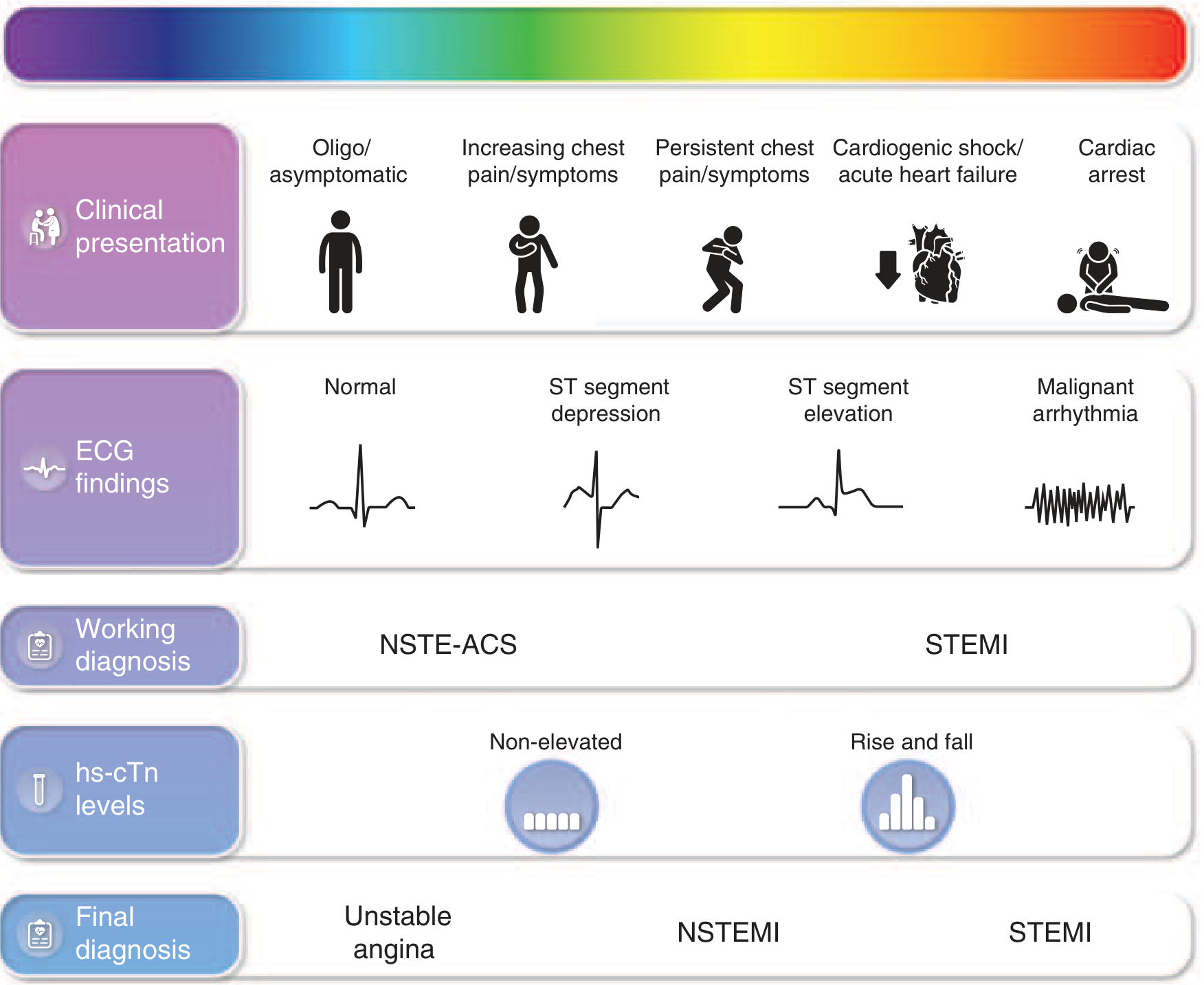
STEMI — ECG Criteria:
- New ST elevation at the J-point in ≥2 contiguous leads:
- ≥1 mm in all leads except V2–V3
- ≥2 mm in V2–V3 (men ≥40 years); ≥2.5 mm (men <40 years); ≥1.5 mm (women)
- Left bundle branch block (LBBB) — new LBBB = STEMI equivalent until proven otherwise
- Posterior MI: tall R waves + ST depression in V1–V2 (mirror of inferior STEMI)
Evolution of STEMI on ECG (Temporal Stages):
| Stage | Time | ECG Finding |
|---|---|---|
| Hyperacute | Minutes–hours | Tall, peaked (hyperacute) T waves; earliest change |
| Acute | Hours | ST segment elevation (convex/tombstone shape); loss of R wave |
| Evolving | Hours–days | Q wave development (pathological: ≥0.04 sec wide, ≥25% of R-wave amplitude); T-wave inversion |
| Chronic / Old | Weeks–months | Persistent Q waves; T-wave normalized or remains inverted |
Localization of MI by ECG Leads:
| Leads with Changes | Territory Infarcted | Culprit Artery |
|---|---|---|
| II, III, aVF | Inferior wall | RCA (right coronary artery) |
| V1–V4 | Anterior wall (LAD territory) | LAD (left anterior descending) |
| I, aVL, V5–V6 | Lateral wall | LCx (left circumflex) |
| V1–V2 (R wave ↑, ST ↓) | Posterior wall | RCA / LCx |
| V1, aVR (ST ↑) | Left main / proximal LAD | LM / proximal LAD |
NSTEMI / Unstable Angina — ECG:
- No persistent ST elevation
- May show: ST depression (≥0.5 mm), T-wave inversion, nonspecific ST-T changes, or normal ECG
- Persistent ST depression + elevated troponin = NSTEMI
Other Instrumental Methods for MI Diagnosis:
| Method | Role |
|---|---|
| Echocardiography (bedside/urgent) | New regional wall motion abnormalities (WMA) even with normal ECG; LV function; mechanical complications (VSD, papillary muscle rupture, free wall rupture, tamponade) |
| Coronary angiography (catheterization) | Gold standard; identifies culprit lesion; guides PCI |
| Cardiac MRI (CMR) | Late gadolinium enhancement (LGE) — identifies area of necrosis/scar; myocarditis vs. MI differential |
| SPECT/PET | Myocardial perfusion defect; viability assessment |
| Chest X-ray | Cardiomegaly, pulmonary edema, mediastinal widening |
102. Principles of Treatment of Acute Myocardial Infarction
STEMI — Emergency Reperfusion is Priority:
- O₂ — only if SpO₂ <90% (hyperoxia may worsen ischemia)
- Nitroglycerin SL/IV — pain relief, preload reduction; contraindicated if SBP <90, RV infarct, PDE5i use
- Morphine 2–4 mg IV (pain relief; use cautiously)
- Aspirin 162–325 mg chewed (irreversible COX-1 inhibitor)
- P2Y12 inhibitor loading — ticagrelor 180 mg or prasugrel 60 mg (preferred) or clopidogrel 600 mg
- Anticoagulation — UFH (70–100 U/kg IV bolus) or enoxaparin; bivalirudin for primary PCI
| Strategy | Indication | Time Target |
|---|---|---|
| Primary PCI (preferred) | All STEMI if available | Door-to-balloon ≤90 min; first medical contact-to-balloon ≤120 min |
| Thrombolysis (fibrinolysis) | No PCI within 120 min | Door-to-needle ≤30 min; alteplase, tenecteplase, streptokinase |
| Rescue PCI | Failed thrombolysis (<50% ST resolution at 60–90 min) | Immediate |
- Beta-blockers (metoprolol, carvedilol) — reduce mortality; start oral within 24h if stable; reduce infarct size, arrhythmias; avoid if cardiogenic shock, bradycardia, severe LV failure acutely
- ACE inhibitors / ARBs — within 24h in anterior STEMI, EF <40%, hypertension, diabetes; reduce LV remodeling; reduce mortality
- Aldosterone antagonist (eplerenone) — start within 3–14 days if EF <40% + either HF or diabetes; reduces mortality
- Statins (high-intensity) — atorvastatin 80 mg or rosuvastatin 20–40 mg; start immediately; plaque stabilization + long-term CV benefit; target LDL <55 mg/dL
- Dual antiplatelet therapy (DAPT): aspirin + P2Y12 inhibitor for 12 months
NSTEMI / Unstable Angina:
- Same antiplatelet/anticoagulant therapy as above
- Risk stratification: GRACE score, TIMI score → determines timing of invasive strategy
- High-risk NSTEMI: early invasive strategy (coronary angiography within 2–24h)
- Lower-risk: conservative or semi-elective (within 72h)
- Ongoing medical therapy: same as post-STEMI (beta-blockers, ACE-I, statins)
Monitoring and Complication Management:
- Continuous ECG monitoring (arrhythmia surveillance)
- Reperfusion arrhythmias: accelerated idioventricular rhythm (AIVR) — benign; VF/VT → defibrillation
- Cardiogenic shock: IV inotropes (dobutamine, norepinephrine), IABP or LVAD, urgent PCI
- Acute LV failure / pulmonary edema: IV diuretics, nitroglycerin, CPAP; avoid beta-blockers acutely
- Mechanical complications (VSD, mitral regurgitation, free wall rupture) → urgent surgical repair
Secondary Prevention (long-term after MI):
- DAPT ×12 months → then aspirin monotherapy lifelong
- High-intensity statin lifelong
- Beta-blocker (at least 1 year, longer if EF reduced)
- ACE-I/ARB lifelong if EF <40% or hypertension/diabetes
- Cardiac rehabilitation
- Risk factor control: smoking cessation, BP <130/80, LDL <55 mg/dL, HbA1c <7%, weight, exercise
Quick Reference Index
| # | Topic | Key Concept |
|---|---|---|
| 83 | Classification of cardialgia | Ischemic coronary / Non-ischemic cardiogenic / Non-cardiogenic |
| 84 | DD: cardiogenic vs non-cardiogenic | ECG, troponin, provocation, quality, response to GTN |
| 85 | Clinical differences | Levine sign, pressure/radiation/diaphoresis vs. sharp/pleuritic/positional |
| 86 | WHO IHD classification | Stable angina, ACS (STEMI/NSTEMI), post-MI, silent ischemia, sudden death |
| 87 | IHD pain characteristics | 4 features: character, site, provocation, duration; CCS classes I–IV |
| 88 | Angina vs. MI | Duration, troponin, ECG changes, relief by GTN, autonomic features |
| 89 | Pericarditis pain | Sharp, pleuritic, trapezius radiation, better sitting forward, friction rub |
| 90 | HCM cardialgia | Subendocardial ischemia, LVOT obstruction, microvascular disease |
| 91 | Acute cardiogenic pain treatment | MONA + antiplatelet + reperfusion (primary PCI/thrombolysis) |
| 92 | Non-cardiogenic chest pain classification | Pulmonary / GI / Musculoskeletal / Neurological / Psychogenic |
| 93 | Lung disease chest pain | Pleuritis, PE, pneumothorax, pneumonia, pulmonary HTN |
| 94 | GI pain in chest | GERD (burning), esophageal spasm (mimics angina), peptic ulcer, pancreatitis |
| 95 | Neurological chest pain | Intercostal neuralgia, herpes zoster, radiculopathy, panic disorder |
| 96 | Osteochondrosis | Dermatomal, movement-provoked, palpation-reproducible, normal cardiac workup |
| 97 | Neurocirculatory dystonia | Dx of exclusion; orthostatic-β-blocker test; normal echo + troponin |
| 98 | GERD treatment | Lifestyle → PPI (first-line) → prokinetics → antacids → fundoplication |
| 99 | Diagnostic methods | ECG, troponin, echo, CTA, stress test / CXR, CT-PA, EGD, spine MRI |
| 100 | MI lab diagnostics | hs-Troponin (1–3h) → CK-MB → LDH; 0h/1h rapid rule-out/in protocol |
| 101 | MI ECG signs | Hyperacute T → ST elevation → Q waves → T inversion; localization by leads |
| 102 | AMI treatment | Primary PCI ≤90 min; DAPT + anticoagulation; beta-blockers, ACE-I, statins; secondary prevention |