
Human anatomy complete detailed notes
human anatomy complete overview body systems organs skeletal muscular nervous cardiovascular respiratory digestive
Care of the Preterm or Low-Birth-Weight Infant
Page 58
human body anatomy systems diagram overview
Hugging Face pmc clinical VQA raw
Page 0
🫀 Human Anatomy — Complete Detailed Notes
Table of Contents
- Introduction to Human Anatomy
- Skeletal System
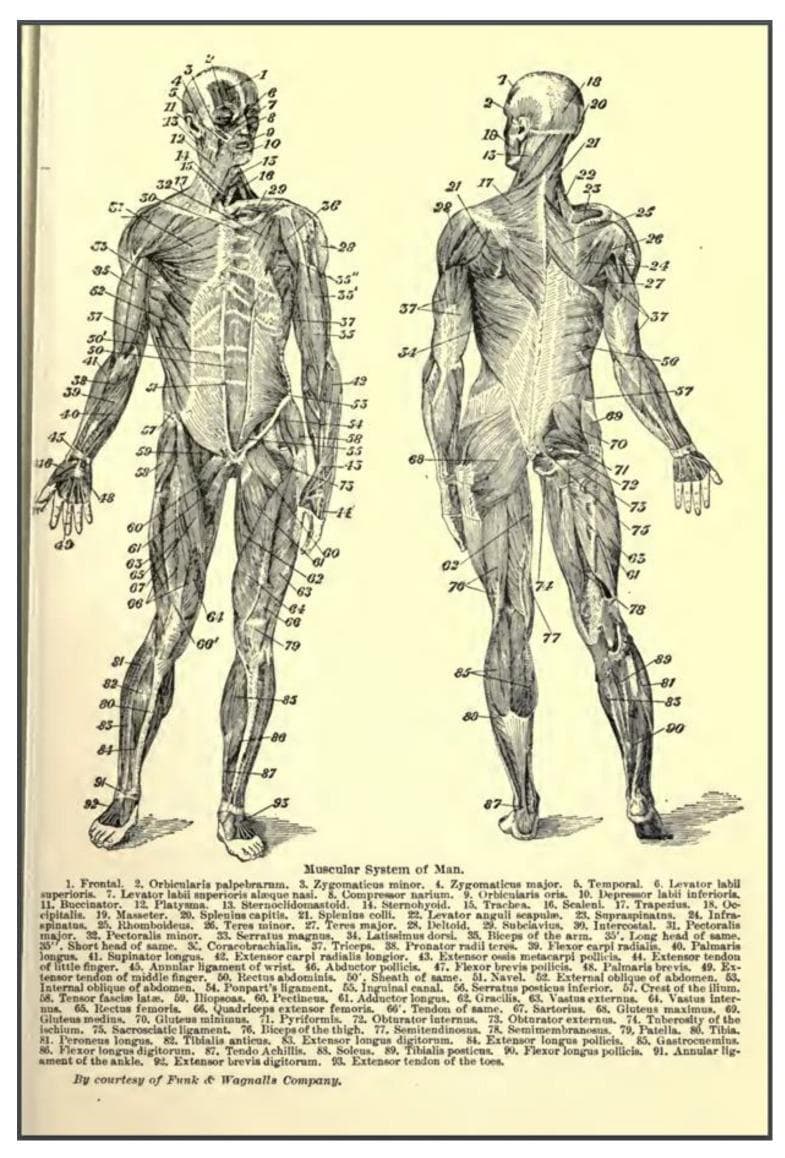
- Muscular System
- Cardiovascular System
- Respiratory System
- Nervous System
- Digestive System
- Urinary System
- Endocrine System
- Reproductive System
- Lymphatic & Immune System
- Integumentary System
- Special Senses
1. Introduction to Human Anatomy
Levels of Structural Organization
| Level | Description | Example |
|---|---|---|
| Chemical | Atoms & molecules | DNA, proteins |
| Cellular | Basic unit of life | Neuron, RBC |
| Tissue | Groups of similar cells | Epithelium, muscle |
| Organ | Two or more tissue types | Heart, lung |
| Organ System | Related organs | Cardiovascular system |
| Organism | All systems together | Human body |
Body Planes
- Sagittal — divides body into left/right
- Frontal (Coronal) — divides body into anterior/posterior
- Transverse (Axial) — divides body into superior/inferior
Directional Terms
| Term | Meaning |
|---|---|
| Superior/Inferior | Above/Below |
| Anterior/Posterior | Front/Back |
| Medial/Lateral | Toward midline / Away from midline |
| Proximal/Distal | Closer to/farther from origin |
| Superficial/Deep | Toward surface / Away from surface |
Body Cavities
- Dorsal cavity: Cranial cavity (brain) + Spinal cavity (spinal cord)
- Ventral cavity:
- Thoracic cavity (heart, lungs, esophagus, trachea)
- Abdominopelvic cavity → Abdominal (stomach, liver, intestines) + Pelvic (bladder, reproductive organs)
2. Skeletal System
Overview
- 206 bones in the adult human body
- Functions: Support, protection, movement, hematopoiesis (in red marrow), mineral storage (Ca²⁺, PO₄³⁻)
Divisions
| Division | Bones Included | Count |
|---|---|---|
| Axial skeleton | Skull, vertebral column, rib cage | 80 |
| Appendicular skeleton | Limbs, pectoral & pelvic girdles | 126 |
Bone Types
- Long bones — femur, humerus (shaft = diaphysis; ends = epiphyses)
- Short bones — carpals, tarsals
- Flat bones — skull, sternum, ribs
- Irregular bones — vertebrae, hip bones
- Sesamoid bones — patella
Bone Structure
- Periosteum — outer fibrous layer; contains osteoblasts
- Compact bone — dense outer layer; organized in osteons (Haversian systems)
- Spongy (cancellous) bone — inner network of trabeculae; contains red marrow
- Medullary cavity — contains yellow marrow (fat) in adults
Key Bone Landmarks
- Cranium: Frontal, parietal (×2), temporal (×2), occipital, sphenoid, ethmoid
- Face: Mandible, maxilla, zygomatic, nasal, lacrimal, palatine, vomer, inferior nasal conchae
- 7 Cervical (C1–C7; C1 = Atlas, C2 = Axis)
- 12 Thoracic (T1–T12)
- 5 Lumbar (L1–L5)
- 1 Sacrum (5 fused)
- 1 Coccyx (3–5 fused)
- 12 pairs of ribs: Ribs 1–7 = true ribs, 8–10 = false ribs, 11–12 = floating ribs
- Sternum: Manubrium + body + xiphoid process
- Pectoral girdle: Clavicle + Scapula
- Arm: Humerus
- Forearm: Radius (lateral) + Ulna (medial)
- Wrist: 8 carpals (Scaphoid, Lunate, Triquetrum, Pisiform, Trapezium, Trapezoid, Capitate, Hamate)
- Hand: 5 metacarpals + 14 phalanges
- Pelvic girdle: Hip bone = Ilium + Ischium + Pubis
- Thigh: Femur
- Leg: Tibia (medial, weight-bearing) + Fibula (lateral)
- Ankle: 7 tarsals (Talus, Calcaneus, Navicular, Cuboid, 3 cuneiforms)
- Foot: 5 metatarsals + 14 phalanges
Joint Types
| Type | Description | Example |
|---|---|---|
| Fibrous (synarthrosis) | No movement | Skull sutures |
| Cartilaginous (amphiarthrosis) | Slight movement | Pubic symphysis |
| Synovial (diarthrosis) | Free movement | Knee, hip, shoulder |
3. Muscular System
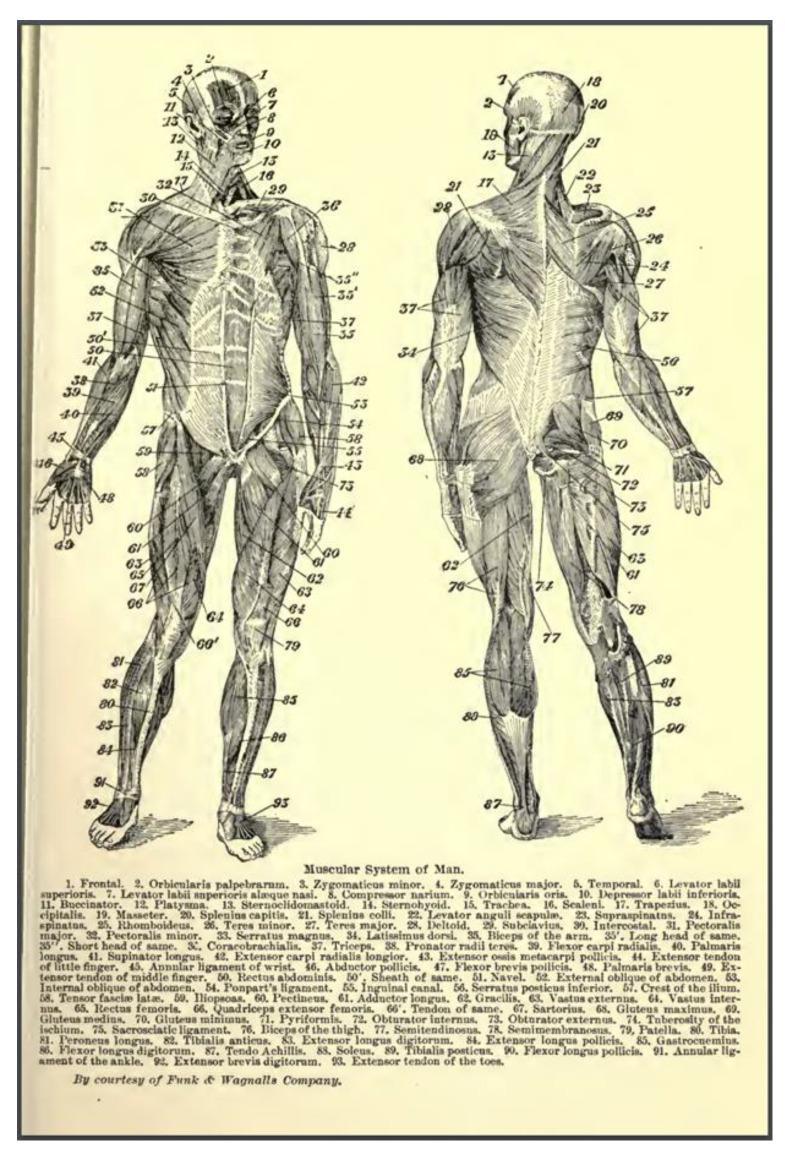
Muscle Types
| Type | Location | Control | Striations |
|---|---|---|---|
| Skeletal | Attached to bone | Voluntary | Yes |
| Cardiac | Heart wall | Involuntary | Yes |
| Smooth | Viscera, vessels | Involuntary | No |
Muscle Anatomy
- Epimysium → surrounds entire muscle
- Perimysium → surrounds fascicles (bundles)
- Endomysium → surrounds individual muscle fibers
- Sarcomere → functional unit; bounded by Z-lines; contains actin (thin) & myosin (thick) filaments
Sliding Filament Theory
- Action potential → acetylcholine released at neuromuscular junction
- Ca²⁺ released from sarcoplasmic reticulum
- Ca²⁺ binds troponin → tropomyosin shifts → actin binding sites exposed
- Myosin heads bind actin → power stroke → filaments slide → muscle shortens
Major Muscles by Region
4. Cardiovascular System
Heart
- Located in the mediastinum (middle mediastinum), tilted left
- Size: ~size of a fist; weight ~250–350 g
- Layers: Epicardium (outer, visceral pericardium) → Myocardium (middle, muscle) → Endocardium (inner, lines chambers)
- Pericardium: Double-walled fibroserous sac; pericardial fluid in serous cavity (prevents friction)
Chambers & Valves
| Chamber/Valve | Function |
|---|---|
| Right atrium | Receives deoxygenated blood from SVC, IVC, coronary sinus |
| Right ventricle | Pumps to pulmonary circulation via pulmonary trunk |
| Left atrium | Receives oxygenated blood from 4 pulmonary veins |
| Left ventricle | Pumps to systemic circulation via aorta (thickest wall) |
| Tricuspid valve (right AV) | Between right atrium & ventricle |
| Pulmonary valve | Between right ventricle & pulmonary trunk |
| Mitral/Bicuspid valve (left AV) | Between left atrium & ventricle |
| Aortic valve | Between left ventricle & aorta |
Conduction System
- SA node (sinoatrial; pacemaker) → impulse at 60–100 bpm → right atrial wall
- AV node → delays impulse (0.1 s) → allows atrial contraction
- Bundle of His (AV bundle) → interventricular septum
- Left & right bundle branches
- Purkinje fibers → ventricular myocardium → rapid contraction
Coronary Circulation
- Left coronary artery (LCA):
- Left anterior descending (LAD) — supplies anterior interventricular septum, anterior left ventricle
- Left circumflex — supplies left atrium, posterior left ventricle
- Right coronary artery (RCA): — supplies right ventricle, SA node, AV node (mostly), posterior interventricular septum
Blood Flow Summary
Systemic veins → SVC/IVC → Right atrium → tricuspid → Right ventricle → pulmonary valve → Pulmonary trunk → Lungs (oxygenation) → Pulmonary veins → Left atrium → mitral → Left ventricle → aortic valve → Aorta → systemic circulation
Blood Vessels
| Type | Wall | Function |
|---|---|---|
| Arteries | Thick, elastic | Carry blood away from heart |
| Arterioles | Smooth muscle | Regulate blood pressure |
| Capillaries | Single endothelial layer | Gas & nutrient exchange |
| Venules | Thin | Collect from capillaries |
| Veins | Thin, valved | Carry blood to heart |
Major Arteries
- Aorta → Ascending aorta → Aortic arch (Brachiocephalic, Left common carotid, Left subclavian) → Descending thoracic aorta → Abdominal aorta (Celiac trunk, SMA, IMA, Renal arteries, Common iliacs)
- Carotid arteries → brain, face, neck
- Subclavian → upper limbs (→ Axillary → Brachial → Radial/Ulnar)
- Femoral → lower limbs (→ Popliteal → Anterior/Posterior tibial)
5. Respiratory System
Anatomy
Key Structures
| Structure | Key Features |
|---|---|
| Nasal cavity | Lined with pseudostratified ciliated epithelium + goblet cells; turbinates (conchae) increase surface area |
| Pharynx | Common passage for air & food; Waldeyer's ring (tonsils) |
| Larynx | Voice box; 9 cartilages (Thyroid, Cricoid, Epiglottis + paired Arytenoid, Corniculate, Cuneiform); Vocal cords |
| Trachea | 16–20 C-shaped cartilage rings; bifurcates at T4/5 (Carina) |
| Bronchi | Right main bronchus: wider, shorter, more vertical → more prone to foreign body aspiration |
| Bronchioles | No cartilage; respiratory bronchioles = first site of gas exchange |
| Alveoli | ~300 million; Type I pneumocytes (gas exchange); Type II (surfactant production) |
Lungs
- Right lung: 3 lobes (upper, middle, lower); 10 bronchopulmonary segments
- Left lung: 2 lobes (upper, lower) + lingula; 8–9 segments; cardiac notch
- Pleurae: Visceral pleura (covers lung) + Parietal pleura (lines thoracic wall); pleural space contains ~10–20 mL fluid
Muscles of Respiration
- Inspiration: Diaphragm (primary), external intercostals, scalenes, sternocleidomastoid
- Expiration: Passive at rest; forced = internal intercostals, abdominal muscles
Gas Exchange
- O₂ and CO₂ exchange across the respiratory membrane (alveolar epithelium + capillary endothelium + fused basement membranes)
- Driven by partial pressure gradients
- Tidal volume (TV) = ~500 mL; Vital capacity (VC) = ~4,800 mL; Total lung capacity = ~6,000 mL
6. Nervous System
Divisions
Nervous System
├── Central Nervous System (CNS)
│   ├── Brain
│   └── Spinal Cord
└── Peripheral Nervous System (PNS)
    ├── Somatic (voluntary)
    └── Autonomic (involuntary)
        ├── Sympathetic ("fight or flight")
        └── Parasympathetic ("rest and digest")
Brain Regions
| Region | Key Structures | Functions |
|---|---|---|
| Cerebrum (telencephalon) | 4 lobes + basal ganglia, limbic system | Higher cognition, motor, sensory, language, emotion |
| Diencephalon | Thalamus, hypothalamus, epithalamus | Sensory relay, homeostasis, endocrine control |
| Brainstem | Midbrain, pons, medulla oblongata | CN nuclei III–XII, breathing, HR, BP, reflexes |
| Cerebellum | Two hemispheres + vermis | Coordination, balance, fine motor control |
Cerebral Lobes & Functions
| Lobe | Major Functions |
|---|---|
| Frontal | Primary motor cortex, Broca's area (speech production), personality, executive function |
| Parietal | Primary somatosensory cortex, spatial awareness |
| Temporal | Primary auditory cortex, Wernicke's area (speech comprehension), memory (hippocampus) |
| Occipital | Primary visual cortex |
Cranial Nerves (CN I–XII)
| # | Name | Type | Key Function |
|---|---|---|---|
| I | Olfactory | Sensory | Smell |
| II | Optic | Sensory | Vision |
| III | Oculomotor | Motor | Eye movement, pupillary constriction, eyelid elevation |
| IV | Trochlear | Motor | Superior oblique muscle (downward-inward gaze) |
| V | Trigeminal | Mixed | Facial sensation (V1/V2/V3); mastication (V3) |
| VI | Abducens | Motor | Lateral rectus (lateral gaze) |
| VII | Facial | Mixed | Facial expression, taste (ant. 2/3 tongue), lacrimation, salivation |
| VIII | Vestibulocochlear | Sensory | Hearing (cochlear), balance (vestibular) |
| IX | Glossopharyngeal | Mixed | Taste (post. 1/3 tongue), gag reflex, carotid sinus |
| X | Vagus | Mixed | Parasympathetics to thoracic/abdominal viscera, phonation, swallowing |
| XI | Accessory | Motor | Sternocleidomastoid, trapezius |
| XII | Hypoglossal | Motor | Tongue movements |
Spinal Cord
- Extends from foramen magnum → L1–L2 (conus medullaris)
- Cauda equina = nerve roots below conus
- 31 pairs of spinal nerves: 8 cervical, 12 thoracic, 5 lumbar, 5 sacral, 1 coccygeal
- Gray matter (H-shaped): Dorsal horn (sensory), Ventral horn (motor), Lateral horn (autonomic, T1–L2, S2–S4)
- White matter: Ascending sensory tracts + descending motor tracts
Key Spinal Tracts
| Tract | Location | Function |
|---|---|---|
| Dorsal columns (Gracilis + Cuneatus) | Posterior | Vibration, proprioception, fine touch |
| Spinothalamic | Anterolateral | Pain, temperature, crude touch |
| Corticospinal | Lateral | Voluntary motor (crosses in medullary pyramids) |
Neuron Types & Synapse
- Neuron structure: Dendrites (receive signals) → Cell body (soma) → Axon → Axon terminals
- Synapse: Electrical signal → vesicle release → neurotransmitter across synaptic cleft → binds postsynaptic receptor
- Neurotransmitters: Acetylcholine, Dopamine, Serotonin, GABA, Glutamate, Norepinephrine
7. Digestive System
Alimentary Canal (GI Tract)
Key Organs & Functions
- Teeth (32 permanent): Incisors (cutting), Canines (tearing), Premolars, Molars (grinding)
- Salivary glands: Parotid (Stensen's duct), Submandibular (Wharton's duct), Sublingual
- Saliva: Amylase (starch digestion), mucin, lysozyme
- ~25 cm; passes through esophageal hiatus of diaphragm at T10
- 3 constrictions: Pharyngoesophageal junction, aortic arch/left bronchus level, diaphragmatic hiatus
- Peristalsis propels food; LES (lower esophageal sphincter) prevents reflux
- Regions: Cardia → Fundus → Body → Pyloric antrum → Pylorus
- Cells: Parietal cells (HCl + intrinsic factor), Chief cells (pepsinogen), G cells (gastrin), Mucous cells
- pH ~1.5–2.0
- Churns food → chyme
| Region | Length | Key Features |
|---|---|---|
| Duodenum | ~25 cm | Ampulla of Vater (bile + pancreatic ducts); Brunner's glands |
| Jejunum | ~2.5 m | Most absorption; prominent plicae circulares & villi |
| Ileum | ~3.5 m | Vitamin B12 + bile salts absorbed; Peyer's patches (MALT) |
- Villi + microvilli (brush border) = greatly increase surface area
- Enzymes: Lactase, sucrase, maltase, peptidases, enterokinase
- Cecum (with appendix) → Ascending → Transverse → Descending → Sigmoid colon → Rectum → Anal canal
- Functions: Water/electrolyte absorption, vitamin K & B synthesis by flora, feces formation
- Teniae coli (3 longitudinal muscle bands), haustra (pouches), appendices epiploicae (fat tags)
Accessory Organs
- Largest internal organ (~1.5 kg)
- Functions: Bile production, glucose metabolism (glycogen storage), protein synthesis (albumin, clotting factors), detoxification, lipid metabolism
- Lobes: Right (larger), Left, Caudate, Quadrate
- Blood supply: Portal vein (70%) + Hepatic artery (30%); drained by hepatic veins → IVC
- Stores & concentrates bile (~50 mL)
- Bile drains: Hepatic ducts → Common hepatic duct + Cystic duct → Common bile duct → Ampulla of Vater
- Exocrine: Acinar cells → pancreatic juice (amylase, lipase, proteases, nucleases, bicarbonate)
- Endocrine (Islets of Langerhans):
- α cells → Glucagon (↑ blood glucose)
- β cells → Insulin (↓ blood glucose)
- δ cells → Somatostatin (inhibits both)
8. Urinary System
Organs: Kidneys, Ureters, Urinary Bladder, Urethra
Kidneys
- Located retroperitoneally at T12–L3 (right kidney slightly lower due to liver)
- Dimensions: ~11 × 6 × 3 cm
- Gross anatomy: Renal cortex → Renal medulla (pyramids) → Renal pelvis → Ureter
- Nephron (functional unit; ~1 million per kidney):
- Glomerulus (Bowman's capsule) → Proximal convoluted tubule (PCT) → Loop of Henle → Distal convoluted tubule (DCT) → Collecting duct
- Functions: Filtration (GFR ~125 mL/min), reabsorption, secretion, excretion; regulate fluid/electrolyte balance, acid-base, BP (RAAS, erythropoietin, active Vitamin D)
Ureters
- ~25–30 cm; 3 physiological narrowings (PUJ, pelvic brim, VUJ) → common sites for kidney stone obstruction
- Peristalsis moves urine to bladder
Urinary Bladder
- Detrusor muscle; trigone (non-distensible triangle at base)
- Capacity ~400–600 mL
Urethra
- Female: ~4 cm; opens anterior to vagina
- Male: ~20 cm; 3 parts: Prostatic → Membranous (external sphincter) → Spongy/Penile
9. Endocrine System
| Gland | Location | Key Hormones | Function |
|---|---|---|---|
| Hypothalamus | Brain | TRH, CRH, GnRH, GHRH, somatostatin | Controls pituitary (releasing/inhibiting hormones) |
| Anterior Pituitary | Sella turcica | GH, TSH, ACTH, FSH, LH, Prolactin | Master gland |
| Posterior Pituitary | Sella turcica | ADH (vasopressin), Oxytocin | Stored & released from hypothalamic neurons |
| Thyroid | Anterior neck (C5–T1) | T3, T4, Calcitonin | Metabolism, growth; Ca²⁺ ↓ |
| Parathyroid (×4) | Posterior thyroid | PTH | Ca²⁺ ↑, PO₄³⁻ ↓ |
| Adrenal Cortex | Superior to kidneys | Cortisol, Aldosterone, Androgens | Stress response, Na⁺ retention, sex hormones |
| Adrenal Medulla | Superior to kidneys | Epinephrine, Norepinephrine | Fight-or-flight response |
| Pancreas (Islets) | Retroperitoneal | Insulin, Glucagon | Blood glucose regulation |
| Gonads | Pelvis | Estrogen, Progesterone, Testosterone | Sex characteristics, reproduction |
| Pineal gland | Brain | Melatonin | Circadian rhythm |
10. Reproductive System
Female
- Ovaries: Egg production + estrogen/progesterone; suspended by broad ligament
- Uterine (Fallopian) tubes: ~10 cm; site of fertilization; Fimbriae → Infundibulum → Ampulla → Isthmus → Uterine cornu
- Uterus: Perimetrium (outer) → Myometrium (muscle) → Endometrium (cyclic shedding); Cervix = lower fibrous part
- Vagina: ~8–10 cm; fibromuscular tube; fornices surround cervix
- External genitalia (vulva): Mons pubis, labia majora/minora, clitoris, vestibule, Bartholin's glands
Male
- Testes: Spermatogenesis (in seminiferous tubules) + testosterone (from Leydig cells); temperature-sensitive (2°C below body)
- Epididymis: Sperm maturation & storage
- Vas deferens (ductus deferens): Sperm transport; enters ejaculatory duct
- Seminal vesicles: Fructose-rich fluid (~60% of semen)
- Prostate: Prostatic fluid (25%; citric acid, PSA, zinc)
- Bulbourethral (Cowper's) glands: Pre-ejaculatory mucus
- Penis: Three erectile bodies — 2 Corpora cavernosa + 1 Corpus spongiosum (contains urethra)
11. Lymphatic & Immune System
Lymphatic System
- Parallel to venous system; one-way flow toward heart
- Functions: Fluid balance, fat absorption (lacteals in intestinal villi), immune defense
Lymphatic Organs
| Organ | Function |
|---|---|
| Thymus | T-cell maturation; largest in childhood; involutes in adults |
| Spleen | Filters blood; red pulp (RBC destruction); white pulp (immune response) |
| Lymph nodes | Filter lymph; house B & T cells; germinal centers |
| Tonsils | First line of defense (oral/nasal route) |
| Bone marrow | B-cell maturation, hematopoiesis |
Lymphatic Drainage
- Right lymphatic duct → drains right upper quadrant of body
- Thoracic duct (largest lymph vessel) → drains everything else → empties into left subclavian vein
12. Integumentary System
Layers of Skin
| Layer | Composition | Function |
|---|---|---|
| Epidermis | Stratified squamous epithelium; 4–5 strata | Barrier, protection, keratin production |
| Dermis | Collagen & elastic fibers; blood vessels, nerves | Support, sensation |
| Hypodermis (Subcutaneous) | Adipose & loose connective tissue | Insulation, energy storage, cushioning |
Epidermal Layers (deep to superficial)
- Stratum basale — stem cells, melanocytes
- Stratum spinosum — Langerhans cells (immune)
- Stratum granulosum — keratohyalin granules
- Stratum lucidum — only in thick skin (palms/soles)
- Stratum corneum — dead keratinized cells; waterproof barrier
Skin Appendages
- Hair follicles: Arrector pili muscle (goosebumps)
- Sebaceous glands: Secrete sebum (oil); connected to hair follicles
- Sweat glands: Eccrine (thermoregulation, all body) + Apocrine (axilla, groin; stress-related)
- Nails: Hard keratin; nail matrix = growth zone
13. Special Senses
Eye
- Layers: Sclera (outer, white) → Choroid (middle, vascular) → Retina (inner, photoreceptors)
- Photoreceptors: Rods (dim light, peripheral vision) & Cones (color, central/foveal vision)
- Pathway: Optic nerve (CN II) → Optic chiasm (nasal fibers cross) → Optic tract → Lateral geniculate nucleus → Visual cortex (occipital lobe)
- Chambers: Anterior (aqueous humor) + Posterior/Vitreous (vitreous humor)
- Lens: Accommodation via ciliary muscles (parasympathetic)
Ear
| Part | Structures | Function |
|---|---|---|
| External ear | Pinna, external auditory meatus, tympanic membrane | Collects & conducts sound |
| Middle ear | Malleus → Incus → Stapes (ossicles); Eustachian tube | Amplifies vibration (×22x); pressure equalization |
| Inner ear | Cochlea (hearing); Vestibular apparatus (balance) — semicircular canals, utricle, saccule | Transduction to CN VIII |
Nose — Olfaction
- Olfactory epithelium (roof of nasal cavity) → CN I (Olfactory nerve) → Olfactory bulb → Limbic system
Tongue — Taste
- Taste buds on papillae (fungiform, circumvallate, foliate)
- 5 tastes: Sweet, Sour, Salty, Bitter, Umami
- CN VII (anterior 2/3), CN IX (posterior 1/3), CN X (epiglottis)
Quick Reference Summary Table
| System | Key Organs | Primary Functions |
|---|---|---|
| Skeletal | 206 bones, joints, cartilage | Support, protection, movement, hematopoiesis |
| Muscular | 600+ muscles | Movement, posture, heat production |
| Cardiovascular | Heart, blood vessels | Circulation, oxygen/nutrient delivery |
| Respiratory | Lungs, airways | Gas exchange (O₂/CO₂) |
| Nervous | Brain, spinal cord, nerves | Control, communication, sensation |
| Digestive | GI tract, liver, pancreas | Digestion, absorption, elimination |
| Urinary | Kidneys, bladder | Excretion, fluid/electrolyte balance |
| Endocrine | Glands (pituitary, thyroid, etc.) | Hormonal regulation of body functions |
| Reproductive | Gonads, accessory organs | Reproduction, sex hormone production |
| Lymphatic/Immune | Lymph nodes, spleen, thymus | Immunity, fluid balance, fat absorption |
| Integumentary | Skin, hair, nails | Protection, thermoregulation, sensation |
| Special Senses | Eyes, ears, nose, tongue | Vision, hearing, balance, smell, taste |
I am pharmacist give me practice set of medical
pharmacology drug mechanisms clinical pharmacy practice questions pharmacist
Harrison's Principles of Internal Medicine, Twenty First Edition
Page 1880
drug interactions adverse effects contraindications pharmacokinetics pharmacodynamics
Harrison's Principles of Internal Medicine, Twenty First Edition
Page 1880
💊 Pharmacist Practice Question Set
100 MCQs — Clinical Pharmacy, Pharmacology & Therapeutics
📘 Section 1: Pharmacokinetics & Pharmacodynamics (Q1–15)
- A) 8 hours
- B) 16 hours
- C) 40 hours
- D) 80 hours
Steady state is reached after ~5 half-lives (5 × 8 = 40 hours), regardless of dose or frequency.
- A) Volume of distribution (Vd)
- B) Clearance (CL)
- C) Bioavailability (F)
- D) Half-life (t½)
Bioavailability is the fraction of administered drug that reaches systemic circulation unchanged. IV route = 100% bioavailability.
- A) Highly protein-bound in plasma
- B) Extensively distributed to peripheral tissues
- C) Rapidly eliminated by the kidneys
- D) Water-soluble with poor membrane permeability
Large Vd indicates the drug distributes widely into tissues (e.g., chloroquine, amiodarone). Small Vd = confined to plasma.
- A) Kidneys
- B) Lungs
- C) Liver
- D) Small intestine wall (also contributes, but primarily liver)
Oral drugs are absorbed from the GI tract and pass through the portal circulation to the liver before entering systemic circulation, where they may be extensively metabolized. (Harrison's, p. 1880)
- A) Decreased warfarin effect
- B) Increased free warfarin → increased bleeding risk
- C) Increased warfarin clearance
- D) No clinically significant change
Displacement from plasma proteins (albumin) increases free drug concentration transiently, increasing pharmacological effect and toxicity risk.
- A) Rifampicin
- B) Phenytoin
- C) Ketoconazole
- D) Carbamazepine
Azole antifungals (ketoconazole, fluconazole, itraconazole) are potent CYP3A4 inhibitors. Rifampicin, phenytoin, carbamazepine are inducers.
- A) Erythromycin
- B) Grapefruit juice
- C) Rifampicin
- D) Clarithromycin
Rifampicin is one of the most potent CYP3A4 inducers — it reduces plasma levels of many drugs (antiretrovirals, warfarin, oral contraceptives).
- A) Drug is eliminated at a rate proportional to its concentration
- B) Drug is eliminated at a constant rate regardless of concentration
- C) Drug is completely eliminated after one half-life
- D) Drug absorption is complete
Zero-order: constant amount eliminated per unit time (saturable enzymes). Examples: alcohol, phenytoin at high doses, aspirin (high dose). First-order: constant fraction per unit time.
- A) Alkaline urine for a weak base
- B) Acidic urine for a weak acid
- C) High protein binding
- D) Low GFR
Alkaline urine ionizes weak bases (ionized drugs cannot be reabsorbed) → increased renal excretion. Acidic urine ionizes weak acids similarly. Mnemonic: RARP — Reabsorption of Acids in acidic urine is Reduced (so more excreted in alkaline... wait — acidifying traps bases). Remember: "Trap the ion to excrete it."
- A) TD50 / ED50
- B) ED50 / TD50
- C) LD50 / ED50
- D) EC50 / IC50
TI = Toxic dose 50% / Effective dose 50%. A narrow TI drug (e.g., digoxin, lithium, warfarin, aminoglycosides) requires close monitoring.
- A) Oral
- B) Rectal (partial)
- C) Sublingual
- D) Both B and C
Sublingual (directly into systemic venous drainage), rectal (lower rectum drains into inferior rectal veins, bypassing portal system), IV, IM, transdermal all bypass first-pass.
- A) Clearance × Target Cp × t½
- B) Vd × Target Cp / F
- C) Clearance / t½
- D) Target Cp × F / CL
Loading dose = Vd × Target Cp / F Maintenance dose = CL × Target Cp / F
- A) Partial agonist
- B) Inverse agonist
- C) Full agonist
- D) Competitive antagonist
Full agonist = maximal intrinsic efficacy. Partial agonist = submaximal Emax even at full receptor occupancy (e.g., buprenorphine at opioid receptors).
- A) Allergic reaction to a drug
- B) Need for increasing doses to achieve the same effect
- C) Predictable dose-dependent side effects
- D) Genetic variation in drug metabolism
Tolerance = diminished effect with repeated use. Mechanisms: receptor downregulation, increased metabolism, physiological adaptation.
- A) Prodrugs are pharmacologically active as administered
- B) Prodrugs require metabolic activation to produce their effect
- C) Prodrugs always have longer half-lives
- D) Prodrugs bypass hepatic metabolism
Examples: Codeine → morphine (CYP2D6), Enalapril → enalaprilat, Clopidogrel → active thienopyridine (CYP2C19). Poor CYP2D6/2C19 metabolizers may have reduced efficacy.
📗 Section 2: Cardiovascular Drugs (Q16–30)
- A) Amlodipine
- B) Lisinopril (ACE inhibitor)
- C) Metoprolol
- D) Hydrochlorothiazide
In bilateral RAS, the efferent arteriolar tone (angiotensin II dependent) is critical to maintain GFR. ACEi/ARBs dilate the efferent arteriole → acute kidney injury.
- A) Inhibition of HMG-CoA reductase
- B) Activation of PPAR-α
- C) Inhibition of cholesterol absorption
- D) Activation of lipoprotein lipase
Statins (atorvastatin, rosuvastatin, simvastatin) competitively inhibit HMG-CoA reductase → ↓ cholesterol synthesis → ↑ hepatic LDL receptor expression → ↓ LDL.
- A) Decreased digoxin efficacy
- B) Digoxin toxicity (increased)
- C) Nephrotoxicity
- D) No interaction
K⁺ and digoxin compete for Na⁺/K⁺-ATPase binding. Hypokalemia → digoxin binds more avidly → toxicity (bradycardia, AV block, visual changes, nausea).
- A) Propranolol
- B) Carvedilol
- C) Metoprolol
- D) Labetalol
β1-selective: Metoprolol, Atenolol, Bisoprolol, Esmolol (MABE). Propranolol, carvedilol, labetalol are non-selective. At high doses, cardioselectivity is lost.
- A) Class I (Na⁺ channel blocker)
- B) Class II (β-blocker)
- C) Class III (K⁺ channel blocker)
- D) Class IV (Ca²⁺ channel blocker)
Amiodarone prolongs the action potential by blocking K⁺ channels (also has Class I, II, IV properties). Major side effects: pulmonary fibrosis, thyroid dysfunction, hepatotoxicity, corneal microdeposits, blue-grey skin.
- A) Vitamin K
- B) Protamine sulfate
- C) Idarucizumab
- D) Andexanet alfa
Protamine (positively charged) binds heparin (negatively charged) → inactive complex. Vitamin K reverses warfarin. Idarucizumab reverses dabigatran. Andexanet alfa reverses Factor Xa inhibitors (rivaroxaban, apixaban).
- A) Increased INR → bleeding risk
- B) Decreased INR → thrombosis risk
- C) No change in INR
- D) Increased warfarin half-life
Rifampicin induces CYP2C9 (warfarin metabolism) → ↑ warfarin clearance → ↓ warfarin levels → ↓ INR → under-anticoagulation.
- A) Angiotensin II
- B) Bradykinin
- C) Aldosterone
- D) Substance P
ACEi block kininase II (same enzyme as ACE) → bradykinin accumulates in lungs → stimulates cough. ARBs do NOT cause this (they don't affect bradykinin). Switch to ARB if cough occurs.
- A) Blocks β-adrenergic receptors
- B) Releases nitric oxide → activates guanylate cyclase → ↑ cGMP → vascular smooth muscle relaxation
- C) Inhibits phosphodiesterase-5
- D) Blocks L-type calcium channels
Organic nitrates → NO → ↑ cGMP → vascular smooth muscle relaxation. Primarily venodilation (↓ preload) at low doses; arterial dilation at higher doses.
- A) Furosemide
- B) Hydrochlorothiazide
- C) Spironolactone
- D) Acetazolamide
K⁺-sparing diuretics: Spironolactone/eplerenone (aldosterone antagonists), Amiloride, Triamterene. Risk: hyperkalemia. Avoid with ACEi/ARBs unless carefully monitored.
- A) ACE inhibitor
- B) Labetalol or Hydralazine
- C) Furosemide
- D) Amlodipine
ACEi/ARBs are contraindicated in pregnancy (renal agenesis, oligohydramnios, fetal death). Safe options: Labetalol (IV), Hydralazine (IV), Nifedipine (oral), Methyldopa (maintenance).
- A) COX-1 inhibition
- B) Irreversible P2Y12 ADP receptor antagonism
- C) GP IIb/IIIa antagonism
- D) Thrombin receptor antagonism
Clopidogrel (thienopyridine prodrug) → active metabolite irreversibly blocks P2Y12 ADP receptors on platelets → inhibits platelet aggregation. Prasugrel and ticagrelor are newer P2Y12 inhibitors.
- A) LDL cholesterol
- B) Triglycerides (TG)
- C) Lipoprotein(a)
- D) HDL cholesterol
Fibrates activate PPAR-α → ↑ lipoprotein lipase → ↓ TG-rich lipoproteins (VLDL). Also modestly ↑ HDL. Drug of choice for hypertriglyceridemia.
- A) Amlodipine
- B) Nifedipine
- C) Verapamil
- D) Felodipine
Verapamil and diltiazem (non-dihydropyridines) act on cardiac Ca²⁺ channels → ↓ HR, ↓ AV conduction. Dihydropyridines (amlodipine, nifedipine) are more vasculature-selective. Avoid verapamil + β-blocker (complete heart block risk).
- A) Drugs that shorten the QT interval
- B) Drugs that prolong the QT interval
- C) Drugs that cause first-degree AV block
- D) Drugs that cause ST elevation
QT-prolonging drugs risk: Class IA/III antiarrhythmics, haloperidol, methadone, fluoroquinolones, azithromycin, antiemetics (ondansetron). Risk ↑ with hypokalemia, hypomagnesemia, bradycardia.
📙 Section 3: Antimicrobials (Q31–45)
- A) Inhibiting DNA gyrase
- B) Inhibiting 50S ribosomal subunit
- C) Inhibiting cell wall synthesis by binding PBPs
- D) Disrupting the cell membrane
Beta-lactams (penicillins, cephalosporins, carbapenems, monobactams) bind Penicillin-Binding Proteins (PBPs) → inhibit transpeptidation → impair peptidoglycan cross-linking → cell lysis.
- A) Gentamicin
- B) Vancomycin
- C) Daptomycin
- D) Linezolid
Rapid infusion of vancomycin → direct mast cell degranulation → histamine release → flushing, erythema, pruritus of face/neck/trunk. Prevention: slow infusion rate (≥60 min), pretreatment with antihistamines.
- A) Renal toxicity
- B) Damage to developing cartilage (arthropathy)
- C) CNS toxicity
- D) Hepatotoxicity
Fluoroquinolones damage weight-bearing joint cartilage in growing animals and children. Also risk: tendon rupture (Achilles), QT prolongation, CNS effects.
- A) Tetracyclines
- B) Aminoglycosides
- C) Chloramphenicol
- D) Streptomycin
30S inhibitors: Tetracyclines, Aminoglycosides (30S binding) 50S inhibitors: Chloramphenicol, Macrolides, Clindamycin, Linezolid ("MACLE" or "Buy AT 30, CLEAN at 50")
- A) Clindamycin
- B) Vancomycin
- C) Amoxicillin
- D) Ceftriaxone
Vancomycin is first-line for MRSA systemic infections. Alternative: Daptomycin (not for pneumonia — inactivated by surfactant). Linezolid is bacteriostatic and used for MRSA pneumonia/skin infections.
- A) Pseudomonas aeruginosa
- B) MRSA
- C) Clostridioides difficile (mild-moderate) and anaerobic infections
- D) Atypical pneumonia
Metronidazole → active against anaerobes and protozoans (Giardia, Trichomonas, Entamoeba). For C. diff: Oral vancomycin or fidaxomicin is now preferred; metronidazole for mild cases or when others unavailable.
- A) Hepatotoxicity and photosensitivity
- B) Nephrotoxicity and ototoxicity
- C) Tendon rupture and QT prolongation
- D) Bone marrow suppression
Aminoglycosides (gentamicin, tobramycin, amikacin) → nephrotoxicity (proximal tubule damage) + ototoxicity (irreversible cochlear and vestibular damage). Monitor trough levels, renal function, audiometry.
- A) Blue
- B) Orange-red
- C) Yellow
- D) Green
Rifampicin colors urine, tears, saliva, sweat orange-red. Patients must be warned (may stain contact lenses). Also a potent CYP450 inducer.
- A) Fluconazole
- B) Amphotericin B
- C) Terbinafine
- D) Caspofungin
Terbinafine inhibits squalene epoxidase → squalene accumulates → fungal cell death. Used for dermatophytes (tinea, onychomycosis). Fluconazole inhibits CYP51 (14-α demethylase). Caspofungin inhibits β-glucan synthesis.
- A) Blocks M2 ion channels
- B) Inhibits neuraminidase → prevents viral release
- C) Inhibits RNA-dependent RNA polymerase
- D) Blocks viral entry via hemagglutinin
Neuraminidase cleaves sialic acid → allows new virions to bud. Oseltamivir/zanamivir inhibit this → viral particles clump on cell surface → limited spread. Effective against Influenza A and B.
- A) All cephalosporins are absolutely contraindicated
- B) Cross-reactivity is ~1–2%; cephalosporins with different R1 side chains may be used with caution
- C) Cross-reactivity is 50%; avoid all beta-lactams
- D) Cephalosporins are completely safe in penicillin allergy
True cross-reactivity rate is ~1–2% (not 10% as historically overstated). Avoid cephalosporins with similar R1 side chains. In severe penicillin allergy, use carbapenems with caution or non-beta-lactam alternatives.
- A) Atypical pneumonia (Mycoplasma, Chlamydia)
- B) Lyme disease
- C) Malaria prophylaxis
- D) Pseudomonas aeruginosa infection
Doxycycline covers rickettsiae, chlamydiae, mycoplasma, spirochetes, Lyme disease, malaria prophylaxis, anthrax. Pseudomonas requires anti-pseudomonal beta-lactams, fluoroquinolones, or aminoglycosides.
- A) Ribavirin
- B) Acyclovir
- C) Oseltamivir
- D) Tenofovir
Acyclovir is activated by viral thymidine kinase → acyclovir triphosphate → inhibits viral DNA polymerase. Active against HSV-1, HSV-2, VZV. Valacyclovir = prodrug with improved bioavailability.
- A) Beta-lactamase production
- B) Altered PBP2a (encoded by mecA gene) with low affinity for beta-lactams
- C) Efflux pump overexpression
- D) Reduced cell wall permeability
MRSA expresses PBP2a (low affinity for all beta-lactams) → resistance to entire beta-lactam class. Detected by mecA gene PCR or cefoxitin disk test.
- A) Protease inhibitor
- B) Non-nucleoside reverse transcriptase inhibitor (NNRTI)
- C) Nucleotide reverse transcriptase inhibitor (NtRTI)
- D) Integrase strand transfer inhibitor (INSTI)
TDF is a nucleotide analogue (requires only 2 phosphorylation steps vs. 3 for NRTIs). Side effects: nephrotoxicity, Fanconi syndrome, decreased bone density. TAF (tenofovir alafenamide) has better renal/bone safety.
📕 Section 4: Endocrine & Metabolic Drugs (Q46–58)
- A) Stimulates pancreatic insulin secretion
- B) Inhibits hepatic gluconeogenesis (via AMPK activation)
- C) Blocks alpha-glucosidase
- D) Increases insulin receptor sensitivity via PPAR-γ
Metformin activates AMPK → inhibits hepatic gluconeogenesis and glucose output. Does NOT cause hypoglycemia. Contraindicated in eGFR <30 mL/min (lactic acidosis risk).
- A) Inhibiting glucose absorption
- B) Closing K⁺-ATP channels in pancreatic β-cells → depolarization → insulin release
- C) Activating PPAR-γ
- D) Inhibiting DPP-4
Sulfonylureas (glibenclamide, glipizide, gliclazide) → close K⁺-ATP channels → β-cell depolarization → Ca²⁺ influx → insulin secretion. Risk: hypoglycemia, weight gain.
- A) Stimulating insulin secretion
- B) Blocking glucose reabsorption in the proximal tubule → glycosuria
- C) Inhibiting glucagon secretion
- D) Activating GLP-1 receptors
SGLT-2 inhibitors block sodium-glucose cotransporter 2 in the PCT → ~70–90 g glucose excreted daily. Benefits: cardioprotective, renoprotective, weight loss. Risks: UTI, genital mycotic infections, DKA (euglycemic), Fournier's gangrene.
- A) Propylthiouracil (PTU) or Methimazole
- B) Propranolol (β-blocker)
- C) Potassium iodide (Lugol's solution) given AFTER thionamide
- D) Levothyroxine (T4 replacement)
Thyroid storm = life-threatening hyperthyroidism. Treatment: thionamide → Lugol's iodine (blocks thyroid hormone release, given 1 hr after thionamide) → β-blocker (controls HR) → glucocorticoids → supportive. Levothyroxine would worsen the condition.
- A) Regular insulin
- B) Insulin lispro
- C) NPH insulin
- D) Insulin glargine
Insulin glargine (Lantus) and insulin degludec are basal insulins with flat, peakless profiles lasting 20–24+ hours. NPH peaks at 4–10 hrs. Lispro is rapid-acting (15 min onset, 3–5 hr duration).
- A) Stimulate osteoblasts to form new bone
- B) Inhibit osteoclast-mediated bone resorption
- C) Increase intestinal calcium absorption
- D) Block RANKL signaling
Bisphosphonates bind hydroxyapatite → inhibit farnesyl pyrophosphate synthase in osteoclasts → osteoclast apoptosis → ↓ bone resorption. Taken with full glass of water, remain upright 30 min (prevent esophageal ulceration).
- A) Hyperglycemia
- B) Cushing's syndrome (with long-term use)
- C) Osteoporosis
- D) Hypoglycemia
Glucocorticoids cause hyperglycemia (↑ gluconeogenesis, insulin resistance). Other effects: immunosuppression, fluid retention, hypokalemia, HPA axis suppression, growth retardation, avascular necrosis.
- A) Propylthiouracil
- B) Methimazole
- C) Levothyroxine (T4)
- D) Liothyronine (T3)
Synthetic T4 is preferred (long half-life ~7 days, consistent levels, peripheral conversion to T3). Monitor TSH every 6–8 weeks when adjusting dose. Take 30–60 min before food. Interactions: calcium, iron, PPIs reduce absorption.
- A) Weight gain and increased appetite
- B) Cardiovascular risk reduction, weight loss, and GI side effects (nausea)
- C) Increased risk of hypoglycemia when used as monotherapy
- D) Increased risk of pancreatitis (proven causal relationship)
GLP-1 RAs: ↑ insulin secretion (glucose-dependent), ↓ glucagon, delay gastric emptying, ↓ appetite. MACE reduction proven (LEADER, SUSTAIN-6 trials). Do NOT cause hypoglycemia as monotherapy. GI side effects (nausea, vomiting) are common; pancreatitis association is signal but causality not proven.
📔 Section 5: CNS Drugs (Q55–68)
- A) Blocking NMDA glutamate receptors
- B) Increasing frequency of Cl⁻ channel opening at GABA-A receptor
- C) Irreversibly inhibiting MAO
- D) Blocking dopamine D2 receptors
BZDs bind the BZD site on GABA-A → ↑ frequency of Cl⁻ channel opening. Barbiturates → ↑ duration of Cl⁻ channel opening. Alcohol → enhances GABA-A and inhibits NMDA.
- A) Morphine
- B) Fentanyl
- C) Buprenorphine
- D) Methadone
Buprenorphine = partial μ-agonist + κ-antagonist; high receptor affinity but submaximal efficacy (ceiling effect on respiratory depression → safer for OUD treatment). Used in Suboxone (+ naloxone).
- A) Inhibiting MAO → ↑ synaptic monoamines
- B) Blocking presynaptic serotonin reuptake transporter (SERT)
- C) Blocking dopamine reuptake
- D) Activating 5-HT1A receptors directly
SSRIs block SERT → ↑ synaptic serotonin. Examples: fluoxetine, sertraline, escitalopram. Side effects: sexual dysfunction, GI upset, insomnia, serotonin syndrome (with MAOIs — deadly combination).
- A) Fever + rigidity + autonomic instability
- B) Agitation + clonus/hyperreflexia + hyperthermia
- C) Bradycardia + miosis + hypothermia
- D) Confusion + ataxia + nystagmus
Serotonin syndrome: Altered mental status + Neuromuscular excitation (clonus, hyperreflexia, tremor) + Autonomic instability (hyperthermia, diaphoresis, tachycardia). Distinguish from NMS: NMS has "lead-pipe" rigidity, slower onset, bradyreflexia.
- A) Lamotrigine
- B) Levetiracetam
- C) Valproate
- D) Ethosuximide
Valproate blocks Na⁺ channels AND inhibits GABA transaminase (↑ GABA). Highest teratogenicity: neural tube defects (spina bifida, ~1–2%), cognitive impairment (fetal valproate syndrome). Use folic acid supplementation. Avoid in pregnancy if possible.
- A) INR and liver enzymes
- B) Serum lithium levels, TSH, renal function (serum creatinine/eGFR)
- C) CBC and serum iron
- D) Blood glucose and HbA1c
Lithium toxicity (>1.5 mEq/L): tremor, confusion, ataxia, seizures, cardiac arrhythmias. Monitor levels (therapeutic: 0.6–1.2 mEq/L), renal function (renally cleared), thyroid (causes hypothyroidism). NSAIDs and thiazides increase lithium levels.
- A) Carbidopa crosses the blood-brain barrier to enhance effect
- B) Carbidopa inhibits peripheral dopa decarboxylase → more levodopa enters brain
- C) Carbidopa blocks dopamine receptors peripherally
- D) Carbidopa prevents renal excretion of levodopa
Carbidopa inhibits peripheral aromatic L-amino acid decarboxylase (does NOT cross BBB) → prevents peripheral conversion of levodopa to dopamine → more levodopa reaches CNS → ↑ central dopamine, ↓ peripheral side effects (nausea, vomiting, hypotension).
- A) Memantine
- B) Donepezil
- C) Riluzole
- D) Baclofen
AChE inhibitors for AD: Donepezil, Rivastigmine, Galantamine. Memantine is an NMDA antagonist used for moderate-severe AD. Neither slows disease progression (symptomatic only).
- A) μ-opioid agonist; duration 4–6 hrs
- B) Competitive μ-opioid antagonist; t½ ~30–90 min (shorter than most opioids → re-sedation possible)
- C) Irreversible opioid antagonist; duration >24 hrs
- D) Partial agonist; ceiling effect on reversal
Naloxone (Narcan) rapidly reverses opioid overdose (IV/IM/intranasal). Short t½ (~30–90 min) → must redose or infuse for long-acting opioids (methadone, extended-release formulations).
- A) Haloperidol
- B) Benzodiazepines (diazepam, lorazepam, chlordiazepoxide)
- C) Naltrexone
- D) Disulfiram
BZDs are first-line for alcohol withdrawal (prevent seizures, delirium tremens). Naltrexone and acamprosate are used for relapse prevention. Disulfiram inhibits aldehyde dehydrogenase (aversive therapy).
- A) Higher risk of extrapyramidal symptoms (EPS)
- B) Lower D2 blockade + 5-HT2A antagonism; higher metabolic risk
- C) No risk of tardive dyskinesia
- D) No efficacy for negative symptoms of schizophrenia
SGAs (olanzapine, quetiapine, risperidone, clozapine, aripiprazole) → lower EPS, but higher metabolic side effects (weight gain, diabetes, dyslipidemia). Clozapine: risk of agranulocytosis (requires WBC monitoring); used for treatment-resistant schizophrenia.
- A) Methylphenidate
- B) Amphetamine
- C) Atomoxetine
- D) Lisdexamfetamine
Atomoxetine = selective NRI; not a controlled substance; useful when stimulants are contraindicated or abused. Also used in anxiety-comorbid ADHD.
- A) MAO inhibition → ↑ tyramine absorption → hypertensive crisis
- B) Tyramine directly blocks MAO
- C) Interaction with serotonin receptors
- D) Tyramine blocks norepinephrine reuptake
Normally, MAO-A in gut/liver metabolizes dietary tyramine. MAOIs inhibit this → tyramine enters circulation → displaces NE from vesicles → massive NE release → hypertensive crisis. Avoid tyramine-rich foods (aged cheeses, cured meats, fermented products, red wine).
- A) Retinal toxicity
- B) Agranulocytosis — weekly/biweekly/monthly ANC monitoring
- C) Pulmonary fibrosis
- D) Hepatic fibrosis
Clozapine risk of agranulocytosis (~1%). Mandatory ANC monitoring: weekly ×6 months, biweekly ×6 months, then monthly. ANC <1,000/μL → discontinue immediately.
📒 Section 6: Respiratory, GI & Other Drugs (Q69–85)
- A) Blocking muscarinic receptors → bronchodilation
- B) Activating β2-adrenoceptors → ↑ cAMP → bronchial smooth muscle relaxation
- C) Inhibiting leukotriene receptors
- D) Stabilizing mast cells
SABAs: salbutamol (albuterol), terbutaline → β2 agonism → ↑ cAMP → protein kinase A activation → bronchial smooth muscle relaxation. Onset 5 min; used as rescue therapy.
- A) Immediate bronchodilation
- B) Reducing airway inflammation, mucus production, and bronchial hyperresponsiveness
- C) Blocking β2 receptors
- D) Inhibiting phosphodiesterase
ICS (beclomethasone, budesonide, fluticasone) = cornerstone of chronic asthma management (anti-inflammatory). They do NOT cause bronchodilation acutely. Rinse mouth after use to prevent oral candidiasis.
- A) β2 agonist
- B) Leukotriene receptor antagonist (blocks CysLT1 receptor)
- C) 5-lipoxygenase inhibitor
- D) Phosphodiesterase inhibitor
Montelukast and zafirlukast block CysLT1 receptors → prevent leukotriene (LTC4, LTD4, LTE4)-mediated bronchoconstriction, mucus, and eosinophilic inflammation. Used in aspirin-exacerbated asthma.
- A) H2 receptor antagonism
- B) Irreversibly inhibit H⁺/K⁺-ATPase (proton pump) in gastric parietal cells
- C) Neutralize gastric acid
- D) Reduce acetylcholine-mediated HCl secretion
PPIs are prodrugs activated in acidic environment → sulfenamide metabolite covalently binds H⁺/K⁺-ATPase → irreversible inhibition. Most potent acid suppressants. Long-term risks: hypomagnesemia, C. diff, B12 deficiency, hip fractures.
- A) Dopamine D2 antagonism
- B) 5-HT3 serotonin receptor antagonism
- C) Muscarinic antagonism
- D) Histamine H1 antagonism
5-HT3 antagonists (ondansetron, granisetron) → block serotonin receptors in GI tract and CTZ → prevent nausea/vomiting (especially chemotherapy-induced). Also prolongs QT interval.
- A) Bisacodyl
- B) Senna
- C) Lactulose
- D) Docusate sodium
Lactulose is non-absorbable disaccharide → draws water into intestinal lumen osmotically. Also used in hepatic encephalopathy (traps NH₄⁺ in colon). Bisacodyl/senna = stimulant laxatives. Docusate = stool softener (surfactant).
- A) H. pylori eradication
- B) Cytoprotection (PGE1 analogue) and NSAID-induced ulcer prevention; also cervical ripening
- C) Reducing gastric acid secretion via proton pump
- D) Treating diarrhea
Misoprostol = synthetic PGE1 analogue → stimulates mucus/bicarbonate secretion, ↓ acid secretion, ↑ mucosal blood flow. Contraindicated in pregnancy (causes uterine contractions/abortion) — except when intentionally used for cervical ripening/medical termination.
- A) Promotes renal uric acid excretion (uricosuric)
- B) Inhibits xanthine oxidase → ↓ uric acid synthesis
- C) Blocks URAT1 transporter
- D) Anti-inflammatory via COX inhibition
Allopurinol inhibits xanthine oxidase → ↓ conversion of xanthine/hypoxanthine → uric acid. Do NOT start during acute gout attack (can worsen inflammation). Febuxostat = newer selective xanthine oxidase inhibitor. Probenecid = uricosuric (blocks URAT1).
- A) Inhibiting uric acid synthesis
- B) Inhibiting microtubule polymerization → impairs neutrophil migration and crystal phagocytosis
- C) Blocking IL-1β directly
- D) Inhibiting COX-1/COX-2
Colchicine binds tubulin → inhibits microtubule formation → impairs neutrophil chemotaxis, degranulation, and phagocytosis of urate crystals → ↓ inflammation. Most effective if started within 24 hrs of attack.
- A) Inhibits dihydrofolate reductase (DHFR) → ↓ DNA synthesis
- B) Inhibits topoisomerase II
- C) Alkylates DNA
- D) Inhibits thymidylate synthase directly
Methotrexate competitively inhibits DHFR → ↓ folate regeneration → ↓ purine/thymidylate synthesis → ↓ cell proliferation. Used in RA, psoriasis, ectopic pregnancy, certain cancers. Folic acid supplementation reduces toxicity (mucositis, hepatotoxicity, myelosuppression). Leucovorin (folinic acid) reversal for toxicity.
- A) Ibuprofen
- B) Aspirin
- C) Naproxen
- D) Celecoxib
COX-2 selective inhibitors (coxibs): celecoxib, etoricoxib → ↓ GI side effects (↓ COX-1 inhibition) but ↑ cardiovascular risk (↓ prostacyclin relative to thromboxane A2). Contraindicated in sulfonamide allergy (celecoxib has sulfonamide group).
- A) COX-2 in vascular endothelium → ↓ prostacyclin
- B) COX-1 in platelets → ↓ TXA2 → ↓ platelet aggregation
- C) Phospholipase A2 → ↓ arachidonic acid
- D) Lipoxygenase → ↓ leukotrienes
Low-dose aspirin irreversibly acetylates COX-1 in platelets (which cannot synthesize new protein) → ↓ TXA2 → antiplatelet effect lasting platelet's lifespan (~10 days). Used for primary/secondary cardiovascular prevention.
- A) Aromatase inhibitor
- B) Selective Estrogen Receptor Modulator (SERM) — antagonist in breast tissue
- C) Anti-HER2 monoclonal antibody
- D) CDK4/6 inhibitor
Tamoxifen blocks ER in breast tissue (antitumor) but acts as ER agonist in bone (protective) and uterus (↑ endometrial cancer risk). Used in ER-positive breast cancer (pre- and post-menopausal). Aromatase inhibitors (anastrozole, letrozole) are preferred in post-menopausal women.
- A) Factor Xa directly
- B) Vitamin K epoxide reductase → prevents activation of clotting factors II, VII, IX, X, Protein C, S
- C) Thrombin directly
- D) Platelet aggregation via P2Y12
Warfarin blocks Vitamin K epoxide reductase complex (VKORC1) → prevents recycling of Vitamin K → ↓ γ-carboxylation of Vitamin K–dependent factors (II, VII, IX, X and anticoagulants Protein C & S). Factor VII has shortest half-life → PT/INR rises first.
- A) Increasing heparin dose
- B) Switching to LMWH
- C) Stopping all heparin products + starting a direct thrombin inhibitor (argatroban, bivalirudin)
- D) Platelet transfusion
HIT = immune-mediated (IgG antibodies against PF4-heparin complexes) → paradoxical thrombosis. Immediately stop ALL heparin (including flushes, LMWH) → start DTI (argatroban for renal impairment; bivalirudin). Warfarin is contraindicated acutely (protein C depletion → skin necrosis).
- A) Pulmonary fibrosis
- B) Hemorrhagic cystitis (due to acrolein metabolite)
- C) Cardiomyopathy
- D) Peripheral neuropathy
Cyclophosphamide → acrolein (urotoxic metabolite) → bladder urothelium damage → hemorrhagic cystitis. Prophylaxis: Mesna (binds/detoxifies acrolein in urine) + adequate hydration.
- A) Trough only: 5–10 mg/L
- B) AUC/MIC ratio of 400–600 (current ASHP/IDSA/SIDP 2020 guidelines)
- C) Peak of 30–40 mg/L
- D) Random level < 20 mg/L
Per ASHP/IDSA/SIDP 2020 guidelines, vancomycin monitoring shifted from trough-only to AUC/MIC-guided dosing (target AUC 400–600 mg·h/L) for MRSA infections, to optimize efficacy and minimize nephrotoxicity.
📓 Section 7: Rapid Fire — Drug Identification (Q86–100)
| # | Clue / Stem | Answer |
|---|---|---|
| Q86 | "Magic bullet" first antibiotic (syphilis treatment) | Arsphenamine (Salvarsan) — Paul Ehrlich |
| Q87 | Drug causes "gray baby syndrome" in neonates | Chloramphenicol (immature glucuronyl transferase) |
| Q88 | Antidote for acetaminophen (paracetamol) overdose | N-acetylcysteine (NAC) — replenishes glutathione |
| Q89 | Drug of choice for status epilepticus (first-line) | Lorazepam IV (or diazepam if lorazepam unavailable) |
| Q90 | Drug contraindicated with sildenafil | Nitrates (severe hypotension via additive cGMP↑) |
| Q91 | "Lupus-like" syndrome caused by | Hydralazine, procainamide, isoniazid, methyldopa |
| Q92 | Antidote for benzodiazepine overdose | Flumazenil (competitive BZD antagonist; short-acting — re-sedation risk) |
| Q93 | Drug used for opioid use disorder (blocks euphoria) | Naltrexone (pure opioid antagonist, oral/monthly IM) |
| Q94 | Tetracyclines should NOT be taken with | Milk/dairy, antacids, iron (chelation → ↓ absorption) |
| Q95 | Digoxin toxicity antidote | Digoxin-specific antibody fragments (Digibind/DigiFab) |
| Q96 | Drug causing photosensitivity (most associated) | Tetracyclines, fluoroquinolones, sulfonamides, amiodarone |
| Q97 | Stevens-Johnson Syndrome/TEN most commonly caused by | Allopurinol, aromatic anticonvulsants (carbamazepine, phenytoin), sulfonamides, lamotrigine |
| Q98 | Drug of choice for H. pylori eradication (triple therapy) | PPI + Clarithromycin + Amoxicillin × 14 days |
| Q99 | Reversible AChE inhibitor used in myasthenia gravis crisis | Neostigmine / Pyridostigmine |
| Q100 | First drug approved for COVID-19 (antiviral) | Remdesivir (RNA polymerase inhibitor, nucleoside analogue prodrug) |
🧠 High-Yield Summary Tables
Key Antidotes
| Toxin/Drug | Antidote |
|---|---|
| Opioids | Naloxone |
| Benzodiazepines | Flumazenil |
| Paracetamol | N-acetylcysteine |
| Heparin | Protamine sulfate |
| Warfarin | Vitamin K + FFP |
| Digoxin | Digibind (Fab fragments) |
| Organophosphates | Atropine + Pralidoxime |
| Beta-blocker OD | Glucagon + high-dose insulin |
| Iron overdose | Deferoxamine |
| Cyanide | Hydroxocobalamin or Sodium thiosulfate |
| Methanol/Ethylene glycol | Fomepizole (or ethanol) |
| Dabigatran | Idarucizumab |
| Rivaroxaban/Apixaban | Andexanet alfa |
Drug-Drug Interactions (Critical)
| Combination | Risk |
|---|---|
| MAOIs + SSRIs | Serotonin syndrome (FATAL) |
| Warfarin + Rifampicin | ↓ INR → thrombosis |
| Warfarin + Amiodarone | ↑ INR → bleeding |
| Statins + Fibrates | ↑ Myopathy/rhabdomyolysis |
| Digoxin + Hypokalemia | ↑ Digoxin toxicity |
| Nitrates + Sildenafil | Severe hypotension |
| Clopidogrel + Omeprazole | ↓ Clopidogrel activation (CYP2C19) |
| Lithium + NSAIDs/Thiazides | ↑ Lithium toxicity |
| ACEi + K⁺-sparing diuretics | Hyperkalemia |
Drugs Contraindicated in Pregnancy
| Drug | Risk |
|---|---|
| ACEi/ARBs | Fetal renal dysgenesis (2nd/3rd trimester) |
| Warfarin | Embryopathy (1st trimester), fetal hemorrhage |
| Tetracyclines | Teeth/bone development, hepatotoxicity |
| Fluoroquinolones | Cartilage damage |
| Valproate | Neural tube defects, cognitive impairment |
| Thalidomide | Phocomelia (limb defects) |
| Methotrexate | Abortifacient, teratogenic |
| Misoprostol (1st trimester unintended) | Fetal death, uterine rupture |
- 90–100 ✅ Excellent — Pharmacist-ready
- 75–89 👍 Good — Review weak areas
- 60–74 📖 Average — Focused revision needed
- <60 🔄 Needs comprehensive review
I am pharmacist and hospital medical give me medicine practice.
hospital pharmacy clinical medicine drug therapy management inpatient
Safe Medication Use in the ICU
Page 1
clinical pharmacology therapeutics drug dosing renal hepatic adjustment hospital
Use of Antiretroviral Agents in Pediatric HIV Infection
Page 563
ICU sedation analgesia vasopressors sepsis critical care drug protocols
antibiotic stewardship de-escalation empirical therapy hospital acquired infections