
Teach me mycobacterial disease and hiv disease aids and related disorders according to Harrison internal medicine .. make me to trach every important thing from the chapter according of im Harrison alone
Reading File
This is a very broad, deep topic covering two major Harrison's chapters. Let me clarify scope before diving in so I teach you exactly what you need.
Asking for Preferences
These are two massive Harrison's chapters. Which would you like to start with? · What is your current level? This helps me pitch the depth correctly. · How do you want this taught?
I'll teach both chapters thoroughly, starting with Mycobacterial Diseases, then HIV/AIDS. Let me pull all the relevant content from Harrison's right now.
Finding Sources
Finding Sources
Finding Sources
Finding Sources
Reading File
Good - I found the main TB chapter starting at block20 line 1563. Now let me read more of the TB chapter and the HIV chapter simultaneously.
Reading File
Finding Sources
Excellent - I have a wealth of TB content from the read. Now let me get the HIV chapter and leprosy/NTM content in parallel.
Reading File
Reading File
I have extensive content on TB, leprosy, and HIV epidemiology. Now let me get the core HIV pathogenesis/clinical content and NTM chapter.
Reading File
Reading File
I now have rich content from all key chapters. Let me do one final read to capture HIV clinical stages, ART, and opportunistic infections.
Reading File
I now have comprehensive content from Harrison's 22nd edition covering all three major topics. Let me now compose the full, structured teaching.Here is your complete, Harrison-based teaching on both chapters. This is drawn directly from Harrison's Principles of Internal Medicine, 22nd Edition (2025), Chapters 183, 184, 185, and 208.
PART I: MYCOBACTERIAL DISEASES
CHAPTER 183 - TUBERCULOSIS
1. The Organism
M. tuberculosis complex comprises 8 subgroups:
- M. tuberculosis (sensu stricto) - the dominant human pathogen
- M. africanum - West/Central/East Africa
- M. bovis - bovine TB, pyrazinamide-resistant; ~140,000 human cases/year via unpasteurized milk
- M. caprae, M. pinnipedii, M. canetti - rare zoonotic agents
Morphology (HIGH YIELD):
- Rod-shaped, non-spore-forming, thin aerobic bacterium: 0.5 μm × 3 μm
- Neutral on Gram stain (not Gram-positive or negative)
- Acid-fast bacilli (AFB): Once stained, cannot be decolorized by acid-alcohol - due to high mycolic acid content in the cell wall
- Cell wall structure: mycolic acids → arabinogalactan → peptidoglycan - this makes the wall nearly impermeable, conferring drug resistance and immune evasion
- Other acid-fast organisms (differential): Nocardia, Rhodococcus, Legionella micdadei, Isospora, Cryptosporidium
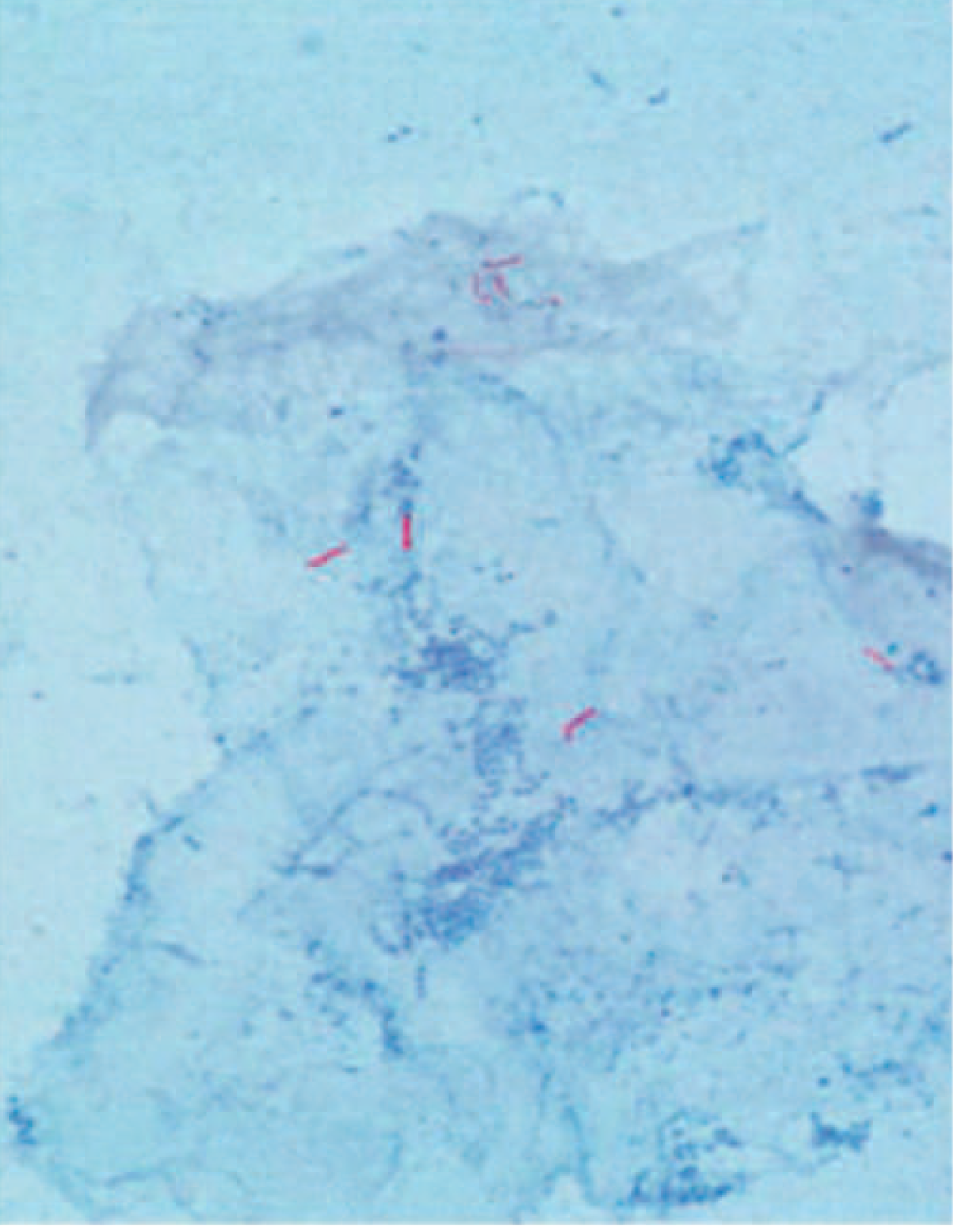
2. Epidemiology
- TB is the #1 cause of death from a single infectious agent (returned to top after COVID-19 temporarily displaced it in 2020-2022)
- Population genomic studies: M. tuberculosis emerged ~70,000 years ago in Africa
- Highest burden: Sub-Saharan Africa, South/Southeast Asia
- WHO estimates ~10 million new TB cases/year
- Untreated TB is fatal in >70% of cases; properly treated drug-susceptible TB is curable in vast majority
3. Pathogenesis - The Sequence You Must Know
Step 1 - Inhalation: Droplet nuclei propelled by infectious patients are inhaled. The majority are trapped in upper airways by cilia. Only a small fraction (<10%) reach the alveoli.
Step 2 - Macrophage invasion:
- First cells infected: myeloid dendritic cells (earliest phase)
- Then: alveolar macrophages (alternatively activated, non-activated) phagocytose the bacilli
- Adhesion via: complement receptors, mannose receptor, IgG Fcγ receptors, type A scavenger receptors
- Surfactant protein D can prevent phagocytosis
Step 3 - Phagosome subversion (survival mechanism):
- M. tuberculosis blocks phagosome-lysosome fusion by:
- Reducing acidification (incomplete proton-ATPase assembly)
- Lipoarabinomannan (LAM) inhibits Ca²+/calmodulin pathway
- Inhibiting phosphatidylinositol 3-phosphate production (which earmarks phagosomes for maturation)
- Bacterial factors block autophagy (the cell's backup system)
- The ESX-1 secretion system (encoded in the RD1 region) mediates macrophage rupture and spread
- Bacterial replication begins → macrophage ruptures → cycle continues
Step 4 - Granuloma formation:
- TNF-α and other cytokines drive granuloma formation - a hallmark of TB
- The granuloma walls off infection. In immunocompetent hosts, 90% of infections are controlled here = latent TB infection (LTBI)
- In 10%: primary disease progresses, or reactivation occurs later in life
Virulence factors:
- katG gene: encodes catalase/peroxidase - protects against oxidative stress AND is required for isoniazid activation (loss = INH resistance)
- RD1 locus: encodes ESAT-6 and CFP-10 antigens; absent in BCG (key attenuating mutation)
- Genes encoding lipid metabolism enzymes (isocitrate lyase) aid survival in macrophages
4. Clinical Manifestations
Primary TB
- Often asymptomatic in immunocompetent hosts
- Ghon complex: peripheral parenchymal lesion + ipsilateral hilar lymph node enlargement
- In children and immunocompromised: may progress to miliary TB or tuberculous meningitis
Latent TB Infection (LTBI)
- Positive TST or IGRA without symptoms, normal CXR
- Lifetime reactivation risk: ~10% overall (5% in first 2 years)
- Risk factors for reactivation: HIV (highest risk - 5-10% per year), TNF inhibitors, silicosis, DM, renal failure, malnutrition, recent infection
Pulmonary TB (Post-primary/Reactivation)
Symptoms:
- Constitutional: fever, night sweats, weight loss, fatigue (insidious onset)
- Pulmonary: cough >2-3 weeks, hemoptysis, dyspnea, chest pain
- "Consumption" - the classic wasting appearance
Radiology:
- Upper lobe predominance (posterior segments of upper lobes, superior segments of lower lobes)
- Fibronodular infiltrates, cavitation (pathognomonic when present)
- Cavities = high organism load, high transmissibility
Extrapulmonary TB (up to 1/3 of cases)
| Site | Features |
|---|---|
| Lymph nodes (most common extrapulm) | Cervical "scrofula," painless, may fistulate |
| Pleura | Exudative effusion, high protein/lymphocytes, low glucose, ADA elevated |
| CNS (Tuberculous meningitis) | CSF: lymphocytic, elevated protein, low glucose, high pressure; very high mortality |
| Spine (Pott's disease) | Lower thoracic > lumbar; vertebral collapse, "gibbus" deformity, paraplegia |
| Pericardium | Effusion → constrictive pericarditis |
| GI | Ileocecal involvement most common; can mimic Crohn's |
| Genitourinary | "Sterile" pyuria; dysuria; nephrocalcinosis |
| Adrenal (Addison's) | Bilateral adrenal destruction |
| Miliary TB | Hematogenous dissemination; "millet seed" pattern on CXR; choroid tubercles on fundoscopy |
5. Diagnosis
Bacteriological Methods
| Test | Sensitivity | Key Points |
|---|---|---|
| AFB smear (ZN/auramine) | 40-60% | Fast, cheap, 10,000 bacilli/mL needed; does not distinguish species |
| Culture (gold standard) | >90% | Lowenstein-Jensen (solid, 4-8 wks) or MGIT liquid (1-3 wks) |
| Xpert MTB/RIF (GeneXpert) | ~90% smear+, ~70% smear- | Simultaneously detects rifampicin resistance (proxy for MDR-TB); results in 2 hours; WHO first-line recommended |
| Line Probe Assay (LPA) | High | Detects resistance to INH, RIF rapidly; used on smear-positive specimens |
| Drug susceptibility testing (DST) | Reference | Phenotypic (culture-based) or genotypic |
Immunological Methods (for LTBI)
| Test | Principle | Advantage | Disadvantage |
|---|---|---|---|
| Tuberculin Skin Test (TST/Mantoux) | Delayed hypersensitivity to PPD | Cheap, widely available | False+ with BCG, NTM; requires 2 visits; operator-dependent |
| IGRA (QuantiFERON-TB Gold, T-SPOT) | IFN-γ release to ESAT-6, CFP-10 | Not affected by BCG; 1 visit | Indeterminate results; costly |
Clinical Pearl: IGRA is preferred in BCG-vaccinated individuals and healthcare workers. TST is preferred in children <5 years.
6. Treatment
First-Line Drug-Susceptible TB (Standard Regimen)
2HRZE / 4HR (WHO standard)
- 2 months: INH (H) + Rifampicin (R) + Pyrazinamide (Z) + Ethambutol (E) - intensive phase
- 4 months: INH + Rifampicin - continuation phase
| Drug | Mechanism | Key Toxicity |
|---|---|---|
| Isoniazid (INH) | Inhibits mycolic acid synthesis (enoyl-ACP reductase, InhA) | Hepatotoxicity, peripheral neuropathy (prevent with B6/pyridoxine), drug-induced lupus, sideroblastic anemia |
| Rifampicin | Inhibits bacterial RNA polymerase (rpoB) | Hepatotoxicity, orange discoloration of secretions, P450 inducer (drug interactions), flu-like syndrome with intermittent dosing |
| Pyrazinamide | Kills semi-dormant bacilli in acidic macrophage environment | Hepatotoxicity, hyperuricemia/gout, arthralgia |
| Ethambutol | Inhibits arabinosyl transferase (arabinogalactan synthesis) | Optic neuritis (check visual acuity monthly), retrobulbar neuritis - dose-dependent |
| Streptomycin | 30S ribosome inhibitor | Ototoxicity, nephrotoxicity, vestibular toxicity |
CRITICAL PEARL: Pyrazinamide is the key drug that shortened treatment from 9 to 6 months - it sterilizes the "persistent" population of semi-dormant bacilli inside macrophages.
Drug-Resistant TB
| Type | Definition | Treatment |
|---|---|---|
| INH-resistant | Resistance to INH alone | 6RZES or 6RZE; rifampicin-based |
| MDR-TB | Resistance to INH + Rifampicin | WHO BPaL(M) regimen: Bedaquiline + Pretomanid + Linezolid ± Moxifloxacin; 6 months |
| Pre-XDR-TB | MDR + resistance to any fluoroquinolone | BPaL(M) |
| XDR-TB | MDR + fluoroquinolone + one injectable resistance | BPaL; highly challenging |
New drugs:
- Bedaquiline: ATP synthase inhibitor - first new TB drug in 40 years
- Pretomanid: Nitroimidazole; requires metabolic activation
- Delamanid: Nitroimidazole; inhibits mycolic acid synthesis
LTBI Treatment
- 6H: 6 months INH (standard)
- 9H: 9 months INH (higher efficacy, especially HIV+)
- 3HP: 3 months INH + Rifapentine weekly (preferred, better adherence)
- 4R: 4 months Rifampicin alone
- 1HP: 1 month INH + Rifapentine daily (approved for certain patients)
7. TB in Special Situations
TB/HIV Co-infection (most important comorbidity):
- HIV is the strongest risk factor for developing active TB from LTBI
- Risk: 5-10% per year in HIV+ (vs 10% lifetime in HIV-)
- Clinical features in HIV+: atypical presentations - lower lobe involvement, no cavitation, negative sputum smear, extrapulmonary disease more common
- Treatment: ART + anti-TB therapy (start ART within 2-8 weeks of TB treatment; if CD4 <50 start within 2 weeks)
- Drug interactions: Rifampicin induces CYP450 → reduces levels of most antiretrovirals; prefer rifabutin as substitute or use dolutegravir-based ART
- Immune reconstitution inflammatory syndrome (IRIS): paradoxical worsening 2-8 weeks after starting ART - treat with NSAIDs or corticosteroids
Pediatric TB:
- Predominantly primary progressive disease
- High risk of meningitis and miliary disease
- Diagnosis challenging (sputum difficult to obtain)
- Gastric aspirate or induced sputum used
Pregnancy:
- INH, RIF, EMB are safe
- Pyrazinamide: WHO now recommends; some guidelines still restrict
- Streptomycin: contraindicated (ototoxicity to fetus)
8. Prevention
BCG Vaccine:
- Live attenuated M. bovis
- Highly effective against miliary TB and TB meningitis in children (~80%)
- Variable efficacy against pulmonary TB (0-80%)
- Given at birth in endemic countries
- Does not prevent infection, only severe/disseminated disease
- RD1 locus is absent in BCG - this is the key attenuating mutation
Infection Control:
- Airborne precautions (N95 respirator)
- Negative pressure rooms
- HEPA filtration
- UV irradiation
CHAPTER 184 - LEPROSY (HANSEN'S DISEASE)
1. The Organism
M. leprae:
- Obligate intracellular, AFB-staining, rod-shaped bacterium: 1-8 μm × 0.3 μm
- Has never been cultured in artificial media (only in armadillo footpads and mouse footpads)
- Doubling time: 12-14 days (extremely slow - among the slowest of all bacteria)
- Optimal temperature for growth: 27-30°C (explains predilection for skin, peripheral nerves, testes, upper airways - all cooler body areas)
- Predominantly found in macrophages and Schwann cells
- Infects 9-banded armadillos (animal reservoir)
- Bacteriologic Index (BI): 0 to 6+ (logarithmic scale measuring density of bacilli in slit-skin smear)
- Morphologic Index (MI): % of solid (viable) bacilli among all bacilli counted
Global burden:
- 174,087 new cases reported in 2022 from 182 countries
- Neglected tropical disease - often misdiagnosed or missed
- Early diagnosis prevents irreversible nerve damage
2. The Spectrum of Leprosy (Ridley-Jopling Classification)
The key concept in leprosy is the spectrum of immune response against M. leprae:
Tuberculoid (TT) ←→ Borderline (BB) ←→ Lepromatous (LL)
[Strong CMI, few bacilli]          [Weak CMI, many bacilli]
| Feature | Tuberculoid (TT) | Borderline Tuberculoid (BT) | Mid-Borderline (BB) | Borderline Lepromatous (BL) | Lepromatous (LL) |
|---|---|---|---|---|---|
| CMI to M. leprae | Strong | Moderate-strong | Moderate | Moderate-weak | Absent |
| Bacilli (BI) | 0-1+ | 1-2+ | 2-3+ | 3-4+ | 5-6+ |
| Skin lesions | 1-3, well-defined | Few, asymmetric | Several, irregular | Many, less defined | Numerous, symmetric |
| Nerve involvement | Few, thickened, early | Moderate | Variable | Moderate | Diffuse, late |
| Skin sensation | Markedly reduced | Moderately reduced | Variable | Slightly reduced | May be intact (early) |
| Lepromin test | Strongly positive | Positive | Negative | Negative | Negative |
WHO Classification (clinical use):
- Paucibacillary (PB): 1-5 skin patches (includes TT, BT)
- Multibacillary (MB): >5 skin patches (includes BB, BL, LL)
3. Clinical Features
Skin Lesions:
- Hypopigmented or erythematous macules/plaques
- ALWAYS check sensation - loss of sensation within the lesion is pathognomonic
- Lepromatous: diffuse nodules, plaques, "leonine facies" (diffuse facial infiltration)
- Madarosis (loss of lateral eyebrows)
Nerve Involvement (hallmark and most disabling):
- Superficial peripheral nerves at anatomical "cooling" points:
- Ulnar nerve - at elbow (claw hand - 4th, 5th fingers)
- Median nerve - carpal tunnel (claw thumb, thenar wasting)
- Common peroneal nerve - fibular head (foot drop)
- Radial nerve - spiral groove (wrist drop)
- Facial nerve - zygomatic arch (lagophthalmos - inability to close eye → corneal damage)
- Greater auricular nerve - neck (palpable thickening)
- Posterior tibial nerve - plantar anesthesia → neuropathic ulcers
Eye involvement: Lagophthalmos, keratitis, iritis, cataracts - major cause of blindness
Leonine facies + saddle nose: Lepromatous infiltration of face and nasal cartilage
Testicular involvement (LL): Azoospermia, gynecomastia
4. Leprosy Reactions (Major Clinical Emergency)
These are acute inflammatory episodes that cause nerve damage - must be recognized and treated urgently.
Type 1 Reaction (Reversal Reaction):
- Occurs in borderline (BT, BB, BL) - the immune "upgrade"
- Sudden increase in cell-mediated immunity
- Existing lesions become inflamed, edematous, tender
- New nerve function loss (NFI) - THE EMERGENCY
- No systemic features
- Treatment: Prednisolone 40-60 mg/day, taper over 6 months
Type 2 Reaction (Erythema Nodosum Leprosum - ENL):
- Occurs in BL/LL only (multibacillary)
- Immune complex-mediated (Type III hypersensitivity)
- Tender nodules on skin + systemic features: fever, arthritis, iritis, orchitis, dactylitis, glomerulonephritis
- Recurrent and chronic
- Treatment: Thalidomide (most effective for ENL; teratogenic), or prednisolone
- Clofazimine has anti-inflammatory effect in ENL
5. Diagnosis
| Test | Notes |
|---|---|
| Slit-skin smear | Gold standard for BI; positive in MB leprosy; negative in PB |
| Skin biopsy | Most reliable diagnosis; shows granuloma ± bacilli; AFB Ziehl-Neelsen stain |
| Lepromin test | In-vivo measure of CMI; positive in tuberculoid; not diagnostic but useful for classification |
| Nerve biopsy | Rarely needed; for pure neuritic leprosy (no skin lesion) |
| PCR | Available in reference labs; useful for PB disease where smear is negative |
Classic picture: Hypopigmented anaesthetic skin patch + thickened peripheral nerve + AFB on slit skin smear = leprosy until proven otherwise.
6. Treatment
WHO Multidrug Therapy (MDT) - Standard Regimen:
| Type | Drugs | Duration |
|---|---|---|
| Paucibacillary (PB) | Rifampicin 600 mg monthly (supervised) + Dapsone 100 mg daily | 6 months |
| Multibacillary (MB) | Rifampicin 600 mg monthly + Clofazimine 300 mg monthly + Dapsone 100 mg daily + Clofazimine 50 mg daily | 12 months |
Drug Mechanisms and Side Effects:
| Drug | Mechanism | Key Side Effect |
|---|---|---|
| Rifampicin | RNA polymerase inhibitor | Hepatotoxicity, orange secretions |
| Dapsone | Folate synthesis inhibitor (PABA antagonist) | Hemolytic anemia (especially G6PD deficiency), methemoglobinemia, agranulocytosis, dapsone syndrome |
| Clofazimine | Binds mycobacterial DNA; anti-inflammatory | Skin pigmentation (gray-brown/reddish), ichthyosis, GI upset; takes years to resolve |
Clinical Pearl: Clofazimine skin pigmentation is a major reason for non-adherence (cosmetically disfiguring) - counsel patients upfront.
CHAPTER 185 - NONTUBERCULOUS MYCOBACTERIAL (NTM) INFECTIONS
1. Overview
NTM = atypical mycobacteria = MOTT (Mycobacteria Other Than Tuberculosis)
- >199 identified species (growing, due to DNA sequence typing)
- Ubiquitous in soil, water, and environment
- No human-to-human transmission (with rare exception in cystic fibrosis)
- Cause disease only when host defenses are impaired or breached
2. Key Species and Clinical Syndromes
| Organism | Syndrome | Setting |
|---|---|---|
| M. avium complex (MAC) | Pulmonary disease (Lady Windermere syndrome), disseminated disease in AIDS | Bronchiectasis; CD4 <50 in HIV |
| M. kansasii | Pulmonary disease (resembles TB) | COPD, HIV |
| M. abscessus complex | Pulmonary, skin, wound infections | Cystic fibrosis, bronchiectasis |
| M. marinum | "Fish tank granuloma" - ascending nodular lymphangitis | Fish tank/aquarium exposure, swimmers |
| M. ulcerans | Buruli ulcer - painless necrotizing ulcers | West Africa, tropical regions |
| M. scrofulaceum / MAC | Cervical lymphadenitis in children | Children <5 years |
| M. fortuitum | Wound infections, pedicure-associated furunculosis | Skin inoculation, cosmetic procedures |
| M. simiae | Pulmonary | Certain aquifer water sources |
| M. xenopi / M. malmoense | Pulmonary | Northern Europe |
3. Disseminated MAC in AIDS
- Occurs when CD4 <50 cells/μL (marker of advanced immunosuppression)
- Presents with: fever, night sweats, weight loss, diarrhea, hepatosplenomegaly, elevated ALP
- Blood cultures (BACTEC/lysis-centrifugation) - most sensitive
- Treatment: Azithromycin/Clarithromycin + Ethambutol ± Rifabutin (macrolide-based combination)
- Prophylaxis: Azithromycin 1200 mg weekly when CD4 <50 (can stop once CD4 >100 on ART)
4. Pulmonary NTM Disease (Lady Windermere Syndrome)
- Typically in: post-menopausal women, tall/slender (scoliosis, pectus excavatum, mitral valve prolapse)
- Organisms: MAC most common
- Radiology: bronchiectasis with nodules in middle lobe / lingula
- Criteria for treatment (ATS/IDSA):
- Positive culture from ≥2 sputum samples, OR
- Positive culture from bronchoalveolar lavage, OR
- Positive culture from biopsy + compatible histology/radiology
- Treatment: Azithromycin/Clarithromycin + Rifampicin + Ethambutol (3-drug regimen) for ≥12 months after sputum conversion
PART II: HIV DISEASE AND AIDS
CHAPTER 208 - HIV DISEASE: AIDS AND RELATED DISORDERS
1. The Virus
HIV-1: Main global pathogen; HIV-2 predominantly in West Africa (less virulent, lower transmissibility)
Virus structure:
- Retrovirus (family Retroviridae, genus Lentivirus)
- Enveloped; 100 nm diameter
- Genome: 2 identical copies of (+)ssRNA, ~9.7 kb
- Enzymes: Reverse transcriptase (RNA→DNA), Integrase (inserts into host genome), Protease (cleaves polyprotein)
Key surface proteins:
- gp120: Surface glycoprotein; binds CD4 receptor
- gp41: Transmembrane glycoprotein; mediates membrane fusion
- CD4 receptor + CCR5 or CXCR4 co-receptor = both required for viral entry
Viral genes:
| Gene | Product | Function |
|---|---|---|
| gag | p24, p17, p7 | Structural proteins (capsid, matrix, nucleocapsid) |
| pol | RT, integrase, protease | Enzymes |
| env | gp120, gp41 | Envelope glycoproteins |
| tat | Tat | Transcriptional transactivator (essential) |
| rev | Rev | Post-transcriptional regulatory (essential) |
| vif | Vif | Counteracts APOBEC3G restriction factor |
| vpr | Vpr | G2 cell cycle arrest; nuclear import |
| vpu | Vpu | Tetherin antagonist; CD4 degradation |
| nef | Nef | Downregulates CD4/MHC-I; increases infectivity |
2. Epidemiology (2023 Data from Harrison's)
- 39.9 million people living with HIV worldwide (2023)
- 1.3 million new infections in 2023 (down 60% from peak ~3.3 million in 1995)
- ~630,000 AIDS-related deaths in 2023
- 95% of cases in low- and middle-income countries
- 53% are female globally; 1.4 million are children <15 years
- WHO Eastern and Southern Africa: Most severely affected - >1 in 20 adults (5.7%) living with HIV; accounts for >50% of global burden
- Key high-risk populations: sex workers, PWID, transgender people, MSM, prisoners, and their partners = 55% of all new infections in 2022

3. Transmission
Sexual transmission (most common globally):
- Heterosexual: dominant in sub-Saharan Africa
- MSM (men who have sex with men): dominant in high-income countries
- Risk per act: receptive anal intercourse has highest risk (~1.4%), receptive vaginal ~0.08%
- Factors increasing transmission: STIs (esp. ulcerative), high viral load, uncircumcised male partner, genital trauma
Parenteral:
- IV drug use - sharing needles
- Needlestick injuries (healthcare workers): ~0.3% risk per exposure
- Blood products (now rare with screening)
Mother-to-child (vertical):
- In utero, intrapartum (most common), breastfeeding
- Without intervention: ~25-40% transmission
- With PMTCT (prevention of mother-to-child transmission): <1-2% (ART for mother + infant prophylaxis)
Not transmitted by: casual contact, saliva, tears, insect vectors, sharing utensils
4. Replication Cycle (Step by Step)
- Attachment: gp120 binds CD4 on T cells/macrophages
- Co-receptor binding: gp120 conformational change → binds CCR5 (R5-tropic, macrophage-tropic) or CXCR4 (X4-tropic, T-cell tropic)
- Fusion: gp41 inserts into cell membrane → membrane fusion
- Uncoating: Viral core enters cytoplasm
- Reverse transcription: ssRNA → dsDNA (by reverse transcriptase; error-prone → high mutation rate)
- Nuclear import: pre-integration complex enters nucleus
- Integration: Viral integrase integrates proviral dsDNA into host chromosome → provirus (permanent; HIV reservoir)
- Transcription: Host RNA polymerase transcribes proviral DNA (Tat enhances this enormously)
- Translation: Viral mRNA translated → polyproteins
- Assembly + budding: New virions bud from cell surface
- Maturation: Protease cleaves polyproteins → infectious virion
High mutation rate: RT lacks 3'→5' proofreading exonuclease → ~1 error per cycle → genetic diversity, drug resistance, immune escape
5. Viral Dynamics (Quantitative Understanding)
- ~10¹⁰-10¹¹ virions produced and cleared daily
- Half-life of circulating virion: ~30-60 minutes
- Half-life of productively infected cells: ~1 day
- Minimum HIV-1 replication cycle in vivo: ~2 days
- Main site of HIV replication: lymphoid tissue (lymph nodes, GALT - gut-associated lymphoid tissue)
- GALT: massive depletion of CD4+ T cells occurs very early (within days to weeks of infection) - this is one of the earliest and most devastating events
Viral set point: The steady-state level of viremia at ~6-12 months post-infection is a critical prognostic marker:
- High set point → rapid progression to AIDS
- Low set point → slow progression
- Elite controllers: <50 HIV RNA copies/mL without ART (<1% of infected individuals)
6. Immunopathogenesis
CD4+ T cell destruction:
- Direct viral cytopathic effects
- Immune-mediated killing of infected cells
- Apoptosis (both infected and bystander cells)
- Chronic immune activation → "activation-induced cell death"
- Pyroptosis: caspase-1-mediated death of abortively infected CD4+ cells
Chronic immune activation (the central driver of HIV pathogenesis):
- Microbial translocation from damaged gut (LPS, bacterial products enter systemic circulation)
- Persistent viremia even at low levels
- Leads to: T cell exhaustion, monocyte activation (elevated sCD14), dysfunctional B cells, cardiovascular and end-organ damage
B cell dysfunction:
- Polyclonal hypergammaglobulinemia (despite poor specific responses)
- Poor response to vaccination
- Increased susceptibility to polysaccharide-encapsulated bacteria (pneumococcus, H. influenzae)
Monocyte/macrophage:
- Tissue macrophages serve as persistent HIV reservoir
- Brain microglial cells and pulmonary alveolar macrophages infected
- sCD14 remains elevated even with ART suppression
Natural killer (NK) cells: Decreased function and numbers in advanced HIV
Dendritic cells: Not productively infected but DC-SIGN captures HIV and transfers to CD4+ T cells (trojan horse mechanism)
7. Clinical Stages of HIV Infection
Stage 1: Acute HIV Syndrome (Primary HIV Infection)
- Occurs 2-4 weeks after infection
- Mononucleosis-like illness: fever, lymphadenopathy, pharyngitis, myalgia, headache, rash (maculopapular), oral ulcers
- Corresponds to: massive viremia (viral load >10⁶ copies/mL), sharp drop in CD4 cells
- Immune response → viremia falls → CD4 partially recovers
- This phase is often missed/undiagnosed (resembles infectious mono or flu)
- Highly infectious - viral set point is being established
Stage 2: Clinical Latency (Asymptomatic Phase)
- Duration: weeks to years (average ~10 years without ART)
- Clinically silent, but not microbiologically latent (virus actively replicates)
- CD4 count gradually declines (~50-100 cells/μL/year untreated)
- Persistent Generalized Lymphadenopathy (PGL): ≥2 extralinguinal sites >3 months; common during this phase
- Term "clinical latency" is misleading - progression is relentless even if asymptomatic
Stage 3: Symptomatic HIV (Early AIDS)
- CD4 typically 200-500 cells/μL
- Minor opportunistic conditions: thrush (oral candidiasis), hairy leukoplakia, recurrent herpes, seborrheic dermatitis, molluscum contagiosum, HSV
Stage 4: AIDS (Advanced HIV Disease)
- CD4 <200 cells/μL (US CDC definition: AIDS-defining condition OR CD4 <200)
- Highly susceptible to opportunistic infections and AIDS-defining cancers
8. AIDS-Defining Conditions (Major OIs by CD4 Count)
| CD4 Count | Opportunistic Infections/Conditions |
|---|---|
| <500 | Candida vaginitis (recurrent), oral hairy leukoplakia, Kaposi's sarcoma (early), TB, Herpes zoster (multi-dermatomal) |
| <200 | PCP (Pneumocystis pneumonia), Toxoplasma encephalitis, Cryptococcal meningitis, Histoplasmosis, Coccidioidomycosis, Cryptosporidiosis, Isosporiasis, Microsporidiosis, Progressive multifocal leukoencephalopathy (PML) |
| <100 | Cryptococcus, Toxoplasma, Bartonella |
| <50 | Disseminated MAC, CMV retinitis, CMV colitis, Aspergillosis, CNS lymphoma |
Key Opportunistic Infections (High Yield):
PCP (Pneumocystis jirovecii Pneumonia):
- Most common AIDS-defining OI in developed countries
- CD4 <200; gradual onset: dry cough, progressive dyspnea, low-grade fever
- CXR: bilateral perihilar/diffuse interstitial infiltrates ("ground glass" on CT)
- BAL with Gomori methenamine silver (GMS), Giemsa stain, or direct fluorescent antibody
- β-D-glucan elevated (non-specific but sensitive)
- Treatment: TMP-SMX (Bactrim) × 21 days (+ prednisone if PaO₂ <70 mmHg or A-a gradient >35)
- Prophylaxis: TMP-SMX when CD4 <200 (stop when CD4 >200 on ART for >3 months)
Cryptococcal Meningitis:
- CD4 typically <100
- Subacute meningitis: headache, fever, altered mental status; meningismus may be absent
- CSF: India ink positive; cryptococcal antigen (CrAg) positive in CSF and serum; mildly elevated protein, low glucose, mild lymphocytosis
- Treatment: Induction: Amphotericin B liposomal + Flucytosine × 2 weeks → Consolidation: Fluconazole 400 mg/day × 8 weeks → Maintenance: Fluconazole 200 mg/day indefinitely (until CD4 >200)
- Raised ICP: serial lumbar punctures; may need lumbar drain or VP shunt
- Start ART 4-6 weeks after starting antifungals (to avoid IRIS)
Toxoplasma Encephalitis:
- CD4 <100; reactivation of latent Toxoplasma gondii
- Multiple ring-enhancing lesions on MRI (T1+gadolinium), often at basal ganglia
- Clinically: headache, focal neurological deficits, fever, altered sensorium
- Serum Toxoplasma IgG positive (primary infection vs reactivation)
- Treatment: Pyrimethamine + Sulfadiazine + Folinic acid × 6 weeks → maintenance
- Prophylaxis: TMP-SMX (double strength) when CD4 <100 + Toxo IgG positive
CMV Retinitis:
- CD4 <50; most common cause of blindness in AIDS
- "Pizza pie" or "brush fire" appearance on fundoscopy: yellow-white areas with hemorrhages along vessels
- Painless visual loss, "floaters," visual field defects
- Treatment: Ganciclovir (IV or intravitreal) or Valganciclovir (oral)
Disseminated MAC:
- CD4 <50; fever, night sweats, weight loss, diarrhea, hepatosplenomegaly, elevated ALP
- Blood cultures most sensitive (BACTEC)
- Treatment: Clarithromycin + Ethambutol ± Rifabutin
- Prophylaxis: Azithromycin 1200 mg/week when CD4 <50
HIV Wasting Syndrome (AIDS-defining):
-
10% involuntary weight loss + chronic diarrhea OR fever >30 days
Progressive Multifocal Leukoencephalopathy (PML):
- JC virus reactivation; CD4 <100-200
- MRI: multifocal white matter lesions without mass effect or enhancement
- Treatment: No specific therapy; ART (immune reconstitution is the treatment)
AIDS-Defining Cancers:
| Cancer | Notes |
|---|---|
| Kaposi's Sarcoma (HHV-8) | Violaceous skin lesions, mucosal, visceral involvement; most common AIDS cancer in MSM |
| Non-Hodgkin Lymphoma | EBV-associated; high-grade B-cell; CNS lymphoma is AIDS-defining |
| Invasive Cervical Carcinoma | HPV-related; now included as AIDS-defining |
9. Diagnosis of HIV
| Test | Use | Notes |
|---|---|---|
| 4th-gen HIV Ag/Ab combo test | Preferred initial test | Detects HIV-1/2 Ab + HIV-1 p24 Ag; window period ~18-45 days; WHO and CDC recommended |
| HIV RNA (viral load) | Acute HIV (window period), monitoring ART | Can detect infection before antibodies form; <50 copies/mL = undetectable on ART |
| CD4+ T cell count | Staging, OI risk assessment, ART monitoring | Normal: 500-1500 cells/μL; AIDS: <200 |
| Western Blot / HIV-1/2 differentiation | Confirmatory | Now largely replaced by differentiation immunoassay |
| Genotypic resistance testing | Before starting ART, virologic failure | Detects mutations conferring drug resistance |
WHO testing approach (for resource-limited settings): Serial rapid tests; three reactive tests = HIV positive
U=U (Undetectable = Untransmittable): People with HIV who maintain undetectable viral load on ART cannot sexually transmit HIV. This is now scientifically established.
10. Antiretroviral Therapy (ART)
When to Start
- ALL people with HIV should start ART regardless of CD4 count (current WHO and US guidelines)
- Urgent initiation (within hours-days): symptomatic disease, pregnancy, TB, OIs (with some exceptions like cryptococcal meningitis)
Classes of Antiretroviral Drugs
| Class | Examples | Mechanism | Key Toxicities |
|---|---|---|---|
| NRTI (Nucleoside RT Inhibitors) | Tenofovir (TDF, TAF), Emtricitabine (FTC), Lamivudine (3TC), Abacavir (ABC), Zidovudine (AZT) | Incorporated into viral DNA → chain termination | TDF: nephrotoxicity, bone loss; AZT: anemia, myopathy; ABC: hypersensitivity (HLA-B*5701); 3TC/FTC: well tolerated |
| NNRTI (Non-Nucleoside RT Inhibitors) | Efavirenz (EFV), Nevirapine, Rilpivirine, Doravirine | Bind allosteric site on RT → conformational change | EFV: CNS effects (dreams, dizziness), teratogenicity; Nevirapine: hepatotoxicity, rash (Stevens-Johnson); Rilpivirine: requires food/acid pH |
| PI (Protease Inhibitors) | Atazanavir, Darunavir, Lopinavir/r | Prevent polyprotein cleavage → immature virions | Metabolic: dyslipidemia, lipodystrophy, insulin resistance, GI; require boosting with ritonavir or cobicistat |
| INSTI (Integrase Strand Transfer Inhibitors) | Dolutegravir (DTG), Bictegravir (BIC), Raltegravir, Elvitegravir, Cabotegravir | Block integration of proviral DNA | Generally well tolerated; DTG: weight gain, neural tube defects (early pregnancy concern); Raltegravir: CK elevation |
| Entry Inhibitors - Fusion | Enfuvirtide (T-20) | Binds gp41 → blocks membrane fusion | Injection site reactions; expensive |
| Entry Inhibitors - CCR5 antagonist | Maraviroc | Blocks CCR5 co-receptor | Requires tropism testing (R5 vs X4); hepatotoxicity |
| NRTTI (Nucleoside RT Translocation Inhibitor) | Islatravir | Novel mechanism | Weight loss (high dose); CD4 decline concerns being studied |
| Long-acting injectable | Cabotegravir + Rilpivirine (CAB+RPV) | INSTI + NNRTI | Monthly or every-2-months injection; game-changing for adherence |
Preferred First-Line Regimens (Current Guidelines 2025)
- DTG/TDF/FTC or DTG/TAF/FTC (dolutegravir-based) - WHO and US preferred
- BIC/TAF/FTC (bictegravir-based, single tablet regimen) - US preferred
- CAB+RPV LA (long-acting injectable) - maintenance in virologically suppressed
Goals of ART
- Viral suppression: HIV RNA <50 copies/mL within 24 weeks
- Immune reconstitution: CD4 rise typically 100-150 cells/μL/year
- Prevention of OIs
- Prevention of transmission (U=U)
- Reduction of non-AIDS morbidity (cardiovascular, renal, neurological)
Monitoring on ART
- HIV RNA: at 4 weeks, 12 weeks, every 3-6 months once suppressed
- CD4: every 6-12 months until stable >500
- Renal function, LFTs, CBC, lipids, glucose: routine
11. Immune Reconstitution Inflammatory Syndrome (IRIS)
- Occurs weeks to months after starting ART in patients with pre-existing OIs
- Immune system "wakes up" and mounts exaggerated response to residual antigens
- Two types:
- Unmasking IRIS: New OI becomes apparent after ART start
- Paradoxical IRIS: Pre-treated OI worsens after ART start
- Common IRIS presentations: worsening TB (most common), CMV retinitis, cryptococcal meningitis, herpes zoster
- Treatment: Continue ART; NSAIDs; corticosteroids for severe cases
- Prevention: For cryptococcal meningitis, delay ART 4-6 weeks; for TB with CD4 >50, delay 8 weeks
12. Prevention of HIV
Biomedical Prevention:
| Strategy | Details |
|---|---|
| PrEP (Pre-Exposure Prophylaxis) | TDF/FTC (Truvada) or TAF/FTC daily; oral or long-acting injectable CAB; highly effective (>99% when adherent) |
| PEP (Post-Exposure Prophylaxis) | Within 72 hours of exposure; 28-day course of 3-drug ART; ~80-85% effective |
| PMTCT | ART for all HIV+ pregnant women + infant prophylaxis reduces MTCT to <1-2% |
| Male circumcision | ~60% reduction in female-to-male HIV transmission |
| Condoms | Highly effective when used consistently |
| U=U | Suppressed individuals cannot transmit |
Vaccine: No approved HIV vaccine despite decades of research. Challenges include HIV genetic diversity and immune evasion mechanisms.
13. HIV and Nervous System
| Condition | Key Features |
|---|---|
| HIV-Associated Neurocognitive Disorder (HAND) | Spectrum: asymptomatic → mild neurocognitive → HIV-associated dementia; subcortical pattern (attention, processing speed, motor) |
| HIV Encephalopathy (AIDS Dementia Complex) | CD4 <100; cognitive slowing, motor dysfunction, behavioral changes; MRI: diffuse white matter changes, atrophy |
| Peripheral neuropathy | Distal sensory polyneuropathy most common; also DSPN from older ARTs (ddI, d4T) |
| Vacuolar myelopathy | Thoracic cord; progressive spastic paraparesis |
| HIV aseptic meningitis | Acute HIV syndrome; self-limiting |
| Toxoplasma encephalitis | See above |
| Cryptococcal meningitis | See above |
| PML | See above |
| CNS lymphoma | EBV; single or multiple enhancing lesions; CD4 <50 |
14. HIV and Other Systems
Cardiovascular: 2× increased risk of MI; HIV/chronic inflammation → accelerated atherosclerosis; ART (especially older PIs) contribute to dyslipidemia
Renal (HIV-Associated Nephropathy - HIVAN):
- Collapsing focal segmental glomerulosclerosis (FSGS)
- Almost exclusively in Black patients
- Rapid progression to ESRD without ART
- ART is the primary treatment
Pulmonary non-infectious: Pulmonary arterial hypertension; lymphocytic interstitial pneumonitis (LIP) - especially children
GI: Cryptosporidium, Microsporidium, CMV colitis, MAC; HIV enteropathy
Endocrine: Hypogonadism, adrenal insufficiency (CMV, MAC, rifampicin in TB/HIV), thyroid disease
15. Genetic Factors in HIV Pathogenesis
| Factor | Effect |
|---|---|
| CCR5 Δ32 homozygous | Complete resistance to R5-tropic HIV infection; rare (~1% in Northern Europeans) |
| CCR5 Δ32 heterozygous | Slowed disease progression |
| CXCR6, CCR2 variants | Associated with altered progression |
| HLA alleles (HLA-B57, B27) | Associated with elite controllers, slow progression |
| APOBEC3G | Host restriction factor; mutates viral DNA (C→U); Vif counteracts this |
| TRIM5α | Binds HIV capsid → blocks infection (in some primate species) |
| Tetherin (BST-2) | Tethers budding virions to cell surface; Vpu counteracts |
| SAMHD1 | Depletes dNTP pool → blocks reverse transcription in non-dividing cells |
Berlin Patient / London Patient: CCR5 Δ32 homozygous bone marrow transplant → apparent HIV cure. Proof of concept that CCR5 is a valid cure target.
SUMMARY TABLE: Quick Review
| Topic | Key Number / Fact |
|---|---|
| TB - organism size | 0.5 × 3 μm |
| TB - untreated mortality | >70% |
| TB - annual incidence | ~10 million/year |
| TB standard regimen | 2HRZE / 4HR |
| TB new drug | Bedaquiline (ATP synthase inhibitor) |
| BCG vaccine protects against | Miliary TB and TB meningitis (children) |
| Leprosy - organism grows at | 27-30°C (cooler body areas) |
| Leprosy - doubling time | 12-14 days |
| Leprosy - cannot be cultured | Artificial media; only footpad model |
| Leprosy PB treatment | 6 months MDT |
| Leprosy MB treatment | 12 months MDT |
| Leprosy Type 1 reaction treatment | Prednisolone |
| Leprosy Type 2 (ENL) treatment | Thalidomide |
| NTM disseminated in AIDS | CD4 <50, MAC most common |
| HIV - global prevalence 2023 | 39.9 million |
| HIV - peak incidence year | 1995 (~3.3 million/year) |
| HIV - viral load set point at | 6-12 months post-infection |
| HIV - virions produced daily | 10¹⁰ - 10¹¹ |
| AIDS definition (CD4) | <200 cells/μL |
| PCP prophylaxis threshold | CD4 <200 |
| MAC prophylaxis threshold | CD4 <50 |
| PCP treatment | TMP-SMX × 21 days |
| Cryptococcal meningitis induction | Ampho B liposomal + 5-FC |
| CMV retinitis treatment | Ganciclovir / Valganciclovir |
| Preferred 1st-line ART | DTG-based or BIC-based |
| CCR5 Δ32 homozygous | Resistant to R5-tropic HIV |
| U=U concept | Undetectable = Untransmittable |
Source: Harrison's Principles of Internal Medicine, 22nd Edition (2025, McGraw-Hill) - Chapters 183 (Tuberculosis), 184 (Leprosy), 185 (Nontuberculous Mycobacterial Infections), and 208 (HIV Disease: AIDS and Related Disorders).
This teaching covers every major concept from those Harrison's chapters. Ask me to dive deeper into any section - drug resistance, a specific OI, ART regimen details, pathogenesis mechanisms, or clinical cases - and I'll go further from the book directly.Everything above comes directly from Harrison's 22nd Edition (2025). Here is what was covered:
What You Just Learned - Structure
PART I: Mycobacterial Diseases
Chapter 183 - Tuberculosis:
- Organism (M. tuberculosis complex, acid-fastness, cell wall)
- Epidemiology (global burden, mortality)
- Full pathogenesis sequence (inhalation → macrophage invasion → phagosome subversion → granuloma)
- Clinical manifestations (primary, LTBI, pulmonary, every extrapulmonary site)
- Diagnosis (smear, culture, GeneXpert, TST vs IGRA)
- Treatment (2HRZE/4HR, all drug mechanisms and toxicities, MDR-TB regimens, LTBI treatment)
- Special situations (TB/HIV, IRIS, pediatric, pregnancy)
- Prevention (BCG, infection control)
Chapter 184 - Leprosy:
- Organism (M. leprae, cannot be cultured, temperature preference)
- Ridley-Jopling spectrum (TT to LL) with immune basis
- WHO classification (PB vs MB)
- Clinical features (skin, nerve involvement, specific nerves and deficits)
- Leprosy reactions (Type 1 reversal vs Type 2 ENL - emergency management)
- Treatment (MDT regimens, drug toxicities including clofazimine pigmentation)
Chapter 185 - NTM:
- Key species and their syndromes
- Disseminated MAC in AIDS
- Lady Windermere syndrome
- ATS diagnostic criteria
- Treatment principles
PART II: HIV/AIDS
Chapter 208 - HIV Disease:
- Virus structure, genome, all regulatory genes
- 2023 global epidemiology
- Transmission routes and risks
- Full replication cycle (step by step)
- Viral dynamics (set point, virion half-life, daily production)
- Immunopathogenesis (CD4 destruction, chronic immune activation, B/NK/monocyte dysfunction)
- Clinical stages (acute → latency → AIDS)
- AIDS-defining OIs by CD4 threshold with treatments
- Diagnosis (4th-gen testing, viral load, CD4)
- All ART drug classes with mechanisms and toxicities
- Preferred first-line regimens
- IRIS
- Prevention (PrEP, PEP, PMTCT, U=U)
- Neurological complications
- Other organ involvement (cardiovascular, renal HIVAN)
- Host genetic factors (CCR5Δ32, HLA, restriction factors)
Ask me anything to go deeper on any topic - I can pull more specific passages from the book directly.
Important one liner for mcq exams
Here are all the high-yield one-liners for MCQ exams, drawn directly from Harrison's chapters on Mycobacterial Diseases and HIV/AIDS:
MCQ ONE-LINERS: MYCOBACTERIAL DISEASES & HIV/AIDS
🦠 TUBERCULOSIS
- M. tuberculosis is acid-fast due to high mycolic acid content in cell wall
- M. tuberculosis is neutral on Gram stain (neither Gram+ nor Gram-)
- M. tuberculosis size: 0.5 × 3 μm
- M. bovis is characteristically resistant to pyrazinamide
- M. tuberculosis emerged ~70,000 years ago in Africa
- Untreated TB is fatal in >70% of cases
- TB returned as #1 infectious killer after COVID-19 displaced it in 2020-22
- First cells affected after inhalation: myeloid dendritic cells (before alveolar macrophages)
- M. tuberculosis survives in macrophage by blocking phagosome-lysosome fusion
- Phagosome-lysosome fusion is blocked via Ca²+/calmodulin pathway inhibition by LAM (lipoarabinomannan)
- ESX-1 secretion system (encoded in RD1 locus) mediates macrophage rupture
- RD1 locus is absent in BCG - this is the key attenuating mutation
- katG gene encodes catalase/peroxidase - required for INH activation; loss = INH resistance
- ESAT-6 and CFP-10 are the two key antigens encoded by RD1 (used in IGRA)
- Surfactant protein D prevents phagocytosis of M. tuberculosis
- Only <10% of inhaled bacilli reach the alveoli
- Lifetime risk of reactivation from LTBI: ~10% overall
- HIV increases TB reactivation risk to 5-10% per year
- BCG is highly effective against miliary TB and TB meningitis in children (~80%)
- BCG has variable efficacy (0-80%) against pulmonary TB
- Upper lobe predominance in post-primary TB: posterior segments of upper lobes + superior segments of lower lobes
- Most common extrapulmonary TB site: lymph nodes (scrofula)
- Spinal TB (Pott's disease): lower thoracic > lumbar spine most affected
- Ileocecal TB can mimic Crohn's disease
- Genitourinary TB: classic "sterile pyuria" (pyuria with negative routine cultures)
- Miliary TB: "millet seed" pattern on CXR; choroid tubercles on fundoscopy
- ADA (adenosine deaminase) is elevated in tuberculous pleural effusion
- Xpert MTB/RIF gives results in 2 hours and simultaneously detects rifampicin resistance
- IGRA is preferred over TST in BCG-vaccinated individuals
- TST is preferred over IGRA in children <5 years
- TST false positive causes: BCG vaccination, NTM infection
- Standard TB regimen: 2HRZE / 4HR (2 months intensive + 4 months continuation)
- Pyrazinamide is the drug responsible for shortening treatment from 9 to 6 months
- Pyrazinamide kills semi-dormant bacilli in acidic macrophage environment
- Isoniazid mechanism: inhibits mycolic acid synthesis (InhA enzyme, enoyl-ACP reductase)
- Isoniazid toxicity: peripheral neuropathy (prevent with pyridoxine/B6), hepatotoxicity
- Rifampicin mechanism: inhibits bacterial RNA polymerase (rpoB)
- Rifampicin is a CYP450 inducer - major drug interactions (reduces levels of ARVs, warfarin, OCP)
- Rifampicin causes orange discoloration of urine, tears, sweat
- Ethambutol mechanism: inhibits arabinosyl transferase (arabinogalactan synthesis)
- Ethambutol toxicity: optic neuritis (dose-dependent; check visual acuity monthly)
- Pyrazinamide toxicity: hepatotoxicity, hyperuricemia/gout
- Streptomycin is contraindicated in pregnancy (fetal ototoxicity)
- MDR-TB = resistance to INH + Rifampicin
- XDR-TB = MDR + fluoroquinolone + one injectable resistance
- Bedaquiline = first new TB drug in 40 years; mechanism: ATP synthase inhibitor
- WHO MDR-TB regimen: BPaL(M) = Bedaquiline + Pretomanid + Linezolid ± Moxifloxacin for 6 months
- LTBI shortest regimen: 1HP (1 month INH + Rifapentine daily)
- LTBI best-adherence regimen: 3HP (3 months weekly INH + Rifapentine)
- In TB/HIV: start ART within 2 weeks if CD4 <50; 8 weeks if CD4 >50
- In TB/HIV: prefer rifabutin over rifampicin to avoid ART drug interactions
- IRIS = paradoxical worsening 2-8 weeks after starting ART in TB/HIV; treat with NSAIDs/corticosteroids
🟤 LEPROSY (HANSEN'S DISEASE)
- Leprosy caused by M. leprae - an obligate intracellular AFB
- M. leprae cannot be cultured on artificial media (only in armadillo footpads/mouse footpads)
- M. leprae doubling time: 12-14 days (one of the slowest-growing bacteria)
- M. leprae optimal temperature: 27-30°C - explains predilection for skin, peripheral nerves, testes, upper airways
- M. leprae predominantly infects macrophages and Schwann cells
- Global leprosy cases in 2022: 174,087 from 182 countries
- Tuberculoid leprosy: strong CMI, few bacilli (1-3 well-defined skin lesions)
- Lepromatous leprosy: absent CMI, many bacilli (BI 5-6+), numerous symmetric lesions
- Lepromin test: positive in tuberculoid, negative in lepromatous
- WHO Paucibacillary = 1-5 skin patches (TT, BT)
- WHO Multibacillary = >5 skin patches (BB, BL, LL)
- Hallmark of leprosy diagnosis: anaesthetic skin patch (loss of sensation within lesion)
- Leonine facies = diffuse lepromatous infiltration of face
- Madarosis = loss of lateral eyebrows in lepromatous leprosy
- Lagophthalmos (inability to close eye) = facial nerve involvement → corneal damage → blindness
- Ulnar nerve at elbow → claw hand (4th, 5th fingers)
- Common peroneal nerve at fibular head → foot drop
- Posterior tibial nerve → plantar anesthesia → neuropathic ulcers
- Type 1 (Reversal) Reaction: occurs in borderline leprosy, sudden increase in CMI, existing lesions inflame, nerve function loss is the emergency
- Type 1 reaction treatment: Prednisolone 40-60 mg/day for 6 months
- Type 2 (ENL) Reaction: immune complex-mediated (Type III hypersensitivity), only in BL/LL, systemic features
- ENL treatment: Thalidomide (most effective; teratogenic) or prednisolone
- Clofazimine has anti-inflammatory effect in ENL
- PB leprosy treatment: Rifampicin + Dapsone × 6 months
- MB leprosy treatment: Rifampicin + Clofazimine + Dapsone × 12 months
- Dapsone toxicity: hemolytic anemia (especially in G6PD deficiency), methemoglobinemia
- Clofazimine toxicity: gray-brown skin pigmentation (major cause of non-adherence) + ichthyosis
- Bacteriologic Index (BI): 0 to 6+, logarithmic scale, falls 1 log unit/year with MDT
- Morphologic Index (MI): % of viable (solid, uniformly stained) bacilli
🌿 NONTUBERCULOUS MYCOBACTERIA (NTM)
- NTM = >199 identified species; ubiquitous in soil and water
- NTM: no human-to-human transmission except in cystic fibrosis
- Disseminated NTM = significant immune dysfunction (CD4 <50 in HIV)
- Pulmonary NTM = associated with pulmonary structural disease (bronchiectasis), NOT systemic immunodeficiency
- M. avium complex (MAC): most common NTM in disseminated AIDS disease and pulmonary NTM
- M. marinum = "fish tank granuloma" - ascending nodular lymphangitis; aquarium/pool exposure
- M. ulcerans = Buruli ulcer - painless necrotizing ulcer; West Africa
- M. fortuitum = wound infections; pedicure-associated furunculosis
- M. kansasii = pulmonary disease resembling TB; COPD/HIV patients
- Lady Windermere syndrome = pulmonary MAC in post-menopausal, tall/slender women; middle lobe/lingula bronchiectasis
- Disseminated MAC treatment: Clarithromycin + Ethambutol ± Rifabutin
- MAC prophylaxis: Azithromycin 1200 mg/week when CD4 <50; stop when CD4 >100 on ART
🔴 HIV / AIDS
- HIV is a retrovirus (family Retroviridae, genus Lentivirus)
- HIV genome: 2 identical copies of (+)ssRNA, ~9.7 kb
- HIV surface proteins: gp120 (binds CD4) + gp41 (membrane fusion)
- HIV requires CD4 + CCR5 or CXCR4 co-receptor for entry
- R5-tropic (CCR5) = macrophage-tropic; X4-tropic (CXCR4) = T-cell tropic
- Nef = downregulates CD4 and MHC-I; increases infectivity
- Tat = transcriptional transactivator (essential for viral replication)
- Vif = counteracts host restriction factor APOBEC3G
- Vpu = counteracts tetherin; degrades CD4
- High HIV mutation rate: RT lacks 3'→5' proofreading exonuclease
- HIV virions produced daily: 10¹⁰ - 10¹¹
- Half-life of circulating HIV virion: ~30-60 minutes
- Half-life of productively infected cell: ~1 day
- Minimum HIV replication cycle in vivo: ~2 days
- Main site of HIV replication: lymphoid tissue (lymph nodes + GALT)
- GALT (gut-associated lymphoid tissue): massive CD4 depletion within days to weeks of infection
- Viral set point established at 6-12 months post-infection - key prognostic marker
- Elite controllers: <50 HIV RNA copies/mL without ART (<1% of infected individuals)
- Global HIV prevalence 2023: 39.9 million
- New HIV infections 2023: 1.3 million (down 60% from peak of 3.3 million in 1995)
- HIV peak incidence year: 1995
- Most affected region: WHO Eastern and Southern Africa (>1 in 20 adults = 5.7%)
- HIV highest risk sexual exposure: receptive anal intercourse (~1.4% per act)
- Needlestick injury HIV risk: ~0.3% per exposure
- Without PMTCT, mother-to-child transmission: 25-40%; with PMTCT: <1-2%
- Acute HIV syndrome occurs 2-4 weeks after infection
- Acute HIV: viral load >10⁶ copies/mL + sharp CD4 drop → then partial recovery
- Acute HIV resembles infectious mononucleosis (fever, pharyngitis, lymphadenopathy, rash)
- PGL (Persistent Generalized Lymphadenopathy): ≥2 extralinguinal sites >3 months; during clinical latency
- Clinical latency average duration without ART: ~10 years
- CD4 decline rate without ART: ~50-100 cells/μL/year
- AIDS definition (CDC): CD4 <200 cells/μL OR presence of AIDS-defining condition
- HIV B cell defect: polyclonal hypergammaglobulinemia + poor response to vaccination
- Microbial translocation from gut: LPS enters circulation → chronic immune activation (even on ART)
- sCD14 remains elevated even with suppressive ART = marker of residual monocyte activation
- Tissue macrophages serve as persistent HIV reservoir - obstacle to eradication
- 4th-generation HIV Ag/Ab combo test: detects HIV-1/2 Ab + HIV-1 p24 antigen; window period ~18-45 days
- U=U: Undetectable = Untransmittable (virologically suppressed cannot sexually transmit HIV)
💊 OIs BY CD4 THRESHOLD
- CD4 <500: TB, Kaposi's sarcoma, recurrent herpes zoster, oral hairy leukoplakia
- CD4 <200: PCP (start TMP-SMX prophylaxis), Toxoplasma, Cryptococcus, Histoplasma, Coccidioides, PML, Cryptosporidium
- CD4 <100: Cryptococcus, Toxoplasma, Bartonella
- CD4 <50: Disseminated MAC, CMV retinitis, CNS lymphoma, Aspergillosis
🫁 OI TREATMENT ONE-LINERS
- PCP treatment: TMP-SMX × 21 days; add prednisone if PaO₂ <70 mmHg or A-a gradient >35
- PCP prophylaxis: TMP-SMX when CD4 <200; stop when CD4 >200 on ART for >3 months
- PCP diagnosis: BAL with GMS (Gomori methenamine silver) or direct fluorescent antibody
- PCP CXR: bilateral perihilar ground-glass infiltrates
- Cryptococcal meningitis CSF: India ink positive; CrAg positive; low glucose, mild lymphocytosis
- Cryptococcal meningitis induction: Amphotericin B liposomal + Flucytosine × 2 weeks
- Cryptococcal meningitis consolidation: Fluconazole 400 mg/day × 8 weeks
- Cryptococcal meningitis maintenance: Fluconazole 200 mg/day until CD4 >200
- In cryptococcal meningitis - delay ART 4-6 weeks to avoid IRIS
- Toxoplasma encephalitis: multiple ring-enhancing lesions at basal ganglia on MRI
- Toxoplasma treatment: Pyrimethamine + Sulfadiazine + Folinic acid
- Toxoplasma prophylaxis: TMP-SMX DS when CD4 <100 + Toxo IgG positive
- CMV retinitis: "pizza pie" or "brush fire" appearance; most common cause of blindness in AIDS
- CMV retinitis treatment: Ganciclovir / Valganciclovir
- PML (progressive multifocal leukoencephalopathy): JC virus; no mass effect/enhancement on MRI; treat with ART only
- HIV Wasting Syndrome: >10% involuntary weight loss + chronic diarrhea OR fever >30 days
- Kaposi's sarcoma: caused by HHV-8; violaceous lesions; most common AIDS cancer in MSM
💉 ART ONE-LINERS
- ALL people with HIV should start ART regardless of CD4 count
- Goal of ART: HIV RNA <50 copies/mL within 24 weeks
- NRTIs mechanism: incorporated into viral DNA → chain termination
- TDF (tenofovir) toxicity: nephrotoxicity, bone demineralization
- AZT (zidovudine) toxicity: anemia, myopathy, macrocytosis
- Abacavir hypersensitivity: screen for HLA-B*5701 before prescribing
- NNRTIs mechanism: bind allosteric site on reverse transcriptase
- Efavirenz toxicity: CNS effects (vivid dreams, dizziness), teratogenicity (neural tube defects)
- Nevirapine toxicity: hepatotoxicity, Stevens-Johnson syndrome
- Rilpivirine: requires food + acidic pH for adequate absorption
- Protease inhibitors require boosting with ritonavir or cobicistat (pharmacokinetic enhancers)
- PIs cause: dyslipidemia, lipodystrophy, insulin resistance
- INSTIs (Dolutegravir, Bictegravir) mechanism: block integration of proviral DNA
- Dolutegravir concern in early pregnancy: neural tube defects (now considered low risk but counsel)
- Dolutegravir is WHO preferred first-line ART drug globally
- Maraviroc (CCR5 antagonist): requires tropism testing before use (must confirm R5-tropic virus)
- Enfuvirtide (T-20): first fusion inhibitor; gp41; injectable; expensive
- Cabotegravir + Rilpivirine LA: long-acting injectable every 1-2 months (best adherence option)
- PrEP: TDF/FTC daily reduces HIV acquisition by >99% when adherent
- PEP: must start within 72 hours; 28-day course; reduces transmission ~80-85%
- IRIS occurs weeks to months after starting ART; continue ART; treat severe cases with corticosteroids
- In TB/HIV IRIS: NSAIDs first; corticosteroids if severe
🧬 GENETIC FACTORS
- CCR5 Δ32 homozygous = complete resistance to R5-tropic HIV
- HLA-B*57 and B*27 = associated with elite controllers and slow progression
- APOBEC3G = host restriction factor that mutates HIV DNA (C→U); counteracted by Vif
- TRIM5α = binds HIV capsid; blocks infection (especially in non-human primates)
- Tetherin (BST-2) = tethers budding virions; counteracted by Vpu
- SAMHD1 = depletes dNTPs; blocks reverse transcription in non-dividing cells; counteracted by Vpx (HIV-2/SIV)
- Berlin/London patient: CCR5 Δ32 homozygous bone marrow transplant → apparent HIV cure (proof of concept)
🧠 NEURO-HIV
- HAND (HIV-Associated Neurocognitive Disorder): subcortical pattern - attention, processing speed, motor
- HIV encephalopathy = subcortical dementia (AIDS Dementia Complex); MRI: white matter changes + atrophy
- Vacuolar myelopathy: thoracic cord; progressive spastic paraparesis
- CNS lymphoma in AIDS: EBV-associated; ring-enhancing lesion; CD4 <50; treat with ART + radiation
🫀 HIV AND OTHER ORGANS
- HIVAN (HIV-Associated Nephropathy): collapsing FSGS; almost exclusively in Black patients; ART is primary treatment
- HIV increases risk of myocardial infarction × 2 (chronic inflammation → accelerated atherosclerosis)
- LIP (Lymphocytic Interstitial Pneumonitis): especially in HIV-positive children
All one-liners sourced from Harrison's Principles of Internal Medicine, 22nd Edition (2025) - Chapters 183, 184, 185, 208.
This is a shared conversation. Sign in to Orris to start your own chat.