
Collar stud abscess
Reading File
Finding Sources
Finding Sources
Reading File
Reading File
Reading File
Reading File
Reading File
Reading File
Loading Image
Loading Image
Reading File
Reading File
Here is a comprehensive account of collar stud abscess from the surgical textbooks:
Collar Stud Abscess
Definition
A collar stud abscess is a bilocular abscess consisting of two separate collections - one deep and one superficial - connected through a small defect in the intervening fascia. The narrow communicating channel resembles the neck of a collar stud (or shirt stud), giving the lesion its name. The deep component is primary; the superficial component forms secondarily after the fascia is eroded.
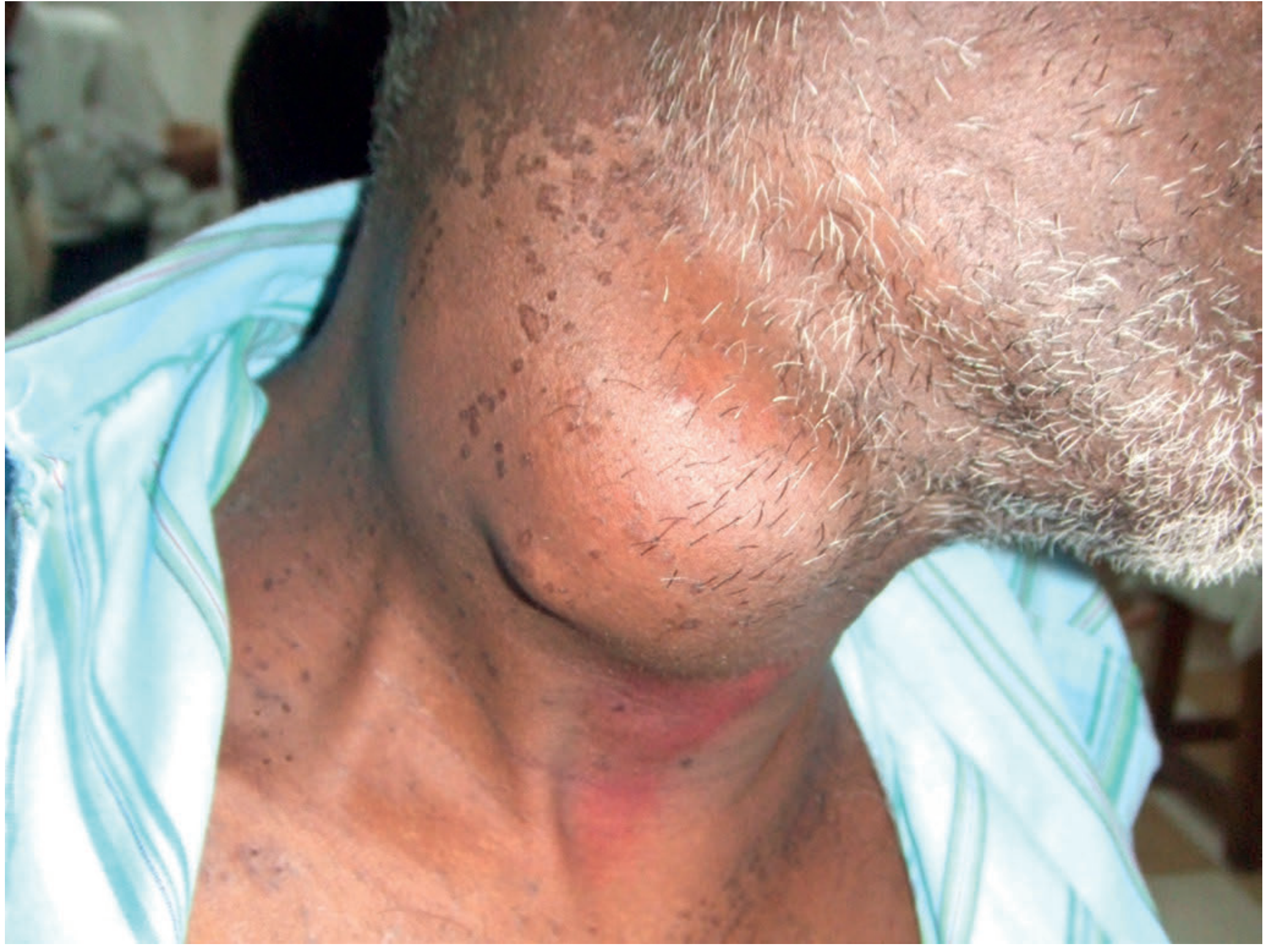
Pathogenesis
The sequence of events is:
- Primary deep infection - Suppuration begins at depth, often in a lymph node (e.g. cervical tuberculous lymphadenitis causing caseation and liquefaction).
- Fascial erosion - Over weeks to months, the pus erodes through the overlying fascia at a single point, creating a narrow communication.
- Superficial collection - Pus tracks through the defect and accumulates beneath the superficial fascia, forming the visible/palpable superficial lump.
- Cross-fluctuation - Because the two cavities communicate, pressure on one transmits fluctuation to the other - this is a key clinical sign.
- Progression - Without treatment, the superficial collection enlarges, may burst through skin, and forms a discharging sinus (in TB: a tuberculous sinus with watery discharge and undermined edges).
Classical Sites
| Site | Cause | Notes |
|---|---|---|
| Neck (cervical) | Tuberculous lymphadenitis | Most classic; deep to deep cervical fascia communicating to subcutaneous space |
| Hand - palmar | Pyogenic (subaponeurotic space infection) | Pus tracks through palmar fascia to become superficial |
| Finger / digit | Pulp space or subcutaneous abscess | Intracutaneous + subcutaneous components |
Cervical Collar Stud Abscess
The pus from a caseating cervical lymph node is initially confined by the deep cervical fascia. When the fascia erodes, pus enters the space beneath the superficial fascia, forming the collar stud configuration. Any of the cervical node groups may be involved: jugulodigastric, submandibular, supraclavicular, or posterior triangle.
Palmar Collar Stud Abscess
Infection of the subaponeurotic (deep palmar) space can track through a point in the palmar fascia to become superficial, forming a collar stud abscess - sometimes called a "dumbbell" palmar abscess.
Digital Collar Stud Abscess
An intracutaneous abscess (septic blister) on the palmar surface may communicate with a subcutaneous abscess through a small hole - this too constitutes a collar stud abscess, and the deep component must be drained simultaneously.
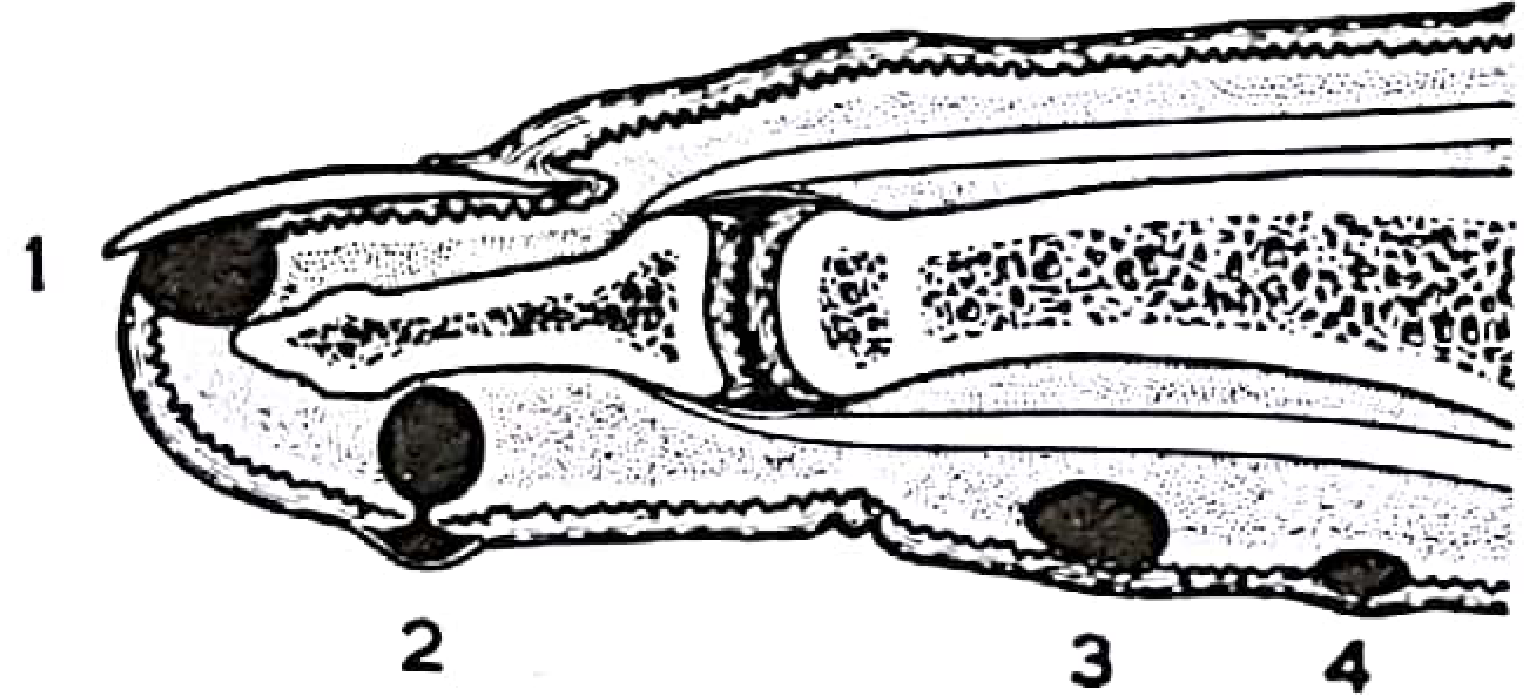
Clinical Features
- The superficial component is the presenting feature - a painless or mildly tender fluctuant swelling
- In TB: the swelling is a cold abscess - no warmth, redness, or tenderness (no features of acute inflammation)
- Cross-fluctuation is demonstrable between the two components
- If asked to press the superficial swelling, pus is seen welling up from the deeper defect
- Untreated: progressive enlargement → skin breach → discharging sinus → tuberculous ulcer with undermined edges
Causative Organisms
- Mycobacterium tuberculosis - the classic cause in the neck
- Pyogenic organisms (Staphylococcus aureus, Streptococcus) - in hand/finger lesions
Investigations (for cervical TB type)
- FNAC / aspiration of cold abscess - pus for Ziehl-Neelsen stain for acid-fast bacilli and culture & sensitivity
- Excision biopsy if still in nodal phase (part sent fresh to lab)
- Raised ESR and CRP, low haemoglobin
- Chest X-ray - assess pulmonary TB
- Mantoux / tuberculin skin test - though now largely superseded
- Interferon-gamma release assay (IGRA / QuantiFERON-TB Gold) - more specific than Mantoux; not affected by prior BCG vaccination; measures T-cell IFN-γ response to M. tuberculosis-specific antigens
- HIV test where relevant (immunocompromised patients)
- Search for a primary focus: carious teeth, septic tonsils, spinal tuberculosis (Pott's disease)
Treatment
Surgical Drainage
The key surgical principle is: both components must be drained - draining only the superficial collection leaves the deep infection untreated and a sinus will form.
Operative steps (cervical collar stud):
- General anaesthesia preferred
- Incision along a skin crease over the superficial component
- Superficial cavity is drained and the walls are rubbed out
- Pus is seen welling up from the deeper collection through the fascial defect
- Fascia is incised in the same line to access the deep collection
- Deep collection or granulation tissue is dissected or curetted away
- Swabs taken for culture (including caseous material)
- Any clearly involved lymph node is excised for histology
- Skin is lightly approximated with a few sutures around a corrugated rubber drain
Operative steps (digital/palmar collar stud):
- Tourniquet control for a bloodless field
- Superficial abscess is uncapped first
- Deep connection is gently probed then enlarged by incision through the dermis
- Pus and loose slough are evacuated; dead fat is excised
- Skin edges are cut back with scissors to form a narrow diamond-shaped opening
- No drains, no gauze wicks - dry dressing applied
Medical Treatment (for tuberculous type)
Treatment is primarily medical with anti-tuberculous chemotherapy (standard 4-drug regimen). Surgery is adjunctive for drainage and diagnosis.
Key Pitfall
If only the superficial abscess is drained without addressing the deep component, the pathological process continues and a sinus will inevitably form.
This is the classic surgical trap - the superficial lump is obvious but the surgeon must always consider and explore for a deep component communicating through the fascia.
Sources: Bailey & Love's Short Practice of Surgery 28th Ed.; Pye's Surgical Handicraft 22nd Ed.; S Das Manual on Clinical Surgery 13th Ed.
DVT prophylaxis for major surgical procedure
Finding Sources
Searching PubMed
"venous thromboembolism" AND "prophylaxis" AND "surgery"
Finding Sources
Finding Sources
Reading File
Reading File
Reading File
Finding Sources
Reading File
Reading File
Finding Sources
Reading File
Reading File
Finding Sources
Finding Sources
Reading File
Reading File
Excellent - I now have comprehensive content from multiple surgical texts. Let me compile the full answer.
DVT Prophylaxis for Major Surgical Procedures
Why It Matters
DVT occurs after approximately 25% of all major surgical procedures performed without prophylaxis, and pulmonary embolism (PE) follows in about 7%. An estimated one-third of the 150,000-200,000 VTE-related deaths per year in the United States occur following surgery. The first manifestation of VTE may be a fatal PE - and clinical examination alone is unreliable for detecting DVT before that happens.
Critically ill surgical patients have all three components of Virchow's triad:
- Endothelial injury - from surgery or trauma
- Venous stasis - immobility, tourniquet, positioning
- Hypercoagulability - cancer, sepsis, obesity, estrogen, thrombophilia
Risk Stratification
Two validated risk assessment models (RAMs) guide prophylaxis decisions in non-orthopedic surgery:
Caprini Score (most widely used)
A 31-item dynamic scoring tool validated in >250,000 patients across 100+ clinical trials. Includes patient-specific factors (age, prior VTE, thrombophilia, malignancy, obesity) and procedure-specific factors.
Rogers Score
Derived from the ACS-NSQIP dataset; uses operative variables.
| Risk Level | DVT Risk Without Prophylaxis | Rogers Score | Caprini Score | Recommended Prophylaxis |
|---|---|---|---|---|
| Very low | <0.5% | <7 | 0 | Early ambulation only |
| Low | ~1.5% | 7-10 | 1-2 | Mechanical prophylaxis (IPC or GCS) |
| Moderate | ~3.0% | >10 | 3-4 | LMWH or LDUH or mechanical |
| High | ~6% | - | ≥5 | LMWH + mechanical (combined) |
| Cancer surgery (high risk) | >6% | - | ≥5 | LMWH + mechanical + extended duration post-discharge |
(ACCP 9th Edition Evidence-Based Clinical Practice Guidelines; data from Schwartz's Principles of Surgery 11e)
Methods of Prophylaxis
A. Mechanical Methods
1. Intermittent Pneumatic Compression (IPC)
- Should commence just before surgery and continue postoperatively
- Standard of care when pharmacologic agents are contraindicated (active bleeding, coagulopathy, severe thrombocytopenia, intracranial hemorrhage)
- Used alone in low-risk settings; combined with pharmacologic agents in high-risk settings
2. Graduated Compression Stockings (GCS)
- Acceptable in low-risk settings, less effective than IPC in high-risk settings
In major open surgery, a more aggressive regimen combining sequential compression devices and pharmacologic prophylaxis is recommended over either method alone.
B. Pharmacologic Methods
| Agent | Class | Dose | Notes |
|---|---|---|---|
| UFH (low-dose) | Unfractionated heparin | 5,000 units SC q8-12h | Cheap, reversible with protamine; monitor aPTT not needed for low-dose |
| Enoxaparin (LMWH) | Low-molecular-weight heparin | 40 mg SC once daily (prophylactic); 30 mg SC q12h (higher risk/ortho) | Preferred agent; once-daily dosing; lower HIT rate than UFH |
| Dalteparin (LMWH) | Low-molecular-weight heparin | 2,500 IU then 5,000 IU SC daily | Used in abdominal/cancer surgery |
| Fondaparinux | Synthetic pentasaccharide (Xa inhibitor) | 2.5 mg SC once daily | Start 6-8h post-op; longer half-life (17-21h); no HIT; use if HIT history |
| Rivaroxaban / Apixaban | Direct oral factor Xa inhibitors | Varies | Evidence strongest in hip/knee arthroplasty; used for orthopaedic surgery |
| Warfarin (VKA) | Vitamin K antagonist | Target INR 2-3 | Older option; mainly orthopaedic; requires INR monitoring |
| Aspirin | Antiplatelet | 160 mg daily | Insufficient as sole DVT prophylaxis in general surgery; used adjunctively in arthroplasty |
Key pharmacokinetic points:
- LMWH advantages over UFH: once-daily dosing, lower risk of heparin-antibody formation (HIT), predictable pharmacokinetics, no routine lab monitoring
- Both LMWH and LDUH reduce symptomatic and asymptomatic VTE risk by 60-70%
- Fondaparinux vs. dalteparin in major abdominal surgery: comparable VTE prevention and bleeding; more effective than IPC alone but with higher bleeding rate
Timing of Initiation
| Modality | Timing |
|---|---|
| Mechanical (IPC, stockings) | Start immediately before surgery |
| Pharmacologic (LMWH/UFH) | Ideally 2-12 hours preoperatively, or within 48 hours postoperatively |
| Fondaparinux | Start 6-8 hours postoperatively |
Delays of over 24 hours in initiating pharmacologic VTE prophylaxis after major trauma/ICU admission are associated with a threefold increase in VTE.
Duration of Prophylaxis
| Scenario | Duration |
|---|---|
| Standard major surgery | Until patient is fully ambulatory / hospital discharge |
| Major cancer surgery (abdominal/pelvic) | Extended: up to 4-6 weeks post-discharge with LMWH |
| Total hip/knee arthroplasty | Minimum 10-35 days post-op |
| High-risk non-orthopaedic patients | Consider extended discharge prophylaxis |
VTE risk continues for at least 30 days after an operation. Despite early ambulation, patients remain at elevated risk.
Contraindications to Pharmacologic Prophylaxis
Absolute:
- Active bleeding
- Intracranial hemorrhage
- Coagulopathy (INR >1.5 in non-therapeutic setting)
- Severe thrombocytopenia (platelets <50,000)
Relative (case-by-case decision):
- Recent GI bleeding
- Recent surgery (especially neurosurgery, ophthalmic, spinal)
- Moderate thrombocytopenia
In patients with absolute/relative contraindications: use mechanical prophylaxis alone until the bleeding risk subsides, then add pharmacologic prophylaxis.
Special Considerations
Cancer Surgery
Cancer patients undergoing major abdominal/pelvic surgery are at particularly high VTE risk and benefit from:
- Combined LMWH + IPC intraoperatively and postoperatively
- Extended-duration LMWH post-discharge (4 weeks) - this is a strong recommendation from ACCP guidelines
Orthopaedic Surgery (Hip/Knee Arthroplasty)
Recommended agents: LMWH, fondaparinux, dabigatran, rivaroxaban, VKA, or aspirin
- Mechanical compression devices are used alongside pharmacologic agents
- Duration: minimum 10 days; consider up to 35 days for hip arthroplasty
- Stop antiplatelet agents (aspirin, clopidogrel) approximately 1 week preoperatively
Neuraxial Anaesthesia
- Neuraxial (spinal/epidural) anaesthesia reduces intraoperative bleeding (but does not independently reduce VTE incidence)
- Timing of pharmacologic prophylaxis relative to neuraxial block is important: wait 12 hours after LMWH dose before performing neuraxial block
Heparin-Induced Thrombocytopenia (HIT)
- Occurs in 1-5% of patients exposed to heparin
- Caused by IgG antibodies to heparin-PF4 complex
- 4Ts score for diagnosis: Thrombocytopenia, Timing (days 5-10), Thrombosis, oTher causes
- If suspected: stop all heparin immediately, switch to direct thrombin inhibitor (argatroban or bivalirudin) or fondaparinux
IVC Filters
- Reserved for patients with proximal DVT who cannot receive anticoagulation or who have VTE despite adequate anticoagulation
- Do not use routinely - increased rate of recurrent DVT with filters
- FDA recommends removal within 29-54 days when no longer needed; prefer retrievable filters
Quick Summary Table
| VTE Risk | Prophylaxis Strategy |
|---|---|
| Very low | Early ambulation only |
| Low | IPC ± GCS |
| Moderate | LMWH or LDUH (preferred) or IPC; if high bleed risk: IPC only |
| High | LMWH + IPC (combined); if high bleed risk: IPC until safe to add drugs |
| Cancer (high risk) | LMWH + IPC + 4 weeks extended post-discharge LMWH |
Sources: Schwartz's Principles of Surgery 11e (Table 24-3, ACCP 9th Ed. Guidelines); Campbell Walsh Wein Urology (Table 17.3); Sabiston Textbook of Surgery; Miller's Review of Orthopaedics 9e; Pye's Surgical Handicraft 22e
DVT Prophylaxis for Major Surgical Procedures
I covered this topic in detail in my previous response just above. Here is a structured summary for quick reference:
DVT Prophylaxis for Major Surgical Procedures
Risk Stratification (Caprini / Rogers Score)
| Risk Level | DVT Risk (no prophylaxis) | Caprini Score | Prophylaxis |
|---|---|---|---|
| Very low | <0.5% | 0 | Early ambulation only |
| Low | ~1.5% | 1-2 | Mechanical (IPC or GCS) |
| Moderate | ~3% | 3-4 | LMWH or LDUH or mechanical |
| High | ~6% | ≥5 | LMWH + mechanical (combined) |
| Cancer surgery | >6% | ≥5 | LMWH + mechanical + extended post-discharge |
Mechanical Methods
- IPC (Intermittent Pneumatic Compression) - start just before surgery; first-line when pharmacologic agents are contraindicated
- Graduated Compression Stockings (GCS) - adjunct; less effective alone in high-risk patients
- In major open surgery: always combine mechanical + pharmacologic for high-risk patients
Pharmacologic Agents
| Agent | Dose | Notes |
|---|---|---|
| LMWH (enoxaparin) | 40 mg SC once daily | Preferred agent; once-daily; lower HIT risk than UFH |
| LDUH (unfractionated heparin) | 5,000 U SC q8-12h | Cheap; reversible with protamine |
| Fondaparinux | 2.5 mg SC once daily | Start 6-8h post-op; no HIT; use if heparin allergy |
| Rivaroxaban/Apixaban | Varies | Mainly orthopaedic (hip/knee arthroplasty) |
| Warfarin | Target INR 2-3 | Orthopaedic; needs INR monitoring |
| Aspirin alone | - | Insufficient as sole prophylaxis in general surgery |
Both LMWH and LDUH reduce VTE risk by 60-70%. LMWH is preferred for once-daily dosing and lower HIT incidence.
Timing
| Modality | When to Start |
|---|---|
| IPC / GCS | Immediately before surgery |
| LMWH / LDUH | 2-12 hours preoperatively, or within 48h post-op |
| Fondaparinux | 6-8 hours postoperatively |
| Neuraxial block timing | Wait ≥12 hours after last LMWH dose |
Delay >24h in starting pharmacologic prophylaxis after major trauma/surgery = 3× increased VTE risk
Duration
| Scenario | Duration |
|---|---|
| Standard major surgery | Until fully ambulatory / discharge |
| Major abdominal/pelvic cancer surgery | 4-6 weeks post-discharge (LMWH) |
| Total hip arthroplasty | Minimum 10 days; consider up to 35 days |
| Total knee arthroplasty | Minimum 10 days |
Contraindications to Pharmacologic Prophylaxis
Absolute: active bleeding, intracranial hemorrhage, coagulopathy, platelets <50,000
Relative: recent GI bleed, recent neurosurgery/ophthalmic surgery, moderate thrombocytopenia
- When contraindicated: use IPC alone until pharmacologic prophylaxis is safe to add
HIT (Heparin-Induced Thrombocytopenia)
- Occurs in 1-5% of patients on heparin
- Platelet drop >50%, typically days 5-10 after heparin exposure
- Diagnose with 4Ts score → confirm with serotonin release assay
- Management: stop all heparin immediately → switch to argatroban, bivalirudin, or fondaparinux
Special Populations
- Cancer patients: highest risk group - extended 4-week LMWH post-discharge is strongly recommended
- Orthopaedic (THA/TKA): add aspirin or DOAC options; mechanical devices mandatory; stop clopidogrel ~1 week pre-op
- Obese/septic/ICU patients: standard doses may fail; consider goal-directed LMWH dose titration
Based on ACCP 9th Edition Guidelines as cited in Schwartz's Principles of Surgery 11e, Campbell Walsh Wein Urology, Sabiston Textbook of Surgery, and Miller's Review of Orthopaedics 9e
Filariasis
Finding Sources
Finding Sources
Reading File
Reading File
Reading File
Reading File
Reading File
Reading File
Finding Sources
Reading File
Reading File
Loading Image
Loading Image
Reading File
Loading Image
I now have comprehensive content from multiple authoritative sources. Here is the full account:
Filariasis
Definition & Epidemiology
Filariasis is a parasitic disease caused by thread-like filarial nematodes (roundworms), transmitted by arthropod vectors. It affects an estimated 80-120 million people worldwide. Two-thirds of those infected live in India, China, and Indonesia. According to the WHO, after leprosy, filariasis is the most common cause of long-term disability in the world.
Classification of Filarial Diseases
| Type | Causative Species | Vector | Primary Manifestation |
|---|---|---|---|
| Lymphatic filariasis | Wuchereria bancrofti (90%), Brugia malayi, Brugia timori | Mosquito (Culex, Anopheles, Aedes) | Lymphedema, elephantiasis |
| River blindness (Onchocerciasis) | Onchocerca volvulus | Black fly (Simulium) | Skin nodules, blindness |
| Loiasis (African eye worm) | Loa loa | Deer fly (Chrysops) | Calabar swellings, subconjunctival migration |
| Subcutaneous filariasis | Mansonella streptocerca | Midge | Skin manifestations |
| Serous cavity filariasis | Mansonella perstans, M. ozzardi | Midge | Abdominal/pleural involvement |
Life Cycle (Lymphatic Filariasis)
- Mosquito bite - infective L3 larvae deposited into skin
- Migration to lymphatics - larvae develop into adult male and female worms (takes ~1 year)
- Adult worms colonise lymphatic channels and lymph nodes; mate and release microfilariae
- Microfilariae enter the bloodstream - exhibit nocturnal periodicity (peak in peripheral blood at night, timed with night-biting habits of vector mosquitoes)
- Mosquito ingests microfilariae during a blood meal → larvae develop in mosquito → cycle continues
Pathogenesis
The disease manifestations result from two mechanisms:
1. Direct Mechanical Damage
Adult worms in lymphatic channels cause dilation and dysfunction of lymphatics, leading to progressive lymphedema.
2. Immune-Mediated Damage
- Th1-mediated response - granuloma formation around adult parasites in chronic lymphatic filariasis
- Th2-mediated response - IgE and eosinophils stimulated by IL-4 and IL-5; underlies tropical pulmonary eosinophilia
- Recurrent lymphangitis causes fibrosis of lymph channels → irreversible elephantiasis
Role of Wolbachia Bacteria
Symbiotic Wolbachia bacteria infect filarial nematodes and are required for nematode development and reproduction. They contribute to pathogenesis and are a therapeutic target - antibiotics that eradicate Wolbachia impair nematode survival and fertility.
Immune Evasion Mechanisms
Filarial worms produce:
- Elastases and trypsin-like proteases (tissue invasion)
- Surface glycoproteins with antioxidant function (protect from reactive oxygen species)
- Cystatins (impair MHC class II antigen-processing)
- Serpins (inhibit neutrophil proteases)
- Homologues of TGF-β and macrophage migration inhibition factor (dampen host immune response)
Clinical Features
Spectrum of Disease
1. Asymptomatic microfilaremia
Many individuals in endemic areas carry microfilariae without symptoms but have subclinical lymphatic damage detectable on ultrasound.
2. Acute Filariasis
- Episodic fever with lymphadenitis and lymphangitis
- The characteristic lymphangitis spreads centrifugally (away from the lymph node, down the limb) - distinguishing it from bacterial lymphangitis which spreads centrally
- Adult worms may occasionally be palpable subcutaneously
- Males predominantly affected (females less exposed to mosquito bites due to clothing)
3. Chronic Filariasis - Elephantiasis
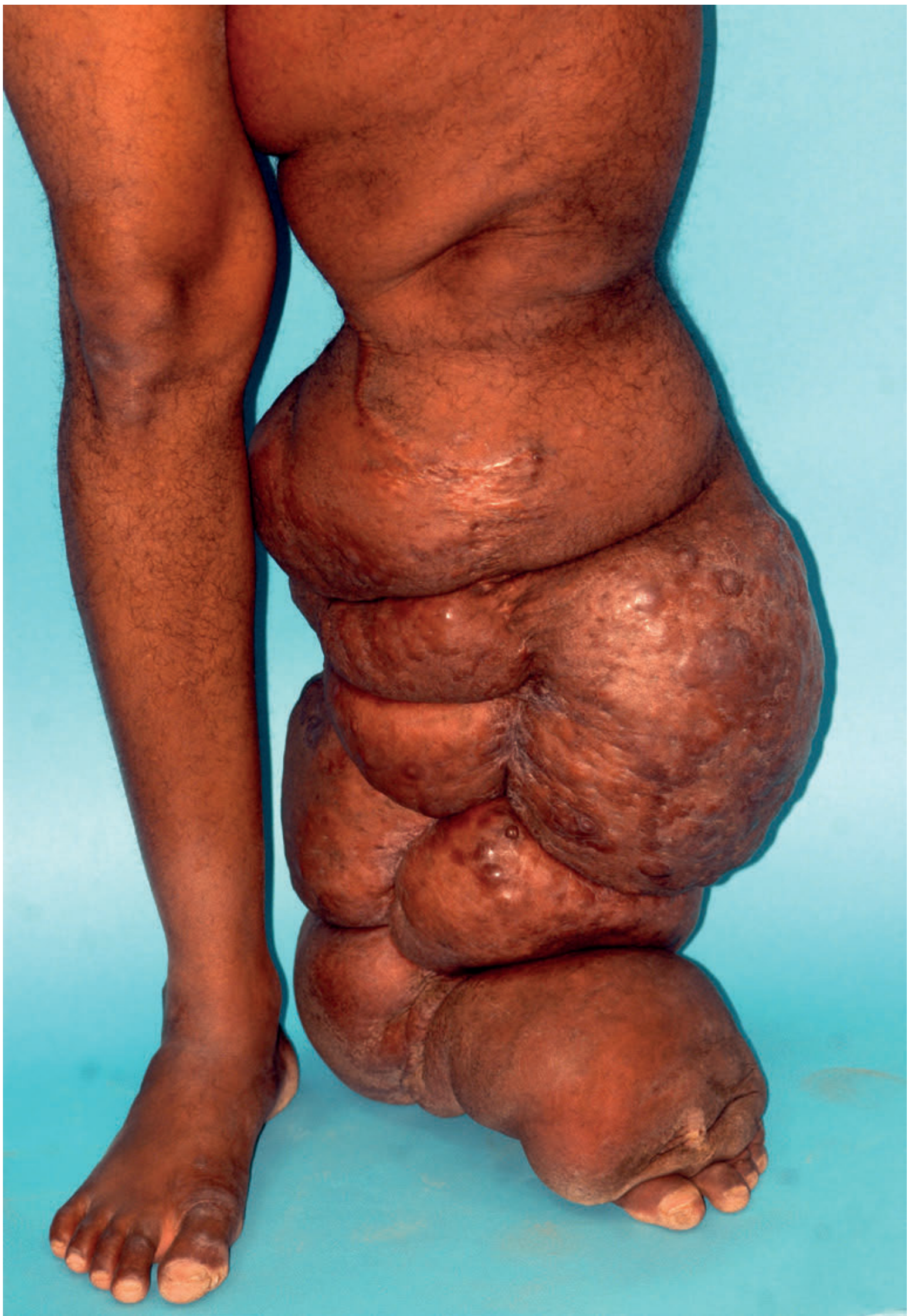
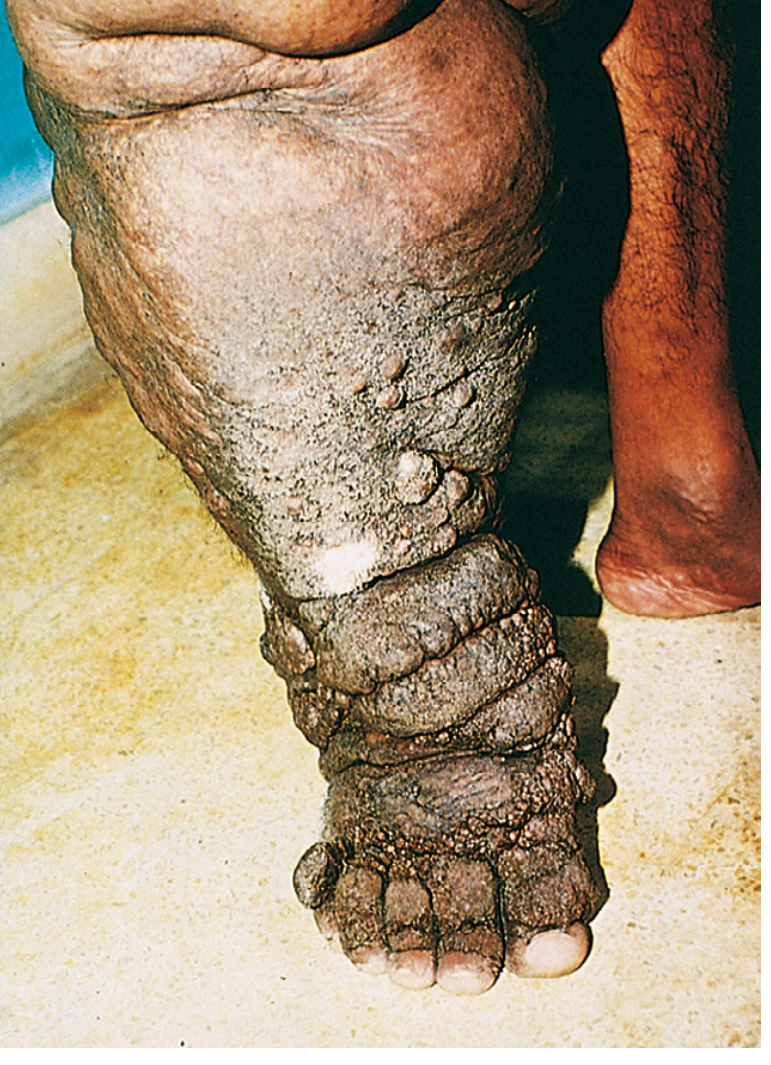
Develops after repeated acute attacks over several years:
- Massive lower limb edema - obstruction of lymphatics
- Skin thickening resembling peau d'orange (orange peel) from cutaneous lymphatic obstruction
- Tough subcutaneous fibrosis with epithelial hyperkeratosis
- Secondary streptococcal infection is common and accelerates progression
- Histology: dilated dermal lymphatics, widespread lymphocytic infiltrates, focal cholesterol deposits, thickened hyperkeratotic epidermis
4. Genital Filariasis
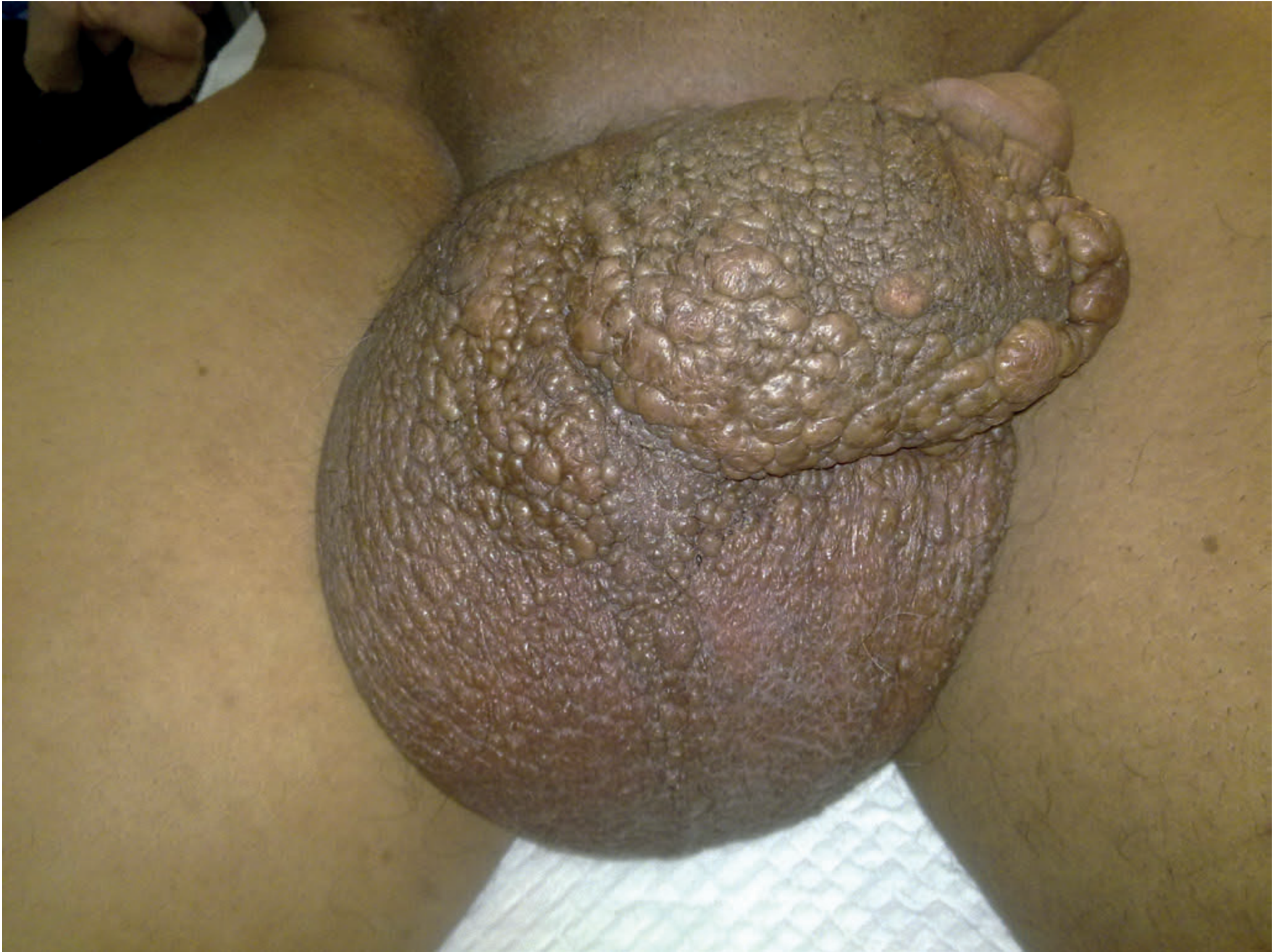
- Bilateral lower limb filariasis commonly associated with scrotal and penile elephantiasis
- Hydrocele (early manifestation - fluid in tunica vaginalis; hydrocele fluid may contain cholesterol crystals, red cells, hemosiderin)
- Chronic infection can lead to thickening and calcification of the tunica vaginalis
5. Other Manifestations
- Chyluria - chylous (milky) urine from rupture of lymphatics into urinary tract
- Chylous ascites - lymphatic rupture into peritoneum
- Tropical Pulmonary Eosinophilia (TPE) - hypersensitivity to microfilariae in the lungs; nocturnal paroxysmal cough, wheeze, low-grade fever, very high eosinophilia and IgE; diffuse interstitial infiltrates on CXR; if untreated leads to chronic restrictive lung disease
Diagnosis
Blood Smear (Gold Standard)
- Nocturnal peripheral blood smear - Giemsa-stained thick smear collected between 10 PM and 2 AM (when microfilarial count is highest due to nocturnal periodicity)
- Characteristic microfilariae: 250-320 μm in length, with sheath
- Microfilariae may also be seen in chylous urine, ascites fluid, and hydrocele fluid
Other Investigations
- Rapid immunochromatographic card test - detects circulating W. bancrofti antigen (adult worm antigen, not microfilariae); advantage: can be collected at any time of day (no nocturnal restriction); no equivalent test for Brugia infections
- PCR - highly sensitive but available only as a research tool
- Serologic antifilarial antibody tests - limited value due to cross-reactivity with other nematodes; cannot distinguish active from past infection
- Eosinophilia - peripheral blood eosinophilia is common
- D-dimer - not helpful after surgery/injury
- Scrotal ultrasound - can visualise adult worms in spermatic cord lymphatics as the "filarial dance sign" (pathognomonic - worms in constant motion)
- CXR - in TPE: diffuse interstitial infiltrates or mottled opacities; elevated IgE and antifilarial antibodies
Treatment
Individual Patient Treatment
| Drug | Indication | Dose | Mechanism |
|---|---|---|---|
| Diethylcarbamazine (DEC) | W. bancrofti, Brugia spp., Loa loa, TPE | 6 mg/kg once (or 2 mg/kg TID × 12 days) | Immobilises microfilariae, alters surface structure → exposes to host defences; partially macrofilaricidal |
| Ivermectin | Adjunct to DEC; drug of choice for onchocerciasis | 200 μg/kg single dose | Microfilaricidal |
| Albendazole | Combined regimens | 400 mg single dose | Macrofilaricidal; slow-acting but better tolerated |
| Doxycycline | Anti-Wolbachia therapy | 200 mg daily × 6 weeks | Kills endosymbiont Wolbachia → impairs nematode fertility and survival; reduces live adult worm count; may prevent early lymphedema progression |
Triple drug combination (IDA): A single dose of DEC + Albendazole + Ivermectin offers outstanding efficacy in clearing microfilaremia - now the WHO-preferred regimen in non-Loa loa regions.
For TPE: DEC 6 mg/kg/day × 14-21 days → symptoms resolve within 1 week (relapse possible).
Practical Notes
- DEC is both microfilaricidal and partially macrofilaricidal - kills microfilariae rapidly; kills adult worms slowly and incompletely (all worms eliminated in <25% of patients with single course)
- Repeated courses every 6-12 months attempted to eliminate adult worms in non-endemic patients
- Antihistamines for first few days to limit allergic reactions; corticosteroids if severe reactions occur
- Lymphedema due to established filariasis is usually NOT reversible with DEC treatment - except in very early stages
Management of Established Lymphedema
- Meticulous hygiene - wash affected limb with soap/water; prevent/treat secondary bacterial and fungal infections promptly
- Limb elevation and physiotherapy
- Elastic compression stockings
- Intermittent pneumatic compression - helpful in early limb swelling; must be repeated over prolonged periods
- Surgical reduction of limb size - rarely performed, largely unsuccessful
Surgical Management
- Hydrocele - excision and eversion of the tunica vaginalis sac with excision of redundant scrotal skin (standard operation)
- Reduction surgery for grossly enlarged limbs - rarely done; value largely unproven
Mass Drug Administration (MDA) - WHO Global Programme
The WHO Global Programme to Eliminate Lymphatic Filariasis uses annual MDA:
| Region | Regimen |
|---|---|
| Where onchocerciasis and L. loa are not endemic | DEC + Ivermectin + Albendazole (triple) |
| Where onchocerciasis is also endemic | Ivermectin + Albendazole |
| Where loiasis is endemic | Albendazole alone (DEC/ivermectin risk encephalopathy in high L. loa burden) |
DEC-fortified salt has also been used in some communities to reduce microfilaremia.
Vector control: insecticide-treated bed nets, indoor residual spraying.
Chemoprophylaxis
- Bancroftian/Malayan filariasis: DEC 50 mg monthly
- Loiasis: DEC 300 mg weekly (or 300 mg × 3 consecutive days each month)
Prognosis
- Asymptomatic microfilaremia with subclinical lymphatic damage can be halted by early treatment
- Once chronic lymphedema is established, it is not reversible with drug treatment
- Progression can be limited by hygiene, secondary infection prevention, and physiotherapy
- Hydroceles recur unless surgically treated
- Elephantiasis causes permanent, severe disability
Summary Box (Bailey & Love)
- Caused by Wuchereria bancrofti, transmitted by mosquito
- Lymphatics mainly affected, resulting in gross limb swelling
- Eosinophilia present; microfilariae seen on nocturnal peripheral blood smear
- Early cases amenable to medical treatment with DEC
- Intermittent pneumatic compression gives some relief
- Surgical procedures largely unproven and rarely performed
Sources: Bailey & Love's Short Practice of Surgery 28e; Robbins Cotran & Kumar Pathologic Basis of Disease; Goldman-Cecil Medicine; Katzung's Basic & Clinical Pharmacology 16e; Goodman & Gilman's Pharmacological Basis of Therapeutics; Harrison's Principles of Internal Medicine 22e
Types of body fluid changes
Finding Sources
Finding Sources
Finding Sources
Finding Sources
Reading File
Reading File
Reading File
Reading File
Reading File
Reading File
Reading File
Reading File
Reading File
Reading File
I have comprehensive content from Schwartz. Now I can compile the full answer covering all types of body fluid changes.
Types of Body Fluid Changes
Body Fluid Compartments - Overview
Total body water (TBW) constitutes approximately 60% of body weight in a 70 kg adult (~42 L), distributed as:
| Compartment | % of TBW | Volume (~70 kg adult) |
|---|---|---|
| Intracellular fluid (ICF) | 40% of body weight | ~28 L |
| Extracellular fluid (ECF) | 20% of body weight | ~14 L |
| - Interstitial fluid | 15% of body weight | ~10.5 L |
| - Intravascular (plasma) | 5% of body weight | ~3.5 L |
| - Transcellular (CSF, pleural, synovial, etc.) | small | ~1-2 L |
Key electrolytes by compartment:
- ICF: K⁺ is the principal cation; phosphate and protein are main anions
- ECF: Na⁺ is the principal cation; Cl⁻ and HCO₃⁻ are main anions
Normal serum osmolality: 290-310 mOsm/L
Calculated:
2[Na⁺] + (glucose/18) + (BUN/2.8)Classification of Body Fluid Changes
Disorders in fluid balance fall into three general categories:
- Volume changes - gain or loss of salt solution (isotonic)
- Concentration changes - gain or loss of free water → changes in serum sodium
- Composition changes - changes in electrolytes other than sodium (K⁺, Ca²⁺, Mg²⁺, phosphate) without major osmolality shift
Each is a distinct entity with separate mechanisms requiring individual correction. All three may coexist simultaneously.
1. VOLUME CHANGES
Isotonic gain or loss of salt solution results in extracellular volume changes only - intracellular volume is largely unaffected because there is no osmotic gradient.
A. Extracellular Volume Deficit (Hypovolemia)
The most common fluid disorder in surgical patients.
Causes:
- Loss of GI fluids: vomiting, nasogastric suction, diarrhea, fistula
- Sequestration: soft tissue injury, burns, peritonitis, bowel obstruction, prolonged surgery ("third space loss")
- Hemorrhage
- Excessive diuresis
Clinical Features:
| System | Signs & Symptoms |
|---|---|
| General | Weight loss, decreased skin turgor, sunken eyes |
| Cardiac | Tachycardia, orthostasis, hypotension, collapsed neck veins |
| Renal | Oliguria, azotemia (elevated BUN) |
| GI | Ileus |
| CNS | Altered mental status (in severe deficit) |
- Urine osmolality > serum osmolality
- Urine Na⁺ typically <20 mEq/L (kidneys conserving sodium)
- Serum sodium may be high, normal, or low (does not reliably reflect volume status)
- Acute deficit: cardiovascular and CNS signs predominate
- Chronic deficit: tissue signs (skin turgor, sunken eyes) also present
Treatment: Replace with isotonic crystalloids (Normal Saline or Lactated Ringer's); type and rate matched to fluid lost (see GI fluid composition table below)
GI Fluid Composition (important for replacement):
| Fluid | Volume (mL/24h) | Na⁺ (mEq/L) | K⁺ (mEq/L) | Cl⁻ (mEq/L) | HCO₃⁻ (mEq/L) |
|---|---|---|---|---|---|
| Stomach | 1,000-2,000 | 60-90 | 10-30 | 100-130 | 0 |
| Small intestine | 2,000-3,000 | 120-140 | 5-10 | 90-120 | 30-40 |
| Colon | - | 60 | 30 | 40 | 0 |
| Pancreas | 600-800 | 135-145 | 5-10 | 70-90 | 95-115 |
| Bile | 300-800 | 135-145 | 5-10 | 90-110 | 30-40 |
B. Extracellular Volume Excess (Hypervolemia)
Causes:
- Iatrogenic (excessive IV fluid administration)
- Renal dysfunction
- Congestive heart failure
- Cirrhosis / hypoalbuminemia
Clinical Features:
| System | Signs & Symptoms |
|---|---|
| General | Weight gain, peripheral edema |
| Cardiac | Increased cardiac output, elevated CVP, distended neck veins, murmur |
| Pulmonary | Pulmonary edema |
| GI | Bowel edema |
- Well tolerated in fit patients
- Elderly and cardiac patients may rapidly develop congestive heart failure with even moderate excess
2. CONCENTRATION CHANGES (Sodium Disorders)
Changes in serum sodium reflect changes in free water balance relative to sodium. Serum Na⁺ is inversely proportional to TBW. Free water added to or lost from the ECF crosses into the ICF until osmolarity equilibrates between compartments.
A. Hyponatremia (Serum Na⁺ < 135 mEq/L)
Occurs when there is excess extracellular water relative to sodium.
Classified by volume status:
| Volume Status | Causes |
|---|---|
| Hypervolemic (dilutional) | CHF, cirrhosis, nephrotic syndrome, excess IV hypotonic fluids, SIADH |
| Normovolemic | SIADH, postoperative ADH secretion, hypothyroidism, drugs (antipsychotics, TCAs, ACE inhibitors) |
| Hypovolemic (depletional) | GI losses (vomiting, NGT suction, diarrhea), renal losses (diuretics, primary renal disease), decreased Na intake |
Special causes:
- Pseudohyponatremia - extreme elevations in plasma lipids or proteins; no true decrease in Na⁺ relative to water
- Hyperglycemia / mannitol - osmotic dilution; correct Na for glucose: for every 100 mg/dL rise in glucose above normal, Na⁺ falls by 1.6 mEq/L
Clinical Features (all CNS-predominant due to cellular water intoxication):
- Headache, confusion
- Hyperactive or hypoactive deep tendon reflexes
- Muscle cramps/twitching, weakness, fatigue
- Anorexia, nausea, vomiting
- Seizures, coma, increased intracranial pressure (severe)
- Oliguria
Diagnosis:
- Urine Na <20 mEq/L → depletional (non-renal cause)
- Urine Na >20 mEq/L → renal sodium wasting (SIADH, renal disease)
Treatment: Gradual correction (max 10-12 mEq/L per 24h to avoid osmotic demyelination); isotonic saline for hypovolemic; fluid restriction for dilutional; hypertonic saline (3% NaCl) only for severe symptomatic cases
B. Hypernatremia (Serum Na⁺ > 145 mEq/L)
Results from loss of free water or gain of sodium in excess of water.
Classified by volume status:
| Volume Status | Causes |
|---|---|
| Hypervolemic | Iatrogenic sodium excess (NaHCO₃, hypertonic saline), mineralocorticoid excess (hyperaldosteronism, Cushing's, congenital adrenal hyperplasia); urine Na >20 mEq/L |
| Normovolemic | Central or nephrogenic diabetes insipidus, insensible losses (fever, tracheostomy, hyperventilation), diuretics |
| Hypovolemic | Nonrenal water loss (GI diarrhea, skin losses in fever), osmotic diuresis (hyperglycemia, mannitol); urine Na <20 mEq/L, urine osmolality <300-400 mOsm/L |
Pathophysiology: Water shifts from ICF to hyperosmolar ECF → cellular dehydration → traction on cerebral vessels → subarachnoid hemorrhage risk.
Symptomatic hypernatremia usually only occurs with impaired thirst or restricted access to water; symptoms rare until Na >160 mEq/L but then carry significant morbidity and mortality.
Clinical Features (CNS-predominant due to cellular dehydration):
- Restlessness, lethargy, irritability
- Ataxia, tonic spasms
- Delirium, seizures, coma
- Dry sticky mucous membranes, red swollen tongue
- Tachycardia, hypotension, syncope
- Fever
- Oliguria
Treatment: Free water replacement (oral or D5W IV); correct slowly (max 10-12 mEq/L per 24h)
3. COMPOSITION CHANGES (Electrolyte Disorders)
These involve changes in individual ions that do not significantly alter total osmolarity, thus not driving major water shifts across compartments.
A. Potassium Disorders
Only 2% of total body K⁺ is extracellular, yet this fraction is critical for cardiac and neuromuscular function. Normal ECF K⁺: 3.5-5.0 mEq/L.
Factors altering ICF/ECF K⁺ distribution: surgical stress, injury, acidosis, tissue catabolism.
Hyperkalemia (K⁺ >5.0 mEq/L)
| Category | Causes |
|---|---|
| Increased intake | Supplementation, blood transfusions, hemolysis, rhabdomyolysis, crush injury, GI hemorrhage |
| Increased release from cells | Acidosis, rapid rise in ECF osmolality (hyperglycemia, mannitol) |
| Impaired excretion | Renal failure, K⁺-sparing diuretics |
Signs: Peaked T waves → widened QRS → sine wave pattern → ventricular fibrillation; muscle weakness, paralysis
Hypokalemia (K⁺ <3.5 mEq/L)
Causes: GI losses (diarrhea, vomiting, fistulas), renal losses (diuretics, hyperaldosteronism, alkalosis), inadequate intake, insulin administration, alkalosis (K⁺ shifts intracellularly)
Signs: Muscle weakness, ileus, ECG changes (flat T waves, U waves, ST depression), predisposes to digoxin toxicity
B. Calcium, Magnesium, and Phosphate Disorders
| Disorder | Key Causes | Key Features |
|---|---|---|
| Hypercalcemia | Hyperparathyroidism, malignancy (PTHrP), prolonged immobilization | "Bones, groans, stones, psychic moans"; ECG: shortened QT |
| Hypocalcemia | Hypoparathyroidism, post-thyroid/parathyroid surgery, pancreatitis, vitamin D deficiency, massive blood transfusion | Chvostek's sign, Trousseau's sign, tetany, seizures; ECG: prolonged QT |
| Hypermagnesemia | Renal failure, excess Mg antacids/laxatives | Hyporeflexia → respiratory paralysis → cardiac arrest |
| Hypomagnesemia | GI losses, alcoholism, diuretics, malnutrition | Muscle cramps, arrhythmias, refractory hypokalemia/hypocalcemia |
| Hyperphosphatemia | Renal failure, hypoparathyroidism | Tetany (via hypocalcemia), metastatic calcification |
| Hypophosphatemia | Refeeding syndrome, malnutrition, antacid abuse, DKA treatment | Muscle weakness, respiratory failure, hemolysis, neurological dysfunction |
Summary Framework
BODY FLUID CHANGES
├── VOLUME CHANGES (isotonic)
│   ├── Deficit (Hypovolemia) ← commonest surgical fluid disorder
│   └── Excess (Hypervolemia)
│
├── CONCENTRATION CHANGES (Na⁺ / osmolality)
│   ├── Hyponatremia (Na < 135) ← excess free water relative to Na
│   └── Hypernatremia (Na > 145) ← free water deficit or Na excess
│
└── COMPOSITION CHANGES (electrolytes, no major osmolality shift)
    ├── Potassium: hyperkalemia / hypokalemia
    ├── Calcium: hypercalcemia / hypocalcemia
    ├── Magnesium: hypermagnesemia / hypomagnesemia
    └── Phosphate: hyperphosphatemia / hypophosphatemia
Clinical pearl (Schwartz): "Serum concentration does not necessarily reflect volume status - it may be high, normal, or low when a volume deficit is present." Volume and concentration are independent disorders and must be assessed and corrected separately.
Sources: Schwartz's Principles of Surgery 11e (Chapter 3: Fluid & Electrolytes); Current Surgical Therapy 14e; Guyton & Hall Medical Physiology; Goldman-Cecil Medicine
This is a shared conversation. Sign in to Orris to start your own chat.