
Secondary hypertension
Reading File
Now let me search the library and PubMed in parallel for comprehensive coverage.
Finding Sources
Searching PubMed
"secondary hypertension" AND diagnosis
Searching the Web
secondary hypertension causes diagnosis management 2025 guidelines
I have excellent hits. Let me now read the Harrison's section (most authoritative) and the Frameworks for Internal Medicine section in parallel.
Reading File
Reading File
Excellent content. Let me now read more of Harrison's (the main secondary HTN table) and more of the Frameworks sections.
Reading File
Reading File
Let me now read the key Harrison's table on secondary HTN causes and the remaining Frameworks sections on toxic/drug causes and management.
Finding Sources
Reading File
Let me read the remaining Frameworks sections on "Other" causes and management, plus the Harrison's table content.
Reading File
Reading File
I now have comprehensive content. Let me also fetch the key diagram image from Frameworks for Internal Medicine to include visually.
Loading Image
Reading File
I now have rich, comprehensive material from multiple authoritative textbooks plus current guidelines. Let me compose the full answer.
Secondary Hypertension
Secondary hypertension refers to elevated blood pressure with an identifiable, potentially reversible underlying cause. It accounts for approximately 5-10% of all hypertension cases in adults, though this figure is likely an underestimate given historical underdiagnosis of primary aldosteronism and sleep apnea. In children, secondary causes are the rule rather than the exception - up to 90% of hypertensive young children have an identifiable cause. - National Kidney Foundation Primer on Kidney Diseases, 8e
When to Suspect It
According to Harrison's (22nd ed, 2025), secondary hypertension should be considered in all patients with new-onset hypertension and specifically in established hypertensives who show:
- Treatment-resistant hypertension (BP uncontrolled on ≥3 drugs)
- Abrupt worsening of previously controlled hypertension
- Disproportionate target organ damage relative to BP level
- Suggestive lab findings - unprovoked hypokalemia, proteinuria, or unexplained LVH
Patients with resistant hypertension have particularly high rates: primary aldosteronism ~20%, renovascular disease ~25%, and OSA >50%. - NKF Primer
Classification of Causes

1. Vascular Causes
| Cause | Key Features | Diagnosis | Treatment |
|---|---|---|---|
| Renal artery stenosis | Abdominal bruit (esp. diastolic), acute renal function decline after ACEi/ARB | Doppler US (initial); conventional angiography (gold standard) | Revascularization (PTRA or stent); ACEi/ARB avoid bilaterally |
| Coarctation of the aorta | BP higher in arms than legs, rib notching on CXR, radio-femoral delay, S4 gallop | Echo, CT/MR angiography | Surgical or catheter-based repair |
| Vasculitis (e.g. PAN) | Multi-system involvement, hepatitis B association | Biopsy, angiography | Immunosuppression |
Renal artery stenosis may account for up to 20% of resistant hypertension cases. Fibromuscular dysplasia (FMD) is the most common cause in children and young women, producing the classic "string of beads" appearance on angiography. Atherosclerosis predominates in older patients. - Frameworks for Internal Medicine
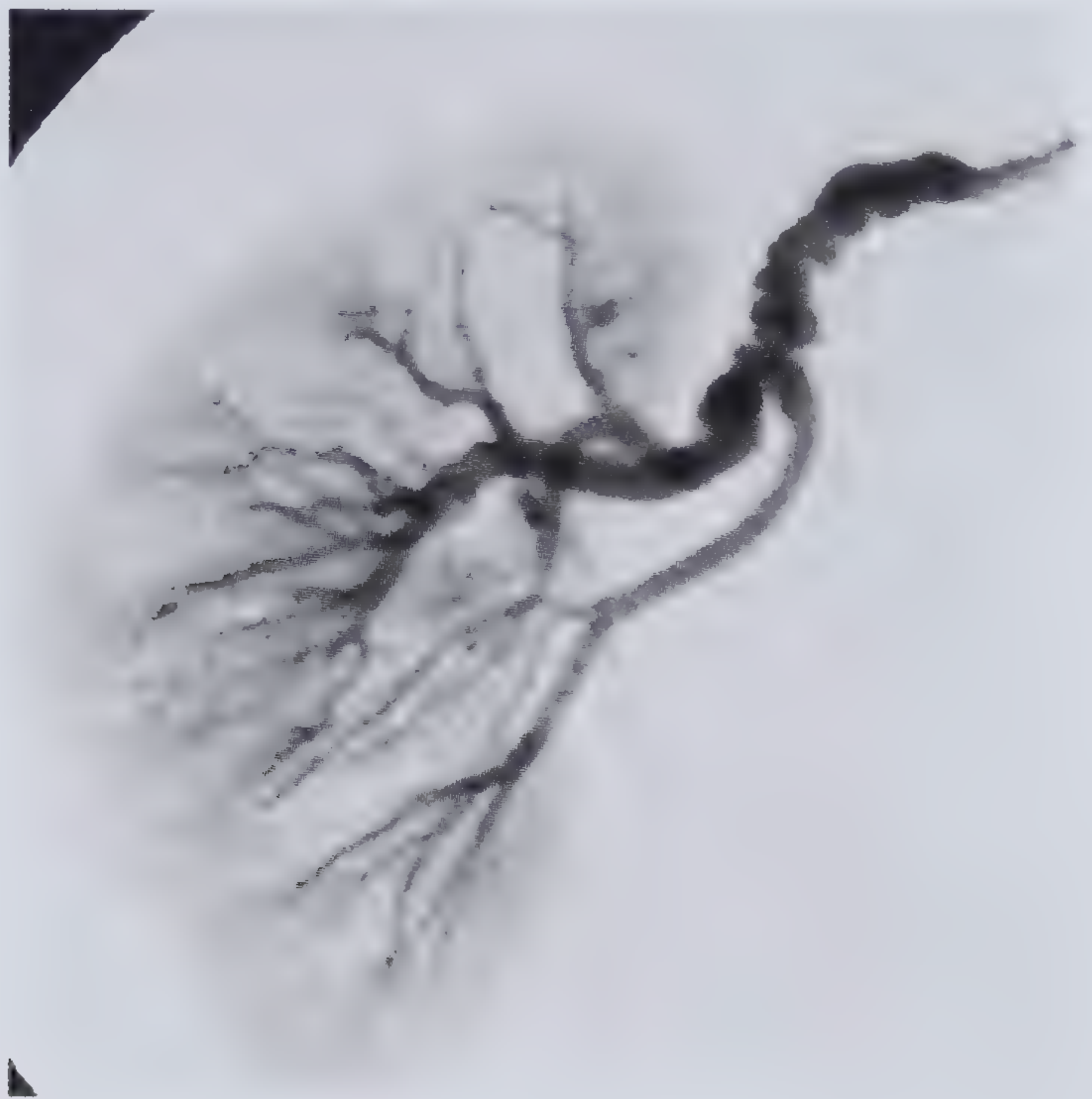
2. Endocrinologic Causes
| Cause | Prevalence | Mechanism | Screening Test | Treatment |
|---|---|---|---|---|
| Primary aldosteronism (Conn's) | Up to 10% of all hypertensives | Autonomous aldosterone excess → Na retention, K wasting | Aldosterone:renin ratio >30 | Adrenalectomy (adenoma); spironolactone (hyperplasia) |
| Obstructive sleep apnea (OSA) | Most common secondary cause overall | Intermittent hypoxia → sympathetic activation, RAAS dysregulation | Polysomnography | CPAP; weight loss |
| Pheochromocytoma | Rare (~0.2% of hypertensives) | Catecholamine excess → episodic or sustained HTN | 24h urinary metanephrines/catecholamines; plasma metanephrines | Surgical resection (after alpha-blockade) |
| Cushing's syndrome | Varies | Glucocorticoid activity at mineralocorticoid receptor | 24h urinary free cortisol (most reliable); dexamethasone suppression | Treat underlying cause (surgery, medication) |
| Hypothyroidism | ~20% of hypothyroid patients have HTN | Increased SVR, reduced cardiac output | TSH + free T4 | Thyroid hormone replacement (HTN usually resolves) |
| Hyperthyroidism | Isolated systolic HTN, wide pulse pressure | High cardiac output state | TSH + T4 | Treat thyroid disorder; beta-blockers interim |
| Hyperparathyroidism/hypercalcemia | Less common | Direct Ca-mediated increase in SVR and renal vascular resistance | Serum Ca, PTH | Treat hypercalcemia; avoid thiazides |
| Acromegaly | ~1/3 of acromegaly patients | GH/IGF-1 effects on vasculature and kidneys | Serum IGF-1 | Surgery; somatostatin analogues |
Key notes:
- Primary aldosteronism is classically associated with mild hypernatremia, hypokalemia, and metabolic alkalosis - but this triad is not always present, so the aldosterone:renin ratio should be checked regardless of potassium level (a key update in the 2025 AHA/ACC guidelines).
- OSA: more than half of US adults with OSA have hypertension; direct correlation between OSA severity and BP level/resistance.
- Cushing's: hypertension present in ~20% with iatrogenic Cushing's, but up to 95% with ectopic ACTH secretion.
3. Renal Parenchymal Disease
The most prevalent overall cause when considering all age groups. Includes:
- Chronic kidney disease (hypertension present in the majority)
- Acute glomerulonephritis
- Polycystic kidney disease
- Scleroderma renal crisis
Mechanism: sodium and water retention, RAAS activation, impaired vasodilator production. - Frameworks for Internal Medicine
4. Toxic / Drug-Induced Causes
| Agent | Mechanism / Notes |
|---|---|
| NSAIDs | Prostaglandin inhibition → Na/water retention; average +5 mmHg; more pronounced in treated hypertensives |
| Oral contraceptives | Estrogen-mediated RAAS activation; risk 2-3x higher; risk factors: gestational HTN hx, obesity, smoking |
| Glucocorticoids | Mineralocorticoid receptor activation → Na retention; respond to salt restriction + diuretics |
| Sympathomimetics (ephedrine, pseudoephedrine, methylphenidate, oxymetazoline) | Adrenergic stimulation; avoid beta-blockers (unopposed alpha-vasoconstriction risk) |
| Cocaine | Blocks norepinephrine reuptake → sympathetic surge; tachycardia + hypertension; can cause pulmonary hypertension with chronic use |
| Alcohol | Dose-dependent; HTN develops 2-3 days after withdrawal |
| Cyclosporine / tacrolimus | Vasoconstriction, renal effects |
| Erythropoietin | Increased blood viscosity and vasoconstriction |
5. Other Causes
| Cause | Details |
|---|---|
| Pregnancy | Gestational hypertension, preeclampsia, eclampsia; methyldopa is first-line agent |
| Neurologic | Increased ICP (Cushing's response), quadriplegia, dysautonomia, Guillain-Barre syndrome |
| White-coat hypertension | 24h ambulatory BP monitoring helpful for diagnosis |
Diagnostic Approach
Initial Evaluation (all hypertensive patients)
- Full history: medications (OCP, NSAIDs, steroids, sympathomimetics), snoring/witnessed apneas, headaches/palpitations/sweating (pheochromocytoma), weight gain/striae (Cushing's)
- Exam: BP in both arms, radial-femoral pulse delay, abdominal bruits, body habitus
- Basic labs: serum electrolytes (hypokalemia → aldosteronism), renal function, urinalysis, TSH, fasting glucose, lipids
Targeted Testing by Suspected Cause
| Suspected Cause | First-Line Test |
|---|---|
| Primary aldosteronism | Plasma aldosterone:renin ratio (>30 suggestive) |
| OSA | Polysomnography |
| Renal artery stenosis | Renal Doppler ultrasound |
| Pheochromocytoma | 24h urinary metanephrines or plasma metanephrines |
| Cushing's syndrome | 24h urinary free cortisol |
| Hypothyroidism/hyperthyroidism | TSH + free T4 |
| Coarctation | Echo, BP in all 4 limbs, CXR (rib notching) |
| Acromegaly | Serum IGF-1 |
Management Principles
The key principle is treating the underlying cause. Many secondary causes are potentially curative:
- Primary aldosteronism (adenoma): adrenalectomy normalizes BP in ~50%; spironolactone/eplerenone for bilateral hyperplasia
- Renal artery stenosis (FMD): percutaneous transluminal renal angioplasty (PTRA) - excellent response
- Coarctation: surgical or catheter repair
- Pheochromocytoma: surgical resection after adequate alpha-blockade (phenoxybenzamine or selective alpha-1 blocker)
- OSA: CPAP reduces BP (modest effect, more pronounced in resistant hypertension)
- Hypothyroidism: thyroid hormone replacement
- Drug-induced: discontinue offending agent where possible
Where cure is not possible, antihypertensive therapy should be tailored to the underlying mechanism (e.g., mineralocorticoid receptor antagonists for primary aldosteronism, ACEi/ARB for renovascular disease - with caution in bilateral stenosis).
2025 AHA/ACC Guideline Updates
The 2025 AHA/ACC Hypertension Guidelines introduced several key changes relevant to secondary hypertension:
- Expanded primary aldosteronism screening regardless of potassium levels (addressing longstanding underdiagnosis)
- Renal denervation introduced as a Class IIb adjunctive option for resistant hypertension
- Greater emphasis on ABPM and home BP monitoring for diagnostic accuracy
- Expanded guidance for special populations including CKD, diabetes, and pregnancy
Sources: - Harrison's Principles of Internal Medicine 22e (2025) | - Frameworks for Internal Medicine | - NKF Primer on Kidney Diseases, 8e | - Comprehensive Clinical Nephrology, 7e | 2024 ESC Hypertension Guidelines (PMID 39210715) | Endocrine Society Primary Aldosteronism Guideline 2025 (PMID 40658480)
CURB 65
CURB-65 is a clinical scoring tool used to assess severity and guide site-of-care decisions in community-acquired pneumonia (CAP). Each letter scores 1 point: Confusion, Urea >7 mmol/L, Respiratory rate ≥30/min, BP systolic <90 or diastolic ≤60 mmHg, and age ≥65. Scores range 0-5, with higher scores indicating greater 30-day mortality risk.
Searching sources...
Finding Sources
Searching PubMed
"CURB-65" AND "community-acquired pneumonia"
Searching the Web
CURB-65 score pneumonia 2025 guidelines validation
Good - let me now do a broader library search for CURB-65 content across all textbooks and read the hit found.
Finding Sources
Reading File
Now let me read the Harrison's and Fishman's sections for the detailed score table and management guidance.
Reading File
Reading File
Let me read the Murray & Nadel section for the mortality table and also the Goldman-Cecil section for additional context.
Reading File
Reading File
I now have comprehensive, authoritative content from multiple textbooks. Here is the full answer:
CURB-65
CURB-65 is a validated clinical scoring tool for assessing the severity of community-acquired pneumonia (CAP) and guiding site-of-care decisions. It was developed and validated by the British Thoracic Society (BTS) and assigns 1 point per criterion, for a maximum score of 5.
The 5 Criteria (1 point each)
| Letter | Criterion | Threshold |
|---|---|---|
| C | Confusion | New-onset disorientation to person, place, or time |
| U | Urea (blood urea nitrogen) | BUN >7 mmol/L (>20 mg/dL in US units) |
| R | Respiratory rate | ≥30 breaths/min |
| B | Blood pressure | Systolic ≤90 mmHg or diastolic ≤60 mmHg |
| 65 | Age | ≥65 years |
Note: In the US, BUN >20 mg/dL is the equivalent threshold; the original BTS study used urea >7 mmol/L.
Score Interpretation and Management
| Score | 30-day Mortality | Risk Class | Recommended Action |
|---|---|---|---|
| 0 | ~1.5% | Low | Outpatient treatment |
| 1 | ~2.7% | Low | Outpatient (consider inpatient if age ≥65 is the sole point) |
| 2 | ~9.2% | Moderate | Short inpatient admission or supervised outpatient care |
| 3 | ~17-22% | Severe | Inpatient admission; assess for ICU |
| 4 | ~41.5% | Severe | Inpatient; strong consideration for ICU |
| 5 | ~57% | Severe | ICU admission |
Key thresholds from the validation data:
-
Score 0-1: Low risk; outpatient management is generally safe
-
Score 2: Moderate risk; brief hospitalization or close outpatient follow-up
-
Score ≥3: High risk; hospitalization required; ICU consideration for score 4-5
-
Harrison's Principles of Internal Medicine 22e (2025)
Important Caveats
1. Age as a Confounding Factor
If the entire or partial contribution to the score is age ≥65 alone, hospitalization may not be necessary. Age by itself does not always indicate clinical severity - clinical context matters. - Harrison's 22e
2. Does Not Determine ICU Need
Neither CURB-65 nor PSI is accurate for ICU admission decisions. Patients with the following warrant direct ICU admission regardless of score:
- Septic shock requiring vasopressors
- Acute respiratory failure requiring mechanical ventilation
For less obvious cases, the IDSA/ATS minor criteria framework is used: ICU admission is appropriate with ≥3 of:
-
RR ≥30/min
-
PaO₂/FiO₂ ≤250
-
Multilobar infiltrates
-
Confusion/disorientation
-
BUN ≥20 mg/dL
-
WBC <4,000 cells/μL
-
Platelets <100,000 cells/μL
-
Core temperature <36°C
-
Hypotension requiring aggressive IV fluids
-
Symptom to Diagnosis, 4e; Harrison's 22e
3. Clinical Judgment Must Supplement the Score
Among patients with the same CURB-65 score, mortality in those clinically deemed to need admission was 1.7-26x higher than those felt safe for discharge. The score supports, but does not replace, clinical judgment. Additional factors to consider:
-
Inability to maintain oral intake
-
Medication compliance concerns (cognitive impairment, homelessness)
-
SpO₂ <92% on room air (independently mandates admission)
-
Severity of comorbidities relative to the score
-
Social support and barriers to follow-up
-
Symptom to Diagnosis, 4e; Fishman's Pulmonary Diseases
CURB-65 vs. Pneumonia Severity Index (PSI)
| Feature | CURB-65 | PSI |
|---|---|---|
| Variables | 5 | 20 |
| Ease of use | Simple; bedside calculable | Complex; requires labs |
| Guideline preference | British Thoracic Society | IDSA-ATS (preferred) |
| Performance | Good | Slightly superior for 30-day mortality prediction; classifies more patients as low-risk |
| Electronic integration | Easier | More difficult |
| Limitations | Less sensitive to logistic/social factors; variable performance in low/middle-income countries | Age-weighted (less useful at age extremes); not validated in children |
The PSI has more robust validation and is recommended by the IDSA-ATS guidelines, but CURB-65 is widely preferred clinically for its simplicity and ease of bedside use. - Fishman's Pulmonary Diseases and Disorders; Murray & Nadel's Textbook of Respiratory Medicine
CRB-65: The Simplified Variant
For settings where BUN measurement is not immediately available (e.g., primary care), CRB-65 omits the urea criterion. Scores of 0 carry very low mortality; scores ≥2 warrant hospital referral. It is less well-validated than CURB-65 but practically useful. - Tintinalli's Emergency Medicine
Context: Where Does CURB-65 Fit in CAP Management?
Once CURB-65 guides the site-of-care decision, management continues with:
- Outpatient (score 0-1): Amoxicillin, doxycycline, or azithromycin for 5 days (healthy adults); add coverage for drug-resistant organisms in those with comorbidities (respiratory fluoroquinolone, or beta-lactam + macrolide/doxycycline)
- Inpatient non-ICU (score 2-3): Beta-lactam + macrolide/doxycycline, or respiratory fluoroquinolone monotherapy
- ICU (score ≥4 or meets major/minor criteria): Broad-spectrum coverage including atypical organism coverage; consider MRSA/Pseudomonas risk factors
Sources: - Harrison's Principles of Internal Medicine 22e (2025) | - Fishman's Pulmonary Diseases and Disorders | - Murray & Nadel's Textbook of Respiratory Medicine | - Goldman-Cecil Medicine | - Symptom to Diagnosis, 4e | - Tintinalli's Emergency Medicine
MELD score
The MELD (Model for End-Stage Liver Disease) score is a validated tool predicting 90-day mortality in patients with chronic liver disease. It uses serum bilirubin, creatinine, and INR to calculate a score that guides liver transplant prioritization. Higher scores indicate greater short-term mortality risk.
Searching sources...
Finding Sources
Searching PubMed
"MELD score" AND "liver transplantation"
Searching the Web
MELD score MELD-Na MELD 3.0 liver transplant 2024 2025
Good. Now let me read the Sabiston section on MELD 3.0 and search for more comprehensive library content.
Reading File
Finding Sources
Excellent hits. Now let me read the Sabiston MELD section in detail and the Harrison's section.
Reading File
Reading File
Let me now read the Tietz lab medicine section for the original MELD formula and the Current Surgical Therapy section for more detail on score interpretation.
Reading File
Reading File
I have all the data I need for a comprehensive answer - including the original MELD formula, MELD-Na, MELD 3.0, the mortality table, and comparison with Child-Pugh. Let me compile the full answer now.
MELD Score (Model for End-Stage Liver Disease)
Overview
The MELD score was originally developed to predict 90-day (3-month) mortality in patients undergoing TIPS (transjugular intrahepatic portosystemic shunt) placement for complications of portal hypertension. It was later shown to accurately predict survival across a broad range of advanced liver disease states - cirrhosis with infections, variceal bleeding, cholestatic diseases, acute liver failure, and alcoholic hepatitis - and was adopted by UNOS (United Network for Organ Sharing) in 2002 as the primary tool for liver transplant prioritization, replacing the Child-Turcotte-Pugh (CTP) score. - Current Surgical Therapy 14e; Sabiston Textbook of Surgery
Versions of MELD
1. Original MELD (Pre-2016)
Uses 3 objective laboratory variables:
$$\text{MELD} = [0.957 \times \ln(\text{Cr}) + 0.378 \times \ln(\text{Bili}) + 1.120 \times \ln(\text{INR}) + 0.643] \times 10$$
| Variable | Notes |
|---|---|
| Serum creatinine (mg/dL) | Capped at 4.0 mg/dL; set to 4.0 if on hemodialysis (≥2 sessions or 24h CVVHD in prior week) |
| Serum bilirubin (mg/dL) | Total bilirubin |
| INR | Prothrombin time as INR |
| Constant | +0.643 |
Score range: 6-40 (UNOS caps at 40 for allocation purposes). Result is multiplied by 10 and rounded to the nearest integer. - Tietz Textbook of Laboratory Medicine, 7e
2. MELD-Na (UNOS Standard 2016-2021)
Adds serum sodium to address hyponatremia as an independent predictor of waitlist mortality. Multiple studies showed MELD-Na predicts waitlist mortality ~7% better than original MELD.
$$\text{MELD-Na} = \text{MELD} + 1.59 \times (135 - \text{Na})$$
- Sodium capped between 125-137 mEq/L
- Became the OPTN/UNOS standard in January 2016
3. MELD 3.0 (Current US Standard since 2022)
Developed to address sex-based disparities in organ allocation (women had historically lower waitlist-to-transplant rates). MELD 3.0 adds female sex and serum albumin as variables, plus interaction terms:
$$\text{MELD 3.0} = 1.33(\text{Female}) + 4.56\ln(\text{Bili}) + 0.82(137-\text{Na}) - 0.24(137-\text{Na})\ln(\text{Bili}) + 9.09\ln(\text{INR}) + 11.14\ln(\text{Cr}) + 1.85(3.5-\text{Alb}) - 1.83(3.5-\text{Alb})\ln(\text{Cr}) + 6$$
(Rounded to nearest integer)
New variables in MELD 3.0 vs. earlier versions:
- Female sex: +1.33 points
- Serum albumin (g/dL): incorporated with interaction term with creatinine
- Creatinine capped at 3.0 mg/dL (lowered from 4.0 in prior versions)
- Interaction terms between bilirubin-sodium and albumin-creatinine
MELD 3.0 is the current OPTN/UNOS standard in the United States. - Sabiston Textbook of Surgery; Kim WR et al., Gastroenterology 2021
3-Month Mortality by MELD Score
| MELD Score | 3-Month Mortality |
|---|---|
| 7 | ~1% |
| 20 | ~8% |
| 24 | ~10% |
| 26 | ~15% |
| 29 | ~20% |
| 31 | ~30% |
| 33 | ~40% |
| 35 | ~50% |
| ≥40 | >70% |
Broad risk categories:
-
MELD <10: Low risk
-
MELD 10-20: Intermediate risk
-
MELD >20: High risk - candidates strongly benefit from transplantation
-
Tietz Textbook of Laboratory Medicine, 7e; Current Surgical Therapy 14e
Clinical Uses
1. Liver Transplant Prioritization
Higher MELD = higher waitlist priority. Key threshold:
- MELD <15: Transplant may not be beneficial - post-transplant mortality can exceed waitlist mortality at this score. Transplantation generally deferred.
- MELD 15-20: Benefit of transplant starts to favor proceeding
- MELD ≥21: Clear benefit - transplantation strongly indicated
2. Perioperative Risk Stratification (Non-Transplant Surgery)
- MELD <16: Lower postoperative mortality
- MELD ≥16: Significantly higher postoperative mortality
- MELD increase positively correlates with postoperative mortality for any major surgery
- Studies show increased hospital cost and length of stay in cirrhotic patients even without portal hypertension - Sabiston Textbook of Surgery
3. TIPS Outcome Prediction
The original application. MELD <18 before TIPS associated with better outcomes.
4. Disease Monitoring
Serial MELD scores track disease progression. A rising MELD ("delta MELD") is associated with worsening prognosis.
MELD vs. Child-Turcotte-Pugh (CTP) Score
| Feature | MELD | CTP |
|---|---|---|
| Variables | Bilirubin, INR, Creatinine, Na (±sex, albumin in 3.0) | Bilirubin, INR, Albumin, Ascites, Encephalopathy |
| Type | Continuous mathematical model | Categorical (A/B/C) |
| Objectivity | Fully objective (lab-based) | Semi-subjective (ascites, encephalopathy grading) |
| Mortality prediction | Superior for short-term (90-day) | Less accurate |
| Allocation use | Current UNOS standard | Replaced (used historically) |
| Renal function | Captured (creatinine) | Not captured |
| Ceiling effect | Capped at 40 | Less precise at extremes |
MELD is superior to CTP for predicting short-term survival in cirrhosis. - Tietz Laboratory Medicine 7e
Exception Points (MELD Upgrades)
Some conditions confer mortality risk not fully captured by MELD lab values. UNOS allows "exception points" (MELD upgrade) for: - Sabiston Textbook of Surgery
- Hepatocellular carcinoma (HCC) - within Milan criteria
- Hepatopulmonary syndrome
- Portopulmonary hypertension (mean PAP <35 mmHg on treatment)
- Familial amyloid polyneuropathy
- Primary hyperoxaluria
- Cystic fibrosis
- Hilar cholangiocarcinoma (meeting specific criteria)
- Hepatic artery thrombosis within 14 days of transplant
Conditions that may qualify for exception points include refractory ascites, refractory hepatic encephalopathy, refractory variceal hemorrhage, and portal hypertensive gastropathy with chronic blood loss.
Special Populations
- Children <12 years: Use PELD (Pediatric End-Stage Liver Disease) score instead
- Hemodialysis patients: Creatinine automatically set to 4.0 mg/dL (original MELD) or 3.0 mg/dL (MELD 3.0) if on RRT
- HCC patients: MELD/PELD score is increased according to UNOS algorithm to account for cancer-related mortality risk not reflected in biochemical parameters
Regarding recent evidence: A 2024 review (PMID 37751367) confirms MELD 3.0 improves upon MELD-Na with better sex equity and predictive accuracy in advanced chronic liver disease. The 2025 Endocrine Society Primary Aldosteronism guideline and 2025 AHA/ACC hypertension guideline do not affect MELD interpretation. No evidence currently contradicts the MELD 3.0 framework.
Sources: - Sabiston Textbook of Surgery | - Current Surgical Therapy 14e | - Tietz Textbook of Laboratory Medicine 7e | - Harrison's Principles of Internal Medicine 22e (2025) | - Barash Clinical Anesthesia 9e | Kim WR et al., MELD 3.0 original derivation paper, Gastroenterology 2021
This is a shared conversation. Sign in to Orris to start your own chat.