
Pumpkin seeds health benifits in women
pumpkin seeds health benefits women hormones bone health 2024
pumpkin seeds women health benefits
pumpkin seed phytoestrogen menopause women
pumpkin seeds nutrition health benefits
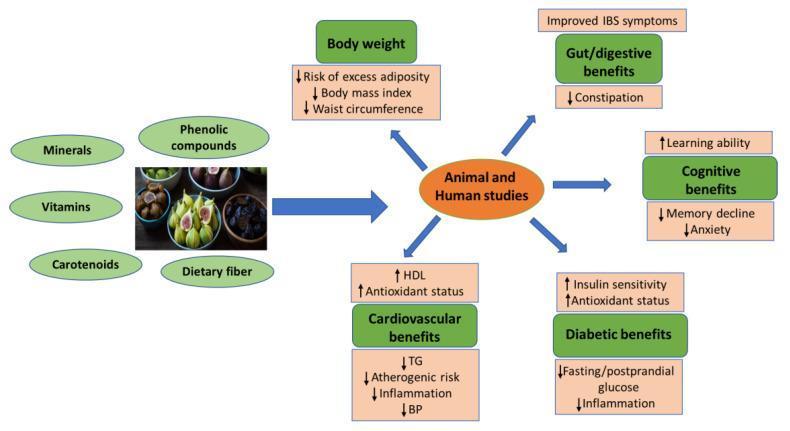
An educational infographic and flowchart summarizing the nutritional components and systemic health benefits of figs (Ficus carica) derived from animal and human studies. The left section identifies the primary bioactive phytochemicals and nutrients including minerals, vitamins, carotenoids, phenolic compounds, and dietary fiber. A central node representing 'Animal and Human studies' connects these components to five major clinical benefit categories. 1. Body weight: Reduced risk of adiposity, BMI, and waist circumference. 2. Gut/Digestive health: Improved IBS symptoms and decreased constipation. 3. Cognitive function: Increased learning ability and reduced memory decline/anxiety. 4. Cardiovascular health: Increased HDL and antioxidant status, with decreased triglycerides (TG), atherogenic risk, inflammation, and blood pressure (BP). 5. Diabetic management: Increased insulin sensitivity and antioxidant status, alongside decreased fasting/postprandial glucose and inflammation. The diagram uses color-coded nodes and directional arrows (up/down) to indicate physiological changes, serving as a comprehensive summary of fig-derived nutrition in preventive medicine and metabolic health.
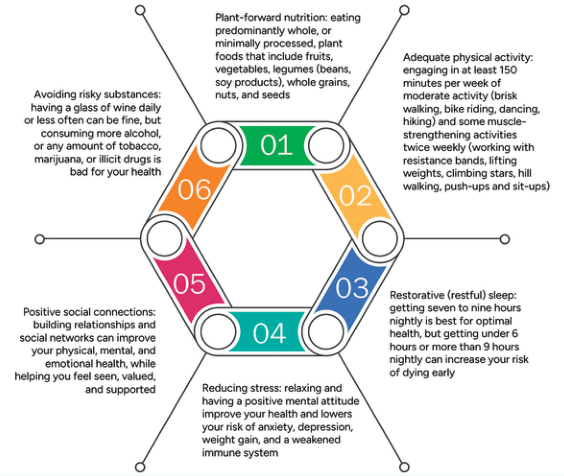
Summary : This diagram presents six interconnected pillars of lifestyle medicine for optimal health, each described with specific recommendations and benefits. flowchart: # Nodes : • 01 (green rounded rectangle): Plant-forward nutrition: eating predominantly whole, or minimally processed, plant foods that include fruits, vegetables, legumes (beans, soy products), whole grains, nuts, and seeds. • 02 (yellow rounded rectangle): Adequate physical activity: engaging in at least 150 minutes per week of moderate activity (brisk walking, bike riding, dancing, hiking) and some muscle-strengthening activities twice weekly (working with resistance bands, lifting weights, climbing stairs, hill walking, push-ups and sit-ups). • 03 (blue rounded rectangle): Restorative (restful) sleep: getting seven to nine hours nightly is best for optimal health, but getting under 6 hours or more than 9 hours nightly can increase your risk of dying early. • 04 (teal rounded rectangle): Reducing stress: relaxing and having a positive mental attitude improve your health and lowers your risk of anxiety, depression, weight gain, and a weakened immune system. • 05 (pink rounded rectangle): Positive social connections: building relationships and social networks can improve your physical, mental, and emotional health, while helping you feel seen, valued, and supported. • 06 (orange rounded rectangle): Avoiding risky substances: having a glass of wine daily or less often can be fine, but consuming more alcohol, or any amount of tobacco, marijuana, or illicit drugs is bad for your health. # Connectors : • The six nodes are arranged in a hexagonal loop, each connected to its adjacent nodes, visually representing the interconnectedness of these lifestyle pillars. # Layout : • Circular/hexagonal arrangement with each node equally spaced around the central hexagon. • Each node is color-coded and numbered for clarity. # Analysis : • The diagram emphasizes a holistic approach to health, where nutrition, physical activity, sleep, stress management, social connections, and substance avoidance are all equally important and interrelated. No single pillar is isolated; optimal health requires attention to all six areas.
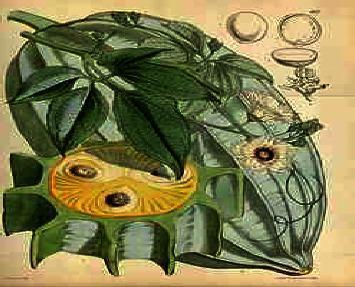
An anatomical botanical diagram of Telfairia occidentalis (fluted pumpkin), a medicinal plant relevant in hematological research for its potential effects on phenylhydrazine-induced anemia. The illustration features a cross-sectional view of the large, green, ridged fruit pod, highlighting the internal yellow fleshy mesocarp. Dark, oval-shaped seeds are shown embedded within the pulpy mesocarp. Adjacent to the fruit, the diagram depicts the plant's vegetative and reproductive structures, including broad green trifoliate leaves with visible venation and light-colored flowers with central dark pigmentation. Inset illustrations at the top right provide detailed morphological views of isolated seeds in whole and cross-section, demonstrating internal seed layers. This botanical specimen illustration serves to identify the plant parts used in pharmacological extract preparation for biomedical studies concerning red blood cell indices and liver enzyme regulation.
🌱 Pumpkin Seeds: Health Benefits for Women
Nutritional Profile (per 1 oz / 28g serving)
| Nutrient | Amount | % Daily Value |
|---|---|---|
| Protein | 7g | ~14% |
| Magnesium | 150mg | ~37% |
| Zinc | 2.2mg | ~19% |
| Iron | ~2.7mg | ~15% (women need 18mg/day) |
| Healthy fats | 13g | (mostly omega-6 & omega-9) |
| Fiber | 1.7g | - |
| Tryptophan | High | (serotonin precursor) |
1. Hormonal Balance & Menopause Support
2. Bone Health
- Magnesium in pumpkin seeds directly supports bone mineral density. Low blood magnesium is linked to higher osteoporosis risk in postmenopausal women, per Medical News Today (reviewed by RDN)
- Phosphorus and manganese are essential minerals for bone formation
- The phytoestrogen content may also help preserve bone density by partially substituting for lost estrogen
3. Iron for Premenopausal Women
- Preventing iron-deficiency anemia (very common in menstruating women)
- Supporting energy levels and cognitive function
4. Heart Health
- Omega-6 and omega-9 fatty acids - help balance LDL/HDL cholesterol
- Antioxidants (vitamin E, selenium, beta-carotene) - reduce oxidative stress and inflammation
- Magnesium - supports healthy blood pressure; magnesium deficiency is linked to hypertension
- A 2024 study in Antioxidants found pumpkin seed extract significantly reduced oxidative stress markers
5. Bladder Health & Overactive Bladder
6. Hair Health & Female Pattern Hair Loss
7. Mood, Sleep & Mental Health
- Tryptophan in pumpkin seeds is a precursor to serotonin (mood regulation) and melatonin (sleep). This is relevant for women experiencing mood fluctuations during PMS or menopause
- Magnesium is well-established for reducing anxiety symptoms and improving sleep quality, per research published in Nutrients
- Women are twice as likely as men to experience depression and anxiety, making tryptophan-rich foods particularly valuable
8. Blood Sugar Regulation
- Type 2 diabetes (especially post-menopause)
- Polycystic ovary syndrome (PCOS), where insulin resistance is a core feature
9. Immune Support
How to Include Pumpkin Seeds in Your Diet
- Handful as a snack (1 oz/28g is a standard serving)
- Sprinkled on salads or oatmeal
- Blended into smoothies
- Used in pesto (with garlic, basil, parmesan, red peppers)
- Pumpkin seed oil as a salad dressing (cold use preferred to preserve nutrients)
Important Notes
- Most of the benefit from phytoestrogens and menopause symptom relief comes from pumpkin seed oil supplements (typically 2,000mg/day in studies), not just eating whole seeds in typical amounts
- The evidence base for pumpkin seeds specifically in women is still growing - most strong studies involve the oil or extract rather than whole seeds as food
- They are calorie-dense (~160 cal/oz), so moderation matters if weight management is a goal