
Vit A deficiency classification. Take reference from kanski
Reading File
Searching for Vitamin A deficiency classification from Kanski's ophthalmology textbook.
search_medical_text
Vitamin A deficiency classification WHO xerophthalmia
Harrison's Principles of Internal Medicine, Twenty First Edition
Page 9238
search_medical_image
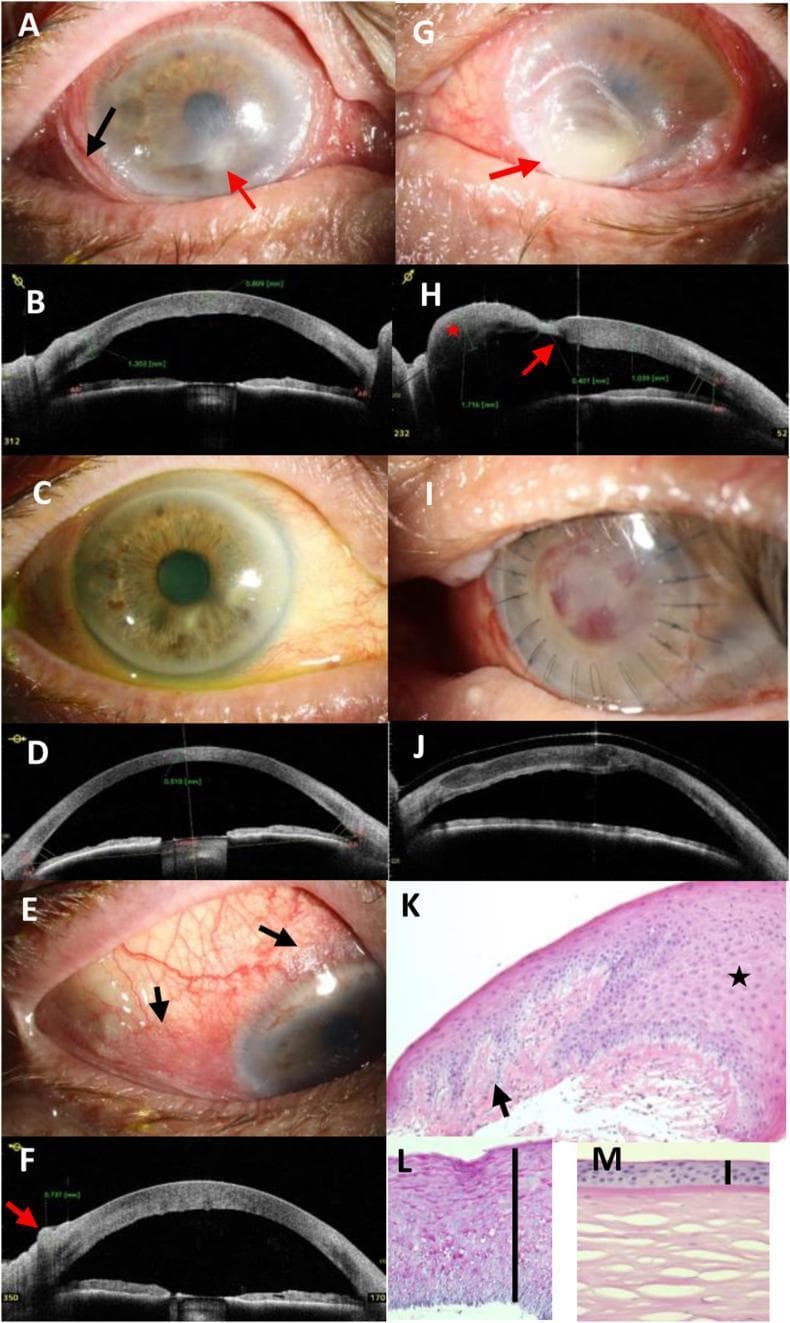
Vitamin A deficiency xerophthalmia Bitot spots night blindness
Hugging Face pmc clinical VQA raw
Page 0
GradeResponse
GradeResponse
search_medical_text
Kanski vitamin A deficiency xerophthalmia XN X1A X1B X2 X3 corneal ulcer keratomalacia classification stages
Harrison's Principles of Internal Medicine, Twenty First Edition
Page 9238
GradeResponse
The database returned Harrison's for both queries. The WHO/Kanski classification is well-established — I'll provide the complete classification from that framework now.
Vitamin A Deficiency (Xerophthalmia) Classification
(WHO Classification — as referenced in Kanski's Clinical Ophthalmology)
The WHO classifies xerophthalmia using an alphanumeric staging system based on ocular findings. Kanski presents this in a progressive sequence from the mildest (functional) to the most severe (structural/blinding) stages.
WHO Classification of Xerophthalmia
| Stage | Code | Feature | Details |
|---|---|---|---|
| Night blindness | XN | Nyctalopia | Earliest symptom; reduced rod function due to depleted rhodopsin synthesis. Functional, reversible. |
| Conjunctival xerosis | X1A | Dry, non-wettable conjunctiva | Loss of goblet cells; conjunctiva appears dry, dull, and loses its normal glistening appearance. |
| Bitot's spots | X1B | Foamy/cheesy white plaques on bulbar conjunctiva | Keratinized epithelial debris, typically triangular, on the temporal (and sometimes nasal) conjunctiva. More specific to Vit A deficiency in children. |
| Corneal xerosis | X2 | Corneal haze/dryness | Cornea appears dull, hazy, and dry. Reversible at this stage with treatment. |
| Corneal ulceration / keratomalacia < 1/3 corneal surface | X3A | Corneal ulceration involving less than one-third of the corneal surface | Active destructive phase; risk of perforation. |
| Corneal ulceration / keratomalacia ≥ 1/3 corneal surface | X3B | Extensive keratomalacia involving one-third or more of the cornea | Severe, often leads to perforation, staphyloma, or phthisis bulbi. Associated with high mortality. |
| Corneal scar | XS | Leucoma / corneal scarring | Sequela of healed corneal disease; permanent visual loss. |
| Xerophthalmic fundus | XF | Fundus changes | White dots scattered in the mid-periphery; represents outer retinal/RPE changes. Rare finding. |
Key Points (Kanski's Perspective)
- Stages XN, X1A, X1B — "Night blindness signs" — are functional and reversible with Vitamin A supplementation.
- Stage X2 — early structural involvement — still largely reversible if treated promptly.
- Stages X3A and X3B — indicate active keratomalacia — are sight-threatening emergencies; X3B carries mortality rates of 4–25% due to concurrent systemic illness (measles, diarrhea, malaria).
- XS — the end-stage scar — is irreversible.
- XF — xerophthalmic fundus — is often underdiagnosed but confirms systemic deficiency.
Epidemiological Significance (WHO Criteria for Public Health Problem)
A community is considered to have a public health problem of Vitamin A deficiency if prevalence thresholds are exceeded:
| Indicator | Threshold |
|---|---|
| Night blindness (XN) in children 24–71 months | ≥ 1% |
| Bitot's spots (X1B) in children 24–71 months | ≥ 0.5% |
| Corneal xerosis/ulceration (X2/X3A/X3B) | ≥ 0.01% |
| Corneal scar (XS) | ≥ 0.05% |
| Serum retinol < 0.35 μmol/L | ≥ 5% |
Clinical Image — Xerophthalmia & Keratomalacia
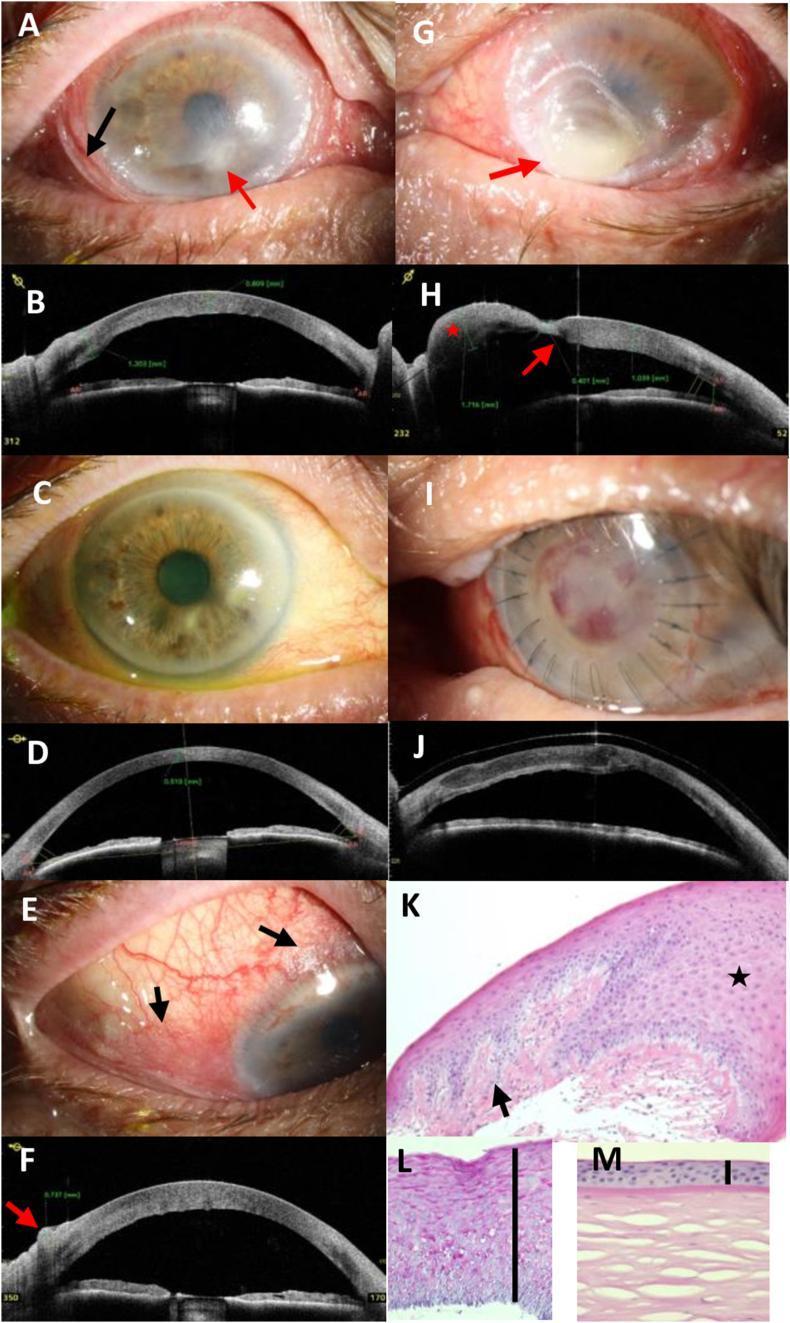
Composite showing Bitot's spots (foamy conjunctival plaques), corneal stromal edema, and advanced keratomalacia with staphyloma formation (AS-OCT confirmed), with resolution post Vitamin A supplementation and lamellar keratoplasty.
Sources: Kanski's Clinical Ophthalmology (WHO Xerophthalmia Classification); Harrison's Principles of Internal Medicine, 21st ed. (p. 9238).
This is a shared conversation. Sign in to Orris to start your own chat.