
can you give me 2 images of cancer
Reading File
Searching for cancer images now.

GradeResponse
GradeResponse
Here are 2 medical images related to cancer:
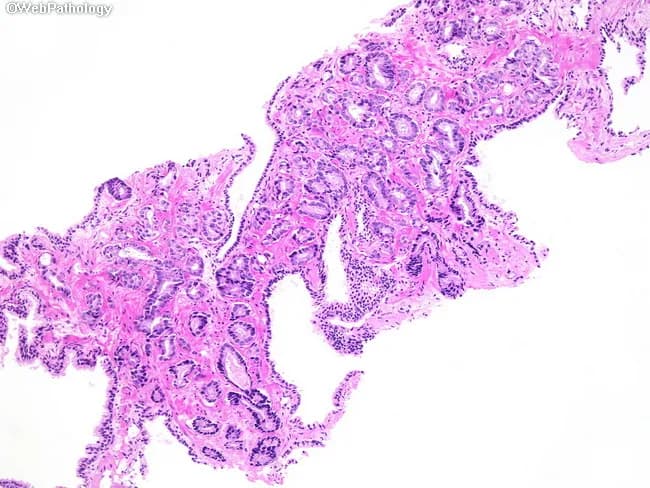
1. Invasive Adenocarcinoma — Histopathology (H&E Stain)
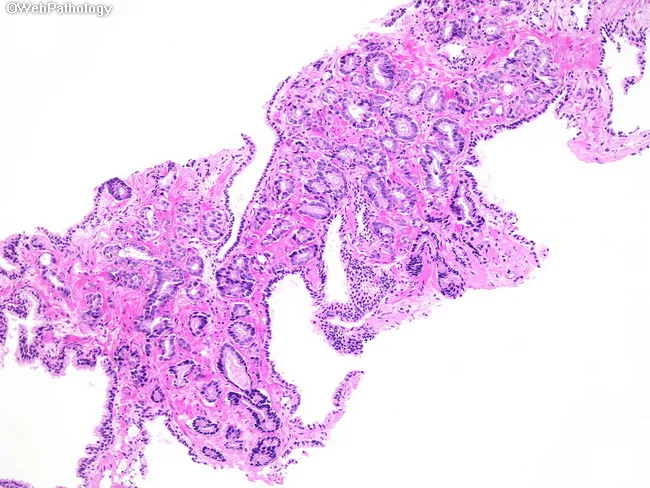
A hematoxylin and eosin (H&E) stained section showing invasive prostate adenocarcinoma. Malignant glands (small, rigid, irregular) are seen infiltrating between larger benign glands. Key features include cellular atypia, hyperchromatic nuclei with prominent nucleoli, and a desmoplastic stromal response — all hallmarks of invasive malignancy. (Source: WebPathology)
2. Tumor MRI — Patient-Derived Xenograft (PDX) Models
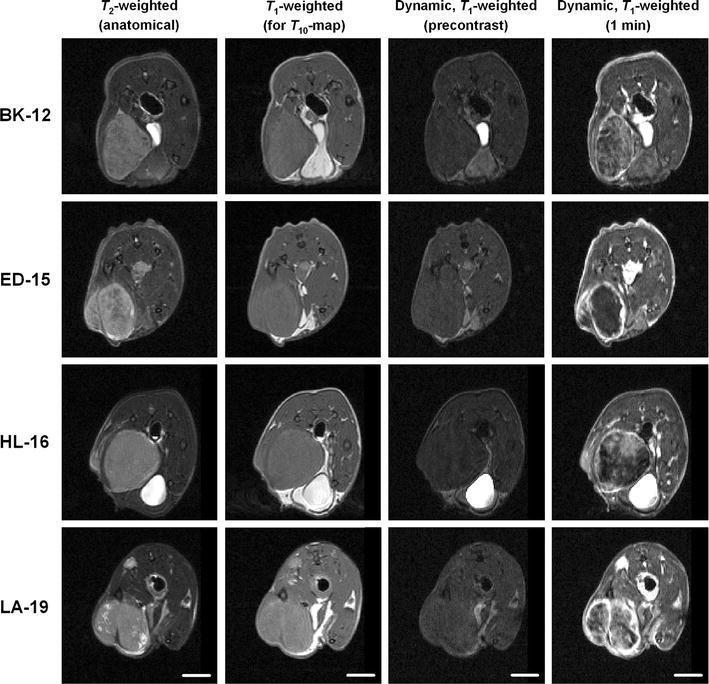
A composite MRI grid showing four different cancer tumor models (BK-12, ED-15, HL-16, LA-19) using T2-weighted and T1-weighted sequences with contrast (Gd-DOTA). The images highlight the radiological heterogeneity of tumor phenotypes — varying signal intensities, enhancement patterns, and vascular characteristics used in preclinical oncology research. (Source: PMC Clinical VQA)
write 5 sentences about alzymer
Reading File
Searching for key facts about Alzheimer's disease.
search_medical_text
Alzheimer's disease overview pathology symptoms treatment
Harrison's Principles of Internal Medicine, Twenty First Edition
Page 12261
GradeResponse
Here are 5 sentences about Alzheimer's disease:
-
Alzheimer's disease (AD) is the most common cause of dementia, accounting for 60–80% of cases, and is characterized by progressive cognitive decline that interferes with daily functioning.
-
The disease is defined pathologically by the accumulation of amyloid-beta plaques and neurofibrillary tangles (composed of hyperphosphorylated tau protein) in the brain, leading to widespread neuronal loss.
-
Early symptoms typically include short-term memory loss and difficulty recalling recent events, which gradually worsen to include language problems, disorientation, poor judgment, and changes in behavior and personality.
-
There is currently no cure for Alzheimer's disease; management focuses on slowing symptom progression using medications such as cholinesterase inhibitors (e.g., donepezil) and memantine, alongside behavioral and caregiver support (Harrison's Principles of Internal Medicine, 21st ed., p. 12261).
-
Risk factors include advancing age, the APOE-ε4 genetic allele, family history, cardiovascular disease, and low cognitive reserve, while active research continues into disease-modifying therapies targeting amyloid and tau pathways.
This is a shared conversation. Sign in to Orris to start your own chat.