~/bone-tumour-ppt/create_pptx.js
"use strict";
const pptxgen = require("pptxgenjs");
const { execSync } = require("child_process");

// ─────────────────────────────────────────────
// FETCH ALL IMAGES
// ─────────────────────────────────────────────
const imageUrls = [
  "https://cdn.orris.care/cdss_images/1931e4704e30d98d4cd05b93b23b285ec4056df46696c218d5a5c585368de339.png",  // 0: moth-eaten
  "https://cdn.orris.care/cdss_images/f72615b6395361f05fa7d2039d5b7fd2bc6b0b569b40b519a83f8619c70efaa4.png",  // 1: permeative / Ewing
  "https://cdn.orris.care/cdss_images/50fe7f8535926b406027655d7487896f9b059916e95d1213680f4510c44f6128.png",  // 2: types of periosteal reaction (6-panel)
  "https://cdn.orris.care/cdss_images/fb01dd2c5314c9ad91c4e00ef37d65990b25c5ec39675ca6071cf2ec3bc7645b.png",  // 3: types of matrix mineralisation (4-panel)
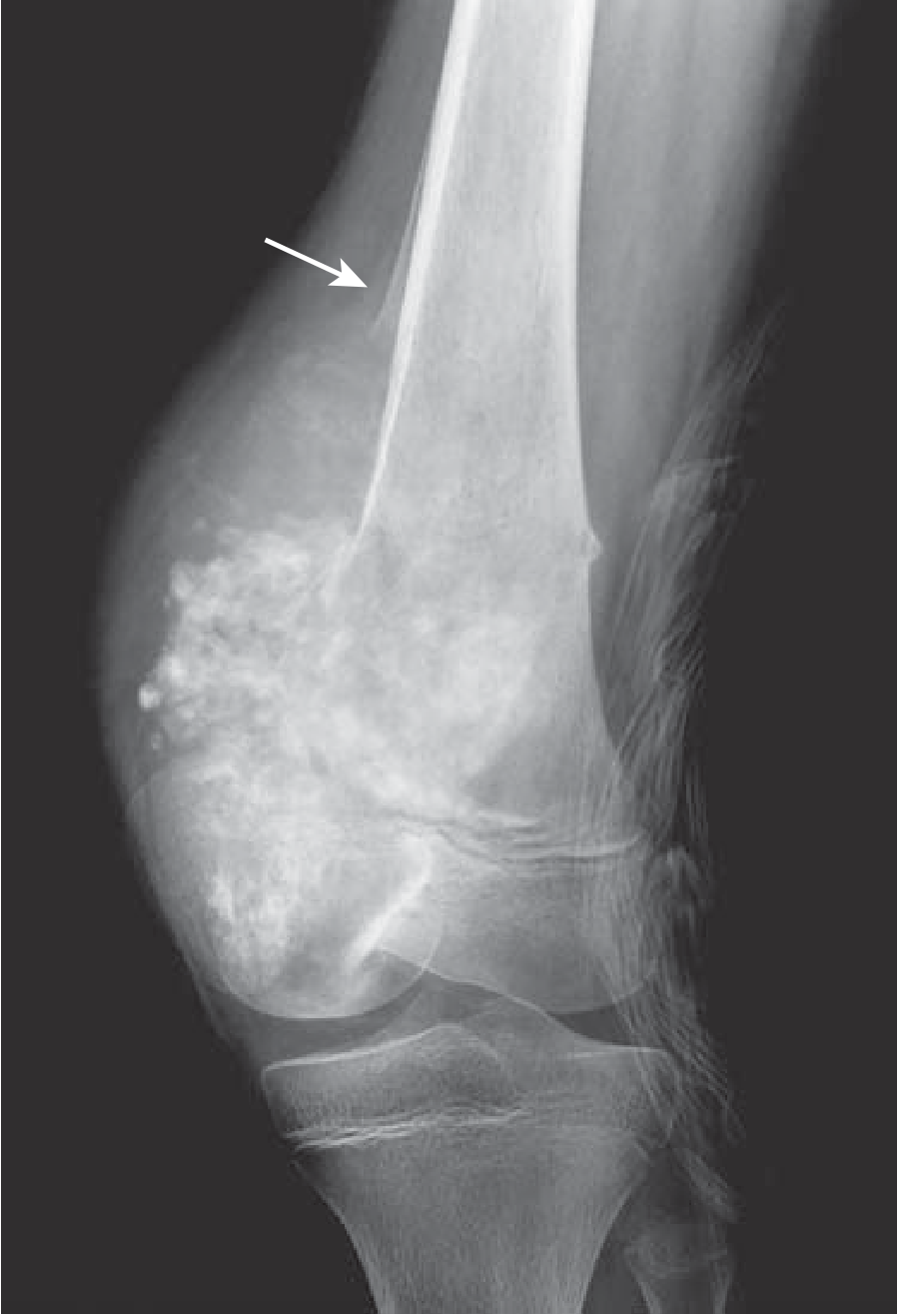
  "https://cdn.orris.care/cdss_images/393983627f910dbe2890e4171c6754c66b496a5b5bb49f34427b6303fced4c9a.png",  // 4: osteosarcoma Codman triangle X-ray
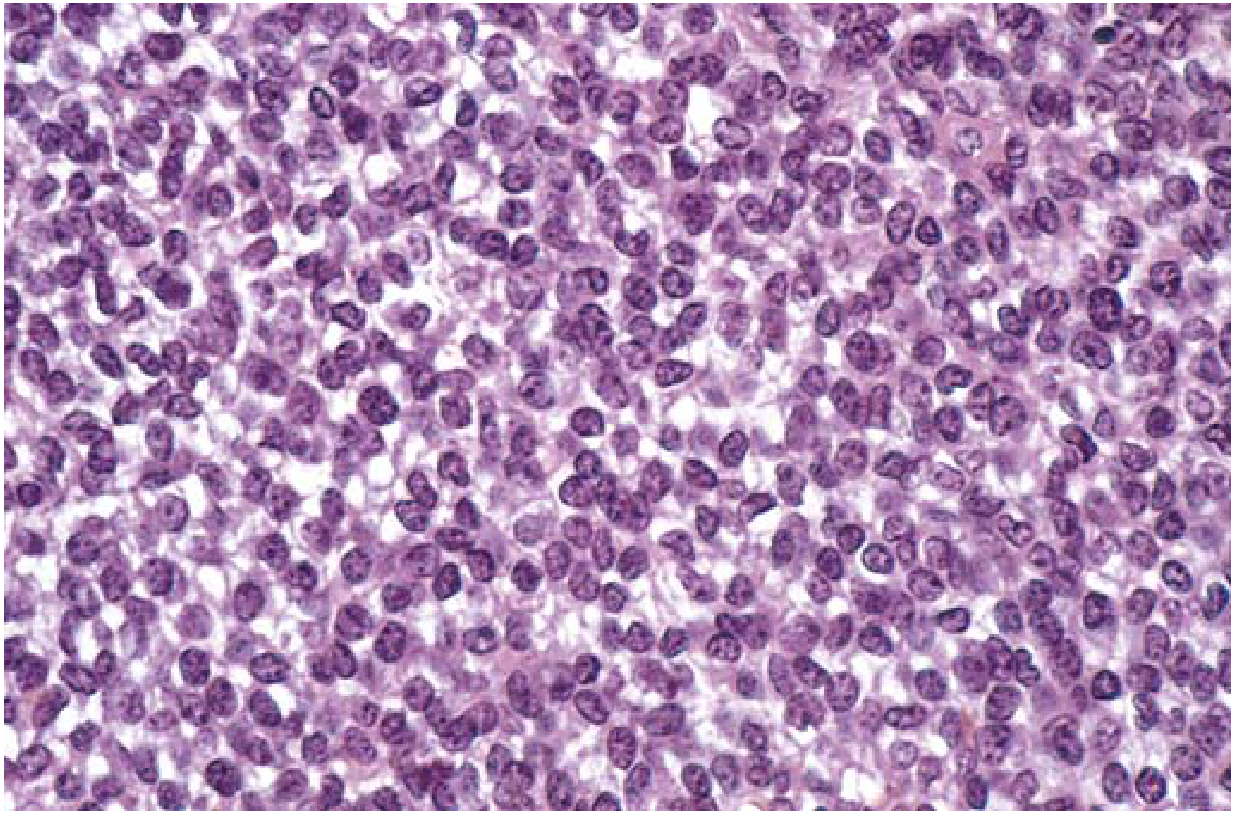
  "https://cdn.orris.care/cdss_images/30c8480a7f30bce53774d5e9ad4323fcd0eab819c9a6ca6421bec20de23f6393.png",  // 5: Ewing sarcoma histology
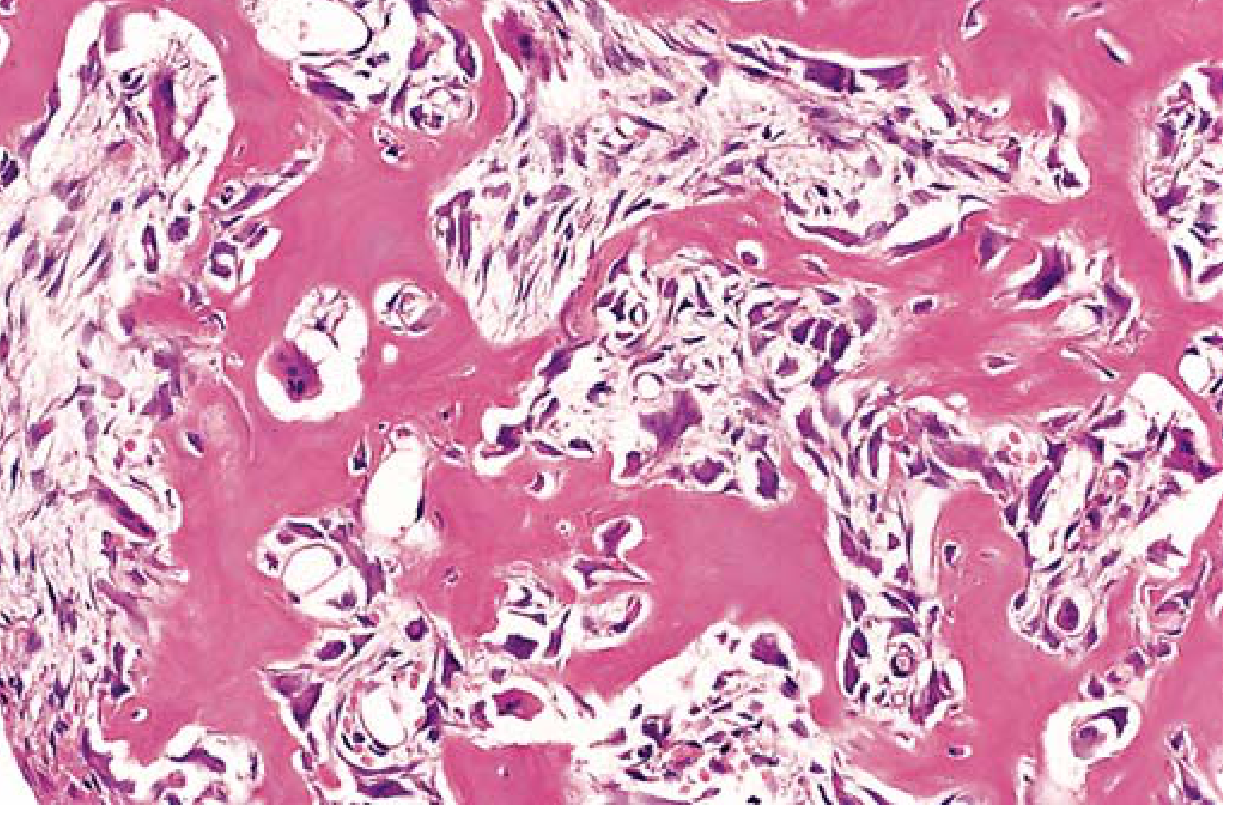
  "https://cdn.orris.care/cdss_images/742403518580f55469d5430f44196b49e177c6aaba2ead57140504f2cebd10bb.png",  // 6: osteoid osteoma histology
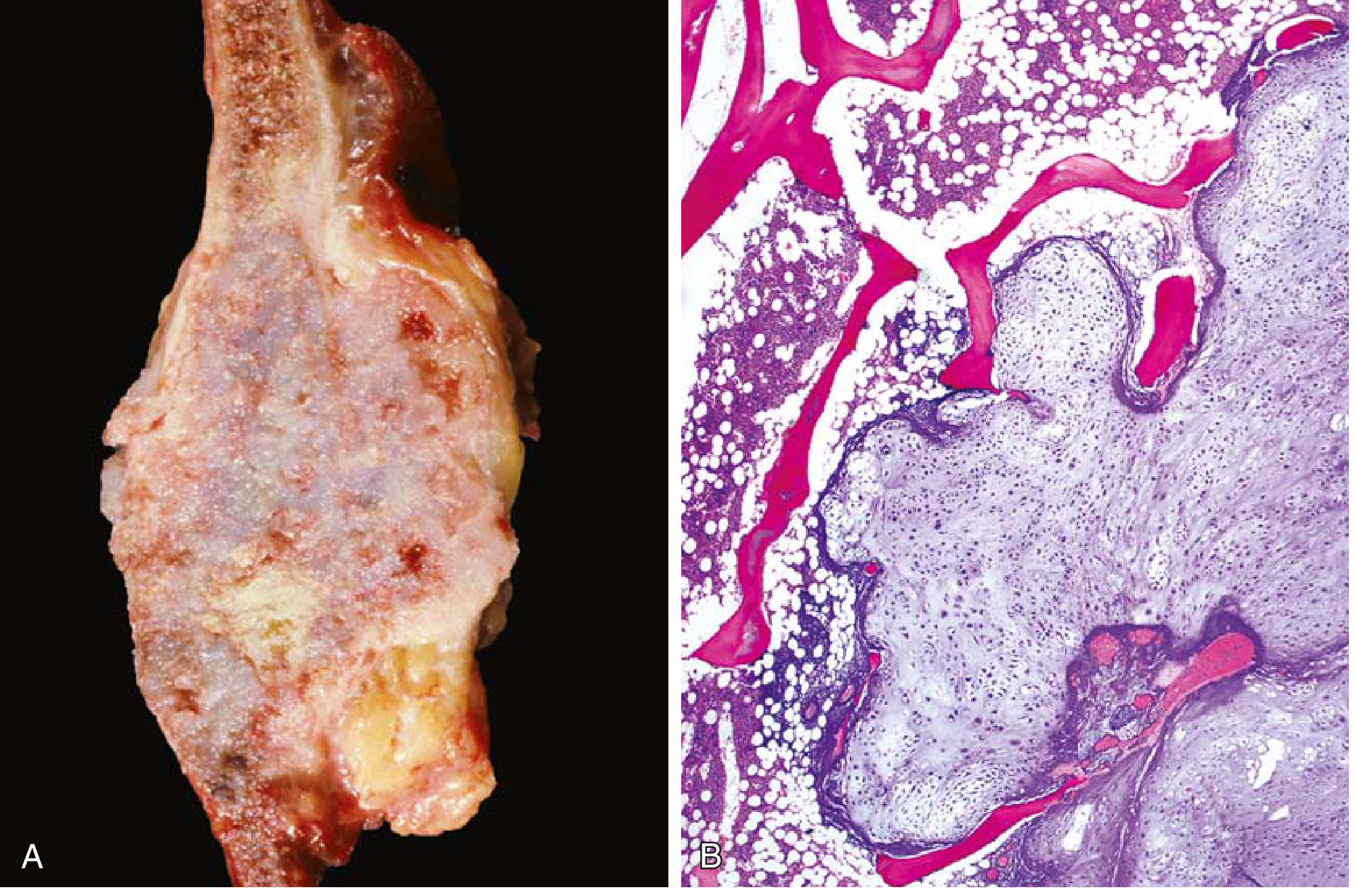
  "https://cdn.orris.care/cdss_images/3f2ced7728cf7a6fbf05b43daadd23ed542a55745ac2911e7a835e753213dc4f.png",  // 7: chondrosarcoma gross+histo
  "https://cdn.orris.care/cdss_images/59969355145da96ff7d45f3bb1e202993c1b6e70a24810e38476aef4a283b080.png",  // 8: clear cell chondrosarcoma hip X-ray
  "https://cdn.orris.care/cdss_images/6f23f9305fb931f4bfc24c17ee2e15f3095932325f0d0c8655f7628ab82b2ad5.png",  // 9: osteosarcoma 3-panel knee X-ray
];

console.log("Fetching images...");
const fetchedRaw = execSync(
  `node /home/daytona/skills/shared/scripts/fetch_images.js ${imageUrls.map(u => `"${u}"`).join(" ")}`,
  { maxBuffer: 100 * 1024 * 1024 }
).toString();
const imgs = JSON.parse(fetchedRaw);
console.log(`Fetched ${imgs.filter(i => !i.error).length}/${imgs.length} images OK`);

// ─────────────────────────────────────────────
// COLOUR PALETTE  (deep navy + bone white + amber accent)
// ─────────────────────────────────────────────
const C = {
  navy:       "0D1B2A",   // dominant dark
  navyMid:    "1A2E45",   // mid dark panel
  navyLight:  "1E3A52",   // card bg
  amber:      "E8A020",   // accent / highlights
  amberLight: "F5C060",   // secondary accent
  white:      "FFFFFF",
  offWhite:   "F0F4F8",
  lightGray:  "B0BEC5",
  teal:       "2E9CCA",   // info colour
  red:        "E53935",   // malignant
  green:      "43A047",   // benign
  purple:     "7B1FA2",   // intermediate
  slideW:     10,
  slideH:     5.625,
};

// ─────────────────────────────────────────────
// HELPERS
// ─────────────────────────────────────────────
function addSlideBg(slide, color) {
  slide.background = { color };
}

function addTopBar(slide, title, subtitle) {
  // Dark accent bar at top
  slide.addShape(pres.shapes.RECTANGLE, {
    x: 0, y: 0, w: C.slideW, h: 0.95,
    fill: { color: C.navyMid }, line: { color: C.navyMid }
  });
  // Amber left accent
  slide.addShape(pres.shapes.RECTANGLE, {
    x: 0, y: 0, w: 0.12, h: 0.95,
    fill: { color: C.amber }, line: { color: C.amber }
  });
  slide.addText(title, {
    x: 0.22, y: 0, w: 7.5, h: 0.95, margin: 0,
    fontSize: 20, bold: true, color: C.white,
    fontFace: "Calibri", valign: "middle"
  });
  if (subtitle) {
    slide.addText(subtitle, {
      x: 7.8, y: 0, w: 2.1, h: 0.95, margin: 0,
      fontSize: 10, color: C.amberLight,
      fontFace: "Calibri", valign: "middle", align: "right"
    });
  }
}

function addFooter(slide, source) {
  slide.addShape(pres.shapes.RECTANGLE, {
    x: 0, y: 5.35, w: C.slideW, h: 0.275,
    fill: { color: C.navy }, line: { color: C.navy }
  });
  slide.addText(`Source: ${source}`, {
    x: 0.2, y: 5.35, w: 9.6, h: 0.275, margin: 0,
    fontSize: 8, color: C.lightGray, fontFace: "Calibri",
    valign: "middle", italic: true
  });
}

function badge(slide, text, x, y, color) {
  slide.addShape(pres.shapes.ROUNDED_RECTANGLE, {
    x, y, w: 1.5, h: 0.3,
    fill: { color }, line: { color }, rectRadius: 0.05
  });
  slide.addText(text, {
    x, y, w: 1.5, h: 0.3, margin: 0,
    fontSize: 9, bold: true, color: C.white,
    fontFace: "Calibri", align: "center", valign: "middle"
  });
}

function infoCard(slide, x, y, w, h, title, lines, titleColor) {
  slide.addShape(pres.shapes.RECTANGLE, {
    x, y, w, h,
    fill: { color: C.navyLight }, line: { color: C.amber, pt: 1 },
    shadow: { type: "outer", color: "000000", blur: 5, offset: 2, angle: 135, opacity: 0.2 }
  });
  slide.addText(title, {
    x: x + 0.08, y: y + 0.06, w: w - 0.16, h: 0.28, margin: 0,
    fontSize: 10, bold: true, color: titleColor || C.amber, fontFace: "Calibri"
  });
  const bulletItems = lines.map((l, i) => ({
    text: l,
    options: { bullet: true, breakLine: i < lines.length - 1 }
  }));
  slide.addText(bulletItems, {
    x: x + 0.08, y: y + 0.34, w: w - 0.16, h: h - 0.42, margin: 0,
    fontSize: 9, color: C.offWhite, fontFace: "Calibri", valign: "top"
  });
}

// ─────────────────────────────────────────────
// PRESENTATION SETUP
// ─────────────────────────────────────────────
const pres = new pptxgen();
pres.layout = "LAYOUT_16x9";
pres.title = "Bone Tumour Imaging Patterns";
pres.author = "Medical Education";
pres.subject = "Radiology / Orthopaedic Pathology";

// ═══════════════════════════════════════════════
// SLIDE 1 — TITLE SLIDE
// ═══════════════════════════════════════════════
{
  const s = pres.addSlide();
  addSlideBg(s, C.navy);

  // Diagonal accent strip
  s.addShape(pres.shapes.RECTANGLE, {
    x: -0.5, y: 3.5, w: 11, h: 0.08,
    fill: { color: C.amber }, line: { color: C.amber }
  });

  // Title block
  s.addShape(pres.shapes.RECTANGLE, {
    x: 0.4, y: 1.1, w: 9.2, h: 0.06,
    fill: { color: C.amber }, line: { color: C.amber }
  });

  s.addText("BONE TUMOUR", {
    x: 0.4, y: 0.55, w: 9.2, h: 0.9, margin: 0,
    fontSize: 44, bold: true, color: C.white,
    fontFace: "Calibri", charSpacing: 4, align: "left"
  });
  s.addText("IMAGING PATTERNS", {
    x: 0.4, y: 1.2, w: 9.2, h: 0.85, margin: 0,
    fontSize: 44, bold: true, color: C.amber,
    fontFace: "Calibri", charSpacing: 4, align: "left"
  });
  s.addText("A Systematic Approach to Radiological Diagnosis", {
    x: 0.4, y: 2.1, w: 9.2, h: 0.5, margin: 0,
    fontSize: 18, color: C.lightGray, fontFace: "Calibri", align: "left"
  });

  // Cards at bottom
  const topics = [
    { t: "01  Bone Destruction", c: C.teal },
    { t: "02  Periosteal Reaction", c: C.amber },
    { t: "03  Matrix Mineralisation", c: C.red },
    { t: "04  Tumour-Specific Patterns", c: C.green },
    { t: "05  Key Differentials", c: C.purple },
  ];
  topics.forEach((tp, i) => {
    s.addShape(pres.shapes.RECTANGLE, {
      x: 0.4 + i * 1.86, y: 2.9, w: 1.7, h: 0.55,
      fill: { color: tp.c + "33" }, line: { color: tp.c, pt: 1.5 }
    });
    s.addText(tp.t, {
      x: 0.4 + i * 1.86, y: 2.9, w: 1.7, h: 0.55, margin: 0,
      fontSize: 8.5, bold: true, color: C.white,
      fontFace: "Calibri", align: "center", valign: "middle"
    });
  });

  s.addText("Grainger & Allison's Diagnostic Radiology  •  Robbins & Kumar Basic Pathology", {
    x: 0.4, y: 5.1, w: 9.2, h: 0.3, margin: 0,
    fontSize: 9, color: C.lightGray, fontFace: "Calibri", italic: true
  });
}

// ═══════════════════════════════════════════════
// SLIDE 2 — WHO CLASSIFICATION OVERVIEW
// ═══════════════════════════════════════════════
{
  const s = pres.addSlide();
  addSlideBg(s, C.navy);
  addTopBar(s, "WHO Classification of Bone Tumours (2013)", "Overview");

  // Three behaviour columns
  const cols = [
    { title: "BENIGN", color: C.green, x: 0.2, items: [
      "Osteoid Osteoma", "Osteoblastoma", "Osteochondroma",
      "Enchondroma", "Chondroblastoma", "Giant Cell Tumour*",
      "Haemangioma", "Aneurysmal Bone Cyst", "Unicameral Bone Cyst",
      "Non-ossifying Fibroma"
    ]},
    { title: "INTERMEDIATE", color: C.amber, x: 3.45, items: [
      "Giant Cell Tumour of Bone", "Chondroblastoma",
      "Haemangioendothelioma", "Haemangiopericytoma",
      "Desmoplastic Fibroma",
      "", "* Locally aggressive,", "   rarely metastasises"
    ]},
    { title: "MALIGNANT", color: C.red, x: 6.7, items: [
      "Osteosarcoma", "Chondrosarcoma", "Ewing Sarcoma",
      "Fibrosarcoma", "Multiple Myeloma",
      "Lymphoma of Bone", "Chordoma",
      "Undifferentiated Pleomorphic Sarcoma", "Angiosarcoma"
    ]},
  ];

  cols.forEach(col => {
    // Header
    s.addShape(pres.shapes.RECTANGLE, {
      x: col.x, y: 1.05, w: 3.1, h: 0.42,
      fill: { color: col.color }, line: { color: col.color }
    });
    s.addText(col.title, {
      x: col.x, y: 1.05, w: 3.1, h: 0.42, margin: 0,
      fontSize: 13, bold: true, color: C.white,
      fontFace: "Calibri", align: "center", valign: "middle"
    });
    // Body
    s.addShape(pres.shapes.RECTANGLE, {
      x: col.x, y: 1.47, w: 3.1, h: 3.7,
      fill: { color: C.navyLight }, line: { color: col.color, pt: 1 }
    });
    const bulletItems = col.items.map((item, i) => ({
      text: item,
      options: { bullet: item.startsWith("*") || item.startsWith(" ") ? false : true, breakLine: i < col.items.length - 1, fontSize: 9.5 }
    }));
    s.addText(bulletItems, {
      x: col.x + 0.1, y: 1.52, w: 2.9, h: 3.6, margin: 0,
      fontSize: 9.5, color: C.offWhite, fontFace: "Calibri", valign: "top"
    });
  });

  addFooter(s, "WHO 2013 Classification of Bone Tumours | Grainger & Allison's Diagnostic Radiology");
}

// ═══════════════════════════════════════════════
// SLIDE 3 — APPROACH TO BONE LESION ON X-RAY
// ═══════════════════════════════════════════════
{
  const s = pres.addSlide();
  addSlideBg(s, C.navy);
  addTopBar(s, "Systematic Approach to a Bone Lesion on Plain Radiograph", "Step-by-Step");

  const steps = [
    { n: "1", title: "Where is the lesion?", color: C.teal,
      lines: ["Epiphysis / Physis / Metaphysis / Diaphysis", "Which bone? Axial vs appendicular", "Cortical / Medullary / Periosteal / Parosteal"] },
    { n: "2", title: "What is it doing to bone?", color: C.amber,
      lines: ["Geographic lysis (well-defined)", "Moth-eaten (ill-defined foci)", "Permeative (diffuse infiltration)"] },
    { n: "3", title: "What is bone doing back?", color: C.red,
      lines: ["Solid / Laminated / Codman triangle", "Sunburst / Spiculated", "Hair-on-end periosteal reaction"] },
    { n: "4", title: "Matrix mineralisation?", color: C.green,
      lines: ["Chondroid — rings & arcs", "Osteoid — cloud-like / ivory", "Ground-glass / Non-specific"] },
    { n: "5", title: "Host factors?", color: C.purple,
      lines: ["Patient age (most important!)", "Number of lesions — solitary vs multiple", "Soft-tissue mass? Cortical breach?"] },
  ];

  steps.forEach((st, i) => {
    const col = i < 3 ? i : i - 3;
    const row = i < 3 ? 0 : 1;
    const w = 3.1;
    const x = i < 3 ? 0.18 + i * 3.25 : 1.68 + col * 3.25;
    const y = 1.1 + row * 2.2;
    const h = 1.9;

    s.addShape(pres.shapes.RECTANGLE, {
      x, y, w, h,
      fill: { color: C.navyLight }, line: { color: st.color, pt: 1.5 },
      shadow: { type: "outer", color: "000000", blur: 4, offset: 2, angle: 135, opacity: 0.2 }
    });
    // Number badge
    s.addShape(pres.shapes.RECTANGLE, {
      x, y, w: 0.36, h,
      fill: { color: st.color }, line: { color: st.color }
    });
    s.addText(st.n, {
      x, y, w: 0.36, h, margin: 0,
      fontSize: 18, bold: true, color: C.white,
      fontFace: "Calibri", align: "center", valign: "middle"
    });
    s.addText(st.title, {
      x: x + 0.44, y: y + 0.06, w: w - 0.5, h: 0.34, margin: 0,
      fontSize: 10, bold: true, color: st.color, fontFace: "Calibri"
    });
    const bulletItems = st.lines.map((l, li) => ({
      text: l,
      options: { bullet: true, breakLine: li < st.lines.length - 1, fontSize: 9 }
    }));
    s.addText(bulletItems, {
      x: x + 0.44, y: y + 0.42, w: w - 0.5, h: h - 0.5, margin: 0,
      fontSize: 9, color: C.offWhite, fontFace: "Calibri", valign: "top"
    });
  });

  // Reminder box
  s.addShape(pres.shapes.RECTANGLE, {
    x: 5.0, y: 3.3, w: 4.8, h: 1.9,
    fill: { color: C.navyMid }, line: { color: C.amber, pt: 1.5 }
  });
  s.addText("Clinical Context is King", {
    x: 5.1, y: 3.35, w: 4.6, h: 0.35, margin: 0,
    fontSize: 11, bold: true, color: C.amber, fontFace: "Calibri"
  });
  const clinicalTips = [
    { text: "Age is the single most powerful discriminator", options: { bullet: true, breakLine: true, fontSize: 9 } },
    { text: "Night pain + young patient → Osteoid osteoma", options: { bullet: true, breakLine: true, fontSize: 9 } },
    { text: "ESR >100 + elderly → Multiple myeloma until proven otherwise", options: { bullet: true, breakLine: true, fontSize: 9 } },
    { text: "Known malignancy → metastasis before primary tumour", options: { bullet: true, fontSize: 9 } },
  ];
  s.addText(clinicalTips, {
    x: 5.1, y: 3.72, w: 4.6, h: 1.4, margin: 0,
    fontSize: 9, color: C.offWhite, fontFace: "Calibri", valign: "top"
  });

  addFooter(s, "Grainger & Allison's Diagnostic Radiology, Chapter 40 — General Characteristics of Bone Tumours");
}

// ═══════════════════════════════════════════════
// SLIDE 4 — PATTERNS OF BONE DESTRUCTION
// ═══════════════════════════════════════════════
{
  const s = pres.addSlide();
  addSlideBg(s, C.navy);
  addTopBar(s, "Patterns of Bone Destruction", "Lüdloff / Lodwick Classification");

  // Left: moth-eaten image
  if (!imgs[0].error) {
    s.addImage({ data: imgs[0].base64, x: 0.2, y: 1.1, w: 2.8, h: 2.2,
      shadow: { type: "outer", color: "000000", blur: 6, offset: 2, angle: 135, opacity: 0.3 } });
  }
  s.addText("Moth-Eaten Pattern (Type IB)", {
    x: 0.2, y: 3.32, w: 2.8, h: 0.25, margin: 0,
    fontSize: 8.5, bold: true, color: C.amber, fontFace: "Calibri", align: "center"
  });
  s.addText("Primary bone lymphoma — distal femur", {
    x: 0.2, y: 3.57, w: 2.8, h: 0.22, margin: 0,
    fontSize: 8, color: C.lightGray, fontFace: "Calibri", align: "center", italic: true
  });

  // Right: permeative image
  if (!imgs[1].error) {
    s.addImage({ data: imgs[1].base64, x: 3.2, y: 1.1, w: 3.7, h: 2.2,
      shadow: { type: "outer", color: "000000", blur: 6, offset: 2, angle: 135, opacity: 0.3 } });
  }
  s.addText("Permeative Pattern (Type IC) — Ewing Sarcoma", {
    x: 3.2, y: 3.32, w: 3.7, h: 0.25, margin: 0,
    fontSize: 8.5, bold: true, color: C.red, fontFace: "Calibri", align: "center"
  });
  s.addText("Multilaminated periosteal response + cortical erosion + soft tissue mass", {
    x: 3.2, y: 3.57, w: 3.7, h: 0.25, margin: 0,
    fontSize: 8, color: C.lightGray, fontFace: "Calibri", align: "center", italic: true
  });

  // Right info panel
  const rows = [
    { type: "Type IA — Geographic", desc: "Large well-defined lytic hole with sclerotic margin. Slow-growing, usually BENIGN. e.g. Non-ossifying fibroma, ABC", color: C.green },
    { type: "Type IB — Moth-Eaten", desc: "Multiple ill-defined holes coalescing. Indeterminate — aggressive benign or low-grade malignant. e.g. Lymphoma", color: C.amber },
    { type: "Type IC — Permeative", desc: "Innumerable tiny holes merging imperceptibly with normal bone. MALIGNANT until proven otherwise. e.g. Ewing, Myeloma", color: C.red },
  ];
  rows.forEach((row, i) => {
    const y = 1.1 + i * 1.0;
    s.addShape(pres.shapes.RECTANGLE, {
      x: 7.1, y, w: 2.7, h: 0.9,
      fill: { color: C.navyLight }, line: { color: row.color, pt: 1 }
    });
    s.addShape(pres.shapes.RECTANGLE, { x: 7.1, y, w: 0.1, h: 0.9, fill: { color: row.color }, line: { color: row.color } });
    s.addText(row.type, {
      x: 7.25, y: y + 0.05, w: 2.5, h: 0.25, margin: 0,
      fontSize: 9, bold: true, color: row.color, fontFace: "Calibri"
    });
    s.addText(row.desc, {
      x: 7.25, y: y + 0.3, w: 2.5, h: 0.56, margin: 0,
      fontSize: 8, color: C.offWhite, fontFace: "Calibri"
    });
  });

  s.addShape(pres.shapes.RECTANGLE, { x: 7.1, y: 4.12, w: 2.7, h: 1.0, fill: { color: C.navyMid }, line: { color: C.teal, pt: 1 } });
  s.addText("Remember", {
    x: 7.2, y: 4.14, w: 2.5, h: 0.28, margin: 0,
    fontSize: 9, bold: true, color: C.teal, fontFace: "Calibri"
  });
  s.addText("Lodwick classification gives >90% accuracy in predicting benign vs malignant when combined with periosteal reaction analysis.", {
    x: 7.2, y: 4.42, w: 2.5, h: 0.65, margin: 0,
    fontSize: 8, color: C.offWhite, fontFace: "Calibri"
  });

  addFooter(s, "Grainger & Allison's Diagnostic Radiology, Fig. 40.2–40.3 | Lodwick Classification");
}

// ═══════════════════════════════════════════════
// SLIDE 5 — TYPES OF PERIOSTEAL REACTION
// ═══════════════════════════════════════════════
{
  const s = pres.addSlide();
  addSlideBg(s, C.navy);
  addTopBar(s, "Types of Periosteal Reaction", "Aggressive vs Non-Aggressive");

  // Large 6-panel image
  if (!imgs[2].error) {
    s.addImage({ data: imgs[2].base64, x: 0.15, y: 1.05, w: 5.6, h: 4.0,
      shadow: { type: "outer", color: "000000", blur: 8, offset: 3, angle: 135, opacity: 0.35 } });
  }
  s.addText("Fig. 40.4 — Types of Periosteal Reaction (Grainger & Allison)", {
    x: 0.15, y: 5.05, w: 5.6, h: 0.22, margin: 0,
    fontSize: 7.5, color: C.lightGray, fontFace: "Calibri", italic: true, align: "center"
  });

  // Right panel — table of types
  const types = [
    { pattern: "Solid / Smooth", behaviour: "Non-aggressive", assoc: "Osteoid osteoma, stress #", color: C.green },
    { pattern: "Laminated (Onion-skin)", behaviour: "Aggressive", assoc: "Ewing sarcoma, Osteosarcoma", color: C.amber },
    { pattern: "Codman Triangle", behaviour: "Highly Aggressive", assoc: "Osteosarcoma, Ewing sarcoma", color: C.red },
    { pattern: "Sunburst / Spiculated", behaviour: "Highly Aggressive", assoc: "Osteosarcoma", color: C.red },
    { pattern: "Hair-on-End", behaviour: "Aggressive", assoc: "Sarcoma, Thalassaemia", color: C.amber },
    { pattern: "Eggshell (thin rim)", behaviour: "Slow-growing", assoc: "GCT, ABC, enchondroma", color: C.teal },
  ];

  // Column headers
  s.addShape(pres.shapes.RECTANGLE, {
    x: 5.95, y: 1.05, w: 3.85, h: 0.35,
    fill: { color: C.navyMid }, line: { color: C.amber, pt: 1 }
  });
  ["Pattern", "Behaviour", "Associated Tumour"].forEach((h, i) => {
    s.addText(h, {
      x: 5.95 + i * 1.28, y: 1.05, w: 1.28, h: 0.35, margin: 0,
      fontSize: 8.5, bold: true, color: C.amber,
      fontFace: "Calibri", align: "center", valign: "middle"
    });
  });

  types.forEach((row, i) => {
    const y = 1.42 + i * 0.6;
    const bg = i % 2 === 0 ? C.navyLight : C.navyMid;
    s.addShape(pres.shapes.RECTANGLE, {
      x: 5.95, y, w: 3.85, h: 0.56,
      fill: { color: bg }, line: { color: C.navyMid }
    });
    s.addShape(pres.shapes.RECTANGLE, { x: 5.95, y, w: 0.05, h: 0.56, fill: { color: row.color }, line: { color: row.color } });
    s.addText(row.pattern, {
      x: 6.02, y, w: 1.24, h: 0.56, margin: 0,
      fontSize: 8.5, bold: true, color: C.offWhite, fontFace: "Calibri", valign: "middle"
    });
    s.addText(row.behaviour, {
      x: 7.23, y, w: 1.28, h: 0.56, margin: 0,
      fontSize: 8.5, color: row.color, fontFace: "Calibri", align: "center", valign: "middle", bold: true
    });
    s.addText(row.assoc, {
      x: 8.52, y, w: 1.28, h: 0.56, margin: 0,
      fontSize: 8, color: C.lightGray, fontFace: "Calibri", valign: "middle"
    });
  });

  s.addShape(pres.shapes.RECTANGLE, {
    x: 5.95, y: 4.9, w: 3.85, h: 0.42,
    fill: { color: C.navyMid }, line: { color: C.red, pt: 1 }
  });
  s.addText("Codman triangle and sunburst = ALWAYS malignant until proven otherwise", {
    x: 6.05, y: 4.9, w: 3.65, h: 0.42, margin: 0,
    fontSize: 9, bold: true, color: C.red, fontFace: "Calibri", valign: "middle"
  });

  addFooter(s, "Grainger & Allison's Diagnostic Radiology, Fig. 40.4 — Types of Periosteal Reaction");
}

// ═══════════════════════════════════════════════
// SLIDE 6 — MATRIX MINERALISATION
// ═══════════════════════════════════════════════
{
  const s = pres.addSlide();
  addSlideBg(s, C.navy);
  addTopBar(s, "Matrix Mineralisation Patterns", "Key to Histological Subtype");

  if (!imgs[3].error) {
    s.addImage({ data: imgs[3].base64, x: 0.15, y: 1.05, w: 6.0, h: 4.05,
      shadow: { type: "outer", color: "000000", blur: 8, offset: 3, angle: 135, opacity: 0.35 } });
  }
  s.addText("Fig. 40.5 — Types of Matrix Mineralisation (Grainger & Allison)", {
    x: 0.15, y: 5.1, w: 6.0, h: 0.22, margin: 0,
    fontSize: 7.5, color: C.lightGray, fontFace: "Calibri", italic: true, align: "center"
  });

  // Panel labels overlay on image (A/B/C/D)
  [["A", 0.2, 1.1], ["B", 3.2, 1.1], ["C", 0.2, 3.15], ["D", 3.2, 3.15]].forEach(([lbl, x, y]) => {
    s.addShape(pres.shapes.RECTANGLE, {
      x, y, w: 0.28, h: 0.28,
      fill: { color: C.amber + "CC" }, line: { color: C.amber }
    });
    s.addText(lbl, {
      x, y, w: 0.28, h: 0.28, margin: 0,
      fontSize: 11, bold: true, color: C.navy,
      fontFace: "Calibri", align: "center", valign: "middle"
    });
  });

  const matrixTypes = [
    { lbl: "A — Chondroid", desc: "Rings & arcs / nodular calcification. Lobular hyaline cartilage. Classic for enchondroma & chondrosarcoma.", color: C.teal, y: 1.05 },
    { lbl: "B — Osteoid", desc: "Dense 'cloud-like', ivory or amorphous calcification. Classic for osteosarcoma and osteoblastoma.", color: C.amber, y: 2.3 },
    { lbl: "C — Ground Glass", desc: "Diffuse smudged opacity filling medullary canal. Pathognomonic of fibrous dysplasia.", color: C.green, y: 3.55 },
    { lbl: "D — Non-specific", desc: "Punctate / stippled or no mineralisation. Common in many tumours; non-diagnostic alone.", color: C.lightGray, y: 4.7 },
  ];

  matrixTypes.forEach(mt => {
    s.addShape(pres.shapes.RECTANGLE, {
      x: 6.35, y: mt.y, w: 3.45, h: 1.1,
      fill: { color: C.navyLight }, line: { color: mt.color, pt: 1 }
    });
    s.addText(mt.lbl, {
      x: 6.45, y: mt.y + 0.06, w: 3.2, h: 0.28, margin: 0,
      fontSize: 10, bold: true, color: mt.color, fontFace: "Calibri"
    });
    s.addText(mt.desc, {
      x: 6.45, y: mt.y + 0.36, w: 3.25, h: 0.7, margin: 0,
      fontSize: 9, color: C.offWhite, fontFace: "Calibri"
    });
  });

  addFooter(s, "Grainger & Allison's Diagnostic Radiology, Fig. 40.5 — Types of Matrix Mineralisation");
}

// ═══════════════════════════════════════════════
// SLIDE 7 — OSTEOSARCOMA IMAGING
// ═══════════════════════════════════════════════
{
  const s = pres.addSlide();
  addSlideBg(s, C.navy);
  addTopBar(s, "Osteosarcoma — Imaging Features", "Most Common Primary Malignant Bone Tumour");

  badge(s, "MALIGNANT", 8.9, 0.12, C.red);

  // 2 images side by side
  if (!imgs[9].error) {
    s.addImage({ data: imgs[9].base64, x: 0.2, y: 1.05, w: 4.1, h: 2.8,
      shadow: { type: "outer", color: "000000", blur: 6, offset: 2, angle: 135, opacity: 0.3 } });
  }
  s.addText("Fig. 41.27 — Lytic, mixed, and sclerotic osteosarcoma variants (Grainger & Allison)", {
    x: 0.2, y: 3.87, w: 4.1, h: 0.25, margin: 0,
    fontSize: 7.5, color: C.lightGray, fontFace: "Calibri", italic: true, align: "center"
  });

  if (!imgs[4].error) {
    s.addImage({ data: imgs[4].base64, x: 4.5, y: 1.05, w: 2.3, h: 2.8,
      shadow: { type: "outer", color: "000000", blur: 6, offset: 2, angle: 135, opacity: 0.3 } });
  }
  s.addText("Codman Triangle — distal femur (Robbins Fig. 19.15)", {
    x: 4.5, y: 3.87, w: 2.3, h: 0.25, margin: 0,
    fontSize: 7.5, color: C.lightGray, fontFace: "Calibri", italic: true, align: "center"
  });

  // Right column info
  const features = [
    { head: "Epidemiology", body: "Most common non-haematopoietic primary bone malignancy. Bimodal: peak 10-14 yrs; 2nd peak elderly (Paget's). Male > Female (1.35:1).", color: C.teal },
    { head: "Location", body: "Metaphysis of growing long bones — distal femur (50%), proximal tibia, proximal humerus. Diaphyseal <10%.", color: C.amber },
    { head: "Imaging Features", body: "Moth-eaten / permeative destruction. Mixed lytic-sclerotic. Cloud-like osteoid matrix. Codman triangle or sunburst periosteal reaction. Soft tissue mass.", color: C.red },
    { head: "MRI Staging (Mandatory)", body: "Defines medullary/soft-tissue extent. Neurovascular involvement. Whole bone to exclude skip metastases. Joint involvement.", color: C.green },
  ];

  features.forEach((f, i) => {
    const y = 1.05 + i * 1.05;
    s.addShape(pres.shapes.RECTANGLE, {
      x: 6.95, y, w: 2.85, h: 1.0,
      fill: { color: C.navyLight }, line: { color: f.color, pt: 1 }
    });
    s.addShape(pres.shapes.RECTANGLE, { x: 6.95, y, w: 0.08, h: 1.0, fill: { color: f.color }, line: { color: f.color } });
    s.addText(f.head, {
      x: 7.07, y: y + 0.06, w: 2.67, h: 0.25, margin: 0,
      fontSize: 9, bold: true, color: f.color, fontFace: "Calibri"
    });
    s.addText(f.body, {
      x: 7.07, y: y + 0.3, w: 2.67, h: 0.65, margin: 0,
      fontSize: 8.5, color: C.offWhite, fontFace: "Calibri"
    });
  });

  addFooter(s, "Grainger & Allison's Diagnostic Radiology, Chapter 41 | Robbins & Kumar Basic Pathology");
}

// ═══════════════════════════════════════════════
// SLIDE 8 — EWING SARCOMA IMAGING & HISTOLOGY
// ═══════════════════════════════════════════════
{
  const s = pres.addSlide();
  addSlideBg(s, C.navy);
  addTopBar(s, "Ewing Sarcoma — Imaging & Histology", "Commonest Bone Sarcoma in Children < 10 yrs");

  badge(s, "MALIGNANT", 8.9, 0.12, C.red);

  if (!imgs[1].error) {
    s.addImage({ data: imgs[1].base64, x: 0.2, y: 1.05, w: 4.5, h: 2.7,
      shadow: { type: "outer", color: "000000", blur: 6, offset: 2, angle: 135, opacity: 0.3 } });
  }
  s.addText("Permeative pattern + onion-skin periosteal reaction + soft-tissue mass", {
    x: 0.2, y: 3.77, w: 4.5, h: 0.25, margin: 0,
    fontSize: 7.5, color: C.lightGray, fontFace: "Calibri", italic: true, align: "center"
  });

  if (!imgs[5].error) {
    s.addImage({ data: imgs[5].base64, x: 4.85, y: 1.05, w: 2.4, h: 2.7,
      shadow: { type: "outer", color: "000000", blur: 6, offset: 2, angle: 135, opacity: 0.3 } });
  }
  s.addText("Histology: sheets of small round blue cells (Robbins Fig. 19.23)", {
    x: 4.85, y: 3.77, w: 2.4, h: 0.25, margin: 0,
    fontSize: 7.5, color: C.lightGray, fontFace: "Calibri", italic: true, align: "center"
  });

  // Info card
  infoCard(s, 7.45, 1.05, 2.35, 4.1, "Key Facts",
    [
      "Age: 5–20 yrs (peak)",
      "Location: DIAPHYSIS of long bones; pelvis",
      "X-ray: permeative lysis + onion-skin or Codman",
      "MRI: large extraosseous soft-tissue mass",
      "Genetics: t(11;22) — EWSR1-FLI1 fusion",
      "Histology: small round blue cells",
      "Treatment: chemo + surgery ± RT",
      "Prognosis: ~75% 5-yr survival",
    ], C.red);

  // Pearls
  s.addShape(pres.shapes.RECTANGLE, {
    x: 0.2, y: 4.08, w: 7.1, h: 1.17,
    fill: { color: C.navyMid }, line: { color: C.amber, pt: 1 }
  });
  s.addText("Teaching Pearls", {
    x: 0.3, y: 4.1, w: 3, h: 0.28, margin: 0,
    fontSize: 10, bold: true, color: C.amber, fontFace: "Calibri"
  });
  const pearls = [
    { text: "Ewing mimics osteomyelitis clinically (fever, raised ESR) — always consider in diaphyseal lesions in children", options: { bullet: true, breakLine: true, fontSize: 9 } },
    { text: "20% of Ewing sarcoma is extraskeletal — can arise in soft tissue", options: { bullet: true, breakLine: true, fontSize: 9 } },
    { text: "Codman triangle in Ewing = aggressive periosteal reaction, NOT pathognomonic of osteosarcoma", options: { bullet: true, fontSize: 9 } },
  ];
  s.addText(pearls, {
    x: 0.3, y: 4.4, w: 6.9, h: 0.82, margin: 0,
    fontSize: 9, color: C.offWhite, fontFace: "Calibri", valign: "top"
  });

  addFooter(s, "Grainger & Allison's Diagnostic Radiology, Fig. 40.3 | Robbins & Kumar Basic Pathology, Fig. 19.23");
}

// ═══════════════════════════════════════════════
// SLIDE 9 — CHONDROSARCOMA IMAGING & HISTOLOGY
// ═══════════════════════════════════════════════
{
  const s = pres.addSlide();
  addSlideBg(s, C.navy);
  addTopBar(s, "Chondrosarcoma — Imaging & Histology", "2nd Most Common Primary Malignant Bone Tumour");

  badge(s, "MALIGNANT", 8.9, 0.12, C.red);

  if (!imgs[8].error) {
    s.addImage({ data: imgs[8].base64, x: 0.2, y: 1.05, w: 2.8, h: 2.7,
      shadow: { type: "outer", color: "000000", blur: 6, offset: 2, angle: 135, opacity: 0.3 } });
  }
  s.addText("Chondrosarcoma proximal femur — solid epiphyseal lesion\nNote: differentiates from subchondral geode on MRI", {
    x: 0.2, y: 3.77, w: 2.8, h: 0.4, margin: 0,
    fontSize: 7.5, color: C.lightGray, fontFace: "Calibri", italic: true, align: "center"
  });

  if (!imgs[7].error) {
    s.addImage({ data: imgs[7].base64, x: 3.2, y: 1.05, w: 4.2, h: 2.7,
      shadow: { type: "outer", color: "000000", blur: 6, offset: 2, angle: 135, opacity: 0.3 } });
  }
  s.addText("Gross & histology: hyaline cartilage nodules permeating medullary canal & cortex (Robbins Fig. 19.22)", {
    x: 3.2, y: 3.77, w: 4.2, h: 0.25, margin: 0,
    fontSize: 7.5, color: C.lightGray, fontFace: "Calibri", italic: true, align: "center"
  });

  infoCard(s, 7.55, 1.05, 2.25, 4.1, "Key Facts",
    [
      "Age: 40–60 yrs",
      "Location: pelvis, proximal femur, shoulder",
      "X-ray: lytic + rings/arcs calcification",
      "Endosteal scalloping (>2/3 cortex thickness)",
      "MRI: lobulated T2-bright cartilage",
      "Chemo: NOT effective",
      "Treatment: wide surgical excision only",
      "Prognosis: grade-dependent (10–90% 5-yr)",
    ], C.teal);

  s.addShape(pres.shapes.RECTANGLE, {
    x: 0.2, y: 4.15, w: 7.2, h: 1.1,
    fill: { color: C.navyMid }, line: { color: C.teal, pt: 1 }
  });
  s.addText("Grading", {
    x: 0.3, y: 4.17, w: 1, h: 0.28, margin: 0,
    fontSize: 10, bold: true, color: C.teal, fontFace: "Calibri"
  });
  const grades = [
    { text: "Grade 1 (ACT/Low-grade): well-defined, minimal atypia, 90% 5-yr survival", options: { bullet: true, breakLine: true, fontSize: 8.5 } },
    { text: "Grade 2: moderate cellularity/atypia, intermediate prognosis", options: { bullet: true, breakLine: true, fontSize: 8.5 } },
    { text: "Grade 3 (High-grade): marked pleomorphism, necrosis, <30% 5-yr survival", options: { bullet: true, fontSize: 8.5 } },
  ];
  s.addText(grades, {
    x: 0.3, y: 4.45, w: 6.9, h: 0.76, margin: 0,
    fontSize: 8.5, color: C.offWhite, fontFace: "Calibri", valign: "top"
  });

  addFooter(s, "Grainger & Allison's Diagnostic Radiology, Fig. 41.26 | Robbins & Kumar Basic Pathology, Fig. 19.22");
}

// ═══════════════════════════════════════════════
// SLIDE 10 — OSTEOID OSTEOMA & GIANT CELL TUMOUR
// ═══════════════════════════════════════════════
{
  const s = pres.addSlide();
  addSlideBg(s, C.navy);
  addTopBar(s, "Benign & Intermediate Tumours — Imaging Patterns", "Osteoid Osteoma | Giant Cell Tumour | Enchondroma");

  // --- Osteoid osteoma histology image ---
  if (!imgs[6].error) {
    s.addImage({ data: imgs[6].base64, x: 0.15, y: 1.05, w: 3.2, h: 2.35,
      shadow: { type: "outer", color: "000000", blur: 5, offset: 2, angle: 135, opacity: 0.3 } });
  }
  s.addText("Osteoid osteoma histology: woven bone trabeculae rimmed by osteoblasts", {
    x: 0.15, y: 3.42, w: 3.2, h: 0.25, margin: 0,
    fontSize: 7.5, color: C.lightGray, fontFace: "Calibri", italic: true, align: "center"
  });

  // Osteoid osteoma card
  infoCard(s, 0.15, 3.7, 3.2, 1.55, "Osteoid Osteoma",
    ["Age 10–20 yrs; young men", "Femur/tibia CORTEX (50%)", "Severe night pain — relieved by NSAIDs", "X-ray: round lucent nidus <2cm, dense sclerotic rim", "CT: best for nidus detection", "Rx: RFA or surgical excision"],
    C.green);

  // GCT card
  infoCard(s, 3.55, 1.05, 3.1, 2.25, "Giant Cell Tumour of Bone",
    ["Age 20–50 yrs; slight female preponderance", "EPIPHYSIS — distal femur / proximal tibia", "X-ray: lytic 'soap bubble' lesion extending to subchondral bone", "MRI: low T2 signal (haemosiderin deposits)", "Cortex expanded, thin shell of reactive bone", "Behaviour: Benign but locally aggressive"],
    C.amber);

  infoCard(s, 3.55, 3.32, 3.1, 1.93, "Giant Cell Tumour — Pathology",
    ["Multinucleate osteoclast-type giant cells (up to 100 nuclei)", "Neoplastic cells express high RANKL — drives bone destruction", "Absent feedback between osteoblasts/osteoclasts", "Treatment: curettage ± cement; DENOSUMAB for unresectable", "40% recurrence after curettage; rare lung metastasis"],
    C.purple);

  // Enchondroma card
  infoCard(s, 6.75, 1.05, 3.05, 4.2, "Enchondroma",
    [
      "Most common bone tumour of the HAND",
      "Proximal/middle phalanges & metacarpals",
      "Peak: 2nd decade; equal sex distribution",
      "X-ray: lytic lesion, may have cartilaginous calcification (rings & arcs)",
      "Often INCIDENTAL — asymptomatic",
      "Pain / fracture if structural compromise",
      "Multiple enchondromatosis = Ollier disease",
      "With haemangiomas = Maffucci syndrome (malignant transformation risk!)",
      "Rx: curettage + bone graft if symptomatic",
    ], C.teal);

  addFooter(s, "Robbins & Kumar Basic Pathology | Grainger & Allison's Diagnostic Radiology | Bailey & Love 28th Ed");
}

// ═══════════════════════════════════════════════
// SLIDE 11 — LOCATION-BASED DIFFERENTIAL DIAGNOSIS
// ═══════════════════════════════════════════════
{
  const s = pres.addSlide();
  addSlideBg(s, C.navy);
  addTopBar(s, "Location-Based Differential Diagnosis", "Epiphysis | Metaphysis | Diaphysis");

  // Bone diagram outline (simple schematic using shapes)
  // Epiphysis block
  const sections = [
    { label: "EPIPHYSIS", y: 1.05, color: C.teal, w: 1.2, dx: 0.45,
      tumours: ["Giant Cell Tumour", "Chondroblastoma", "Clear Cell Chondrosarcoma", "Intraosseous Ganglion", "Subchondral Geode"] },
    { label: "PHYSIS / GROWTH PLATE", y: 2.12, color: C.amberLight, w: 1.2, dx: 0.45,
      tumours: ["Ewing Sarcoma (may cross)", "Osteomyelitis (Brodie abscess)"] },
    { label: "METAPHYSIS", y: 2.75, color: C.amber, w: 1.2, dx: 0.45,
      tumours: ["Osteosarcoma (classic)", "Non-ossifying Fibroma", "Aneurysmal Bone Cyst", "Enchondroma", "Simple Bone Cyst", "Osteochondroma"] },
    { label: "DIAPHYSIS", y: 3.95, color: C.red, w: 1.2, dx: 0.45,
      tumours: ["Ewing Sarcoma", "Adamantinoma (tibia)", "Multiple Myeloma / Metastasis", "Lymphoma of Bone", "Fibrous Dysplasia"] },
  ];

  // Bone silhouette (simplified)
  s.addShape(pres.shapes.RECTANGLE, { x: 0.7, y: 1.05, w: 0.55, h: 0.95, fill: { color: "E8E0D0" }, line: { color: "B0A898", pt: 1.5 } });
  s.addShape(pres.shapes.RECTANGLE, { x: 0.65, y: 2.0, w: 0.65, h: 2.05, fill: { color: "D4C8B0" }, line: { color: "B0A898", pt: 1.5 } });
  s.addShape(pres.shapes.RECTANGLE, { x: 0.7, y: 4.05, w: 0.55, h: 0.95, fill: { color: "E8E0D0" }, line: { color: "B0A898", pt: 1.5 } });

  sections.forEach(sec => {
    // Connector line from bone to label
    s.addShape(pres.shapes.RECTANGLE, {
      x: 0.9 + sec.dx, y: sec.y + 0.1, w: 0.35, h: 0.05,
      fill: { color: sec.color }, line: { color: sec.color }
    });
    s.addShape(pres.shapes.RECTANGLE, {
      x: 1.62, y: sec.y, w: 2.0, h: 0.32,
      fill: { color: sec.color }, line: { color: sec.color }
    });
    s.addText(sec.label, {
      x: 1.62, y: sec.y, w: 2.0, h: 0.32, margin: 0,
      fontSize: 9.5, bold: true, color: C.navy,
      fontFace: "Calibri", align: "center", valign: "middle"
    });
    const bItems = sec.tumours.map((t, i) => ({
      text: t,
      options: { bullet: true, breakLine: i < sec.tumours.length - 1, fontSize: 9 }
    }));
    s.addText(bItems, {
      x: 1.72, y: sec.y + 0.35, w: 1.8, h: sec.tumours.length * 0.22 + 0.05, margin: 0,
      fontSize: 9, color: C.offWhite, fontFace: "Calibri", valign: "top"
    });
  });

  // Right column — age-based table
  s.addShape(pres.shapes.RECTANGLE, {
    x: 3.9, y: 1.05, w: 5.9, h: 0.42,
    fill: { color: C.navyMid }, line: { color: C.amber, pt: 1 }
  });
  ["Age Group", "Likely Diagnosis", "Location", "Key Feature"].forEach((h, i) => {
    s.addText(h, {
      x: 3.9 + i * 1.47, y: 1.05, w: 1.47, h: 0.42, margin: 0,
      fontSize: 8.5, bold: true, color: C.amber, fontFace: "Calibri",
      align: "center", valign: "middle"
    });
  });

  const ageRows = [
    ["< 5 yrs", "Metastatic Neuroblastoma", "Metaphysis", "Multiple lesions; periosteal reaction"],
    ["5–15 yrs", "Ewing Sarcoma", "Diaphysis", "Onion-skin periosteum; fever"],
    ["10–20 yrs", "Osteosarcoma", "Metaphysis", "Codman triangle; sunburst"],
    ["20–40 yrs", "Giant Cell Tumour", "Epiphysis", "Soap bubble; subchondral"],
    ["40–60 yrs", "Chondrosarcoma", "Pelvis/long bone", "Rings & arcs; endosteal scalloping"],
    ["> 60 yrs", "Multiple Myeloma", "Axial skeleton", "Punched-out lesions; ESR >100"],
    ["> 60 yrs", "Metastases", "Any bone", "Multiple lesions; known primary"],
  ];

  ageRows.forEach((row, i) => {
    const y = 1.49 + i * 0.52;
    const bg = i % 2 === 0 ? C.navyLight : C.navyMid;
    s.addShape(pres.shapes.RECTANGLE, {
      x: 3.9, y, w: 5.9, h: 0.5,
      fill: { color: bg }, line: { color: C.navyMid }
    });
    row.forEach((cell, j) => {
      s.addText(cell, {
        x: 3.9 + j * 1.47, y, w: 1.47, h: 0.5, margin: 0,
        fontSize: 8.5, color: j === 0 ? C.amberLight : C.offWhite,
        fontFace: "Calibri", align: j === 0 ? "center" : "left",
        bold: j === 0, valign: "middle"
      });
    });
  });

  addFooter(s, "Robbins & Kumar Basic Pathology, Table 19.1 | Grainger & Allison's Diagnostic Radiology | Bailey & Love 28th Ed");
}

// ═══════════════════════════════════════════════
// SLIDE 12 — MRI & STAGING
// ═══════════════════════════════════════════════
{
  const s = pres.addSlide();
  addSlideBg(s, C.navy);
  addTopBar(s, "MRI & Multi-modality Imaging — Staging Protocol", "From Plain X-ray to Biopsy");

  // Phase-based staging protocol
  const phases = [
    { phase: "Phase 1", time: "Within 24 hrs", color: C.teal, x: 0.15, items: [
      "Full history & examination", "Blood: FBC, ESR, CRP, ALP, Ca²⁺, PO₄, LFTs, PSA",
      "Plain X-ray — whole bone", "Chest X-ray"
    ]},
    { phase: "Phase 2", time: "Within 1 Week", color: C.amber, x: 3.6, items: [
      "Technetium-99 Bone Scan", "Ultrasound abdomen",
      "CT Chest (metastasis staging)", "PET-CT (if available)"
    ]},
    { phase: "Phase 3", time: "Specialist Centre", color: C.red, x: 7.05, items: [
      "CT of lesion (cortical detail)", "MRI of lesion — MANDATORY for staging",
      "Biopsy (core needle or open)", "Multidisciplinary team review"
    ]},
  ];

  phases.forEach(ph => {
    s.addShape(pres.shapes.RECTANGLE, {
      x: ph.x, y: 1.0, w: 2.8, h: 0.42,
      fill: { color: ph.color }, line: { color: ph.color }
    });
    s.addText(`${ph.phase} — ${ph.time}`, {
      x: ph.x, y: 1.0, w: 2.8, h: 0.42, margin: 0,
      fontSize: 10, bold: true, color: C.navy,
      fontFace: "Calibri", align: "center", valign: "middle"
    });
    s.addShape(pres.shapes.RECTANGLE, {
      x: ph.x, y: 1.44, w: 2.8, h: 1.8,
      fill: { color: C.navyLight }, line: { color: ph.color, pt: 1 }
    });
    const bItems = ph.items.map((item, i) => ({
      text: item,
      options: { bullet: true, breakLine: i < ph.items.length - 1, fontSize: 9 }
    }));
    s.addText(bItems, {
      x: ph.x + 0.1, y: 1.49, w: 2.6, h: 1.7, margin: 0,
      fontSize: 9, color: C.offWhite, fontFace: "Calibri", valign: "top"
    });
  });

  // Arrows between phases
  [1.42, 4.87].forEach(ax => {
    s.addShape(pres.shapes.RECTANGLE, {
      x: ax, y: 2.1, w: 0.35, h: 0.1,
      fill: { color: C.amber }, line: { color: C.amber }
    });
    s.addText("▶", {
      x: ax - 0.05, y: 2.04, w: 0.4, h: 0.2, margin: 0,
      fontSize: 12, color: C.amber, fontFace: "Calibri", align: "center"
    });
  });

  // MRI sequences table
  s.addShape(pres.shapes.RECTANGLE, {
    x: 0.15, y: 3.35, w: 9.7, h: 0.35,
    fill: { color: C.navyMid }, line: { color: C.amber, pt: 1 }
  });
  s.addText("MRI Sequences in Bone Tumour Assessment", {
    x: 0.25, y: 3.35, w: 9.5, h: 0.35, margin: 0,
    fontSize: 11, bold: true, color: C.amber, fontFace: "Calibri", valign: "middle"
  });

  const mriRows = [
    ["T1W", "Defines marrow extent (low signal = tumour replacing fat)", "Medullary involvement, skip metastases"],
    ["T2W / STIR", "Tumour bright (fluid/cartilage) — delineates soft-tissue mass", "Extent of soft-tissue component"],
    ["T1W + Gadolinium", "Distinguishes viable tumour from necrosis/cyst", "Response to chemotherapy"],
    ["Whole-bone sequence", "Detects skip metastases away from primary lesion", "Mandatory in osteosarcoma"],
    ["DWI", "Restricted diffusion in malignant lesions", "Characterisation; post-chemo assessment"],
  ];

  mriRows.forEach((row, i) => {
    const y = 3.72 + i * 0.32;
    const bg = i % 2 === 0 ? C.navyLight : C.navyMid;
    s.addShape(pres.shapes.RECTANGLE, { x: 0.15, y, w: 9.7, h: 0.3, fill: { color: bg }, line: { color: bg } });
    [row[0], row[1], row[2]].forEach((cell, j) => {
      const widths = [1.0, 5.5, 3.15];
      const xs = [0.15, 1.2, 6.75];
      s.addText(cell, {
        x: xs[j], y, w: widths[j], h: 0.3, margin: 0,
        fontSize: 8.5, color: j === 0 ? C.teal : C.offWhite,
        bold: j === 0, fontFace: "Calibri", valign: "middle"
      });
    });
  });

  addFooter(s, "Bailey and Love's Short Practice of Surgery 28th Ed, Table 42.5 | Grainger & Allison's Diagnostic Radiology");
}

// ═══════════════════════════════════════════════
// SLIDE 13 — KEY DIFFERENTIALS AT A GLANCE
// ═══════════════════════════════════════════════
{
  const s = pres.addSlide();
  addSlideBg(s, C.navy);
  addTopBar(s, "Key Differentials at a Glance — Comparison Table", "Benign vs Malignant Summary");

  const headers = ["Feature", "BENIGN", "MALIGNANT"];
  const rows = [
    ["Border / Margin", "Well-defined, sclerotic rim", "Ill-defined, permeative, moth-eaten"],
    ["Growth rate", "Slow", "Rapid"],
    ["Cortex", "Intact or smoothly expanded", "Destroyed / breached"],
    ["Periosteal reaction", "None / solid smooth", "Codman ∆ / Sunburst / Onion-skin"],
    ["Soft-tissue mass", "Absent", "Common"],
    ["Matrix", "Dense, organised", "Irregular, amorphous"],
    ["Metastasis", "None", "Common (lung first site)"],
    ["Systemic symptoms", "Absent", "Weight loss, fever, anaemia"],
  ];

  // Header row
  s.addShape(pres.shapes.RECTANGLE, { x: 0.15, y: 1.0, w: 9.7, h: 0.42, fill: { color: C.navyMid }, line: { color: C.navyMid } });
  [["Feature", 0.15, 2.8], ["BENIGN", 2.95, 3.35], ["MALIGNANT", 6.45, 3.4]].forEach(([h, x, w]) => {
    const col = h === "BENIGN" ? C.green : h === "MALIGNANT" ? C.red : C.amber;
    s.addText(h, {
      x, y: 1.0, w, h: 0.42, margin: 0,
      fontSize: 12, bold: true, color: col,
      fontFace: "Calibri", align: "center", valign: "middle"
    });
  });

  rows.forEach((row, i) => {
    const y = 1.44 + i * 0.48;
    const bg = i % 2 === 0 ? C.navyLight : C.navyMid;
    s.addShape(pres.shapes.RECTANGLE, { x: 0.15, y, w: 9.7, h: 0.46, fill: { color: bg }, line: { color: bg } });
    // Feature col
    s.addText(row[0], { x: 0.25, y, w: 2.6, h: 0.46, margin: 0, fontSize: 9.5, bold: true, color: C.amberLight, fontFace: "Calibri", valign: "middle" });
    // Benign col
    s.addText(row[1], { x: 3.0, y, w: 3.3, h: 0.46, margin: 0, fontSize: 9.5, color: C.offWhite, fontFace: "Calibri", valign: "middle" });
    // Malignant col
    s.addText(row[2], { x: 6.5, y, w: 3.3, h: 0.46, margin: 0, fontSize: 9.5, color: C.offWhite, fontFace: "Calibri", valign: "middle" });
    // Coloured dots
    s.addShape(pres.shapes.RECTANGLE, { x: 2.97, y: y + 0.14, w: 0.06, h: 0.18, fill: { color: C.green }, line: { color: C.green } });
    s.addShape(pres.shapes.RECTANGLE, { x: 6.47, y: y + 0.14, w: 0.06, h: 0.18, fill: { color: C.red }, line: { color: C.red } });
  });

  addFooter(s, "Grainger & Allison's Diagnostic Radiology | Robbins & Kumar Basic Pathology | Bailey & Love 28th Ed");
}

// ═══════════════════════════════════════════════
// SLIDE 14 — CLINICAL MNEMONICS & SUMMARY
// ═══════════════════════════════════════════════
{
  const s = pres.addSlide();
  addSlideBg(s, C.navy);
  addTopBar(s, "Clinical Pearls, Mnemonics & High-Yield Summary", "Examination & Clinical Practice");

  // Mnemonic box
  s.addShape(pres.shapes.RECTANGLE, {
    x: 0.15, y: 1.0, w: 4.6, h: 2.4,
    fill: { color: C.navyLight }, line: { color: C.amber, pt: 1.5 }
  });
  s.addText("Mnemonic: BONE TUMOUR", {
    x: 0.25, y: 1.05, w: 4.4, h: 0.34, margin: 0,
    fontSize: 11, bold: true, color: C.amber, fontFace: "Calibri"
  });
  const mnemonic = [
    { text: "B — Bone destruction pattern (Geographic/Moth-eaten/Permeative)", options: { bullet: true, breakLine: true, fontSize: 8.5 } },
    { text: "O — Origin / Location (epiphysis, metaphysis, diaphysis)", options: { bullet: true, breakLine: true, fontSize: 8.5 } },
    { text: "N — Number of lesions (solitary vs multiple)", options: { bullet: true, breakLine: true, fontSize: 8.5 } },
    { text: "E — Edge / margin sharpness", options: { bullet: true, breakLine: true, fontSize: 8.5 } },
    { text: "T — Tissue of origin (bone / cartilage / fibrous / vascular)", options: { bullet: true, breakLine: true, fontSize: 8.5 } },
    { text: "U — Underpinning host factors (age, Paget's, radiation, genetics)", options: { bullet: true, breakLine: true, fontSize: 8.5 } },
    { text: "M — Matrix mineralisation (chondroid, osteoid, ground glass)", options: { bullet: true, breakLine: true, fontSize: 8.5 } },
    { text: "O — Osseous shell / cortical status", options: { bullet: true, breakLine: true, fontSize: 8.5 } },
    { text: "U — Use MRI for staging; use CT for cortical detail", options: { bullet: true, breakLine: true, fontSize: 8.5 } },
    { text: "R — Refer to specialist MDT for biopsy & treatment", options: { bullet: true, fontSize: 8.5 } },
  ];
  s.addText(mnemonic, {
    x: 0.25, y: 1.41, w: 4.4, h: 1.95, margin: 0,
    fontSize: 8.5, color: C.offWhite, fontFace: "Calibri", valign: "top"
  });

  // High-yield facts box
  s.addShape(pres.shapes.RECTANGLE, {
    x: 4.9, y: 1.0, w: 4.9, h: 2.4,
    fill: { color: C.navyLight }, line: { color: C.teal, pt: 1.5 }
  });
  s.addText("High-Yield Exam Facts", {
    x: 5.0, y: 1.05, w: 4.7, h: 0.34, margin: 0,
    fontSize: 11, bold: true, color: C.teal, fontFace: "Calibri"
  });
  const facts = [
    { text: "Most common primary malignant bone tumour (excl. haematopoietic) = Osteosarcoma", options: { bullet: true, breakLine: true, fontSize: 8.5 } },
    { text: "Most common primary malignancy in adults = Multiple Myeloma", options: { bullet: true, breakLine: true, fontSize: 8.5 } },
    { text: "Most common bone tumour of the hand = Enchondroma", options: { bullet: true, breakLine: true, fontSize: 8.5 } },
    { text: "Most common benign bone tumour overall = Osteochondroma", options: { bullet: true, breakLine: true, fontSize: 8.5 } },
    { text: "Codman triangle = NOT pathognomonic of osteosarcoma — seen in any aggressive tumour", options: { bullet: true, breakLine: true, fontSize: 8.5 } },
    { text: "GCT is the only tumour arising in the epiphysis in adults (after physeal closure)", options: { bullet: true, breakLine: true, fontSize: 8.5 } },
    { text: "Night pain + young + NSAID relief = Osteoid osteoma (prostaglandin-mediated)", options: { bullet: true, breakLine: true, fontSize: 8.5 } },
    { text: "ESR >100 + age >65 + back pain = Multiple myeloma until proven otherwise", options: { bullet: true, fontSize: 8.5 } },
  ];
  s.addText(facts, {
    x: 5.0, y: 1.41, w: 4.7, h: 1.95, margin: 0,
    fontSize: 8.5, color: C.offWhite, fontFace: "Calibri", valign: "top"
  });

  // Treatment row
  const txCols = [
    { t: "Osteosarcoma", c: "Neo-adj chemo + limb salvage surgery + adj chemo", color: C.red },
    { t: "Ewing Sarcoma", c: "Chemo + excision ± radiotherapy", color: C.amber },
    { t: "Chondrosarcoma", c: "Wide excision only — chemo ineffective", color: C.teal },
    { t: "Giant Cell Tumour", c: "Curettage ± cement; Denosumab if unresectable", color: C.purple },
  ];
  txCols.forEach((tx, i) => {
    const x = 0.15 + i * 2.45;
    s.addShape(pres.shapes.RECTANGLE, {
      x, y: 3.52, w: 2.35, h: 0.35,
      fill: { color: tx.color }, line: { color: tx.color }
    });
    s.addText(tx.t, { x, y: 3.52, w: 2.35, h: 0.35, margin: 0, fontSize: 9, bold: true, color: C.white, fontFace: "Calibri", align: "center", valign: "middle" });
    s.addShape(pres.shapes.RECTANGLE, {
      x, y: 3.88, w: 2.35, h: 0.72,
      fill: { color: C.navyLight }, line: { color: tx.color, pt: 1 }
    });
    s.addText(tx.c, { x: x + 0.08, y: 3.9, w: 2.2, h: 0.68, margin: 0, fontSize: 9, color: C.offWhite, fontFace: "Calibri", valign: "middle" });
  });

  s.addShape(pres.shapes.RECTANGLE, {
    x: 0.15, y: 4.63, w: 9.7, h: 0.62,
    fill: { color: C.navyMid }, line: { color: C.amber, pt: 1 }
  });
  s.addText([
    { text: "Key Principle: ", options: { bold: true, color: C.amber, fontSize: 10 } },
    { text: "Stop — Think — Investigate. A suspected bone tumour requires high clinical suspicion, prompt investigation, and early MDT referral. Never biopsy before imaging is complete.", options: { color: C.offWhite, fontSize: 10 } }
  ], { x: 0.3, y: 4.65, w: 9.5, h: 0.58, margin: 0, fontFace: "Calibri", valign: "middle" });

  addFooter(s, "Bailey & Love 28th Ed | Robbins & Kumar Basic Pathology | Grainger & Allison's Diagnostic Radiology");
}

// ═══════════════════════════════════════════════
// SLIDE 15 — THANK YOU / REFERENCES
// ═══════════════════════════════════════════════
{
  const s = pres.addSlide();
  addSlideBg(s, C.navy);

  s.addShape(pres.shapes.RECTANGLE, { x: 0, y: 0, w: C.slideW, h: 0.08, fill: { color: C.amber }, line: { color: C.amber } });
  s.addShape(pres.shapes.RECTANGLE, { x: 0, y: 5.545, w: C.slideW, h: 0.08, fill: { color: C.amber }, line: { color: C.amber } });

  s.addText("Thank You", {
    x: 0.5, y: 0.5, w: 9, h: 0.85, margin: 0,
    fontSize: 42, bold: true, color: C.white, fontFace: "Calibri", align: "center"
  });
  s.addText("Bone Tumour Imaging Patterns — A Systematic Teaching Module", {
    x: 0.5, y: 1.38, w: 9, h: 0.42, margin: 0,
    fontSize: 16, color: C.amber, fontFace: "Calibri", align: "center"
  });

  s.addShape(pres.shapes.RECTANGLE, { x: 1.5, y: 1.85, w: 7, h: 0.05, fill: { color: C.navyLight }, line: { color: C.navyLight } });

  s.addText("References & Sources", {
    x: 0.5, y: 2.0, w: 9, h: 0.35, margin: 0,
    fontSize: 13, bold: true, color: C.teal, fontFace: "Calibri", align: "center"
  });

  const refs = [
    "1. Grainger & Allison's Diagnostic Radiology: A Textbook of Medical Imaging. Chapters 40 & 41 — General Characteristics of Bone Tumours; Osteosarcoma.",
    "2. Robbins & Kumar Basic Pathology (Robbins Pathology). Chapter 19 — Bones, Joints and Soft Tissue Tumours. Table 19.1.",
    "3. Bailey and Love's Short Practice of Surgery, 28th Edition. Chapter 42 — Evaluation and Investigation of Bone and Soft-Tissue Tumours. Table 42.5.",
    "4. Sabiston Textbook of Surgery, The Biological Basis of Modern Surgical Practice. Chapter 119 — Bone Tumours of the Hand.",
    "5. Campbell's Operative Orthopaedics, 15th Edition 2026 — Osteosarcoma; Giant Cell Tumour of Bone.",
    "6. WHO Classification of Tumours of Soft Tissue and Bone, 4th Edition, 2013.",
  ];

  refs.forEach((ref, i) => {
    s.addText(ref, {
      x: 0.8, y: 2.4 + i * 0.46, w: 8.4, h: 0.42, margin: 0,
      fontSize: 8.5, color: C.lightGray, fontFace: "Calibri"
    });
  });
}

// ─────────────────────────────────────────────
// WRITE FILE
// ─────────────────────────────────────────────
const outPath = "/home/daytona/workspace/bone-tumour-ppt/Bone_Tumour_Imaging_Patterns.pptx";
pres.writeFile({ fileName: outPath })
  .then(() => console.log(`\n✅ Saved: ${outPath}`))
  .catch(err => { console.error("❌ Error:", err); process.exit(1); });