
Approach to seizure
Reading File
Searching text and images on seizure approach in parallel.
search_medical_text
approach to seizure classification diagnosis management
Harrison's Principles of Internal Medicine, Twenty First Edition
Page 12023
search_medical_image
seizure classification algorithm approach
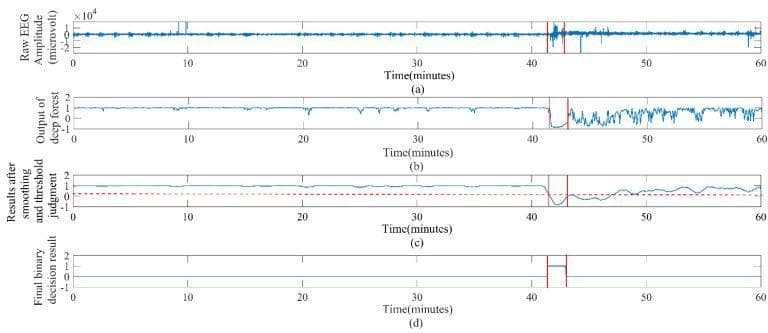
Hugging Face pmc clinical VQA raw
Page 0
GradeResponse
GradeResponse
Here is a comprehensive clinical approach to seizures:
Approach to Seizure
1. Definition
A seizure is a transient occurrence of signs and/or symptoms due to abnormal, excessive, or synchronous neuronal activity in the brain. An epilepsy diagnosis requires ≥2 unprovoked seizures >24 hours apart, or 1 unprovoked seizure with high recurrence risk (≥60% over 10 years), or diagnosis of an epilepsy syndrome.
2. Classification (ILAE 2017)
According to Harrison's Principles of Internal Medicine (p. 12023), the ILAE 2017 classification is based on clinical features and EEG findings:
By Onset:
| Type | Subtypes | Key Features |
|---|---|---|
| Focal | Aware / Impaired awareness | Originates in one hemisphere; may or may not affect consciousness |
| Generalized | Motor / Non-motor (absence) | Involves both hemispheres from onset |
| Unknown onset | Motor / Non-motor | Onset not determined |
Focal Seizures:
- Focal aware (previously "simple partial"): Consciousness preserved; motor, sensory, autonomic, or psychic symptoms
- Focal impaired awareness (previously "complex partial"): Consciousness impaired; automatisms common
- Focal to bilateral tonic-clonic: Secondary generalization
Generalized Seizures:
- Tonic-clonic (grand mal): Tonic phase → clonic phase, post-ictal confusion
- Absence (petit mal): Brief stare, 3 Hz spike-wave on EEG, no post-ictal phase
- Myoclonic: Brief, shock-like muscle jerks
- Tonic: Sustained muscle contraction
- Atonic (drop attacks): Sudden loss of muscle tone
- Clonic: Rhythmic jerking
3. Etiology (Mnemonic: VITAMINS)
| Category | Examples |
|---|---|
| Vascular | Stroke, AVM, hypoxic-ischemic injury |
| Infectious | Meningitis, encephalitis, brain abscess, neurocysticercosis |
| Trauma | TBI, subdural hematoma |
| Autoimmune | Anti-NMDAR encephalitis, LGI1, CASPR2 |
| Metabolic | Hypo/hypernatremia, hypoglycemia, hypocalcemia, uremia, hepatic encephalopathy, hypomagnesemia |
| Idiopathic / Genetic | Genetic epilepsy syndromes |
| Neoplastic | Primary/metastatic brain tumors |
| Structural / Substance | Cortical dysplasia, alcohol withdrawal, drug toxicity |
Provoked vs. Unprovoked is the critical first distinction:
- Provoked (acute symptomatic): Due to a reversible cause; lower recurrence risk; treat the cause
- Unprovoked: No identifiable acute cause; higher recurrence risk; consider AED
4. Clinical Evaluation
History (from patient + witness):
- Pre-ictal: Aura? (localizing to seizure onset zone)
- Ictal: Duration, motor activity, eye deviation, automatisms, tongue bite, incontinence
- Post-ictal: Confusion (Todd's paralysis = focal weakness post-focal seizure)
- Precipitants: Sleep deprivation, fever, alcohol, medications, metabolic stress
- Past history: Prior seizures, febrile seizures, CNS infections, head trauma, family history
Physical Exam:
- Vital signs, fever (infection?), signs of trauma
- Neurological exam: Focal deficits (Todd's paralysis, raised ICP signs)
- Skin: Neurocutaneous stigmata (tuberous sclerosis, neurofibromatosis, Sturge-Weber)
- Tongue laceration (lateral = tonic-clonic; tip = vasovagal)
5. Investigations
Immediate (Emergency):
| Test | Purpose |
|---|---|
| Blood glucose (fingerstick) | Rule out hypoglycemia immediately |
| BMP (electrolytes, Ca, Mg, BUN, Cr) | Metabolic causes |
| CBC | Infection |
| LFTs | Hepatic encephalopathy |
| Toxicology screen | Drug/alcohol |
| Prolactin (within 20 min post-ictal) | Elevated after GTC/focal seizures; not after pseudoseizures |
| Pregnancy test (females of reproductive age) | Eclampsia |
| AED levels (if on therapy) | Subtherapeutic levels |
Neuroimaging:
- Non-contrast CT head: First-line in emergency (bleed, mass, herniation)
- MRI brain with epilepsy protocol: Gold standard; detect hippocampal sclerosis, cortical dysplasia, low-grade tumors, cavernomas
EEG:
- Routine EEG: First seizure workup; detects epileptiform discharges
- Sleep-deprived EEG: Increases yield
- Prolonged/video-EEG monitoring: Seizure semiology correlation, surgical evaluation
- Stat EEG: Suspected non-convulsive status epilepticus (NCSE)
CSF (LP):
- Indicated if: fever + seizure, immunocompromised, suspected encephalitis/meningitis
- Do CT before LP to rule out mass lesion
6. Acute Management
First Seizure (Self-Terminating):
- Protect from injury, lateral decubitus position, do not restrain
- Supplemental O₂, IV access, glucose check
- Time the seizure — most self-terminate within 1-2 minutes
Status Epilepticus (SE) — Seizure >5 minutes or ≥2 without recovery:
| Phase | Time | Intervention |
|---|---|---|
| Phase 1 (0-5 min) | ABC, O₂, IV access, glucose, labs | Thiamine 100 mg IV before dextrose if alcoholic/malnourished |
| Phase 2 (5-20 min) | 1st line: Benzodiazepines | Lorazepam 0.1 mg/kg IV (max 4 mg/dose), repeat once; or midazolam 10 mg IM (if no IV) |
| Phase 3 (20-40 min) | 2nd line: IV AED | Levetiracetam 60 mg/kg IV, OR valproate 40 mg/kg IV, OR fosphenytoin 20 PE/kg IV |
| Phase 4 (>40 min) | Refractory SE | Propofol, midazolam infusion, or ketamine; ICU admission, intubation, continuous EEG |
7. Long-Term Management: AED Selection
| Seizure Type | First-Line AEDs |
|---|---|
| Focal (with/without secondary generalization) | Levetiracetam, lamotrigine, carbamazepine, lacosamide |
| Generalized tonic-clonic | Valproate, levetiracetam, lamotrigine |
| Absence | Ethosuximide (first-line), valproate, lamotrigine |
| Myoclonic | Valproate, levetiracetam, clonazepam |
| Juvenile myoclonic epilepsy | Valproate, levetiracetam (avoid carbamazepine — may worsen) |
Key notes:
- Carbamazepine/oxcarbazepine worsen generalized absence and myoclonic seizures
- Valproate: teratogenic (neural tube defects) — avoid in women of childbearing age if alternatives exist
- Lamotrigine: requires slow titration (risk of Stevens-Johnson syndrome)
- Levetiracetam: broad-spectrum, renal dosing, psychiatric side effects
8. When to Start AEDs After First Seizure?
Start AED if ≥1 of the following:
- Abnormal EEG (epileptiform discharges)
- Abnormal brain imaging (structural lesion)
- Focal neurological deficit
- Nocturnal seizure (high recurrence)
- Patient preference after risk counseling
9. Seizure Mimics (Differential Diagnosis)
| Condition | Distinguishing Feature |
|---|---|
| Syncope | Prodrome, brief tonic posturing, no post-ictal confusion, rapid recovery |
| PNES (Psychogenic non-epileptic seizures) | No EEG correlate, pelvic thrusting, eye closure, normal prolactin |
| TIA | Negative symptoms (weakness/numbness), not positive (jerking) |
| Migraine with aura | Slow march of symptoms over minutes |
| Hypoglycemia | Corrected with glucose, no EEG correlate |
| Breath-holding spells | Pediatric, triggered by crying/pain |
| REM sleep behavior disorder | During REM sleep, dream enactment |
10. Special Situations
| Situation | Key Points |
|---|---|
| Febrile seizures | Age 6 mo–5 yr; >15 min = complex; LP if <12 mo or meningeal signs |
| Eclampsia | Hypertension + proteinuria + seizure in pregnancy; MgSO₄ is treatment |
| Alcohol withdrawal | 6-48 hrs post cessation; benzodiazepines are treatment |
| Neonatal seizures | Subtle (eye deviation, lip smacking); phenobarbital first-line |
| Post-stroke seizures | Early (<2 wks) = provoked; late = unprovoked, consider AED |
11. When to Refer
- Neurology: All first-time unprovoked seizures
- Epileptologist: Refractory epilepsy (failed ≥2 AEDs)
- Neurosurgery: Focal structural lesion, candidacy for resective surgery
- Psychiatry: Suspected PNES
Bottom line: The approach begins with distinguishing provoked vs. unprovoked seizure, classifying the seizure type (ILAE 2017), identifying the etiology, and managing acutely with benzos → IV AED → ICU if needed. Long-term AED selection is guided by seizure type, patient profile, and comorbidities.
This is a shared conversation. Sign in to Orris to start your own chat.