
most early symptoms of aids
Reading File
Searching for the early symptoms of AIDS/HIV.
search_medical_text
early symptoms signs AIDS HIV infection acute retroviral syndrome
Sexually Transmitted Infections
Page 26
search_medical_image
HIV AIDS early symptoms clinical presentation
Hugging Face pmc clinical VQA raw
Page 0
GradeResponse
GradeResponse
Early Symptoms of AIDS/HIV
It's important to distinguish between two phases: acute HIV infection (the very earliest stage) and progression to AIDS (advanced immunodeficiency).
Phase 1 — Acute Retroviral Syndrome (2–4 weeks after exposure)
This is the body's initial response to HIV. Symptoms resemble a flu-like illness and typically last 1–2 weeks. Most people experience at least one symptom, though some remain asymptomatic (STI Guidelines, p. 26):
| Symptom | Notes |
|---|---|
| Fever | Most common; often high-grade |
| Fatigue / Malaise | Profound tiredness |
| Lymphadenopathy | Swollen lymph nodes (neck, armpits, groin) |
| Pharyngitis | Sore throat |
| Skin rash | Maculopapular rash, often on trunk |
| Myalgia / Arthralgia | Muscle and joint aches |
| Headache | Generalized |
| Oral ulcers | Painful sores in the mouth |
| Night sweats | Drenching sweats |
| Diarrhea / Nausea | GI involvement |
Phase 2 — Chronic HIV (Asymptomatic or Mildly Symptomatic)
After acute infection resolves, the virus enters a latent phase that can last years. The person may feel well but is still infectious. Mild symptoms can include:
- Persistent generalized lymphadenopathy
- Recurrent oral thrush (candidiasis)
- Recurrent herpes outbreaks
- Fatigue
- Minor weight loss
Phase 3 — AIDS (CD4 count <200 cells/µL or AIDS-defining illness)
When untreated HIV has severely depleted CD4⁺ T lymphocytes, the immune system can no longer fight opportunistic infections. Warning signs include:
- Rapid weight loss (>10% body weight)
- Recurrent high fevers and drenching night sweats
- Persistent diarrhea (lasting >1 month)
- Extreme fatigue
- Oral thrush (persistent white patches)
- Pneumonia (especially Pneumocystis jirovecii pneumonia — PCP)
- Neurological symptoms — memory loss, confusion
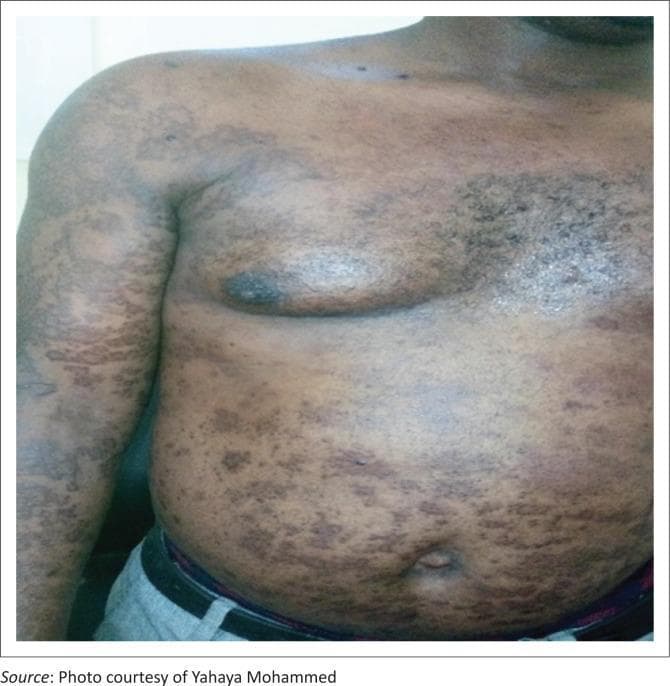
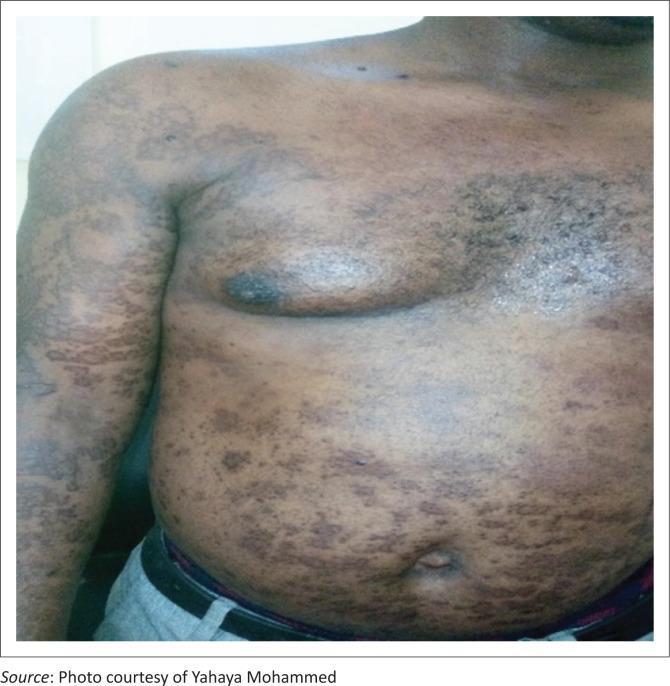
- Skin lesions of Kaposi sarcoma (purplish/brown nodules — see image)
Key Takeaway
The acute flu-like symptoms appear 2–4 weeks after HIV exposure and are often mistaken for a common viral illness. Early testing is critical — HIV is now a manageable chronic condition with antiretroviral therapy (ART), and early treatment prevents progression to AIDS.
Anyone suspecting HIV exposure should seek HIV testing promptly. Home rapid tests, lab-based PCR (most sensitive in early infection), and 4th-generation combo tests are available.
This is a shared conversation. Sign in to Orris to start your own chat.