

Diagnose these 3 skin conditions
Reading File
Searching for all three conditions in parallel now.
search_medical_image
cutis verticis gyrata ridged folded scalp forehead skin

Hugging Face pmc clinical VQA raw
Page 0
search_medical_image
contact dermatitis allergic arm wrist erythematous patch bracelet
GradeResponse
GradeResponse
search_medical_text
cutis verticis gyrata cerebriform forehead skin folds diagnosis etiology
Harrison's Principles of Internal Medicine, Twenty First Edition
Page 10478
search_medical_text
impetigo contagiosa honey crust Staphylococcus Streptococcus treatment
Harrison's Principles of Internal Medicine, Twenty First Edition
Page 3896
GradeResponse
GradeResponse
Here are the diagnoses for all three conditions:
Image 1 (Top Left) — Cutis Verticis Gyrata (CVG)
Diagnosis: Cutis Verticis Gyrata, with possible underlying Pachydermoperiostosis (Primary Hypertrophic Osteoarthropathy)
The man's face and forehead show dramatic, cerebriform (brain-like) ridges and deep furrows of redundant, thickened skin — the hallmark of CVG.
Key features visible:
- Deep convoluted skin folds and furrows over the forehead/scalp
- Coarsened, thickened facial skin
- Heavy, prominent features
Pathophysiology: CVG results from abnormal hypertrophy and folding of the skin, most commonly on the scalp and forehead. It can be:
- Primary essential (no identifiable cause, often in males)
- Primary non-essential (associated with neuropsychiatric disorders, intellectual disability)
- Secondary — to conditions like Pachydermoperiostosis, acromegaly, inflammatory disorders, or neoplasia
Harrison's (p. 10478) specifically describes CVG in the context of Pachydermoperiostosis, where the skin becomes thickened, coarse, with deep nasolabial folds and a furrowed forehead.
Image 1 (Top Right) — Palmar Hyperlinearity / Thickened Palmar Creases
Diagnosis: Exaggerated Palmar Creases, consistent with Palmoplantar Keratoderma or a systemic condition causing palmar skin thickening
The hands show markedly accentuated, dark, deep palmar creases with thickened, yellowed skin.
Key differentials:
- Palmoplantar keratoderma (PPK) — hereditary or acquired thickening of palmar/plantar skin
- Acromegaly — causes coarse, thickened, doughy hands
- Pachydermoperiostosis — also affects distal extremities
- Tripe palms — a paraneoplastic phenomenon with pronounced palmar ridging resembling gastric mucosa, associated with gastric/lung cancer
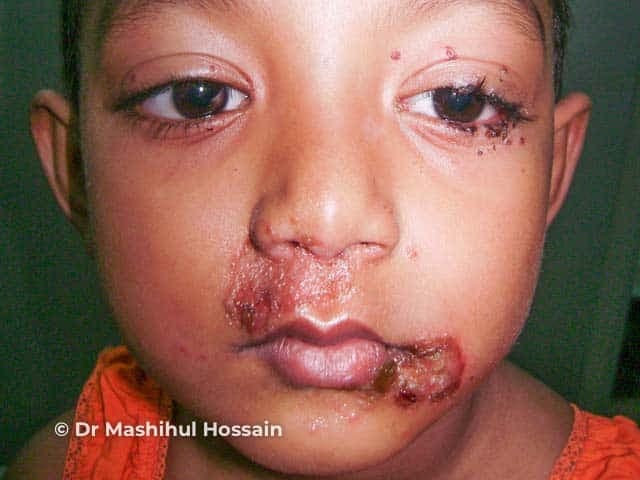
Image 2 — Impetigo Contagiosa (Non-Bullous)
Diagnosis: Impetigo Contagiosa, consistent with non-bullous impetigo caused by Staphylococcus aureus and/or Streptococcus pyogenes
The cheek/neck lesion shows a classic large, erythematous, weeping erosion with hemorrhagic honey-colored/golden-brown crusting.
Key features:
- Honey/golden-brown thick crusts over an erythematous base
- Facial/perioral location (classic site)
- Moist, exudative surface
Clinical relevance (Harrison's, p. 3896):
- Impetigo contagiosa is caused by S. pyogenes; bullous impetigo by S. aureus
- MRSA epidemics of impetigo have been reported
- Important complication: Risk of post-streptococcal glomerulonephritis (though NOT rheumatic fever from skin infection)
Treatment: Topical mupirocin for localized disease; oral beta-lactams (or TMP-SMX if MRSA suspected) for extensive disease.
Image 3 — Allergic Contact Dermatitis (ACD)
Diagnosis: Allergic Contact Dermatitis, likely from the wooden/resin bracelet visible in the image
The arm shows erythematous, slightly raised, irregular plaques and patches in a distribution corresponding directly to contact with the bracelet.
Key features:
- Erythematous, well-demarcated patches with subtle vesiculation
- Distribution matching the contact area of the bracelet
- Pattern consistent with Type IV (delayed-type) hypersensitivity reaction
Common culprits in jewelry ACD:
- Nickel (most common metal allergen) — though this appears to be a wooden/resin bracelet
- Colophony (rosin) in wood finishes/lacquers
- Formaldehyde resins, varnishes, or dyes in wooden/composite jewelry
Management:
- Remove the offending item
- Topical mid-to-high potency corticosteroids
- Patch testing to identify the specific allergen
- Avoidance counseling
Disclaimer: These are educational clinical assessments based on visual findings. A qualified dermatologist should evaluate any actual skin condition for formal diagnosis and treatment.
This is a shared conversation. Sign in to Orris to start your own chat.