

fc00aaa0-c9af-4af9-9a7c-c1be783d5587.jpeg
possible reason and treatment of this and tell me the oral medication and ointment used in this
analyse_media
Reading File
Now let me search the medical library for aphthous ulcer details.
Finding Sources
Finding Sources
Finding Sources
Finding Sources
Searching the Web
aphthous ulcer canker sore treatment oral medication ointment 2024
Reading File
Loading Image
I now have comprehensive information to give a thorough answer. Here is the full analysis:
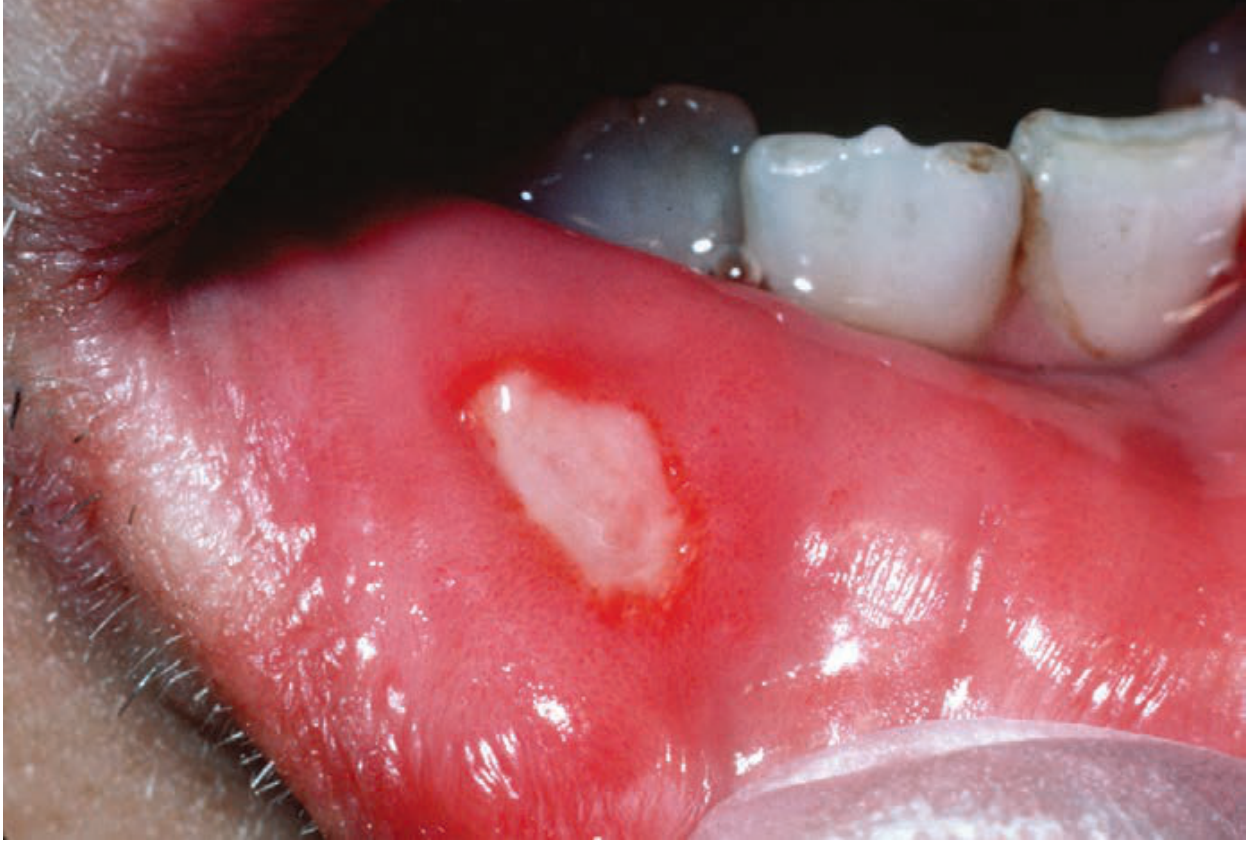
Diagnosis: Aphthous Ulcer (Canker Sore / Recurrent Aphthous Stomatitis - RAS)
The image shows a classic minor aphthous ulcer on the inner labial mucosa - a well-demarcated, shallow ulcer with a grayish-white fibrinous pseudomembrane at the center and a distinct erythematous (red) halo. This matches the textbook appearance:
Possible Causes / Trigger Factors
The exact cause is multifactorial. According to Cummings Otolaryngology, the following triggers are well recognized:
Local factors:
- Traumatic or iatrogenic injury to the mucosa (biting lip, sharp food, dental procedures)
- Use of NSAIDs, beta-blockers, or potassium-channel blockers
Dietary triggers:
- Chocolate, tomatoes, walnuts, hazelnuts, Brazil nuts, spices, citrus foods
Systemic / Immunological causes:
- Psychological stress (one of the most common triggers)
- Hematinic deficiencies: iron, vitamin B12, folate deficiency
- Celiac disease / gluten-sensitive enteropathy
- Crohn disease, ulcerative colitis
- HIV infection
- Behcet syndrome
- PFAPA syndrome (Periodic Fever, Aphthous stomatitis, Pharyngitis, Adenitis)
- HLA-B51 genotype (explains familial clustering)
Pathogenesis: T-cell mediated and antibody-mediated immune processes, with upregulation of TNF-alpha and other cytokines causing keratinocyte lysis - Cummings Otolaryngology Head and Neck Surgery, block 18.
Treatment
Topical (First-line)
Ointments / Pastes - Treatment of Choice:
| Drug | Form | How to Use |
|---|---|---|
| Triamcinolone acetonide 0.1% (Kenalog in Orabase) | Oral paste/ointment | Apply thin film to ulcer 2-3x/day after meals and at bedtime |
| Amlexanox 5% paste | Oral paste | Apply to ulcer 4x/day; reduces pain and healing time |
| Dexamethasone ointment | Gel/ointment | Effective for moderate-severe lesions |
| Clobetasol propionate 0.05% | Ointment in orabase | High-potency steroid for stubborn lesions |
| Fluocinonide 0.05% | Ointment | Anti-inflammatory, immunosuppressive |
| Betamethasone | Topical ointment | Reduces inflammation and capillary permeability |
Topical Anesthetics (for pain relief):
- Benzocaine gel/paste (e.g., Orajel) - OTC, provides temporary pain relief
- Lidocaine viscous solution - rinse and spit before meals
Antiseptic Rinses:
- Chlorhexidine gluconate 0.12% mouthwash - reduces secondary bacterial colonization and shortens duration
Oral (Systemic) Medications
Used for severe, large, or frequent recurrences:
| Drug | Indication |
|---|---|
| Prednisone 40-60 mg/day (tapering) | Multiple or large ulcers not responding to topical therapy |
| Colchicine 0.5-1.5 mg/day | Reduces frequency of recurrences |
| Dapsone 100 mg/day | Recurrent severe cases |
| Pentoxifylline | TNF-alpha inhibitor; reduces recurrence frequency |
| Thalidomide 50-100 mg/day | Severe/refractory RAS, especially in HIV patients (restricted use) |
| Vitamin B12 supplement | If deficiency is detected |
| Iron / Folate supplement | Correct hematinic deficiency if present |
| Tetracycline mouthwash (not tablets) | Reduces pain and duration when used as a rinse |
Key Practical Points
- Minor aphthous ulcers heal spontaneously in 7-14 days without treatment
- Avoid trigger foods (spicy, acidic, salty foods) during healing
- Use SLS-free toothpaste - sodium lauryl sulfate (found in most toothpastes) can cause dose-dependent mucosal desquamation and worsen ulcers
- If ulcers are larger than 1 cm, do not heal within 2-3 weeks, or are accompanied by fever, systemic workup is needed to rule out Behcet, IBD, or hematologic deficiency
Note: This information is for educational purposes. Always consult a dentist, oral medicine specialist, or physician for accurate diagnosis and prescription of medications.
This is a shared conversation. Sign in to Orris to start your own chat.