
Management of hypertension , refer latest ecs guidelines, AHA guidelines, kumar and Clark 11th edition and all other top books and sources and give me a very detailed note about hypertension , drugs, management , advices and follow up , I’m a gold medal targeting student
Reading File
Now let me run all searches in parallel:
Finding Sources
Searching PubMed
"hypertension" AND "guidelines" AND "management"
Searching the Web
ESC 2024 hypertension guidelines management targets drugs recommendations
Excellent! I found the key sources. Now let me pull detailed content from Harrison's 22E, Braunwald's, Kumar & Clark, Goldman-Cecil, and the ESC 2024 guideline abstract in parallel:
Reading File
Reading File
Reading Article
PMID: 39210715
Reading Article
PMID: 40811516
Now let me get more detailed content - Harrison's main hypertension chapter, Kumar & Clark, and Goldman Cecil, plus ESC 2024 web content:
Finding Sources
Finding Sources
Finding Sources
Searching the Web
2025 AHA ACC hypertension guideline blood pressure targets thresholds treatment algorithm
Now let me pull the Harrison's main hypertension chapter and Katzung pharmacology and Goodman & Gilman for drugs, plus ESC 2024 web content:
Reading File
Reading File
Reading File
Reading Web Page
https://pmc.ncbi.nlm.nih.gov/articles/PMC12356496
Excellent! Now let me get the detailed Harrison's hypertension management chapter (the full chapter on primary HTN) and Katzung chapter 11 on antihypertensive drugs:
Reading File
Finding Sources
Finding Sources
Reading File
Finding Sources
Loading Image
Reading File
Finding Sources
Reading File
Reading File
I now have comprehensive data from all major sources. Let me fetch the key Harrison's treatment chart and the Goodman & Gilman drug data, then compile the complete note:
Loading Image
Reading File
I now have all the essential material from Harrison's 22E, Goodman & Gilman, Braunwald's, Rosen's EM, and the latest 2024 ESC and 2025 AHA/ACC guidelines. Let me now write the comprehensive, gold-medal-level note.---
HYPERTENSION - Complete Gold-Medal Study Note
Sources: Harrison's 22E (2025), Goodman & Gilman's Pharmacological Basis of Therapeutics, Braunwald's Heart Disease, Rosen's Emergency Medicine, Robbins & Kumar Pathology, Katzung's Basic & Clinical Pharmacology, ESC 2024 Guidelines (PMID 39210715), 2025 AHA/ACC Guideline (PMID 40811516)
PART 1: DEFINITION AND CLASSIFICATION
Blood Pressure Classification (2025 AHA/ACC - unchanged from 2017)
| Category | SBP (mmHg) | DBP (mmHg) | |
|---|---|---|---|
| Normal | <120 | AND | <80 |
| Elevated | 120-129 | AND | <80 |
| Stage 1 Hypertension | 130-139 | OR | 80-89 |
| Stage 2 Hypertension | ≥140 | OR | ≥90 |
| Hypertensive Crisis | >180 | and/or | >120 |
Correct classification rule: When SBP and DBP fall in different categories, use the higher category. Requires averaging ≥2 readings at ≥2 occasions.
ESC 2024 Classification (slightly different terminology)
| Category | SBP | DBP | |
|---|---|---|---|
| Optimal | <120 | and | <80 |
| Normal | 120-129 | and/or | 80-84 |
| High-normal | 130-139 | and/or | 85-89 |
| Grade 1 HTN | 140-159 | and/or | 90-99 |
| Grade 2 HTN | 160-179 | and/or | 100-109 |
| Grade 3 HTN | ≥180 | and/or | ≥110 |
| Isolated systolic | ≥140 | and | <90 |
Key exam point: The 2025 AHA/ACC guideline retired the term "hypertensive urgency." The preferred term is now "severe hypertension without acute target-organ damage." Hypertensive emergency = severe HTN WITH acute target organ damage.
PART 2: EPIDEMIOLOGY AND PATHOPHYSIOLOGY
Epidemiology
- Affects ~1.3 billion adults globally; prevalence rises steeply with age
- In most Western countries, SBP rises progressively with age; in women, increase is more marked after age 50
- Primary (essential) hypertension accounts for ~90-95% of cases
- Leading modifiable risk factor for stroke, MI, heart failure, CKD, and premature death
Pathophysiology of Primary (Essential) Hypertension
BP = Cardiac Output (CO) × Total Peripheral Resistance (TPR)
Early essential hypertension: CO is often elevated (high sympathetic tone), TPR normal. Later: CO normalizes, TPR increases and sustains the hypertension.
Key mechanisms (Robbins & Kumar Pathologic Basis of Disease):
- Reduced renal sodium excretion - Kidneys fail to excrete sodium appropriately at normal perfusion pressures → volume expansion → HTN. This is the dominant hypothesis (Guyton model).
- RAAS activation - Angiotensin II is the central effector: causes direct vasoconstriction, promotes aldosterone release (sodium retention), stimulates SNS, promotes cardiac/vascular hypertrophy.
- Sympathetic nervous system overactivation - Increased catecholamines raise CO and TPR; renal SNS activation further impairs sodium excretion.
- Vascular remodeling - Vascular smooth muscle hypertrophy/hyperplasia increases TPR and structural resistance.
- Endothelial dysfunction - Reduced nitric oxide (NO) bioavailability, increased endothelin-1 and oxidative stress.
- Genetic/polygenic factors - Multiple genes with modest individual effect; shared environment likely as important.
Modifiable environmental factors (Harrison's 22E):
- Excess dietary sodium
- Inadequate dietary potassium
- Physical inactivity
- Overweight/obesity (BMI ≥25 kg/m²)
- Excess alcohol (>2 drinks/day)
- Poor diet quality (low DASH adherence)
Pathophysiology of Secondary Hypertension
| Cause | Prevalence | Mechanism | Key Test |
|---|---|---|---|
| Obstructive sleep apnea | ~25% of HTN | Intermittent hypoxia → SNS activation, aldosterone excess | Polysomnography |
| Primary aldosteronism | 5-15% (often underdiagnosed) | Autonomous aldosterone → Na retention, hypokalemia | Aldosterone/renin ratio (ARR) |
| Renovascular (renal artery stenosis) | 1-5% | Reduced renal perfusion → RAAS activation | Doppler US, CTA, MRA |
| CKD | ~3-5% | Impaired Na excretion, RAAS activation, sympathetic activation | eGFR, urinalysis |
| Thyroid disorders | Variable | Hypothyroid: diastolic HTN; Hyperthyroid: systolic/tachycardia | TSH |
| Pheochromocytoma | <0.5% (rare but deadly) | Catecholamine excess | Plasma/urine metanephrines |
| Coarctation of aorta | Uncommon | Mechanical obstruction | Echocardiogram, CT |
| Cushing syndrome | Rare | Cortisol excess → Na retention, direct pressor effects | 24h urine cortisol, DST |
Red flags suggesting secondary HTN: Resistant HTN, age <30, abrupt onset, unprovoked hypokalemia, proteinuria, disproportionate target-organ damage.
PART 3: CLINICAL EVALUATION
History
- Duration and severity of BP elevation
- Prior BP measurements and treatment
- Symptoms of target organ damage: headache, palpitations, exertional dyspnea, orthopnea, chest pain, visual disturbance, nocturia, oliguria
- Secondary cause clues: snoring/daytime sleepiness (OSA), paroxysmal sweating/palpitations (pheo), muscle weakness/cramping (hyperaldosteronism), flank bruit (RAS)
- Drug history: NSAIDs, OCPs, sympathomimetics, stimulants, liquorice, steroids, calcineurin inhibitors, cocaine
- Family history, cardiovascular risk factors
Physical Examination
- Accurate BP measurement: both arms, sitting (after 5 min rest), standing (screen for orthostatic hypotension), use validated oscillometric device
- Check for: retinal changes (Keith-Wagener-Barker classification), carotid bruits, JVP, cardiac auscultation (S3/S4, murmurs), abdominal bruits, peripheral pulses, ankle-brachial index, fundoscopy
- Signs suggesting secondary causes: cushingoid features, thyromegaly, radio-femoral delay
Keith-Wagener-Barker Retinal Classification
| Grade | Finding |
|---|---|
| I | Mild arteriolar narrowing, increased light reflex ("silver wiring") |
| II | Definite AV nipping (arteriovenous crossing changes) |
| III | Flame/blot hemorrhages, cotton-wool spots (soft exudates) |
| IV | Grade III + papilledema |
Investigations
Routine (all hypertensive patients):
- Urinalysis + urine ACR (albumin:creatinine ratio)
- Serum electrolytes (Na, K, creatinine, eGFR, uric acid)
- Fasting glucose and/or HbA1c
- Fasting lipid profile
- ECG (LVH by voltage criteria, ischemia, arrhythmia)
Extended (selected patients/secondary screen):
- Echocardiogram (LVH assessment, diastolic dysfunction)
- Renal ultrasound (size asymmetry, scarring)
- Aldosterone:renin ratio (screen for primary aldosteronism if hypokalemia, resistant HTN, adrenal incidentaloma)
- Plasma/24h urine metanephrines (if paroxysmal symptoms, pheo suspicion)
- Thyroid function tests
- Sleep study if OSA suspected
- 24h ambulatory BP monitoring (ABPM) or home BP monitoring - to confirm diagnosis, identify white coat or masked HTN
Target Organ Damage Assessment
- Heart: LVH (ECG/echo), heart failure, coronary artery disease
- Vessels: carotid intima-media thickness, peripheral arterial disease
- Kidneys: microalbuminuria, reduced eGFR, proteinuria
- Eyes: hypertensive retinopathy
- Brain: lacunar infarcts, cognitive impairment
PART 4: TREATMENT TARGETS
2025 AHA/ACC Targets
- General target: <130/80 mmHg for all adults with hypertension, regardless of age
- Cognitive protection: SBP <130 mmHg specifically recommended to prevent mild cognitive impairment and dementia (COR 1, LOE A)
- Post-thrombectomy stroke: Target SBP ≥140 mmHg (lower targets worsen outcomes - ENCHANTED-2, OPTIMAL BP, BEST-II trials)
- Elderly with high comorbidity/limited life expectancy: individualize based on clinical judgment
ESC 2024 Targets
- General target: 120-129/70-79 mmHg for most patients <85 years
- Age ≥85 years or moderate-severe frailty: SBP <140 mmHg (or "as low as reasonably achievable")
- Initiation threshold: BP ≥140/90 mmHg in all patients <85 years; treat at ≥130/80 in those with established CVD, DM, or CKD
ESH (European Society of Hypertension) Targets
- <140/80 mmHg for most patients
- Age 18-64: 120-129/70-79 mmHg
- Age 65-79: <140/80 (lower target 120-129 if tolerated)
- Age ≥80: SBP 140-150 mmHg (130-139 if tolerated, not frail)
Key exam comparison:
- AHA/ACC (2025): uniform <130/80 for all
- ESC (2024): 120-129/70-79 for most <85 years
- ESH: age-stratified, more conservative in elderly
PART 5: NON-PHARMACOLOGICAL MANAGEMENT (Lifestyle Modifications)
These are first-line in all patients regardless of BP category, and mandatory adjuncts to drug therapy. From Harrison's 22E and 2025 AHA/ACC:
| Intervention | Expected SBP Reduction | Details |
|---|---|---|
| DASH diet | 8-14 mmHg | Rich in fruits, vegetables, low-fat dairy, reduced saturated fat; high K+, Mg2+, Ca2+ |
| Dietary sodium restriction | 2-8 mmHg | Target <2.3g Na/day (ideally <1.5g/day); potassium-based salt substitutes now recommended (2025 AHA/ACC, 2a, LOE A) |
| Weight loss | ~1 mmHg per kg lost | Target BMI <25 kg/m²; even 5-10% weight reduction is beneficial |
| Physical activity | 4-9 mmHg | ≥150 min/week moderate-intensity aerobic exercise; or 75 min/week vigorous; resistance training 2-3x/week also helps |
| Alcohol restriction | 2-4 mmHg | ≤2 drinks/day men, ≤1 drink/day women |
| Smoking cessation | Variable direct effect | Major CV risk reduction; does not lower BP directly but reduces overall CV risk |
| Stress reduction | Variable | Mindfulness, meditation; evidence weaker |
| Potassium intake | 4-5 mmHg | 3.5-5g/day dietary K+; potassium-based salt substitutes (caution in CKD, K-sparing drugs) |
Combination of all interventions can lower SBP by 20-30 mmHg - equivalent to 1-2 drug classes.
Special note (2025 AHA/ACC - New Recommendation): Potassium-based salt substitutes are now explicitly recommended to help prevent or manage elevated BP, especially when dietary salt comes from home cooking. Use with caution in CKD or on medications that reduce K+ excretion.
PART 6: PHARMACOLOGICAL MANAGEMENT
When to Start Drugs (2025 AHA/ACC)
| BP Category | CVD Risk | Action |
|---|---|---|
| SBP 120-129 (Elevated BP) | Any | Lifestyle only; reassess 3-6 months |
| Stage 1 (130-139/80-89) | Low (<7.5% PREVENT) | Lifestyle 3-6 months; add drug if BP persists |
| Stage 1 (130-139/80-89) | High (≥7.5% PREVENT, CVD, DM, CKD) | Start drugs immediately + lifestyle |
| Stage 2 (≥140/90) | Any | Start drugs immediately + lifestyle |
The PREVENT tool (2025 AHA/ACC) replaces the Pooled Cohort Equations; estimates 10- and 30-year CVD risk including ASCVD and heart failure; also incorporates kidney-specific signals.
ESC 2024 approach: Initiate drugs at BP ≥140/90 in all patients <85 years. For BP 130-139 in CVD patients: start immediately. For low-to-moderate risk with BP 130-139: lifestyle first, then drug if BP uncontrolled at ≥140/90 at follow-up.
First-Line Drug Classes (Endorsed by AHA/ACC, ESC 2024)
Four classes are first-line (for patients without compelling indications):
- ACE inhibitors (ACEi)
- Angiotensin Receptor Blockers (ARBs)
- Calcium Channel Blockers (CCBs)
- Thiazide/Thiazide-like diuretics
Beta-blockers: AHA/ACC and ESC reserve BBs for compelling indications (post-MI, heart failure with reduced EF, angina, rate control in AF). They are NOT first-line for uncomplicated hypertension.
Drug-by-Drug Pharmacology
1. ACE Inhibitors (ACEi)
Mechanism: Block angiotensin-converting enzyme → ↓ Angiotensin II → vasodilation (↓ TPR), ↓ aldosterone (↓ Na retention), ↓ bradykinin breakdown (↑ NO, ↑ prostaglandins - also causes cough and angioedema)
Drugs and doses:
- Enalapril: 5-40 mg/day (OD or BD)
- Ramipril: 2.5-10 mg/day (OD) - preferred post-MI, CKD
- Lisinopril: 10-40 mg/day (OD)
- Perindopril: 4-8 mg/day (OD)
- Captopril: 12.5-75 mg BD/TDS (short-acting, used in hypertensive emergency)
- Fosinopril: 10-40 mg/day (OD)
Advantages: Renoprotective (reduce glomerular hyperfiltration), slow CKD progression, reduce proteinuria, reduce mortality in HF and post-MI, prevent LVH regression, may reduce new-onset DM
Side effects:
- Dry cough (5-20%, due to bradykinin - class effect, switch to ARB)
- Angioedema (rare 0.1-0.7%, can be life-threatening - absolute contraindication thereafter)
- Hyperkalemia (especially with K+ supplements, K-sparing diuretics, in CKD)
- First-dose hypotension (especially if volume depleted)
- Rise in creatinine 10-30% at initiation (acceptable if stable; stop if >30% rise)
Contraindications: Pregnancy (teratogenic - fetopathy, Category D/X), bilateral renal artery stenosis, angioedema history, hyperkalemia (K+ >5.5)
2. Angiotensin Receptor Blockers (ARBs)
Mechanism: Block AT1 receptor directly → all effects of Ang II via AT1 are blocked. Unlike ACEi: do NOT inhibit bradykinin breakdown → no cough, very rare angioedema
Drugs and doses:
- Losartan: 25-100 mg/day (OD)
- Valsartan: 80-320 mg/day (OD)
- Olmesartan: 20-40 mg/day (OD)
- Irbesartan: 150-300 mg/day (OD)
- Candesartan: 8-32 mg/day (OD)
- Telmisartan: 40-80 mg/day (OD) - longest half-life, once daily
Advantages: Same as ACEi (renoprotective, HF mortality reduction) but better tolerated; used when ACEi causes cough; diabetic nephropathy (IDNT trial: irbesartan; RENAAL: losartan)
Side effects: Hyperkalemia, acute kidney injury (especially with bilateral RAS), hypotension. Angioedema much less common than ACEi.
Contraindications: Same as ACEi. Do NOT combine ACEi + ARB (dual RAAS blockade - increased AKI and hyperkalemia without added benefit - ONTARGET trial)
3. Calcium Channel Blockers (CCBs)
Mechanism: Block L-type calcium channels in vascular smooth muscle → vasodilation → ↓ TPR (dihydropyridines). Non-dihydropyridines also slow SA/AV node → negative chronotropy and inotropy.
Dihydropyridines (DHP) - preferentially vascular:
- Amlodipine: 2.5-10 mg/day (OD) - gold standard, long half-life
- Nifedipine (slow-release): 30-90 mg/day
- Felodipine: 2.5-10 mg/day
- Lercanidipine: 10-20 mg/day (better tolerated, less oedema)
- Nicardipine (IV): used in hypertensive emergency
Non-DHP (heart rate-slowing):
- Verapamil: 120-480 mg/day BD/TDS (also Class IV antiarrhythmic)
- Diltiazem: 120-360 mg/day BD/TDS
Side effects of DHPs: Peripheral oedema (dose-dependent, reflex arteriolar dilation), flushing, palpitations, reflex tachycardia (especially nifedipine short-acting)
Side effects of non-DHPs: Bradycardia, AV block, constipation (verapamil), negative inotropy
Advantages: Excellent in elderly (isolated systolic HTN), no metabolic effects, useful in African/Black patients, anti-anginal (non-DHP and DHP), added renoprotection when combined with ACEi/ARB
Contraindications:
- Non-DHP: heart failure with reduced EF, AV block grade 2-3, sick sinus syndrome
- DHPs (fast-release) in acute MI/unstable angina
4. Thiazide and Thiazide-like Diuretics
Mechanism: Block Na-Cl cotransporter (NCC) in distal convoluted tubule → natriuresis and initial volume contraction. Long-term: vasodilatory effect predominates (mechanism unclear, possibly K+ channel activation in vascular smooth muscle).
Drugs and doses:
- Hydrochlorothiazide (HCTZ): 12.5-25 mg/day (OD) - most widely used
- Chlorthalidone: 12.5-25 mg/day (OD) - preferred (longer half-life, stronger evidence for CV outcomes in ALLHAT trial)
- Indapamide: 1.25-2.5 mg/day (OD) - thiazide-like, preferred in CKD stage 1-3, less metabolic effects
- Metolazone: 2.5-10 mg/day - useful in CKD + resistant HTN
Side effects:
- Hypokalemia (most common - check K+ within 4 weeks of initiation)
- Hyperuricemia (gout in predisposed)
- Hyperglycemia / new-onset type 2 DM (especially at higher doses)
- Hyperlipidemia (minor, at higher doses)
- Hyponatremia (especially in elderly)
- Hypercalcemia (increases Ca2+ reabsorption - useful in osteoporosis, avoid in hypercalcemia)
- Erectile dysfunction
Contraindications: Gout (relative), pregnancy, hypokalemia, hypercalcemia
Exam key: Chlorthalidone is preferred over HCTZ by most guidelines due to stronger CV outcome data and longer half-life. Indapamide preferred in CKD.
5. Beta-Blockers (BBs) - Compelling indications only
Mechanism: Block β1 (cardiac) receptors → ↓ HR, ↓ CO; ↓ renin secretion; central sympatholysis
Drugs:
- Atenolol: 25-100 mg/day (cardioselective, OD) - widely used but not preferred in guidelines
- Bisoprolol: 2.5-10 mg/day (cardioselective, OD) - preferred in HF (HF-rEF)
- Metoprolol succinate: 25-200 mg/day (cardioselective, OD) - preferred in HF (MERIT-HF)
- Carvedilol: 3.125-25 mg BD (non-selective + α1 block) - preferred in HF
- Nebivolol: 2.5-10 mg/day (also releases NO → additional vasodilation) - best tolerated, good in elderly
- Labetalol (IV/oral): α1 + β blocker - preferred in hypertensive emergency in pregnancy
Side effects: Bradycardia, fatigue, cold extremities, bronchospasm (avoid in asthma/COPD), blunted hypoglycemia awareness (DM), erectile dysfunction, rebound hypertension if abruptly stopped, exacerbation of Raynaud's
Contraindications: Asthma, AV block grade 2-3, significant bradycardia, cardiogenic shock, unstable decompensated HF
Compelling indications for BBs in HTN: Post-MI, stable angina, HF-rEF, rate control in AF/flutter, portal HTN (propranolol), essential tremor, thyrotoxicosis (symptom control)
6. Mineralocorticoid Receptor Antagonists (MRAs) - 4th line / Resistant HTN
Mechanism: Block aldosterone receptor in collecting duct → natriuresis, K+ retention
Drugs:
- Spironolactone: 25-100 mg/day (steroidal MRA) - drug of choice for resistant HTN, primary aldosteronism
- Eplerenone: 25-50 mg/day (selective MRA, fewer hormonal side effects)
- Finerenone: 10-20 mg/day (nonsteroidal MRA - new; approved for CKD + DM in heart failure)
Side effects: Hyperkalemia (most important - monitor K+), gynecomastia/breast tenderness (spironolactone - due to anti-androgen effect), menstrual irregularities, impotence
Indications: Resistant HTN (add as 4th agent), primary aldosteronism, HF with reduced EF (essential), post-MI with LV dysfunction
7. Other Drug Classes (Second/Third-line or Special Situations)
Alpha-1 blockers:
- Doxazosin: 1-16 mg/day; Prazosin: 1-10 mg BD/TDS
- SE: First-dose postural hypotension; Contraindicated in heart failure
- Useful in HTN + BPH (prostate disease)
Central sympatholytics:
- Methyldopa: 250-1000 mg TDS - drug of choice in hypertension in pregnancy (first-line per most guidelines)
- Clonidine: 0.1-0.8 mg/day - rarely used; rebound HTN on withdrawal is dangerous
- Moxonidine: 0.2-0.6 mg/day
Direct vasodilators:
- Hydralazine: 25-100 mg BD/TDS - used in pregnancy (IV for emergencies); causes reflex tachycardia + fluid retention; lupus-like syndrome at high doses
- Minoxidil: 5-100 mg/day - potent, for resistant HTN; causes hirsutism, fluid retention, reflex tachycardia
Direct renin inhibitor:
- Aliskiren: 150-300 mg/day - do NOT combine with ACEi/ARB
Endothelin receptor antagonist:
- Bosentan, ambrisentan - for pulmonary arterial hypertension (not systemic HTN management)
PART 7: TREATMENT ALGORITHMS
Step-Wise Treatment (Harrison's 22E Figure 286-4)
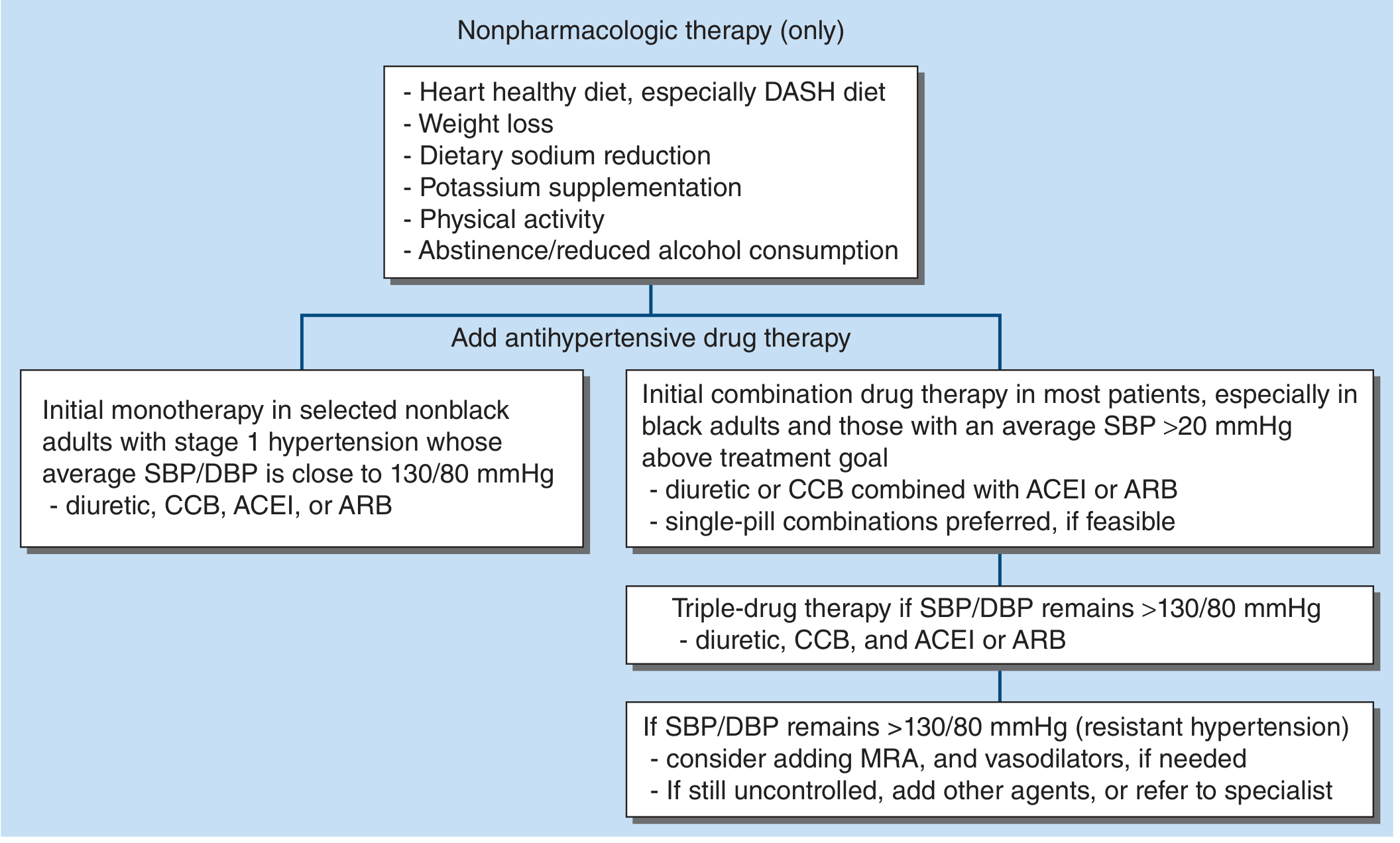
Step 1 - All patients: Nonpharmacologic therapy (DASH, weight loss, sodium restriction, K+ supplementation, exercise, ↓ alcohol)
Step 2 - Monotherapy (only for selected non-Black patients with Stage 1 HTN close to 130/80): diuretic, CCB, ACEi, or ARB
Step 3 - Combination (preferred initial therapy in most patients):
- Start with 2-drug combination (preferred in Black adults and those with SBP >20 mmHg above target)
- Diuretic OR CCB combined with ACEi or ARB
- Single-pill combination (SPC) preferred for adherence
Step 4 - Triple therapy (if BP remains >130/80):
- Diuretic + CCB + ACEi or ARB
Step 5 - Resistant HTN (if still >130/80 on triple therapy at maximum doses):
- Add MRA (spironolactone 25-50 mg/day) - most effective 4th agent
- Consider vasodilators (hydralazine, minoxidil) if needed
- Rule out pseudoresistance (non-adherence, white-coat effect, poor measurement technique)
- Refer to hypertension specialist
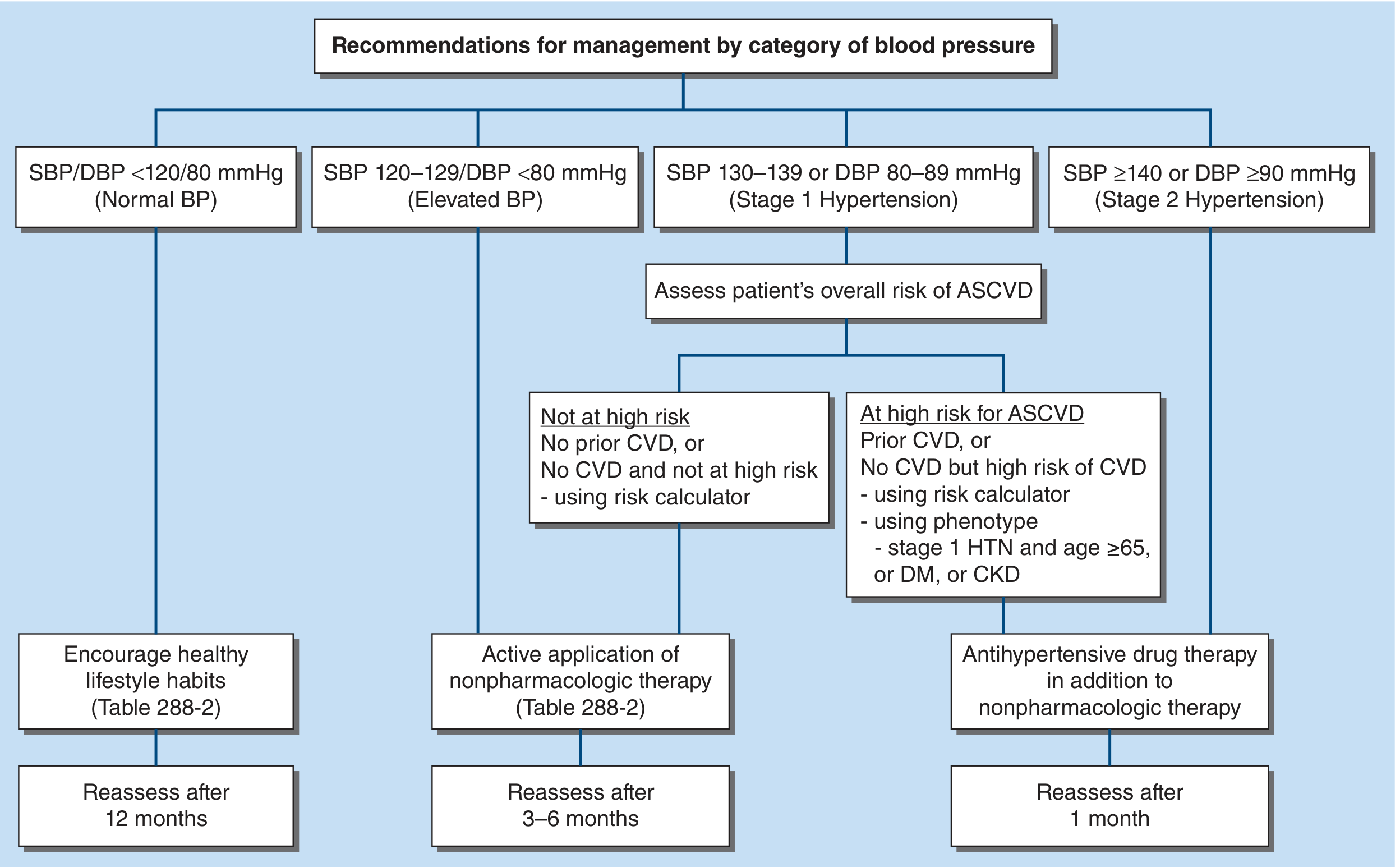
Initial Management by BP Level (Harrison's 22E)
PART 8: COMPELLING INDICATIONS - PREFERRED DRUGS
(Based on Goodman & Gilman Table 32-4 + ESC 2024 + AHA 2025)
| Condition | Preferred Agent(s) | Avoid/Caution |
|---|---|---|
| Post-MI | ACEi/ARB + BB (+ aldosterone antagonist if EF low) | DHPs (if HF) |
| Stable angina | BB + CCB (DHP) | Diuretics alone |
| Heart failure with reduced EF (HFrEF) | ACEi/ARB (or ARNI: sacubitril/valsartan), BB, MRA, diuretic | Non-DHP CCBs, alpha-blockers |
| Atrial fibrillation (rate control) | BB, non-DHP CCBs (diltiazem, verapamil) | DHP CCBs (reflex tachycardia) |
| CKD (non-diabetic, proteinuria) | ACEi or ARB | Dual RAAS blockade |
| CKD + Diabetes | ACEi or ARB (first-line renoprotection) | Dual RAAS blockade |
| Diabetes mellitus | ACEi, ARB, CCB, thiazide; all acceptable | BB (mask hypoglycemia, worsen glucose tolerance) |
| Stroke (secondary prevention) | ACEi + diuretic (PROGRESS trial) | Rapid lowering acutely |
| Left ventricular hypertrophy | ACEi, ARB, CCB | |
| Primary aldosteronism | Spironolactone, eplerenone; surgery if unilateral | BB, thiazides alone insufficient |
| Pheochromocytoma | Alpha-blocker first (phenoxybenzamine or doxazosin), then BB | BB first (causes hypertensive crisis by blocking β2 vasodilation with unopposed α) |
| Aortic dissection | IV labetalol or esmolol + nitroprusside | Vasodilators without BB (reflex tachycardia increases shear stress) |
| Hypertension in pregnancy | Methyldopa (first-line oral), labetalol, nifedipine; hydralazine (IV) | ACEi, ARBs (fetotoxic - Category D), aliskiren |
| Elderly / Isolated systolic HTN | Thiazide, CCB (DHP), ACEi | Avoid rapid BP reduction |
| Black patients | Thiazide, CCB (better response than ACEi/ARB monotherapy); combination ACEi+CCB highly effective | ACEi/ARB less effective as monotherapy |
| Peripheral artery disease | CCB, ACEi | BB (may worsen claudication - relative) |
| BPH (benign prostate hyperplasia) | Alpha-1 blocker (doxazosin) | |
| Migraine prevention | BB, CCB (verapamil) | |
| Metabolic syndrome | ACEi, ARB, CCB | BB, thiazide (worsen insulin resistance) |
| Gout | ACEi, ARB (losartan is uricosuric), CCB | Thiazides (raise uric acid) |
| Osteoporosis | Thiazide (increase Ca2+ reabsorption) | Loop diuretics (calciuric) |
PART 9: RESISTANT HYPERTENSION
Definition: BP above target despite ≥3 antihypertensive drugs at optimal doses (including a diuretic), with confirmed adherence and proper measurement.
- True resistant HTN: applies to ~10-15% of hypertensive patients
- AHA/ACC includes patients needing ≥4 medications to maintain BP control
Evaluation Steps
- Exclude pseudoresistance:
- White coat effect (confirm with ABPM/home BP monitoring)
- Poor adherence (most common reason)
- Inadequate doses
- Poor measurement technique
- Volume overload (inadequate diuretic)
- Review medications for contributors:
- NSAIDs, COX-2 inhibitors (most important; sodium/water retention, blunt response to all antihypertensives)
- Oral contraceptives
- Stimulants (methylphenidate, cocaine, amphetamines)
- Erythropoietin
- Sympathomimetics (decongestants)
- Calcineurin inhibitors (cyclosporine, tacrolimus)
- VEGF inhibitors
- Licorice
- Screen for secondary causes (especially primary aldosteronism, OSA, renovascular disease)
- Optimize therapy: Ensure diuretic use and adequate dose; prefer chlorthalidone over HCTZ
- Add 4th agent: Spironolactone 25-50 mg/day (most evidence - PATHWAY-2 trial)
- Advanced options: Renal denervation (FDA cleared in some countries), baroreceptor activation therapy
PART 10: HYPERTENSIVE EMERGENCY
Definition: Severely elevated BP (usually >180/120 mmHg) WITH acute target organ damage.
Target organs and presentations (Rosen's Emergency Medicine):
| System | Incidence | Presentation |
|---|---|---|
| Heart | 27-49% | Acute HF (flash pulmonary oedema), ACS |
| Brain | 37-45% | Acute ischemic stroke (6-25%), intracerebral hemorrhage (5-23%), hypertensive encephalopathy (8-16%) |
| Kidney | ~15% | Acute kidney injury |
| Aorta | 1-2% | Aortic dissection |
| Eyes | ~1% | Hypertensive retinopathy with papilledema |
| Pregnancy | ~2% | Eclampsia |
Management of Hypertensive Emergency
Key principle: Lower BP by no more than 25% in the first hour, then gradually to 160/100 by 2-6 hours, then to normal over 24-48 hours. EXCEPTION: aortic dissection (reduce to SBP <120 within 20 minutes).
IV Drugs for Hypertensive Emergency:
| Drug | Mechanism | Onset | Use | Avoid In |
|---|---|---|---|---|
| Nicardipine (IV) | DHP CCB | 5-15 min | Most hypertensive emergencies, stroke, pregnancy | ACS (controversial) |
| Labetalol (IV) | α1+β blocker | 5-10 min | Most situations, pregnancy, aortic dissection | Asthma, acute HF, severe bradycardia |
| Esmolol (IV) | Cardioselective BB | 60 sec | Aortic dissection, perioperative | Asthma, HF |
| Nitroprusside (IV) | NO donor → vasodilation | Seconds | Hypertensive encephalopathy, aortic dissection | Prolonged use (cyanide toxicity), renal failure, elevated ICP, pregnancy (thiocyanate toxicity in fetus) |
| Nitroglycerin (IV) | NO donor → venodilation/vasodilation | 2-5 min | Acute MI, pulmonary oedema, after coronary bypass | Raised ICP, severe aortic stenosis |
| Hydralazine (IV) | Direct arteriolar vasodilator | 10-20 min | Eclampsia/pre-eclampsia | Aortic dissection, angina (reflex tachycardia) |
| Clevidipine (IV) | DHP CCB | 2-4 min | Perioperative, most hypertensive emergencies | |
| Fenoldopam (IV) | Dopamine D1 agonist | 5-10 min | Renal-protective, useful in AKI | Glaucoma |
| Phentolamine (IV) | Alpha-blocker | Rapid | Pheochromocytoma crisis |
Severe Hypertension Without Acute TOD (Formerly "Hypertensive Urgency")
- BP >180/120 WITHOUT target organ damage
- NOT a true emergency; does NOT require aggressive IV therapy
- Restart/optimize oral antihypertensives; recheck within 24-72 hours
- Admission generally not required unless nonadherence, no follow-up, or concern about access
PART 11: SPECIAL POPULATIONS
Hypertension in Pregnancy
Classification:
- Gestational HTN: HTN arising after 20 weeks without proteinuria; resolves postpartum
- Pre-eclampsia: HTN ≥140/90 + proteinuria (≥300 mg/24h or protein/creatinine ≥0.3) after 20 weeks; or HTN + end-organ damage without proteinuria
- Eclampsia: Pre-eclampsia + seizures
- Chronic HTN: Pre-existing, or diagnosed <20 weeks, or persisting >12 weeks postpartum
- Superimposed pre-eclampsia: Chronic HTN + new proteinuria/organ damage after 20 weeks
Drug treatment:
- First-line: Methyldopa, Nifedipine (slow-release), Labetalol
- IV emergency: Hydralazine IV, Labetalol IV, Nicardipine IV - Magnesium sulfate for seizure prophylaxis in severe pre-eclampsia
- ABSOLUTELY CONTRAINDICATED: ACEi, ARBs (oligohydramnios, renal dysgenesis, calvarial ossification defects, limb contractures, neonatal renal failure), aliskiren, thiazides (not preferred)
Target BP in pregnancy: <135/85 in non-severe HTN; in severe (≥160/110) treat immediately
Hypertension in CKD (Harrison's 22E)
- Target: <130/80 mmHg (in DM or proteinuria >1g/24h)
- First-line: ACEi or ARB (renoprotective - reduce intraglomerular hyperfiltration)
- Acceptable rise in creatinine <30% at initiation with ACEi/ARB - do NOT stop
- Continue ACEi/ARB even in advanced CKD (eGFR <30) - stopping is associated with increased mortality
- SGLT2 inhibitors (gliflozins) are now a mainstay for cardiorenal protection in CKD ± DM
- Avoid K-sparing diuretics; monitor K+ closely with MRAs
Hypertension in Diabetes
- Target: <130/80 mmHg
- First-line: ACEi or ARB (also benefit: microalbuminuria, nephropathy prevention)
- SGLT2 inhibitors provide additive cardiorenal and BP-lowering benefits
- BB: Use with caution (mask hypoglycemia, worsen glucose tolerance); acceptable for compelling indications
Hypertension in the Elderly
- Begin at lowest doses; titrate slowly
- Assess for orthostatic hypotension (check standing BP)
- Thiazides and CCBs preferred first step (Katzung, 16th ed)
- Target SBP <130 mmHg if tolerated (AHA/ACC 2025); ESC: <140 mmHg for ≥85 years
- Frailty: individualize; avoid aggressive lowering (syncope, falls)
- Cognitive benefit of treating to SBP <130 mmHg (SPRINT-MIND subanalysis)
Hypertension in Stroke
- Acute ischemic stroke (no thrombolysis/thrombectomy): Do not lower BP unless >220/120; treat conservatively in first 24-48h
- Post-thrombolysis: Target <180/105 for first 24h
- Post-thrombectomy (2025 AHA/ACC NEW): Do NOT target SBP <140 mmHg - may worsen outcomes (ENCHANTED-2, OPTIMAL BP, BEST-II trials stopped early)
- Secondary prevention: ACEi + indapamide (PROGRESS trial) - 28% relative risk reduction
PART 12: FOLLOW-UP AND MONITORING
After Initiating/Changing Therapy
- Stage 2 HTN or drug change: Recheck in 1 month
- Stage 1 HTN (high CVD risk) starting drugs: Recheck in 1 month
- Elevated BP (lifestyle only): Recheck in 3-6 months
- Normal BP: Recheck in 12 months
Routine Monitoring on Treatment
- Blood pressure at every visit (standing + seated, both arms at first)
- Renal function (creatinine, eGFR, electrolytes) after starting ACEi/ARB/diuretic - at 2-4 weeks, then periodically
- Potassium especially with ACEi/ARB (hyperkalemia risk) or thiazides (hypokalemia)
- Lipids, glucose annually
- 12-lead ECG yearly if LVH present or symptoms
- Urine ACR annually (screen for microalbuminuria)
- Fundoscopy if Grade III-IV retinopathy or new visual symptoms
Patient Adherence Strategies
- Single-pill combinations (SPCs): significantly improve adherence vs. multiple pills
- Long-acting, once-daily agents preferred
- Self-monitoring with validated home BP monitors (engage patients in own care)
- Medication reminders/apps
- Simplify regimen; avoid unnecessary complex dosing
- Pill burden review at every visit
When to Refer
- Resistant hypertension (BP above target on ≥3 drugs including diuretic)
- Suspected secondary hypertension (especially primary aldosteronism, pheochromocytoma, renovascular)
- Hypertension in pregnancy (especially pre-eclampsia/eclampsia)
- Hypertensive emergency
- Hypertension with suspected end-organ damage requiring specialist management (e.g., hypertensive retinopathy grade III/IV, hypertensive nephropathy, aortic dissection)
PART 13: SECONDARY HYPERTENSION - TREATMENT PEARLS
Primary Aldosteronism
- Bilateral hyperplasia: spironolactone (or eplerenone)
- Unilateral adenoma (Conn's syndrome): adrenalectomy (curative ~70%)
- Screen: aldosterone:renin ratio; confirm with salt loading/fludrocortisone suppression test; then CT adrenal; adrenal vein sampling to lateralize
Pheochromocytoma
- Always start alpha-blocker first (phenoxybenzamine 10-40 mg/day or doxazosin); then add BB only after alpha-blockade established (to avoid hypertensive crisis from unopposed alpha effects)
- IV phenothiazine for acute crisis
- Definitive treatment: surgical excision
Renovascular Hypertension
- FMD (fibromuscular dysplasia) in young women → percutaneous renal artery angioplasty (PTCA) curative
- Atherosclerotic RAS: medical therapy (ACEi/ARB + statin + antiplatelet); revascularization only in specific indications (flash pulmonary oedema, bilateral RAS with deteriorating renal function)
OSA-Associated HTN
- CPAP therapy is first-line; can reduce BP by 2-4 mmHg
- Drug choice: no single preferred agent; MRAs may be especially beneficial (fluid redistribution theory)
PART 14: KEY CLINICAL TRIALS (Must Know for Exam)
| Trial | Key Finding |
|---|---|
| SPRINT (2015) | Intensive SBP target <120 vs <140: 25% reduction in MACE and 27% reduction in all-cause mortality with intensive treatment |
| ACCORD (2010) | In DM: SBP <120 vs <140: No difference in primary CV outcome; more adverse events with intensive arm (but stroke reduced 41%) |
| ALLHAT (2002) | Chlorthalidone superior or equivalent to lisinopril, amlodipine in reducing CV events; thiazide-like diuretic as good as ACEi |
| ASCOT-BPLA (2005) | Amlodipine ± perindopril vs atenolol ± bendroflumethiazide: amlodipine combination reduced stroke, CV mortality, and DM; trial stopped early |
| ONTARGET (2008) | ACEi (ramipril) + ARB (telmisartan) combined: No added benefit, more AKI and hyperkalemia - do not combine |
| PATHWAY-2 (2015) | Spironolactone most effective 4th agent in resistant HTN (vs bisoprolol, doxazosin, placebo) |
| PROGRESS (2001) | ACEi (perindopril) + indapamide: 28% RRR in stroke recurrence |
| RENAAL (2001) | Losartan: slowed CKD progression in Type 2 DM nephropathy |
| IDNT (2001) | Irbesartan superior to amlodipine in renal protection in diabetic nephropathy |
| HYVET (2008) | Active treatment in elderly (≥80): reduced stroke by 30%, CV deaths by 23% (indapamide ± perindopril) |
| HOPE (2000) | Ramipril in high CV risk patients: 22% reduction in MI/stroke/CV death beyond BP lowering |
| SPRINT-MIND | SBP <120: 19% reduction in probable dementia + mild cognitive impairment (combined) |
| ENCHANTED-2, OPTIMAL BP, BEST-II | Post-thrombectomy: intensive BP lowering (SBP <140) worsens outcomes - supports higher target post-EVT |
PART 15: IMPORTANT DRUG COMBINATIONS AND RATIONALE
Synergistic combinations (use these):
- ACEi/ARB + CCB (dihydropyridine): Complementary - ACEi/ARB reduces Ang II-mediated vasoconstriction and aldosterone; CCB provides direct vasodilation. Also: CCB oedema is reduced by ACEi/ARB (which reduces hydrostatic pressure in capillaries). Evidence: ACCOMPLISH trial (benazepril + amlodipine > benazepril + HCTZ for CV outcomes)
- ACEi/ARB + Diuretic: Diuretic activates RAAS → adds rationale for ACEi/ARB; ACEi/ARB reduces K+ losses from diuretic
- CCB + Diuretic: Additive antihypertensive; no major interaction
- ACEi/ARB + CCB + Diuretic: Standard triple combination
Avoid these combinations:
- ACEi + ARB (dual RAAS blockade: no benefit, more AKI/hyperkalemia - ONTARGET)
- Non-DHP CCB (verapamil/diltiazem) + BB (risk of severe bradycardia, AV block, HF)
- BB alone in pheochromocytoma (hypertensive crisis from unopposed alpha)
- Potassium-sparing diuretic + ACEi/ARB (hyperkalemia risk)
- Thiazide + loop diuretic without indication (excessive volume depletion)
- Aliskiren + ACEi or ARB (contraindicated - hyperkalemia, renal failure)
PART 16: MNEMONICS AND HIGH-YIELD EXAM POINTS
ABCDE Rule for Drug Indication
- A = ACEi/ARB (DM, CKD, heart failure, post-MI)
- B = Beta-blockers (post-MI, angina, HFrEF, AF rate control)
- C = CCBs (elderly, Black patients, isolated systolic HTN, angina)
- D = Diuretics (Thiazide - first-line, isolated systolic HTN, elderly, osteoporosis)
- E = Everything else (MRAs - resistant HTN; alpha-blockers - BPH; methyldopa - pregnancy)
Classic Questions
- Drug causing cough → ACEi (bradykinin)
- Drug causing gynecomastia → Spironolactone (anti-androgen)
- Drug absolutely contraindicated in pregnancy → ACEi, ARBs
- Best 4th drug for resistant HTN → Spironolactone
- Drug of choice for hypertension in pheochromocytoma → Alpha-blocker first (phenoxybenzamine)
- Drug of choice for hypertension in pregnancy → Methyldopa (oral), labetalol (IV)
- Drug of choice for hypertension + BPH → Doxazosin
- Drug of choice for hypertension in gout → Losartan (also uricosuric)
- Drug of choice for hypertension + osteoporosis → Thiazide (reduces calciuria)
- Why give BB before CCB in aortic dissection? → Reduce HR and shear stress; CCB or vasodilator alone causes reflex tachycardia which worsens dissection
- All antihypertensives cause vasodilation EXCEPT → Diuretics (primary mechanism is volume reduction; vasodilation comes later)
- Which diuretic is preferred in CKD? → Indapamide (up to stage 3-4); loop diuretics when eGFR <30
- Single most powerful step in HTN management → Adherence to medication
"Terrible Triad" of Drug Interactions
- ACEi + ARB + MRA = triple RAAS blockade = severe hyperkalemia/AKI - AVOID
- Non-DHP CCB + BB = AV block + severe bradycardia - AVOID
- Alpha-blocker + PDE5 inhibitor (sildenafil) = severe hypotension - CAUTION
SUMMARY: GUIDELINE COMPARISON TABLE (2024/2025)
| Parameter | 2025 AHA/ACC | 2024 ESC |
|---|---|---|
| Definition of HTN | ≥130/80 mmHg | ≥140/90 mmHg |
| Treatment initiation threshold | ≥130/80 if high risk; ≥140/90 if any | ≥140/90 in all <85 years |
| General treatment target | <130/80 | 120-129/70-79 |
| Elderly target (≥85 years) | <130/80 (individualize) | <140 mmHg (or ALARA) |
| Risk tool | PREVENT (replaces PCE) | SCORE-2/SCORE2-OP |
| BBs as first-line? | No - compelling indications only | No - compelling indications only |
| Resistant HTN definition | ≥130/80 on 3+ drugs or needing 4 drugs | ≥140/90 on 3+ drugs |
| Preferred 4th agent | Spironolactone | Spironolactone |
| "Hypertensive urgency" | Retired; use "severe HTN without TOD" | Not used |
| Post-thrombectomy HTN | Do NOT target <140 mmHg | <140 mmHg recommended |
| Single-pill combinations | Strongly encouraged | Strongly encouraged |
Sources cited throughout:
- Harrison's Principles of Internal Medicine, 22nd Edition (2025) - Chapter 288 (Hypertension) and Chapter 289 (CKD)
- Goodman & Gilman's Pharmacological Basis of Therapeutics - Chapter 32 (Antihypertensives)
- Braunwald's Heart Disease, 2-Vol Set - Chapter on Hypertension Management
- Rosen's Emergency Medicine - Chapter 70 (Hypertensive Emergency)
- Robbins, Cotran & Kumar Pathologic Basis of Disease - Chapter 5
- Katzung Basic & Clinical Pharmacology, 16th Ed
- 2024 ESC Guidelines for the management of elevated blood pressure and hypertension (McEvoy JW et al., Eur Heart J, 2024; PMID: 39210715)
- 2025 AHA/ACC Guideline for the Prevention, Detection, Evaluation and Management of High Blood Pressure in Adults (Jones DW et al., Hypertension, 2025; PMID: 40811516)
---Your credits are exhausted. Your daily credits reset tomorrow, or you can purchase a top-up for more.
This is a shared conversation. Sign in to Orris to start your own chat.