
Nutritional anemia from park textbook of social and preventive medicine, be in detail
Reading File
Now let me search for the relevant content in Park's textbook.
Finding Sources
Finding Sources
Finding Sources
Finding Sources
Finding Sources
Finding Sources
The block with "ANAEMIA MUKT BHARAT PROGRAMME" is in block7 around line 282. Let me look for the main nutritional anaemia section in block7, and also search more specifically.
Finding Sources
Finding Sources
Found it. Now let me read all the relevant sections:
Reading File
Reading File
Good content is flowing. Let me read more of the nutritional anaemia section and the prophylaxis section:
Reading File
Reading File
I see the offset 5178 jumped ahead too far. Let me read the correct continuation of the nutritional anaemia section starting at 4878, and also read the prophylaxis section:
Reading File
Reading File
Reading File
I jumped ahead past the right content. Let me read from line 4964 to capture all the interventions/supplementation details:
Reading File
Reading File
Now let me also read the iron deficiency evaluation section (around line 3189) and the Anaemia Mukt Bharat section (block7, line 282):
Reading File
Reading File
Now let me get the Anaemia Mukt Bharat section from block7 around line 391:
Reading File
I now have all the content needed. Let me compile the comprehensive answer from Park's Textbook.
Nutritional Anaemia - Park's Textbook of Preventive and Social Medicine
Definition
Nutritional anaemia is a disease syndrome caused by malnutrition in its widest sense. WHO defines it as:
"A condition in which the haemoglobin content of blood is lower than normal as a result of a deficiency of one or more essential nutrients, regardless of the cause of such deficiency."
The most frequent cause is iron deficiency, followed less commonly by folate or vitamin B12 deficiency.
- Park's Textbook of Preventive and Social Medicine, p. 738
Diagnosis of Anaemia - WHO Cut-off Points (Table 12)
| Group | Haemoglobin (g/dl) | MCHC (%) |
|---|---|---|
| Adult males | 13 | 34 |
| Adult females, non-pregnant | 12 | 34 |
| Adult females, pregnant | 11 | 34 |
| Children, 6 months to 6 years | 11 | 34 |
| Children, 6 to 14 years | 12 | 34 |
- Hb 10-11 g/dl = Early anaemia
- Hb < 10 g/dl = Marked anaemia
- MCHC < 34% indicates hypochromic red cells, seen in iron deficiency anaemia
Stages of Iron Deficiency
Three sequential stages have been described:
- First stage - Decreased storage of iron with no other detectable abnormalities (serum ferritin falls).
- Second stage (Latent iron deficiency) - Iron stores exhausted but anaemia has not yet occurred. Serum ferritin is low; transferrin saturation falls from normal 30% to less than 15%. This is the most widely prevalent stage in India.
- Third stage (Overt iron deficiency / Iron deficiency anaemia) - Decrease in circulating haemoglobin due to impaired haemoglobin synthesis. Full picture of anaemia.
Evaluation of Iron Status
Four key laboratory parameters:
(a) Haemoglobin concentration - Relatively insensitive index of depletion since anaemia is a late manifestation of iron deficiency.
(b) Serum iron - More useful than Hb. Normal range: 0.80-1.80 mg/L. Values below 0.50 mg/L indicate probable iron deficiency.
(c) Serum ferritin - The single most sensitive tool for evaluating iron status. Reflects the size of iron stores. Values below 10 mcg/L indicate absence of stored iron.
(d) Serum transferrin saturation - Should be above 16%. Normal value is 30%.
The Problem - Magnitude
World
Nutritional anaemia is a worldwide problem with the highest prevalence in developing countries. It affects:
- Nearly two-thirds of pregnant women in developing countries
- About one-half of non-pregnant women in developing countries
- Even in developed countries, an estimated 4-12% of women of child-bearing age have anaemia
India
Iron deficiency anaemia is the most widespread micronutrient deficiency in India, affecting all age groups irrespective of gender, caste, creed, or religion. High-risk groups include:
- Women in the reproductive age group (15-49 years)
- Children (6-35 months)
- Low socio-economic strata
Key statistics:
- 72.7% of children up to 3 years in urban areas are anaemic
- 81.2% of children up to 3 years in rural areas are anaemic
- Prevalence increased from 74.2% (1998-99) to 79.2% (2005-06)
- Bihar had the highest prevalence (87.6%), Nagaland the lowest (44.3%)
- Adolescent girls: prevalence 72.6% (DLHS 2002-04); severe anaemia was 21.1%
- 19% of maternal deaths in India are attributable to anaemia
Aetiology / Causes
Iron deficiency arises through two main mechanisms:
-
Inadequate intake or poor bioavailability of dietary iron. Although diets may contain seemingly adequate amounts of iron, less than 5% is absorbed from the gut. Poor bioavailability is a major reason for widespread iron deficiency.
-
Excessive losses of iron from the body - especially in women due to menstrual losses, repeated pregnancies at close intervals, and blood loss during delivery.
Other contributing factors:
- Malaria and hookworm infestations - major parasitic contributors to anaemia
- Women who have closely-spaced pregnancies become anaemic due to the combined demands of pregnancy and blood loss at each delivery
- Megaloblastic anaemia (due to folate/B12 deficiency) occurs in pregnant women from poor income groups; sub-clinical folate deficiency found in ~30% of pregnant women in rural North India
Detrimental Effects
Anaemia causes harm in three important areas:
(a) Pregnancy outcomes:
- Increases risk of maternal and foetal mortality and morbidity
- 19% of maternal deaths in India are due to anaemia
- Associated with abortions, premature births, postpartum haemorrhage, and low birth weight
(b) Infection:
- Anaemia can be caused or aggravated by parasitic diseases (malaria, intestinal parasites)
- Iron deficiency impairs cellular immune responses and increases susceptibility to infection
- Other functional disturbances: impaired cell-mediated immunity, reduced resistance to infection, increased morbidity and mortality
(c) Work capacity:
- Even mild anaemia causes significant impairment of maximal work capacity
- The more severe the anaemia, the greater the reduction in work performance and productivity
- Major economic consequence for developing countries
Interventions and Management
Initial Assessment
Haemoglobin estimation is done to assess severity:
- Hb < 10 g/dl (Severe): High-dose iron or blood transfusion may be necessary; refer to nearest PHC
- Hb 10-12 g/dl: Medical interventions below
(1) Iron and Folic Acid Supplementation
The National Nutritional Anaemia Prophylaxis Programme was launched by the Government of India during the Fourth Five Year Plan. It is based on daily supplementation with iron and folic acid tablets to prevent mild and moderate anaemia. Target "at-risk" groups: pregnant women, lactating mothers, and children under 12 years.
Eligibility criteria: Hb 10-12 g/dl → daily iron + folic acid supplementation; Hb < 10 g/dl → refer to PHC.
Dosage:
-
Mothers (pregnant/lactating): One tablet daily containing 100 mg elemental iron (300 mg ferrous sulphate) + 0.5 mg folic acid. Continue 2-3 months after Hb returns to normal to replenish stores. Repeat Hb estimation every 3-4 months.
-
Children (6-60 months): Liquid formulation; 20 mg elemental iron (60 mg ferrous sulphate) + 0.1 mg folic acid daily for 100 days. Screening at 6 months, 1 year, and 2 years.
-
Children 6-10 years: 30 mg elemental iron + 250 mcg folic acid per day for 100 days.
-
Adolescents: Same dosage and duration as adults.
(2) Iron Fortification
- Studies at the National Institute of Nutrition, Hyderabad showed that adding ferric ortho-phosphate or ferrous sulphate with sodium bisulphate effectively fortified salt with iron.
- When iron-fortified salt was consumed for 12-18 months, it significantly reduced the prevalence of anaemia.
- The Government of India accepted iron fortification of salt as a public health strategy; commercial production started in 1985.
- Advantage over supplementation: Salt is universally consumed, so all segments of the population benefit.
(3) Other Strategies
Long-term measures applicable where prevalence and severity are lower:
- Changing dietary habits - increasing intake of iron-rich and iron-absorption-enhancing foods
- Control of parasites (hookworm, malaria control)
- Nutrition education
These are considered disproportionately costly in time and resources where prevalence is very high.
National Nutritional Anaemia Prophylaxis Programme
Key features:
- Launched during the Fourth Five Year Plan
- Distribution of iron and folic acid (Folifar) tablets to pregnant women and young children (1-12 years)
- Implemented through MCH Centres (urban), Primary Health Centres (rural), and ICDS projects
- Technology for iron-fortified salt developed at National Institute of Nutrition, Hyderabad
Anaemia Mukt Bharat Programme
Under the Poshan Abhiyaan, the government's focus is on the first 1,000 days of the child (9 months of pregnancy + 6 months exclusive breastfeeding + 6 months to 2 years). Goals include:
- Increasing birth weight
- Reducing both IMR and MMR
- Community-based events promoting behaviour change for maternal and child nutrition
- Convergence with ICDS/Anganwadi centres for delivery of services
Summary Table
| Feature | Details |
|---|---|
| Definition | Hb below WHO cut-offs due to nutritional deficiency |
| Most common cause | Iron deficiency; also folate/B12 |
| Most sensitive test | Serum ferritin (< 10 mcg/L = absent iron stores) |
| Most prevalent stage in India | Latent iron deficiency (stage 2) |
| Hb cut-off (pregnant) | < 11 g/dl |
| Hb cut-off (adult male) | < 13 g/dl |
| Key at-risk groups | Pregnant/lactating women, children, adolescents |
| Prevalence in Indian children < 3 yr | 72.7% urban, 81.2% rural |
| Maternal mortality contribution | 19% |
| National programme | NNAAPP (4th Five Year Plan) |
| Dose for pregnant women | 100 mg elemental iron + 0.5 mg folic acid/day |
| Dose for children (6-60 months) | 20 mg elemental iron + 0.1 mg folic acid/day for 100 days |
- Park's Textbook of Preventive and Social Medicine, pp. 720, 738-739
Anemia mukht bharat programme
The Anaemia Mukt Bharat (AMB) programme was launched in 2018 under the POSHAN Abhiyaan to reduce anaemia prevalence across six target beneficiary groups using a "6x6x6" strategy - six beneficiary groups, six interventions, and six institutional mechanisms. Let me pull the full detail from Park's textbook.
Searching sources...
Finding Sources
Reading File
Reading File
The block7 content at line 282 seems to have a page break issue. Let me also look for more detail about the 6x6x6 framework and beneficiary groups:
Finding Sources
Finding Sources
Reading File
Reading File
Now let me look for the detailed 6x6x6 framework and beneficiary groups section:
Finding Sources
Reading File
Now let me also get the NIPI section and any detail about the 6 beneficiary groups and 6 institutional mechanisms:
Finding Sources
I now have all the material needed. Let me compile the complete answer.
Anaemia Mukt Bharat (AMB) Programme
Park's Textbook of Preventive and Social Medicine, p. 756
Background and Launch
The Anaemia Mukt Bharat (AMB) Programme - meaning "Anaemia-Free India" - was launched in 2018 under the POSHAN Abhiyaan (National Nutrition Mission). It was the Government of India's response to the persistently high burden of anaemia across all age groups, with iron deficiency anaemia being the most widespread micronutrient deficiency in the country.
The programme is based on a "6 x 6 x 6" framework - six beneficiary groups, six interventions, and six institutional mechanisms for delivery.
The Problem it Addresses
- 72.7% of children under 3 years in urban areas are anaemic; 81.2% in rural areas
- Anaemia accounts for 19% of maternal deaths in India
- Prevalence in adolescent girls: 72.6% (DLHS 2002-04)
- Affects women in reproductive age (15-49 yrs), children, and low socio-economic groups
Six Target Beneficiary Groups
The programme adopts a life-cycle approach through the National Iron Plus Initiative (NIPI), covering:
- Children under 5 years (6 months to 5 years)
- Children 6-10 years (school-going children)
- Adolescents (10-19 years) - both girls and boys
- Pregnant women
- Lactating mothers
- Women in Reproductive Age Group (WRA, non-pregnant)
Six Key Interventions
1. Prophylactic Iron and Folic Acid (IFA) Supplementation
Age and dose-specific IFA supplementation through the life-cycle approach:
| Group | Dose | Frequency |
|---|---|---|
| Children 6-60 months | 20 mg elemental iron + 0.1 mg folic acid | Daily for 100 days |
| Children 6-10 years | 30 mg elemental iron + 250 mcg folic acid | Daily for 100 days |
| Adolescents (10-19 yrs) via WIFS | 100 mg elemental iron + 500 mcg folic acid | Weekly (fixed day approach) |
| Pregnant women | 100 mg elemental iron + 0.5 mg folic acid | Daily |
| Lactating mothers | 100 mg elemental iron + 0.5 mg folic acid | Daily |
2. Deworming
- Biannual deworming with Albendazole 400 mg, six months apart
- Targets helminth/intestinal worm infestation which contributes to anaemia
- Delivered through the National Deworming Day and school-based platforms
- Deworming is linked with WIFS in adolescents (through the school health programme)
3. Intensified Year-Round Behaviour Change Communication (BCC) Campaign
Tagline: "Solid Body, Smart Mind"
Focuses on four key behaviours:
(a) Improving compliance to IFA supplementation and deworming
(b) Appropriate infant and young child feeding (IYCF) practices
(c) Increasing intake of iron-rich foods through:
- Diet diversity
- Increased quantity/frequency
- Fortified foods
- Harnessing locally available resources
(d) Ensuring delayed cord clamping after delivery - by 3 minutes in health facilities
- Delayed cord clamping is associated with decreased risk of anaemia and intraventricular haemorrhage in newborns
4. Testing and Treatment of Anaemia Using Digital Methods
- Point-of-care testing (digital Hb estimation) with emphasis on:
- Pregnant women
- School-going adolescents
- Ensures early identification and prompt treatment
- Moderate/severe anaemia cases referred to appropriate health facilities
5. Mandatory Provision of IFA-Fortified Foods in Government-Funded Programmes
- Iron and folic acid fortified foods made mandatory in:
- Mid-Day Meal (MDM) Programme
- ICDS (Integrated Child Development Services)
- PDS (Public Distribution System)
- Other government public health nutrition programmes
- Fortification of salt with iron (ferric ortho-phosphate or ferrous sulphate with sodium bisulphate) - technology developed at the National Institute of Nutrition, Hyderabad; commercial production began in 1985
6. Intensifying Awareness, Screening and Treatment of Non-Nutritional Causes of Anaemia
Special focus on endemic pockets for:
- Malaria - causes or aggravates anaemia
- Haemoglobinopathies (e.g., sickle cell disease, thalassaemia)
- Fluorosis - endemic in parts of India
Six Institutional Delivery Mechanisms (Platforms)
The AMB strategy is implemented through existing delivery platforms under NIPI and WIFS:
- Anganwadi Centres (AWCs) - through ICDS, for children under 6 and pregnant/lactating women
- Primary Health Centres (PHCs) / Sub-Centres - for rural beneficiaries
- Schools - for school-going children (6-19 years) through WIFS and school health programmes
- Health and Wellness Centres / ASHA - for community outreach and adolescent services (ARSH clinics)
- Village Health and Nutrition Days (VHNDs) - monthly at Anganwadi centres
- MCH Centres and Government Hospitals - for pregnant/lactating women and treatment of moderate/severe anaemia
Weekly Iron and Folic Acid Supplementation (WIFS) - Key Component
Launched by MoHFW specifically for adolescents:
- Target: Adolescent girls and boys (10-19 years); covers 10.25 crore adolescents across India
- Dose: 100 mg elemental iron + 500 mcg folic acid, once weekly on a fixed day (supervised)
- Long-term goal: Break the intergenerational cycle of anaemia
- Short-term benefit: Nutritionally improved human capital
- Rolled out in 32 states and UTs under NIPI; covered ~3 crore beneficiaries by December 2013
- Linked with: biannual deworming, dietary counselling, and screening for moderate/severe anaemia
National Iron Plus Initiative (NIPI) - The Parent Strategy
NIPI is the overarching framework through which AMB is operationalized:
- Life-cycle approach - continuous age-specific and dose-specific IFA supplementation
- Covers all vulnerable age groups from infancy through reproductive age
- AMB is implemented in all villages, blocks, and districts of all States/UTs of India through existing NIPI and WIFS delivery platforms
Focus on First 1,000 Days (Poshan Abhiyaan Context)
Under Poshan Abhiyaan, the AMB programme prioritizes the first 1,000 days of the child:
- 9 months of pregnancy
- 6 months of exclusive breastfeeding
- Period from 6 months to 2 years
This focus aims to:
- Increase birth weight
- Reduce both IMR and MMR
- Consolidate gains through intervention up to age 3 years
- Further interventions for children 3-6 years through Anganwadi platforms (for overall development)
Summary: The 6x6x6 Framework at a Glance
| 6 Beneficiaries | 6 Interventions | 6 Delivery Platforms |
|---|---|---|
| Children < 5 yrs | IFA supplementation | Anganwadi centres |
| Children 6-10 yrs | Deworming | PHCs/Sub-centres |
| Adolescents (10-19) | BCC - "Solid Body, Smart Mind" | Schools (WIFS) |
| Pregnant women | Point-of-care testing & treatment | ASHA/community |
| Lactating mothers | Fortified food provision | VHNDs |
| WRA (non-pregnant) | Non-nutritional anaemia management | MCH/hospitals |
- Park's Textbook of Preventive and Social Medicine, p. 756 (Anaemia Mukt Bharat Strategy)
QDENGA vaccine
QDENGA (TAK-003) is a live-attenuated tetravalent dengue vaccine developed by Takeda. It uses a dengue serotype 2 backbone to express proteins from all 4 serotypes, given as 2 doses 3 months apart. It was approved in several countries around 2022-2023 and does not require prior dengue seropositivity (unlike Dengvaxia).
Searching sources...
Finding Sources
Searching PubMed
QDENGA TAK-003 dengue vaccine
Searching the Web
QDENGA dengue vaccine TAK-003 efficacy safety approval 2024 2025
Excellent. Let me now get the Harrison's and Dermatology textbook content plus the key TIDES trial data:
Reading File
Reading File
Reading File
Reading Article
PMID: 40195054
I now have comprehensive data from multiple authoritative sources. Here is the complete, detailed answer:
QDENGA Vaccine (TAK-003)
What is QDENGA?
QDENGA (brand name) / TAK-003 (developmental code) is a live-attenuated tetravalent dengue vaccine developed by Takeda Pharmaceuticals. Its full generic name is Dengue Tetravalent Vaccine (Live, Attenuated).
It is designed to protect against all four dengue virus serotypes (DENV-1, DENV-2, DENV-3, DENV-4).
Vaccine Platform / Mechanism
- Type: Recombinant chimeric, live-attenuated vaccine
- Backbone: Uses an attenuated DENV-2 virus as a genetic backbone (unlike Dengvaxia which uses the Yellow Fever 17D platform)
- Construction: The structural protein genes (prM and E) of DENV-1, DENV-3, and DENV-4 are individually inserted into the attenuated DENV-2 backbone, creating four chimeric viruses that together make up the tetravalent formulation
- This design means DENV-2 proteins are expressed from the "native" component while the other three serotypes are expressed as chimeras - which explains why efficacy against DENV-2 is consistently higher than against other serotypes
Schedule and Administration
| Parameter | Detail |
|---|---|
| No. of doses | 2 doses |
| Interval | 3 months apart (0 and 3 months) |
| Route | Subcutaneous injection |
| Age indication | 4 years and older (EU/most approvals) |
| Pre-vaccination serology required | No - can be given regardless of prior dengue exposure |
Approved Indications / Regulatory Status
| Region | Status |
|---|---|
| European Union | Approved (EMA) for ages ≥4 years |
| Brazil | Approved (ANVISA) |
| Thailand | Approved |
| Indonesia, Argentina, and others | Approved in multiple countries |
| USA (FDA) | Not yet FDA-approved for travelers |
| Global reach (as of 2025) | 18.6 million doses distributed in 11 endemic countries |
QDENGA is the only approved dengue vaccine that does not require pre-vaccination serologic testing (unlike Dengvaxia/CYD-TDV).
Key Clinical Trial: TIDES (Tetravalent Immunization against Dengue Efficacy Study)
- Phase 3, randomized, double-blind, placebo-controlled trial (DEN-301)
- Conducted in >28,000 volunteers across 13 countries in dengue-endemic and non-endemic areas
- Participants aged 4-16 years; programme overall studied ages 18 months to 60 years
- Duration: 7 years of follow-up (now the longest-studied dengue vaccine trial; completed November 2025)
Efficacy Results (Pooled / TIDES)
| Outcome | Efficacy |
|---|---|
| Overall vaccine efficacy (symptomatic dengue) | ~80% overall |
| Efficacy against hospitalized dengue | ~90% |
| Efficacy in seropositive individuals | Higher |
| Efficacy in seronegative individuals | Moderate (overall positive; see caveats below) |
| Against DENV-1 | High |
| Against DENV-2 | Highest (native backbone) |
| Against DENV-3 | Lower (especially in seronegative); small signal of potentially increased hospitalization risk |
| Against DENV-4 | Insufficient DENV-4 infections occurred during trial to assess |
4.5-year data (Lancet Global Health 2024): Confirmed sustained efficacy against symptomatic dengue and hospitalization with a favorable long-term safety profile.
7-year data (November 2025): Confirmed sustained protection through 7 years; data confirm favorable benefit-risk profile of the two-dose regimen (no booster needed).
Immunogenicity
- Induces neutralizing antibodies against all 4 DENV serotypes
- High seropositivity rates particularly for DENV-2
- Antibody responses sustained at least 3 years after vaccination (systematic review, 2025 - PMID: 40195054)
- Both seropositive and seronegative recipients mount measurable immune responses
Safety Profile
| Adverse Event | Detail |
|---|---|
| Common (mild) | Injection site pain, erythema, swelling |
| Systemic | Headache, fatigue, myalgia - transient |
| Serious adverse events | Rare; no causal association established |
| Dengvaxia-type enhancement risk | Not observed in seronegative individuals in completed trials |
| Pregnancy | Contraindicated (live vaccine); data on unintentional exposure being collected |
| Immunocompromised | Caution - live vaccine |
The 7-year TIDES data reinforce QDENGA's long-term safety profile.
Comparison with Dengvaxia (CYD-TDV)
| Feature | QDENGA (TAK-003) | Dengvaxia (CYD-TDV) |
|---|---|---|
| Platform | DENV-2 backbone chimeric | Yellow Fever 17D backbone chimeric |
| Doses | 2 (0, 3 months) | 3 (0, 6, 12 months) |
| Pre-vaccination serology | Not required | Required (seropositive only) |
| Approved age | ≥4 years | 9-45 years (seropositive only) |
| Use in seronegative | Can be used; some caveats for DENV-3 | Contraindicated - increases severe dengue risk |
| Serotype-specific efficacy | Strongest for DENV-2 | More balanced but seropositive-dependent |
| Long-term data | 7 years | Available |
| FDA approval | Not approved | Approved (seropositive, 9-16 yrs in endemic areas) |
Important Limitations and Ongoing Questions
- DENV-3 in seronegatives: A very small signal of potentially increased hospitalization risk after DENV-3 infection was observed in seronegative recipients - under continued scrutiny
- DENV-4: Insufficient DENV-4 cases occurred during TIDES to fully characterize serotype-4 efficacy
- DENV-2 dominant efficacy: The DENV-2 backbone architecture means anti-DENV-2 immunity is most robust; questions remain about balanced protection across all 4 serotypes, especially in seronegative individuals - noted by Harrison's 2025
- Co-administration: Studies confirm it can be co-administered with 9-valent HPV vaccine (El Hindi et al. Vaccine, 2025)
- Travelers: Can be considered for use in travelers going to endemic areas, but no FDA approval yet for this indication; EU/EMA approved
WHO Recommendations
- Introduction recommended in settings with high dengue transmission intensity to maximize public health benefit while minimizing potential risk in seronegative individuals
- Post-market surveillance ongoing globally
- Aligns with the existing National Iron Plus Initiative (NIPI) analogy: targeted deployment where burden is highest
Real-World Effectiveness
Brazil, 2025 (Lancet Infectious Diseases): A test-negative, case-control study of QDENGA effectiveness in adolescents during the massive 2024 São Paulo dengue outbreak confirmed significant real-world protection against symptomatic dengue - validating trial findings in a high-transmission real-world scenario.
Summary Box
| Feature | QDENGA (TAK-003) |
|---|---|
| Developer | Takeda Pharmaceuticals |
| Type | Live-attenuated tetravalent (recombinant chimeric) |
| Backbone | Attenuated DENV-2 |
| Schedule | 2 doses, 3 months apart |
| Age | ≥4 years |
| Pre-test required | No |
| Efficacy vs hospitalization | ~90% |
| Best serotype efficacy | DENV-2 |
| Longest-studied | 7 years (TIDES trial) |
| Doses distributed (2025) | 18.6 million in 11 countries |
- Harrison's Principles of Internal Medicine 22E (2025), p. 1722
- Dermatology 2-Volume Set 5e, p. 1729
- Systematic Review: Naderian et al., Rev Med Virol, 2025 - PMID 40195054
- Takeda 7-year TIDES data, November 2025
Disaster management from park textbook
Finding Sources
Reading File
Reading File
Reading File
Reading File
Reading File
Reading File
Reading File
Reading File
Now let me also fetch the disaster cycle diagram and get the remaining sections including Sendai framework, health sector roles:
Reading File
Loading Image
Now let me also get the epidemiological surveillance, communicable disease control, rehabilitation sections and the health sector role in India:
Reading File
Reading File
I now have all the essential content. Let me compile the comprehensive answer.
Disaster Management
Park's Textbook of Preventive and Social Medicine
Definition of Disaster
A disaster is defined as a serious disruption of the functioning of a community or society involving widespread human, material, economic, or environmental losses and impacts, which exceeds the ability of the affected community or society to cope using its own resources.
A hazard is defined as a dangerous phenomenon, substance, human activity or condition that may cause:
- Loss of life, injury, or other health impacts
- Property damage
- Loss of livelihoods and services
- Social and economic disruption
- Environmental damage
India, due to its physiographic and climatic conditions, is one of the most disaster-prone areas in the world, with an average of 8 major natural calamities per year.
Types of Disasters
Disasters are primarily triggered by natural hazards, are human-induced, or result from a combination of both.
A. Natural Hazards
Classified into five major categories (DesInventar 2016):
- Geophysical - Earthquakes, volcanoes, tsunamis, mass movement (dry)
- Hydrological - Floods, mass movement (wet), wave action
- Climatological - Extreme temperature, drought, wildfire
- Meteorological - Storms, cyclones
- Biological - Epidemics, insect infestations, animal incidents
B. Human-Induced Disasters
Divided into three categories:
(a) Sudden disasters:
- Examples: Bhopal Gas Tragedy (Dec 3, 1984) - methyl isocyanate leak, Union Carbide Pesticide Plant, ~3,000 dead, 2 million exposed
- Chernobyl nuclear accident (April 26, 1986) - largest accidental release of radioactive material; deposited >7 million curies of iodine-131, caesium-134/137, strontium-90 across the northern hemisphere
(b) Insidious disasters:
- Long-term chemical/radiation exposure (nuclear factories, labs releasing radioactive substances into air/soil/water)
- Global warming (greenhouse effect) - from burning fossil fuels
- Ozone layer depletion - chlorofluorocarbons
(c) Wars and civil conflicts:
- Since WWII: ~127 wars, 21.8 million war-related deaths, >50% civilians
- Chemical, Biological, Radiological, Nuclear (CBRN) disasters
Disaster Management - Definition
The UNISDR defines disaster risk management as:
"The systematic process of using administrative decisions, organizations, operational skills and capacities to implement policies, strategies and coping capacities of the society and communities to lessen the impacts of natural hazards and related environmental and technological disasters."
It comprises all forms of activities including structural and non-structural measures to:
- Avoid (prevention)
- Limit (mitigation and preparedness)
adverse effects of hazards.
Three Fundamental Aspects of Disaster Management
- Disaster Response
- Disaster Preparedness
- Disaster Mitigation
These three aspects correspond to different phases of the Disaster Cycle (Fig. 1):
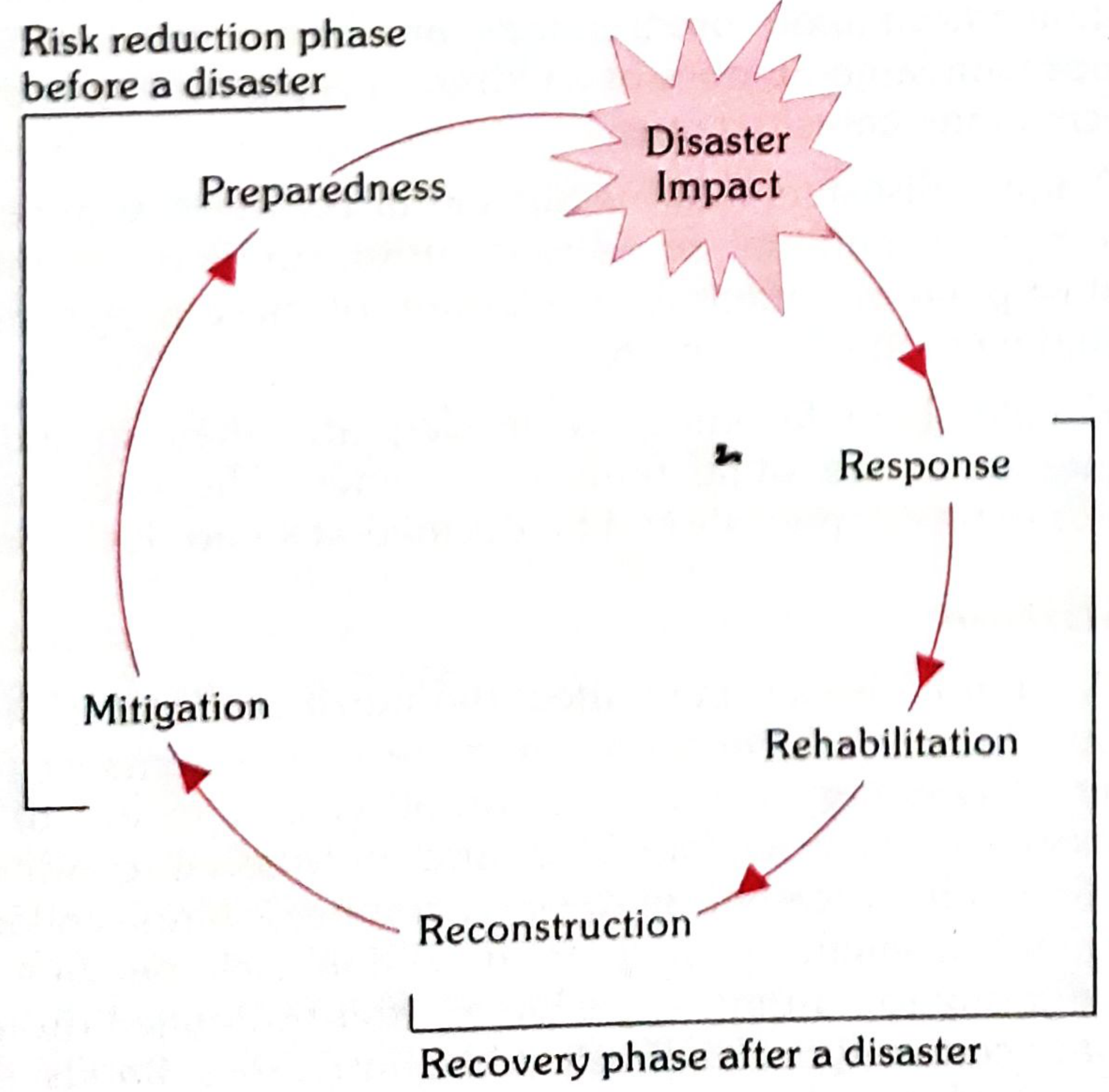
Fig. 1 - Management Sequence of a Sudden-Onset Disaster (Park's Textbook)
1. Disaster Impact and Response
Search, Rescue and First Aid
- After a major disaster, the need for search, rescue and first aid is so great that organized relief services can meet only a small fraction of demand
- Most immediate help comes from uninjured survivors
- Most injuries are sustained during the impact - greatest need for emergency care in the first few hours
Field Care
- Most injured persons converge spontaneously to health facilities using available transport
- Health service resources must be redirected to this new priority
- Maximize bed availability and surgical services
- Provisions for food and shelter
- Establish a centre to respond to inquiries from patient's relatives
- Priority to victim identification; provide adequate mortuary space
Triage
Triage is the cornerstone of mass casualty management.
Triage consists of rapidly classifying the injured on the basis of the severity of their injuries and the likelihood of their survival with prompt medical intervention.
Principle: "First come, first treated" is NOT followed in mass emergencies.
Priority system:
| Priority | Category | Description | Colour |
|---|---|---|---|
| 1 | Immediate (T1) | Life-threatening but salvageable with simple interventions | Red |
| 2 | Delayed (T2) | Serious but can wait without immediate life risk | Yellow |
| 3 | Minor (T3) | Walking wounded, minor injuries | Green |
| 4 | Expectant (T4) | Moribund/unsalvageable; require massive resources with questionable benefit | Black/Blue |
- Triage should be carried out at the site of disaster to determine transport priority
- Reassessment occurs on arrival at hospital/treatment centre
- Higher priority is granted to victims whose immediate or long-term prognosis can be dramatically affected by simple intensive care
- Moribund patients requiring enormous attention with questionable benefit have the lowest priority
- Persons with minor/moderate injuries should be treated at home to avoid draining resources
- Seriously injured should be transported to hospitals with specialized treatment facilities
Tagging
All patients should be identified with tags stating:
- Name, age, place of origin
- Triage category
- Diagnosis
- Initial treatment given
Care of the Dead
- Care of the dead is an essential part of disaster management
- Large numbers of dead can also impede rescue activities
- Steps: (1) Removal from scene → (2) Shift to mortuary → (3) Identification → (4) Reception of bereaved relatives
- Health hazards from cadavers are minimal if death was from trauma
- Bodies may contaminate water sources in floods, potentially transmitting gastroenteritis or food poisoning
- The dead bodies represent a delicate social problem
2. Relief Phase
Begins when assistance from outside starts to reach the disaster area.
Critical health supplies needed immediately:
- Treatment of casualties
- Prevention of communicable diseases
Subsequent supplies needed:
- Food, blankets, clothing, shelter
- Sanitary engineering equipment and construction material
Four principal components in managing humanitarian supplies:
- Acquisition of supplies
- Transportation
- Storage
- Distribution
A rapid damage assessment must be carried out to identify needs and resources.
3. Epidemiologic Surveillance and Disease Control
Disasters increase transmission of communicable diseases through:
- Overcrowding and poor sanitation in temporary resettlements → acute respiratory infections
- Population displacement → introduction of communicable diseases (migrant or indigenous populations may lack immunity)
- Disruption and contamination of water supply, damage to sewerage and power systems
- Disruption of routine control programmes (funds/personnel diverted to relief work)
- Ecological changes favouring vector breeding and increased vector population density
- Displacement of domestic and wild animals carrying zoonoses (leptospirosis, rickettsiosis, rabies, equine encephalitis)
- Emergency food, water and shelter from new sources may themselves be sources of infection
Most common post-disaster disease: Gastroenteritis (related to water contamination, overcrowding, poor sanitation).
Principles of communicable disease control after disaster:
- (a) Implement public health measures as soon as possible to reduce disease transmission risk
- (b) Organize a reliable disease reporting system to identify outbreaks and initiate control measures
- (c) Investigate all reports of disease outbreaks rapidly
Vaccination Policy After Disasters
WHO does NOT recommend mass typhoid and cholera vaccination in routine use in endemic areas post-disaster, because:
- Mass vaccination requires large numbers of workers who could be better employed elsewhere
- Poor supervision of sterilization and injection techniques may cause more harm than good
- Mass vaccination creates a false sense of security and leads to neglect of effective control measures
Recommended instead: Supplying safe drinking water and proper disposal of excreta remain the most practical and effective strategies.
Tetanus: Significant increase in tetanus after natural disasters is uncommon. Mass tetanus vaccination of the population is usually unnecessary. Best protection: maintenance of high pre-existing immunity + adequate wound cleaning. A booster is indicated if immunization was >5 years ago in a patient with open wound.
Vaccinations recommended specifically for health workers.
4. Rehabilitation
The final phase - restoration of pre-disaster conditions.
Rehabilitation starts from the very first moment of a disaster.
In the first weeks, health needs shift rapidly from casualty treatment to routine primary health care, then to environmental health measures.
Key rehabilitation priorities:
Water Supply
- Survey all public water supplies (distribution system + source)
- Priority: chlorination (residual chlorine 0.2-0.5 mg/litre)
- Low water pressure increases risk of pollutant infiltration into water mains
- Protection measures for water sources: restrict access (fencing/guard), ensure safe excreta disposal at safe distances, prohibit upstream contamination activities
Food Safety
- Poor hygiene is the major cause of food-borne disease in disaster situations
- Kitchen sanitation is of utmost importance in shelters/camps
- Monitor personal hygiene of food handlers
Basic Sanitation and Personal Hygiene
- Prompt attention to excreta disposal and personal hygiene
- Defecation fields at safe distance from living areas, water sources, and food preparation areas
5. Disaster Mitigation in Health Sector
Emergency prevention and mitigation involves measures designed to prevent hazards from causing emergencies or to lessen their effects.
Measures include:
- Flood mitigation works
- Appropriate land-use planning
- Improved building codes
- Reduction or protection of vulnerable populations and structures
The direct responsibility of the health sector in mitigation is limited to:
- Ensuring safety of health facilities
- Ensuring continuity of public health services (water supply, sewerage systems)
6. Disaster Preparedness
Definition: "A programme of long-term development activities whose goals are to strengthen the overall capacity and capability of a country to manage efficiently all types of emergency. It should bring about an orderly transition from relief through recovery, and back to sustained development."
Objective: Ensure that appropriate systems, procedures and resources are in place to provide prompt, effective assistance to disaster victims.
Why Community Preparedness is the Cornerstone
(a) Community members have the most to lose from vulnerability and most to gain from preparedness
(b) First responders come from within the community; external response may not arrive for days when transport/communications are disrupted
(c) Resources are most easily pooled at community level; failure to use community capabilities is poor resource management
(d) Sustained development is best achieved by allowing communities to design, manage, and implement assistance programmes themselves
Eight Key Tasks of the National Preparedness System
- Evaluate the risk of the country or region to disaster
- Adopt standards and regulations
- Organize communication, information and warning systems
- Ensure coordination and response mechanisms
- Adopt measures to ensure financial and other resources are available and can be mobilized
- Develop public education programmes
- Coordinate information sessions with news media
- Organize disaster simulation exercises that test response mechanisms
Policy Development in Disaster Preparedness
Policy "establishes long-term goals, assigns responsibilities, establishes recommended work practices, determines criteria for decision-making."
Six sectors required for response and recovery strategies:
- Communication
- Health
- Social welfare
- Police and security
- Search and rescue
- Transport
7. Man-Made Disasters - Public Health Response
The primary response is primary prevention - prevention of occurrence:
- Tighter regulations of chemical plants and hazardous facilities
- Build chemical plants away from densely populated areas
- Appropriate engineering and technological measures (building codes, dam designs, containment of toxic materials)
- Early warning systems
- Protection against human errors
8. Disasters in India
India is the highly disaster-prone country in Asia-Pacific region, averaging 8 major natural calamities per year.
| Region | Disaster Type |
|---|---|
| Northern mountains/foothills | Snowstorms, landslides, earthquakes |
| Eastern coastal areas (AP, WB, Odisha) | Severe floods and cyclones |
| Bihar, Assam, UP | Major floods almost every year |
| Western desert areas | Droughts |
Notable Indian Disasters:
- Bhopal Gas Tragedy (1984) - world's worst industrial disaster
- Odisha Super Cyclone (29 Oct 1999)
- Gujarat Earthquake (~16,480 deaths)
- Indian Ocean Tsunami (Dec 2004, >200,000 deaths)
- J&K Earthquake (7.4 RS, 2,100 dead, 30,000 injured)
- Uttarakhand cloudburst/floods, Kedarnath (June 2013, ~5,748 dead)
- Kashmir valley floods (2014)
Institutional Framework in India
| Body | Role |
|---|---|
| Ministry of Home Affairs (MHA) | Overall coordination of disaster management |
| Cabinet Committee on Security (CCS) | Top-level decision-making |
| National Crisis Management Committee (NCMC) | Key committee for disaster decisions |
| National Disaster Management Authority (NDMA) | Lead agency - prepares DM plans and executes DM functions at national level |
| State Disaster Management Authority (SDMA) | State-level disaster management |
| State governments | Responsible for execution of relief work in natural disasters |
| Government of India | Supplementary financial support to states |
Legal framework: The Disaster Management Act, 2005 provides for setting up of NDMA at national level and SDMA at state level.
Personal Protection Measures - General Rules (for all emergencies)
- Do not use the telephone except to call for help (keep lines free for emergency response)
- Listen to radio and media for official updates
- Follow official instructions given over radio or loudspeaker
- Keep a family emergency kit ready
Principle: "Be prepared rather than get hurt; get information to get organized; wait rather than act too hastily."
Summary: The Disaster Management Cycle
| Phase | Timing | Key Activities |
|---|---|---|
| Preparedness | Before disaster (risk reduction) | Planning, training, simulation exercises, warning systems |
| Mitigation | Before disaster (risk reduction) | Flood works, building codes, land-use planning |
| Response | Immediately after impact | Search & rescue, triage, first aid, relief supplies |
| Rehabilitation | Weeks after disaster (recovery) | Water/sanitation restoration, primary health care |
| Reconstruction | Long-term (recovery) | Rebuilding infrastructure, sustained development |
- Park's Textbook of Preventive and Social Medicine, pp. 898-903
Rapid response team
A Rapid Response Team (RRT) in public health is a trained multidisciplinary team deployed quickly to investigate and control disease outbreaks or health emergencies. In India, RRTs are part of the Integrated Disease Surveillance Programme (IDSP) framework.
Searching sources...
Finding Sources
Finding Sources
This is a shared conversation. Sign in to Orris to start your own chat.