

Screenshot_20260615-091039.Drive.png
Pro
Reading File
The lecture covers HIV - etiology, pathology, clinical features, differential diagnosis, investigations, management, and long-term implications. Let me pull comprehensive content from the medical library on all these areas simultaneously.
Finding Sources
Finding Sources
Robbins Pathology has a dedicated HIV/AIDS chapter. Let me read from the most authoritative sources - Robbins for pathology, Washington Manual for clinical/management, and Frameworks for Internal Medicine.
Reading File
Reading File
Reading File
The Robbins ToC confirms it has an HIV/AIDS section at page ~219. Let me read the actual HIV content from Robbins and find the right block.
Finding Sources
Finding Sources
Goldman-Cecil Medicine and Medical Microbiology have HIV content. Let me read from Robbins (the most comprehensive pathology source for HIV), Medical Microbiology, and Goldman-Cecil simultaneously.
Finding Sources
Finding Sources
Finding Sources
Excellent! Now let me read the core HIV content from Robbins (block3) which has a comprehensive section, and Goldman-Cecil block51 which covers the HIV virion/clinical aspects.
Reading File
Reading File
Excellent content from both Robbins and Goldman-Cecil. Let me now read more of the Robbins HIV content (pathogenesis, clinical features) and Goldman-Cecil (management sections).
Reading File
Reading File
I have excellent content. Let me read a bit more of the Robbins natural history/clinical features and the Goldman-Cecil management sections.
Reading File
Reading File
I now have excellent, comprehensive content covering all the lecture objectives. Let me fetch the HIV virion diagram from Robbins and the clinical course graph, as these are highly valuable visually.
Loading Image
Loading Image
Searching PubMed
HIV antiretroviral therapy guidelines treatment
I now have everything I need to produce a comprehensive, lecture-grade answer. Let me compile it all.
HIV - Etiology, Pathology, Clinical Features, Differential Diagnosis, Investigations, Management & Long-Term Implications
1. Etiology
The Pathogen
HIV (Human Immunodeficiency Virus) is a lentivirus belonging to the family Retroviridae. It exists as two types:
- HIV-1: The dominant global strain, responsible for the pandemic
- HIV-2: Less virulent, largely confined to West Africa, lower transmissibility, slower progression
HIV-1 originated from cross-species transmission of simian immunodeficiency virus (SIV) from chimpanzees to humans in sub-Saharan Africa, likely early 20th century.
Virion Structure
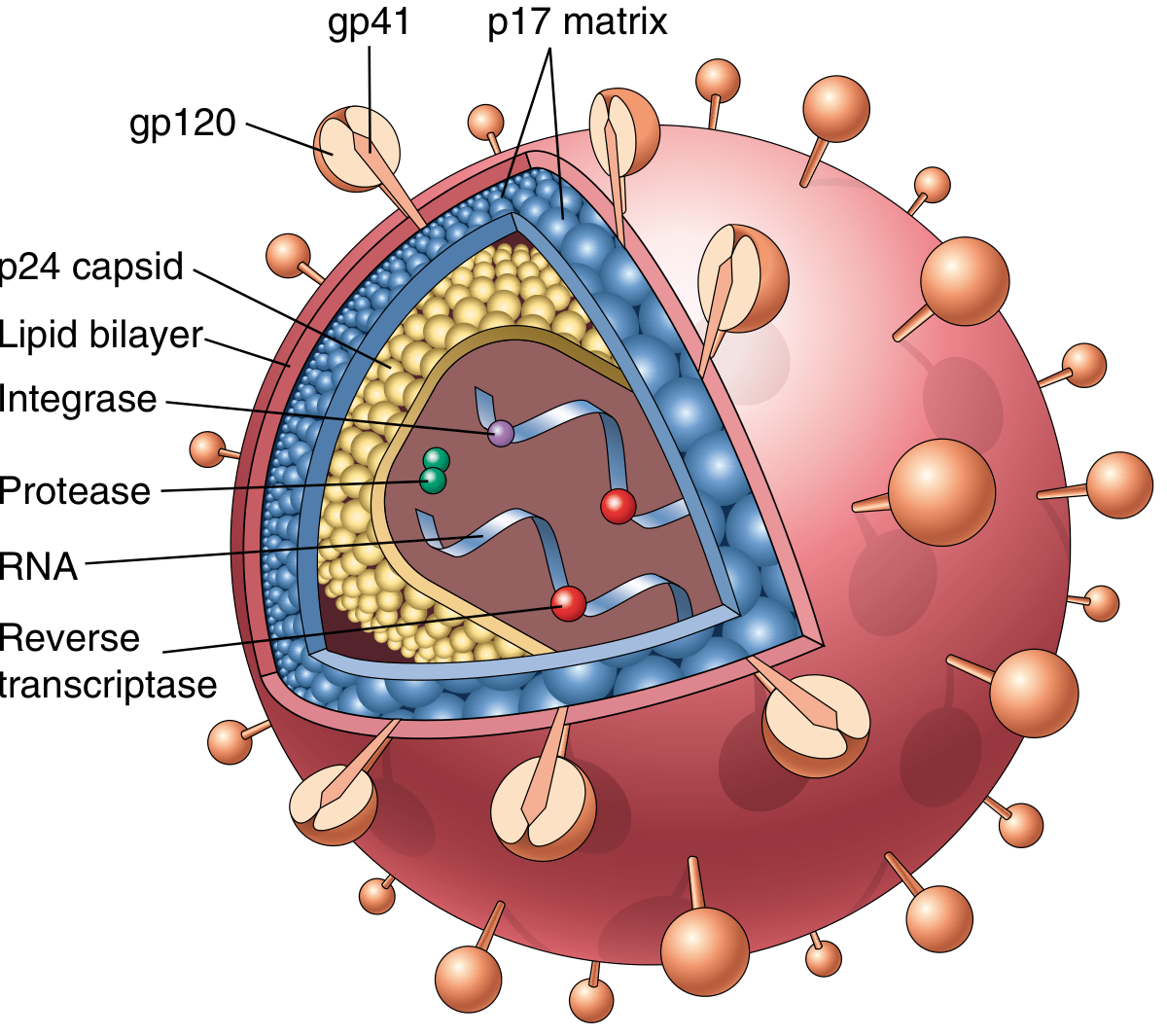
Fig. 6.38 The HIV-1 virion - Robbins & Kumar Pathologic Basis of Disease
The HIV-1 virion is spherical (~100 nm diameter) with a cone-shaped core, containing:
- p24 capsid (the most abundant antigen, target for ELISA diagnosis)
- Two copies of single-stranded RNA
- Three key enzymes: reverse transcriptase, protease, integrase
- p17 matrix protein beneath the envelope
- Envelope glycoproteins gp120 and gp41 - critical for cell entry
The RNA genome contains standard retroviral genes (gag, pol, env) plus accessory genes (tat, rev, vif, nef, vpr, vpu). The tat gene product causes a 1000-fold increase in transcription of viral genes.
Transmission
HIV is transmitted via:
- Sexual contact (most common globally) - anal intercourse carries highest risk per act
- Blood/blood products - sharing needles, transfusions, needle-stick injuries
- Mother to child - transplacental, intrapartum, or breastfeeding (perinatal transmission)
The virus is not transmitted by casual contact, insect bites, or shared utensils.
2. Pathology (Pathogenesis)
Cell Entry
HIV uses CD4 as its primary receptor. This explains its selective tropism for:
- CD4+ T helper cells (primary target)
- Macrophages and dendritic cells (low-level CD4 expression)
After binding CD4, gp120 undergoes conformational change and binds a coreceptor - either CCR5 (on macrophages, early in infection) or CXCR4 (on T cells, late in infection). Individuals homozygous for a 32-bp deletion in CCR5 (CCR5Δ32) are highly resistant to HIV infection.
Replication Cycle
- gp120 binds CD4 + CCR5/CXCR4 → membrane fusion via gp41
- Viral core enters cytoplasm
- Reverse transcriptase converts viral RNA → double-stranded DNA (prone to errors = high mutation rate)
- Integrase inserts proviral DNA into host genome
- Viral proteins assembled and budded as new virions (cleaved by protease)
Immune Destruction
Mechanisms of CD4+ T cell depletion:
- Direct cytopathic effect of viral replication
- Apoptosis of infected and uninfected bystander T cells
- CD8+ CTL-mediated killing of infected cells
- Chronic immune activation and exhaustion
- Formation of syncytia (giant multinucleated cells)
The selective depletion of CD4+ T cells - which orchestrate virtually the entire adaptive immune response - explains the catastrophic immune failure of AIDS. Loss of CD4+ T-cell help means CD8+ T cells and B cells also fail progressively.
HIV reservoirs: The virus establishes latent infection in resting memory CD4+ T cells, where proviral DNA persists indefinitely, invisible to CTLs. This reservoir is the central barrier to cure.
3. Clinical Features / Natural History
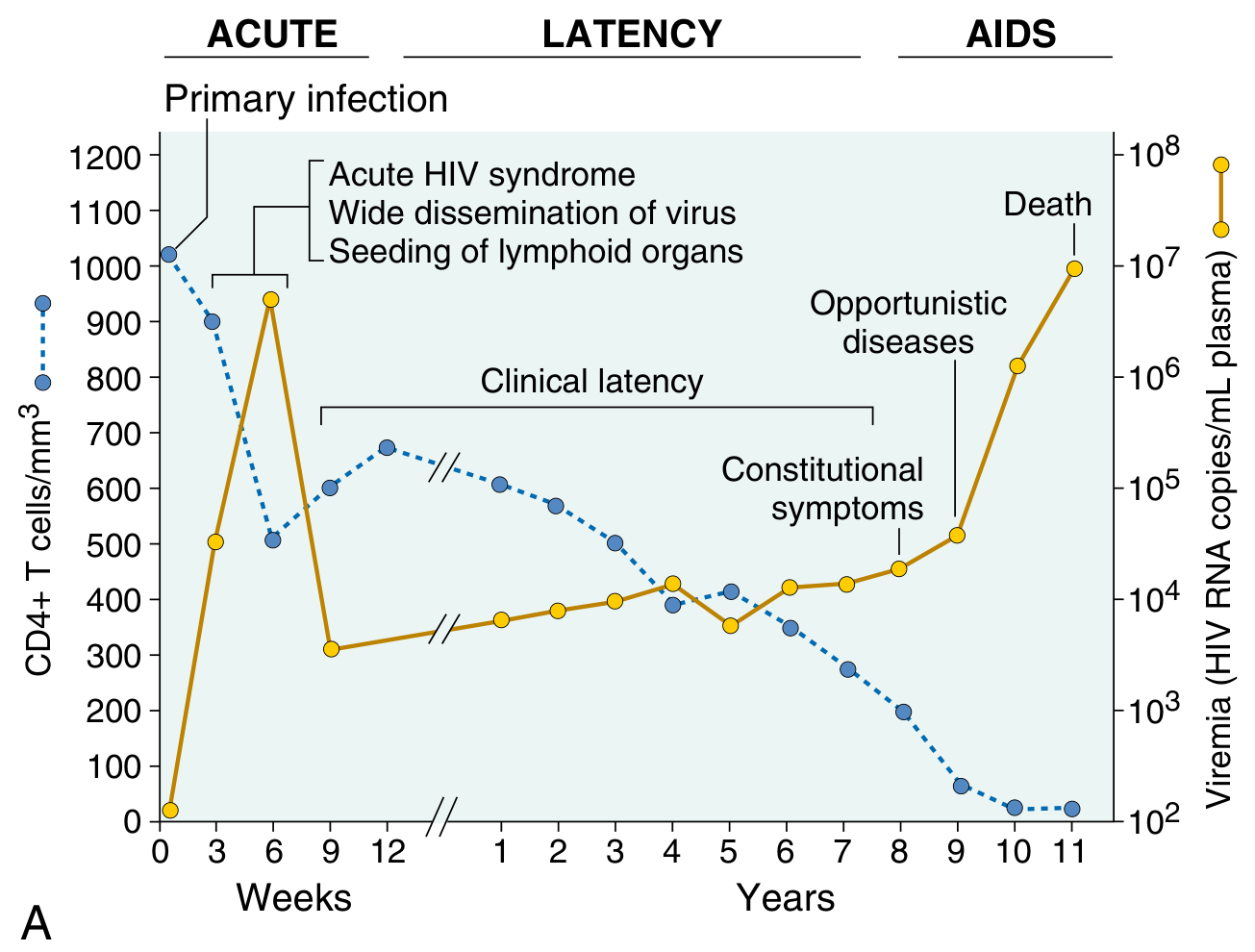
Fig. 6.42 Clinical course of HIV infection (Robbins & Kumar Pathologic Basis of Disease)
Phase 1: Acute Retroviral Syndrome (Weeks 2-4)
Occurs in 40-90% of newly infected individuals. Presents as a mononucleosis/flu-like illness:
| Symptom | Frequency |
|---|---|
| Fever | Very common |
| Lymphadenopathy (axillary, cervical, occipital) | Common |
| Pharyngitis | Common |
| Maculopapular rash (5-10 mm lesions) | Common, 48-72 h after fever onset |
| Myalgia/arthralgia | Common |
| Diarrhea, anorexia, weight loss | Common |
| Retroorbital headache | Frequently reported |
| Painful mucocutaneous ulcers | Distinctive |
At this stage, viremia is extremely high (up to 10^7 copies/mL) and the CD4 count drops sharply. Resolves spontaneously in 2-4 weeks.
Phase 2: Clinical Latency (Years 1-10)
- CD4 count gradually declines from ~1000 cells/mm³ toward 200
- Viral replication continues in lymphoid tissues despite apparent clinical wellness
- Persistent generalized lymphadenopathy may persist
- Without ART, median time to AIDS is ~10 years
- "Elite controllers" (~0.3%) maintain viral suppression without ART
Phase 3: AIDS (CD4 < 200 cells/mm³ or AIDS-defining illness)
Constitutional symptoms: Fever, night sweats, weight loss (>10% body weight), chronic diarrhea - the "wasting syndrome"
Opportunistic infections by CD4 count threshold:
| CD4 (cells/mm³) | Opportunistic Infections |
|---|---|
| < 500 | Oral candidiasis, herpes zoster, bacterial infections |
| < 200 | Pneumocystis jirovecii pneumonia (PCP) - most common life-threatening OI in developed countries |
| < 100 | Toxoplasmosis (cerebral), Cryptococcal meningitis |
| < 50 | CMV retinitis/colitis, Mycobacterium avium complex (MAC), CNS lymphoma |
Specific notable infections:
- PCP: Subacute onset dyspnea, dry cough, low-grade fever; bilateral interstitial infiltrates on CXR; "ground-glass" on CT; elevated LDH
- Cerebral toxoplasmosis: Multiple ring-enhancing lesions on CT/MRI, usually bilateral
- Cryptococcal meningitis: Insidious headache, altered consciousness; Indian ink stain of CSF; cryptococcal antigen positive
- CMV retinitis: "Pizza pie" fundal appearance; risk of blindness
- MAC: Disseminated; fever, night sweats, weight loss, anemia, elevated alkaline phosphatase
- Persistent diarrhea: Cryptosporidium, Cystoisospora belli, microsporidia
- Esophageal candidiasis: Odynophagia; AIDS-defining
AIDS-defining malignancies:
- Kaposi Sarcoma (KS): Most common AIDS-associated neoplasm. Caused by HHV-8. Violaceous skin/mucous membrane/GI lesions. Spindle cell proliferation of vascular origin. Widespread in AIDS (vs. sporadic localized form in elderly Mediterranean men).
- B-cell lymphomas (including primary CNS lymphoma - EBV driven; and Burkitt's lymphoma)
- Invasive cervical cancer (HPV-driven)
- Anal carcinoma (HPV-driven)
CNS manifestations:
- HIV encephalopathy/HIV-associated dementia: cognitive decline, motor dysfunction, behavioral changes
- Vacuolar myelopathy
- Peripheral neuropathy (sensory > motor)
- Progressive multifocal leukoencephalopathy (PML) - JC virus reactivation
4. Differential Diagnosis
Acute HIV Syndrome - DDx:
| Condition | Distinguishing Features |
|---|---|
| Infectious mononucleosis (EBV) | Tonsillar exudate, splenomegaly, heterophile antibodies |
| Toxoplasmosis | Lymphadenopathy, cat exposure; less pharyngitis |
| Rubella | Post-auricular nodes, prodromal rash pattern |
| Secondary syphilis | Palmoplantar rash, condyloma lata; RPR positive |
| Viral hepatitis | Jaundice, elevated transaminases prominently |
| Disseminated gonococcal infection | Migratory arthritis, pustular rash on extremities |
AIDS-related opportunistic infections - DDx per presentation:
- Pulmonary infiltrates in immunocompromised: PCP vs. bacterial pneumonia vs. TB vs. CMV pneumonitis vs. Kaposi sarcoma
- Ring-enhancing brain lesions: Toxoplasmosis (most common) vs. CNS lymphoma vs. TB abscess vs. PML
- Meningitis in AIDS: Cryptococcal vs. bacterial vs. tuberculous vs. CMV vs. lymphomatous
5. Investigations
Diagnosis of HIV Infection
Testing algorithm (WHO/CDC):
- 4th generation combined Ag/Ab ELISA (detects HIV-1/2 antibodies AND p24 antigen) - preferred initial test
- Window period: ~18-45 days from infection
- Confirmatory: HIV-1/HIV-2 differentiation immunoassay
- If Ag/Ab positive but differentiation test indeterminate: HIV RNA viral load (NAT)
Window periods:
- HIV RNA (NAT): detectable 10-15 days post-exposure
- p24 antigen: ~18-20 days
- Antibody: 3-6 weeks (most seroconvert by 12 weeks)
Monitoring Established HIV
| Test | Purpose | Target/Significance |
|---|---|---|
| CD4+ T cell count | Immune status; guides prophylaxis | Normal >500; AIDS <200 |
| HIV viral load (RNA copies/mL) | Treatment efficacy; infectivity | Goal: undetectable (<50 copies) on ART |
| CD4/CD8 ratio | Immune recovery | Normally >1 |
| HIV drug resistance genotyping | Guide ART selection | At baseline and treatment failure |
| HIV tropism testing | Before CCR5 antagonist use | R5 vs. X4 vs. dual tropic |
Other baseline investigations
- FBC, LFTs, U&E, lipids, glucose, urinalysis (HIVAN screening)
- Hepatitis B (HBsAg, anti-HBc, anti-HBs), Hepatitis C, syphilis serology
- TB screening (TST/IGRA), chest X-ray
- Toxoplasma IgG (if <100 CD4), Cryptococcal antigen (if <100 CD4 in endemic areas)
- Cervical smear (women), STI screen
- CMV IgG
6. Management
When to Start ART
All HIV-positive individuals should be offered ART regardless of CD4 count - this is current universal guidance. Early treatment prevents immune damage, reduces transmission, and reduces non-AIDS morbidity (cardiovascular, renal, malignancy).
ART Drug Classes and Mechanisms
| Class | Mechanism | Examples |
|---|---|---|
| NRTIs (Nucleoside Reverse Transcriptase Inhibitors) | Inhibit reverse transcription (chain termination) | Tenofovir (TDF/TAF), Emtricitabine (FTC), Lamivudine (3TC), Abacavir (ABC) |
| NNRTIs (Non-Nucleoside RT Inhibitors) | Non-competitive binding to reverse transcriptase | Efavirenz, Rilpivirine, Doravirine |
| PIs (Protease Inhibitors) | Block viral protease; prevent maturation | Darunavir, Atazanavir (boosted with ritonavir/cobicistat) |
| INSTIs (Integrase Strand Transfer Inhibitors) | Block proviral DNA integration | Dolutegravir, Bictegravir, Raltegravir |
| Entry inhibitors | Block gp41 (fusion) or CCR5 | Enfuvirtide (fusion), Maraviroc (CCR5 antagonist) |
Preferred First-Line Regimens (2024-2025 IAS-USA guidelines, PMID 39616604)
The standard of care is a 3-drug regimen (2 NRTIs + an INSTI):
- Bictegravir/Tenofovir alafenamide/Emtricitabine (Biktarvy) - once daily, single pill - preferred
- Dolutegravir + Tenofovir/Emtricitabine - alternative first-line
- 2-drug regimens: Dolutegravir + Lamivudine (for patients without HBV co-infection or high viral load)
The European AIDS Clinical Society (EACS) guidelines 2025 (PMID 41088922) maintain INSTIs as the backbone of first-line therapy.
Opportunistic Infection Prophylaxis
| CD4 Count | Prophylaxis | Drug |
|---|---|---|
| < 200 cells/mm³ | PCP | Trimethoprim-sulfamethoxazole (TMP-SMX) 1 DS tab daily |
| < 100 cells/mm³ | Toxoplasmosis (if Toxo IgG+) | TMP-SMX (also covers PCP) |
| < 50 cells/mm³ | MAC | Azithromycin weekly or clarithromycin daily |
Prophylaxis can be discontinued once CD4 recovers above threshold on ART for >3-6 months.
Post-Exposure Prophylaxis (PEP)
- Must begin within 72 hours of exposure
- Regimen: Tenofovir-emtricitabine + Dolutegravir (or Raltegravir) for 28 days
Pre-Exposure Prophylaxis (PrEP)
- Tenofovir-emtricitabine (Truvada) daily oral: >99% effective when adherent
- Cabotegravir long-acting injectable (every 2 months): now preferred option in many guidelines
Management of AIDS-Defining Illnesses
- PCP: TMP-SMX (high dose IV/oral) ± adjunctive corticosteroids if PaO₂ <70 mmHg
- Cryptococcal meningitis: Amphotericin B + flucytosine (induction) → Fluconazole (consolidation/maintenance)
- CMV retinitis: Ganciclovir/Valganciclovir
- Toxoplasmosis: Pyrimethamine + sulfadiazine + folinic acid
- MAC: Azithromycin or clarithromycin + ethambutol ± rifabutin
- Kaposi Sarcoma: ART initiation alone often causes regression; liposomal doxorubicin for systemic disease
Immune Reconstitution Inflammatory Syndrome (IRIS): Paradoxical worsening of OIs when ART is started in severely immunosuppressed patients. Occurs 2-8 weeks after ART initiation. Management: NSAIDs, corticosteroids in severe cases; do not routinely stop ART.
7. Long-Term Implications
With Effective ART
Virologically suppressed patients on ART now have near-normal life expectancy. The focus has shifted to:
- Cardiovascular disease: HIV causes chronic immune activation and inflammation, accelerating atherosclerosis. 2-fold increase in MI risk. Statins, lipid management, smoking cessation are key.
- HIV-associated nephropathy (HIVAN): Collapsing FSGS in Black patients with high viral loads; ART is primary treatment; TDF-based regimens avoided in chronic kidney disease (switch to TAF or abacavir).
- Metabolic complications: Lipodystrophy (fat redistribution - lipoatrophy + central fat accumulation), insulin resistance, dyslipidemia (especially with older PIs).
- HIV-associated neurocognitive disorders (HAND): Range from asymptomatic neurocognitive impairment to HIV-associated dementia; viral reservoirs in CNS.
- Liver disease: HIV/HCV co-infection accelerates fibrosis; HIV/HBV co-infection common (TDF/TAF-based regimens also treat HBV).
- Bone disease: Osteopenia/osteoporosis (HIV and some ART drugs); DEXA screening recommended.
- Non-AIDS-defining cancers: Increased risk of lung, liver, anal, oropharyngeal cancers.
- Malignancy monitoring: Regular cervical smears, anal cytology in high-risk patients.
Psychosocial & Public Health
- Stigma, depression, and mental health disorders are common and adversely affect adherence
- U=U (Undetectable = Untransmittable): Virologically suppressed patients cannot sexually transmit HIV - a major prevention strategy
- Prevention: Condom use, PrEP, harm reduction for PWID, PMTCT (preventing mother-to-child transmission) programs
- No licensed vaccine exists as of 2026; broadly neutralizing antibody research ongoing
Sources:
- Robbins, Cotran & Kumar Pathologic Basis of Disease - Chapter 6 (Immunodeficiency, HIV/AIDS), pp. 219-230
- Goldman-Cecil Medicine - Chapters 354-357 (Pathobiology, Diagnosis, Prevention, Treatment of HIV)
- IAS-USA Panel, Antiretroviral Drugs for Treatment and Prevention - JAMA 2025 (PMID 39616604)
- EACS Guidelines v13.0, HIV Med 2026 (PMID 41088922)
Screenshot_20260615-091039.Drive.png
Mbbs level
Got it - MBBS level means clear, structured, exam-focused notes. No unnecessary complexity, but covers everything you need to know for finals/clinical exams.
HIV - Complete MBBS Notes
Lecture OG 27.3 | Medicine
1. ETIOLOGY
The Virus
- HIV = Human Immunodeficiency Virus
- Family: Retroviridae, Genus: Lentivirus
- Two types: HIV-1 (global pandemic) and HIV-2 (West Africa, less virulent, slower progression)
- Origin: Cross-species transmission from chimpanzees (SIV → HIV-1)
Structure (Know for MCQs)
| Component | Function |
|---|---|
| gp120 | Binds CD4 receptor on host cell |
| gp41 | Mediates membrane fusion (entry) |
| p24 capsid | Most abundant antigen - used in diagnosis |
| p17 matrix | Structural; beneath lipid envelope |
| Reverse transcriptase | RNA → DNA (error-prone = high mutation rate) |
| Integrase | Inserts viral DNA into host genome |
| Protease | Cleaves precursor proteins → mature virion |
Transmission Routes
- Sexual (commonest globally) - unprotected sex; anal >> vaginal >> oral
- Parenteral - sharing needles (IVDU), blood transfusion, needle-stick injury
- Mother to child (MTCT) - transplacental, during delivery (most common), breastfeeding
NOT transmitted by: casual contact, coughing, sneezing, sharing food/utensils, insect bites
2. PATHOLOGY (Pathogenesis)
Step-by-step: How HIV destroys the immune system
Step 1 - Entry:
- gp120 binds CD4 (primary receptor) on T helper cells
- Then binds co-receptor: CCR5 (macrophages, early) or CXCR4 (T cells, late)
- gp41 fuses viral envelope with cell membrane
High-yield: Individuals homozygous for CCR5Δ32 deletion are naturally resistant to HIV infection
Step 2 - Replication inside cell:
- Reverse transcriptase converts viral RNA → double-stranded DNA
- Integrase inserts it into host chromosome as provirus
- Viral proteins made → new virions bud off (protease cleaves immature proteins)
Step 3 - Immune destruction:
- Direct killing of infected CD4+ cells
- Apoptosis of bystander CD4+ cells
- CD8+ T cell killing of infected cells
- Chronic immune activation → cell exhaustion
Step 4 - Latent reservoir:
- Provirus hides in resting memory CD4+ T cells - the main barrier to cure
- Cannot be seen or killed by immune system
Why CD4 count matters:
- Normal: 500-1500 cells/mm³
- As CD4 falls → progressively more severe infections
- AIDS defined when CD4 < 200 cells/mm³ OR AIDS-defining illness occurs
3. CLINICAL FEATURES / NATURAL HISTORY
Phase 1: Acute Retroviral Syndrome (2-6 weeks post-infection)
Occurs in 40-90% of newly infected people. Looks like glandular fever (EBV):
- Fever (most common)
- Lymphadenopathy (axillary, cervical, occipital)
- Sore throat (pharyngitis, no exudate)
- Maculopapular rash (trunk, 5-10 mm macules, appears 48-72h after fever)
- Myalgia/arthralgia
- Diarrhea, nausea, weight loss
- Retroorbital headache
- Painful oral/genital ulcers
Resolves spontaneously in 2-4 weeks. Viral load is VERY high at this point.
Phase 2: Clinical Latency (average 8-10 years without ART)
- Patient feels well, may have persistent lymphadenopathy only
- Viral replication continues silently in lymphoid tissue
- CD4 count gradually drops ~50-100 cells/mm³ per year
- Still infectious during this phase
Phase 3: Symptomatic HIV / AIDS
Constitutional symptoms (appear as CD4 falls toward 200):
- Fever, night sweats, weight loss (>10% body weight)
- Chronic diarrhea
- Fatigue, oral candidiasis (thrush), hairy leukoplakia
Opportunistic Infections by CD4 count (High-yield table!)
| CD4 Count | Opportunistic Infection |
|---|---|
| < 500 | Oral candidiasis, TB reactivation, Herpes zoster |
| < 200 | PCP (Pneumocystis jirovecii pneumonia) - commonest OI in developed world |
| < 100 | Cerebral toxoplasmosis, Cryptococcal meningitis |
| < 50 | CMV retinitis, MAC (M. avium complex), CNS lymphoma |
Key OIs to know:
🔹 PCP (Pneumocystis jirovecii pneumonia)
- Subacute dyspnea, dry cough, fever
- CXR: bilateral perihilar "ground-glass" interstitial infiltrates
- Elevated LDH (marker of severity)
- Treat: High-dose Co-trimoxazole (TMP-SMX)
- Add corticosteroids if PaO₂ < 70 mmHg (or A-a gradient > 35)
🔹 Cerebral Toxoplasmosis
- Headache, fever, focal neuro deficits, seizures
- CT/MRI: multiple ring-enhancing lesions (usually bilateral basal ganglia)
- Treat: Pyrimethamine + Sulfadiazine + Folinic acid
🔹 Cryptococcal Meningitis
- Insidious headache, fever, altered consciousness
- CSF: India ink stain = encapsulated yeast; Cryptococcal antigen positive
- Treat: Amphotericin B + Flucytosine (induction) → Fluconazole (maintenance)
🔹 CMV Retinitis
- Painless visual loss, "floaters"
- Fundoscopy: "pizza pie" appearance (hemorrhage + exudates)
- Treat: Ganciclovir/Valganciclovir
🔹 MAC (Mycobacterium avium complex)
- Disseminated: fever, night sweats, weight loss, anemia, raised ALP
- Treat: Azithromycin + Ethambutol
AIDS-defining Malignancies:
🔹 Kaposi Sarcoma (KS) - caused by HHV-8
- Violaceous (purple-red) skin nodules, mucous membranes, GI tract, lungs
- Spindle cell vascular tumor
- In AIDS: widespread and aggressive (vs. sporadic KS in elderly Mediterranean men = localized)
- Treat: ART (often causes regression alone) ± liposomal doxorubicin
🔹 B-cell Lymphoma (Burkitt's, primary CNS lymphoma) - EBV driven
🔹 Cervical cancer (women) - HPV driven → AIDS-defining
🔹 Anal carcinoma (men who have sex with men) - HPV driven
CNS manifestations of HIV itself:
- HIV encephalopathy / AIDS dementia complex: cognitive decline, memory loss, motor slowing, behavioral change
- Peripheral neuropathy: painful sensory neuropathy in hands/feet
- Vacuolar myelopathy: progressive leg weakness, spasticity
- PML (Progressive Multifocal Leukoencephalopathy): JC virus reactivation → demyelination → focal deficits, no mass effect
4. DIFFERENTIAL DIAGNOSIS
Acute HIV syndrome vs:
| Condition | Key Differentiating Feature |
|---|---|
| EBV Mononucleosis | Tonsillar exudate, splenomegaly, Monospot/heterophile +ve |
| Secondary Syphilis | Palmoplantar rash, condyloma lata, RPR positive |
| Rubella | Post-auricular lymphadenopathy, facial rash spreading downward |
| Toxoplasmosis | Cat exposure, less pharyngitis |
| Viral Hepatitis | Jaundice prominent, high transaminases |
| Disseminated Gonorrhea | Migratory arthritis, pustular rash on extremities |
Ring-enhancing brain lesion in AIDS:
- Toxoplasmosis (multiple, bilateral basal ganglia) - most common
- CNS lymphoma (usually single, periventricular; EBV +ve in CSF)
- Distinguish: Empirical anti-toxo treatment for 2 weeks → if no improvement → biopsy for lymphoma
5. INVESTIGATIONS
Diagnosing HIV
1st line: 4th Generation Ag/Ab ELISA
- Detects both p24 antigen AND HIV-1/2 antibodies
- Window period: ~18-45 days from infection
- If positive → confirm with differentiation assay
If very recent exposure suspected:
- HIV RNA (PCR/Viral Load) - detectable from day 10-15 (shortest window)
Window periods to remember:
- RNA/NAT: 10-15 days
- p24 antigen: ~18-20 days
- Antibody: 3-6 weeks (all seroconvert by 12 weeks)
Monitoring HIV
| Test | What it tells you |
|---|---|
| CD4 count | Degree of immunosuppression; guides prophylaxis |
| HIV Viral Load (RNA copies/mL) | Treatment efficacy; goal = undetectable (<50 copies/mL) on ART |
| Genotypic resistance testing | Done at baseline and treatment failure |
Baseline workup at HIV diagnosis:
- FBC, LFTs, U&E, lipid profile, glucose, urinalysis
- Hepatitis B (HBsAg, anti-HBc, anti-HBs) and Hepatitis C serology
- Syphilis RPR, TB screening (IGRA or Mantoux)
- Toxoplasma IgG, Cryptococcal antigen (if CD4 < 100)
- CXR, STI screen, cervical smear (women)
- CMV IgG
6. MANAGEMENT
WHEN to start ART
EVERYONE diagnosed with HIV should start ART immediately, regardless of CD4 count
Early treatment = preserves immunity, reduces transmission, reduces non-AIDS complications.
ART Drug Classes (MBBS need-to-know)
| Class | Mechanism | Key Drugs |
|---|---|---|
| NRTIs (Nucleoside RTIs) | Inhibit reverse transcriptase (chain termination) | Tenofovir (TDF/TAF), Emtricitabine (FTC), Lamivudine (3TC), Zidovudine (AZT) |
| NNRTIs (Non-nucleoside RTIs) | Non-competitive RT inhibition | Efavirenz, Nevirapine, Rilpivirine |
| PIs (Protease Inhibitors) | Block viral maturation | Lopinavir, Atazanavir, Darunavir (boosted with ritonavir) |
| INSTIs (Integrase Inhibitors) | Block DNA integration | Dolutegravir (preferred), Bictegravir, Raltegravir |
| Fusion inhibitors | Block gp41 fusion | Enfuvirtide |
| CCR5 antagonists | Block coreceptor | Maraviroc |
Standard First-Line Regimen
2 NRTIs + 1 INSTI (or NNRTI)
Most used first-line (single pill, once daily):
- Bictegravir/Tenofovir-AF/Emtricitabine (Biktarvy)
- Dolutegravir + Tenofovir/Emtricitabine
Opportunistic Infection Prophylaxis
| CD4 Threshold | Drug | Purpose |
|---|---|---|
| < 200 cells/mm³ | Co-trimoxazole (TMP-SMX) daily | PCP prophylaxis |
| < 100 cells/mm³ | TMP-SMX (if Toxo IgG+) | Also covers toxoplasmosis |
| < 50 cells/mm³ | Azithromycin weekly | MAC prophylaxis |
Stop prophylaxis once CD4 recovers > threshold on ART for ≥3-6 months.
Post-Exposure Prophylaxis (PEP)
- Start within 72 hours (sooner = better; do not start after 72h)
- Duration: 28 days
- Regimen: Tenofovir-emtricitabine + Dolutegravir
Pre-Exposure Prophylaxis (PrEP)
- Tenofovir/emtricitabine daily oral (>99% effective if adherent)
- For high-risk uninfected individuals (MSM, sex workers, discordant couples)
IRIS (Immune Reconstitution Inflammatory Syndrome)
- Paradoxical worsening of OI symptoms 2-8 weeks after starting ART
- Due to recovering immune system attacking pathogens it can now "see"
- Manage: NSAIDs; steroids in severe cases; do NOT stop ART
7. LONG-TERM IMPLICATIONS
With effective ART, HIV is now a chronic manageable disease - life expectancy approaches normal. But long-term complications remain:
| System | Complication | Notes |
|---|---|---|
| Cardiovascular | Accelerated atherosclerosis, ↑MI risk | Chronic inflammation; manage lipids, BP, smoking |
| Renal | HIV-associated nephropathy (HIVAN) | Collapsing FSGS; mainly in Black patients; ART is treatment |
| Metabolic | Lipodystrophy, insulin resistance, dyslipidemia | Especially with older PIs; lipoatrophy + central obesity |
| Neurological | HAND (HIV-associated neurocognitive disorder) | From mild impairment → dementia; CNS reservoir of HIV |
| Liver | Accelerated fibrosis in HIV/HCV or HIV/HBV co-infection | TDF/TAF also treats HBV |
| Bone | Osteoporosis, AVN of femoral head | Multifactorial; TDF can reduce bone density |
| Malignancy | ↑ risk of lung, anal, liver, oropharyngeal cancers | Even with good CD4 |
| Psychosocial | Depression, stigma, adherence issues | Major barrier to treatment success |
U=U (Undetectable = Untransmittable)
A person on effective ART with an undetectable viral load cannot sexually transmit HIV. This is now proven and is central to prevention messaging.
No Vaccine Yet
- Despite decades of research, no licensed HIV vaccine exists (2026)
- Broadly neutralizing antibodies and mRNA vaccine platforms under active investigation
QUICK EXAM SUMMARY
| Topic | Key Fact |
|---|---|
| Virus type | Retrovirus (Lentivirus); HIV-1 (global) / HIV-2 (W. Africa) |
| Cell targeted | CD4+ T helper cells (also macrophages, DCs) |
| Entry receptor | CD4 + CCR5 or CXCR4 |
| Diagnostic antigen | p24 (in 4th gen ELISA) |
| AIDS definition | CD4 < 200 OR AIDS-defining illness |
| Commonest OI in developed world | PCP (treat with TMP-SMX) |
| Commonest AIDS cancer | Kaposi Sarcoma (caused by HHV-8) |
| Brain ring-enhancing lesions | Toxoplasmosis (multiple) vs CNS Lymphoma (single) |
| PEP window | Within 72 hours, 28 days of treatment |
| First-line ART backbone | 2 NRTIs + INSTI (Dolutegravir preferred) |
| Goal of ART | Undetectable viral load (<50 copies/mL) |
| IRIS | Worsening of OI 2-8 weeks after starting ART |
Sources: Robbins & Kumar Pathologic Basis of Disease (pp. 219-230); Goldman-Cecil Medicine (Chapters 354-357); IAS-USA Panel Guidelines 2024 JAMA 2025; EACS Guidelines v13.0 HIV Med 2026
This is a shared conversation. Sign in to Orris to start your own chat.