
Endometriosis’
Reading File
Finding Sources
Searching PubMed
endometriosis
Reading File
Reading File
Endometriosis is a broad topic covering pathogenesis, clinical presentation, diagnosis, and multiple treatment approaches across specialties (gynecology, GI, pulmonology, radiology, pathology). Here's a map of what it covers, followed by a brief overview.
Topic breakdown:
- Definition, epidemiology, and pathogenesis (theories of origin)
- Pathology/morphology (endometrioma, "chocolate cysts," adhesions, malignant transformation risk)
- Clinical presentation and symptoms (pelvic pain, dysmenorrhea, dyspareunia, infertility)
- Extra-pelvic/atypical sites (thoracic/pulmonary endometriosis, bowel, cervical)
- Diagnosis (imaging - ultrasound/MRI, laparoscopy, biomarkers)
- Medical management (hormonal therapy - OCPs, progestins, GnRH agonists/antagonists, aromatase inhibitors)
- Surgical management (laparoscopic excision/ablation, hysterectomy)
- Endometriosis and infertility
- Associated risks (malignancy, cardiovascular disease per recent meta-analyses)
Brief overview:
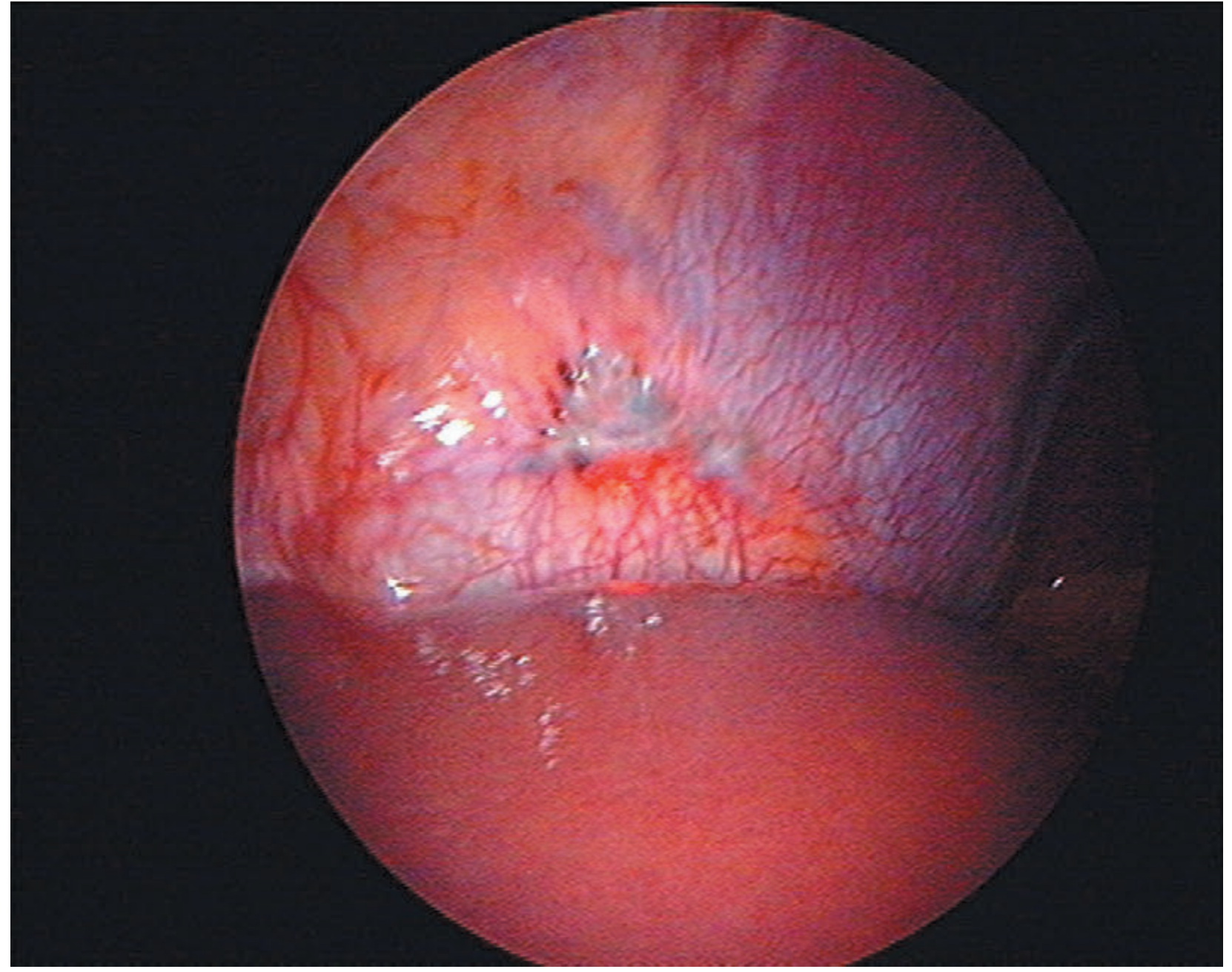
Endometriosis is a common, chronic inflammatory condition defined by the presence of endometrial glands and stroma outside the uterine cavity, affecting roughly 5-10% of women of reproductive age and up to half of women being evaluated for infertility. It is classified into three main types: superficial peritoneal endometriosis, ovarian endometriosis (endometriomas, or "chocolate cysts" filled with old brown blood), and deep infiltrating endometriosis, the last of which carries the main risk of malignant transformation.
The exact pathogenesis remains unclear, but the leading explanation is the regurgitation (retrograde menstruation) theory, in which endometrial tissue implants at ectopic pelvic sites via backward flow through the fallopian tubes. Other proposed mechanisms include benign metastasis via blood/lymphatics (explaining rare distant-organ disease in lung, bone, or brain), metaplasia of coelomic epithelium, and differentiation of extrauterine stem/progenitor cells. Ectopic implants show cyclic bleeding, elevated local estrogen production (via aromatase), and increased inflammatory/angiogenic mediators (PGE2, VEGF, MMPs) driven by recruited macrophages - Robbins & Kumar Basic Pathology, p. 689.
Clinically, the disease most commonly affects the ovaries, pouch of Douglas, uterine ligaments, and fallopian tubes. The predominant symptom is pain: cyclical or non-cyclical pelvic pain, dysmenorrhea, deep dyspareunia, dyschezia, and dysuria, though a significant proportion of women remain asymptomatic and symptom severity does not always correlate with disease extent. Rare thoracic involvement can cause catamenial hemoptysis or recurrent pneumothorax - Bailey and Love's Short Practice of Surgery, p. 1030-1032.
Recent systematic reviews/meta-analyses (2025) have expanded the picture: one links endometriosis to increased cardiovascular disease risk (PMID: 39833762), another explores overlap between chronic endometritis and endometriosis (PMID: 39821822), and a third focuses on the underrecognized entity of cervical endometriosis (PMID: 39932035) - these are worth flagging since they postdate most standard textbook coverage.
Which area would you like me to go deeper on?
Asking for Preferences
Which aspect of endometriosis would you like a detailed deep-dive on?
This is a shared conversation. Sign in to Orris to start your own chat.