
what is roll back in Knee biomechanics
Reading File
Finding Sources
Finding Sources
Reading File
Reading File
Searching Images
femoral rollback knee biomechanics tibiofemoral contact point flexion
Reading File
Reading File
Loading Image
Here is a comprehensive explanation of femoral rollback in knee biomechanics:
Femoral Rollback in Knee Biomechanics
Definition
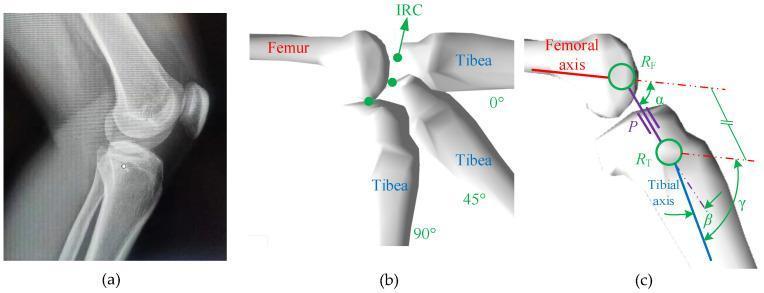
Rollback (also called femoral rollback or posterior rollback) is the progressive posterior translation of the tibiofemoral contact point as the knee moves from extension into flexion. In other words, as the knee bends, the point where the femoral condyles contact the tibial plateau shifts steadily backward (posteriorly).
"Rollback is defined as the progressive posterior change in femoral-tibial contact point as the knee moves into flexion." — Miller's Review of Orthopaedics, 9th Edition
The Roll-and-Slide Mechanism
Knee motion is not a simple hinge. It involves both rolling and sliding simultaneously:
- Rolling alone would cause the femur to roll off the back of the tibia during deep flexion — this is prevented by sliding in the opposite direction.
- Sliding alone would cause impingement — prevented by rolling.
- The combination of these two motions keeps the femur on the tibial plateau throughout the full arc of motion.
The image below illustrates this beautifully — the Instantaneous Rotation Center (IRC) shifts posteriorly and superiorly along the femoral condyle as flexion increases from 0° → 45° → 90°:
Why Rollback Matters
- Increases maximum knee flexion — by moving the contact point posteriorly, rollback prevents bony impingement between the posterior femoral condyles and the tibial plateau, allowing deeper flexion.
- Optimizes quadriceps function — the posterior shift of the contact point increases the moment arm of the quadriceps at high flexion angles.
- Distributes contact stress — spreading the load across different areas of articular cartilage reduces focal wear.
The Role of the PCL
The posterior cruciate ligament (PCL) is the primary driver of physiologic rollback:
- The PCL becomes taut in flexion, creating a tension that pulls the femur posteriorly on the tibia.
- Sacrifice of the PCL (as in cruciate-sacrificing total knee arthroplasty) abolishes normal rollback, leading to paradoxical anterior sliding — the femur slides forward during flexion instead of rolling back. This causes increased polyethylene wear.
Medial vs. Lateral Rollback (Asymmetric)
Rollback is not symmetric between the two compartments:
- The lateral femoral condyle rolls back more than the medial condyle.
- This is because the axis of rotation of the intact knee is centered on the medial femoral condyle — it acts as a pivot point while the lateral side swings posteriorly.
- This asymmetry is also reflected in the menisci: the lateral meniscus has twice the excursion (≈1.1 cm) of the medial meniscus (≈0.5 cm) during a 120° arc of motion, accommodating greater lateral rollback.
Screw-Home Mechanism (Related Concept)
During the last 15° of extension, the femur rotates internally (or equivalently, the tibia rotates externally) — this "locks" the knee in full extension. This is called the screw-home mechanism and is related to differences in radii of curvature of the medial and lateral femoral condyles.
Clinical Relevance: Total Knee Arthroplasty (TKA)
| TKA Design | Rollback Mechanism |
|---|---|
| Cruciate-Retaining (CR) | PCL preserved → natural rollback maintained; flat PE insert accommodates PCL-regulated flexion |
| Posterior-Stabilized (PS) | PCL removed; a cam-and-post mechanism recreates rollback by engaging the tibial spine when the knee flexes, preventing anterior femoral subluxation |
| Cruciate-Sacrificing (CS) | No rollback mechanism → paradoxical anterior sliding → increased PE wear |
The four-bar linkage formed by the cruciate ligaments is what provides normal femoral rollback kinematics in the native knee. Loss of this linkage (e.g., in CR-TKA with PCL sacrifice) drastically alters sagittal kinematics.
Source: Miller's Review of Orthopaedics, 9th Edition — Biomechanics & TKA Design sections.
give images of TKR implants
Searching Images
total knee replacement implant components femoral tibial polyethylene
Searching Images
posterior stabilized cruciate retaining total knee arthroplasty implant design
Loading Image
Loading Image
Loading Image
Loading Image
Loading Image
Here is a visual gallery of TKR implants across different designs and radiographic views:
TKR Implant Designs — Component Photos
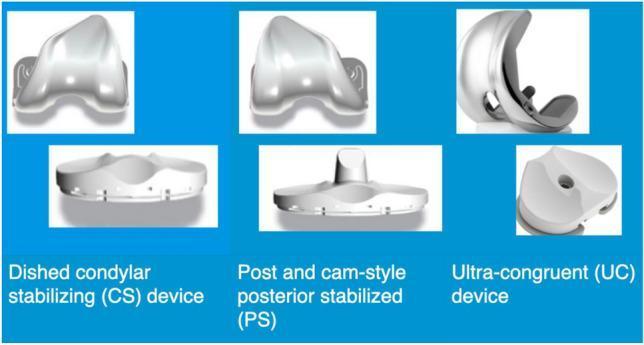
1. Three Primary TKA Design Types (Femoral + Tibial Insert)
| Design | Key Feature |
|---|---|
| Condylar Stabilized (CS) | Bi-condylar femoral component; moderately dished tibial insert |
| Posterior Stabilized (PS) | Prominent tibial post engages femoral cam to substitute for the resected PCL |
| Ultra-Congruent (UC) | Deep-walled tibial insert for constraint — no post/cam needed |
2. Polyethylene Tibial Inserts — CR Medial Congruent vs. Medial Pivot
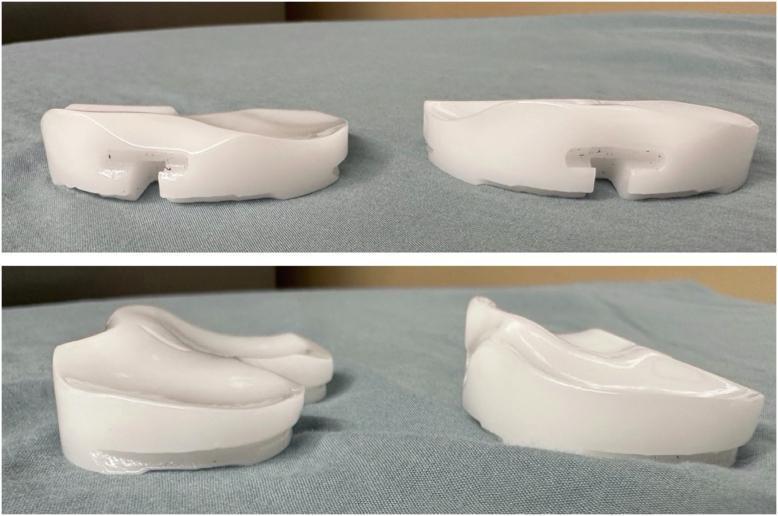
Left = Cruciate-Retaining (CR) medial congruent insert. Right = "True" medial pivot insert with a ball-and-socket medial trough and raised posterior lip to allow lateral rollback while constraining the medial condyle as a pivot point.
TKR on Radiographs
3. Lateral X-ray — All Components Visible (Femoral, Tibial, Patellar)
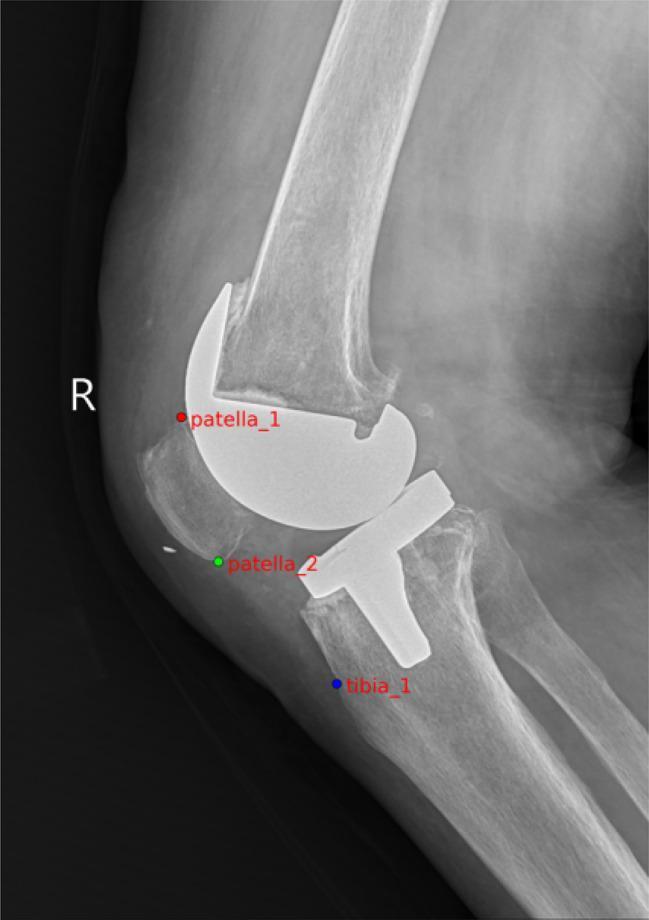
The lateral view clearly shows:
- Femoral component — anatomically contoured metallic shell over the distal femur
- Tibial component — flat metallic tray with a stem into the proximal tibia
- Radiolucent PE spacer — gap between the two metal components
- Patellar resurfacing — dome-shaped component on the patella
4. AP and Lateral Views — Posterior-Stabilized TKA (PS)
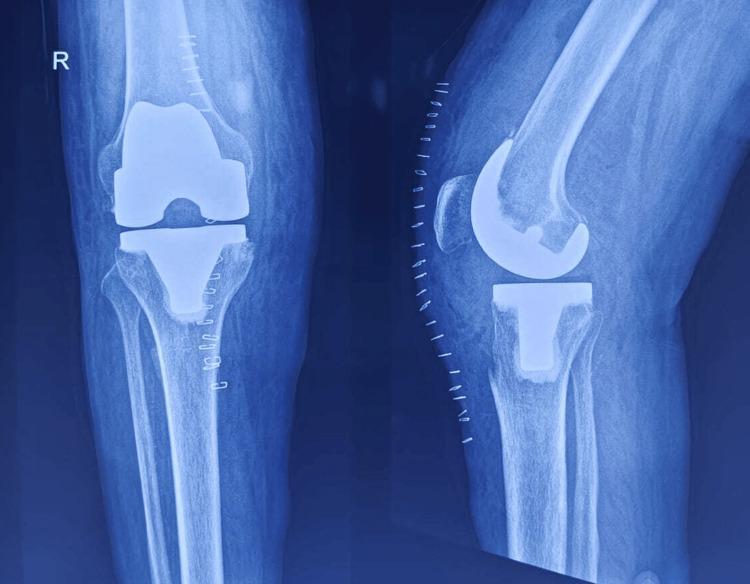
The lateral view shows the post-and-cam mechanism of the PS design — the tibial post is visible between the condyles. This compensates for the sacrificed PCL.
5. AP and Lateral Views — Well-Aligned TKA with Stemmed Components
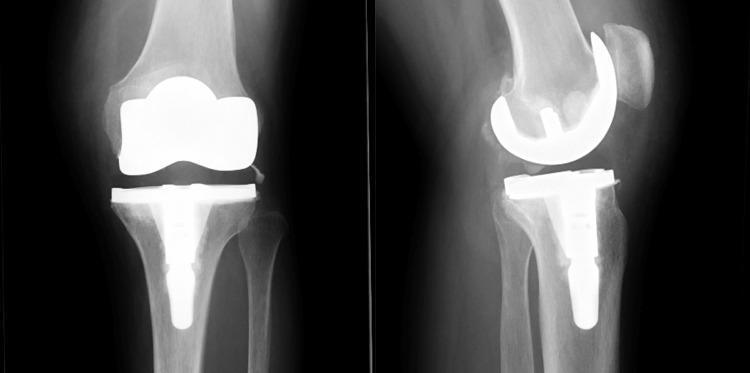
Both AP and lateral views demonstrate:
- Neutral mechanical alignment
- Cemented fixation (radiopaque cement at bone-implant interface)
- Restored joint line
- Radiolucent PE spacer between metal components
Summary of TKR Components
| Component | Material | Function |
|---|---|---|
| Femoral component | CoCr alloy | Resurfaces distal femur condyles |
| Tibial baseplate | CoCr / Titanium | Platform fixed to proximal tibia |
| Polyethylene (PE) insert | UHMWPE | Articular surface; absorbs load |
| Patellar button | UHMWPE (± metal back) | Resurfaces patella (optional) |
This is a shared conversation. Sign in to Orris to start your own chat.