
Easy way to remember strasberg classification from Bailey and love
Reading File
The Strasberg classification covers bile duct injuries - A through E types. Let me pull the exact content from Bailey & Love now.
Searching sources...
Finding Sources
Finding Sources
Good - found it in Bailey & Love. Let me read the exact content now.
Reading File
Reading File
I have the Bailey & Love content and the figure. Let me fetch the Strasberg classification diagram image from Bailey & Love and also read the full classification text.
Loading Image
Reading File
I have everything I need. Let me also grab the exact description of each type from the Bailey & Love caption text (line 6146) that was cut off:
The image caption from Bailey & Love reads:
- (a) A bile leak from the cystic duct stump or minor biliary radical in the gallbladder fossa
- (b) An occluded right posterior sectoral duct
- (c) A bile leak from the divided right posterior sectoral duct
- (d) A bile leak from the main bile duct without any major tissue loss
- E1-E6 = strictures at increasing levels / complexity
Here is a complete, mnemonics-focused breakdown of the Strasberg classification as presented in Bailey & Love (28th ed., Fig. 71.33):
Strasberg Classification of Bile Duct Injuries - Bailey & Love
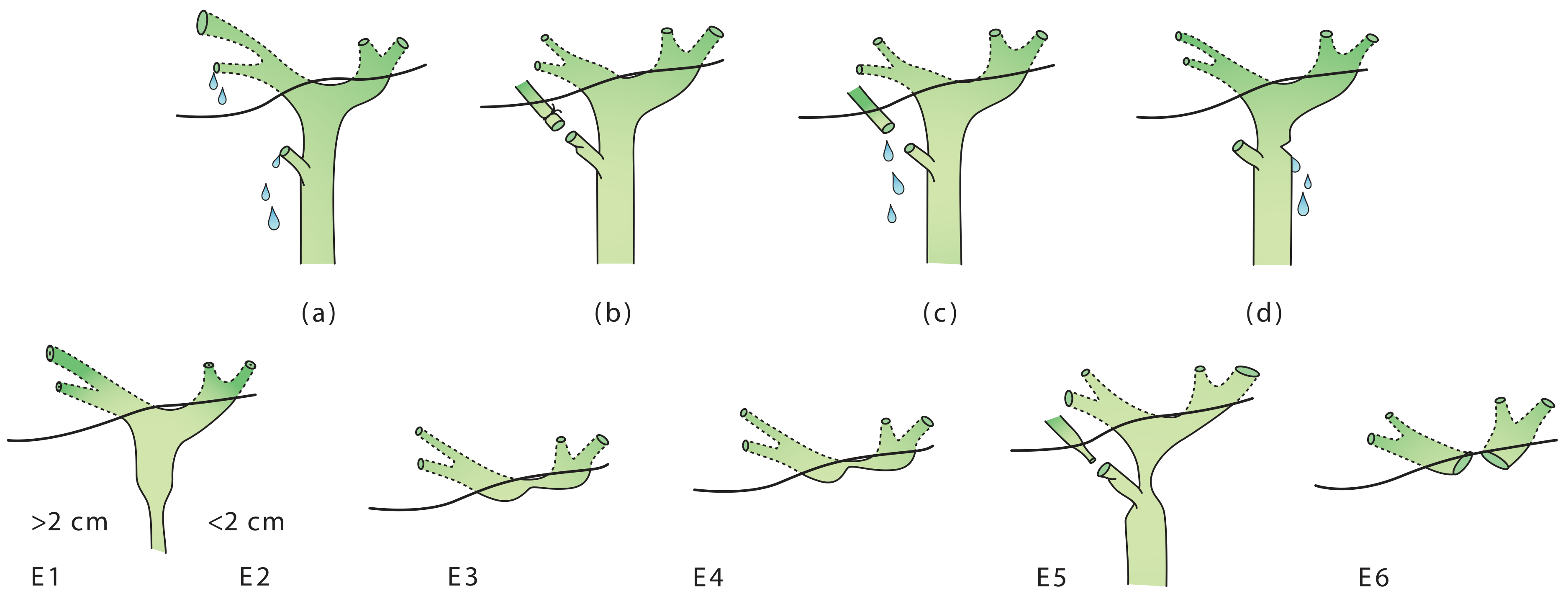
Figure 71.33 from Bailey & Love's Short Practice of Surgery, 28th Edition
The Classification at a Glance
The system has two broad groups: A-D (leaks and minor duct injuries) and E1-E5 (major strictures, mirroring Bismuth). Bailey & Love also adds E6 (not in the original Strasberg description).
| Type | Injury | Key Feature |
|---|---|---|
| A | Leak from cystic duct stump OR minor biliary radical in gallbladder fossa | Biliary continuity intact |
| B | Occlusion (clip/ligation) of an aberrant right sectoral duct | No leak - occluded |
| C | Leak from a divided (but not ligated) aberrant right sectoral duct | Leak - not ligated |
| D | Lateral injury to a major bile duct (not complete transection) | Continuity still present |
| E1 | Complete transection/stricture of CBD > 2 cm from confluence | High stump |
| E2 | Complete transection/stricture < 2 cm from confluence | Low stump |
| E3 | Stricture at the confluence - both hepatic ducts still communicate | At confluence |
| E4 | Stricture separating right and left hepatic ducts (confluence destroyed) | Split ducts |
| E5 | Injury to right sectoral duct + CBD | Combined injury |
| E6 | Complete excision of extrahepatic ducts involving the confluence | Not in original Strasberg |
Easy Mnemonics to Remember This
"A Leak, B Block, C Cuts, D Dents, E Escalates"
| Letter | Action word | What it means |
|---|---|---|
| A | Accident (leak) | Cystic duct stump or fossa leak - bile leaks but duct continuity intact |
| B | Blocked | Aberrant right sectoral duct clipped/occluded - no leak |
| C | Cut and leaking | Same aberrant duct but divided AND leaking |
| D | Damaged (lateral) | Main bile duct is nicked/torn but not transected |
| E | Extensive | Major, complete injuries - severity escalates from E1 to E6 |
For the E Types - Think "Distance from the Confluence"
The E types mirror the Bismuth classification (1-5), just numbered E1-E5:
Mnemonic: "2cm cuts them - Above, Below, At, Apart, Added"
- E1 = >2 cm below confluence (the stump is long - far from confluence)
- E2 = <2 cm below confluence (the stump is short - near confluence)
- E3 = stricture at the confluence (but both ducts still communicate)
- E4 = confluence destroyed (right and left ducts separated)
- E5 = right sectoral duct + CBD both injured (combined)
- E6 = complete excision of extrahepatic ducts (added by Bailey & Love, not in original)
Key Points from Bailey & Love
- Approximately 0.5% of laparoscopic cholecystectomies result in bile duct injury
- About 15% of injuries are recognized at the time of operation; the rest present postoperatively
- Type A is the most common - leak from the cystic duct stump; managed with ERCP + stent
- Types B and C involve aberrant right sectoral duct anatomy - B is occluded (often silent), C leaks
- Type D can be managed with primary repair or T-tube drainage
- Types E require hepaticojejunostomy (Roux-en-Y)
- MRCP is the "gold standard" for morphological evaluation
One-Line Summary per Type
A = Accessory/cystic duct leak (intact system) | B = Blocked aberrant duct | C = Cut aberrant duct leaking | D = Dent in main duct | E1-5 = Escalating complete injuries by level (far → near → at → split → combined)
Source: Bailey & Love's Short Practice of Surgery, 28th Edition, Chapter 71, p. 1273, Fig. 71.33
This is a shared conversation. Sign in to Orris to start your own chat.