
Management of snake 🐍 bite
Reading File
Quick answer: Snake bite management follows a systematic approach - move the patient away from the snake, immobilize the bitten limb (pressure immobilization for neurotoxic snakes), get to a hospital fast, identify the snake if safe to do so, and give antivenom early for systemic envenomation. Tourniquets and incision/suction are NOT recommended.
Searching sources...
Finding Sources
Searching PubMed
snakebite envenomation management antivenom
Reading File
Finding Sources
Reading File
Reading File
Reading File
Reading File
Reading File
Reading File
Loading Image
Reading File
Now I have comprehensive material. Let me compile the full response.
Management of Snake Bite
Snake bite is a medical emergency. Global burden is enormous - up to 2 million envenomations and 100,000+ deaths annually, with highest incidence in rural tropical areas among agricultural workers. Up to one-third of bites by venomous snakes are "dry bites" (no venom injected), but this cannot be assumed in the field.
Clinically Important Snake Families
| Family | Examples | Dominant Venom Effect |
|---|---|---|
| Viperidae (vipers) | Russell's viper, carpet viper, puff adder | Cytotoxic, hemotoxic, local necrosis |
| Crotalinae (pit vipers) | Rattlesnakes, Malayan pit viper | Local tissue destruction, coagulopathy |
| Elapidae | Cobras, kraits, mambas, coral snakes | Neurotoxic (descending paralysis) |
| Hydrophiidae | Sea snakes | Myotoxic, neurotoxic |
Clinical Features
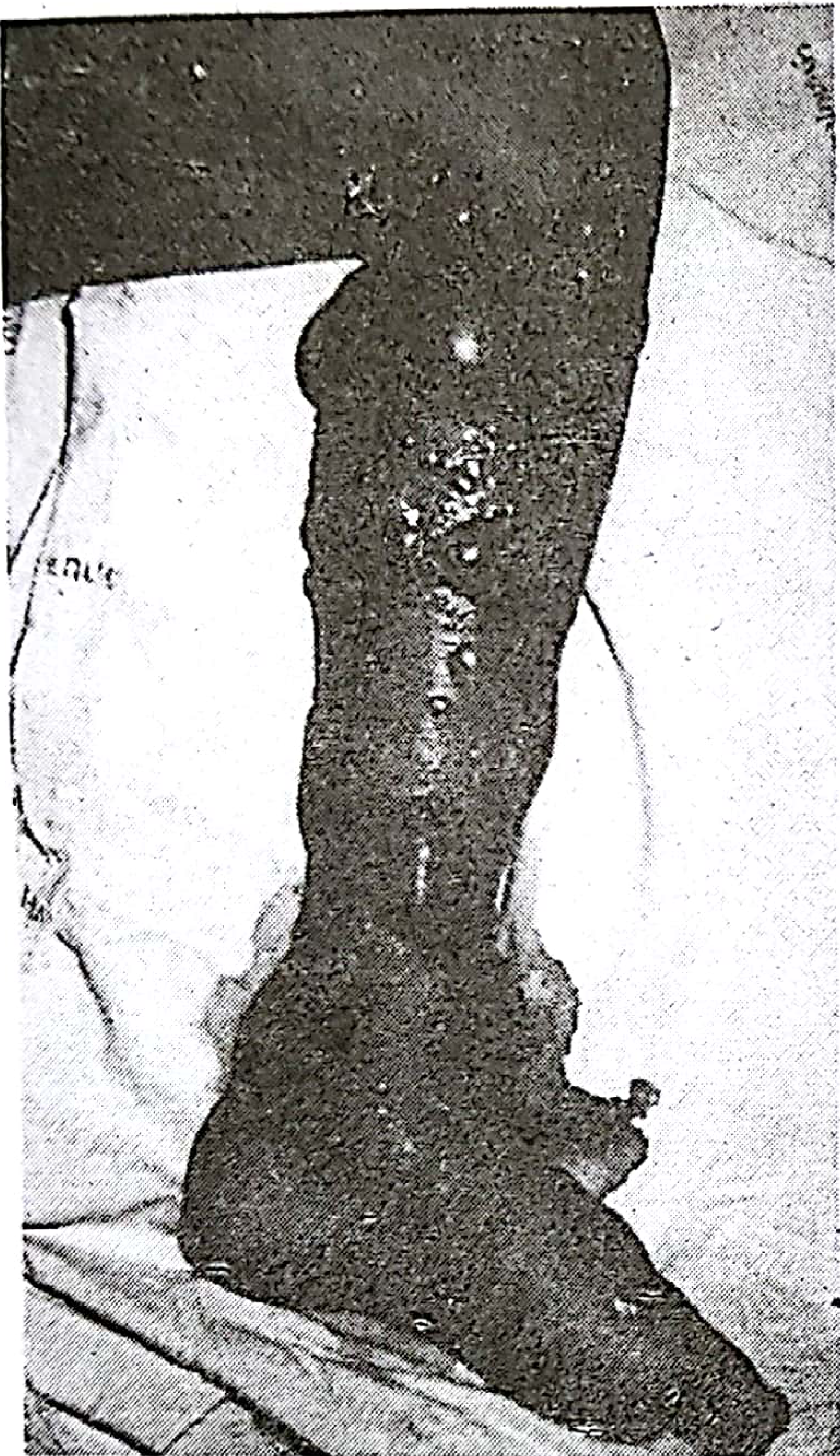
Local envenoming (mainly Viperidae/Crotalinae):
- Immediate burning pain at bite site
- Progressive swelling within minutes to 2 hours, may involve entire limb
- Ecchymosis, petechiae, blistering (serous or serosanguineous)
- Lymphangitis, tender regional lymph nodes
- Tissue necrosis in severe cases
Systemic envenoming:
- Haemotoxic: spontaneous gingival bleeding, epistaxis, haematuria, non-clotting blood (20-minute whole blood clotting test positive)
- Neurotoxic: ptosis (earliest sign - failure of lid retraction on upward gaze), descending paralysis, respiratory muscle weakness, cyanosis
- Cardiovascular: hypotension, shock, arrhythmias
- Renal: oliguria, myoglobinuria ("Coca-Cola" coloured urine from rhabdomyolysis in sea snake/krait bites), acute kidney injury
- Rhabdomyolysis: generalised muscle tenderness and stiffness, elevated creatine kinase
Severity Grading (Crotalid/Pit Viper)
| Grade | Features |
|---|---|
| 0 | Fang marks, no envenomation |
| I | Local swelling/pain only, no systemic signs |
| II | Moderate local + early systemic (nausea, perioral numbness) |
| III | Severe local + systemic (coagulopathy, hypotension) |
| IV | Very severe, life-threatening |
First Aid (Pre-hospital)
DO:
- Reassure the patient - anxiety causes hyperventilation that mimics envenomation
- Immobilize the bitten limb with a splint and broad crepe bandage - prevents muscular contraction which enhances venom absorption and spread via lymphatics
- Transport quickly, comfortably and passively to hospital - patient should not walk
- Bring the snake if it can be killed or secured safely (identification aids treatment)
- For neurotoxic elapid or sea snake bites only: apply pressure immobilization bandage - wrap firmly from bite site up the entire limb; this delays life-threatening neurotoxicity while awaiting intubation capability
DO NOT:
- Incise, excise, cauterize, or apply suction
- Apply ice packs or chemicals
- Give herbal remedies or emetics
- Apply tight tourniquets (except for confirmed neurotoxic elapid bites as above)
- Allow the patient to walk
Hospital Assessment
History: Time of bite, species identification, first aid administered, tetanus status, allergy history (esp. horse/sheep serum - relevant for antivenom)
Examination:
- Fang marks, local swelling (mark leading edge and measure circumference serially)
- Gingival sulci for spontaneous bleeding
- Ptosis (earliest neurotoxic sign)
- Respiratory rate and effort, peak expiratory flow/vital capacity if paralytic envenomation suspected
- Pulse, BP, consciousness, urine output
Investigations:
- 20-minute whole blood clotting test (WBCT20): 2 ml blood in a clean glass tube - failure to clot after 20 min = defibrination (viper envenomation)
- CBC, fibrinogen, prothrombin time, D-dimer
- Urine dipstick (blood/haemoglobin = myoglobinuria)
- Renal function (urea, creatinine)
- ECG
- Peripheral leucocyte count, haematocrit
Observation: All patients bitten by potentially venomous snakes should be observed for at least 24 hours (except confirmed non-venomous species).
Antivenom - The Only Specific Treatment
Antivenom (hyperimmune animal serum, usually equine) neutralizes venom and is the cornerstone of treatment.
Indications (give antivenom when ANY of these are present):
Systemic envenomation:
- Hypotension/shock
- Spontaneous systemic bleeding / non-clotting blood (WBCT20 positive)
- Neurotoxicity (ptosis, respiratory weakness)
- Rhabdomyolysis
- Impaired consciousness
- WBC >20,000/μL, elevated serum enzymes, acidosis
Local envenomation:
- Known necrotic venom species
- Swelling involving >50% of bitten limb
- Rapid progression of swelling
- Bites on digits or tight fascial compartments
Antivenom administration:
- Route: Slow IV infusion (dilute in normal saline) - preferred. Never inject locally at the bite site
- Dose: Minimum 5 vials (10 ml each) as initial dose; children need the same dose as adults (venom dose is the same regardless of body weight)
- Monospecific (species-known) > polyvalent/polyspecific (species unknown or regional coverage)
- Repeat dose after 1 hour if life-threatening signs persist (shock, respiratory paralysis)
- For procoagulant venoms: repeat every 6 hours until WBCT20 normalizes
- Skin/conjunctival sensitivity tests are NOT recommended - no predictive value
Antivenom reactions:
| Type | Timing | Features | Treatment |
|---|---|---|---|
| Early (anaphylactic) | 10 min - 2 h | Urticaria, tachycardia, vomiting, bronchospasm | Adrenaline 0.5-1.0 ml of 1:1000 SC/IM + chlorpheniramine 10 mg IV |
| Pyrogenic | 1-2 h | Fever, rigors | Cooling + antipyretics |
| Late (serum sickness) | 5-24 days | Urticaria, arthralgia, lymphadenopathy | Antihistamine ± prednisolone 5 mg QDS x 5 days |
Even patients with allergy history who have severe envenomation should receive dilute antivenom with concurrent adrenaline - the benefit outweighs risk.
Supportive Treatment
| Problem | Management |
|---|---|
| Respiratory paralysis | Endotracheal intubation + mechanical ventilation (life-saving; antivenom may act too slowly) |
| Hypotension/shock | IV fluids (crystalloid); vasopressors if needed |
| Acute kidney injury | Fluid resuscitation, monitor urine output, dialysis if needed |
| Coagulopathy | Antivenom (primary treatment); FFP/cryoprecipitate if needed |
| Pain | IV opioids |
| Wound infection | Tetanus prophylaxis; antibiotics only if secondary infection develops |
| Rhabdomyolysis | IV fluids, urine alkalinization, monitor renal function |
Surgical Aspects
- Fasciotomy is indicated only if compartment syndrome is confirmed by compartment pressure measurement AND antivenom has failed at adequate doses - not prophylactically
- Debridement of necrotic tissue once the patient is stabilized
- Skin grafting for large necrotic areas
- Surgical intervention has a limited role in most cases - antivenom and supportive care come first
Indian Subcontinent - "Big Four"
The four species responsible for most deaths in India:
- Russell's viper (Daboia russelii) - hemotoxic + nephrotoxic
- Indian cobra (Naja naja) - cytotoxic + neurotoxic
- Indian krait (Bungarus caeruleus) - potent neurotoxin, painless bite, nocturnal
- Saw-scaled viper (Echis carinatus) - hemotoxic, coagulopathy
Polyvalent anti-snake venom (ASV) covering all four species is manufactured in India and is the standard treatment.
Prevention
- Wear boots and long trousers in endemic areas
- Use a torch/flashlight at night
- Avoid disturbing snakes
- Sleep off the ground (krait bites occur to sleeping persons)
- Community education on first aid and what NOT to do
Sources:
- Pye's Surgical Handicraft (22nd ed.) - Chapter 28: Snake Bite
- Rosen's Emergency Medicine - Chapter 53: Emergency Department Care of Snakebite
- Tintinalli's Emergency Medicine - Snakebite
Recent evidence: A 2025 systematic review (PMID 41328212) and 2025 meta-analysis on Asian snakebite outcomes (PMID 40691949) confirm antivenom remains the standard of care; a 2026 systematic review on snakebite-associated AKI (PMID 41776424) underscores acute kidney injury as a major cause of snakebite mortality, particularly from viperid envenomation.
This is a shared conversation. Sign in to Orris to start your own chat.