I now have all the material needed. Let me compile the comprehensive notes.---
Approach to Metabolic Disorders in Pediatrics
Comprehensive Notes for the MD Pediatrics PG Resident
References: The Harriet Lane Handbook 23rd ed. (HLH), Tintinalli's Emergency Medicine (Tintinalli), Tietz Textbook of Laboratory Medicine 7th ed. (Tietz), ACMG ACT Sheets
PART 1: FOUNDATIONS - WHY THIS MATTERS
Inborn errors of metabolism (IEM) are individually rare, but as a group their incidence ranges from 1:800 to 1:2500 live births - making them collectively common. They result from single-gene defects in enzymes, cofactors, or transport proteins, leading to either toxic accumulation of substrates upstream of the defect, or deficiency of downstream products. Most present with nonspecific symptoms that mimic sepsis, meningitis, or cardiac disease - which is why the PG resident must maintain a high index of suspicion at all times.
Key Principle (HLH, Ch.13): "A high index of suspicion is required, as routine investigations may be unrevealing. Be especially vigilant in a full-term baby presenting with 'sepsis' who has no risk factors."
PART 2: WHEN TO SUSPECT AN IEM
The "RED FLAG" Box (HLH Box 13.1)
Think IEM whenever you see any of these:
📦 BOX: WHEN TO SUSPECT METABOLIC DISEASE
----------------------------------------------
• Overwhelming illness in neonatal period
• Vomiting (recurrent, unexplained)
• Acute anion gap metabolic acidosis
• Massive ketosis
• Hypoglycemia (especially recurrent / morning)
• Coagulopathy
• Coma / encephalopathy
• Seizures (especially myoclonic)
• Hypotonia
• Unusual odor of urine or body
• Extensive dermatosis
• Neutropenia, thrombocytopenia, or pancytopenia
• Family history of sibling deaths in infancy
Mnemonic: "SWIM + CHAOS" (When to Suspect IEM)
| Letter | Sign |
|---|
| S | Seizures / Sepsis-like picture (no risk factors) |
| W | Weird urine odor |
| I | Irritability + Lethargy cycling |
| M | Metabolic acidosis (high anion gap) |
| C | Coma / Encephalopathy |
| H | Hypoglycemia + Hyperammonemia |
| A | Abnormal LFTs / Aversion to protein |
| O | Overwhelming neonatal illness |
| S | Siblings died early (family history!) |
PART 3: STEP-BY-STEP HISTORY TAKING
Step 1 - Birth & Neonatal History
- Prenatal: Consanguinity (autosomal recessive!), maternal HELLP syndrome or acute fatty liver (heterozygosity for fatty acid oxidation defects), previous miscarriages
- Perinatal: Term or preterm? Gestational age matters for newborn screening timing
- Neonatal period: Was there a "honeymoon period"? (Metabolic toxins are cleared by maternal enzymes in utero - most newborns are asymptomatic at birth, then deteriorate after feeding starts)
Step 2 - Current Illness History
- Timing of deterioration: After initiation of feeds? After prolonged fasting? (Fasting intolerance disorders worsen with fasting; intoxication disorders worsen with feeding)
- Dietary history: Protein or carbohydrate aversion? Formula changes? Frequent vomiting after feeds
- Triggers: Intercurrent illness, immunizations, prolonged fasting (symptoms may wax and wane)
- Developmental history: Regression? Unexplained developmental delay
Step 3 - Family History (3-generation pedigree!)
Draw a pedigree and look for:
- Siblings with similar illness or unexplained death (often labeled "sepsis" or "SIDS")
- Consanguinity
- Relatives with early-onset cardiac disease, liver disease, neurological disease, or SIDS
Step 4 - Odor Clues (Mnemonic: "MSIG-CAT")
| Odor | Disorder |
|---|
| Maple syrup / burnt sugar | Maple Syrup Urine Disease (MSUD) |
| Sweaty feet | Short chain organic acidemias (Isovaleric acidemia, Glutaric acidemia type II) |
| Institution / musty/mousy | Inborn PKU (Phenylketonuria) |
| Garlic / cabbage | Glutaric acidemia or Trimethylaminuria |
| Cabbage/rotten | Cystinuria/Methionine metabolism |
| Acetone / fruity | Acidosis (DKA, organic acidemias) |
| Tomcat urine | 3-Methyl crotonyl glycinuria |
PART 4: CLINICAL EXAMINATION APPROACH
Systematic Head-to-Toe Exam with Metabolic Clues
Vital Signs:
- Tachycardia - acute metabolic crisis
- Hypothermia - urea cycle defects, organic acidemias (not fever!)
- Tachypnea without increased work of breathing = Kussmaul breathing = metabolic acidosis
Neurological:
- Encephalopathy / altered sensorium - ammonia toxicity or organic acid accumulation
- Seizures (especially myoclonic) - pyridoxine-dependent epilepsy, glycine encephalopathy (NKH)
- Hypotonia - mitochondrial disorders, organic acidemias
- Movement disorders - glutaric aciduria type 1, mitochondrial disorders
Eyes:
- Cataracts - Galactosemia, peroxisomal disorders
- Dislocated lens (ectopia lentis) - Homocystinuria (downward displacement; upward in Marfan's)
- Corneal clouding - Mucopolysaccharidoses (MPS)
- Cherry-red spot on retina - Lysosomal storage diseases (Tay-Sachs, Niemann-Pick, GM1 Gangliosidosis)
Facies / Dysmorphic features:
- Coarse facies - Mucopolysaccharidoses (later childhood)
- Macroglossia - Pompe disease (GSD type II)
- Note: Dysmorphism does NOT rule out IEM; conversely, most neonatal IEMs have NO dysmorphic features
Abdomen:
- Hepatomegaly - Glycogen storage diseases, lysosomal storage diseases, galactosemia, tyrosinemia
- Hepatosplenomegaly - Niemann-Pick, Gaucher's disease
Skin:
- Eczema/dermatitis - PKU, biotin deficiency
- Alopecia - Biotinidase deficiency
- Angiokeratomas - Fabry disease
Genitalia:
- Virilization in females - Congenital adrenal hyperplasia (CAH); check electrolytes for salt-wasting
PART 5: INITIAL LABORATORY WORKUP
The "First-Line Emergency Panel" - Do IMMEDIATELY
Order these before knowing the diagnosis. Collect samples BEFORE starting treatment when possible (especially ammonia, blood gas, glucose).
🔬 TIER 1 (Get in ALL suspected IEM cases):
----------------------------------------------
1. Blood glucose (bedside glucometer first)
2. Blood gas (ABG/VBG) - pH, bicarbonate, PCO2
3. Plasma ammonia (NH3) - must be FREE-FLOWING, arterial if possible, ice immediately, process STAT)
4. Serum lactate (ice the sample, STAT)
5. Electrolytes (Na, K, Cl, HCO3) → calculate anion gap
6. Urine ketones (dipstick, quick result)
7. Blood glucose, BMP (BUN, creatinine, Ca, Mg, phosphorus)
8. LFTs (ALT, AST, bilirubin - conjugated and unconjugated)
9. CBC with differential
10. Urine reducing substances (Clinitest - galactosemia)
11. Coagulation (PT, aPTT)
Anion Gap Calculation (essential!)
Anion Gap = Na - (Cl + HCO3)
- Normal: 8-12 mEq/L (or up to 16 with albumin correction)
- High AG metabolic acidosis = IEM until proven otherwise in neonate/infant
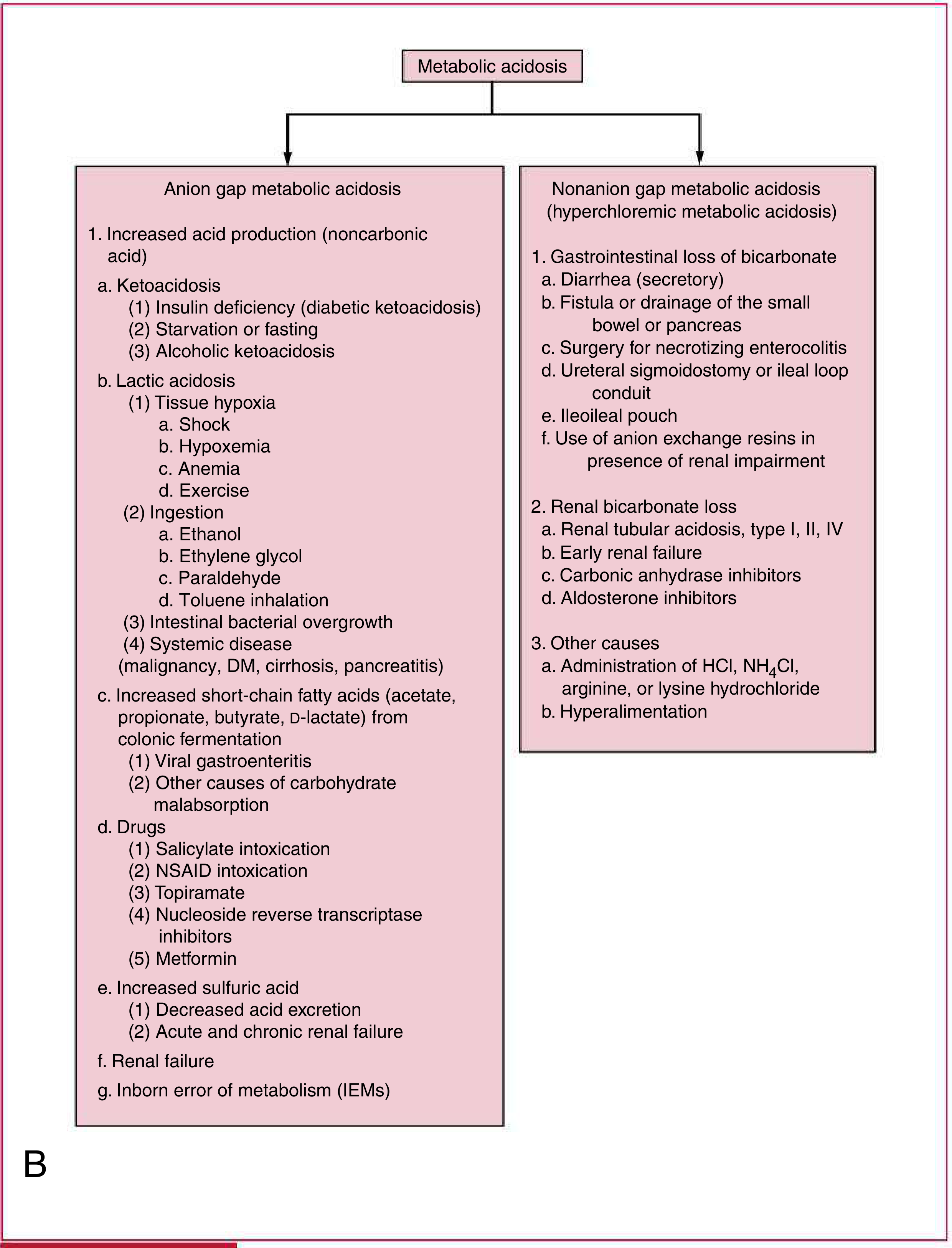
Mnemonic for HIGH Anion Gap Metabolic Acidosis: "MUDPILES" (classic) or "GOLD MARK" (modern)
MUDPILES:
M - Methanol; U - Uremia; D - DKA / starvation ketosis; P - Paraldehyde, Propylene glycol; I - Isoniazid, Iron, IEMs; L - Lactic acidosis; E - Ethanol/Ethylene glycol; S - Salicylates
In pediatrics, specifically add IEMs to every "I" of MUDPILES!
PART 6: THE THREE KEY DIAGNOSTIC PATTERNS
This is the single most powerful framework you will use at the bedside. Combine blood gas, ammonia, ketones, and lactate to narrow the diagnosis:
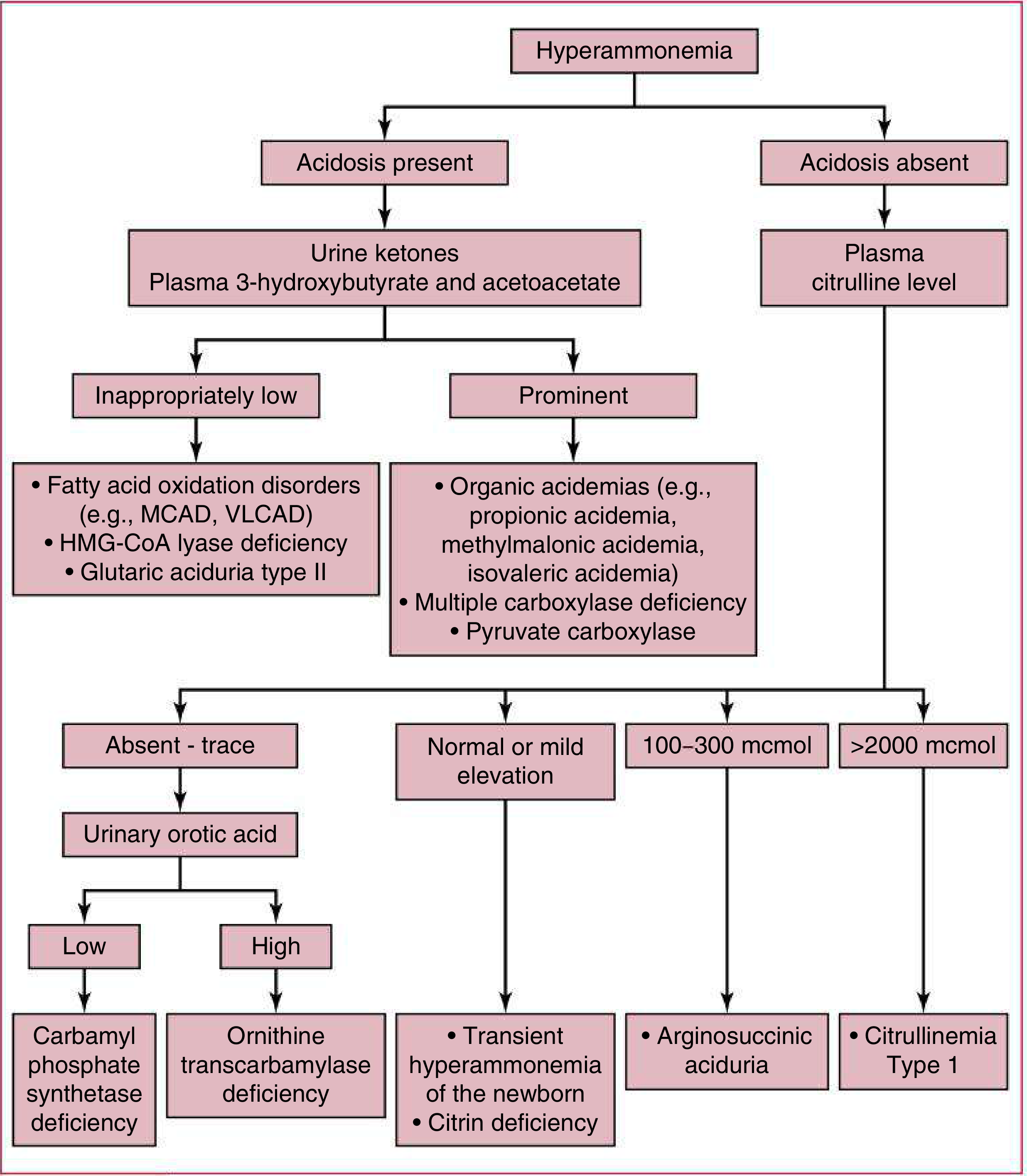
PATTERN 1: Hyperammonemia with Metabolic ACIDOSIS + Ketosis
- Think: Organic acidemias (Propionic acidemia, Methylmalonic acidemia, Isovaleric acidemia)
- These block amino acid and fat catabolism → accumulate organic acids → acidosis + ammonia (secondary)
PATTERN 2: Hyperammonemia WITHOUT Acidosis
- Think: Urea Cycle Disorders (UCDs - OTC deficiency, CPS1 deficiency, Citrullinemia, Argininosuccinic aciduria)
- Use urine orotic acid to differentiate:
- High orotic acid → OTC deficiency
- Low/absent orotic acid → CPS1 deficiency
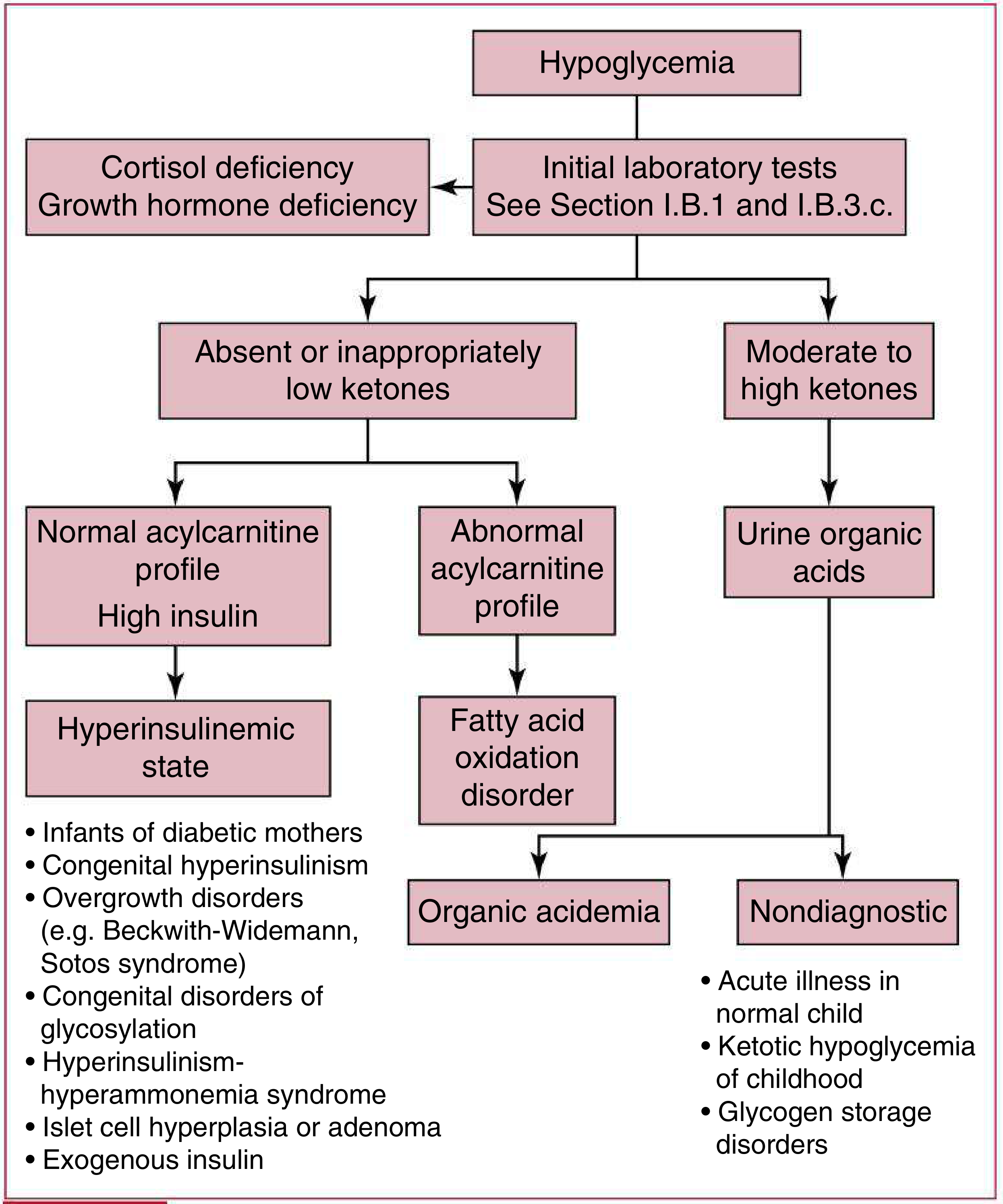
PATTERN 3: Hypoglycemia WITHOUT Ketones (Hypoketotic hypoglycemia)
- Think: Fatty Acid Oxidation (FAO) disorders (MCAD, VLCAD, LCHAD)
- Normal response to hypoglycemia = ketone production; absence of ketones in the setting of hypoglycemia is ALWAYS abnormal
- May also have hyperammonemia to varying degrees
Summary Table (from Tietz, 7th Ed. Table 60.1):
| Finding | Think of |
|---|
| High ammonia + Acidosis + Ketones | Organic acidemias |
| High ammonia + No acidosis + No ketones | Urea cycle disorders |
| Hypoglycemia + No/low ketones + Abnormal acylcarnitine | Fatty acid oxidation defect |
| Hypoglycemia + Low ketones + High insulin | Hyperinsulinism |
| Lactic acidosis + No ammonia elevation | Mitochondrial disorders, PDH deficiency, Pyruvate carboxylase deficiency |
| Hepatocellular dysfunction + Reducing substances in urine | Galactosemia, Tyrosinemia |
PART 7: DIAGNOSTIC FLOWCHARTS
Flowchart 1: Evaluation of Hyperammonemia (HLH, Fig. 13.2)
Flowchart 2: Evaluation of Hypoglycemia (HLH, Fig. 13.3)
Flowchart 3: Metabolic Acidosis Classification (HLH, Fig. 11.2)
PART 8: SECOND-LINE (SPECIALIZED) INVESTIGATIONS
Order these after Tier 1 results, or when IEM is suspected. Consult a metabolic geneticist early (even by phone at 3 AM - this is important!).
🔬 TIER 2 (Specialized Metabolic Panel):
------------------------------------------
• Plasma Amino Acids (PAA) - STAT, fasting preferred
• Urine Organic Acids (UOA) - spot urine, best during acute crisis
• Acylcarnitine profile (plasma) - FAO disorders, organic acidemias
• Quantitative free and total plasma carnitine
• Lactate/Pyruvate ratio (L:P ratio)
   - >20 = block in electron transport chain (MELAS, respiratory chain defects)
   - Normal L:P + high lactate = pyruvate carboxylase deficiency
• Urine orotic acid (if hyperammonemia without acidosis - rules in/out OTC deficiency)
• Urine reducing substances (galactosemia, fructosemia)
• Very long chain fatty acids (VLCFAs) - peroxisomal disorders (Zellweger)
• Urine sulfites (sulfite oxidase deficiency, molybdenum cofactor deficiency)
• Serum uric acid (low in xanthine oxidase deficiency; high in purine disorders)
• CSF studies (when seizures): CSF glucose:serum glucose ratio (GLUT1 deficiency if <0.4), CSF amino acids, CSF neurotransmitters, CSF lactate
Additional tests by presentation (HLH, Ch. 13):
- Metabolic acidosis: NH3, lactate, β-hydroxybutyrate, acetoacetate, UOA, urinalysis, acylcarnitine
- Hyperammonemia: VBG, UOA, PAA, acylcarnitine, urine orotic acid
- Hypoglycemia: Critical sample at time of hypoglycemia - insulin, GH, cortisol, free fatty acids, β-OHB, acylcarnitine, PAA
- Neonatal seizures: CSF amino acids + PAA, CSF/serum glucose ratio, neurotransmitters, CSF and plasma lactate, plasma VLCFAs, urine sulfites - consider trial of pyridoxine (100 mg IV)
PART 9: THE BROAD CLASSIFICATION OF METABOLIC DISORDERS
(HLH Table 13.1)
Category 1: Intoxication Disorders
- Mechanism: Toxic accumulation of small molecules upstream of a defective enzyme
- Examples: Urea cycle disorders, Organic acidemias (PA, MMA, IVA, MSUD), Aminoacidopathies (PKU)
- Presentation: Recurrent vomiting, encephalopathy, wax-and-wane symptoms with illness, coma
- Clue: Symptoms appear after feeding starts (honeymoon period at birth)
Category 2: Disorders of Reduced Fasting Tolerance
- Mechanism: Inability to generate glucose or ketones during fasting
- Examples: Fatty acid oxidation defects (MCAD, VLCAD), Glycogen storage diseases, Hyperinsulinism
- Presentation: Morning symptoms, hypoglycemia after fasting, seizures overnight
- Clue: Symptoms after fasting; morning presentations; symptoms when "sleeping through the night"
Category 3: Disorders of Complex Molecules (Storage Disorders)
- Mechanism: Accumulation of complex molecules in lysosomes or peroxisomes
- Examples: Mucopolysaccharidoses, Glycoproteinoses, Gaucher's, Niemann-Pick, Pompe
- Presentation: Later childhood; coarse facies, organomegaly, developmental regression, skeletal dysplasia
- Clue: Symptoms do NOT wax and wane; progressive; storage phenotype
Category 4: Mitochondrial Disorders
- Mechanism: Defects in oxidative phosphorylation (respiratory chain)
- Examples: MELAS (Mitochondrial Encephalomyopathy, Lactic Acidosis, Stroke-like episodes), MERRF, Leigh syndrome, PDH deficiency
- Presentation: Multi-system (brain, muscle, heart, eyes, ears); lactic acidosis; elevated CK
- Clue: Ragged-red fibers on muscle biopsy; high L:P ratio; maternal inheritance pattern
Category 5: Neurotransmitter Disorders
- Mechanism: Defects in synthesis or degradation of neurotransmitters
- Examples: Aromatic L-amino acid decarboxylase (AADC) deficiency, Sepiapterin reductase deficiency, Pyridoxine-dependent epilepsy
- Presentation: Hypotonia, movement disorders, seizures resistant to standard AEDs
Mnemonic for the 5 Categories: "I FMCN" = "I Feel My Child Needs help"
- I - Intoxication disorders
- F - Fasting intolerance disorders
- M - Mitochondrial disorders
- C - Complex molecule / storage disorders
- N - Neurotransmitter disorders
PART 10: EMERGENCY MANAGEMENT IN THE WARD/CASUALTY
This is the most important practical section for you as a resident. Do NOT wait for a definitive diagnosis to start treatment - stabilization and reversal of catabolism are life-saving.
The ABCDEF Emergency Approach to IEM Crisis
A - Airway/Access/Ammonia
- Secure airway if encephalopathic (GCS <8, consider intubation)
- Two IV lines
- Send ammonia STAT (free-flowing, arterial, on ice; NH3 > 200 µmol/L is a neurological emergency)
B - Blood glucose / Blood gas
- Bedside glucose immediately
- Correct hypoglycemia (see table below)
- Blood gas for pH, HCO3, PCO2
C - Catabolism: STOP IT
- Make the child NPO (remove protein and other offending substrates)
- Start D10% + ½ NS (or D10% + appropriate electrolytes for age) at 1.5 to 2x maintenance rate
- Goal: Use glucose as anabolic substrate to halt catabolism
- Exception: In PDH deficiency / suspected mitochondrial disease, D10 may worsen lactic acidosis - use cautiously; check lactate frequently
- Resume protein within 24-48 hours (prolonged protein restriction causes nutritional deficiency and paradoxically worsens catabolism)
D - Dextrose for Hypoglycemia (Tintinalli, Table 146-1)
| Age | IV Dextrose Bolus | Maintenance |
|---|
| Neonate | D10W 5 mL/kg IV | 6 mL/kg/h of D10 |
| Infant | D10W 5 mL/kg or D25W 2 mL/kg | 6 mL/kg/h of D10 |
| Child | D25W 2 mL/kg | D10 at Holliday-Segar + 50% extra |
| Adolescent | D25W 2 mL/kg or D50W 1 mL/kg | D10 at Holliday-Segar + 50% extra |
| + glucagon | 0.03 mg/kg IM for all ages | |
| + hydrocortisone | If adrenal insufficiency suspected | 25-100 mg IV by age |
E - Electrolytes and Acidosis
- Correct acidosis with sodium bicarbonate only if pH < 7.1 (or as directed by metabolic team)
- Bicarb risks: sodium overload, cerebral edema, paradoxical CSF acidosis
- Watch potassium during bicarbonate administration
F - Find and Treat Triggers + Fix Ammonia
- Broad-spectrum antibiotics (e.g., ceftriaxone) - rule out sepsis in all metabolic crises
- For hyperammonemia > 200-250 µmol/L:
- Ammonia scavengers: Sodium benzoate + Sodium phenylacetate (Ammonul)
- Child < 20 kg: 250 mg/kg each (benzoate + phenylacetate) as loading dose over 90-120 min, then same as 24-hr infusion
- Child > 20 kg: 5.5 g/m² each
- Arginine HCl: 200-600 mg/kg/day depending on specific UCD (consult metabolic team)
- Dialysis: For ammonia > 250 µmol/L and not responding to medical management, or rapid rise; haemodialysis is more efficient than peritoneal dialysis
- DO NOT use steroids for cerebral edema in hyperammonemia - steroids worsen ammonia
Cerebral Edema (if clinical deterioration despite improving labs):
- Mannitol 0.5 g/kg IV
- Avoid hypo- and hyperventilation
- Head elevation 30°
PART 11: SPECIFIC DISORDER QUICK REFERENCE
Urea Cycle Disorders (UCDs)
- Classic presentation: Full-term neonate, well at birth, progressive lethargy/vomiting after feeds initiation (day 2-5), respiratory alkalosis (hyperventilation compensating ammonia-induced alkalosis)
- Key lab: Ammonia ↑↑ WITHOUT metabolic acidosis, BUN is paradoxically LOW
- Most common: OTC deficiency (X-linked; affects males predominantly; females can be carriers with variable expression)
- Acute Rx: NPO + D10 at 1.5-2x maintenance + Ammonul + Arginine + dialysis if severe
- Chronic Rx: Protein restriction + sodium phenylbutyrate (ammonia scavenger) + arginine supplementation
Organic Acidemias (PA, MMA, IVA)
- Classic triad: High anion gap metabolic acidosis + Hyperammonemia + Bone marrow suppression (pancytopenia)
- Specific odors: IVA = "sweaty feet"; MSUD = "maple syrup/caramel"
- Key labs: High ammonia + acidosis + abnormal acylcarnitine + abnormal urine organic acids
- Acute Rx: NPO + D10 at 1.5-2x maintenance + carnitine (for PA, MMA, IVA) + glycine (for IVA) + bicarb if pH < 7.1
- Chronic Rx: Restricted amino acid formula; carnitine supplementation; vitamin B12 for B12-responsive MMA; biotin for MCC deficiency
Maple Syrup Urine Disease (MSUD)
- Defect: Branched-chain α-ketoacid dehydrogenase (BCADs); can't metabolize leucine, isoleucine, valine
- Key feature: HIGH LEUCINE levels = neurotoxic → cerebral edema, coma
- Urine odor: Sweet maple syrup
- Acute Rx: NPO + BCAA-free formula + D10 at 1.5-2x maintenance + (continue valine and isoleucine to avoid deficiency, only stop leucine) + exchange transfusion/dialysis in severe cases
- Chronic Rx: Dietary BCAA restriction; thiamine trial in thiamine-responsive MSUD
Fatty Acid Oxidation Disorders (MCAD, VLCAD, LCHAD)
- Classic: Hypoketotic hypoglycemia during fasting (overnight fast is enough in MCAD)
- MCAD: Most common FAO disorder; presents with vomiting, lethargy, hypoglycemia after illness/fasting; sudden death possible (SIDS association); diagnosed on newborn screening
- Maternal clue: Mother with HELLP or acute fatty liver during pregnancy (heterozygous LCHAD)
- Key labs: Hypoglycemia WITHOUT ketones (urine dipstick negative for ketones!) + abnormal acylcarnitine profile + elevated CK (LCHAD > MCAD)
- Acute Rx: IV glucose (D10 at 1.5-2x maintenance) + avoid fasting; no NPO unless ventilated
- Chronic Rx: Avoidance of fasting; high carb/low fat diet; MCT oil (for VLCAD/LCHAD); carnitine (controversial in MCAD)
Galactosemia
- Defect: Galactose-1-phosphate uridylyltransferase deficiency
- Classic: Newborn on breast milk/lactose formula → jaundice + liver dysfunction + sepsis (especially E. coli!) + cataracts
- Key: Urine reducing substances POSITIVE (Clinitest) but glucose oxidase negative (glucose not the reducing sugar)
- Acute Rx: Stop lactose immediately (switch to lactose-free formula); treat E. coli sepsis
- Chronic: Galactose-free diet lifelong; but long-term outcomes (cognitive, ovarian) remain guarded
PKU (Phenylketonuria)
- Defect: Phenylalanine hydroxylase deficiency → phenylalanine accumulates → brain damage
- Classic: Normal at birth (detected on newborn screen), then progressive intellectual disability, eczema, mousy odor, fair complexion/hair (melanin synthesis blocked)
- Key: Picked up on newborn screening (Guthrie card / tandem mass spec)
- Rx: Phenylalanine-restricted diet; sapropterin (BH4) for tetrahydrobiopterin-responsive PKU
PART 12: NEWBORN SCREENING - WHAT TO KNOW
(HLH, Ch. 13, Section II)
- Timing: First screen: 48-72 hours of life (after at least 24 hours of feeding)
- Second screen (some states/countries): After day 7
- Preterm infants: Screen at birth (before transfusions), at 48-72 hours, at day 7, and at day 28 or before discharge
- After transfusion: Repeat newborn screen 3 months after last transfusion (transfusion dilutes/alters results)
- Abnormal result: Requires immediate follow-up + confirmatory testing + consult genetics/metabolics
- Refer to ACMG ACT Sheets and Confirmatory Algorithms for disorder-specific guidance
What does tandem mass spec newborn screening detect?
- Aminoacidopathies: PKU, MSUD, Homocystinuria, Tyrosinemia
- Organic acidemias: PA, MMA, IVA, MCC deficiency, HMG-CoA lyase deficiency
- FAO disorders: MCAD, VLCAD, LCHAD, Carnitine uptake defects
- Endocrine: Congenital hypothyroidism, CAH
- Hemoglobin disorders, Biotinidase deficiency, Galactosemia
PART 13: CLINICAL EXPERIENCE - APPROACH BY SETTING
In the WARD (Non-emergent presentation)
-
Recognize the "don't miss" presentations:
- FTT + vomiting → always send metabolic workup if routine causes excluded
- Unexplained developmental regression
- Unexplained hepatomegaly
- Recurrent hospitalizations responding to IV fluids
- Progressive neurological disease with no structural cause on MRI
-
Ward workup checklist:
- Full metabolic panel (Tier 1 + Tier 2)
- Newborn screening result review (ask parents for the card)
- 3-generation pedigree
- Ophthalmology exam (cataracts, corneal clouding, cherry-red spot)
- Formal developmental assessment
- Genetics/metabolics consult
-
Before sending samples: Collect during symptomatic phase or during metabolic crisis when possible - many organic acids/amino acids normalize in between crises. If child is symptomatic, DO NOT miss this window.
In the EMERGENCY (Acute metabolic crisis)
Step-by-step priorities:
STEP 1: ABCs and Stabilize
  - Airway (intubate if GCS < 8 or worsening)
  - Establish IV access x2
  - Bedside glucose STAT

STEP 2: Send STAT labs (all at once)
  - Ammonia (arterial, free-flowing, ice, process immediately)
  - Blood gas (VBG or ABG)
  - BMP + calcium + LFTs
  - Lactate (ice, STAT)
  - CBC + coags
  - UA with ketones + urine reducing substances
  - Hold extra blood and urine sample in fridge
  - LP if meningitis possible (also send lactate and AAs from CSF)

STEP 3: Start empiric treatment (DO NOT wait for results)
  - NPO
  - D10 + ½NS (or appropriate electrolytes) at 1.5-2x maintenance
  - Correct hypoglycemia per table above

STEP 4: Interpret results and narrow:
  - High ammonia + acidosis + ketones → Organic acidemia
  - High ammonia + no acidosis → Urea cycle defect
  - Hypoketotic hypoglycemia → FAO disorder
  - High lactate → Mitochondrial, PDH deficiency

STEP 5: Escalate treatment based on pattern
  - Hyperammonemia > 250 → Ammonul + arginine + consider dialysis
  - Severe acidosis pH < 7.1 → Bicarbonate
  - Resistant hypoglycemia → Glucagon/hydrocortisone

STEP 6: Consult metabolic team (ALWAYS - even by phone)
  - Transfer to tertiary centre if dialysis needed
  - ALL metabolic crises warrant inpatient admission
In CLINIC (Outpatient / Follow-up)
- Monitoring known IEM patients: Regular amino acid levels, organic acid profiles, CBC, LFTs, and growth parameters
- Education for families:
- Recognize early warning signs (feed refusal, lethargy, vomiting → go to ER immediately; do not fast)
- Emergency regimen card (high-calorie glucose drinks during illness to prevent catabolism)
- Medic-alert bracelet / letter for emergency use
- Sick-day protocol: High-glucose drinks, avoid fasting, low-threshold for hospital admission
- Dietary review: With metabolic dietitian every 3-6 months
- Developmental surveillance: Regular neurodevelopmental assessments
- Genetics counseling: For family planning, carrier testing, prenatal diagnosis options
PART 14: HIGH-YIELD MNEMONICS SUMMARY
| Mnemonic | What it's for |
|---|
| SWIM + CHAOS | When to suspect IEM |
| MSIG-CAT | Odor clues in metabolic disease |
| MUDPILES / GOLD MARK | Causes of anion gap metabolic acidosis |
| I FMCN ("I Feel My Child Needs help") | 5 categories of IEM |
| ABCDEF | Emergency management steps |
| PAA + UOA + ACP | Core specialized tests (Plasma Amino Acids + Urine Organic Acids + Acylcarnitine Profile) |
Extra High-Yield Table: Labs Pattern Recognition
| Ammonia | Acidosis | Ketones | Diagnosis |
|---|
| ↑↑ | Yes (HAGMA) | Yes | Organic acidemia |
| ↑↑ | No | No | Urea cycle disorder |
| Normal/↑ | Yes | No | FAO disorder |
| Normal | Yes (high lactate) | Variable | Mitochondrial / PDH deficiency |
| Normal | Mild | High | Ketotic hypoglycemia of childhood |
PART 15: TIPS FOR THE PG RESIDENT - CLINICAL PEARLS
-
"Sepsis with no risk factors in a term baby" = IEM until proven otherwise. Always send ammonia and blood gas alongside the sepsis workup.
-
Ammonia sample is tricky: Free-flowing blood, arterial preferred, no tourniquet, NO delay - process within 15 minutes of collection. A spuriously elevated ammonia (from struggling, venous sample, delay) is common and can mislead you.
-
Ketones in context matter: Absence of ketones in a hypoglycemic child is never normal. Presence of massive ketosis in a neonatal crisis is more consistent with organic acidemia, not starvation.
-
Never give steroids for cerebral edema in IEM with hyperammonemia - steroids worsen catabolism and worsen ammonia levels.
-
"Hold spun blood and urine sample in the fridge" during every suspected metabolic crisis - even if you don't know what to test for yet. You can send specialized tests retrospectively on these stored samples.
-
Protein restriction: Don't go too long without restarting. Stop protein for 24-48 hours maximum. Restart even a small amount of protein (0.5 g/kg/day) thereafter to prevent nutritional catabolism from worsening the crisis.
-
Consult genetics/metabolics early - even during the night. These consultants expect urgent calls and can guide management before definitive diagnosis.
-
Family history of "SIDS" or unexplained sibling deaths in infancy may be undiagnosed FAO disorder (especially MCAD) or organic acidemia. Counsel appropriately and consider testing siblings.
-
Newborn screening is not foolproof: False negatives occur. A normal newborn screen does not exclude IEM - especially UCDs (OTC, CPS1 deficiency are NOT reliably detected on NBS in many countries).
-
The "critical sample" in hypoglycemia: When you find a child hypoglycemic, collect glucose, insulin, C-peptide, cortisol, GH, free fatty acids, β-OHB, acylcarnitine, PAA - all AT THE TIME OF HYPOGLYCEMIA. After correction, these values normalize and the window is lost.
References
- The Harriet Lane Handbook, 23rd Edition (The Johns Hopkins Hospital, 2021) - Chapter 13: Metabolic Disorders
- Tintinalli's Emergency Medicine: A Comprehensive Study Guide - Chapter 146: Inborn Errors of Metabolism in Infants and Children
- Tietz Textbook of Laboratory Medicine, 7th Edition - Chapter 60: Inborn Errors of Metabolism - Diagnosis
- Bradley and Daroff's Neurology in Clinical Practice - Chapter on Inborn Errors of Metabolism
- ACMG ACT Sheets and Confirmatory Algorithms (2023 update) - available at acmg.net
- Burton BK. Inborn errors of metabolism in infancy: a guide to diagnosis. Pediatrics. 1998;102:E69 - (foundational diagnostic algorithm still widely cited)
- BIMDG (British Inherited Metabolic Disease Group) Emergency Guidelines - bimdg.org.uk/emergency
- Peacock DJSJ, Ferreira CR, Horvath G. Clinical and biochemical footprints of inherited metabolic diseases: movement disorders, updated. Mol Genet Metab. 2025 May [PMID: 40132382]
These notes are organized from first principles to clinical application. The key message is this: a high index of suspicion + early stabilization + STAT ammonia/gas/glucose + prompt metabolic team consultation will save lives, even before you have a definitive diagnosis. As you gain experience, the pattern recognition (ammonia + acidosis + ketones) becomes second nature. Good luck in your postgraduate journey!