
How to manage Refractory anaphylactic shock
"refractory anaphylaxis" AND management
refractory anaphylactic shock management guidelines 2024 2025
PMID: 38866583
PMID: 37172716
https://pmc.ncbi.nlm.nih.gov/articles/PMC11439156
Management of Refractory Anaphylactic Shock
Definition
Step 1: Recognize and Secure Basics First
| Initial Action | Detail |
|---|---|
| Airway | Early intubation if angioedema is progressing - delay = complete obstruction. Check for uvula edema, stridor, hypoxia |
| Position | Supine with legs elevated (or position of comfort if dyspneic/vomiting) |
| Remove trigger | Discontinue any ongoing drug infusion/allergen exposure |
| Oxygen | Target SpO2 >90% |
| IV access | Large-bore; cardiac monitoring; 12-lead ECG |
Step 2: Escalate Epinephrine - IV Route
IV Epinephrine Infusion (PREFERRED over IV bolus)
- Start at 0.1-0.5 mcg/kg/min IV infusion; titrate to response
- Infusion is more effective than IV bolus and results in lower total dose requirement with a better safety profile
- Use a dedicated line with infusion pump and anti-reflux valve when possible
- Continuous monitoring required: vital signs, 12-lead ECG, mental status
IV Epinephrine Bolus (peri-arrest only)
- 1 mcg/kg IV - reserved for peri-arrest or cardiac arrest scenarios
- Higher risk of dysrhythmias; not routine
Step 3: Aggressive Fluid Resuscitation
- 20-30 mL/kg of crystalloid IV as rapidly as possible, preferably via large-bore cannula
- Balanced crystalloids preferred over 0.9% saline (to avoid hyperchloremic metabolic acidosis and renal vasoconstriction)
- Avoid colloids as first-line (concerns about renal failure and haemostasis disorders)
- Reassess after each bolus; repeat as needed for hemodynamic response
- Avoid high infusion rates for >2 hours (fluid overload risk)
Step 4: Second-Line Vasopressors
| Agent | Rationale / Notes |
|---|---|
| Norepinephrine | Strong α1-agonist; useful for vasodilatory shock; first-choice in most ICU protocols |
| Vasopressin | 0.01-0.04 units/min infusion; directly addresses pathologic vasodilation independent of adrenergic receptors; particularly useful in vasoplegic/distributive shock; works when β-blockade limits epinephrine effect |
| Dopamine | Alternative; dose-dependent effects |
| Metaraminol | Used in some perioperative guidelines |
No single vasopressor has demonstrated superiority over another. Clinicians should use the agent they are most comfortable with, titrated to clinical response. Echocardiography should be considered to exclude myocardial dysfunction requiring a different treatment strategy.
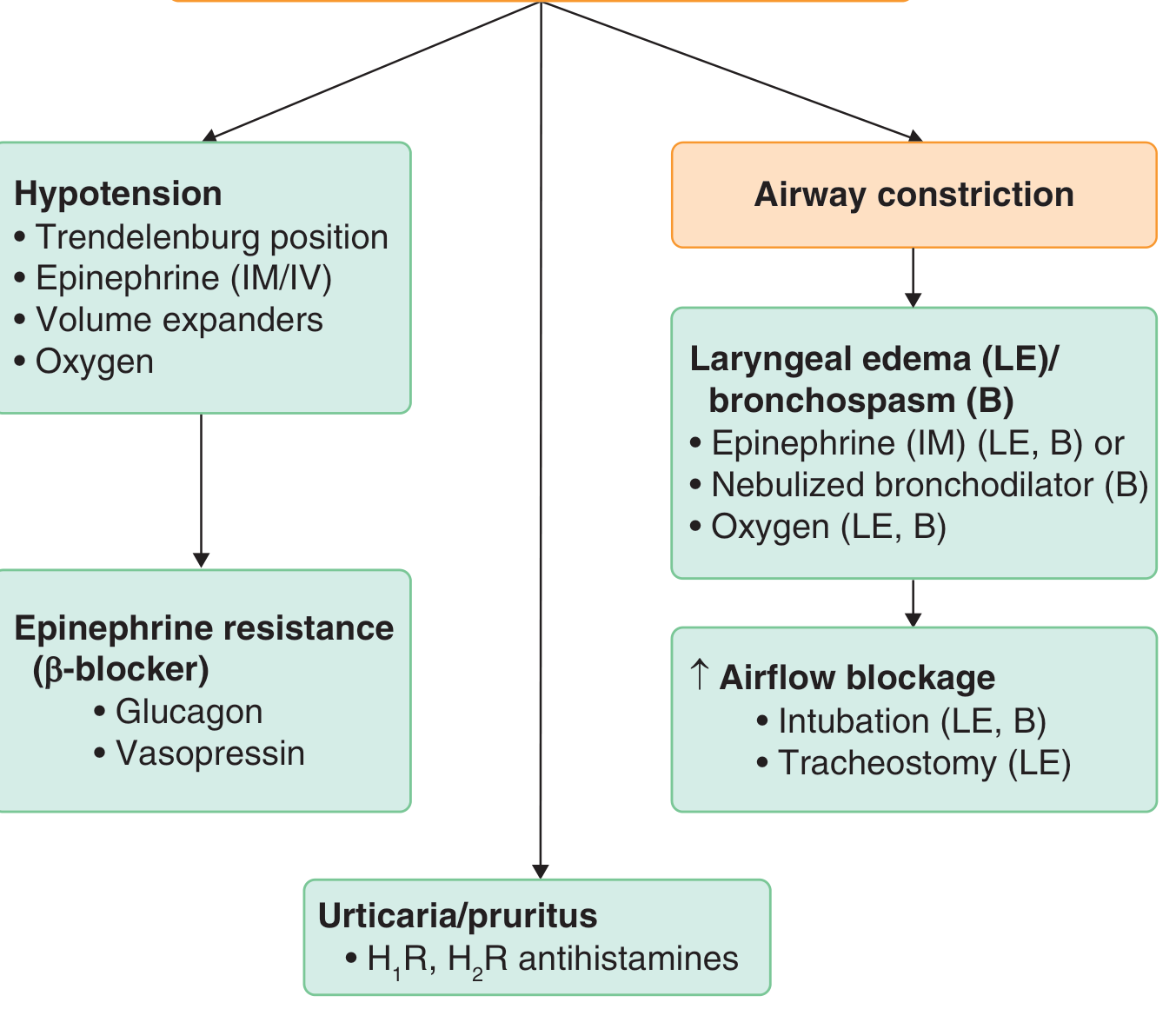
Step 5: Glucagon - For Beta-Blocker Users
- Glucagon 1-2 mg IV (or 20-30 mcg/kg in children), repeat every 5 minutes until hypotension resolves, then infusion at 5-15 mcg/min
- Glucagon bypasses β-receptor blockade by stimulating adenyl cyclase directly, increasing cAMP and improving cardiac output
- Side effects: nausea, vomiting, hypokalemia, hyperglycemia, dizziness (aspiration risk in semi-conscious patients)
Step 6: Bronchospasm Refractory to Epinephrine
| Agent | Dose/Route |
|---|---|
| Nebulized albuterol/salbutamol | Continuous or intermittent nebulization; first-line adjunct |
| Inhaled ipratropium | Add for bronchospasm refractory to beta-agonists (especially in asthmatics) |
| IV Magnesium sulfate | 2g IV over 20 min; useful in severe bronchospasm refractory to above |
| IV Hydrocortisone | 200-400 mg IV; does NOT address acute bronchospasm but reduces late-phase response |
IV aminophylline is NOT recommended. Leukotriene receptor antagonists are ineffective for acute anaphylaxis.
Step 7: Corticosteroids
- Hydrocortisone 200-400 mg IV or methylprednisolone 1-2 mg/kg IV
- Do not rely on these for acute hemodynamic instability - they have delayed onset (hours)
- Primary role: prevent biphasic/protracted reactions (occurring 12-24 hours later), and attenuate late-phase response
- In IgE-mediated reactions: hydrocortisone 0.25-1g IV; in complement-mediated reactions (e.g., protamine): methylprednisolone 1-2g (30-35 mg/kg) IV
Step 8: Rescue / Last-Resort Therapies
Methylene Blue
- 1-2 mg/kg IV over 20 minutes
- Mechanism: inhibits nitric oxide synthase and soluble guanylyl cyclase, thereby reducing pathologic vasodilation (similar to vasoplegia treatment post-cardiopulmonary bypass)
- Currently mentioned in one Spanish guideline; supported by animal models and case reports but not universally recommended
- Consider case-by-case when other second-line vasopressors fail
Extracorporeal Life Support (ECLS/VA-ECMO)
- Indicated for refractory cardiogenic shock from anaphylaxis or cardiac arrest not responding to all pharmacologic measures
- Listed in Miller's Anesthesia (10e) as an indication for VA-ECMO
- Requires specialist centre availability; bridge therapy while mediators clear
Step 9: Airway Re-evaluation Before Extubation
- Persistent facial edema suggests ongoing laryngeal edema
- Keep intubated until edema resolves
- Test for air leak after cuff deflation before extubation
- If airway edema suspected, perform direct laryngoscopy before extubation
Monitoring Requirements
- Continuous vital signs and pulse oximetry
- 12-lead ECG (epinephrine toxicity, arrhythmias)
- Arterial line for beat-to-beat BP in severe cases
- Echocardiography to assess cardiac function/hypovolemia in refractory shock
- Serum tryptase (at 1-2h and 24h) to confirm mast cell activation
Disposition
- All patients with refractory anaphylaxis requiring IV epinephrine or airway intervention: admit to ICU
- Observe minimum 12-24 hours for biphasic reaction risk
- On discharge: prescribe epinephrine autoinjector, antihistamine, and corticosteroids (3-5 days); arrange allergy follow-up
Risk Factors for Refractory Anaphylaxis
- Beta-blocker or ACE inhibitor use
- Concurrent mastocytosis or elevated baseline tryptase
- Hereditary alpha-tryptasemia
- Platelet activating factor-acetylhydrolase (PAF-AH) deficiency
- Intraoperative/perioperative setting (venom, muscle relaxants, latex)
Summary Algorithm
IM Epinephrine x2-3 doses + IV fluids (20-30 mL/kg crystalloid)
         ↓ Still hypotensive/in shock?
IV Epinephrine INFUSION (0.1-0.5 mcg/kg/min, titrate)
         ↓ Still refractory?
Add vasopressor: Norepinephrine OR Vasopressin (0.01 units/min)
         ↓ On beta-blockers?
Glucagon 1-2 mg IV bolus → infusion
         ↓ Refractory bronchospasm?
Neb salbutamol + ipratropium + IV Magnesium sulfate 2g
         ↓ All failing?
Methylene Blue 1-2 mg/kg IV
         ↓ Cardiac arrest / No response?
VA-ECMO (specialist centre)
- Tintinalli's Emergency Medicine, 9th ed., Ch. 14
- Barash Clinical Anesthesia, 9th ed., Ch. on Anaphylaxis
- Miller's Anesthesia, 10th ed., Box 81.2
- Pouessel G et al. "Management of Refractory Anaphylaxis: An Overview of Current Guidelines." Clin Exp Allergy 2024 (PMID 38866583)
- Pouessel G et al. "Refractory Anaphylaxis: A New Entity for Severe Anaphylaxis." J Allergy Clin Immunol Pract 2023 (PMID 37172716)
How to administer glucagon in Refractory shock?
glucagon "anaphylactic shock" OR "refractory anaphylaxis" beta-blocker
glucagon administration refractory anaphylactic shock dose beta blocker guidelines
Glucagon in Refractory Anaphylactic Shock
When to Use Glucagon
- The patient is on beta-blockers (especially non-selective ones, e.g., propranolol, carvedilol) AND
- Shock persists despite adequate doses of epinephrine (IM or IV infusion) + aggressive IV fluid resuscitation
Mechanism of Action
- Binds its own glucagon receptor on cardiomyocytes and smooth muscle
- Directly activates adenylyl cyclase, raising intracellular cyclic AMP (cAMP)
- Produces positive inotropy and chronotropy - completely independent of β-adrenergic receptors
- Also reverses bronchospasm via the same cAMP-mediated pathway
Dosing and Administration
Adults
| Phase | Dose | Route | Notes |
|---|---|---|---|
| Loading bolus | 1-2 mg | IV over 5 min | Some sources cite up to 5 mg |
| Repeat bolus | 1-2 mg | IV | Every 5 minutes until hypotension resolves |
| Maintenance infusion | 5-15 mcg/min (= 1-5 mg/hr) | IV infusion | Continue until clinical stability |
Pediatric
| Phase | Dose | Route |
|---|---|---|
| Bolus | 20-30 mcg/kg (max 1 mg) | IV over 5 min |
| Infusion | 5-15 mcg/min | IV, titrate to response |
Preparation
- Glucagon is supplied as a lyophilized powder - must be reconstituted with the provided diluent (or sterile water) before IV use
- Reconstitution: 1 mg glucagon powder + 1 mL diluent = 1 mg/mL solution
- For infusion: dilute in D5W or NS to desired concentration; do NOT use saline containing calcium (may cause precipitation)
- Administer via a dedicated IV line if possible
Practical Administration Steps
- Confirm beta-blocker use in the patient's medication history (or suspect it if epinephrine response is unexpectedly poor)
- Ensure epinephrine has been given at appropriate doses first - glucagon is adjunct, not a replacement for epinephrine
- Reconstitute glucagon and administer the IV bolus over ~5 minutes (rapid IV push can worsen nausea/vomiting and cause hypotension transiently)
- Position patient supine - glucagon can cause vomiting; protect the airway (aspiration risk in drowsy/obtunded patients)
- If hypotension improves with the bolus, start the maintenance infusion immediately
- Continue epinephrine infusion alongside glucagon - they are complementary
- Monitor blood glucose, electrolytes (hypokalemia), and vital signs continuously
Side Effects to Monitor
| Side Effect | Notes |
|---|---|
| Nausea / vomiting | Most common; significant aspiration risk in obtunded patients |
| Hyperglycemia | Glucagon's glycogenolytic effect; monitor blood glucose |
| Hypokalemia | Monitor serum K+; supplement if needed |
| Hypocalcemia | Less common but reported |
| Tachycardia | Expected; monitor for dysrhythmias |
| Transient hypotension | Can occur with rapid IV push; give over ~5 min |
Important Caveats
- Evidence base is limited - all evidence is from case reports and expert consensus; no RCTs exist
- Glucagon should only be used after appropriate epinephrine has been tried - some case reports show that inadequate epinephrine dosing preceded glucagon use, and hemodynamic improvement may have occurred with optimal epinephrine alone
- It is a temporizing measure - the definitive treatment remains epinephrine + IV fluids + vasopressors
- Resuscitation Council UK (2021) states: consider glucagon when symptoms remain refractory to epinephrine infusion and adequate fluid resuscitation in beta-blocker users
- Some guidelines also list vasopressin (5-40 IU IV) as an alternative to glucagon for beta-blocker-associated epinephrine resistance
Summary Decision Point
Patient on beta-blockers + shock persists after:
   - Epinephrine (IM x2-3 doses or IV infusion) AND
   - IV crystalloid 20-30 mL/kg
           ↓
GIVE GLUCAGON
   Adult:  1-2 mg IV bolus over 5 min → repeat q5 min → infusion 5-15 mcg/min
   Child:  20-30 mcg/kg IV bolus → infusion 5-15 mcg/min
           ↓
Monitor: glucose, K+, nausea/vomiting, airway
Continue epinephrine infusion alongside
- Tintinalli's Emergency Medicine, 9th ed., Table 14-4, p. 112
- Goldman-Cecil Medicine, International Ed., p. 106
- Resuscitation Council UK, Emergency Treatment of Anaphylaxis, 2021
- Murakami Y et al. "Successful treatment of severe adrenaline-resistant anaphylactic shock with glucagon in a patient taking a beta-blocker." JA Clin Rep 2021 (PMID 34907487)
- Pouessel G et al. "Management of Refractory Anaphylaxis: An Overview of Current Guidelines." Clin Exp Allergy 2024 (PMID 38866583)
Renal fistulas+angiodispla of small bowels+epixtexis =what syndrome?
Hereditary Hemorrhagic Telangiectasia Osler Weber Rendu renal fistula angiodysplasia epistaxis syndrome features
Hereditary Hemorrhagic Telangiectasia (HHT) - Osler-Weber-Rendu Syndrome
What Is It?
- Structurally abnormal vascular walls throughout the body
- Formation of telangiectasias (small dilated vessels) and arteriovenous malformations (AVMs) in multiple organs
- Recurrent spontaneous bleeding from affected sites
- Frequency: approximately 1 in 5,000 in the general population
The Classic Clinical Triad (Curacao Criteria)
| # | Criterion | Details |
|---|---|---|
| 1 | Epistaxis | Spontaneous, recurrent nosebleeds - the earliest and most common feature; affects ~95% of patients eventually |
| 2 | Mucocutaneous telangiectasias | Multiple lesions on lips, oral cavity, tongue, fingers, face, nose |
| 3 | Visceral lesions (AVMs) | Pulmonary, hepatic, cerebral, spinal, GI, renal AVMs/fistulas |
| 4 | Family history | First-degree relative with HHT |
3 criteria = definite HHT; 2 criteria = possible/suspected; < 2 = unlikely
Temporal Sequence of Manifestations
Childhood      → Epistaxis begins (50% of patients by age 10)
Adolescence    → Skin telangiectasias appear (face, lips, ears, chest, oral mucosa)
4th-5th decade → GI bleeding from telangiectasias and AVMs peaks
                 Visceral AVM complications (pulmonary, hepatic, cerebral, renal)
Organ Involvement - Full Spectrum
| Organ | Lesion Type | Clinical Consequence |
|---|---|---|
| Nasal mucosa | Telangiectasia | Recurrent epistaxis (most common presentation, ~90%) |
| GI tract (small bowel > stomach > colon) | Angiodysplasia / telangiectasia | Melena, GI bleeding, iron-deficiency anemia; patients may need >60 transfusions in a lifetime |
| Lungs | Pulmonary AVMs | Hypoxemia, dyspnea, hemoptysis; paradoxical emboli → stroke (2%/year), brain abscess (1%/year) |
| Liver | Hepatic AVMs | High-output cardiac failure, portal hypertension, biliary disease; liver failure may require transplant |
| Brain/spine | Cerebral AVMs | Hemorrhagic or ischemic stroke, seizures |
| Kidney/urinary tract | Renal AVMs / arteriovenous fistulas | Hematuria, hypertension, high-output cardiac failure |
| Skin | Telangiectasias | Face, lips, fingers, tongue |
| Pancreas | Dilated arteries with early draining veins | Usually asymptomatic, characteristic on angiography |
Genetics
| Type | Gene Mutated | Chromosome | Protein | Predominant Features |
|---|---|---|---|---|
| HHT Type 1 | ENG | 9q33-34 | Endoglin (TGF-β type III receptor) | Earlier onset; more pulmonary and cerebral AVMs |
| HHT Type 2 | ACVRL1 | 12q11-14 | ALK-1 (TGF-β type I receptor) | Liver involvement + portal hypertension more common |
| HHT Type 3 | SMAD4 | - | SMAD4 | Overlap with Juvenile Polyposis syndrome; significant colorectal cancer risk - requires aggressive CRC screening |
| HHT Type 4 & 5 | RASA1, BMP9 | - | - | Rare; associated with capillary malformation-AVM |
Pathophysiology in Brief
Key Complications to Watch For
- Iron-deficiency anemia - from chronic GI and nasal bleeding; may be severe
- Stroke / brain abscess - via right-to-left shunting through pulmonary AVMs (paradoxical emboli)
- High-output cardiac failure - from large AV shunts (hepatic or pulmonary)
- Pulmonary hypertension
- Colorectal cancer - specifically in SMAD4 mutation carriers
Diagnosis
- Clinical: Curacao criteria (3 of 4 = definite)
- Genetic testing: 5-gene HHT panel (ENG, ACVRL1, MADH4, RASA1, BMP9) - sensitivity ~87% when all 4 Curacao criteria are present
- Screening for visceral AVMs: Echocardiography with bubble study (pulmonary AVM), CT chest, MRI brain, liver Doppler ultrasound
- Serum tryptase and VEGF levels correlate with severity
Management Highlights
- Epistaxis: Humidification, laser ablation, topical tranexamic acid, bevacizumab, septal dermoplasty
- GI bleeding: Iron supplementation, endoscopic argon plasma coagulation of telangiectasias, tranexamic acid, bevacizumab
- Pulmonary AVMs: Transcatheter embolization (if feeding vessel ≥3 mm)
- Hepatic AVMs: Liver transplantation for end-stage disease
- Cerebral AVMs: Neurosurgical or stereotactic radiosurgery consultation
- Renal AVMs/fistulas: Embolization or surgical management
- All patients: Carry medical alert; avoid anticoagulants where possible; family screening for first-degree relatives
- Sleisenger & Fordtran's Gastrointestinal and Liver Disease, p. 2299-2303
- Quick Compendium of Clinical Pathology, 5th ed., §7.3.4.2
- Grainger & Allison's Diagnostic Radiology, p. 711
- Cummings Otolaryngology, Head and Neck Surgery
- UpToDate: Clinical manifestations of HHT (updated March 2026)
Iv iron therapy dose
IV iron therapy dose calculation Ganzoni formula ferric carboxymaltose iron sucrose 2024 guidelines
Intravenous Iron Therapy - Dosing Guide
Step 1: Calculate Total Iron Deficit (Ganzoni Formula)
| Parameter | Value |
|---|---|
| Target Hb | 15 g/dL (adults ≥35 kg); 13 g/dL (children ≤34 kg) |
| Iron Stores (depot) | 500 mg if body weight >35 kg; 15 mg/kg if ≤35 kg |
| Multiplier | 2.4 (derived from blood volume × iron content per Hb unit) |
= 70 × (15 - 8) × 2.4 + 500 = 70 × 7 × 2.4 + 500 = 1,676 mg (round to nearest 100 mg = 1,700 mg)
Practical note: Ganzoni's formula tends to underestimate true requirements. Goldman-Cecil Medicine recommends the pragmatic approach of a flat 1,000 mg replacement dose for most adults, then recheck ferritin at 2-4 weeks and re-dose if ferritin remains <50 ng/mL. (Goldman-Cecil Medicine)
Simplified Dosing Table (for Ferric Carboxymaltose, ≥35 kg)
| Hb Level | Weight 35-70 kg | Weight >70 kg |
|---|---|---|
| <100 g/L (<10 g/dL) | 1,500 mg | 2,000 mg |
| 100-140 g/L (10-14 g/dL) | 1,000 mg | 1,500 mg |
| >140 g/L (>14 g/dL) | 500 mg | 500 mg |
Step 2: Choose the IV Iron Preparation
| Preparation | Single Dose | Max Per Session | Infusion Time | Test Dose? | Special Notes |
|---|---|---|---|---|---|
| Low MW Iron Dextran (INFeD, Cosmofer) | 1,000 mg | 1,000 mg | ≥1 hour | Yes - 25 mg test dose | Most stable; total-dose infusion possible; cheapest; FDA black-box for anaphylaxis |
| Iron Sucrose (Venofer) | 100-300 mg | 300 mg | 15-30 min | No | Max ~200 mg/session in HD; multiple sessions needed; preferred in HD patients |
| Sodium Ferric Gluconate (Ferrlecit) | 125-250 mg | 250 mg | 60 min | No | Used mainly in HD; 8 sessions of 125 mg to reach 1,000 mg total |
| Ferumoxytol (Feraheme) | 510 mg | 510 mg | ≥15 min | No | Can repeat in 3-8 days (total 1,020 mg); interferes with MRI - inform radiologist; FDA-strengthened anaphylaxis warning |
| Ferric Carboxymaltose (Ferinject/Injectafer) | 750-1,000 mg | 1,000 mg | ≥15 min (or slow IV push ≥7.5 min) | No | Two 750 mg doses ≥7 days apart (US); single 1,000 mg dose approved 2021; risk of hypophosphatemia ("6H syndrome") |
| Ferric Derisomaltose / Iron Isomaltoside (Monofer) | 1,000 mg | 1,000 mg | ≥20 min | No | Single-visit total dose infusion; lowest hypophosphatemia risk |
Step 3: Administration Details
Iron Sucrose (most commonly used in CKD/HD)
- HD patients: 100 mg per dialysis session × 10 sessions = total 1,000 mg
- Non-HD/NDD-CKD: 200 mg per session, every other day until total dose reached; max 600 mg/week
- Dilute in 100-200 mL NS; infuse over 15-30 min
- Do NOT exceed 300 mg per session (risk of free iron generation)
Ferric Carboxymaltose
- ≥50 kg: 750 mg per infusion × 2 doses, ≥7 days apart (total 1,500 mg); or single 1,000 mg dose
- <50 kg: 15 mg/kg per infusion × 2 doses
- Infuse in 250 mL NS over ≥15 minutes; or undiluted slow IV push at 100 mg/min
- Max 15 mg/kg or 1,000 mg per single infusion
- Monitor serum phosphate - 75% of patients develop hypophosphatemia (<2.0 mg/dL)
Iron Dextran (Low MW)
- MUST give test dose: 25 mg IV over 5 min; wait 30-60 minutes; observe for reaction
- Full dose: dilute total replacement dose (up to 1,000 mg) in 250-500 mL NS; infuse over 1-4 hours
- Hold infusion pump available; keep epinephrine ready
Ferumoxytol
- 510 mg IV over ≥15 minutes; repeat in 3-8 days if TSAT <20%
- Warn patient and any future radiologists - acts as MRI contrast agent for months
Special Populations
| Population | Recommendation |
|---|---|
| Hemodialysis (HD) | Iron sucrose 100-125 mg per session (smaller, frequent doses via dialysis circuit); ferric gluconate 125 mg × 8 sessions |
| Non-dialysis CKD | Ferric carboxymaltose or ferric derisomaltose preferred (fewer clinic visits, preserves veins for future access) |
| Pregnancy | IV iron superior to oral; ferric carboxymaltose - max 1,000 mg cumulative (Hb ≥90 g/L) or 1,500 mg (Hb <90 g/L); max 1,000 mg/week |
| Children <9 kg | Iron dextran IM: 1 mL (50 mg); IV formulations preferred with weight-based dosing (15 mg/kg) |
| Heart failure | IV iron (ferric carboxymaltose) superior to oral iron even without overt anemia - improves cardiac function, QoL, reduces hospitalization |
| IBD / post-bariatric | IV iron preferred (impaired GI absorption); ferric carboxymaltose preferred (high single dose, rapid repletion) |
Monitoring After IV Iron
| Timing | What to Check |
|---|---|
| During infusion | Vital signs, BP, SpO2; observe for infusion reactions |
| 30 min post-infusion | Mandatory observation period - all patients |
| 2-4 weeks post-infusion | Serum ferritin, TSAT, Hb |
| 8-12 weeks | Ferritin (elevated for 8 weeks post-infusion due to acute phase response - do NOT check earlier) |
| 3-4 months ongoing | Repeat ferritin; if <50 ng/mL, repeat infusion |
| Ferric carboxymaltose | Serum phosphate at 2-4 weeks (hypophosphatemia risk) |
Managing Infusion Reactions
| Severity | Action |
|---|---|
| Mild (flushing, urticaria, mild back/chest discomfort) | Slow or stop infusion; resume at slower rate once resolved; avoid diphenhydramine (worsens symptoms) |
| Moderate | Stop infusion; IV fluids 500 mL NS; hydrocortisone 150-500 mg IV |
| Severe / Anaphylaxis | Stop infusion; epinephrine IM 0.3-0.5 mL of 1:1,000 or IV 1 mL of 1:10,000; IV fluids; oxygen; transfer to acute care |
Note: These are complement activation-related pseudoallergy (CARPA) reactions, not true IgE-mediated allergy. A test dose is therefore not helpful for non-dextran preparations - only iron dextran requires a test dose. (Goldman-Cecil Medicine)
When to Use IV Over Oral Iron
- No/poor response to oral iron after 2 weeks
- Intolerance to oral iron (GI side effects)
- Ongoing GI blood loss too great for oral iron to compensate
- Malabsorption: bowel resection, IBD, celiac disease, H. pylori, post-bariatric surgery
- Pregnancy (IV superior to oral)
- CKD on ESAs (functional iron deficiency)
- Heart failure with iron deficiency
- Goldman-Cecil Medicine, International Ed., p. 3116-3128
- Brenner & Rector's The Kidney, 2-Vol Set, p. 2483
- Goodman & Gilman's Pharmacological Basis of Therapeutics, Table 45-6
- NKF Primer on Kidney Diseases, 8th ed., p. 2094-2112
- Ferric Carboxymaltose (Ferinject) Datasheet, July 2024
My patients iron deficit is 796. I would like to give iron sucrose. How to give it.
iron sucrose Venofer administration protocol dose dilution infusion rate 200mg preparation
Iron Sucrose (Venofer) Administration Plan for 796 mg Deficit
Your Dosing Plan at a Glance
| Session | Dose | Day |
|---|---|---|
| 1 | 200 mg | Day 1 |
| 2 | 200 mg | Day 3 (alternate day) |
| 3 | 200 mg | Day 5 |
| 4 | 200 mg | Day 7 |
| Total | 800 mg | Over ~1 week |
Max 600 mg/week; alternate-day dosing keeps you within this limit safely. You can also give 3 sessions/week (Mon-Wed-Fri) as long as you don't exceed 600 mg that week.
Step-by-Step Administration for Each 200 mg Session
1. What You Need
- Iron sucrose (Venofer) 10 mL vial = 200 mg elemental iron (concentration: 20 mg/mL)
- 200 mL bag of 0.9% Sodium Chloride (Normal Saline)
- IV line, infusion pump
- Resuscitation equipment available (epinephrine, antihistamine, corticosteroids)
2. Preparation
- Draw up 10 mL of Venofer (= 200 mg)
- Add to 200 mL NS bag → total volume = 210 mL
- Mix gently - do NOT shake
- Use immediately after dilution (stable for 12 hours at room temperature but best used fresh)
- Do NOT dilute to lower concentrations than 1 mg/mL (stability issue)
- Do NOT mix with other IV medications or solutions other than NS
3. Infusion Rate
| Dose | Diluent Volume | Minimum Infusion Time | Rate |
|---|---|---|---|
| 200 mg in 200 mL NS | 200 mL | 30 minutes | ~400 mL/hr |
Alternatively: slow IV push undiluted at 1 mL/min (= 10 min for 200 mg / 10 mL) - but infusion is preferred and better tolerated.
4. No Test Dose Required
5. During Infusion
- Monitor vital signs at baseline, 15 min, and end of infusion
- Watch for: flushing, hypotension, chest/back pain, urticaria, nausea
- Have IV access patent throughout
6. Post-Infusion Observation
- Observe patient for at least 30 minutes after completion
- Confirm patient is haemodynamically stable before discharge
Managing Reactions (if they occur)
| Reaction | Action |
|---|---|
| Mild (nausea, mild flushing, back discomfort) | Slow infusion rate or briefly stop; resume when settled |
| Moderate (urticaria, hypotension, vomiting) | Stop infusion; IV NS 500 mL bolus; hydrocortisone 100-200 mg IV |
| Severe / Anaphylaxis | Stop immediately; epinephrine 0.3 mg IM (thigh); IV fluids; oxygen; emergency support |
| Do NOT give diphenhydramine prophylactically | It worsens reactions (these are complement pseudoallergy, not IgE-mediated) |
After All 4 Sessions: Follow-Up
| Timing | Test |
|---|---|
| 2-4 weeks after final session | Recheck serum ferritin + TSAT + Hb |
| If ferritin still <50 ng/mL | Give another 200 mg session |
| Every 3-4 months ongoing | Recheck ferritin; re-dose if needed (especially if ongoing blood loss) |
Note: Ferritin stays elevated for 8-12 weeks post-infusion due to acute-phase response - do not recheck earlier than 4 weeks or you may falsely overestimate iron stores.
Summary Card for Nursing Staff
IRON SUCROSE (VENOFER) 200 mg per session × 4 sessions

Preparation:   10 mL Venofer + 200 mL 0.9% NaCl
Rate:          Infuse over 30 minutes
Frequency:     Alternate days (e.g. Mon / Wed / Fri / Mon)
Test dose:     NOT required
Observe:       30 min post-infusion
Total target:  800 mg (4 sessions)
Follow-up:     Ferritin + TSAT at 2-4 weeks after completion
- Venofer (Iron Sucrose) SmPC - Medicines.org.uk / FDA label
- Washington Manual of Medical Therapeutics, IV Iron Preparations table
- Goldman-Cecil Medicine, p. 3116-3122
- Brenner & Rector's The Kidney, 2-Vol Set, p. 2483
For 81 year old with intention tremor likely parkinsonism first line meds
Parkinsonism elderly first line treatment levodopa carbidopa 2024 guidelines older patients
"Parkinson disease" AND "levodopa" AND "elderly" AND treatment
Parkinsonism in an 81-Year-Old - First-Line Medications
Important Clinical Note First: Tremor Type
| Tremor | Character | Associated With |
|---|---|---|
| Resting tremor ("pill-rolling") | Present at rest, disappears with movement | Classic Parkinson's disease |
| Intention tremor | Worsens on purposeful movement toward a target | Cerebellar disease, Essential Tremor, MSA |
| Postural tremor | Present when holding a position against gravity | Essential Tremor, drug-induced |
First-Line Drug: Levodopa/Carbidopa (Sinemet)
Why Levodopa Over Dopamine Agonists in This Patient?
| Consideration | Levodopa | Dopamine Agonists |
|---|---|---|
| Efficacy | Most effective anti-Parkinsonian drug | Less potent |
| Dyskinesia risk with long-term use | Yes, but low risk in elderly (shorter life expectancy, less susceptibility) | Lower dyskinesia risk but irrelevant here |
| Hallucinations / psychosis | Lower risk | HIGH risk in elderly - avoid |
| Cognitive effects | Safer | Confusion, delirium in elderly |
| Impulse control disorders | Rare | Gambling, hypersexuality - significant risk |
| Orthostatic hypotension | Mild | Worse - fall risk in elderly |
| Somnolence | Mild | Significant - "sleep attacks" |
| Conclusion | USE | AVOID in age >70-75 |
"LD should be used when more potent therapy is indicated or in patients with late-onset disease" - Bradley & Daroff's Neurology in Clinical Practice
"Carbidopa/levodopa is the first-line choice for initial therapy in adults older than 65 years" - AAFP Guidelines
Starting Dose and Titration
Levodopa/Carbidopa (Sinemet) - Standard Tablet
| Phase | Dose | Timing |
|---|---|---|
| Start | 25/100 mg, ½ tablet 3× daily | Morning, noon, afternoon |
| Titration | Increase by ½ tablet every 3-7 days as tolerated | Slow titration reduces nausea |
| Usual effective dose | 25/100 mg, 1 tablet 3× daily (300 mg levodopa/day) | |
| Maintenance range | 300-600 mg levodopa/day in divided doses | |
| Max recommended | 800-1000 mg levodopa/day (in advanced disease) |
Key Timing Rules
- Take 30-60 minutes BEFORE meals (protein competition reduces absorption - amino acids compete with levodopa at intestinal transport)
- Space doses every 4-6 hours for motor stability
- Do NOT stop abruptly - risk of neuroleptic malignant syndrome-like syndrome
Formulation Options
| Formulation | Brand | Use |
|---|---|---|
| Immediate release (IR) | Sinemet 25/100 | Standard starting formulation |
| Controlled release (CR) | Sinemet CR 50/200 | Less predictable absorption; used for nocturnal symptoms |
| Orally disintegrating | Parcopa | Useful if dysphagia present (common in elderly) |
| Extended release capsule | Rytary / Crexont (2024) | Better motor stability; useful in fluctuations |
Second-Line Additions (Adjuncts in Elderly)
| Drug | Class | Role | Caution in Elderly |
|---|---|---|---|
| Rasagiline 1 mg OD | MAO-B inhibitor | Modest motor benefit; some use as initial monotherapy if symptoms mild; adjunct to levodopa | Well tolerated; avoid with meperidine, SSRIs/SNRIs (serotonin syndrome risk) |
| Selegiline 5 mg BD | MAO-B inhibitor | Similar to rasagiline; metabolized to amphetamine derivatives | Insomnia; cardiovascular effects; less preferred in very elderly |
| Entacapone 200 mg (with each levodopa dose) | COMT inhibitor | Extends levodopa effect; used for wearing-off | Diarrhea, orange urine; no CNS side effects; safe in elderly |
| Amantadine 100 mg BD | NMDA antagonist | Reduces dyskinesias; mild anti-Parkinsonian effect | Confusion, hallucinations, leg edema - use cautiously; requires dose adjustment in renal impairment (common in elderly) |
Drugs to AVOID in This 81-Year-Old
| Drug | Reason to Avoid |
|---|---|
| Dopamine agonists (pramipexole, ropinirole, rotigotine) | Hallucinations, confusion, orthostatic hypotension, impulse control disorders - high risk in elderly |
| Anticholinergics (trihexyphenidyl, benztropine) | Urinary retention, confusion, memory impairment, dry mouth, constipation - Beers Criteria: strongly avoid in elderly |
| Typical antipsychotics (haloperidol, metoclopramide) | Block D2 receptors - worsen Parkinsonism |
| Tolcapone | Hepatotoxicity |
| Selegiline at high doses | Amphetamine metabolites - cardiovascular risk |
Monitoring After Starting
| Parameter | Timing | What to Check |
|---|---|---|
| Blood pressure | Every visit | Orthostatic hypotension (fall risk) |
| Cognitive function | 4-8 weeks | Levodopa rarely causes confusion but possible |
| Nausea | First 2-4 weeks | Usually resolves; domperidone (not metoclopramide) if needed |
| Motor response | 4-6 weeks | If NO response to adequate levodopa, reconsider diagnosis (atypical Parkinsonism responds poorly) |
| Falls assessment | Ongoing | Gait, balance, home safety |
Essential Tremor vs. Parkinson Tremor - If Diagnosis Unclear
| Drug | Dose | Notes |
|---|---|---|
| Propranolol | 20-40 mg BD (start low) | Effective for essential tremor; caution in COPD, heart failure, bradycardia; low starting dose in elderly |
| Primidone | 25-50 mg OD at night | Very effective for ET; start extremely low in elderly (high sedation sensitivity) |
Summary for This Patient
Age 81 + Parkinsonism features:
   ↓
LEVODOPA/CARBIDOPA (Sinemet) 25/100 mg
   Start: ½ tablet 3× daily (30 min before meals)
   Titrate: increase by ½ tab every 3-7 days
   Target: 1 tablet (100 mg levodopa) 3× daily
   ↓
If tremor persists AND features suggest Essential Tremor:
   Add low-dose Propranolol 20 mg BD (if BP/cardio permits)
   ↓
AVOID: Dopamine agonists, anticholinergics, typical antipsychotics
- Bradley & Daroff's Neurology in Clinical Practice, 8th ed., Ch. 96 (Treatment of Parkinson Disease)
- AAFP: Parkinson Disease, Am Fam Physician 2020;102(11):679-691
- Dtsch Arztebl Int 2025: Treatment of Older Patients with Parkinson's Disease
- PMC3024520: Seniors with Parkinson's Disease: Initial Medical Treatment
Albumin regime for HRS
HRS hepatorenal syndrome albumin terlipressin dose regimen EASL AASLD guidelines 2024
Albumin Regimen for Hepatorenal Syndrome (HRS)
Understanding the Role of Albumin in HRS
- Expanding effective circulating volume
- Maintaining/increasing cardiac output (even in advanced liver disease)
- Binding inflammatory mediators and endotoxins
- Potentiating the hemodynamic effects of vasoconstrictors
Standard Albumin Regimen for HRS-AKI (Type 1 HRS)
Phase 1 - Diagnostic/Volume Challenge (Days 1-2)
| Day | Albumin Dose | Purpose |
|---|---|---|
| Day 1 | 1 g/kg IV (max 100 g) | Volume challenge to exclude hypovolaemia |
| Day 2 | 1 g/kg IV (max 100 g) | Continue volume expansion |
If AKI reverses after 2 days → diagnosis was prerenal azotemia, NOT HRS If AKI persists → confirmed HRS-AKI; continue to treatment phase
Phase 2 - Treatment Phase (Day 3 onward, up to 14 days)
| Parameter | Dose |
|---|---|
| Albumin maintenance dose | 20-40 g IV once daily |
| Duration | Until serum creatinine (SCr) falls to <1.5 mg/dL (or baseline), OR up to maximum 14 days |
| If no response | Discontinue at 14 days |
Albumin Concentration to Use
| Preparation | Concentration | Notes |
|---|---|---|
| 20% albumin | 20 g/100 mL | Preferred - less fluid volume load |
| 25% albumin | 25 g/100 mL | Preferred in fluid-restricted patients |
| 4-5% albumin | 4-5 g/100 mL | Avoid - too much fluid volume |
For 1 g/kg × 70 kg = 70 g: give 350 mL of 20% albumin or 280 mL of 25% albumin
Combined Vasoconstrictor Regimen (Albumin Must be Given WITH These)
Option 1: Terlipressin + Albumin (First-Line - where available)
| Drug | Starting Dose | Escalation | Max Dose | Route |
|---|---|---|---|---|
| Terlipressin | 0.5-1 mg every 4-6 hours (bolus) | If SCr decrease <30% by Day 3-4 → increase to 2 mg every 4-6 hours | 2 mg/4-6 h | IV bolus |
| OR continuous infusion | 2 mg/24h | Titrate up to 12 mg/24h | - | IV infusion (better tolerated, fewer side effects) |
| Albumin | 1 g/kg Day 1-2, then 20-40 g/day | - | 100 g/day | IV |
| Duration | Up to 14 days | Discontinue if no improvement | - | - |
FDA-approved Terlivaz (terlipressin) dosing (USA): 1 mg IV every 6 hours; escalate to 2 mg IV every 6 hours on Day 4 if SCr decrease <30% from baseline HRS reversal rates: 34-83% with terlipressin + albumin vs. 0-19% with albumin alone
Option 2: Norepinephrine + Albumin (ICU Setting, where terlipressin unavailable)
| Drug | Dose | Route |
|---|---|---|
| Norepinephrine | 0.5-3 mg/hour IV infusion | Titrate to increase MAP by ≥10 mmHg |
| Albumin | Same as above (1 g/kg loading, then 20-40 g/day) | IV |
Norepinephrine requires ICU/HDU monitoring; comparable efficacy to terlipressin in some trials
Option 3: Midodrine + Octreotide + Albumin (Outpatient/Ward Setting, where terlipressin unavailable)
| Drug | Dose | Route |
|---|---|---|
| Midodrine | 7.5-12.5 mg orally three times daily | PO |
| Octreotide | 100-200 mcg subcutaneously every 8 hours | SC |
| Albumin | 20-40 g/day IV | IV |
Less effective than terlipressin; reversal ~40%; used when other vasoconstrictors not available
Response Assessment
| Timepoint | Assessment | Action |
|---|---|---|
| Day 2 | Has AKI reversed with volume challenge? | If yes → stop (was prerenal); if no → confirm HRS, start vasoconstrictors |
| Day 3-4 | Has SCr fallen by ≥30% from baseline? | If no → escalate terlipressin dose to 2 mg/4-6h |
| Day 7 | Trend in SCr | Continue if improving |
| End of treatment | SCr <1.5 mg/dL = HRS reversal | Success - stop treatment |
| Day 14 | No improvement | Discontinue all therapy |
HRS Reversal Definition
- Complete reversal: SCr decreases to <1.5 mg/dL (or to within 0.3 mg/dL of baseline)
- Partial response: SCr decreases ≥50% but does not reach target
- No response: <30% decrease in SCr after dose escalation
Special Context: Albumin in SBP-associated HRS Prevention
| Day | Dose |
|---|---|
| Day 1 (diagnosis of SBP) | 1.5 g/kg IV |
| Day 3 | 1 g/kg IV |
Indicated when: BUN >30 mg/dL, creatinine >1 mg/dL, OR bilirubin >4 mg/dL Max 100 g per dose; reduces risk of renal failure and acute mortality
Special Context: Albumin in Large Volume Paracentesis (LVP) - Prevention
| Volume Removed | Albumin Replacement |
|---|---|
| >5 litres | 8 g per litre of ascites removed |
| <5 litres | Crystalloid/gelatin acceptable (albumin preferred) |
Monitoring During Albumin + Vasoconstrictor Therapy
| Parameter | Frequency | Target |
|---|---|---|
| Serum creatinine | Daily | Trending down toward <1.5 mg/dL |
| Urine output | Hourly (ICU) | Increasing urine output = good sign |
| Mean arterial pressure | Continuous/4-hourly | MAP >65-70 mmHg |
| Fluid balance | Daily | Avoid volume overload (pulmonary oedema risk) |
| Serum albumin | Every 2-3 days | Aim >30 g/L |
| Terlipressin side effects | Daily | Ischemia (fingers, skin, gut), respiratory failure |
| Electrolytes | Daily | Na+, K+, Mg2+ |
Contraindications to Terlipressin (switch to norepinephrine)
- Severe respiratory failure / ARDS (risk of worsening hypoxia)
- Known ischaemic heart disease / peripheral vascular disease
- Active ischaemia anywhere
- Uncontrolled sepsis
Definitive Treatment: Liver Transplantation
Summary Dosing Card
HRS-AKI ALBUMIN REGIMEN

STEP 1 - Volume Challenge (Rule out prerenal):
  Albumin 1 g/kg IV (max 100g) on Day 1 AND Day 2

STEP 2 - Confirmed HRS: Start Vasoconstrictor + Albumin
  Terlipressin:  0.5-1 mg IV q4-6h → escalate to 2 mg q4-6h if SCr ↓<30% by Day 3-4
  PLUS
  Albumin:       20-40 g IV once daily (20% or 25% solution)

STEP 3 - Duration: Up to 14 days
  Stop if: SCr <1.5 mg/dL (success) OR no response by Day 14

SBP-ASSOCIATED HRS PREVENTION:
  Albumin 1.5 g/kg IV at diagnosis + 1 g/kg IV on Day 3
- Goldman-Cecil Medicine, International Ed., Hepatorenal Syndrome section
- Current Surgical Therapy, 14th ed. - Vasoconstrictors and Albumin
- Comprehensive Clinical Nephrology, 7th ed., Table 76.2 (RCT data)
- Gastroenterology 2024 - "Hepatorenal Syndrome in Cirrhosis" (EASL/AASLD guideline comparison)
- e-CMH 2023 - "Hepatorenal Syndrome" - dosing review
- CONFIRM Trial (terlipressin + albumin vs. placebo + albumin)
IgG related pancreatitis
IgG4 related pancreatitis autoimmune type 1 AIP diagnosis treatment guidelines 2024
"IgG4-related pancreatitis" OR "autoimmune pancreatitis type 1" treatment diagnosis
IgG4-Related Pancreatitis (Type 1 Autoimmune Pancreatitis)
What Is It?
Type 1 vs. Type 2 AIP - Key Differences
| Feature | Type 1 AIP (IgG4-RD) | Type 2 AIP (IDCP) |
|---|---|---|
| Other name | LPSP | Idiopathic Duct-Centric Pancreatitis |
| Age | >50-60 years | 30-50 years |
| Sex | Male predominance (3:1) | Equal M:F |
| Serum IgG4 | Elevated (80-99%) | Normal |
| Histology | Lymphoplasmacytic infiltrate + storiform fibrosis + obliterative phlebitis + IgG4+ cells >10/HPF | Granulocytic epithelial lesions (GELs); no IgG4 |
| Other organ involvement | Yes (salivary glands, bile ducts, kidneys, lungs, aorta, retroperitoneum) | No (except IBD association) |
| IBD association | Low | High |
| Steroid response | Good | Good |
| Relapse after steroids | HIGH (30-50%) | Low |
Clinical Presentation
Symptoms
- Painless obstructive jaundice - most common presentation (mimics pancreatic cancer / cholangiocarcinoma)
- Abdominal or back pain (less typical than in acute pancreatitis)
- Weight loss
- New-onset diabetes mellitus (exocrine and endocrine insufficiency)
- Rarely: acute pancreatitis presentation
- Symptoms from other organ involvement (see below)
Demographics
- Typically presents in patients >60 years old, male
- Often diagnosed incidentally or when investigating a pancreatic "mass"
Organ Involvement in IgG4-RD (Extrapancreatic)
| Organ | Manifestation |
|---|---|
| Bile ducts | IgG4-sclerosing cholangitis (most common; causes jaundice; mimics PSC or cholangiocarcinoma) |
| Salivary/lacrimal glands | Mikulicz disease (bilateral parotid/submandibular/lacrimal swelling) |
| Kidneys | Interstitial nephritis, tubulointerstitial nephritis |
| Retroperitoneum | Retroperitoneal fibrosis |
| Lungs | Interstitial lung disease, pulmonary nodules |
| Aorta | IgG4-related aortitis/periaortitis |
| Lymph nodes | Lymphadenopathy |
| Pituitary | Hypophysitis |
| Thyroid | Riedel's thyroiditis |
| Orbits | Orbital pseudotumor |
Imaging Findings
CT / MRI - Classic Appearance
| Finding | Description |
|---|---|
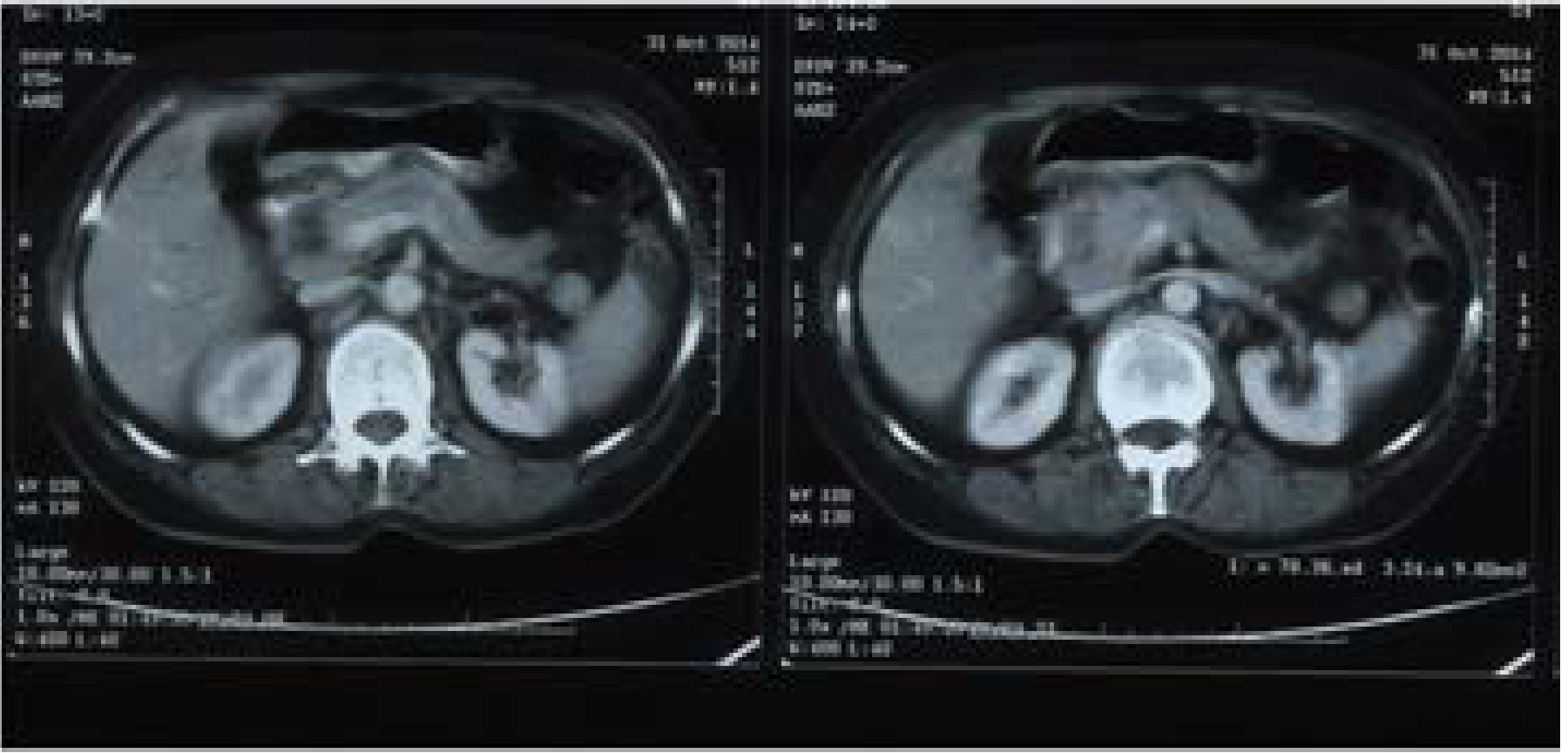
| "Sausage-shaped" pancreas | Diffusely enlarged, homogeneous, loss of normal lobulation - pathognomonic |
| Capsule-like rim / halo | Peripheral rimlike hypodense enhancement on CT |
| Focal pancreatic mass | Especially in head (35% of Type 2); mimics cancer |
| Pancreatic duct | Long-segment or multiple strictures WITHOUT upstream dilation (unlike cancer) |
| IgG4-sclerosing cholangitis | Bile duct wall thickening and enhancement |
Key differentiator from pancreatic cancer: AIP causes ductal stricture WITHOUT upstream duct dilation; cancer typically causes obstruction WITH marked upstream dilation
Diagnosis - International Consensus Diagnostic Criteria (ICDC)
| Letter | Criterion |
|---|---|
| H | Histology |
| I | Imaging (pancreatic parenchyma + duct) |
| S | Serum IgG4 |
| O | Other organ involvement |
| Rt | Response to steroid therapy |
Definitive Type 1 AIP Diagnosis Requires (ICDC):
- Periductal lymphoplasmacytic infiltrate (without granulocytes)
- Obliterative phlebitis
- Storiform fibrosis
- IgG4-positive cells >10 per high-power field
- Elevated serum IgG4
- ≥2 classic histology findings
- Other organ involvement (histologic or radiographic)
- Response to corticosteroids
Serum IgG4 - Interpretation
| Level | Interpretation |
|---|---|
| Normal upper limit | ~135 mg/dL (varies by lab) |
| >135 mg/dL | Elevated - suggestive |
| >270 mg/dL (2× ULN) | Highly specific for Type 1 AIP |
| Sensitivity | 80-99% for Type 1 AIP |
| Sensitivity in Type 2 AIP | Only ~17% |
Important caveat: Pancreatic cancer can also raise IgG4, but <1% of pancreatic cancer patients have levels >2× ULN. Always correlate with imaging and clinical context.
Histopathology - 4 Key Features of Type 1 AIP
| Feature | Description |
|---|---|
| Lymphoplasmacytic infiltrate | Dense periductal infiltration of lymphocytes and IgG4+ plasma cells |
| Storiform fibrosis | "Cartwheel" or "swirling" pattern of fibrosis - hallmark |
| Obliterative phlebitis | Lymphocyte/plasma cell infiltration obliterating venule lumens |
| IgG4+ plasma cells | >10 cells per high-power field |
Treatment
Indications for Treatment
- Symptomatic disease (jaundice, pain, weight loss)
- Persistent pancreatic mass on imaging
- Persistent abnormal liver tests from IgG4-sclerosing cholangitis
- Exocrine/endocrine insufficiency
- Other organ involvement threatening irreversible damage
10-25% of patients may have spontaneous remission without treatment
First-Line: Corticosteroids
| Phase | Drug | Dose | Duration |
|---|---|---|---|
| Induction | Prednisolone / Prednisone | 0.6-1 mg/kg/day (typically 30-40 mg/day) | 2-4 weeks |
| Taper | Prednisolone | Reduce by 5 mg every 1-2 weeks | Over 3-6 months total |
| Maintenance | Prednisolone | 2.5-5 mg/day | Up to 3 years (especially Japan guidelines) |
Remission induction rate with steroids: up to 99% Low-dose maintenance therapy reduces relapse rate significantly (Japanese multicenter study of 510 patients)
Response Assessment
- Symptom improvement: within 1-2 weeks
- Imaging improvement: within 2-4 weeks (sausage pancreas resolves)
- If NO response at 4-6 weeks → MUST exclude pancreatic cancer
- A diagnostic steroid trial can be given when histology is unavailable and diagnosis is probable
Relapse Management
- Relapse in 30-50% of Type 1 AIP (much higher than Type 2)
- Repeat steroid induction course
- Consider adding a steroid-sparing immunomodulator
Second-Line / Steroid-Sparing Agents
| Drug | Role |
|---|---|
| Azathioprine (1.5-2.5 mg/kg/day) | Steroid-sparing for maintenance; facilitates taper; NOT effective as monotherapy |
| Mycophenolate mofetil | Alternative to azathioprine |
| Rituximab (anti-CD20) | Second-line for Type 1 AIP; indicated if contraindication to steroids, steroid dependence, or multiple relapses; B-cell depleting therapy |
| Methotrexate | Less evidence; used in some centres |
Complications if Untreated
- Chronic pain
- Exocrine pancreatic insufficiency (steatorrhea, malabsorption)
- Endocrine insufficiency (diabetes mellitus)
- Pancreatic fibrosis / atrophy
- IgG4-sclerosing cholangitis → biliary stricture → secondary biliary cirrhosis
- Unnecessary pancreatic surgery
Long-Term Follow-Up
| Timepoint | Assessment |
|---|---|
| 4-6 weeks | Repeat imaging to confirm response; recheck serum IgG4 |
| 3-6 months | Steroid taper complete; check for relapse |
| Every 6-12 months | Serum IgG4, imaging, exocrine/endocrine function |
| Relapse markers | Rising serum IgG4 often precedes clinical relapse |
Key "Do Not Miss" Points
| Pitfall | Comment |
|---|---|
| Mistaking AIP for pancreatic cancer | 2-3% of "pancreatic cancer" surgical resections are actually AIP - always check IgG4 |
| Relying on IgG4 alone | Pancreatic cancer can elevate IgG4; need ≥2× ULN + supporting criteria |
| Giving steroids without excluding cancer | A diagnostic steroid trial is acceptable only if cancer is reasonably excluded |
| Missing extrapancreatic IgG4-RD | Always screen for bile duct, kidney, salivary gland involvement |
| Stopping maintenance steroids too early | Type 1 AIP has high relapse rate; prolonged low-dose maintenance may be warranted |
- Current Surgical Therapy, 14th ed., Ch. - Autoimmune Pancreatitis (Tables 1, 2, 3; Figs 1, 2)
- Goldman-Cecil Medicine, International Ed.
- UpToDate: Autoimmune Pancreatitis - Clinical Manifestations and Diagnosis (updated 2026)
- NCBI StatPearls: Autoimmune Pancreatitis
- Wu S et al. "A comprehensive review of IgG4-related pancreatitis." Front Immunol 2025 (PMID 40599784)
- Clin Am 2025: What Is the Latest in Autoimmune Pancreatitis
Enterococcus feacalis uti duration of treatment
Enterococcus faecalis UTI treatment duration antibiotic guidelines IDSA 2024
Enterococcus faecalis UTI - Treatment Duration & Antibiotic Guide
Important Stewardship Point First
| Situation | Action |
|---|---|
| Asymptomatic bacteriuria (ASB) | Do NOT treat (except pregnancy or pre-urological procedure) |
| Symptomatic UTI | Treat based on category below |
E. faecalis is part of normal rectal flora and is frequently a contaminant in urine specimens, especially catheter samples. Treat only when there are genuine urinary symptoms + pyuria + significant colony counts (≥10³ CFU/mL in catheter, ≥10⁵ in midstream). (IDSA/Stanford Stewardship, 2024)
Treatment Duration by Clinical Category
| Category | Definition | Duration |
|---|---|---|
| Uncomplicated cystitis (lower UTI) | Healthy, non-pregnant woman, no structural abnormality, no fever | 5-7 days |
| Complicated UTI | Male, pregnant, catheter, structural abnormality, diabetes, immunocompromise, hospital-acquired | 7 days (if improving on effective therapy - IDSA 2025) |
| Acute pyelonephritis (upper UTI) | Flank pain, fever, systemic symptoms | 7 days (fluoroquinolone) or 7-10 days (non-fluoroquinolone beta-lactam) |
| Catheter-associated UTI (CAUTI) | Symptomatic UTI with indwelling catheter | 7 days (if prompt clinical improvement); 10-14 days if slow response |
| Complicated UTI with bacteremia | UTI + bloodstream infection | 7 days (IDSA 2025 - if improving) |
| UTI in males | All male UTI = complicated | 7-14 days (7 days if catheter removed + rapid improvement) |
| Prostatitis (if involved) | Pelvic pain, fever, obstructive symptoms | 2-4 weeks (acute); 4-6 weeks (chronic) |
IDSA 2025 key update: Shorter courses (5-7 days for fluoroquinolone; 7 days for beta-lactam) are now preferred over traditional 10-14 days for complicated UTI/pyelonephritis in patients improving clinically on effective therapy. Longer courses (10-14 days) may still be needed for indwelling catheters, severe sepsis, immunocompromise, abscess, obstruction, or CKD.
Antibiotic Choice for E. faecalis UTI
First-Line Agents
| Drug | Dose | Route | Notes |
|---|---|---|---|
| Amoxicillin | 500 mg TID or 875 mg BD | Oral | Drug of choice for susceptible E. faecalis; excellent urinary penetration |
| Ampicillin | 500 mg QID | Oral | Equivalent to amoxicillin; less convenient dosing |
| Nitrofurantoin (macrocrystals) | 100 mg BD (modified-release) | Oral | Lower UTI/cystitis ONLY - does NOT achieve adequate tissue/serum levels; do NOT use for pyelonephritis or complicated UTI |
Second-Line / Alternative Agents
| Drug | Dose | Route | Notes |
|---|---|---|---|
| Fosfomycin trometamol | 3 g single dose | Oral | For uncomplicated cystitis only; single dose convenience; limited data vs. E. faecalis specifically |
| IV Ampicillin | 1-2 g IV q6h | IV | For severe/complicated UTI, pyelonephritis requiring IV therapy |
| Piperacillin-tazobactam | 3.375-4.5 g IV q6-8h | IV | Covers E. faecalis but not preferred |
| Vancomycin | 15-20 mg/kg IV q8-12h | IV | Reserved for penicillin allergy; poor urinary concentrations - use only if ampicillin not possible |
For Vancomycin-Resistant Enterococcus (VRE) - E. faecium more common, but E. faecalis VRE exists
| Drug | Notes |
|---|---|
| Linezolid 600 mg BD | For systemic/severe VRE infections; NOT preferred for UTI alone (high cost, toxicity) |
| Daptomycin | Inactivated in urine - do NOT use for UTI |
| Fosfomycin | Can be used for VRE cystitis |
| High-dose ampicillin | Even if "resistant" on MIC, high urinary drug concentrations may exceed MIC - consult ID |
What Does NOT Work for E. faecalis
| Drug | Reason |
|---|---|
| Cephalosporins (all generations) | Intrinsic resistance |
| Aztreonam | Intrinsic resistance |
| Trimethoprim-SMX | Intrinsic resistance (thymidine salvage pathway) |
| Clindamycin | Not active against enterococci |
| Daptomycin | Inactivated by pulmonary surfactant; inactivated in urine |
| Fluoroquinolones | Often resistant; even when susceptible, poor activity |
Special Situations
Pregnant Women
- Amoxicillin 500 mg TID × 7 days (cystitis)
- Nitrofurantoin safe in 1st/2nd trimester but avoid near term (neonatal hemolytic anemia risk)
- Treat all bacteriuria in pregnancy, even if asymptomatic
Catheter-Associated UTI
- Remove or replace the catheter before or at the start of antibiotic therapy - this alone can resolve bacteriuria
- 7 days if prompt clinical improvement after catheter management
- 10-14 days if delayed response
Recurrent E. faecalis UTI
- Check for underlying structural cause (stones, incomplete voiding, BPH in males)
- Consider long-term prophylaxis only after urological workup
- Nitrofurantoin 50-100 mg nocte for continuous prophylaxis (lower UTI prevention)
Summary Decision Table
E. faecalis UTI confirmed (symptomatic + pyuria)
            ↓
UNCOMPLICATED CYSTITIS (female, no complicating factors):
   → Amoxicillin 500 mg TID × 5-7 days
   → OR Nitrofurantoin 100 mg BD × 5-7 days

COMPLICATED UTI / PYELONEPHRITIS (improving on therapy):
   → Amoxicillin 500 mg TID × 7 days (oral)
   → OR Ampicillin 1g IV q6h then step down to oral × 7 days total

CAUTI:
   → Remove/replace catheter + Amoxicillin × 7 days
   (extend to 10-14 days if slow improvement)

MALE / PROSTATITIS:
   → Amoxicillin × 14 days (acute)
   → Consult urology if refractory

VRE cystitis:
   → Fosfomycin 3g single dose OR Linezolid 600 mg BD × 5-7 days (consult ID)
- Comprehensive Clinical Nephrology, 7th ed., Ch. 53 (UTI definition, epidemiology, etiologic agents)
- Medical Microbiology, 9th ed. (Enterococcus treatment - penicillin/ampicillin first-line)
- Harrison's Principles of Internal Medicine, 22nd ed. (2025) - Enterococcal infections
- IDSA 2025 Guideline Update: Complicated UTI treatment duration (idsociety.org)
- Stanford Antimicrobial Safety Program: Enterococcus/VRE in Urine Cultures, 2024
When to do vancomycin trough level
vancomycin trough level monitoring guidelines 2020 ASHP IDSA AUC when to draw
Vancomycin Therapeutic Drug Monitoring - When & How
The Paradigm Shift: Trough vs. AUC (2020 Guidelines)
| Approach | Previous (2009) | Current (2020) |
|---|---|---|
| Primary target | Trough 15-20 mg/L | AUC/MIC 400-600 mg·h/L |
| Monitoring method | Trough only | Bayesian AUC-guided dosing (preferred) |
| Reason for change | Trough 15-20 mg/L → significant nephrotoxicity/AKI without better outcomes | AUC-guided = equivalent efficacy + less nephrotoxicity |
| Where applicable | All MRSA infections | Serious MRSA infections (bacteremia, endocarditis, pneumonia, osteomyelitis, meningitis) |
Trough-only monitoring is still used in many institutions where Bayesian software is unavailable, particularly for non-MRSA indications.
When to Draw the Trough Level
Standard Intermittent Dosing (Most Common)
| Timing | When to Draw |
|---|---|
| Initial trough | Within 30 minutes BEFORE the 4th consecutive dose (≈ 48-72h after starting, depending on dosing interval) |
| This is because | Steady state is reached after ~4-5 half-lives; vancomycin t½ ≈ 6-12h in normal renal function |
| Peak level (if needed) | 60 minutes AFTER the end of the 4th dose infusion |
In infants (faster elimination, shorter t½): draw trough before the 3rd dose
Timing Summary by Dosing Interval
| Dosing Frequency | Steady State Reached | Draw Trough Before |
|---|---|---|
| q6h | ~24-30h | 4th dose (~Day 2) |
| q8h | ~32-48h | 4th dose (~Day 2) |
| q12h | ~48-72h | 4th dose (~Day 3) |
| q24h | ~72-96h | 4th dose (~Day 4) |
For AUC-Guided Monitoring (2020 Preferred Method)
| Level | When to Draw | Notes |
|---|---|---|
| Peak (post-distribution) | 1-2 hours after END of infusion (not right at end) | Allows post-distributive equilibration |
| Trough | Within 30 min BEFORE the next dose | At same dosing interval as peak |
Both samples ideally collected at steady state (around 3rd-4th dose) Target: AUC₂₄ = 400-600 mg·h/L (assuming MIC = 1 mg/L by broth microdilution) These AUC targets should be achieved within 24-48 hours of starting therapy
Target Levels - Trough-Based (When AUC Not Available)
| Infection Type | Target Trough | Notes |
|---|---|---|
| Serious infections (MRSA bacteremia, endocarditis, pneumonia, osteomyelitis, septic arthritis) | 14-17 mg/L (or 15-20 mg/L by older guidance) | Risk of nephrotoxicity increases >20 mg/L |
| Uncomplicated infections (SSTI, uncomplicated bacteremia, febrile neutropenia, sepsis) | 10-14 mg/L | Lower target = less toxicity |
| CNS infections (meningitis) | 14-17 mg/L + consider peak ≥30 mg/L | Poor CNS penetration; higher levels needed |
| Burns | Peak 20-50 mg/L useful | Altered pharmacokinetics |
Repeat / Ongoing Monitoring: When to Recheck
| Situation | When to Recheck |
|---|---|
| After dose adjustment | Re-draw trough before 4th dose after new dose starts (wait for new steady state) |
| Stable patient, normal renal function | Every 5-7 days (trough or AUC) |
| Changing renal function | Daily or every other day - vancomycin clearance directly parallels creatinine clearance |
| AKI / rapidly changing CrCl | Recheck after every 2 doses or even each dose in severe instability |
| ICU patients / critically ill | More frequent (every 2-3 days minimum) |
| Stable chronic kidney disease | Every 3-5 days |
| Hemodialysis patients | Check pre-dialysis and post-dialysis levels; modern high-permeability dialyzers clear significant drug |
Special Situations
When to Draw an EARLY (Non-Steady State) Level
- If concerned about toxicity (rising creatinine, oliguria) before steady state
- If suspected supratherapeutic initial level (e.g., overdose, accidental double dose)
- Patients with rapidly changing renal function (AKI)
- Draw at ~2h post-infusion (peak); use Bayesian software to calculate estimated AUC even before steady state
When to Draw a PEAK Level Specifically
- Suspected CNS infections (target peak ≥30 mg/L)
- Burns patients (altered Vd and clearance)
- Clinical non-response at 72h despite adequate troughs
- Persistent positive cultures despite therapy
Loading Dose Timing
- If a loading dose is given (25-30 mg/kg, max 3,000 mg):
- This rapidly achieves near-therapeutic levels
- AUC targets can be achieved within 24-48h when loading + Bayesian approach used
- Draw 2 levels 1-2h post-loading infusion end and just before next dose for Bayesian calculation
High-Risk Patients Requiring More Vigilant Monitoring
| Risk Factor | Action |
|---|---|
| Trough ≥15 mg/L | Use AUC-guided approach; avoid trough >20 mg/L |
| Concurrent piperacillin-tazobactam | Synergistic nephrotoxicity risk - monitor daily |
| Concurrent aminoglycosides | Monitor daily; avoid combo if possible |
| Concurrent furosemide in ICU | Increased nephrotoxicity |
| Obese patients | Use actual body weight for dosing calculations |
| Renal impairment | Extend dosing intervals; check levels more frequently |
| Elderly | Reduced creatinine clearance; extended intervals often needed |
Practical Step-by-Step Guide
STEP 1 - Start vancomycin
   Loading dose: 25-30 mg/kg IV (max 3,000 mg) for serious infections
   Maintenance: based on CrCl and weight

STEP 2 - Draw levels at steady state (3rd-4th dose)
   AUC method (preferred):
     → Draw peak 1-2h post-infusion end AND trough <30 min pre-dose
     → Enter into Bayesian software → calculate AUC₂₄
     → Target: 400-600 mg·h/L

   Trough-only method (if AUC not available):
     → Draw trough within 30 min BEFORE 4th dose
     → Target: 10-14 mg/L (mild) or 14-17 mg/L (serious)

STEP 3 - Adjust dose based on result
   → Recheck after 4th dose of NEW regimen

STEP 4 - Ongoing monitoring
   → Stable patient: every 5-7 days
   → Changing renal function: every 1-2 days
   → Hemodialysis: pre- and post-each dialysis session
Why NOT Trough Alone Anymore
- Trough 15-20 mg/L is a poor surrogate for AUC - a wide variety of AUC values can produce the same trough depending on the dosing interval
- Troughs ≥15 mg/L are independently associated with AKI without reliably achieving the AUC/MIC target needed for efficacy
- AUC/MIC-guided dosing achieves equivalent clinical outcomes with significantly less nephrotoxicity
- Harriet Lane Handbook, 23rd ed. (Johns Hopkins), Vancomycin section (p. 1389-1390)
- ASHP/IDSA/PIDS/SIDP 2020 Consensus Guidelines: Therapeutic Monitoring of Vancomycin
- ASHP Guideline on Vancomycin Monitoring (Am J Health-Syst Pharm 2020)
Pseudomonas eradication therapy - inhale tobromycin
inhaled tobramycin Pseudomonas aeruginosa eradication therapy cystic fibrosis dose regimen guidelines 2024
inhaled tobramycin bronchiectasis non-CF Pseudomonas eradication protocol EMBARC ERS 2024
How long to give cycle of tobromycin in pseudomonas eradication
Pcos diagnosis biochemical