
explain everything i must know as a med student in final year about mumps
Reading File
Reading File
Reading File
Reading File
Reading File
Reading File
Mumps is an acute infection caused by mumps virus (a paramyxovirus), best known for parotitis but important in final-year practice because it can cause orchitis, meningitis/encephalitis, pancreatitis, deafness, and pregnancy-related concerns. Vaccination has reduced incidence markedly, but outbreaks still occur, including among fully vaccinated young adults.
What a final-year mumps topic covers
- Virology, transmission, incubation, infectivity, epidemiology
- Clinical presentation
- Typical parotitis and prodrome
- Atypical/subclinical illness
- Complications by organ system
- CNS, testes/ovaries, pancreas, hearing, pregnancy
- Differential diagnosis of parotid swelling
- Diagnosis
- RT-PCR, buccal swab technique/timing, serology, public-health notification
- Management
- Supportive care, analgesia, hydration, complication-specific management
- Infection prevention and public health
- Isolation period, contact management, outbreak precautions
- Vaccination
- MMR schedule, contraindications, outbreak third-dose indications
- Exam and bedside approach
- High-yield viva questions, red flags, common pitfalls
High-level clinical framework
Think mumps in a patient with a febrile prodrome followed by painful unilateral or bilateral parotid swelling. The key bedside task is distinguishing true parotitis from bacterial suppurative parotitis, salivary obstruction, dental infection, cervical lymphadenopathy, and non-mumps viral causes.
Diagnosis in a suspected case is generally confirmed with RT-PCR from a buccal/oral swab collected as early as possible after parotitis begins. Do not rely on a negative IgM alone, particularly in vaccinated people. Management of uncomplicated disease is supportive, but every patient needs a directed screen for neurological symptoms, testicular pain/swelling, dehydration, severe abdominal pain, and auditory symptoms.
The practical public-health point is that suspected mumps should be isolated and reported according to local rules. Standard guidance commonly uses droplet precautions for 5 days after onset of parotitis. Vaccination prevents disease but does not make mumps impossible, particularly in close-contact outbreaks.
Which section should I cover in full first?
explain me everything
Reading File
Finding Sources
Finding Sources
Finding Sources
Finding Sources
Finding Sources
Searching PubMed
"Mumps"[MeSH Terms] AND "Systematic Review"[Publication Type]
Searching the Web
CDC mumps clinical overview testing isolation vaccination 2025
Reading File
Reading File
Reading File
Reading Web Page
https://www.cdc.gov/mumps/hcp/clinical-overview/index.html
Reading File
Reading File
Reading File
Reading File
Searching PubMed
mumps outbreak third MMR dose effectiveness
Mumps: final-year medical student guide
1. Definition and why it still matters
Mumps is an acute, contagious systemic viral disease caused by the mumps virus, classically producing painful swelling of the parotid salivary glands. It can also affect the CNS, testes, ovaries, pancreas, cochlea, and other organs.
It is vaccine-preventable, but do not dismiss it in a person who received MMR. Outbreaks occur in highly vaccinated adolescents and young adults, especially in universities, sports teams, military settings, religious communities, and other close-contact environments. Waning immunity and intense exposure are contributing factors. A 2025 systematic review also identified vaccination gaps and close-contact settings as important outbreak determinants (recent review).
One-line exam definition:
Mumps is an acute infection with an enveloped, negative-sense single-stranded RNA paramyxovirus, causing epidemic parotitis and potentially aseptic meningitis, orchitis, pancreatitis, and sensorineural hearing loss.
2. Virology
| Feature | What to know |
|---|---|
| Family | Paramyxoviridae |
| Virus | Mumps orthorubulavirus, formerly classed in the Rubulavirus genus |
| Genome | Enveloped, single-stranded, negative-sense RNA virus |
| Replication | Cytoplasmic |
| Surface proteins | HN protein binds sialic acid and has hemagglutinin-neuraminidase activity; F protein mediates membrane fusion and syncytium formation |
| Host | Humans only |
| Serotype | One serotype, although multiple genotypes exist |
| Environmental stability | Fragile enveloped virus, inactivated by heat, ultraviolet light, lipid solvents, drying, and disinfectants |
The virus enters through the respiratory tract, replicates locally and in regional lymph nodes, then produces viremia. It disseminates preferentially to the salivary glands, testes, ovaries, pancreas, and CNS.
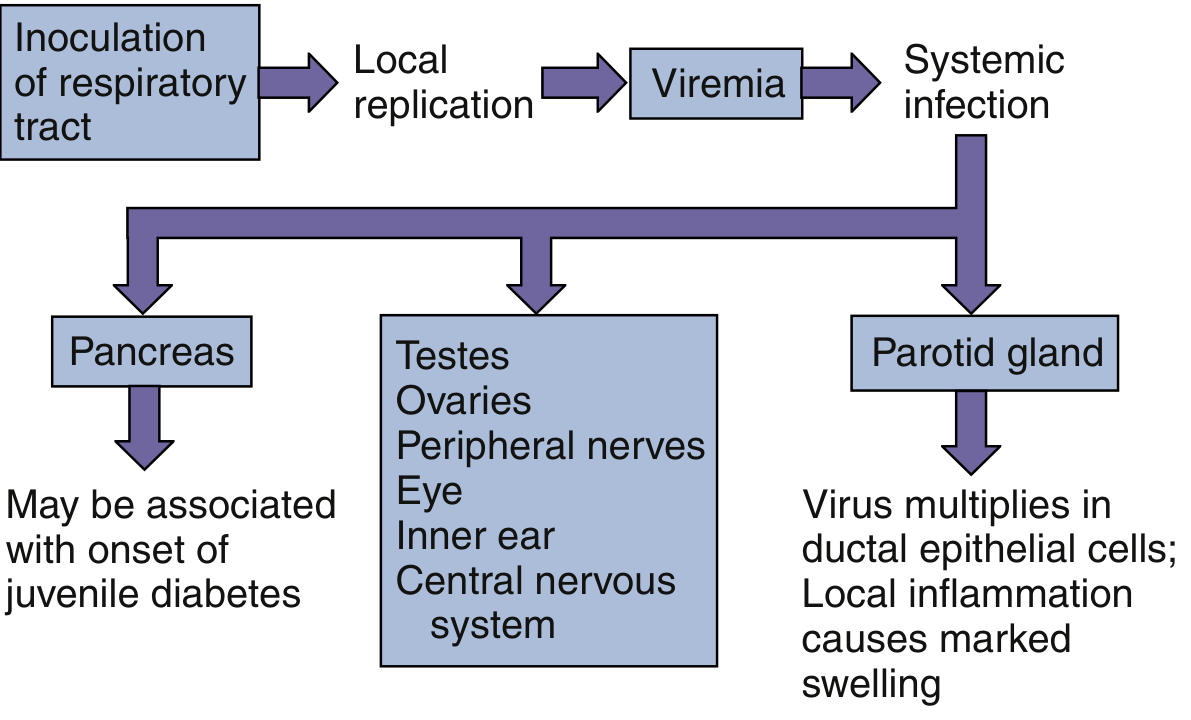
The HN glycoprotein mediates upper-respiratory epithelial infection, while viral spread through virememia explains extra-salivary complications. T-cell responses are important both for viral clearance and for the inflammatory gland swelling. Medical Microbiology 9e, p. 778.
3. Epidemiology and transmission
Transmission
Spread is via:
- Respiratory droplets
- Saliva and direct close contact
- Contaminated respiratory secretions or fomites less commonly
Incubation period
- Average: 16-18 days
- Range: 12-25 days
Infectious period
A person is considered infectious from:
- 2 days before parotitis begins
- Through 5 days after onset of parotitis
Viral shedding can occur outside that interval, but infectivity is highest close to symptom onset. For infection-control purposes, use the 2-days-before to 5-days-after rule (CDC clinical overview).
Important epidemiological facts
- In the pre-vaccine era, most people acquired mumps during childhood.
- Two-dose MMR programmes have reduced incidence dramatically.
- Cases can occur in people with two documented MMR doses.
- Breakthrough outbreaks do not mean MMR is ineffective. Mumps vaccine effectiveness is lower than the measles component, immunity can decline with time, and close, repeated exposure can overcome partial immunity.
4. Clinical presentation
A. Typical mumps
Prodrome
Often mild, lasts a few days:
- Low-grade fever
- Malaise and fatigue
- Headache
- Myalgia
- Anorexia
- Sore throat or nonspecific upper-respiratory symptoms
Parotitis
This is the hallmark finding.
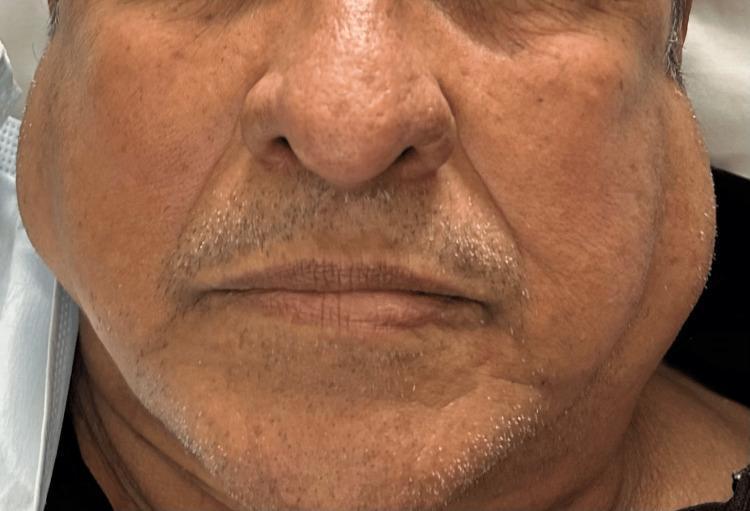
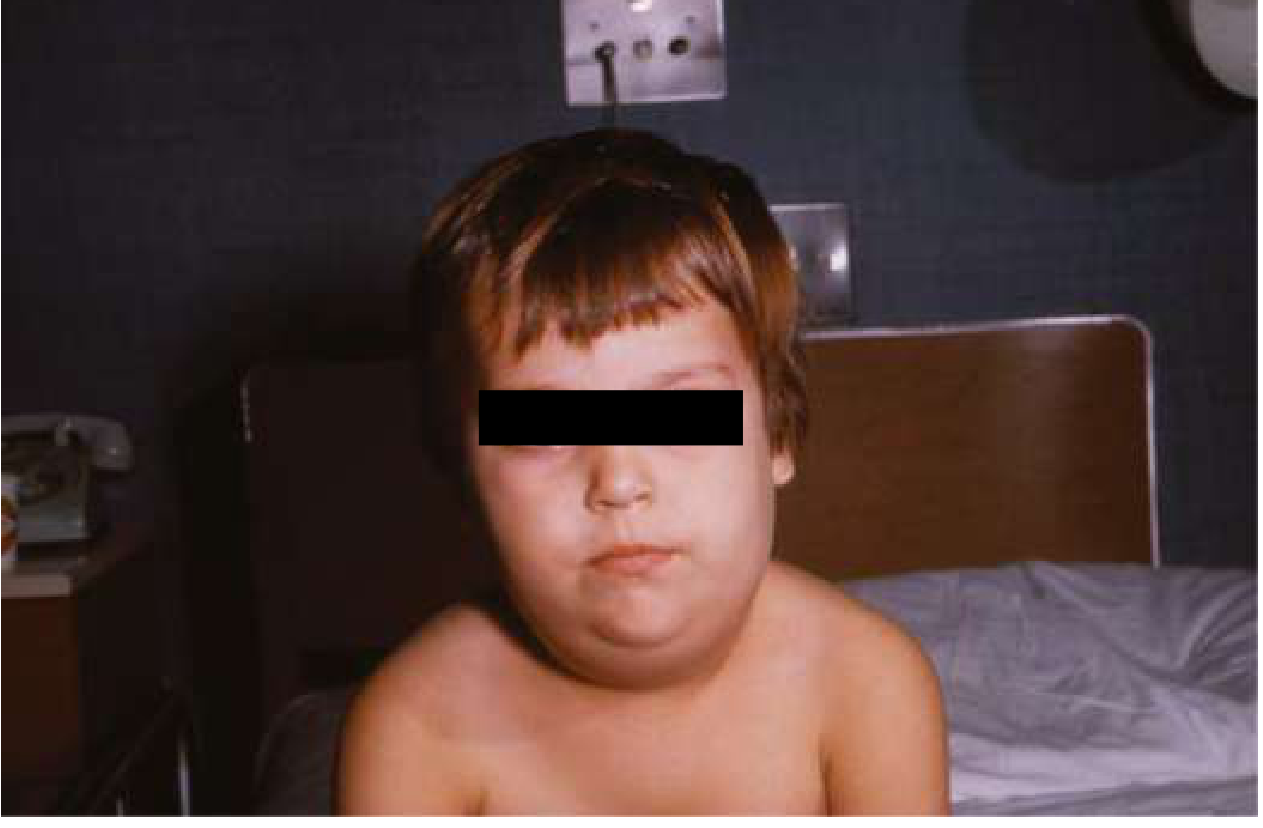
- Painful swelling and tenderness of one or both parotid glands
- Usually begins on one side, then becomes bilateral in many patients
- May involve the submandibular or sublingual glands
- Swelling peaks over 1-3 days and usually settles over approximately 7-10 days
- Ear lobule is pushed upward and outward
- The angle of the mandible may be obscured
- Pain may increase with chewing or acidic foods due to salivary stimulation
Clinical distinction: parotid swelling is anterior and inferior to the ear. Cervical lymphadenopathy tends to be posterior to the angle of the jaw.
About 20-40% of infections may be asymptomatic. Others have nonspecific symptoms without parotitis. Absence of parotitis does not exclude mumps, especially when there is a compatible complication such as aseptic meningitis or orchitis. Goldman-Cecil Medicine, p. 3569.
5. Complications
Complications are more frequent in adults, particularly unvaccinated adults, but can occur in vaccinated people. They may occur with or without parotitis.
| System | Complication | Key facts |
|---|---|---|
| Genital | Orchitis | Most common complication in postpubertal males |
| CNS | Aseptic meningitis | Commonest neurologic complication |
| CNS | Encephalitis | Rare but dangerous |
| Ear | Sensorineural hearing loss | Usually unilateral and transient, rarely permanent |
| Pancreas | Pancreatitis | Abdominal pain and vomiting |
| Female genital/breast | Oophoritis, mastitis | May cause pelvic or breast pain |
| Other | Myocarditis, nephritis, arthritis, thyroiditis, thrombocytopenia | Uncommon |
A. Mumps orchitis
Who gets it?
- Primarily postpubertal males.
- Reported in approximately 15-35% of postpubertal males with mumps.
- Usually unilateral, but may be bilateral in roughly one-quarter of cases.
Timing
- Usually occurs around 1 week after parotitis.
- Can precede parotitis or occur without it.
Presentation
- Fever
- Acute testicular pain, swelling, erythema, and tenderness
- Scrotal edema
- Possible epididymal involvement
Outcome
- Pain and swelling usually improve in about a week, but tenderness can last longer.
- Testicular atrophy may develop.
- Permanent infertility is uncommon, although impaired spermatogenesis and subfertility may occur, especially with bilateral disease.
Critical clinical rule:
A painful swollen testis is testicular torsion until proven otherwise. Do not label it mumps orchitis without considering torsion. Urgent Doppler ultrasound and urological assessment are needed when torsion is possible.
A painful swollen testis is testicular torsion until proven otherwise. Do not label it mumps orchitis without considering torsion. Urgent Doppler ultrasound and urological assessment are needed when torsion is possible.
Management
- Bed rest
- Scrotal elevation/support
- Cold packs
- NSAID or paracetamol
- Exclude torsion and bacterial epididymo-orchitis
- No routine antiviral or corticosteroid treatment
B. Oophoritis and mastitis
May cause lower abdominal/pelvic pain or breast inflammation in postpubertal women. Unlike orchitis, oophoritis has not been shown to cause infertility.
C. Aseptic meningitis
Mumps is neurotropic. CSF pleocytosis may occur even without neurological symptoms.
Typical features
- Headache
- Fever
- Neck stiffness
- Vomiting
- Photophobia
- Drowsiness
It commonly occurs around 4-5 days after parotitis, although it may be the presenting syndrome. CSF often shows lymphocytic pleocytosis, normal glucose, and normal or mildly raised protein.
Mumps meningitis is usually self-limiting, but it requires assessment because bacterial meningitis, HSV encephalitis, and other causes must be excluded initially. Harrison’s Principles of Internal Medicine 22e, p. 1692.
D. Encephalitis
Rare, but potentially fatal or associated with neurological sequelae.
Red flags
- Altered mental state
- Seizures
- Focal neurological deficit
- Aphasia
- Reduced consciousness
- Marked fever or deterioration
This requires admission, neuroimaging when indicated, lumbar puncture if safe, and empiric treatment for alternative treatable CNS infections while the diagnosis is being clarified.
E. Hearing loss
- Usually sudden, unilateral, and sensorineural
- May be transient
- May have tinnitus, vertigo, or other vestibular symptoms
- Permanent, particularly bilateral, deafness is rare but important
Any patient reporting reduced hearing, tinnitus, or vertigo needs urgent audiological and ENT evaluation.
F. Pancreatitis
Mumps pancreatitis is uncommon.
Suspect it with:
- Epigastric pain radiating to the back
- Persistent vomiting
- Abdominal tenderness
- Raised lipase
A raised amylase alone is not diagnostic because parotitis itself can elevate serum amylase. Lipase supports true pancreatic involvement. Harrison’s Principles of Internal Medicine 22e, p. 1691.
G. Pregnancy
Maternal mumps is generally not more severe than mumps in non-pregnant adults. Historical studies raised a possible association with early pregnancy loss, but evidence is limited and inconsistent. It is not a proven teratogen in the way rubella is. Discuss the case with obstetrics and public health, offer routine obstetric assessment, and avoid unnecessary reassurance or alarmism (CDC pregnancy summary).
6. Differential diagnosis of parotitis
A key final-year task is not simply recognizing mumps, but identifying alternative diagnoses that require different treatment.
| Diagnosis | Helpful distinguishing features |
|---|---|
| Mumps | Viral prodrome, tender uni/bilateral parotitis, exposure/outbreak context, no pus from duct |
| Acute bacterial suppurative parotitis | Toxic appearance, high fever, unilateral painful erythematous swelling, purulent discharge from Stensen duct, dehydration or frailty, commonly S. aureus |
| Sialolithiasis | Recurrent unilateral pain/swelling, worse during meals, stone or obstruction |
| Other viral parotitis | Influenza A H3N2, parainfluenza, EBV, CMV, adenovirus, HIV and enteroviruses |
| Dental infection | Local dental pain, gingival disease, focal dental findings |
| Cervical lymphadenitis | Discrete nodal swelling rather than salivary-gland enlargement |
| Sjögren syndrome | Chronic, often bilateral enlargement with dry eyes and dry mouth |
| Sarcoidosis | Chronic enlargement and systemic features |
| Tumour or cyst | Persistent painless unilateral mass |
| Drug/metabolic causes | Recurrent or chronic noninfective salivary enlargement |
Other viral and noninfective causes of parotitis must be considered, especially when the clinical or epidemiological context is not typical. Harrison’s Principles of Internal Medicine 22e, p. 1692.
7. Diagnosis
A. When to suspect mumps
Suspect it in a patient with:
- Acute unilateral or bilateral parotitis or other salivary-gland swelling
- A compatible prodrome
- Orchitis, oophoritis, aseptic meningitis, pancreatitis, or sudden hearing loss without another clear cause
- Exposure to a case or an outbreak setting
- Incomplete vaccination history
Do not exclude mumps because the patient has received MMR. Vaccination lowers risk and severity but does not exclude breakthrough infection.
B. First actions in suspected mumps
- Isolate using droplet precautions
- Notify local infection-control and public-health teams
- Obtain a focused history and examination for complications
- Collect diagnostic specimens promptly
- Do not wait for results before instituting isolation
C. Laboratory confirmation
Preferred test: rRT-PCR
- Obtain a buccal swab for real-time reverse-transcription PCR.
- Massage the parotid gland for about 30 seconds before swabbing to improve yield.
- Collect as early as possible after parotitis begins.
- Ideally collect in the first 0-3 days and within 10 days of onset.
Buccal swab rRT-PCR is preferred because it is rapid, specific, and useful for molecular surveillance. A negative result does not rule out mumps, especially if collection was delayed or the patient was vaccinated (CDC surveillance guidance).
Serology
- Serum mumps IgM can support the diagnosis.
- IgM is more likely detectable several days after symptom onset.
- In vaccinated patients, IgM may be absent, delayed, or transient.
- A negative IgM is therefore not sufficient to exclude mumps.
- IgG positivity mainly reflects past infection or vaccination and is not, by itself, proof of acute disease.
Other samples
- Urine, CSF, and blood may occasionally be tested in specific clinical contexts.
- In a patient with CNS disease, send CSF for routine cell count, glucose, protein, bacterial studies, and a viral workup guided by local protocols.
Exam answer:
In suspected mumps, take a buccal swab for rRT-PCR as soon as possible and serum for IgM. In a vaccinated patient, negative IgM or PCR does not reliably exclude mumps if clinical suspicion remains high.
8. Management
There is no specific proven antiviral therapy for uncomplicated mumps.
A. Uncomplicated mumps
Treatment is supportive:
- Oral fluids and nutrition
- Rest
- Paracetamol or NSAIDs for pain and fever, if appropriate
- Soft diet
- Avoid acidic foods and drinks if they worsen salivary pain
- Warm or cool compresses to swollen glands according to comfort
- Safety-net advice and review if complications develop
Do not give antibiotics unless bacterial parotitis or another bacterial infection is suspected.
Do not use corticosteroids routinely for uncomplicated mumps or orchitis.
Do not use corticosteroids routinely for uncomplicated mumps or orchitis.
B. Admit or urgently assess if there is
- Altered consciousness, seizures, focal neurology, or severe headache
- Meningism or suspected encephalitis
- Severe dehydration or inability to drink
- Severe abdominal pain or suspected pancreatitis
- Acute painful swollen testis, especially if torsion cannot be excluded
- Sudden hearing loss or severe vertigo
- Immunocompromise, severe comorbidity, or diagnostic uncertainty
9. Infection prevention and public health
Isolation
Use droplet precautions for 5 days after the onset of parotitis.
Practical measures:
- Keep the patient away from school, university, work, and healthcare duties during this period.
- Encourage cough hygiene and hand hygiene.
- Avoid sharing utensils, drinks, towels, or close face-to-face contact.
- In hospital, use a single room if feasible and droplet precautions.
Notification
Mumps is a notifiable disease in many countries. Notify local public-health authorities when suspected, not only after confirmation. They coordinate testing, contact tracing, exclusion advice, and outbreak measures.
Contacts
Management of contacts varies by country and outbreak protocol. Key points:
- Check evidence of immunity and MMR status.
- Bring those without adequate MMR vaccination up to date.
- MMR given after exposure does not reliably prevent mumps from that exposure, but it provides future protection.
- In an outbreak, public-health authorities may recommend a third MMR dose for people at increased risk who have already received two doses.
- There is no standard immune-globulin post-exposure prophylaxis for mumps.
10. Vaccination
Routine vaccination
Mumps vaccination is delivered as MMR, a live attenuated vaccine.
A common schedule is:
- First dose at 12-15 months
- Second dose at 4-6 years
Schedules vary by country, so use your national immunization programme for clinical decisions.
Vaccine effectiveness
Two doses substantially reduce mumps risk and complications, but are less protective than they are against measles. A commonly cited estimate is approximately 86-88% effectiveness after two doses. Goldman-Cecil Medicine, p. 3570.
Who should not receive MMR?
Major contraindications include:
- Pregnancy
- Severe immunodeficiency
- Previous anaphylaxis to a vaccine component or a prior dose
For women vaccinated with MMR, advise avoiding pregnancy for the interval specified by national guidance. MMR is not given during pregnancy, but inadvertent vaccination is generally not an indication for pregnancy termination.
Third dose
A third MMR dose is not routine. It may be recommended during an identified outbreak for a group with increased exposure risk, such as students in an affected university. Its added protection may be short-term, which is why this is an outbreak-control measure rather than a universal booster strategy (CDC guidance).
Bedside approach to a patient with suspected mumps
History
Ask about:
- Onset and progression of swelling
- Unilateral versus bilateral involvement
- Fever, headache, malaise, myalgia
- Pain when chewing or with acidic foods
- Contacts with parotitis or known mumps
- University, school, shared accommodation, team sport, military, prison, or outbreak exposure
- Travel
- MMR doses and dates, if known
- Testicular pain or swelling
- Pelvic pain or breast pain
- Headache, neck stiffness, photophobia, drowsiness, seizures
- Hearing loss, tinnitus, vertigo
- Abdominal pain and vomiting
- Immunocompromise and pregnancy status
Examination
Perform:
- Vital signs and hydration assessment
- Inspection and palpation of parotid, submandibular, and cervical areas
- Oral examination, including Stensen duct for pus
- Otoscopy if ear symptoms
- Full neurological examination if headache or altered sensorium
- Abdominal examination
- Genital examination if genital symptoms, with urgent torsion assessment where appropriate
- Hearing assessment at the bedside if auditory symptoms
Investigations
For most suspected cases:
- Buccal swab rRT-PCR
- Serum mumps IgM
- FBC, U&E, CRP only if clinically indicated, not to diagnose mumps
- Lipase if pancreatitis is suspected
- Urinalysis and STI testing if epididymo-orchitis is in the differential
- Urgent scrotal ultrasound if torsion is possible
- Lumbar puncture and neuroimaging guided by CNS presentation
High-yield viva questions
What is the most common clinical manifestation?
Parotitis, usually painful and often bilateral.
When is mumps infectious?
From 2 days before to 5 days after onset of parotitis.
What is the best confirmatory test?
Buccal-swab rRT-PCR, collected early after onset of parotitis.
How do you improve buccal-swab yield?
Massage the parotid gland for approximately 30 seconds before collecting the swab.
Does a negative IgM rule out mumps?
No, especially in vaccinated patients.
What is the most important complication in postpubertal males?
Orchitis.
What is the emergency differential diagnosis of mumps orchitis?
Testicular torsion.
What should you do immediately for suspected mumps in hospital?
Isolate with droplet precautions, send PCR/serology, and notify infection control/public health.
Is there an antiviral treatment?
No. Management is usually supportive.
Can vaccinated people get mumps?
Yes. Two doses reduce risk substantially but do not give complete protection.
Memory aid
MUMPS complications:
- Meningitis / meningoencephalitis
- Unilateral sensorineural hearing loss
- Male orchitis
- Pancreatitis
- Salivary-gland swelling
- Sterility is rare, but testicular atrophy/subfertility can occur
The central final-year message is:
Suspect mumps in acute parotitis even in vaccinated people. Isolate and notify early. Confirm with early buccal-swab rRT-PCR, do not over-rely on IgM, provide supportive treatment, and actively look for orchitis, CNS disease, pancreatitis, and hearing loss.
Textbook basis: Goldman-Cecil Medicine, pp. 3568-3570; Harrison’s Principles of Internal Medicine 22e, pp. 1690-1692; Medical Microbiology 9e, p. 778.
explain me the pathophysiology of meningocoal infectionn
Reading File
Finding Sources
Finding Sources
Finding Sources
Finding Sources
Searching PubMed
"Neisseria meningitidis" AND pathogenesis
Searching the Web
CDC meningococcal disease pathogenesis meningococcemia endotoxin
Reading File
Reading File
Reading File
Searching Images
Neisseria meningitidis pathogenesis diagram nasopharyngeal colonization bloodstream blood brain barrier meningitis
Reading File
Reading File
Pathophysiology of meningococcal infection
Meningococcal infection is caused by Neisseria meningitidis, a Gram-negative, encapsulated, kidney-shaped diplococcus. It is often an asymptomatic nasopharyngeal colonizer, but rarely it invades the bloodstream and causes rapidly progressive meningococcemia, meningitis, or both.
The disease is driven by two linked processes:
- The bacterium evades innate immune killing and multiplies rapidly in blood
- Its lipooligosaccharide endotoxin causes an overwhelming inflammatory and endothelial injury response
The whole process in one flow
Respiratory-droplet acquisition
        ↓
Nasopharyngeal colonization
        ↓
Mucosal invasion and entry into blood
        ↓
Survival in blood: capsule + complement evasion
        ↓
High-grade bacteremia and release of LOS endotoxin
        ↓
Cytokine storm + endothelial injury
        ↓
Capillary leak + vasodilation + myocardial dysfunction + DIC
        ↓
Septic shock, purpura fulminans, multiorgan failure
        ↓
In some patients: crossing blood-meningeal barrier
        ↓
Meningitis: intense subarachnoid inflammation, cerebral edema, raised ICP
1. Acquisition and colonization of the nasopharynx
Transmission is by respiratory droplets or saliva, usually after close contact. Humans are the only reservoir.
Most exposed people do not become ill. They develop transient, asymptomatic nasopharyngeal carriage. Carriage may induce protective antibodies.
Initial attachment
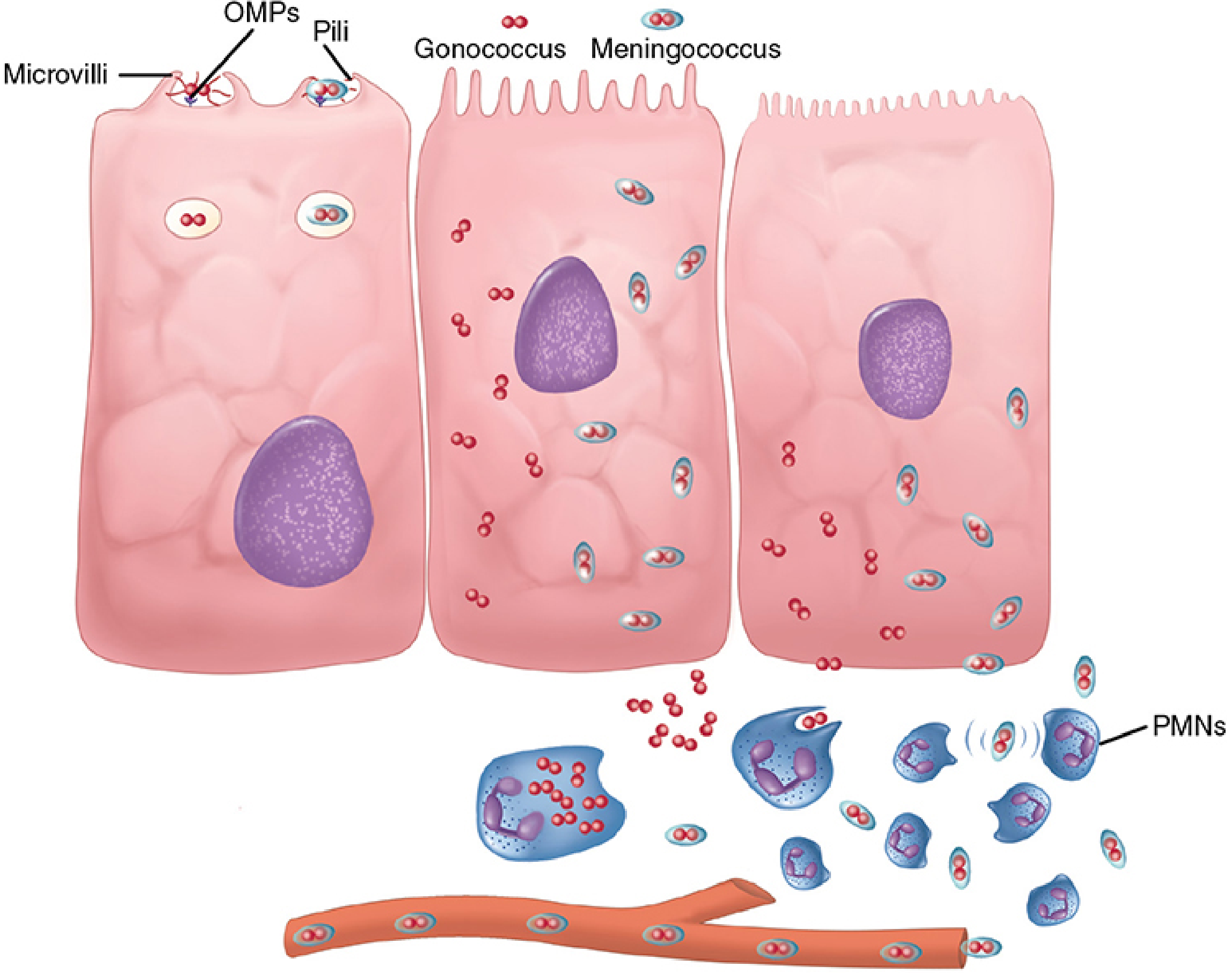
The organism attaches to the non-ciliated epithelial cells of the nasopharynx by:
- Type IV pili: the key initial adhesins
- Opa and Opc proteins: allow closer adherence to epithelial receptors
- Other adhesins such as NadA
Type IV pili enable:
- Attachment to epithelial microvilli
- Formation of bacterial microcolonies
- "Twitching motility", allowing movement across the epithelial surface
- Subsequent invasion of the mucosa
The bacteria enter epithelial cells in membrane-bound vacuoles, cross the epithelial layer, emerge in the submucosa, and can enter the bloodstream. Sherris & Ryan's Medical Microbiology, pp. 1184-1185.
Factors that promote invasion
A colonized person is more likely to develop invasive disease if the mucosal barrier or host defence is impaired, for example:
- Recent viral upper-respiratory infection
- Cigarette smoke exposure
- Dry, cold conditions
- Crowding, such as in dormitories, military barracks, or mass gatherings
- Young age, especially after maternal antibody protection wanes
- Lack of protective bactericidal antibody
Mucosal damage from viral infection, smoke, or low humidity facilitates invasion through the nasopharyngeal epithelium. Goldman-Cecil Medicine, p. 3082.
2. Survival in the bloodstream: why the capsule matters
After bloodstream entry, most bacteria would normally be killed by:
- Complement activation
- C3b opsonization
- Phagocytosis by neutrophils and macrophages
- Membrane attack complex formation, particularly C5-C9
Meningococcus avoids this through several virulence mechanisms.
A. Polysaccharide capsule
The capsule is its major virulence factor.
It:
- Inhibits opsonization
- Reduces antibody-mediated phagocytosis
- Reduces complement-mediated killing
- Allows persistence and rapid multiplication in the bloodstream
Unencapsulated strains are more commonly harmless colonizers. Encapsulated strains are associated with invasive disease.
The clinically relevant capsular serogroups are mainly A, B, C, W, X, and Y.
B. Factor H binding and complement evasion
The organism expresses factor H-binding protein and other surface proteins that recruit host factor H onto its surface.
Factor H downregulates the alternative complement pathway. By binding it, the bacteria reduce C3b deposition and escape complement-mediated killing.
It also modifies its surface LOS by adding sialic acid, further reducing C3b deposition.
Why terminal complement deficiency is high risk
The membrane attack complex, formed by terminal complement components C5-C9, is particularly important for killing Neisseria.
Thus, severe or recurrent invasive meningococcal disease should prompt consideration of:
- Terminal complement deficiency: C5-C9
- Properdin deficiency
- C3 deficiency
- Use of complement inhibitors, especially eculizumab or ravulizumab
- Functional or anatomical asplenia
- Antibody deficiency
Protective immunity is mainly mediated by bactericidal anticapsular antibodies plus complement. Sherris & Ryan's Medical Microbiology, p. 1187; Goldman-Cecil Medicine, p. 3082.
3. Meningococcemia: endotoxin is the central event
Once bacteria multiply in the blood, meningococcal disease can progress extremely rapidly because the organism has a short doubling time, sometimes approximately 30-45 minutes.
The most dangerous clinical effects are caused by lipooligosaccharide (LOS), the meningococcal endotoxin.
LOS versus LPS
Most Gram-negative bacteria possess lipopolysaccharide, or LPS, with:
Lipid A + core polysaccharide + O antigen
Meningococcus has LOS, which lacks the long O-antigen side chain. Its toxic component is still lipid A.
The organism sheds outer membrane vesicles or "blebs" rich in LOS. Thus, major endotoxin exposure can occur even without bacterial lysis.
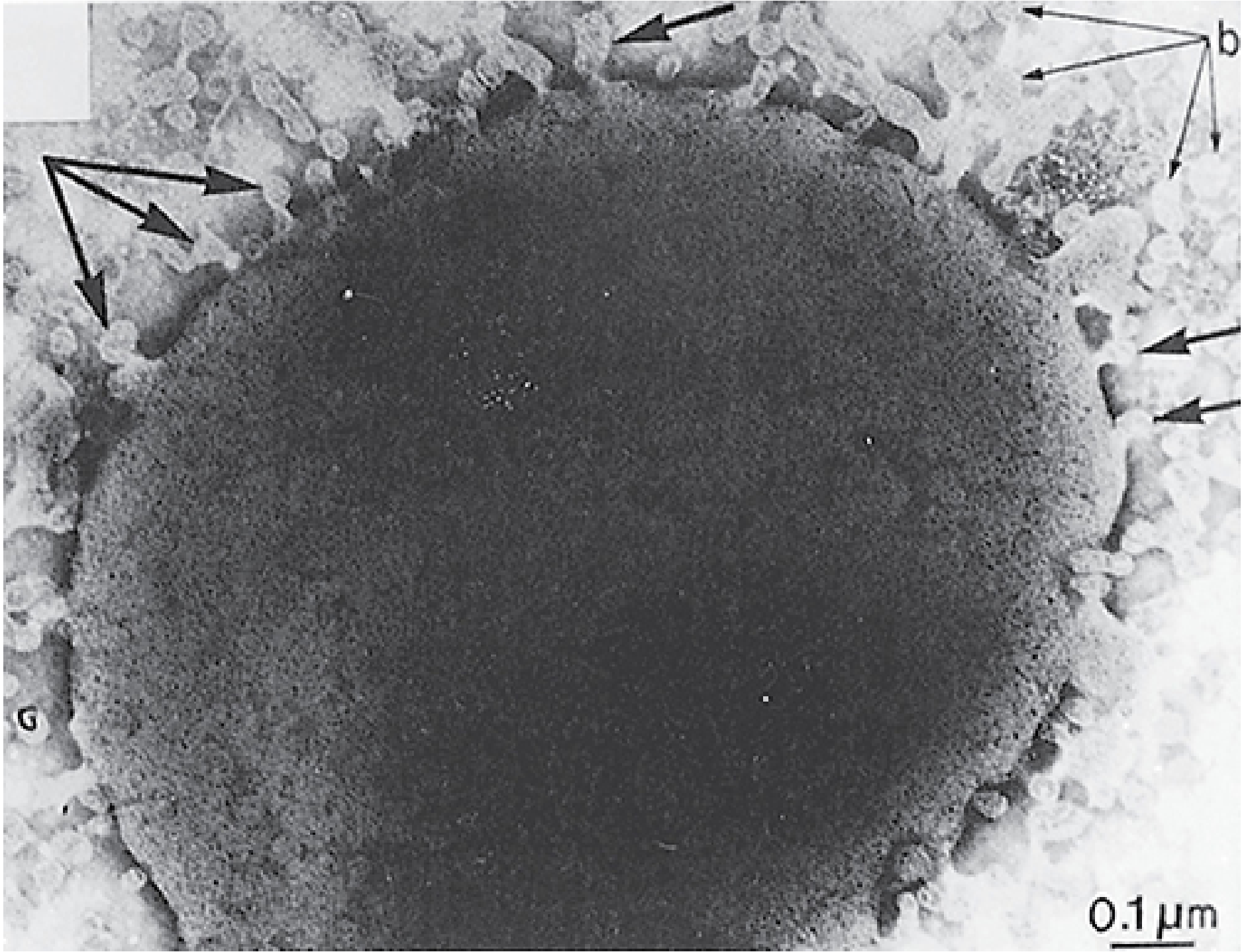
Sherris & Ryan's Medical Microbiology, p. 1186.
4. How LOS produces septic shock
Step 1: Innate immune recognition
LOS, particularly lipid A, binds to:
- LPS-binding protein
- CD14
- MD-2
- TLR4 on monocytes/macrophages, neutrophils, and endothelial cells
TLR4 activation causes intracellular signalling and transcription of pro-inflammatory mediators.
Step 2: Cytokine and inflammatory mediator release
This generates high concentrations of:
- TNF-alpha
- IL-1 beta
- IL-6
- IL-8
- Other chemokines
- Nitric oxide
- Complement activation products
- Procoagulant mediators
High bacterial loads in blood and CSF produce marked increases in TNF-alpha, IL-1 beta, IL-6, IL-8, and other inflammatory mediators. Goldman-Cecil Medicine, p. 3082.
Step 3: Endothelial dysfunction
Endothelial cells become activated and injured. This leads to:
- Increased vascular permeability
- Capillary leak
- Loss of intravascular volume
- Tissue edema
- Leukocyte adhesion and vascular inflammation
- Microvascular thrombosis
- Impaired tissue perfusion
Step 4: Vasodilatory shock
Inflammatory mediators induce nitric oxide production, causing:
- Systemic vasodilation
- Reduced systemic vascular resistance
- Hypotension
- Maldistribution of blood flow
In addition, meningococcal sepsis may cause myocardial depression. The result is a combination of distributive shock, relative hypovolemia from capillary leak, and cardiac dysfunction.
Step 5: Coagulation activation and DIC
Endothelial injury and cytokine signalling activate tissue factor and the coagulation system while impairing fibrinolysis.
This causes:
- Widespread microthrombi
- Consumption of platelets and clotting factors
- Disseminated intravascular coagulation, DIC
- Simultaneous thrombosis and bleeding
- Ischemic injury to skin, kidneys, adrenals, and limbs
5. Why the rash is petechial or purpuric
The classic meningococcal rash is caused by:
Endothelial injury + thrombocytopenia + DIC + dermal microvascular thrombosis
It begins as:
- Small, non-blanching petechiae
Then may progress to:
- Larger purpura
- Ecchymoses
- Purpura fulminans
- Skin necrosis
- Acral ischemia and limb loss
A rapidly spreading non-blanching rash in a febrile unwell person should be treated as meningococcal disease until proven otherwise. The rash may be absent early, so its absence must never delay emergency treatment.
6. Waterhouse-Friderichsen syndrome
In fulminant meningococcemia, severe DIC and shock can cause bilateral adrenal hemorrhage.
This is called Waterhouse-Friderichsen syndrome.
It causes:
- Acute adrenal failure
- Severe hypotension refractory to usual resuscitation
- Hypoglycemia and electrolyte disturbance may occur
- Rapid cardiovascular collapse
It is a pathological marker of overwhelming meningococcal sepsis, but it is not required for meningococcal shock to occur.
7. How it causes meningitis
After bacteremia develops, meningococci adhere to vascular endothelium and cross the blood-meningeal barrier.
Possible routes include:
- Choroid plexus
- Meningeal microvascular endothelium
- Disruption/opening of intercellular junctions
Type IV pili, Opa/Opc proteins, and endothelial interactions support adherence and traversal of the barrier.
Once in the CSF and subarachnoid space:
- Bacteria multiply because CSF has limited antibody and complement activity.
- Bacterial LOS and cell-wall components stimulate macrophages, endothelial cells, and recruited neutrophils.
- Cytokines increase blood-brain barrier permeability.
- Neutrophilic inflammation produces a purulent exudate.
- Cerebral edema and impaired CSF circulation develop.
This produces the clinical syndrome of bacterial meningitis:
- Fever
- Headache
- Neck stiffness
- Photophobia
- Vomiting
- Altered consciousness
- Seizures, focal deficits, or coma in severe disease
Mechanisms of brain injury in meningococcal meningitis
| Mechanism | Consequence |
|---|---|
| Blood-brain barrier disruption | Vasogenic cerebral edema |
| Inflammatory exudate | Meningeal irritation, impaired CSF absorption |
| Cytotoxic inflammation | Neuronal injury |
| Cerebral vasculitis and thrombosis | Focal ischemia or infarction |
| Raised intracranial pressure | Reduced cerebral perfusion, possible herniation |
| SIADH may occur | Hyponatremia, worsening cerebral edema |
The intensity of inflammation, rather than simple bacterial presence alone, produces much of the neurological injury.
8. Why some people develop sepsis, some meningitis, and some both
Clinical phenotype depends on:
- Degree and speed of bloodstream multiplication
- Amount of LOS released
- Host inflammatory response
- Host antibody and complement status
- Bacterial strain virulence
- Whether and when bacteria cross the blood-meningeal barrier
A patient can present with:
| Syndrome | Dominant pathophysiology |
|---|---|
| Meningococcal meningitis | CNS invasion and subarachnoid inflammatory response |
| Meningococcemia | High-grade bacteremia, endotoxemia, endothelial injury, DIC and shock |
| Meningitis with septicemia | Both processes simultaneously |
| Chronic meningococcemia | Rare, intermittent bacteremia with fever, rash, arthralgia |
A particularly poor prognostic pattern is septic shock with extensive purpura but little or no meningitis, because it often indicates overwhelming bacteremia and endotoxin release.
Exam-focused summary
Neisseria meningitidis first colonizes the nasopharynx using type IV pili and adhesins. It invades the bloodstream through the mucosa and evades complement and phagocytosis using its polysaccharide capsule, factor H-binding proteins, and LOS sialylation. Rapid bacterial proliferation releases LOS endotoxin, which activates TLR4-mediated cytokine release. This causes endothelial injury, capillary leak, vasodilation, myocardial dysfunction, coagulation activation, DIC, petechiae, purpura fulminans, and septic shock. The organism can cross the blood-meningeal barrier and multiply in CSF, where intense inflammation causes purulent meningitis, cerebral edema, raised intracranial pressure, and possible neurological injury.
Mnemonic: PACE-L
- Pili: attach to nasopharynx
- Adhesins: invade epithelium/endothelium
- Capsule: avoids complement and phagocytosis
- Endotoxin, LOS: cytokine storm, shock, DIC
- Leptomeningeal invasion: meningitis and cerebral edema
Textbook sources: Medical Microbiology 9e, p. 276; Sherris & Ryan's Medical Microbiology, pp. 1184-1187; Goldman-Cecil Medicine, pp. 3082-3083.
this is too lengthy give it e brief version
Meningococcal infection: brief pathophysiology
Meningococcus (Neisseria meningitidis) is an encapsulated Gram-negative diplococcus spread by respiratory droplets.
-
Colonization
It first attaches to the nasopharynx using type IV pili. Most people remain asymptomatic carriers. -
Bloodstream invasion
In a few people, it crosses the mucosa and enters blood. Its polysaccharide capsule protects it from phagocytosis and complement killing. -
Meningococcemia and shock
The organism multiplies rapidly and releases LOS endotoxin. LOS activates TLR4, causing release of TNF-alpha, IL-1, IL-6, and other inflammatory mediators. -
Endothelial injury and DIC
The cytokine response causes:- Vasodilation and capillary leak → hypotension/shock
- Endothelial injury
- Coagulation activation → DIC
- Skin microthrombi and bleeding → non-blanching petechiae/purpura
-
Meningitis
Bacteria can cross the blood-brain barrier into CSF. Inflammation in the subarachnoid space causes meningeal irritation, cerebral edema, raised intracranial pressure, and sometimes seizures or coma.
One-line summary:
Pili help colonization, capsule allows survival in blood, and LOS endotoxin causes cytokine storm, shock, DIC, purpura, and potentially meningitis.
This is a shared conversation. Sign in to Orris to start your own chat.